Home Blog Page 39

India’s Cheetah Population Crosses 50: A Major Conservation Milestone

0

In a landmark moment for wildlife conservation, India’s cheetah population has crossed the 50‑mark, highlighting the success of the country’s ambitious efforts to bring back a species that disappeared from its landscapes decades ago.
The milestone comes after Jwala, a Namibian‑born cheetah, gave birth to five healthy cubs at Kuno National Park in Madhya Pradesh, raising the total number of cheetahs in the country to around 53.


This achievement was confirmed by Union Environment, Forest and Climate Change Minister Bhupender Yadav and widely hailed by officials and conservationists alike.

A Return After Decades

Cheetahs were declared extinct in India in the early 1950s due to habitat loss, hunting and declining prey. To restore this iconic big cat, the Government of India launched Project Cheetah in 2022, a pioneering wildlife conservation mission under the National Tiger Conservation Authority (NTCA). As part of this initiative, cheetahs were translocated from Namibia and South Africa to Kuno National Park — the first intercontinental relocation of a large carnivore of its kind.

Significance of the Milestone

The birth of five cubs from Jwala — one of the experienced mothers in the reserve — is seen as a strong indicator that the cheetahs are adapting well to their new habitat. Crossing the 50‑individual threshold is not just a statistical landmark but a symbol of hope for the species’ long‑term survival in India’s landscapes. Officials and wildlife experts have described this as a testament to careful planning, improved habitat conditions, dedicated veterinary care and community involvement around Kuno.

Beyond Numbers: Wider Conservation Impact

The growing cheetah population also has broader ecological implications. As top predators, cheetahs play a critical role in maintaining healthy grassland ecosystems by controlling prey populations and supporting biodiversity. India’s conservation strategy includes plans to establish additional habitats, such as Gandhi Sagar Wildlife Sanctuary and Nauradehi Wildlife Sanctuary, which could serve as future homes for cheetahs, helping to develop a metapopulation — a connected network of groups across protected landscapes.

A Triumph for Conservation

The celebration of this milestone reflects years of dedicated efforts by forest departments, wildlife scientists, community stakeholders and international partners. Crossing the 50‑mark is more than a numerical achievement — it’s a victory for species restoration, habitat stewardship and India’s commitment to wildlife conservation. As Project Cheetah continues, hopes remain high that the cheetah will soon once again thrive across the subcontinent’s grasslands.


US Overhauls H-1B Visa System: Wage-Based Selection Replaces Traditional Lottery

0

In a significant shift in immigration policy, the United States government has introduced major reforms to the H-1B visa programme, replacing the long-standing random lottery system with a wage-based selection process. The new rules, implemented by the U.S. Citizenship and Immigration Services (USCIS) and the U.S. Department of Homeland Security, aim to prioritise higher-paid and more highly skilled foreign workers for employment in the country.

The changes will apply from the FY-2027 H-1B visa cap season, with the registration window opening in March 2026 for jobs starting in October 2026.

What is the H-1B Visa?

The H-1B visa allows U.S. companies to hire foreign professionals in specialised fields such as technology, engineering, finance, and medicine when skilled domestic workers are not available. The programme is widely used by global technology firms and is especially significant for Indian professionals working in the American tech sector.

Every year, the United States issues 85,000 H-1B visas under the cap, including 65,000 regular visas and an additional 20,000 reserved for applicants with advanced degrees from U.S. universities.

End of the Random Lottery System

Until now, H-1B visas were allocated through a random lottery, as the number of applications far exceeded the annual quota. The new rule replaces this method with a “weighted selection system”, which prioritises candidates based on the salary offered for the job and the skill level required.

The reform is intended to ensure that visas go to higher-skilled and better-paid workers, rather than being distributed purely by chance.

How the New Wage-Based Selection Works

Under the revised system, applicants are placed into four wage levels determined by the U.S. Department of Labor:

Level I: Entry-level workers — 1 chance in the selection pool

Level II: Moderately experienced workers — 2 chances

Level III: Highly skilled workers — 3 chances

Level IV: Top-level specialists — 4 chances

Higher-salary positions therefore receive multiple entries in the selection process, significantly improving their chances of receiving a visa.

Other Key Changes in the New Rules

The reform package includes several additional changes:

Higher employer fees: Some proposals include additional charges that could significantly increase the cost of sponsoring foreign workers.

Revised application documentation: Employers must provide detailed job information through updated forms to ensure transparency and compliance.

Stricter scrutiny of petitions: Authorities aim to prevent misuse of the programme and protect American wages and jobs.

Impact on Indian Professionals

Indian nationals traditionally receive the largest share of H-1B visas, especially in the technology sector. The new wage-based selection system could benefit highly skilled professionals earning higher salaries but may make it more difficult for entry-level graduates and smaller firms to secure visas.

Experts also note that the reforms may reshape hiring strategies of global tech companies and influence migration patterns for skilled workers.

A Major Shift in U.S. Immigration Policy

The overhaul marks one of the biggest changes to the H-1B programme in decades. By prioritising higher-paid positions, the United States aims to align immigration with economic needs and attract top global talent while protecting domestic employment opportunities.

For aspiring international professionals, the new rules signal a more competitive and skill-focused pathway to working in the United States.

Linen: The Timeless Summer Fabric That Continues to Shape Global Fashion

0

Light, breathable and effortlessly elegant, Linen has long been celebrated as one of the most comfortable fabrics for warm climates. Often regarded as the ultimate summer textile, linen’s story stretches back thousands of years, linking ancient civilizations with modern fashion trends.

Ancient Origins of Linen

Linen is made from the fibres of the Flax plant. The history of linen production dates back nearly 8,000 years, with archaeological evidence found in ancient civilizations such as Ancient Egypt and Mesopotamia. Egyptians particularly valued linen for its purity and cooling properties; it was used for clothing, household textiles and even for wrapping mummies.

Over time, the knowledge of flax cultivation and linen weaving spread across Asia and Europe through trade routes.
In the Indian subcontinent, linen-like fabrics and flax-based textiles were also known and used in different forms, especially in regions where lightweight fabrics were essential for tropical climates.

What Makes Linen Unique

Unlike synthetic materials, linen is a natural fibre fabric known for its durability and breathability. The fabric’s loose weave allows air to circulate freely, making it extremely comfortable in humid and hot weather. Linen also absorbs moisture quickly and dries faster than many other textiles, which is why it has remained a favourite choice for summer clothing around the world.
Another unique characteristic of linen is its slightly textured appearance and natural wrinkles. While once considered a flaw, these subtle creases are now seen as part of linen’s relaxed and sophisticated charm.

From Traditional Textiles to Global Fashion

Historically, linen was used for simple garments, tablecloths, curtains and household fabrics. However, the modern fashion industry has reimagined the fabric in exciting ways. Designers and brands now experiment with linen to create everything from luxury suits and dresses to casual shirts, pants, jackets and what not!

The rise of sustainable fashion has further increased linen’s popularity. As a biodegradable and environmentally friendly fibre that requires less water and chemicals compared to many fabrics, linen aligns with the growing demand for eco-conscious clothing.

Why Linen Remains the Perfect Summer Choice

Today, linen continues to dominate summer wardrobes across continents. Its cooling comfort, durability and timeless style make it ideal for both traditional and contemporary outfits. Whether used in classic ethnic wear or modern fashion silhouettes, linen offers a balance of elegance and practicality.
From ancient civilizations to modern runways, linen’s journey reflects the enduring appeal of natural fabrics. What began as a humble textile derived from the flax plant has evolved into a global summer essential, proving that some fabrics truly stand the test of time.

Oscars 2026: Hollywood Prepares for the 98th Academy Awards

0

The global film industry is set to witness one of its biggest nights as the Academy Awards, popularly known as the Oscars, take place on March 15, 2026. The 98th edition of the ceremony will be held at the Dolby Theatre in Los Angeles, California, United States. The awards are organised annually by the Academy of Motion Picture Arts and Sciences to honour the best achievements in global cinema for films released in 2025.

What Are the Oscars? A Brief History

The Academy Awards were first presented in 1929, making them one of the oldest and most prestigious film honours in the world. Over the decades, the ceremony has evolved into a global cultural event watched by millions. The Oscars recognise excellence in filmmaking across acting, directing, music, cinematography, screenplay, and technical categories.

How Many Nominations Are There in 2026?

For the 98th Oscars, awards will be presented in 24 competitive categories. Most categories have five nominees each, while the Best Picture category has ten nominees. This means the awards feature more than 120 nominations overall across different categories, representing films and artists from around the world.

Highlights of the 2026 Ceremony

The ceremony will be hosted by popular comedian Conan O’Brien, returning for the second consecutive year. The event will be broadcast in the United States on ABC and streamed on Hulu.

One of the biggest talking points this year is the film Sinners, which leads the race with a record-breaking 16 nominations, the highest ever received by a film in Oscar history. Other major contenders include One Battle After Another, Frankenstein, Hamnet, and Marty Supreme.

Another notable feature of the 2026 awards is the introduction of a new category for Best Achievement in Casting, recognising the crucial role casting directors play in filmmaking.

India’s Presence at the Oscars 2026

India does not have a film nominated in the Best International Feature Film category this year. However, Indian-origin filmmaker Geeta Gandbhir has earned two nominations — for the documentaries The Perfect Neighbour (Best Documentary Feature) and The Devil Is Busy (Best Documentary Short Film).

India’s official submission, Homebound, did not make it to the final nominations, though it had generated considerable buzz earlier in the awards season.

A Celebration of Global Cinema

From glamorous red-carpet fashion to emotional acceptance speeches, the Oscars continue to represent the pinnacle of cinematic achievement. With intense competition among top films and growing global participation, the 98th Academy Awards in 2026 promise an exciting celebration of creativity, storytelling and the power of cinema.

Yoga Mahotsav Marks 100-Day Countdown to International Day of Yoga 2026

0

As India prepares to celebrate the 12th International Day of Yoga on June 21, 2026, the Morarji Desai National Institute of Yoga, under the Ministry of Ayush, organised the Yoga Mahotsav‑2026 to officially mark the 100‑day countdown to the global event.
Held on March 13, 2026, at Vigyan Bhawan, New Delhi, the Mahotsav set the stage for a nationwide campaign promoting yoga awareness, participation, and healthy lifestyles.

Dignitaries and Yoga Experts Come Together

The event brought together a distinguished gathering of government officials, yoga experts, and healthcare professionals. Shri Prataprao Jadhav, Union Minister of State (Independent Charge) for Ayush and Minister of State for Health & Family Welfare, led the ceremony. He was joined by Vaidya Rajesh Kotecha, Secretary of the Ministry of Ayush; Dr. H.R. Nagendra, President of S-VYASA Society, Bengaluru; and Ms. Monalisa Dash, Joint Secretary, Ministry of Ayush. Renowned yoga gurus, scholars, and representatives from allied sciences and modern medicine also attended, highlighting a collaborative approach to promoting yoga across disciplines.

Minister Jadhav emphasised India’s pivotal role in initiating the UN resolution that established June 21 as International Day of Yoga, a vision spearheaded by Prime Minister Narendra Modi. He underlined the importance of spreading yoga’s benefits, not only as a form of physical exercise but as a holistic practice for mental and spiritual well-being.

100-Day Countdown: Building Momentum

The 100-day countdown is a significant prelude to International Day of Yoga. It aims to engage citizens nationwide, encouraging daily practice and participation in yoga-related events. During this period, 100 organisations across 100 centres in India will conduct workshops, classes, and public demonstrations to intensify awareness at grassroots levels. These activities include sessions in schools, colleges, community centres, and public spaces, ensuring yoga reaches every segment of society.

International Day of Yoga 2026: Theme and Celebrations

While the specific theme for IDY 2026 is yet to be officially announced, the focus continues to be on “Yoga for Holistic Health and Wellbeing”, building upon previous years’ themes of physical, mental, and social harmony. The day will see mass yoga demonstrations at iconic locations, including public parks, government institutions, and educational campuses. Internationally, Indian embassies and cultural centres will organise synchronized yoga events, reinforcing India’s role as the global ambassador of yoga.

Significance of Yoga Mahotsav

Yoga Mahotsav not only marks a countdown but also symbolises India’s commitment to promoting a healthy lifestyle through ancient wisdom. It serves as a platform to motivate citizens to integrate yoga into daily life, while also showcasing India’s leadership in spreading this universal practice worldwide.

With the 100-day campaign underway, the nation is set for an energetic, inclusive, and inspiring International Day of Yoga 2026, celebrating harmony, wellness, and India’s rich heritage.

Vijaya Nagar’s Musical Wonder and Architectural Splendor Speaks of Hampi’s Timeless Legacy

0

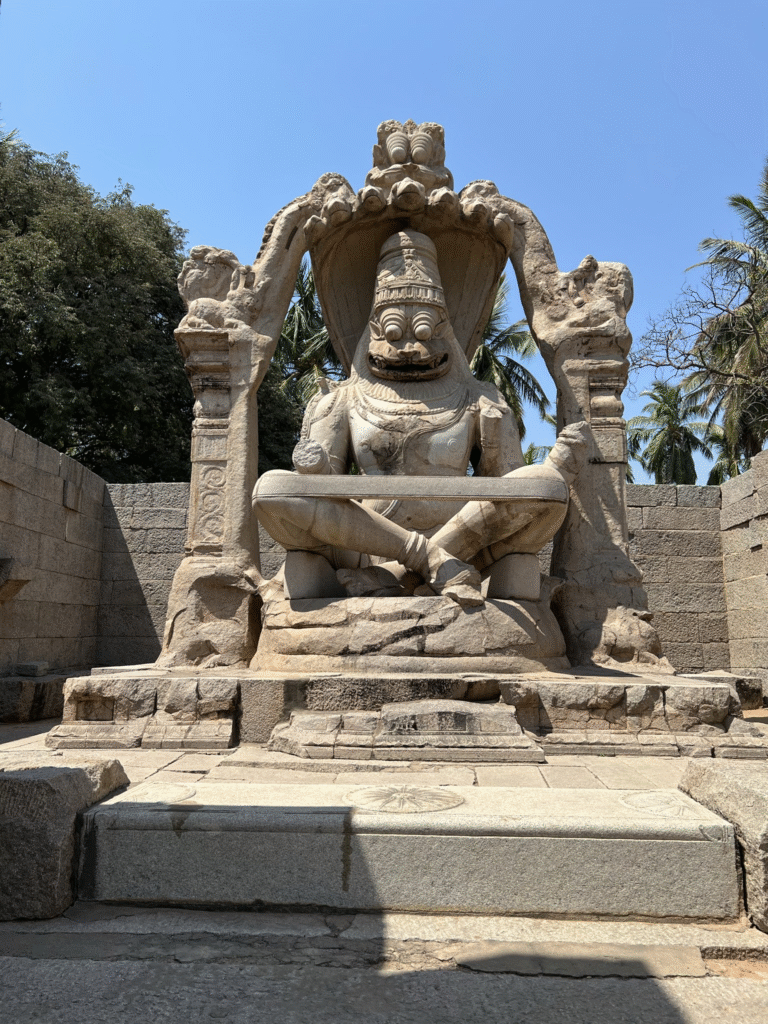
Hampi, the ruined capital of the mighty Vijayanagara Empire (also known as Vijay Nagar, meaning “City of Victory”), stands as one of India’s most captivating historical sites. A UNESCO World Heritage Site in Karnataka, it showcases the empire’s extraordinary achievements in architecture, engineering, and the arts from 1336 to 1646. Founded by brothers Harihara I and Bukka Raya I of the Sangama dynasty, the empire reached its golden age under Krishnadevaraya (1509-1529), celebrated for military prowess, grand temple constructions, and generous patronage of culture. The empire’s decline came after the devastating Battle of Talikota in 1565, when a coalition of Deccan Sultanates sacked the capital, leading to its abandonment.


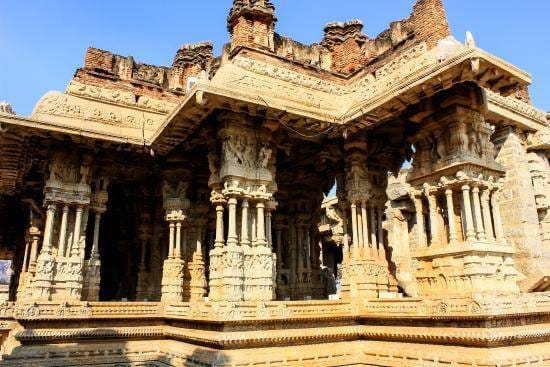
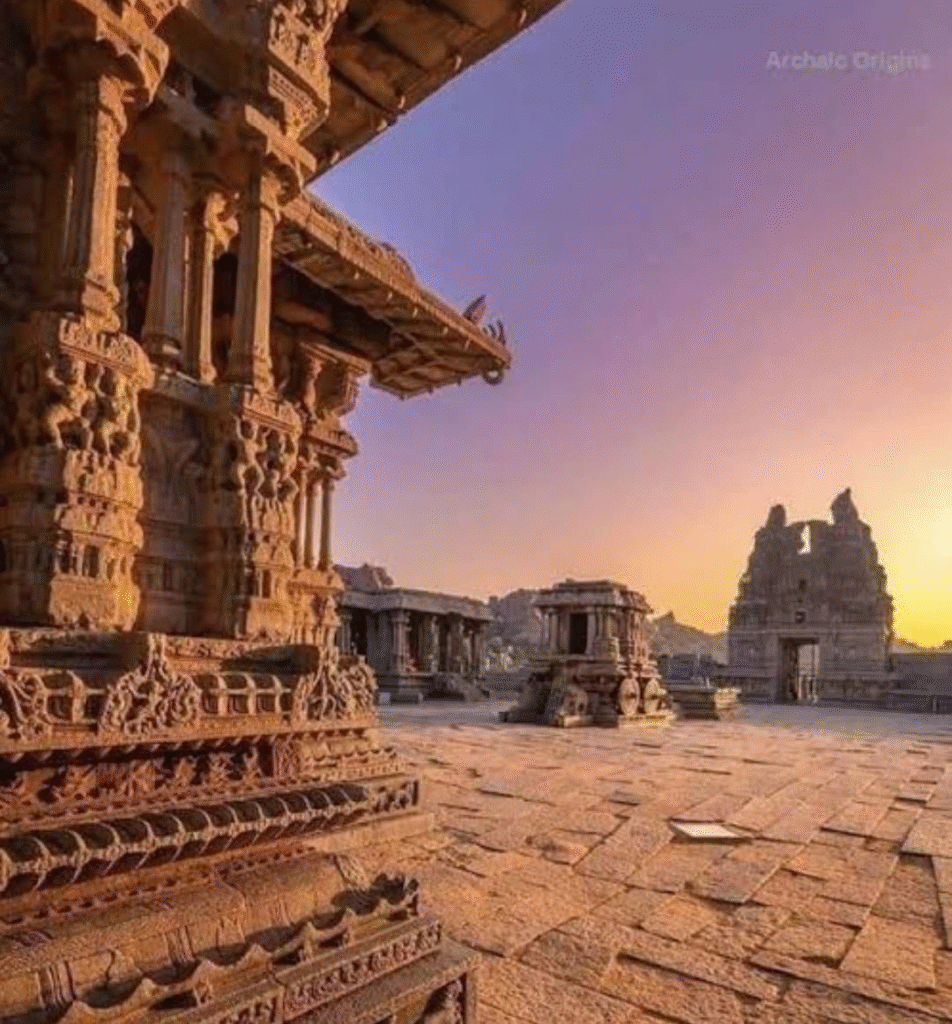
Among Hampi’s many marvels, the Vijaya Vittala Temple (often called Vittala Temple) remains the most enchanting, particularly for its legendary musical pillars-a 500-year-old acoustic masterpiece that continues to amaze visitors and experts alike.

The Magical Musical Pillars of Vittala Temple

Located in the temple’s Ranga Mantapa (music hall), these 56 intricately carved granite pillars produce distinct musical notes when gently tapped. Often nicknamed SaReGaMa pillars after the Indian classical music scale, they emit sounds ranging from the soft tinkling of bells to deeper drum-like resonances, and even mimic various instruments such as wind, string, and percussion types.

Vijaya Nagar's Musical Wonder and Architectural Splendor Speaks of Hampi's Timeless Legacy

Each main pillar consists of a central supporting column encircled by seven slender, smaller columns -all hewn from a single piece of monolithic granite. The design allows the thinner columns to vibrate freely, creating tuned resonances. Scientific insights point to the granite’s high silica content and traces of metallic ores, which enhance its natural resonant properties, making the stone “sing.” While the exact ancient techniques remain partly mysterious, this reflects the Vijayanagar architects’ profound understanding of acoustics and material science. A popular legend claims that baffled British colonial officials once cut open a couple of pillars-both a larger one and a smaller one-expecting to find hidden bells or hollow chambers. They discovered only solid rock, deepening the enigma rather than solving it. In ancient times, these pillars were reportedly used in royal rituals, where musicians played them for the king, with sounds carrying far across the city, especially at night.

Vijaya Nagar's Musical Wonder and Architectural Splendor Speaks of Hampi's Timeless Legacy

Indo-Islamic Fusion in Hampi’s Royal Architecture

While the Vittala Temple and other religious structures followed traditional Dravidian Hindu styles with towering gopurams and detailed deity carvings, the secular palaces and courtly buildings of Hampi displayed a sophisticated Indo-Islamic (or Indo-Saracenic) fusion. This blend incorporated elements from neighboring Islamic sultanates with local South Indian artistry, creating unique royal structures.

Iconic examples include:The Lotus Mahal, a two-story royal retreat with scalloped arches, cusped balconies, vaulted ceilings, and a lotus-bud-shaped dome-features inspired by Persian and Islamic designs -combined with pyramidal superstructures reminiscent of Hindu shikharas.The Elephant Stables, featuring domed chambers and arched facades.
The Mahanavami Dibba (a massive ceremonial platform), adorned with intricate friezes depicting royal processions: marching elephants, horses, dancers, warriors, and mythical yalis (lion-like beasts), along with scenes of everyday courtly and social life.
These carvings, executed in stucco over stone with floral motifs, scrollwork, and medallions, highlight the empire’s secular artistic flair-focusing on royal grandeur rather than purely divine themes.

Hussain Tekri Sharif in Jaora: Know Why This Place is Called As the Spiritual Hospital…

0

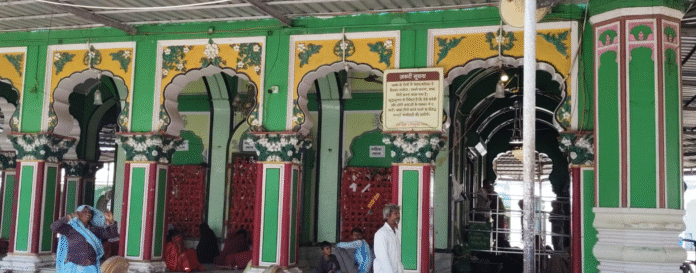
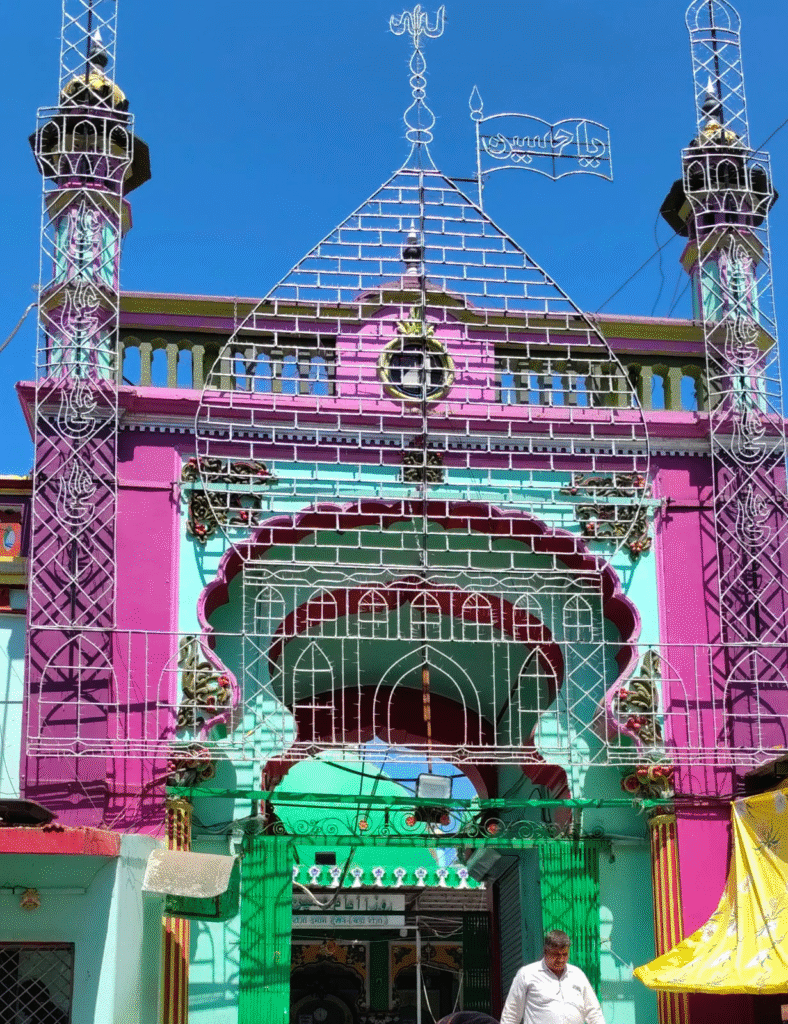
Jaora, a town in Ratlam district of Madhya Pradesh, India, is famous for its deep religious and cultural heritage. Among its most prominent landmarks is Hussain Tekri Sharif, a 19th-century shrine complex located about 4 km from the town center. Built on a hillock on the outskirts of Jaora, this revered site attracts thousands of pilgrims from across India and beyond, especially during Muharram and Chehlum (Arba’een). It is celebrated as a “spiritual hospital” for its reputed ability to heal mental illnesses, possessions by evil spirits (jinns, ghosts, or demons), and other seemingly incurable ailments through faith-based rituals.

Historical Background and Construction

The shrine was established in the late 19th century by Nawab Mohammad Iftikhar Ali Khan Bahadur, the ruler of the princely state of Jaora. According to tradition, the Nawab and a merchant named Mohammed Ismail experienced divine visions directing them to build the shrine at this location. Legends describe miraculous events at the site: one night, ghostly horse riders-believed to be the souls of martyrs from the Battle of Karbala-were seen, and a pond appeared overnight where none existed before. The complex replicates key shrines from Iraq associated with Imam Hussain and his family. After his death, the Nawab was buried in the adjacent graveyard.

shrine complex includes replicas of several sacred sites:Shrine of Imam Hussain (son of Hazrat Ali)Shrine of Hazrat Abbas (another son of Hazrat Ali), Shrine of Hazrat Zaynab (daughter of Hazrat Ali), Shrine of Hazrat Fatima Al-Zehra (daughter of Prophet Muhammad), Shrine of Hazrat Sakina (daughter of Imam Hussain) and Shrine of Imam Ali (son-in-law of Prophet Muhammad). These replicas make it a focal point for Shia mourning and remembrance.

Hussain Tekri Sharif in Jaora: Know Why This Place is Called As the Spiritual Hospital...

Beliefs and Healing Practices

Hussain Tekri is famous worldwide for the Hazri (or Hajri) rituals, which involve circumambulation, prayers, and spiritual invocations to expel evil influences and restore mental peace. Devotees believe the site’s divine power forces possessing spirits to surrender and leave the body. The shrine draws people of all faiths-Shias, Sunnis, Hindus, and others-who seek relief from psychological disorders, black magic, or demonic possession.

Muharram and Chehlum Observances: Pilgrims wear black, recite elegies (marsiyas), and participate in processions to mourn the sacrifice of Imam Hussain at Karbala. Intense mourning fosters communal unity.

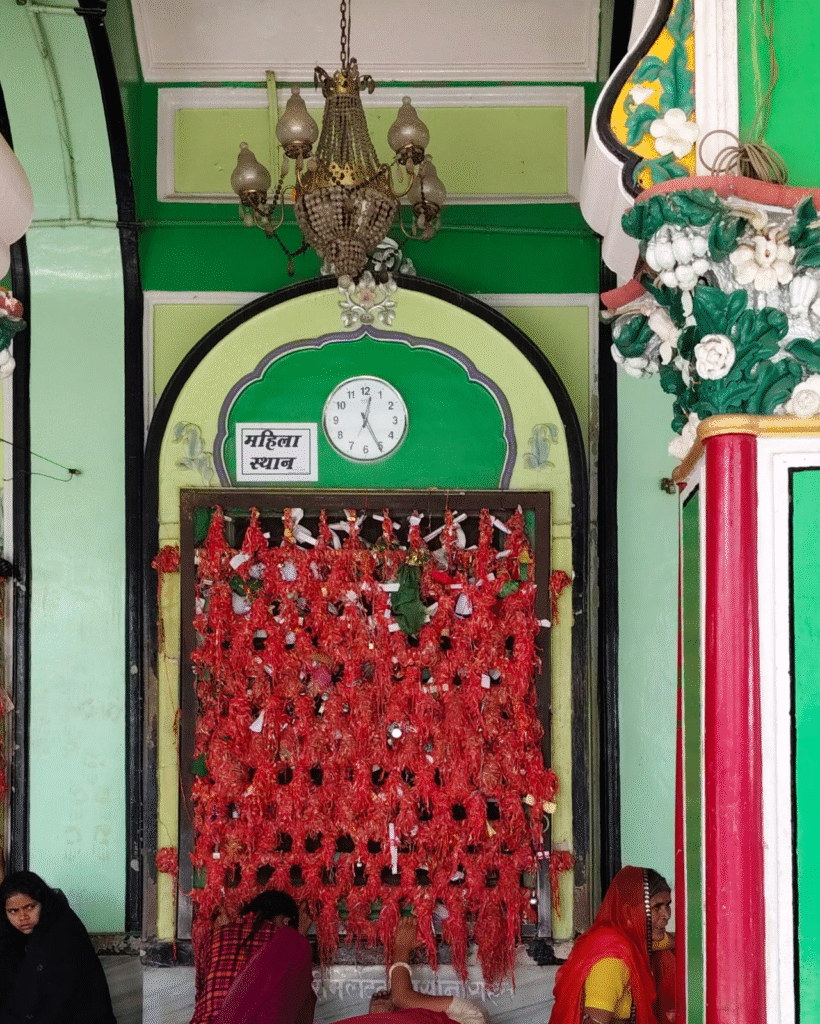
Nailing Evil Spirits: Near the shrine of Abbas Alamdar, ancient trees are covered with millions of nails. According to local belief, after a successful exorcism or healing, the expelled spirit is “nailed” into the tree to prevent its return.

This practice symbolizes permanent banishment of negative forces.

Sacred Pond (Kund) Bathing: Many pilgrims bathe in the site’s pond, believing it purifies them from ailments and negative energies. Local accounts, including from long-time residents like shopkeeper Muhammad Iqbal, describe people arriving in unstable conditions and leaving healed after performing the rituals. Exorcism sessions often occur during Chehlum and on the night of Holika Dahan, when a miraculous light is said to appear, aiding in dispelling dark forces.

Hussain Tekri Sharif in Jaora: Know Why This Place is Called As the Spiritual Hospital...

A Beacon of Interfaith Harmony

What makes Hussain Tekri truly unique is its universal appeal. While rooted in Shia Islamic tradition, it welcomes devotees from diverse backgrounds. Hindus participate in large numbers, offering prayers and seeking healing, embodying India’s syncretic Ganga-Jamuni culture. The shrine stands as a living example of shared faith transcending religious boundaries-people of different communities unite in belief in its spiritual power. Hussain Tekri is more than a pilgrimage site; it represents hope for those disillusioned by conventional medicine, a place where faith, rituals, and divine intercession offer solace and recovery. Visitors often return transformed, carrying stories of miracles that reinforce its reputation as the “spiritual hospital of the world.”

Springtime: Top Spots in Rajasthan for March–April 2026 Travel

0

Rajasthan, the land of kings, forts, deserts, and vibrant culture, is one of India’s most popular travel destinations. The months of March and April are considered ideal for exploring the state because of pleasant weather, blooming landscapes, and lively cultural events. Here’s a curated list of must-visit places in Rajasthan for early 2026:

1. Jaipur – The Pink City

  • Why visit in March–April: The weather is warm but comfortable, ideal for exploring forts and bazaars without the extreme summer heat.
  • Major attractions:
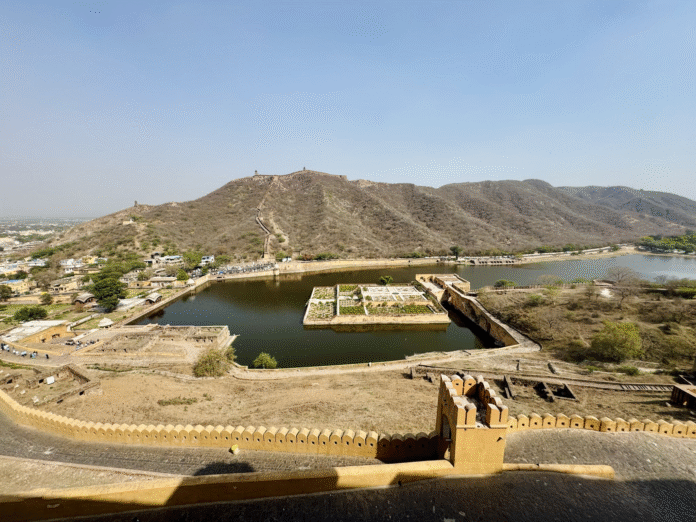
    Amber Fort: Elephant rides and spectacular architecture.
    City Palace & Jantar Mantar: History, art, and astronomy combined.
    Local bazaars: Famous for textiles, jewelry, and handicrafts.

•Special tip: March–April is perfect for enjoying rooftop cafes and traditional Rajasthani cuisine without the crowds of peak winter tourism.

2. Udaipur – The City of Lakes

Springtime: Top Spots in Rajasthan for March–April 2026 Travel

•Why visit in March–April: Pleasant temperature and clear skies enhance the charm of its scenic lakes and palaces.

•Major attractions:
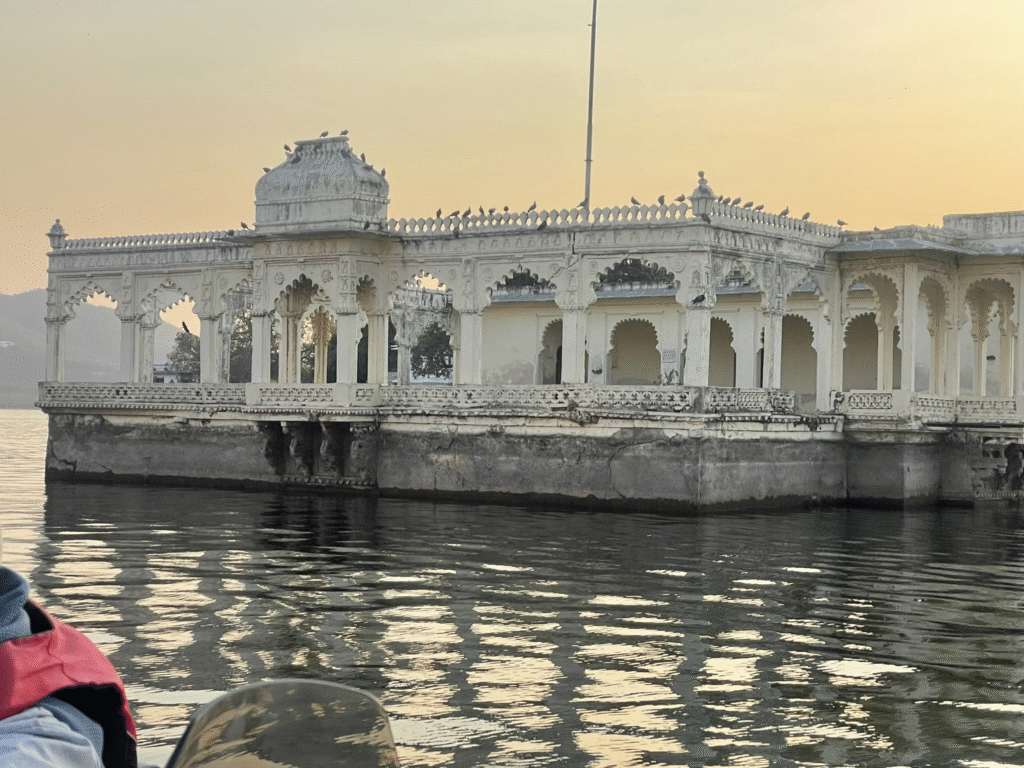
Lake Pichola: Boat rides with views of Jag Mandir and Lake Palace.
City Palace: A mix of Rajput and Mughal architecture.
Saheliyon Ki Bari: A beautifully landscaped garden perfect for spring visits.

•Experience: Enjoy sunset views from the banks of Fateh Sagar Lake or dine in heritage hotels overlooking the lakes.

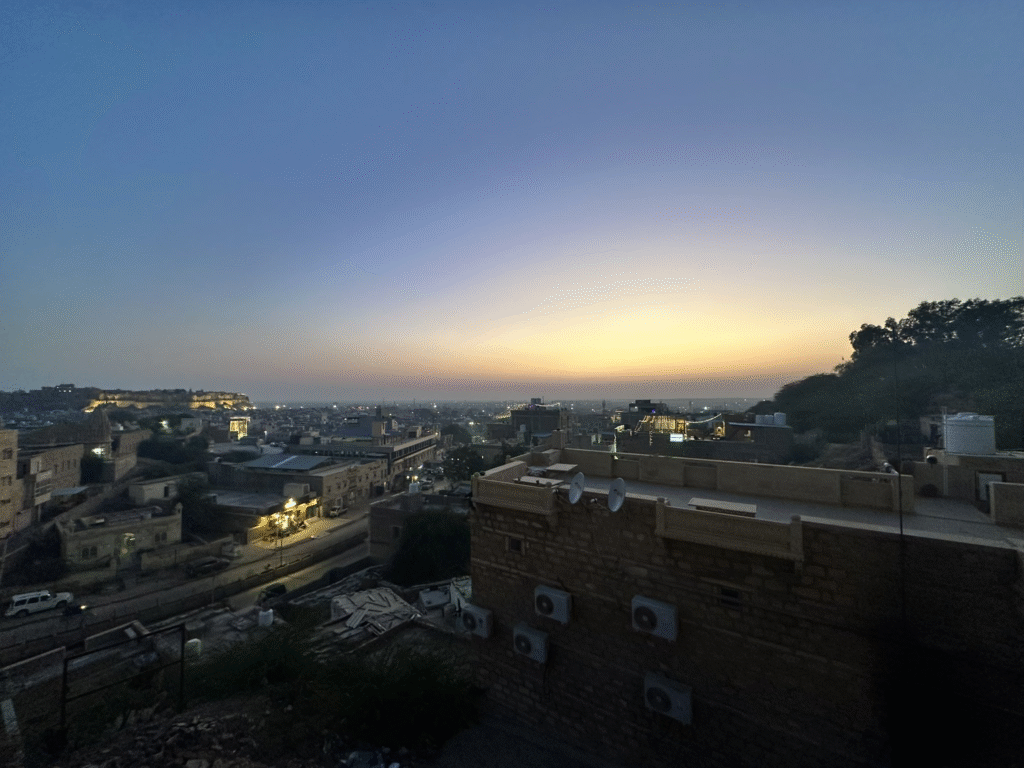
3. Jaisalmer – The Golden City

Springtime: Top Spots in Rajasthan for March–April 2026 Travel

•Why visit in March–April: Before the scorching summer sets in, the desert climate is still manageable, making it comfortable for desert safaris.

•Major attractions:
Jaisalmer Fort: One of the largest living forts in the world.
Sam Sand Dunes: Camel rides and cultural performances at sunset.
Havelis: Intricate carvings of Patwon Ki Haveli and Salim Singh Ki Haveli.

•Special tip: March–April evenings in the desert are perfect for camping under starry skies.

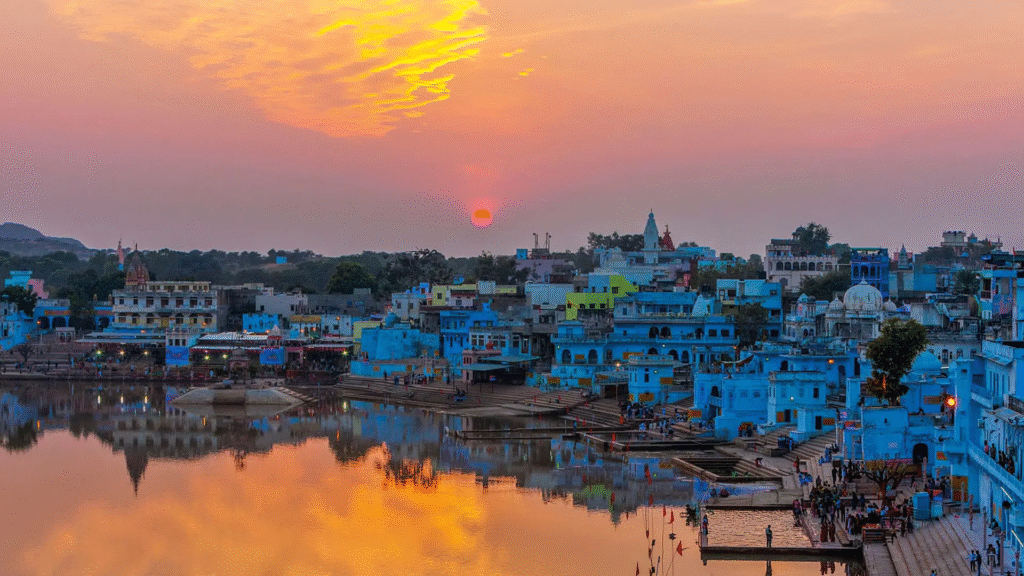
4. Pushkar – Spiritual and Cultural Hub

Springtime: Top Spots in Rajasthan for March–April 2026 Travel

•Why visit in March–April: The spring months provide perfect weather for exploring temples, ghats, and desert landscapes.

•Major attractions:
Pushkar Lake: Pilgrimage site surrounded by colorful ghats.
Brahma Temple: One of the few temples dedicated to Lord Brahma in India.
Local bazaars: Famous for handicrafts, jewelry, and souvenirs.

•Experience: Early April often coincides with vibrant local fairs and camel markets.

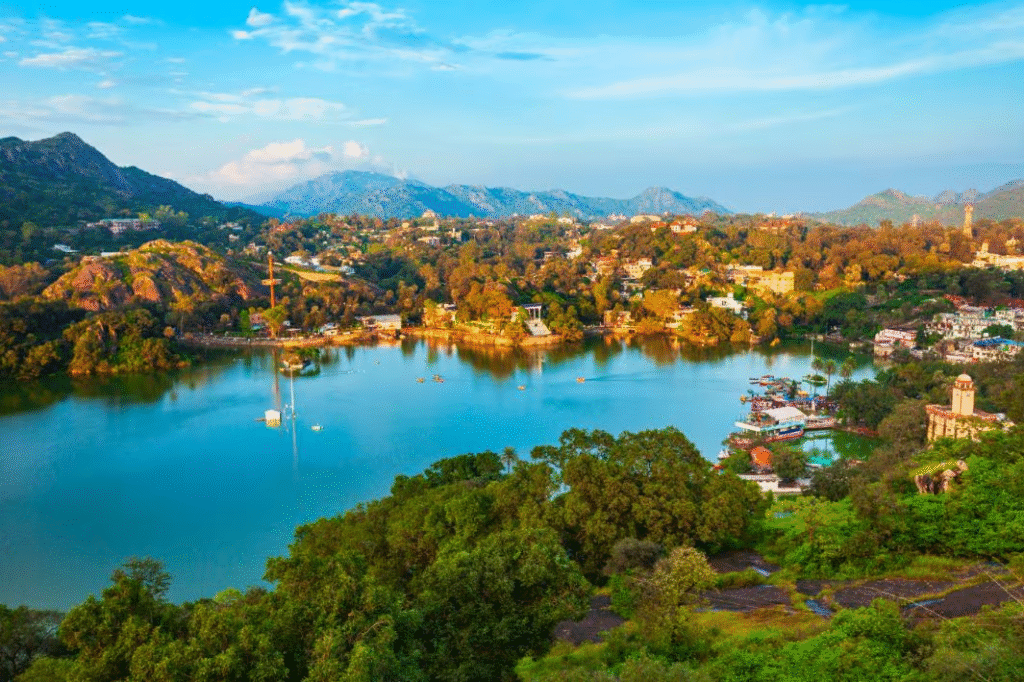
5. Mount Abu – Rajasthan’s Hill Station

Springtime: Top Spots in Rajasthan for March–April 2026 Travel
  • Why visit in March–April: It offers a cool escape from Rajasthan’s desert heat, with refreshing climate and lush greenery.

•Major attractions:
Dilwara Temples: Exquisite marble carvings.
Nakki Lake: Boating amidst hills and serene surroundings.
Sunset Point: Panoramic views of the Aravalli ranges.

•Experience: Ideal for nature walks, trekking, and relaxing amidst forests.

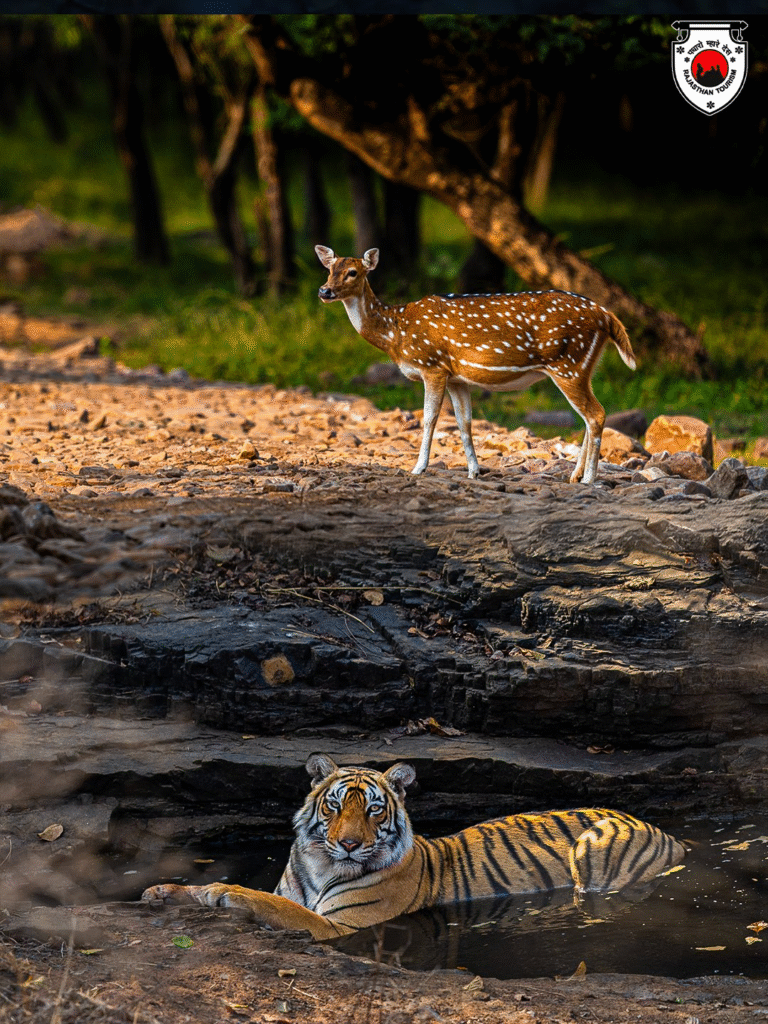
6. Ranthambore – Wildlife Adventure

Springtime: Top Spots in Rajasthan for March–April 2026 Travel

•Why visit in March–April: Before summer peaks, wildlife sightings are easier around waterholes.

  • Major attractions:
    Ranthambore National Park: Famous for Bengal tigers and diverse flora and fauna.
    Ranthambore Fort: A UNESCO heritage site within the park.
  • Experience: Morning and evening safaris offer excellent opportunities to spot tigers, leopards, and migratory birds. Why March–April is Perfect for Rajasthan Travel
  1. Pleasant weather makes sightseeing, desert safaris, and outdoor activities comfortable.
  2. Blooming flora in hills and deserts adds vibrant colors to photographs and experiences.
  3. Major cultural events and fairs occur during this period, offering insight into local traditions.
  4. Crowds are lower than peak winter season, giving a more relaxed travel experience.

Whether it’s heritage, desert adventure, lakeside romance, or spiritual journeys, Rajasthan in March–April 2026 offers travelers a perfect blend of history, culture, and natural beauty.

Akshay Kumar’s Spooky New Look in Bhooth Bangla Poster Teases Thrills and Laughs

0

PC (iDiva)

Directed by the acclaimed Priyadarshan, Bhooth Bangla marks the duo’s reunion after 14 years, following their successful collaborations in comedy classics. The film promises a fresh take on horror-comedy, drawing from Indian mythology and black magic themes. The latest poster, shared recently, shows Akshay Kumar suspended upside down in a mysterious, eerie setting, instantly evoking curiosity and excitement. It serves as a perfect buildup to the film’s promotional campaign, with fans praising the innovative and fun concept that highlights the movie’s mix of scares and humor.

Movie Overview and Plot Tease

Bhooth Bangla is a horror-comedy centered around a haunted mansion in the fictional town of Mangalpur, where a monster called “Vadhusur” lurks, tied to spooky incidents and an obsession with brides. The story unfolds with chaos, comedy, drama, romance, and supernatural thrills as the characters unravel the mystery. The recently released teaser (approximately 1 minute 23 seconds long) offers the first glimpse into this world. It opens with a haunting palace view and a deadly incident, featuring Asrani’s warning that “no one gets married in Mangalpur” due to Vadhusur’s curse. Paresh Rawal and Rajpal Yadav add comic intrigue as they discuss the ghost.
Akshay Kumar’s character is thrilled to acquire the property-jokingly comparing it to Buckingham Palace-leading to hilarious antics amid the horror.The ensemble cast delivers unlimited laughter through chaotic situations while uncovering the spooky backstory.

Star Cast and Production Highlights

The film boasts a stellar ensemble of veteran actors known for Priyadarshan collaborations:

Lead Roles: Akshay Kumar, Tabu, Wamiqa Gabbi.
Supporting Cast: Paresh Rawal, Rajpal Yadav, Asrani, Manoj Joshi, Mithila Palkar, Jisshu Sengupta, Rajesh Sharma
Directed by Priyadarshan, it is produced by Akshay Kumar, Shobha Kapoor, and Ektaa R. Kapoor under Balaji Motion Pictures and Cape of Good Films. A peppy single track, “Ram Ji Aake Bhala Karenge,” sung by Armaan Malik and Aarvan, composed by Pritam with lyrics by Kumaar, has already started trending. peppy single track, “Ram Ji Aake Bhala Karenge,” sung by Armaan Malik and Aarvan, composed by Pritam with lyrics by Kumaar, has already started trending.

Upcoming Promotions and Release

The teaser launched on March 12, 2026, building massive anticipation. The full trailer is expected around March 18, with plans to attach it to screenings of Dhurandhar 2 starting March 19 for strong theatrical and digital buzz. Bhooth Bangla is all set to hit theaters worldwide on April 10, 2026. Get ready for a wild ride of laughs, scares, and classic Priyadarshan-style entertainment.