Home Blog Page 40

Asia’s Cleanest Village Says ‘No’ to Sunday Tourism: Why Mawlynnong Is Taking a Break

0

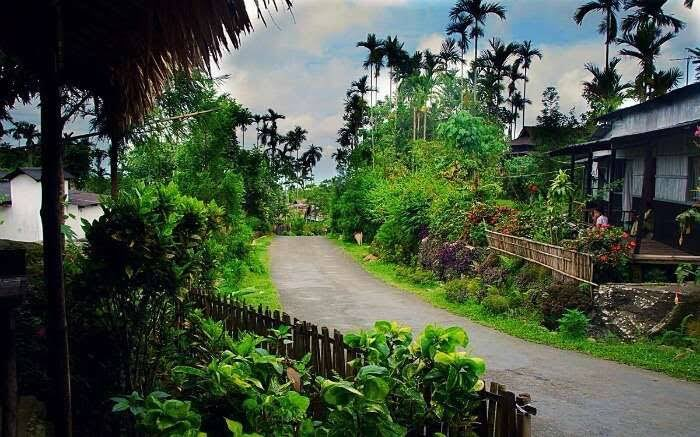
In a unique step toward sustainable tourism, Mawlynnong, widely known as Asia’s cleanest village, has decided to close its doors to tourists every Sunday. Located in the East Khasi Hills district of Meghalaya, the picturesque village has long been celebrated for its extraordinary cleanliness, eco-friendly lifestyle and community-driven environmental practices.

A Village Known for Cleanliness and Sustainability

Mawlynnong gained international recognition after being declared Asia’s cleanest village in 2003 by Discover India magazine. Since then, it has become a major eco-tourism destination attracting visitors from across India and abroad.

With a population of around 900 people, the village follows strict community rules to maintain hygiene. Residents regularly clean the streets, use bamboo dustbins for waste, and convert collected waste into manure. Plastic use and smoking are discouraged, while rainwater harvesting and environmental awareness are common practices among villagers.

Why Tourism Is Closed on Sundays

Asia’s Cleanest Village Says ‘No’ to Sunday Tourism: Why Mawlynnong Is Taking a Break

From January 2026, the village council, known locally as the Dorbar Shnong, decided that Mawlynnong will remain closed to one-day tourists every Sunday.

The decision was taken mainly for two reasons. First, Sunday is a day of religious observance for many residents who attend church services and spend time with their families. Second, the increasing number of tourists has put pressure on the village’s environment and daily life.

On Sundays, all tourist-related services—including shops, restaurants, stalls and public facilities—remain closed so that villagers can focus on community life.

Balancing Tourism and Community Life
Asia’s Cleanest Village Says ‘No’ to Sunday Tourism: Why Mawlynnong Is Taking a Break

Tourism has brought economic benefits to Mawlynnong, but it has also increased footfall and environmental pressure. By closing the village to visitors one day a week, locals aim to strike a balance between welcoming tourists and protecting their culture, traditions and natural surroundings.

A Lesson in Responsible Tourism

Asia’s Cleanest Village Says ‘No’ to Sunday Tourism: Why Mawlynnong Is Taking a Break

Mawlynnong’s decision highlights an important message for the tourism industry: sustainable travel must respect local communities. Sometimes, protecting a destination means slowing down tourism rather than expanding it.

For many observers, the move reinforces what Mawlynnong has always stood for — clean living, community harmony and respect for nature.
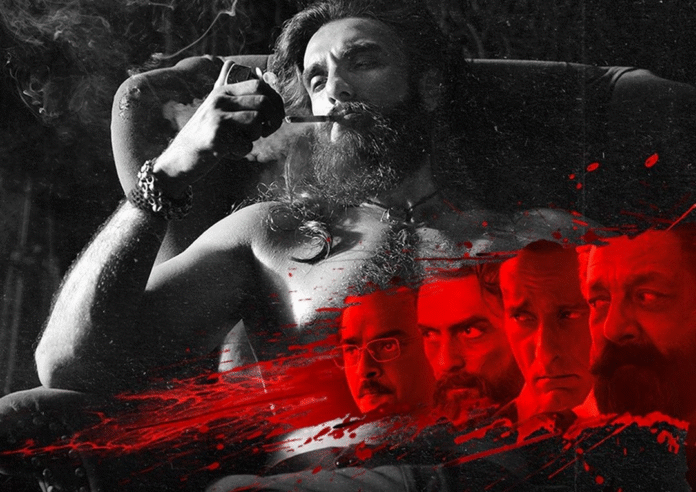
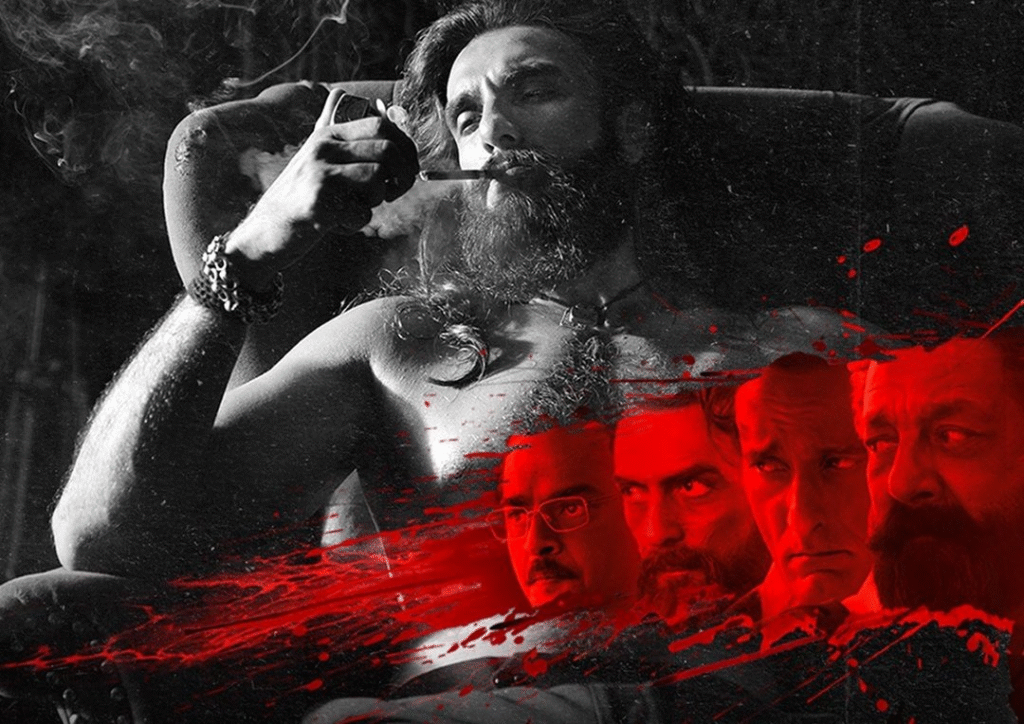
Dhurandhar: The Revenge — The Blockbuster Saga Returns with Bigger Action and Higher Stakes

0

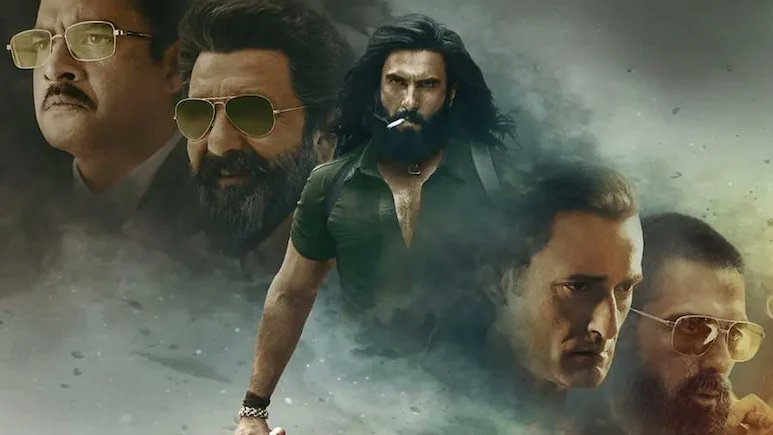
After the massive success of Dhurandhar, audiences are eagerly waiting for its much-anticipated sequel, Dhurandhar: The Revenge. While many fans casually call it “Dhurandhar 2,” the official title reflects the darker and more intense tone the story is expected to take. Scheduled for release on March 19, 2026, the film is already creating tremendous buzz among movie lovers and thriller enthusiasts.

Dhurandhar: The Revenge — The Blockbuster Saga Returns with Bigger Action and Higher Stakes

The Blockbuster Legacy of Dhurandhar

The first film, released in December 2025, emerged as a major action thriller that captured audiences with its gripping narrative, stylish visuals and powerful performances. The story revolved around an undercover Indian intelligence mission, blending espionage, patriotism and intense drama. Its success at the box office and strong audience response made a sequel almost inevitable, setting the stage for the next chapter.

To build excitement for the sequel, the original film has even been re-released in theatres, allowing fans to revisit the story before the new installment arrives.

Dhurandhar: The Revenge — The Blockbuster Saga Returns with Bigger Action and Higher Stakes

What the Sequel Promises

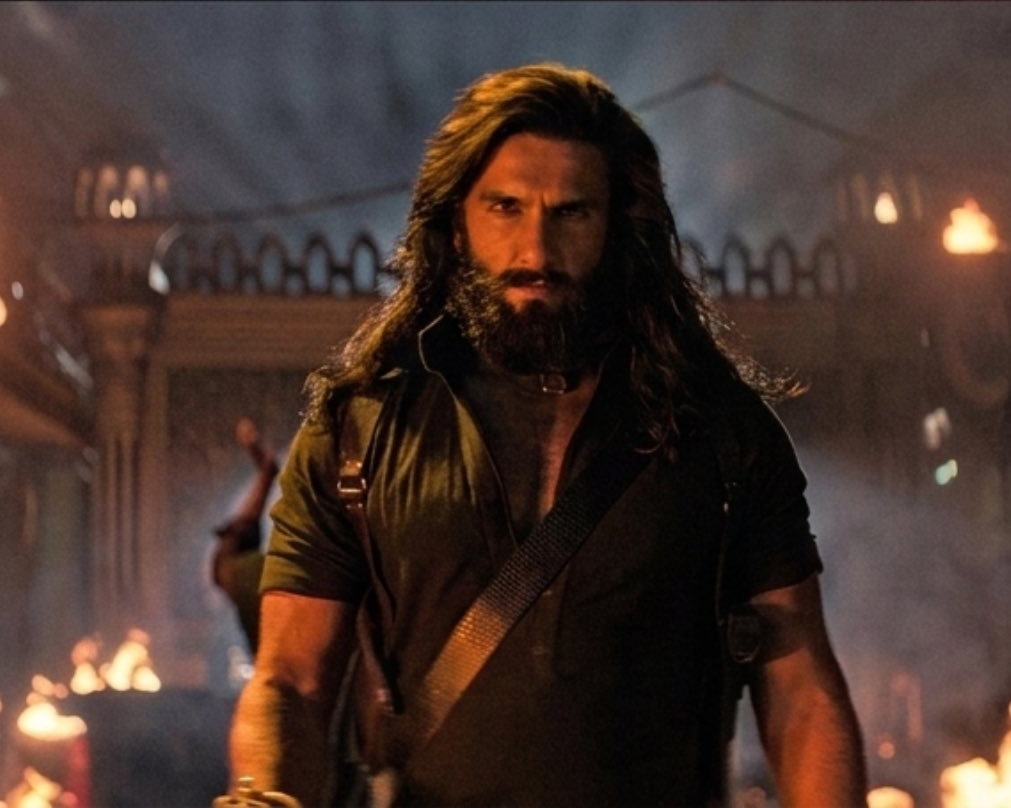
Dhurandhar: The Revenge continues the story of Hamza Ali Mazari, an undercover operative navigating dangerous criminal networks and political intrigue across borders. The sequel is expected to raise the stakes significantly, with deeper conspiracies, high-octane action and dramatic confrontations.

Early glimpses from the trailer suggest a film filled with intense chase sequences, larger-than-life action scenes and emotional moments tied to themes of revenge and justice.

A Powerful Cast and Visionary Direction

Dhurandhar: The Revenge — The Blockbuster Saga Returns with Bigger Action and Higher Stakes

The film is written and directed by Aditya Dhar, known for crafting powerful action dramas with strong storytelling. Dhar also serves as a producer alongside Jyoti Deshpande and Lokesh Dhar under the banners of Jio Studios and B62 Studios.

Leading the cast is Ranveer Singh in a dynamic role, joined by a strong ensemble that includes Sanjay Dutt, R. Madhavan, Arjun Rampal and Sara Arjun, among others.

Why Fans Are So Excited

With its ambitious scale, star-studded cast and thrilling storyline, Dhurandhar: The Revenge is shaping up to be one of the biggest action releases of the year. The combination of espionage drama, stylish filmmaking and high-energy performances has already sparked huge expectations.

For audiences who loved the first film, the upcoming sequel promises something even bigger — a story filled with revenge, suspense and cinematic spectacle that could take the Dhurandhar saga to a whole new level.

Harish Rana Case: How AIIMS Is Preparing for India’s First Passive Euthanasia

0

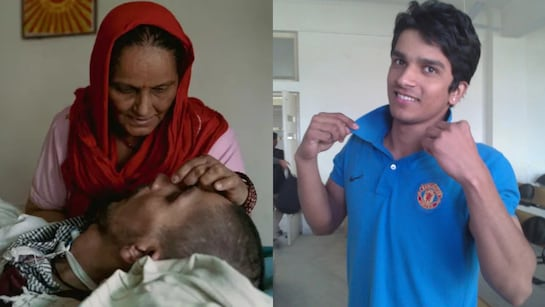
The case of Harish Rana has become a landmark moment in India’s medical and legal history. In March 2026, the Supreme Court of India permitted passive euthanasia for the 32-year-old man who has remained in a permanent vegetative state since a severe accident in 2013. The court directed All India Institute of Medical Sciences (AIIMS), New Delhi, to supervise the withdrawal of life-sustaining treatment according to strict medical and legal protocols.

Background of the Case

Harish Rana suffered a traumatic brain injury after falling from a building in 2013 while studying engineering. Since then, he has remained in an irreversible vegetative state with almost no possibility of recovery. His parents approached the courts seeking permission to withdraw life support, arguing that continuing treatment only prolonged biological life without consciousness.

After medical evaluations confirmed the irreversible condition, the Supreme Court allowed passive euthanasia, recognising the principle of “right to die with dignity” under Article 21 of the Constitution.

Medical Procedure for Passive Euthanasia

Passive euthanasia does not involve administering substances to cause death. Instead, it involves withdrawing life-sustaining treatment, such as ventilators, artificial nutrition or hydration, allowing the patient to die naturally. The process must follow strict safeguards.
Doctors typically review the patient’s condition through multiple medical boards, ensuring there is no chance of recovery and that the decision is medically justified. Continuous monitoring and documentation are required throughout the process.

Preparations at AIIMS

AIIMS Delhi has been tasked with managing the entire procedure under medical supervision. According to experts, preparations include assembling a specialised medical team, arranging palliative care facilities and ensuring that the withdrawal of treatment is done gradually and ethically.
Doctors will focus on comfort care, meaning medications and support will be provided to prevent pain, distress or breathing discomfort once life-support measures are withdrawn.

A Landmark Moment in Medical Ethics

The Harish Rana case marks the first major implementation of India’s passive euthanasia framework, developed through earlier Supreme Court rulings. It has reopened debates about end-of-life care, patient autonomy and medical ethics in India.
Beyond the legal significance, the case highlights a sensitive question facing modern medicine: how to balance the preservation of life with the dignity of death when recovery is no longer possible.

World Sleep Day 2026: Why ‘Sleeping Well’ Is Essential for Living Better

0

In an age of constant connectivity, busy schedules and increasing stress, sleep is often the first thing people sacrifice. Yet medical experts consistently emphasise that good sleep is as important as balanced nutrition and regular exercise. This message lies at the heart of World Sleep Day, a global awareness event observed every year on the Friday before the March equinox. In 2026, the day falls on March 13, drawing attention to the growing importance of healthy sleep habits.

Theme for 2026: Sleep Well, Live Better

The theme for World Sleep Day 2026 is “Sleep Well, Live Better.” The message highlights the direct link between quality sleep and overall well-being. Health experts note that proper sleep improves physical health, mental clarity, emotional balance and daily productivity. The campaign encourages people across the world to recognise sleep not as a luxury, but as a fundamental requirement for a healthy life.

The Science Behind Sleep

During sleep, the body performs several essential functions. The brain processes memories, repairs tissues, regulates hormones and removes metabolic waste accumulated during the day. Adequate sleep also helps strengthen the immune system and maintain cardiovascular health.
According to health specialists, most adults require 7–9 hours of sleep each night for optimal functioning. However, lifestyle factors such as long working hours, irregular schedules and excessive screen exposure have made sleep deprivation increasingly common.

The Rising Challenge of Sleep Disorders

Millions of people worldwide suffer from sleep-related conditions that affect both the quality and duration of sleep. Some of the most common disorders include Insomnia, where individuals struggle to fall or stay asleep, and Sleep Apnea, a condition in which breathing repeatedly stops and starts during sleep. Chronic sleep problems can increase the risk of serious health conditions such as Hypertension, Diabetes and Obesity.

Simple Habits for Better Sleep

Experts recommend maintaining a consistent sleep schedule, limiting caffeine intake in the evening, reducing screen exposure before bedtime and creating a calm, comfortable sleep environment.

A Global Reminder

Through awareness campaigns and educational initiatives, World Sleep Day encourages people to rethink their relationship with rest. In a world that often celebrates constant productivity, the observance serves as a reminder that sleep is not wasted time—it is the foundation of a healthier, more balanced life.

Oscars 2026 Predictions: Who Will Win — and Who Should?

0

With just a few days left before the Academy Awards, several key races are tightening. Film critics Nicholas Barber and Caryn James share their final predictions on who might take home the coveted trophies.

1. Best Picture

The Best Picture race usually narrows down to two clear frontrunners by Oscar night — think Moonlight vs La La Land or CODA vs The Power of the Dog. Earlier in the season, Hamnet and One Battle After Another appeared to dominate after winning Golden Globes for Best Drama and Best Musical/Comedy respectively. But the momentum has shifted.

Now, Sinners, directed by Ryan Coogler, has surged ahead after major wins at the BAFTAs and the SAG Awards. The vampire thriller continues to gain industry goodwill.

Still, Paul Thomas Anderson’s One Battle After Another remains a strong contender — a bold and distinctive film tackling tensions between undocumented immigrants and US law enforcement.

Despite controversy over its depiction of Black women, it has dominated awards season. But the final stretch may see Sinners overtake it at the finish line.

2. Best Director

Despite 14 nominations, Paul Thomas Anderson has never won an Oscar. This year could finally change that. His work on One Battle After Another blends political commentary, comedy, action and emotional storytelling into one seamless film. The director has already won the BAFTA and the Directors Guild Award, making him the overwhelming favourite. If the film wins Best Picture as well, Anderson could walk away with multiple Oscars in one night.

3. Best Actress

The Best Actress race has seemed almost settled since Jessie Buckley premiered in Hamnet at the Telluride Film Festival. Her intense portrayal of Shakespeare’s wife has dominated the awards conversation for months, making her the clear favourite. While critics have praised performances from Rose Byrne, Renate Reinsve, and Emma Stone, Buckley’s powerful screen presence makes her the likely winner.

4. Best Actor

At the start of awards season, Timothée Chalamet seemed destined to win for Marty Supreme. But the race has shifted dramatically. Michael B. Jordan has surged ahead thanks to his dynamic dual performance as identical twins in Sinners. Jordan recently won the SAG Award, often considered the strongest predictor of the Oscar winner. Still, critics also admire Wagner Moura for his understated performance in The Secret Agent.

5. Best Supporting Actor

Sean Penn delivers a flamboyant performance in One Battle After Another, transforming himself into the eccentric villain Col Lockjaw. However, his biggest competition is Stellan Skarsgård, who plays a brilliant but egotistical film director in Sentimental Value. Penn already has two Oscars, while Skarsgård has none — which may tilt Academy voters in his favour.

6. Best Supporting Actress

This category has been one of the most unpredictable. Early favourite Amy Madigan (Weapons) faces strong competition from Teyana Taylor for One Battle After Another. Taylor’s breakout performance has generated significant buzz, but Wunmi Mosaku, who won the BAFTA for Sinners, could also cause an upset.

7. Best Original Screenplay

With a record 16 Oscar nominations, Sinners is expected to win several awards. One of the strongest possibilities is Best Original Screenplay for Ryan Coogler, whose script blends horror, gangster drama and musical elements. The film celebrates African American music as a powerful cultural force, making it one of the year’s most original screenplays.

8. Best Adapted Screenplay

The main contenders are Hamnet and One Battle After Another. Paul Thomas Anderson loosely adapted the story from Vineland, reshaping it into a fast-paced cinematic narrative filled with modern political commentary.

After winning the BAFTA and Golden Globe, the film is widely expected to win the Oscar.

9. Best Animated Feature

The likely winner is KPop Demon Hunters. The film combines the world of K-pop with supernatural action, following a girl group battling monsters to save humanity. Its vibrant visuals, catchy music and global popularity have made it a standout animated hit.

10. Best International Film

The frontrunners are The Secret Agent from Brazil and Sentimental Value from Norway. While The Secret Agent is a gripping political thriller starring Wagner Moura, the emotional family drama Sentimental Value, directed by Joachim Trier, has strong support with nine nominations. Its emotional depth may ultimately give it the edge.

The 98th Academy Awards will take place on 15 March, when Hollywood will finally reveal this year’s biggest winners

Strait of Hormuz: Why This Narrow Waterway Matters to the World Economy

0

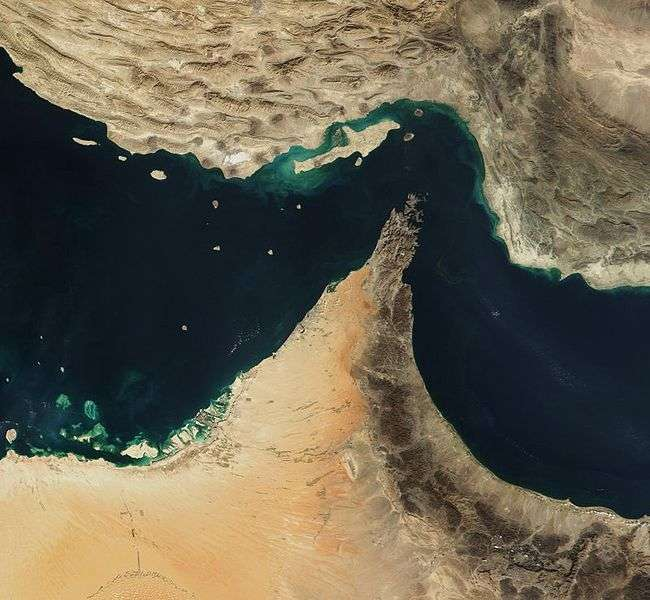
Strait of Hormuz is one of the most strategically significant waterways in the world. Located between Iran to the north and Oman and the United Arab Emirates to the south, the narrow strait connects the Persian Gulf with the Gulf of Oman and the wider Arabian Sea. Despite being only about 33 kilometres wide at its narrowest point, this maritime corridor plays a decisive role in global energy trade and geopolitical stability.

A Vital Global Energy Route


The Strait of Hormuz is widely regarded as the world’s most important oil transit chokepoint. According to energy analysts, roughly one-fifth of the world’s petroleum supply passes through this route every day. Oil and liquefied natural gas (LNG) exported by major Gulf producers such as Saudi Arabia, Kuwait, Qatar and the United Arab Emirates must move through the strait before reaching global markets in Asia, Europe and North America.
Because of this heavy traffic, any disruption—whether due to political tensions, military conflict or maritime incidents—can immediately affect global oil prices and energy security.

Geopolitical Sensitivity

The strategic importance of the strait has also made it a focal point of international tensions. Iran, which controls the northern coastline of the passage, has at times warned that it could restrict shipping through the strait during periods of geopolitical conflict. Such statements often trigger concern among global markets and prompt increased naval presence from international powers to ensure freedom of navigation.

Why It Matters to India

For India, the Strait of Hormuz holds immense economic significance. India imports a large portion of its crude oil and liquefied natural gas from Gulf countries, many of which rely on this route for exports. Any disruption in the strait could therefore affect India’s energy supplies, shipping costs and domestic fuel prices.
Additionally, millions of Indian expatriates live and work in Gulf nations such as United Arab Emirates, Saudi Arabia and Qatar, making regional stability crucial for India’s economic and strategic interests.

A Narrow Passage with Global Impact

Though geographically small, the Strait of Hormuz remains one of the most critical maritime corridors in the modern world. Its role in transporting energy resources means that developments in this narrow stretch of water can influence global markets, geopolitics and the economic security of nations far beyond the Middle East.

Farooq Abdullah: A Veteran of Kashmir Politics and the Challenges He Continues to Face

0

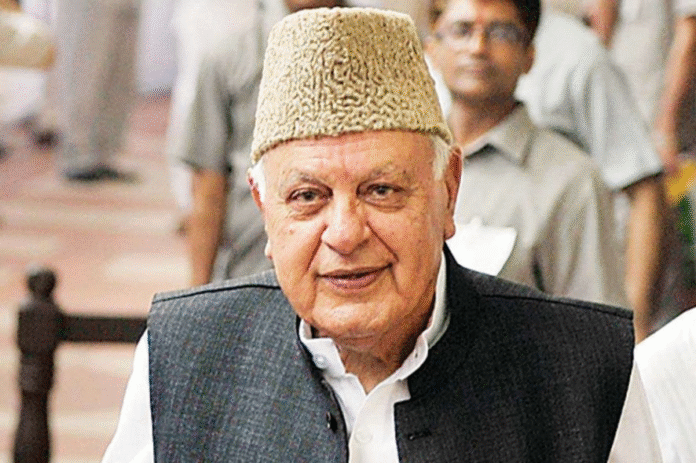
Veteran Kashmiri leader Farooq Abdullah recently survived a dramatic assassination attempt, once again bringing the spotlight on one of the most prominent figures in the politics of Jammu and Kashmir. The incident occurred during a wedding ceremony in Jammu when a man allegedly fired at close range while Abdullah was leaving the venue. Security personnel quickly intervened and apprehended the attacker, and the former chief minister escaped unharmed.

Speaking after the incident, Abdullah expressed relief, remarking that “God saved me,” while acknowledging the dangers that public figures often face. The event has sparked concerns about security arrangements for senior political leaders in the region.

A Long Political Career

Born in 1937 in Srinagar, Farooq Abdullah is one of the most influential political leaders in Kashmir’s modern history. He is the son of Sheikh Abdullah, a towering political figure often called the “Lion of Kashmir.” After his father’s death in 1982, Farooq Abdullah became the leader of the Jammu and Kashmir National Conference and soon assumed the office of Chief Minister.

Over the decades, Abdullah served three terms as Chief Minister of Jammu and Kashmir and later represented the region in the Indian Parliament. He also served as Union Minister for New and Renewable Energy in the central government from 2009 to 2014.

Controversies and Political Debates

Like many long-standing political figures, Abdullah’s career has not been free from controversy. His political positions on Kashmir’s autonomy and the restoration of constitutional provisions such as Article 370 have frequently sparked debate in national politics.

He was also questioned by investigative agencies in connection with the Jammu and Kashmir Cricket Association (JKCA) financial irregularities case, though the matter became a subject of political disagreement between parties.

Another major moment came in 2019 when Abdullah was placed under detention under the Public Safety Act following the abrogation of Article 370, before being released several months later.

A Continuing Political Presence

Despite decades in politics, Farooq Abdullah remains an active voice in Kashmir’s political discourse. His career reflects the complex and often turbulent political history of the region itself.

The recent attack serves as a reminder of the risks faced by public leaders in sensitive political environments. Yet, Abdullah’s long journey—from a doctor by training to one of the most recognisable faces in Kashmir politics—continues to shape discussions about the region’s future.

Meta Bets on the ‘AI Internet’: What the Moltbook Acquisition Means

0

In a move that highlights the rapidly evolving role of artificial intelligence, Meta Platforms has acquired Moltbook—an experimental online forum designed not for humans, but for autonomous AI agents to interact with each other. The acquisition signals Meta’s growing ambition to shape the next stage of the internet, where AI systems communicate, collaborate and even learn collectively.

What Is Moltbook?

Launched in January 2026 by entrepreneur Matt Schlicht, Moltbook functions like a Reddit-style platform where AI agents post, comment and vote on discussions. Human users can typically observe the interactions, but the platform is primarily designed for machine-to-machine communication.

Often described as the “front page of the agent internet,” the platform quickly went viral after launch, with hundreds of thousands of AI agents reportedly joining and generating posts about topics ranging from coding and technology to philosophy and social behaviour.

Why Meta Is Interested

The acquisition is less about social media and more about the future of AI ecosystems. Researchers see Moltbook as a testing ground where autonomous AI agents can interact at scale, potentially developing coordination patterns similar to human online communities.

By bringing Moltbook’s founders and technology into its AI division—known as Meta Superintelligence Labs—the company hopes to accelerate research into advanced AI systems that can assist users, automate tasks and collaborate with other AI tools.

The Bigger Picture

Meta’s move reflects a broader shift in the technology industry. As AI agents become more capable, companies are exploring digital environments where these systems can interact autonomously, exchange information and refine their behaviour.

However, the concept is not without controversy. Some experts question whether AI interactions on Moltbook are truly autonomous or heavily guided by human prompts. Others warn that large networks of interacting AI agents could create new security and governance challenges.

What Comes Next

For Meta, Moltbook represents more than a quirky experiment—it offers a glimpse of what a future “AI-native internet” might look like. If such platforms mature, social networks may no longer be spaces only for humans, but also ecosystems where intelligent machines collaborate alongside us.

From Wooden Blocks to Flowing Fabrics: The Story of Rajasthan’s Block Prints

0

Long before digital prints and power looms transformed the textile industry, artisans in Rajasthan were creating intricate patterns on fabric using nothing more than carved wooden blocks, natural dyes and remarkable precision. Known as hand block printing, this traditional technique remains one of India’s most celebrated textile crafts and continues to flourish in several parts of the state.

A Craft Rooted in History

The origins of block printing in India date back at least to the 12th century, with archaeological and historical evidence suggesting that printed textiles from western India were traded widely across Asia and the Middle East. In Rajasthan, the craft evolved prominently in regions such as Sanganer and Bagru near Jaipur. These areas became hubs for printing communities, especially the Chhipa community, whose name itself comes from the Hindi word chhapna, meaning “to print”.

The presence of clean river water historically made these locations ideal for washing fabrics and fixing dyes — an essential part of the printing process.

The Art of Printing by Hand

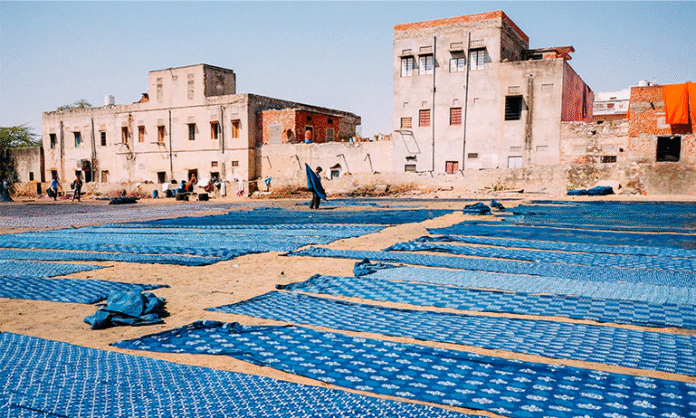
The process begins not with fabric, but with wood. Skilled craftsmen carve detailed patterns onto blocks made from teak or sheesham wood. Each design is carefully chiselled by hand, and every colour in the final pattern requires a separate block.
The fabric, often cotton or silk, is first washed and treated to prepare it for dyeing. Artisans then dip the carved blocks into trays of dye and press them rhythmically onto the stretched fabric. With practiced precision, they align each block impression so that the pattern flows seamlessly across the cloth. A single piece may require hundreds of such impressions.
Traditional block printing in Rajasthan often uses natural dyes derived from plants, minerals and other organic sources, giving the textiles their earthy and vibrant colours.

Distinct Styles and Motifs

Different regions developed their own characteristic styles. The delicate floral patterns of Sanganer prints contrast with the earthy tones and bold motifs of Bagru printing. Another well-known technique is Dabu Printing, a resist-dyeing method in which a mud paste is applied to certain areas of the fabric before dyeing to create striking patterns.
Common motifs include butis (small floral motifs), paisleys, vines and geometric jaal patterns, many inspired by nature and traditional Rajasthani aesthetics.

Why the Craft Endures

Despite the rise of machine printing, Rajasthan’s block prints remain widely admired for their authenticity and craftsmanship. Each piece carries slight variations — a reminder that it was made by human hands rather than machines.
Today, these prints appear not only in traditional garments but also in contemporary fashion, home furnishings and international design collections. For many artisans in Rajasthan, block printing is more than a livelihood — it is a living tradition that continues to connect history, creativity and community through every stamped pattern.

Ramin Djawadi From Iranian Descent Composed The Game of Thrones Theme. Know How He Reimagined Music With Persian Instruments…

0

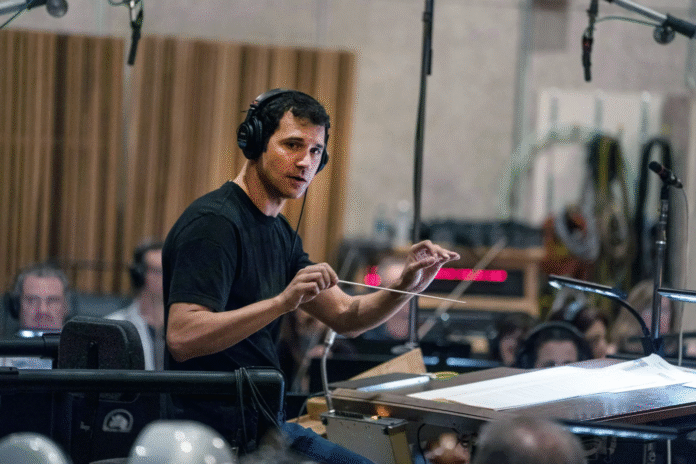
Few television themes are as instantly recognisable as the opening music of Game of Thrones. Composed by German-Iranian musician Ramin Djawadi, the powerful orchestral score became synonymous with the epic fantasy series and remains one of the most celebrated television soundtracks in modern pop culture. Recently, a rendition of this iconic theme performed using traditional Persian instruments — including the rhythmic daf drum — has been circulating online, captivating listeners with its unique cultural fusion.

Djawadi, who is of Iranian descent, created the original theme using orchestral arrangements that evoke grandeur, tension and adventure. Interestingly, the composer deliberately avoided certain medieval European instruments often associated with fantasy settings. Instead, he relied heavily on the cello to produce the dark, rich sound that defined the series’ opening sequence.

The Persian reinterpretation of the theme adds a new layer of depth to the composition. Instruments such as the daf, a large frame drum widely used in Persian and Kurdish music, bring a distinct rhythmic intensity. The haunting tonal qualities of Persian strings and percussion transform the familiar melody into something both ancient and cinematic, giving the impression that the music could belong to another historical world entirely.

What makes this rendition especially fascinating is how naturally the theme adapts to Persian musical traditions. The melody’s dramatic structure and rhythmic build allow it to blend seamlessly with Middle Eastern instrumentation, highlighting the universal nature of music. Listeners who are familiar with the original score often describe the Persian version as both surprising and emotionally powerful.

The viral popularity of such performances also reflects a broader trend on digital platforms, where musicians reinterpret famous film and television scores using traditional instruments from different cultures. These creative crossovers not only celebrate global musical heritage but also introduce audiences to new sounds and traditions.

In many ways, hearing the Game of Thrones theme played with Persian instruments feels like the soundtrack returning to one of its cultural roots — a reminder that great music can transcend both geography and genre.