Home Blog Page 38

Virat Kohli’s London Life: A Glimpse Into the Cricketer’s Calm Away From the Pitch

0

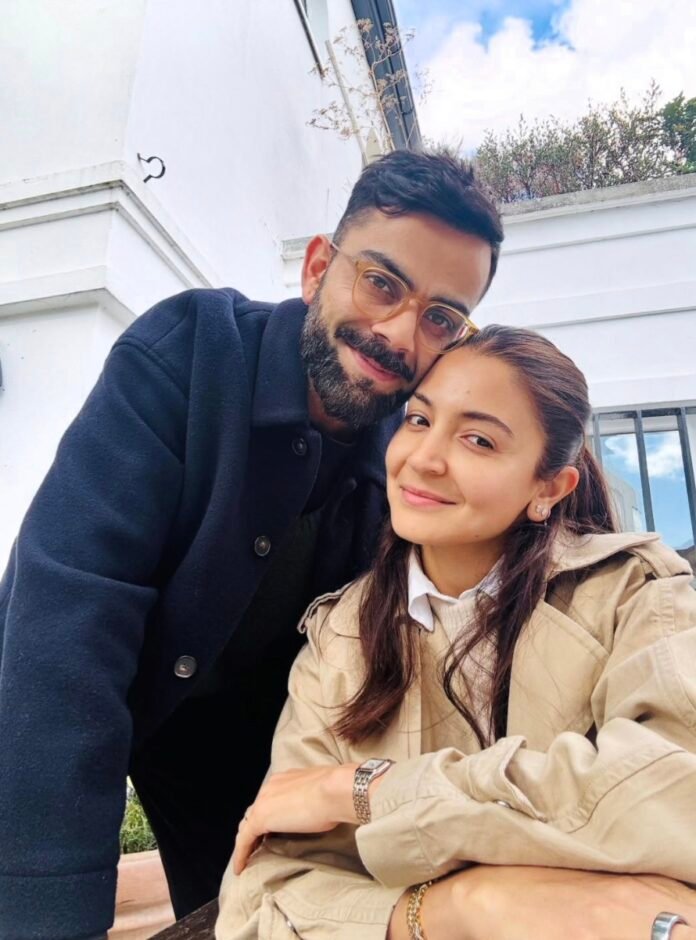
When he is not commanding the cricket field, Virat Kohli is often seen enjoying a quieter, more personal life in London with his wife Anushka Sharma and their children. For fans who are used to his intense on-field presence, glimpses of his London life reveal a calmer and deeply family-oriented side of the Indian cricket star.

Over the past few years, London has become one of the couple’s favourite places to spend time, especially during cricket tours in England or during breaks from the busy cricket calendar. Through occasional social media posts, Kohli and Anushka have shared snapshots of simple yet meaningful moments — walks through leafy neighbourhoods, coffee dates, and peaceful evenings in the city.

One moment that particularly caught fans’ attention was when Kohli was reportedly seen dropping his young son Akaay at school, a rare public glimpse into the cricketer’s everyday parenting routine. The sight of one of the world’s most famous athletes doing something as ordinary as a school run made the moment even more endearing for fans.

The couple’s daughter Vamika Kohli is also occasionally part of their quiet family outings, though both parents remain careful about maintaining their children’s privacy. Their London days often include visits to parks, outdoor strolls, and exploring the city’s cultural and scenic spots.

For Kohli, whose career has largely unfolded under intense public scrutiny in India, London offers something rare — privacy and normalcy. Away from the constant spotlight, the city allows him to slow down, spend uninterrupted time with his family, and recharge before returning to the demands of international cricket.

These small glimpses into Kohli’s London life show fans a different side of the cricket icon — not just the fierce competitor, but also a devoted husband and father enjoying the simple pleasures of family life.
Spring Escapes: Top Hill Stations in India to Visit in March-April

0

As temperatures begin to rise across the plains of India, the months of March and April offer the perfect opportunity to escape to the hills. Spring arrives in the mountains during this period, bringing pleasant weather, blooming flowers, and clear skies, making it an ideal time for sightseeing, nature walks, and adventure activities.

Here are some of the most beautiful hill stations in India to explore during thisseason.

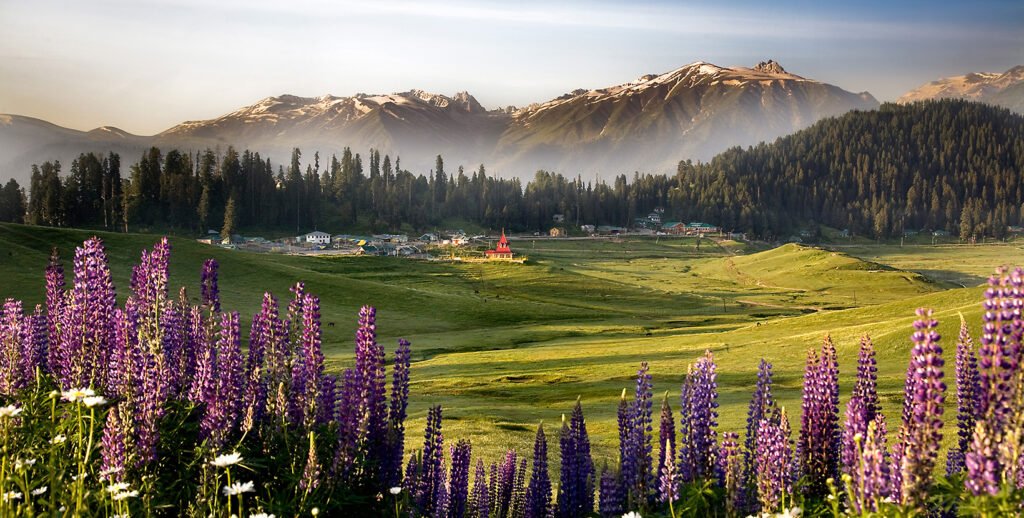
1. Gulmarg, Jammu & Kashmir – Meadows and Late Snow

Spring Escapes: Top Hill Stations in India to Visit in March-April

During this time, Gulmarg still retains patches of snow while spring flowers begin to appear, creating a stunning mix of white landscapes and green meadows.

•Major attractions:

•Gulmarg Gondola, one of the world’s highest cable cars

•Skiing and snow activities in thesurrounding slopes

•Panoramic views of the Pir Panjal mountain range

Visitors can enjoy snow adventures along with breathtaking Himalayan scenery.

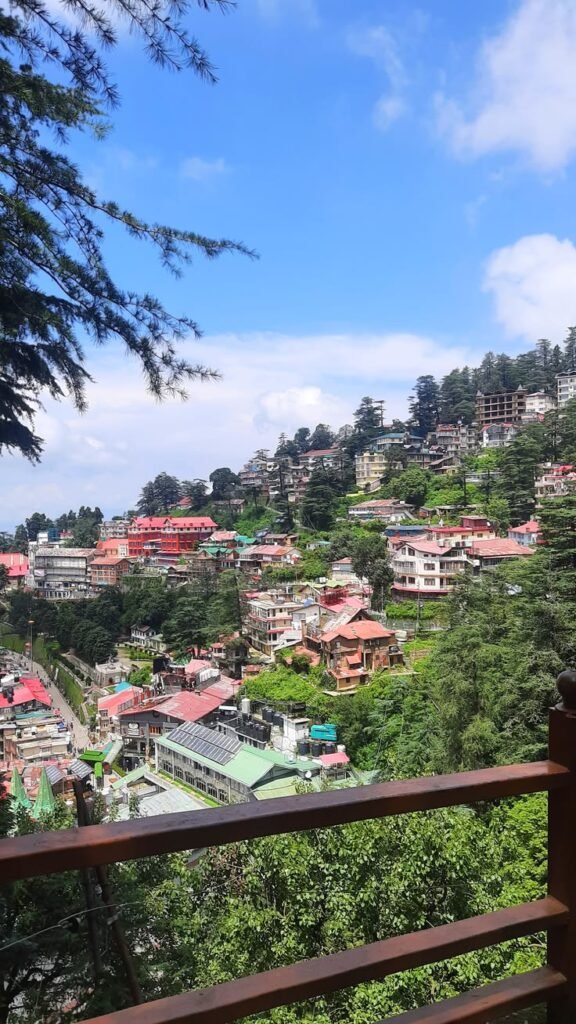
2. Shimla, Himachal Pradesh – Charm in the Hills

Spring Escapes: Top Hill Stations in India to Visit in March-April

The weather is mild and pleasant, perfect for exploring the town without the extreme winter cold.

•Major attractions:

•Mall Road and The Ridge

•Jakhoo Temple with panoramic hill views

•Kufri for nature walks and adventure activities

Springtime also brings blooming trees and clear mountain views.

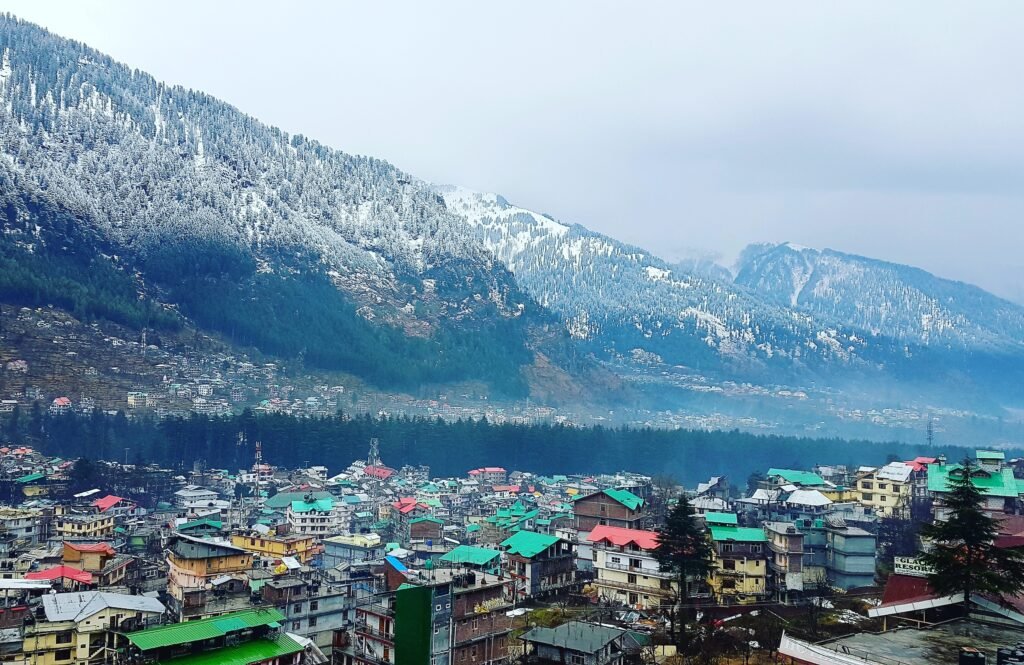
3. Manali, Himachal Pradesh – Adventure in the Himalayas

Spring Escapes: Top Hill Stations in India to Visit in March-April

The region offers cool temperatures with some snow still visible at higher altitudes.

•Major attractions:

•Solang Valley for paragliding andadventure sports

•Hadimba Devi Temple surrounded by cedar forests

•Scenic drives towards Rohtang Pass

It’s a perfect destination for both nature lovers and adventure seekers.

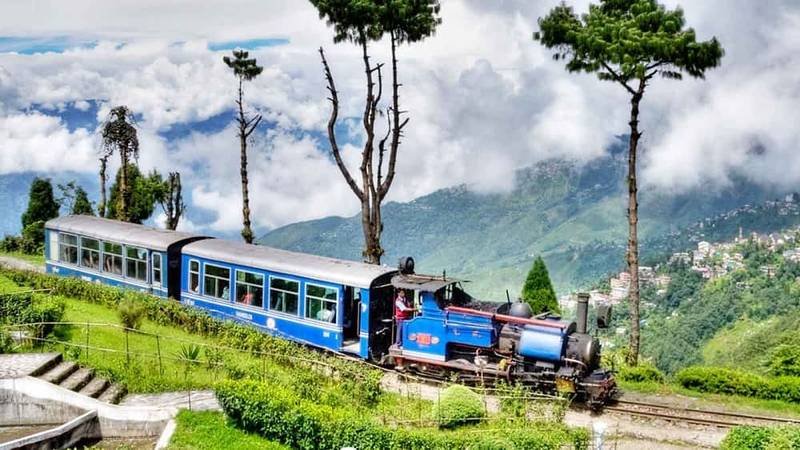
4. Darjeeling, West Bengal – The Queen of the Hills

Spring Escapes: Top Hill Stations in India to Visit in March-April

Spring makes the famous tea gardens lush and green while the weather remains comfortable.

•Major attractions:

•Sunrise views of Kanchenjunga from Tiger Hill

•The historic Darjeeling Himalayan Railway

•Scenic tea plantations and monasteries

The season offers stunning views and vibrant landscapes.

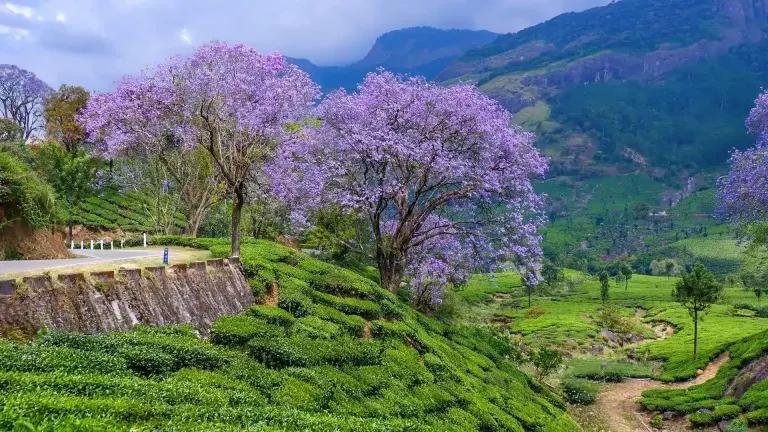
5. Munnar, Kerala – Misty Hills and Tea Estates

Spring Escapes: Top Hill Stations in India to Visit in March-April

The weather is cool and refreshing, making it perfect for exploring the rolling tea gardens.

•Major attractions:

•Eravikulam National Park, home to the Nilgiri tahr

•Mattupetty Dam and scenic viewpoints

•Endless stretches of tea plantations

Springtime adds freshness and colour to the hills.

Why Spring Is the Best Time for Hill Travel

•Comfortable temperatures ideal for sightseeing

•Blooming flowers and fresh greenery across valleys

•Clear skies offering spectacular mountain views

•Ideal conditions for trekking, boating and outdoor activities

From the snow-kissed landscapes of Jammu & Kashmir to the lush tea gardens of South India, hill stations across the country come alive in spring. A trip during March and April allows travellers to experience the mountains at their most colourful, refreshing and picturesque.

India’s Fuel Prices Hold Steady Amid Global Turmoil: A Testament to Strategic Foresight

0

PC (Ilkha)

While G20 Nations Face 15-22% Petrol Price Surges from West Asia Crisis, India’s Rates Remain Unchanged – Thanks to Diversified Sourcing, Reserves, and Government Shielding.

In the face of escalating geopolitical tensions in West Asia, particularly the US-Israel conflict with Iran that began on February 28, 2026, global oil markets have been thrown into chaos. The effective closure or severe disruption of the Strait of Hormuz-a critical chokepoint handling about 20% of the world’s oil trade-has triggered sharp spikes in crude prices, pushing Brent crude toward peaks near $120 per barrel before partially stabilizing around $90-100 in early March. This has led to significant retail fuel price increases across many G20 countries, with surges of 12-22% reported between early February and mid-March 2026.

India stands out as a beacon of stability. As of March 14, 2026, petrol prices in major cities like Delhi remain fixed at ₹94.77 per litre, with diesel at ₹87.67 per litre-unchanged for months despite the global storm. This remarkable steadiness has drawn praise from government sources and supporters, who attribute it to the Modi government’s proactive energy policies.

Diversification of crude oil sources: India has expanded imports from over 40 countries, reducing heavy reliance on Middle Eastern supplies vulnerable to Hormuz disruptions. Increased sourcing from non-disrupted regions, including Russia, has helped buffer against supply shocks. Strategic Petroleum Reserves: Built up to cover approximately 50-60 days (or 7-8 weeks) of consumption, these reserves have been tapped to maintain supply continuity without immediate market pass-through. Government and OMC intervention oil Marketing Companies (OMCs) have absorbed much of the higher international crude costs (with the Indian basket crossing $100-109 per barrel in March), preventing retail price hikes. This reflects a deliberate policy to protect consumers from geopolitical volatility. Smart diplomacy and long-term planning years of forward-thinking energy security measures under the “Viksit Bharat” vision have positioned India to weather such crises better than many peers.

In contrast, other G20 nations have seen sharp retail petrol price jumps amid the crisis:
United States: From ~$0.77 per litre to ~$0.94 per litre (+22%)Canada: From CAD 1.29 to CAD 1.56 per litre (+21%)Germany: From ~EUR 1.80 to EUR 2.07 per litre (+15%)Italy: From EUR 1.56 to EUR 1.80 per litre (+15%)South Korea: From KRW 1,747 to KRW 1,944 per litre (+12%)These hikes stem directly from the rapid 40%+ surge in global crude within weeks, compounded by halted tanker traffic through Hormuz, drone attacks on vessels, and broader supply fears. The International Energy Agency (IEA) even released a record 400 million barrels from emergency stocks in early March to ease pressures, but volatility persists.

India’s approach-prioritizing citizen protection amid chaos-highlights effective crisis management. As global headlines scream of energy shocks and economic strain, India’s unchanged pump prices underscore how strategic preparation and decisive leadership can keep the nation’s engine running smoothly, even when storms rage elsewhere. This stability not only shields households and businesses from inflation but also reinforces confidence in India’s energy security framework for the future.

Pi Day: Celebrating the Infinite Number That Shapes Our World

0

Every year on March 14, mathematicians, scientists and students around the world celebrate Pi Day, honouring one of the most fascinating numbers in mathematics — Pi. The date 3/14 reflects the first three digits of pi (3.14), making it the perfect day to recognise the importance of this remarkable constant.

Pi represents the ratio of a circle’s circumference to its diameter, a relationship that remains constant for every circle, regardless of its size.

\pi = \frac{C}{D}

The value of pi begins with 3.14159, but its decimal digits continue infinitely without repeating. Because of this, pi is known as an irrational number, making it both mathematically intriguing and endlessly complex.

The idea of pi dates back thousands of years. Ancient civilizations such as the Babylonians and Egyptians used early approximations while studying circles and geometry. However, the Greek mathematician Archimedes made one of the earliest accurate calculations of pi around 250 BCE using geometric methods.

The symbol π itself was introduced in 1706 by Welsh mathematician William Jones and later popularised by Swiss mathematician Leonhard Euler, helping it become the universal symbol used today.

Despite being discovered in ancient geometry, pi plays a crucial role in modern science and technology. It is used in fields ranging from physics and engineering to astronomy and computer science. Whether calculating the orbits of planets, designing bridges, or modelling waves and signals, pi remains essential to understanding the natural world.

Across the globe, Pi Day is marked with puzzles, competitions and even pie-themed events — proving that numbers can inspire curiosity and joy.

PM Modi Performs Bhoomi-Poojan of Shillong–Silchar Corridor, Assam Mala 3.0 and Kopili Hydro-Electric Project Giving Rs 47,600-Crore Development Push in Assam

0

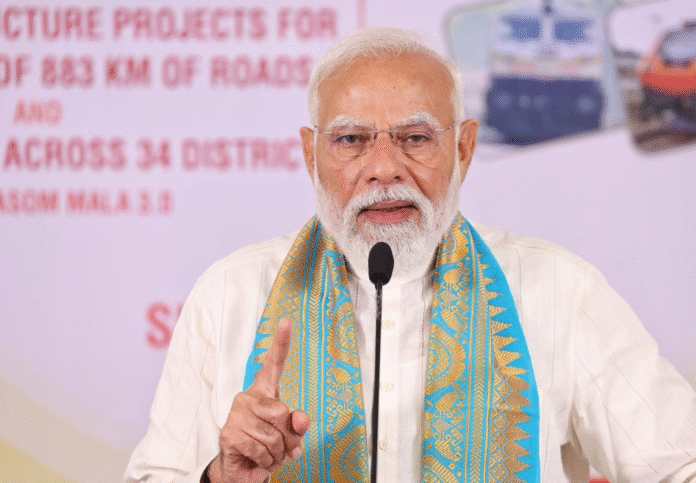
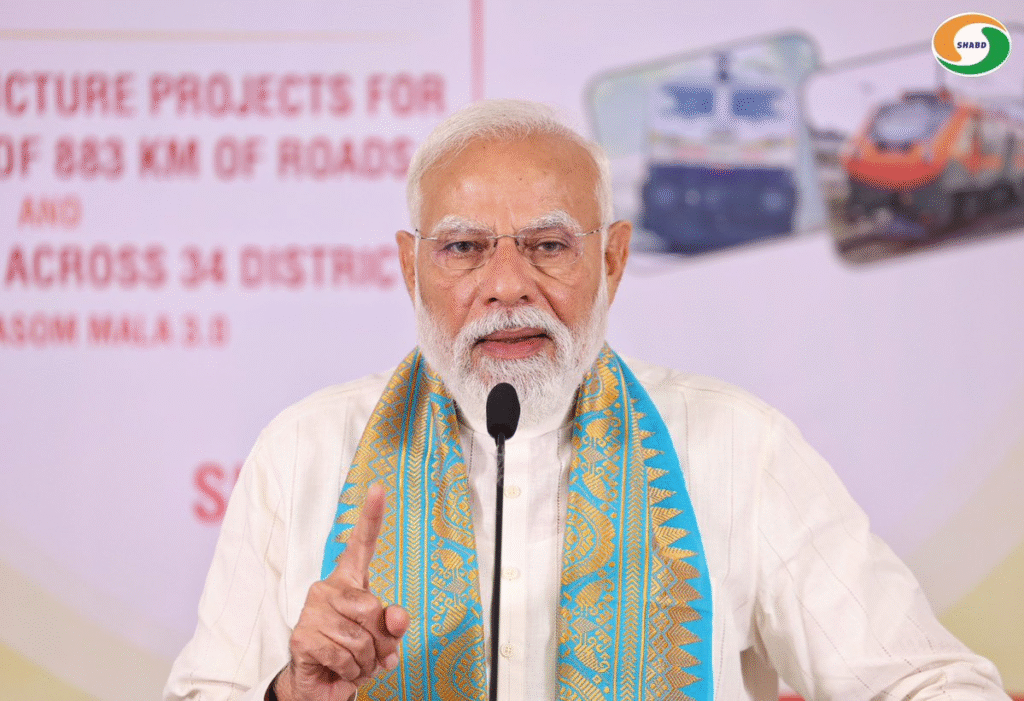
Prime Minister Narendra Modi began a two-day visit to Assam on March 13–14, announcing and inaugurating development projects worth more than ₹47,600 crore aimed at boosting infrastructure, connectivity, and welfare in the northeastern state. During the visit, the Prime Minister is covering key locations including Kokrajhar, Guwahati and Silchar .

PM Modi Performs Bhoomi-Poojan of Shillong–Silchar Corridor, Assam Mala 3.0 and Kopili Hydro-Electric Project Giving Rs 47,600-Crore Development Push in Assam

One of the major highlights of the visit is the Bhoomi Poojan of the Shillong–Silchar Corridor, which will be the first access-controlled greenfield four-lane high-speed corridor in Northeast India. The project is expected to significantly enhance connectivity between Assam and Meghalaya while improving the movement of goods and passengers across the region.

The Prime Minister will also perform the Bhoomi Poojan of Assam Mala 3.0 , a major road infrastructure initiative aimed at expanding and strengthening the state’s road network. The programme will focus on building and upgrading roads across Assam to improve connectivity between towns, rural areas and national highways, boosting trade, tourism and economic activity.

In a significant welfare measure, Modi will distribute land pattas (ownership deeds) to tea garden workers, marking a historic step in providing homestead land rights to members of the tea garden community. For decades, many tea workers in Assam have lived in plantation areas without legal ownership of their land. The new initiative will grant them land rights, offering greater housing security and improved access to government welfare schemes, financial services and social benefits.

The visit also includes several key energy infrastructure initiatives . The Prime Minister will dedicate the Kopili Hydro-Electric Project , the capacity enhancement of the Numaligarh–Siliguri pipeline, and inaugurate Phase-1 of the North East Gas Grid , all aimed at strengthening the region’s energy supply and supporting industrial growth.

Another major announcement during the visit is the release of the 22nd instalment of the PM-KISAN scheme , under which financial assistance will be transferred to more than 9.3 crore farmers across the country.

With major investments in transport, energy and social welfare, the projects announced during the visit are expected to play a key role in accelerating development and improving livelihoods in Assam and the wider Northeast region.

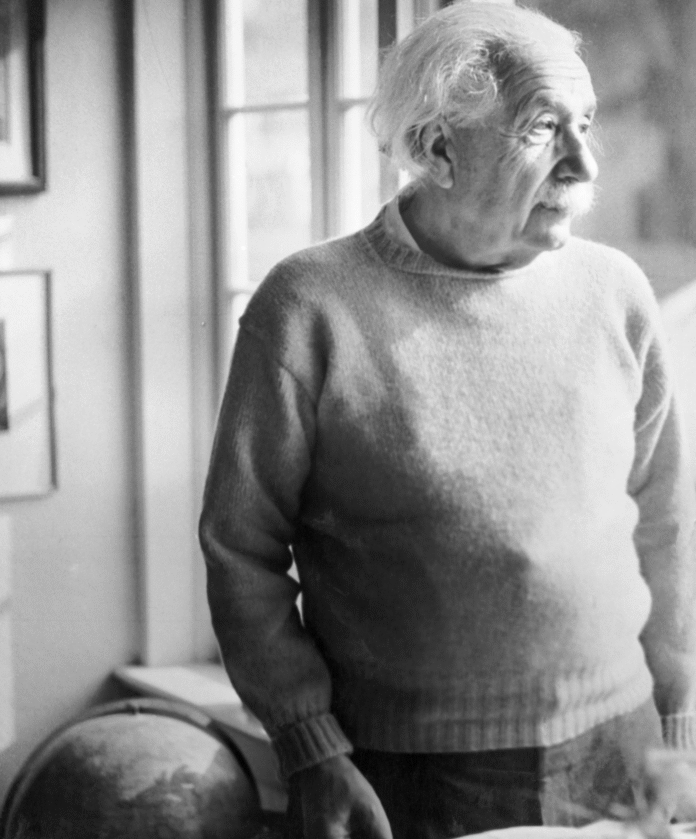
The Genius Who Changed Our Understanding of the Universe: Remembering Albert Einstein on His Birthday

0

March 14 marks the birth anniversary of one of the greatest scientific minds in history — Albert Einstein. Born in 1879 in Ulm, Einstein revolutionized the way humanity understands space, time, energy and gravity. His groundbreaking ideas reshaped modern physics and continue to influence scientific discoveries even today.

Einstein is best known for developing the Theory of Relativity, which fundamentally changed how scientists view the universe. His famous equation, Mass–energy equivalence, showed that mass and energy are interchangeable, a discovery that became a cornerstone of modern physics and later played a role in the development of nuclear energy.

In 1921, Einstein received the Nobel Prize in Physics for his explanation of the Photoelectric Effect, which demonstrated how light can behave as both a wave and a particle. This discovery laid the foundation for quantum physics and technologies such as solar panels and electronic sensors.

Beyond his scientific achievements, Einstein became a global symbol of curiosity, imagination and intellectual freedom. Known for his distinctive appearance and humble personality, he often spoke about peace, humanity and the importance of education.

Einstein’s work continues to shape modern science — from understanding black holes and gravitational waves to technologies like GPS that rely on relativistic physics. More than a century after his discoveries, his ideas still guide scientists exploring the mysteries of the cosmos.

‘Scimitar-Crested’ Spinosaurus Species Unearthed in Sahara Desert After Over a Century

0

PC (Science Alert, Reuters)

Spinosaurus mirabilis: The “Hell Heron” Giant That Redefines Fish-Eating Dinosaurs

In a groundbreaking find announced in February 2026, paleontologists have revealed a remarkable new species of fish-eating dinosaur named Spinosaurus mirabilis, meaning “astonishing spine lizard.” This marks the first unequivocal new large carnivorous dinosaur species identified in more than 100 years-and the first new Spinosaurus species since the genus was named over a century ago.

Led by University of Chicago paleontologist Professor Paul Sereno, an international team discovered the fossils in the remote Jenguebi site deep in Niger’s central Sahara Desert. The region, now a barren expanse, was once a lush, forested inland habitat crisscrossed by rivers-hundreds of kilometers from the ancient Tethys Sea coastline.

The most striking feature of Spinosaurus mirabilis is its massive, scimitar-shaped bony crest atop the skull, which likely extended even further in life with a keratin sheath, similar to modern crested birds. This “sabre” or blade-like crest, standing about 20 inches tall, may have served for visual display, attracting mates, or signaling rivals-making the dinosaur’s silhouette truly dramatic alongside its famous sail-like back structure.

Experts describe the creature as a specialized piscivore (fish-eater) with an elongated snout and interlocking, interdigitating teeth that formed a natural “fish trap” for snaring slippery prey like large coelacanths. It waded into rivers to hunt, much like modern herons or the so-called “hell heron” analogy -striding through shallow waters rather than swimming fully aquatically. This inland lifestyle challenges earlier views of spinosaurids as primarily coastal dwellers and highlights a late evolutionary phase where these giants adapted to riparian (riverine) environments.

Measuring around 40 feet (about 10-14 meters) long -roughly the size of a school bus-this semi-aquatic predator lived approximately 95 million years ago during the Late Cretaceous period. The fossils include a remarkably complete skull, jaw fragments, teeth, and crest elements, reconstructed digitally even in the field using solar-powered laptops amid the desert camp.

“This find was so sudden and amazing, it was really emotional for our team,” Professor Sereno said. “I’ll forever cherish the moment in camp when we crowded around a laptop to look at the new species for the first time. Discovery adds vital insights into spinosaurid evolution, revealing three distinct phases over 50 million years-from early fish-snaring forms to dominant predators,culminating in massive inland specialists like S.mirabilis just before their extinction. This “astonishing” addition not only expands our understanding of dinosaur diversity in ancient Africa but also underscores the ongoing surprises hidden in the Sahara’s sands.

Imtiaz Ali Unveils ‘Main Vaapas Aaunga’ Teaser: A Heartfelt Cross-Generational Love Story Set Against the 1947 Partition, Starring Diljit Dosanjh

0

PC(News 18)

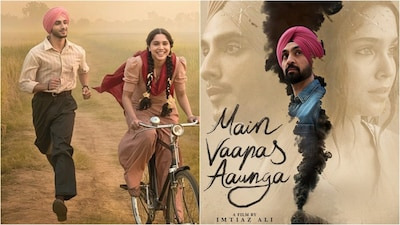
Reuniting with Diljit Dosanjh after ‘Amar Singh Chamkila’, the film features Naseeruddin Shah, Sharvari Wagh, and Vedang Raina; Music by A.R. Rahman; Theatrical Release on June 12, 2026. Acclaimed filmmaker Imtiaz Ali is set to captivate audiences once again with his upcoming romantic drama ‘Main Vaapas Aaunga’ (I Will Return). The official teaser and first-look posters were released on March 13, 2026, generating immense buzz for its emotional depth and nostalgic storytelling.

The film is a sweeping, cross-generational tale of love, memory, and longing, centered on an incomplete romance shattered by the historic Partition of India in 1947. It follows an elderly man (played by veteran actor Naseeruddin Shah) who has carried a poignant love story in his heart for 78 years. His grandson (Diljit Dosanjh) listens to these cherished memories at his bedside, bridging the past and present through photographs, old films, and soul-stirring music. The narrative contrasts the lush, vibrant pre-Partition era-featuring green wheat fields, ornate mansions, vintage trains, and timeless romance-with intimate modern-day moments.

In flashbacks, Sharvari Wagh and Vedang Raina portray the young lovers whose lives are forever altered by the Partition’s turmoil. Diljit Dosanjh appears as the attentive grandson and potentially in dual roles echoing his grandfather’s younger self. The title “Main Vaapas Aaunga” itself symbolizes an emotional promise-of returning to love, home, and belonging despite borders and time.

This marks the second collaboration between Imtiaz Ali and Diljit Dosanjh following the critically acclaimed ‘Amar Singh Chamkila’. The film is produced by Applause Entertainment and Window Seat Films, with music composed by the legendary A.R. Rahman and lyrics penned by Irshad Kamil-a dream team known for creating unforgettable melodies.

Imtiaz Ali’s Statement speaking about the project, the director shared: “This film has a big heart. It has a large canvas yet is very personal. It is a story of a boy and a girl, but also a country. Can love really be lost? Can home be taken away from someone’s heart? The biggest story of the century is migration. This tale of fiction derives almost entirely from stories of people during the Partition. The past is always present. And decades later, what remains is the early feeling of love that was too personal to share. The nostalgia of who we love and where we belong lives with us forever.”

Release Details:’Main Vaapas Aaunga’ is slated for a theatrical release on June 12, 2026. With its blend of epic scale, personal emotion, and stunning visuals, the film promises to evoke the magic of Imtiaz Ali’s classics like Jab We Met and Love Aaj Kal, while tackling themes of migration, identity, and enduring love that remain deeply relevant today.
The teaser has already sparked excitement on social media, with fans praising its vintage romance vibes and emotional pull. This is one cinematic journey that is sure to linger long after the credits roll.

Raulane Festival of Himachal Pradesh: The 5,000-Year-Old Himalayan Tradition Celebrated After Holi

0

Hidden in the snow-covered valleys of Kinnaur district in Himachal Pradesh, the ancient Raulane Festival is one of the most fascinating cultural traditions of the Himalayan region. Celebrated every year soon after Holi, the festival marks the end of winter and the arrival of spring, bringing together villagers in colourful rituals, music and dance.

The Raulane festival is believed to be nearly 5,000 years old, making it one of the oldest surviving traditions of the region. It originates from the tribal culture of Kinnaur, where communities maintain a deep connection with nature and local myths.

According to local beliefs, mystical celestial beings known as Saunis — often described as mountain fairies — protect villages during the harsh winter months. The festival is therefore celebrated to honour and bid farewell to these guardians as the seasons change and life returns to the valleys.

Unique Rituals and Symbolic Marriage

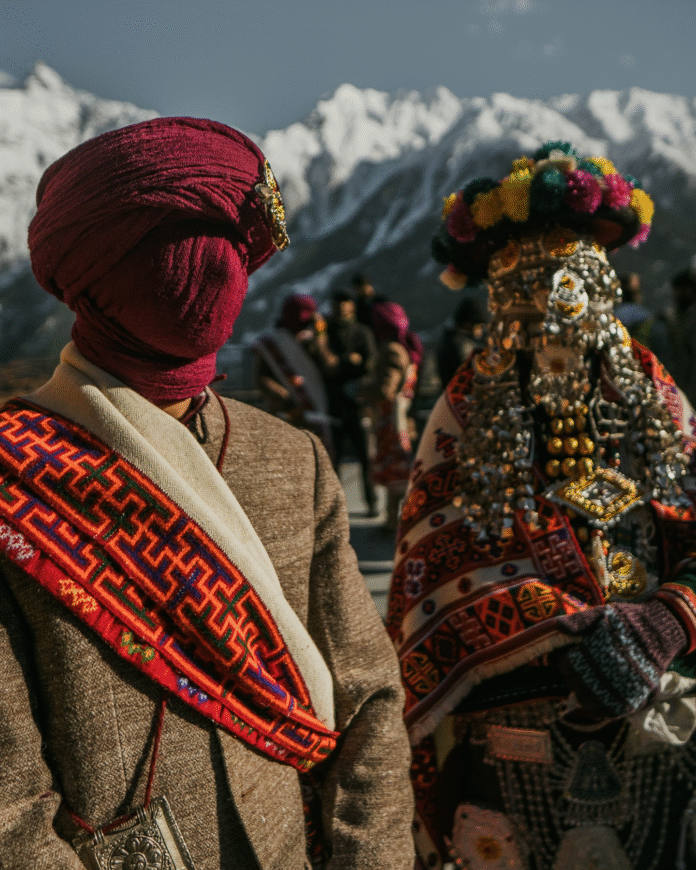
One of the most striking features of the festival is a symbolic marriage ritual. Two men from the community dress in elaborate traditional attire and masks to represent a divine couple — Raula (the groom) and Raulane (the bride).

Dressed in woollen garments and ornaments, they perform ritual dances at sacred sites such as the Nagin Narayan Temple, while villagers gather to sing folk songs and offer prayers. The ritual symbolises the connection between humans, nature and the spiritual world.

How the Festival Is Celebrated

Raulane celebrations typically last five to seven days and attract people from neighbouring villages such as Sangla and Kalpa. The festivities include temple rituals, folk dances, community gatherings and traditional feasts that strengthen social bonds within the region.

Highlights of the 2026 Celebrations

In 2026, the festival began in early March shortly after Holi and once again drew attention for its vibrant costumes, masked performers and spiritual rituals. Locals gathered in large numbers to participate in the ceremonies that mark the seasonal transition and honour ancestral beliefs.

A Living Cultural Heritage

More than just a festival, Raulane is a living expression of Himalayan heritage. Through its rituals, myths and community celebrations, it preserves the ancient worldview of the Kinnauri people — where nature, spirituality and everyday life remain deeply intertwined.

Even today, centuries after its origins, Raulane continues to remind people of the region’s enduring traditions and the timeless rhythm of life in the Himalayas. (IANS-arc)

Chaitra Navratri 2026: Scientific, Spiritual and Cultural Significance

0

Chaitra Navratri is a nine-day Hindu festival observed in the lunar month of Chaitra (March–April). It is one of the two major Navratris celebrated in India, the other being Sharad Navratri in autumn.
Chaitra Navratri holds special importance as it coincides with the beginning of the Hindu New Year in many regions, including Rajasthan, Gujarat, and Maharashtra.


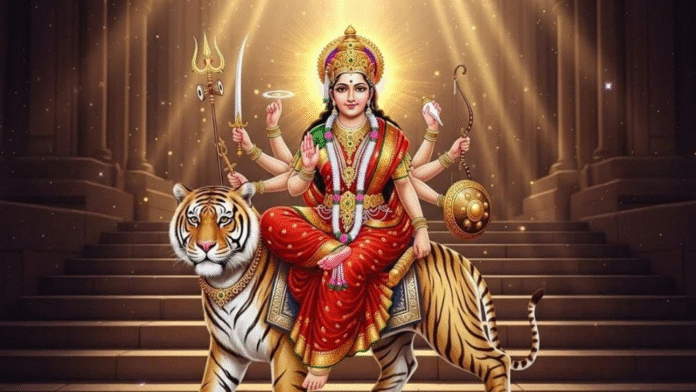
Traditionally, this festival is dedicated to Durga in her nine forms, known as Navdurga, but it is also the period when many families worship their Kuldevis—ancestral goddesses associated with specific clans or communities.

Why it Begins in the Month of Chaitra

The month of Chaitra marks the onset of spring in India, a season when nature itself is renewing. Trees blossom, crops are sown, and the weather shifts from the cold of winter to warmer, longer days. From a scientific perspective, spring is a period of rejuvenation, increased sunlight, and higher energy levels—conditions ideal for starting new ventures or embracing fresh beginnings. Hindu culture aligns its New Year with this natural cycle, recognizing that the human body and mind respond positively to longer days, brighter sunlight, and fresh air. Thus, beginning the year with Chaitra Navratri combines spiritual intention with natural rhythms, making it a holistic start to life’s new phases.

Connection with Navdurga and Kuldevi Worship

During Chaitra Navratri, nine forms of Goddess Durga—from Shailputri to Siddhidatri—are worshipped, each symbolizing aspects such as courage, wisdom, compassion, and protection. These nine days guide devotees through a spiritual journey, cultivating inner strength and discipline.
Additionally, many Hindus use this period to honor their Kuldevis, family or clan goddesses who safeguard their households and lineage. The synchronization of Navdurga worship and Kuldevi veneration reflects the integration of community, family, and spiritual practices, reinforcing social and emotional bonds.

Importance of Fasting and Spiritual Purification

Fasting during Navratri is a form of physical and mental detoxification. By abstaining from grains, non-vegetarian foods, and heavy meals, the digestive system gets a break, and the body metabolizes more efficiently. From a psychological perspective, fasting cultivates self-discipline, mindfulness, and patience, while helping devotees focus on prayer, meditation, and positive thinking. This combination of physical, mental, and spiritual purification creates an ideal state for starting the New Year with clarity and vitality.

Rituals Followed During the Nine Days

Chaitra Navratri rituals are structured yet symbolic.

Key practices include:

  • Kalash or Ghat Sthapana: Installing a sacred pot filled with water, symbolizing life and prosperity
  • Daily prayers and aarti: Focusing the mind on divine energy
  • Bhog offerings: Fresh fruits, milk, and special fasting foods like sabudana khichdi or kuttu puris
  • Decorations and lighting: Homes and temples are adorned with flowers, rangoli, and lamps, creating a spiritually uplifting environment.

These rituals are more than religious customs—they are aligned with the human circadian rhythm, seasonal cycles, and community wellness, promoting mental, physical, and social balance.

Chaitra Navratri is a perfect example of how ancient Hindu practices blend spirituality, nature, and science. By honoring Goddess Durga, observing fasts, performing rituals, and venerating Kuldevis, devotees not only celebrate their cultural heritage but also optimize their physical health, mental clarity, and social harmony. It is a festival of renewal, purification, and hope, making it an auspicious way to start the New Year.