Home Blog Page 385

Paris AI Summit 2025: A Global Push for Responsible AI Development

0

The Paris AI Summit 2025 marked a significant milestone in international AI governance. Co-chaired by Indian Prime Minister Narendra Modi and French President Emmanuel Macron, the summit was held at the Grand Palais, Paris, bringing together representatives from over 90 countries. The event built upon the foundations laid by previous AI summits in the UK (2023) and South Korea (2024) and focused on shaping a safe, accessible, and independent AI ecosystem.

A Look Back: Previous AI Summits

First AI Summit (2023, UK) – Bletchley Park Declaration

  • The AI Safety Summit in the UK was attended by 28 nations, including India, the US, the UK, the EU, and China.
  • Leaders signed the Bletchley Park Declaration, aiming to regulate Frontier AI systems and prevent their misuse in terrorism, crime, and other threats.

Second AI Summit (2024, Seoul) – AI Transparency Commitment

  • 16 major AI companies pledged to develop AI with greater transparency.
  • The summit stressed the importance of responsible AI development and ethical considerations.

Paris AI Summit 2025: A Global Vision for AI

The third AI Summit in Paris had three main objectives:

  1. Ensuring AI is safe, independent, and accessible to all.
  2. Developing environmentally sustainable AI technologies.
  3. Establishing a robust global AI governance system.

Key Themes Discussed at the Summit

  • AI in public services – How AI can enhance governance and citizen services.
  • Future of work – The impact of AI on jobs and labor markets.
  • AI in culture & innovation – AI’s role in artistic and technological advancements.
  • Building trust in AI – Ethical concerns and bias mitigation.
  • Global AI governance – Creating a unified framework for AI regulation.

India-France AI Roundtable: Strengthening AI Partnerships

On the sidelines of the summit, India and France held the Second India-France AI Policy Roundtable. Organized by India’s Principal Scientific Adviser (PSA) along with IISc Bengaluru, IndiaAI Mission, and Sciences Po Paris, the roundtable focused on:

  • Data protection and digital sovereignty.
  • Developing sovereign AI models for national security.
  • Cross-border AI research and global AI governance.
  • Creating multilingual AI models to bridge linguistic gaps.
  • Sustainable AI infrastructure and responsible data-sharing policies.

Both countries emphasized their commitment to indigenous AI models, federated AI networks, and AI democratization.

Tech Sovereignty: A Core Focus of the Summit

French President Emmanuel Macron highlighted the need for tech sovereignty, which refers to a nation’s ability to control and develop its own technology for economic, political, and strategic stability.

Why Tech Sovereignty Matters

  • Reduces dependency on foreign technology.
  • Strengthens national security by minimizing foreign influence in critical sectors.
  • Encourages economic growth through domestic AI innovation.
  • Promotes a democratic digital order, preventing monopolies by global tech giants.

India’s Stand on Tech Sovereignty

India’s push for technological independence aligns with its Digital India initiative. Policies such as the Digital Personal Data Protection (DPDP) Act, 2023, which regulates data sharing with foreign entities, underscore India’s commitment to data sovereignty.

Future Prospects: A Roadmap for AI Collaboration

The Paris AI Summit 2025 laid the groundwork for enhanced global AI cooperation, with a strong emphasis on supporting developing nations through the Foundation for the Global South initiative.

The growing India-France AI partnership is expected to foster:

  • Joint AI research and development.
  • Secure and ethical AI deployment across industries.
  • Cross-border data-sharing frameworks.

As AI continues to shape the future, the outcomes of this summit will play a crucial role in guiding ethical, transparent, and inclusive AI development on a global scale.


Exercise Winged Raider: Strengthening India’s Airborne Capabilities

0

The Indian Army recently concluded Exercise Winged Raider, a high-intensity training operation focused on special airborne missions. Conducted in the Eastern Theatre, the exercise emphasized inter-service collaboration, showcasing the Indian Army’s and Indian Air Force’s (IAF) commitment to operational readiness and synergy in modern warfare.

About Exercise Winged Raider

Exercise Winged Raider was designed to enhance the capabilities of both the Indian Army and IAF in executing specialized airborne operations. The drill included extensive training on:

  • Airborne insertion techniques using both fixed-wing and rotary-wing aircraft.
  • Rapid troop deployment strategies in diverse and challenging operational environments.
  • Precision strikes and logistical coordination to improve response times and mission effectiveness.

Significance of Airborne Operations

Airborne operations play a critical role in contemporary military strategy. The ability to swiftly mobilize and engage enemy forces is crucial for national security. Exercise Winged Raider provided an opportunity for troops to refine their skills, ensuring they are prepared for real-world combat scenarios.

Inter-Service Synergy: Strengthening Collaboration

The successful execution of Exercise Winged Raider highlighted the seamless coordination between the Indian Army and the IAF. Such integrated training fosters enhanced cooperation and interoperability, enabling personnel from both forces to operate each other’s weapon systems and aerial platforms effectively.

Innovative Training Techniques and Firsts

A key highlight of the exercise was the deployment of the Chinook helicopter for airborne operations—a first in the Eastern Theatre. This provided valuable experience in utilizing advanced aircraft for strategic missions, reinforcing the Indian Armed Forces’ ability to execute high-risk airborne insertions with precision and efficiency.

Historic Flight of Chiefs

On the eve of Aero India 2025, Army Chief General Upendra Dwivedi and Air Chief Marshal AP Singh undertook a historic flight together in the indigenous Light Combat Aircraft (LCA) Tejas. This milestone underscored the growing integration and synergy between India’s armed forces, reflecting their commitment to joint operations and technological advancements.

Aero India 2025: A Global Defense Showcase

The prestigious Aero India 2025 event, held from February 10-14, 2025, serves as a vital platform for exhibiting India’s aerospace capabilities and defense advancements. It highlights the importance of collaborative defense strategies and technological innovation in modern warfare. The active participation of both the Army and Air Force Chiefs at the event reiterates the significance of joint military preparedness and aerial dominance.

Summing Up

Exercise Winged Raider reaffirms India’s commitment to enhancing its airborne capabilities through rigorous training and seamless inter-service cooperation. With evolving global security challenges, such exercises ensure that India’s armed forces remain prepared, resilient, and ready to respond to any contingency with speed and precision.

Exercise Cyclone 2025: Strengthening Military Ties Between India and Egypt

0

The joint military exercise Cyclone 2025 between India and Egypt commenced on February 10, 2025, at the Mahajan Field Firing Range in Rajasthan. Set to last for 14 days, this high-intensity exercise focuses on enhancing military cooperation, operational readiness, and interoperability between the special forces of both nations, particularly in desert warfare conditions.

Objectives of Cyclone 2025

Cyclone 2025 serves as a strategic platform to strengthen defence cooperation between India and Egypt. The primary objectives of the exercise include:

  • Enhancing operational capabilities in counterterrorism, reconnaissance, and raid missions.
  • Training in specialised military techniques such as sniping, combat free fall, and target designation.
  • Improving combat preparedness and response to modern security threats.

Participants and Their Roles

The exercise features elite forces from both nations:

  • India is represented by personnel from the Parachute Regiment (Special Forces), known for their expertise in rapid deployment and special operations.
  • Egypt has deployed the Egyptian Commando Squadron and the Egyptian Airborne Platoon, both experienced in desert warfare and counterterrorism.

Together, these highly trained units will engage in rigorous drills, ensuring seamless coordination and combat efficiency in joint operations.

Training Focus Areas

Cyclone 2025 encompasses a comprehensive set of training exercises aimed at real-world combat scenarios. The key focus areas include:

  • Counterterrorism operations to neutralize threats effectively.
  • Tactical drills for swift response in high-risk situations.
  • Real-time simulation of battlefield conditions to enhance decision-making under pressure.
  • Surveillance and reconnaissance missions for intelligence gathering and precision strikes.

These drills are designed to replicate real-world security challenges, enabling the participating forces to refine their strategic coordination and combat tactics.

Significance of the Exercise

Cyclone 2025 is a landmark initiative in military cooperation between India and Egypt. The exercise underscores:

  • The growing defence partnership between the two nations.
  • A commitment to combating common security threats, including terrorism and regional instability.
  • The role of joint military drills in fostering diplomatic relations and mutual defence capabilities.

Strategic Implications

From a broader perspective, Cyclone 2025 holds significant strategic value for both nations. India and Egypt, located in regions with distinct security challenges, stand to benefit immensely from collaborative military engagements. The exercise:

  • Reinforces regional security frameworks through military-to-military exchanges.
  • Strengthens India’s defence diplomacy, positioning it as a reliable security partner.
  • Enhances Egypt’s operational expertise in modern warfare tactics.

Summing Up

Cyclone 2025 is not just a military drill but a symbol of growing strategic ties between India and Egypt. As global security threats evolve, such exercises play a crucial role in ensuring combat readiness and tactical superiority. By working together, the two nations are paving the way for a more secure and cooperative defence alliance in the years to come.

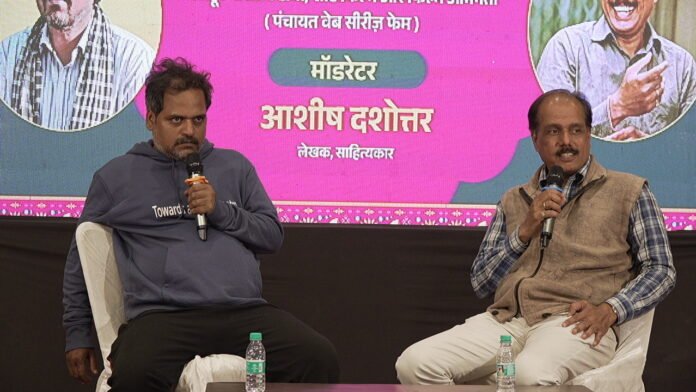
Durgesh Kumar of Panchayat web series advices the youth to read books as more as possible

0

Ratlam, January 24-25, 2025 – The Malwa Media Fest 2025 witnessed a vibrant exchange of ideas, creativity, and cinematic passion, with actor Durgesh Kumar engaging in a compelling discussion on theatre, perseverance, and career clarity. The event, held in Ratlam, served as a platform for budding artists, media students, and theatre enthusiasts to interact with industry stalwarts and gain valuable insights into the world of performing arts.

A Walk Down Memory Lane

Durgesh Kumar, known for his impactful performances, reminisced about his early days in theatre and how his journey began in the very heart of Ratlam. Encouraging students to befriend books and embrace dedication, he emphasized that success is a product of relentless effort. Quoting his own experiences, he asserted, “There is no alternative to hard work.” To the delight of the audience, he also delivered his famous dialogue, “Dekh rahe ho Vinod.”

A Candid Conversation with Durgesh Kumar

In a candid interview, Durgesh Kumar shared his thoughts on acting, the struggles of the profession, and the importance of having a clear vision in life.

On Self-Reflection and Passion

When asked how he perceives himself, he humbly stated, “I see myself as a simple man. I don’t consider any of my achievements extraordinary. These young minds here inspire me. I have spent 25 years in acting and learning, and I believe in making books my best friends.”

On Struggles and Career Choices

Having started from a small town in Bihar and being an NSD alumnus with experience in over 35-40 theatre productions, Kumar spoke about the importance of clarity in career goals. “You must be certain about what you want in life. When I attempted the IIT entrance in 2001, I realized science and mathematics weren’t my calling. I was drawn to Hindi literature and acting. That clarity led me to pursue theatre, study at NSD, and eventually work in films.”

He emphasized that struggles shape an artist, adding that actors from smaller towns need to work harder to understand and master their craft.

On Theatre vs. Film Acting

Kumar acknowledged that both theatre and cinema have their unique approaches. “While scholars debate the differences, we practitioners understand that in cinema, we must adjust our performance for the camera. Theatre, on the other hand, allows for a grander expression. However, one need not necessarily do theatre to become an actor—it all depends on one’s journey and circumstances.”

On the Importance of Theatre for an Actor

Many actors continue to return to theatre even after establishing themselves in films. When asked about his views, Kumar said, “Theatre is a practice. It keeps the actor rooted. While I continue theatre, it isn’t necessary for everyone. But one thing is—read books!”

On Instant Fame vs. Perseverance

In an era where young aspirants seek overnight success, Kumar acknowledged the changing dynamics but urged patience. “Today’s youth is chasing instant fame, and I don’t question their choices. However, I have always believed in long-term learning. When I saw Manoj Bajpayee’s performance in Satya (1998), I was deeply inspired. I followed his journey, learned from his struggles, and applied that dedication to my career. Some people chase easy money, while others seek stability. You must decide your own path.”

On Nawazuddin Siddiqui’s Journey

Kumar expressed admiration for Nawazuddin Siddiqui, emphasizing his persistence and resilience. “He graduated from NSD in 1996 but achieved recognition only in 2012. That’s 16 years of perseverance! Success takes time, and patience is the key.”

On Dealing with Depression in the Industry

Mental health struggles are common in demanding professions. Kumar candidly admitted, “Depression affects everyone, regardless of field. Some acknowledge it, some seek medical help, and some don’t. I faced it too, but I consulted a doctor and took care of myself. If you want to pursue acting, remember—focus on learning, financial stability, and discipline.”

A Dream Role?

When asked about a dream role, Kumar enthusiastically replied, “I would love to portray a character like Gabbar Singh.”

A Lasting Impression

Durgesh Kumar’s journey from a small-town theatre enthusiast to a recognized actor left a profound impact on the audience. His words resonated deeply, inspiring young artists to embrace dedication, patience, and learning as their tools for success.

The Malwa Media Fest 2025 successfully brought together students, media professionals, and artists, fostering a creative space for learning and inspiration. The discussion with Durgesh Kumar was one of the many highlights, reaffirming that passion, persistence, and perseverance are the cornerstones of any artistic journey.

India’s Gulmarg is emerging as a Premier Skiing Destination

0

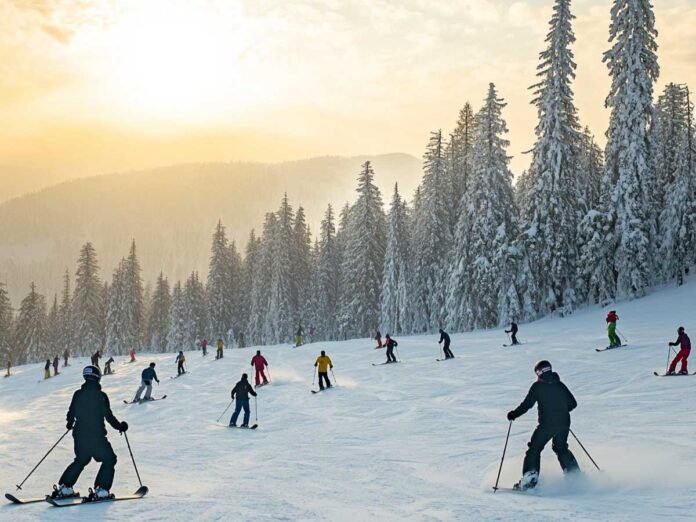
Nestled in the breathtaking Pir Panjal range of the Himalayas, Gulmarg has steadily carved a niche for itself as one of the world’s top skiing destinations. With its rich skiing history, world-class facilities, and picturesque landscapes, this charming hill town has become a winter paradise for adventure enthusiasts.

A Legacy of Skiing Excellence

Gulmarg’s tryst with skiing dates back to the early 20th century when British Army officers established the Ski Club of India in 1927. Back then, the destination gained immense popularity among the colonial elite, who reveled in the exhilarating sport against the backdrop of snow-clad peaks. However, post-independence, skiing saw a decline in the region, only to witness a remarkable resurgence in the 1960s with the establishment of the Indian Institute of Skiing and Mountaineering (IISM) in 1968. The institution played a pivotal role in rekindling interest in winter sports, offering structured training programs and producing skilled ski instructors.

The Game-Changer: Gulmarg Gondola

One of the defining moments in Gulmarg’s rise as a global skiing hub was the construction of the Gulmarg Gondola, one of the highest cable cars in the world. The first phase, completed in 1998, connected Gulmarg to Kongdoori, while the second phase, reaching the Apharwat Peak at an altitude of 4,390 meters, was completed in 2005. This infrastructure development opened up vast high-altitude terrains for skiing, making Gulmarg an attractive destination for both beginners and professional skiers. The availability of backcountry skiing and heliskiing further cemented its status as a premier ski resort.

A Unique Blend of Culture and Adventure

Beyond the adrenaline rush of skiing, Gulmarg offers a distinctive cultural experience that echoes the charm of classic European ski resorts like Chamonix. Unlike the modern ski destinations characterized by glitzy nightlife and social media glamour, Gulmarg preserves an old-world allure where camaraderie and shared experiences take center stage.

Local hoteliers emphasize the town’s deep-rooted skiing culture. “Here, the rhythm of the day revolves entirely around skiing,” notes a hotelier from the famed Highlands Park Hotel, known for its traditional après-ski ambiance. Skiers typically begin their day early, hitting the slopes by 9 AM, and continue until late afternoon. Evenings are spent in cozy lounges, where adventurers gather around warm fireplaces, sharing tales of their exhilarating runs over a drink. The night winds down early with dinner served by 8 PM, ensuring guests get ample rest for another day on the slopes.

The Future of Skiing in Gulmarg

As interest in adventure tourism continues to grow, Gulmarg is poised to become a global contender in the world of skiing. Efforts to enhance infrastructure, improve accessibility, and promote sustainable tourism are paving the way for its expansion. With its pristine slopes, thrilling descents, and a nostalgic charm that sets it apart, Gulmarg is not just a skiing destination—it is an experience like no other.

For thrill-seekers and winter sports lovers, Gulmarg is a must-visit destination that promises an unforgettable skiing adventure amid the spellbinding beauty of the Himalayas.

Lucky Bisht’s Journey from the Shadows of Espionage to the Spotlight of Cinema

0

The Malwa Media Fest, held in Ratlam on January 24th and 25th, 2025, provided a platform for some of the most intriguing discussions on security, cinema, and society. One of the most gripping sessions featured former RAW agent Lucky Bisht, who shared fascinating insights into the world of intelligence. While acknowledging that RAW agents remain unrecognized during their service, he emphasized that their selfless dedication earns them deep societal respect. Lucky Bisht also recounted his rigorous training in Israel and the overwhelming success of his bestselling book Raw Hitman, which gained immense popularity within just 21 days of its release. He used the session to inspire Indian youth to consider military service as a noble path of discipline and patriotism.

The Beginnings of a Spy

Hailing from the mountainous region of Uttarakhand’s Pithoragarh district, Lucky Bisht comes from a lineage of soldiers. His grandfather and father both served in the Indian Army, and his village has a strong tradition of military service, with 60% of its youth joining the armed forces. However, his journey into espionage was not premeditated.

“I had no idea what I wanted to do in life,” Lucky admitted. “I only knew that whatever I set my mind to, I would work hard to achieve it.”

While still in 11th grade, he received a letter offering him an opportunity in the armed forces. Initially reluctant due to the travel expenses, he was encouraged by his family to give it a try. Upon reaching the selection camp, he performed exceptionally well, particularly in physical tests. However, instead of the usual army recruitment process, he was quietly shortlisted for an intelligence service.

“At first, I was confused because I wanted to wear the army uniform,” he recalled. “But when they told me I’d get to wear all sorts of uniforms in this field, I realized this was something different.”

Thus began his secretive and grueling training, which took him to Israel for an intensive 26-week course. The experience was unlike anything he had imagined, pushing him beyond his limits. He recounted how, during parachute training, fear initially gripped him. However, once he took the leap, he understood that fear is temporary, but perseverance defines success.

Lucky Bisht's Journey from the Shadows of Espionage to the Spotlight of Cinema

The Silent Warriors and the Power of Karma

One of the session’s most thought-provoking moments was when Lucky spoke about the unsung nature of espionage work.

“In our line of duty, recognition is not an option,” he stated. “Unlike soldiers who receive medals and public honors, spies remain invisible. But we don’t work for fame; we work for the security of the nation.”

Despite the anonymity, Lucky remains convinced that service to the country is its own reward. He encouraged Indian youth to consider military service, not just for career prospects but for the discipline and character-building it offers.

A Brush with Adversity

In 2011, Lucky’s life took an unexpected and challenging turn when he was falsely accused of a double murder involving a prominent gangster. He was imprisoned for over three years, enduring the hardships of 11 different jails across India.

Refusing to succumb to despair, he meticulously studied his charge sheet, identifying 72 crucial points that ultimately contributed to his acquittal. On March 11, 2015, he was released, and three years later, in March 2018, his name was officially cleared.

Emerging stronger from the ordeal, he rejoined the Special Forces in 2018 and continued his service until 2019. However, destiny had another plan for him.

From the Shadows to the Silver Screen

After concluding his tenure in the intelligence world, Lucky Bisht ventured into the entertainment industry as a writer. Drawing from his experiences, he crafted three web series and a film, which quickly gained recognition. His presence on social media also skyrocketed, earning him a loyal following of over 1.2 million.

When asked about the accuracy of films based on espionage, he acknowledged that while filmmakers strive for realism, cinema ultimately requires creative liberties. “Post-COVID, the film industry has changed significantly due to the rise of OTT platforms,” he explained. “People now have access to a variety of content, which will encourage the creation of more authentic narratives in the future.”

An Unfinished Legacy

Lucky Bisht’s journey is far from over. From the rugged terrains of Uttarakhand to the classified corridors of intelligence agencies, from a jail cell to the glamorous world of Bollywood, his life is a testament to resilience, courage, and adaptability. His message to the youth remains clear: “Whatever field you choose, strive to be the best at it.”

Through his story, he continues to inspire generations, proving that success is not about how many times one falls but about the determination to rise each time.

Thaipusam Festival Celebrated in Malaysia – The Second Largest Hindu Festival

0

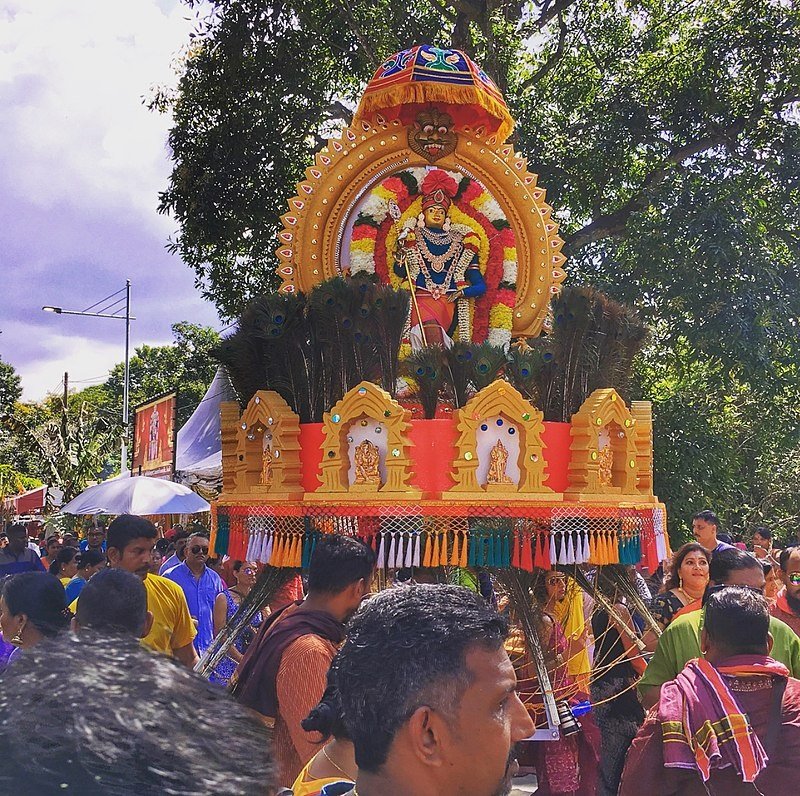
The grand celebration of the Thaipusam festival took place in Malaysia on Tuesday, attracting thousands of devotees. Hindu worshippers gathered at the Sri Subramaniar Swamy Temple, located within the famous Batu Caves, to offer prayers to Lord Murugan. Lord Murugan, also known as Kartikeya, is the son of Lord Shiva and Goddess Parvati. The festival symbolizes the triumph of good over evil.

According to Hindu beliefs, Goddess Parvati bestowed divine power upon Lord Murugan on this day, instructing him to defeat the demon Tarakasura and his army. The festival is observed on the full moon day of the Tamil month ‘Thai.’

Thaipusam Festival Celebrated in Malaysia – The Second Largest Hindu Festival

During Thaipusam, thousands of devotees undertake a pilgrimage to Batu Caves, carrying ‘kavadi’—an offering that signifies devotion and penance. Many carry pots filled with milk, while others perform extreme acts of devotion, such as piercing their cheeks, tongues, and backs with spears and hooks. These acts symbolize endurance, self-discipline, and spiritual resilience.

Thaipusam is the second largest Hindu festival in Malaysia, following Deepavali. The country acknowledges the significance of this festival by declaring it a public holiday. It is primarily celebrated by the Tamil community in Malaysia, reinforcing their cultural heritage and religious traditions.

No One Should Face This: A Father’s Mission to Ensure No Rare Disease Patient Suffers Alone

0

Through policy reforms, court appeals for rare disease funding, and the establishment of a dedicated center in Bengaluru, Prasanna Shirol is ensuring that parents and children affected by rare diseases receive the support they deserve.

A Father’s Fight Against the Odds

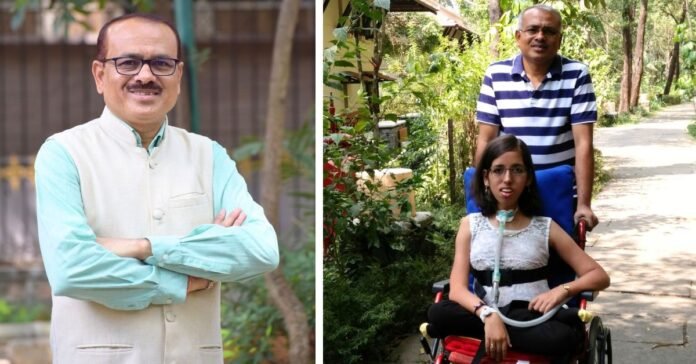
“You often hear of parents building their savings so their children can lead more comfortable lives in the long run. But I didn’t have the long run to think about. I just had the present,” recalls Prasanna Shirol, whose daughter, Nidhi, became India’s first reported Pompe patient.

Pompe disease is a rare genetic disorder that leads to glycogen accumulation in the muscles, affecting vital organs. With a prevalence of 1 in 40,000 to 1 in 3,00,000, the disease often limits life expectancy to just two years. Yet, Nidhi defied those odds, surviving for 22 years. However, the road to diagnosis was anything but easy. When she was born, genetic testing was in its infancy in India, leading to a long and arduous diagnostic journey.

The first seven years of Nidhi’s life were marked by countless hospital visits, inconclusive tests, and an overwhelming sense of helplessness. “Right from when Nidhi was four months old, we started noticing problems with digestion, frequent pneumonia, and delayed motor skills. By one and a half years, she still couldn’t stand on her own,” Prasanna shares. It took visits to over 40 hospitals before they finally got a diagnosis.

No One Should Face This: A Father’s Mission to Ensure No Rare Disease Patient Suffers Alone

Despite the devastating news, a silver lining emerged. Prasanna connected with the Netherlands-based International Pompe Association, which led him to Genzyme, a U.S.-based biotechnology company that provided access to a charitable program offering life-saving medication free of cost. But while Nidhi had a lifeline, Prasanna couldn’t stop thinking about families who lacked such opportunities.

Turning Pain Into Purpose: The Birth of ORDI

Rare disease drugs, also known as ‘orphan drugs,’ often cost crores, making them inaccessible for most families. The disparity in access to medical treatment prompted Prasanna to establish the Organization for Rare Diseases India (ORDI) in 2014, an advocacy platform dedicated to supporting rare disease patients and their families.

“No one should have to face the uncertainty that we faced,” he asserts. “If I had started this journey just for my daughter, it probably would have ended with her. But I started it to help other children and parents who have nowhere to turn.”

No One Should Face This: A Father’s Mission to Ensure No Rare Disease Patient Suffers Alone

Prasanna’s advocacy work gained momentum, and soon, he was taking India’s rare disease conversation to a global stage. He attended APARDO (Asia Pacific Alliance of Rare Disease Organisations) meetings in Manila, collaborated with global healthcare giants like Merck to explore clinical trial opportunities for Indian patients, and represented India at the COLLABORATE Initiative in Prague, aimed at addressing challenges in adult-onset rare diseases.

Despite his current stature, Prasanna’s early years with ORDI were riddled with personal sacrifices. “I quit my job, spent over a lakh per month on my daughter’s treatment, and had no idea how I managed to run my home for 12 years,” he reflects. But he persisted, driven by the kindness he received and the desire to pay it forward.

A Lifeline for Rare Disease Patients

ORDI has made significant strides in ensuring access to medical funding. For years, Prasanna faced bureaucratic resistance while advocating for government support. “Officials would tell me, ‘Thousands of children die of diarrhea and malaria every year. Why should we allocate funds for rare diseases?’” he recalls.

His persistence paid off in 2017 when a landmark decision led to the sanctioning of Rs 100 crore for rare disease treatment. This fund now entitles qualifying patients to Rs 50 lakh for treatment at designated ‘centres of excellence’ in public hospitals across India.

One such patient, Rekha K, was featured on a TV show in 2011 discussing her struggle with Mucopolysaccharidosis type IV (MPS IV), a genetic disorder affecting bone growth. Prasanna happened to watch that episode. Moved by her story, he reached out and introduced her to ORDI. “At the time, ORDI was just a small group, but Prasanna uncle has been my biggest support ever since,” says Rekha, who, along with her brother, also battling a rare disease, received career guidance and job placement assistance through ORDI.

The Rare Diseases Care Coordination Centre

ORDI’s impact extends beyond financial assistance. In Bengaluru, Prasanna launched the Rare Diseases Care Coordination Centre (RDCCC) at the Indira Gandhi Institute of Child Health, a pioneering facility designed to ease the treatment process for patients and their families.

“When Nidhi was undergoing enzyme-replacement therapy, she needed an infusion every fortnight. Each session meant 12 hours of painful pricks as nurses struggled to find a vein,” Prasanna explains. At RDCCC, children are treated by a dedicated staff, ensuring continuity of care. The center, with its child-friendly environment and comfortable waiting areas, has already treated 275 patients and is serving as a model for similar centers nationwide.

ORDI has also stationed coordinators at other government-approved treatment centers to assist families in navigating the complexities of rare disease treatment and funding applications.

Shaping Public Perception and Policy

Prasanna is now focused on shifting public perception and making rare diseases a part of mainstream health discussions. One way ORDI achieves this is through Racefor7, an annual marathon held across 20 cities to raise awareness about rare diseases. The event, scheduled for February 23 at 7 AM, invites participants from all walks of life to support the cause.

In addition, ORDI launched India’s first nationwide rare disease helpline (+91 8892 555 000), providing information, medical guidance, and even emotional support for affected families. “Sometimes, we even talk to their employers to help them understand what the families are going through,” Prasanna shares.

A Legacy of Hope

Recognized globally, Prasanna was named an Ashoka Fellow in 2018 and awarded the ‘RARE Champion of Hope’ in 2019. However, for him, the real victory lies in the messages he receives from grateful parents. “When a parent sends me a picture of their child receiving treatment and says, ‘Thank you, because of you my child is alive,’ that’s what makes my day.”

For Prasanna, Nidhi’s story was never just about one child—it was about changing the narrative for every rare disease patient in India. And with each life he touches, his mission continues: to ensure that no one has to endure the journey alone.

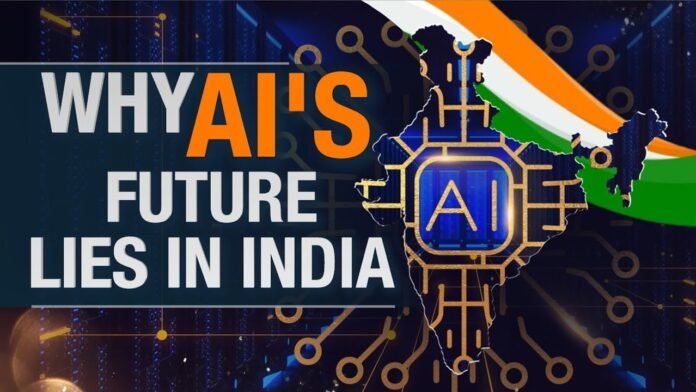
AI’s Future Lies in India, Predict International Tech Giants

0

As Artificial Intelligence (AI) continues to reshape industries and redefine the global technological landscape, India is emerging as a key player in this revolution. Leading figures from major tech companies increasingly recognize India’s potential as a global AI powerhouse. With its massive talent pool, rapid adoption of AI technologies, and substantial data wealth, India is poised to become a frontrunner in AI innovation, development, and deployment.

India’s AI Potential: A Global Perspective

International tech leaders are united in their vision of India playing a pivotal role in the future of Artificial Intelligence (AI). The country is no longer just a consumer of AI-driven technology but an active participant in shaping the industry’s future. Here’s what the biggest names in the global technology sector are saying:

Sam Altman, CEO, OpenAI

“India is an incredibly important market for AI in general and OpenAI in particular. It is our second-biggest market; we tripled our users here in the last year. Seeing what people in India are building—whether it’s AI stacks, chips, models, or applications—India should be doing everything. India should be among the leaders of the AI revolution.”

Sundar Pichai, CEO, Google

“As the world adopts Artificial Intelligence, India has the opportunity to lead the AI frontier.”

Satya Nadella, Chairman & CEO, Microsoft

“India can do great work in the area of Indic languages and in transforming its industries using artificial intelligence. I believe the next big breakthrough in AI is yet to come, and India has the mathematics talent, academic institutions, and research ecosystem to drive that innovation.”

Jensen Huang, CEO, Nvidia

“India’s importance in the world of technology is undeniable, particularly as the home to some of the world’s top computer scientists. India has the potential to become a global leader in AI innovation. It makes complete sense that India should manufacture its own AI. The next generation of India will be the back-office for AI delivery.”

Arvind Krishna, CEO, IBM

“India is poised to become a global leader in AI deployment. With its massive population and vast data resources, India has a unique advantage in the AI landscape.”

Saibal Chakraborty, BCG

“India’s swift adoption of AI is redefining its competitive edge globally, with 30% of Indian companies having maximized AI’s value potential—surpassing the global average of 26%. With 100% of companies actively experimenting with AI, India stands out for its readiness to harness AI’s potential.”

Reports and Surveys Supporting India’s AI Growth

  • Bosch Tech Compass Survey 2025: Over 50% of Indians are actively self-educating in AI-related skills, making the country a frontrunner in AI readiness.
  • Emeritus Global Workplace Skills Study 2025: India’s AI adoption rate is the highest globally, with 94% of Indian professionals believing that mastering AI skills will accelerate their career growth.

India’s AI Industry: Beyond Just a Market

India is not just a consumer of AI but a development hub.

Vishal Sikka, Former CTO of SAP & Infosys

“When China can do it with DeepSeek, India—long accustomed to excelling in a resource-constrained environment—certainly can. India is vast and important for the future of the world. It should not just build AI applications but also develop AI models.”

Lisa Su, CEO, AMD

“India is more than just a market for AMD; it is an essential development hub. Our largest research and development (R&D) facility outside the U.S. is located in Bengaluru. Every aspect of our product line goes through our design center here in India.”

Shantanu Narayen, Chair & CEO, Adobe Systems

“India has great skills, great talent, and a unique approach to innovation. The country has always been at the forefront of pioneering new technologies while optimizing costs.”

India’s AI-Driven Future

Global tech giants are clear: India’s future is intricately tied to the future of AI. With a growing talent pool, rapid adoption of AI technologies, and a strategic focus on both AI applications and model development, India is poised to lead the charge in AI’s global evolution. As the country continues to invest in AI research, infrastructure, and education, the coming years could see India solidify its position as a dominant force in the world of AI.

Bollywood Actress Saumya Pandey shares her journey, inspiring many from small cities to dream big

0

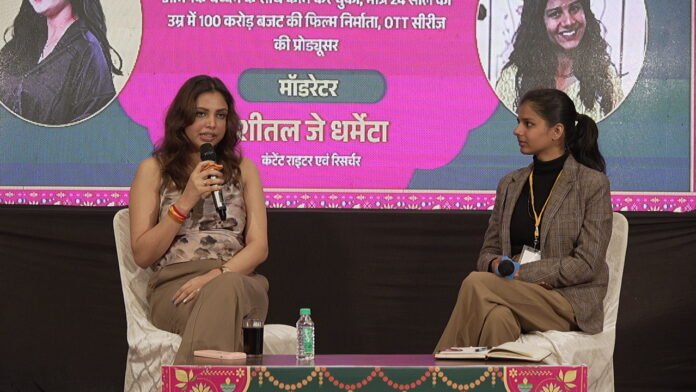
Ratlam witnessed a vibrant celebration of media and creativity during the Malwa Media Fest held on January 24th and 25th, 2025. Adding a touch of Bollywood glamour to the occasion was actress Saumya Pandey, who graced the event and shared her insightful perspectives on women’s representation in cinema. Hailing from Jabalpur, Madhya Pradesh, Pandey encouraged young individuals to perceive parental advice as guidance rather than a burden. Currently, she is producing a Rs 100 crore movie with the renowned filmmaker duo Abbas-Mustan on an OTT platform.

From Sports Enthusiast to Bollywood Star: Saumya’s Journey

When asked about her journey into acting, Saumya revealed that her initial aspirations were far from the silver screen.

“Acting was never my first goal. It all began with sports,” she shared. Growing up in Chhatarpur, Jabalpur, Badamalanga, and Bundelkhand, she pursued hockey, badminton, and volleyball. As a child, she often visited her maternal grandmother’s small house in Pratapgarh, Uttar Pradesh, and aspired to create a better life for herself.

Her father, a police officer, played a crucial role in shaping her worldview. Observing injustices like child labour and domestic hardships made her determined to make a difference. Initially, she aspired to join the civil services as an IAS or IPS officer, but fate had other plans.

During her time in college in Jabalpur, she faced a turning point. Encouraged by her teachers, she participated in a modeling event at her fresher’s party. Despite her initial hesitations—having never worn heels or used makeup—she took a leap of faith. The experience changed her perception, showing her that the stage and camera could be powerful mediums for societal change.

Championing Hindi and Cultural Roots in Bollywood

Unlike many in the industry who adapt to westernized norms, Saumya takes immense pride in her Hindi roots.

“Bollywood is not a university with fixed rules. It’s your values that set you apart,” she emphasized. She cited actresses like Janhvi Kapoor and Yami Gautam as examples of those who stay true to their cultural heritage. Initially, her fluency in Hindi made her appear older than her age in Mumbai, but she embraced a balance of Hindi and English to navigate the industry while retaining her linguistic pride.

Bollywood Actress Saumya Pandey shares her journey, inspiring many from small cities to dream big

Family’s Reaction to Her Career Shift

Coming from a disciplined background, convincing her family about her unconventional career choice was a challenge.

“When I told my father I was pursuing modeling, he asked, ‘What is that?’” she recalled humorously. Initially, he wasn’t convinced and assumed it was a short-lived phase. But Saumya was determined—she spent three years excelling in modeling, winning showstopper titles, and even training as an air hostess. Eventually, she made the bold decision to move to Mumbai.

Her father, though skeptical, supported her in his own way. “He never said no outright but always made me wait a year before fulfilling any request. At the time, it felt frustrating, but today, I realize how much it taught me about discipline and patience,” she reflected.

Navigating Struggles in Mumbai and Entering Cinema

Saumya’s journey in Mumbai wasn’t easy. The first six months were spent finding a place to live, facing countless struggles, and adapting to the competitive environment.

“I had no acting experience. I started with modeling and later joined theatre. Mumbai can be overwhelming, and many people lose sight of their dreams amidst the distractions,” she shared.

Her perseverance paid off when she received a call from Mukesh Chhabra Casting Company for an audition. “I had to speak in Haryanvi, but I ended up mixing multiple languages. Yet, it was entertaining, and I cleared the audition,” she teased, keeping the project details under wraps.

Advice for Aspiring Actors from Small Towns

For young dreamers from rural backgrounds, Saumya’s advice is clear—Mumbai is not the only destination for success.

“You can start your journey in your hometown too. Families may not always understand initially, but if you’re passionate and determined, they will eventually come around. The world criticizes until you succeed, but once you do, they celebrate you,” she concluded.

Saumya Pandey’s journey is a testament to resilience, cultural pride, and the power of dreams. As she continues breaking barriers in Bollywood, she remains an inspiration for many aspiring actors from small towns across India.