Recent studies have revealed that Earth’s inner core is less stable than previously thought. Research published in the journal Nature Geoscience suggests that structural changes may be occurring within the inner core, potentially affecting its rotation and even influencing the length of a day. These discoveries challenge long-standing assumptions about Earth’s deep interior and highlight the complex interactions between the inner and outer core.
Understanding Earth’s Internal Structure
The Earth consists of multiple layers, each playing a crucial role in the planet’s geodynamics:
Crust: The outermost layer, where all life exists.
Mantle: Located beneath the crust, this semi-solid layer drives tectonic movements.
Outer Core: A molten, iron-rich layer responsible for generating Earth’s magnetic field.
Inner Core: A solid sphere of iron and nickel, previously considered stable and rigid.
While the turbulence in the outer core has long been acknowledged, its impact on the inner core was believed to occur over vast geological timescales. However, new findings suggest that these interactions may be happening on much shorter, human-relevant timescales.
The Outer Core’s Influence on the Inner Core
The outer core’s turbulent nature has been extensively studied, but recent research indicates that its disturbances may be actively disrupting the inner core’s stability. This challenges the long-held notion that the inner core remains largely unchanged over millennia. Instead, it appears that the dynamic interactions between these layers may be altering the structure of the inner core in real time.
Seismic Waves: Peering into the Earth’s Core
Scientists have relied on seismic waves to investigate Earth’s deep interior. These waves, generated by earthquakes, travel through different layers of the Earth and provide valuable insights, much like medical CT scans reveal the internal structures of the human body. Using highly sensitive instruments called seismometers, researchers have captured seismic wave data to analyze the changing nature of the inner core.
Insights from Repeating Earthquakes
The study focused on data from 121 repeating earthquakes recorded near Antarctica’s South Sandwich Islands between 1991 and 2024. Because these earthquakes originated from the same location, scientists were able to detect subtle changes in the behavior of seismic waves over time. Anomalies in these waveforms suggested unexpected structural shifts within the inner core, prompting further investigation.
Structural Changes in the Inner Core
The findings suggest that the surface of the inner core is undergoing structural modifications. One possible explanation is viscous deformation, a process where solid materials gradually flow under stress—similar to how honey slowly spreads when poured. This discovery indicates that the inner core may not be as rigid as previously believed, but rather a dynamic, evolving structure.
Implications for Earth’s Rotation and Geophysical Processes
Understanding the intricate relationship between the inner and outer core is vital for grasping Earth’s geophysical processes. These changes could have significant implications, including:
Alterations in Earth’s Rotation: Variations in the inner core’s dynamics may subtly impact the planet’s rotational speed and, consequently, the length of a day.
Advancements in Geophysical Studies: A deeper comprehension of the core’s behavior could enhance our understanding of Earth’s magnetic field and its long-term evolution.
Potential Insights into Planetary Science: Studying Earth’s core may also offer clues about the internal structures of other planetary bodies.
Summing Up
The discovery that Earth’s inner core is more dynamic than previously assumed reshapes our understanding of the planet’s deep interior. With ongoing advancements in seismic research, scientists are gradually uncovering the mysteries of Earth’s core, paving the way for future breakthroughs in geophysics and planetary science. As research continues, we may soon unlock even more secrets hidden within the heart of our planet.
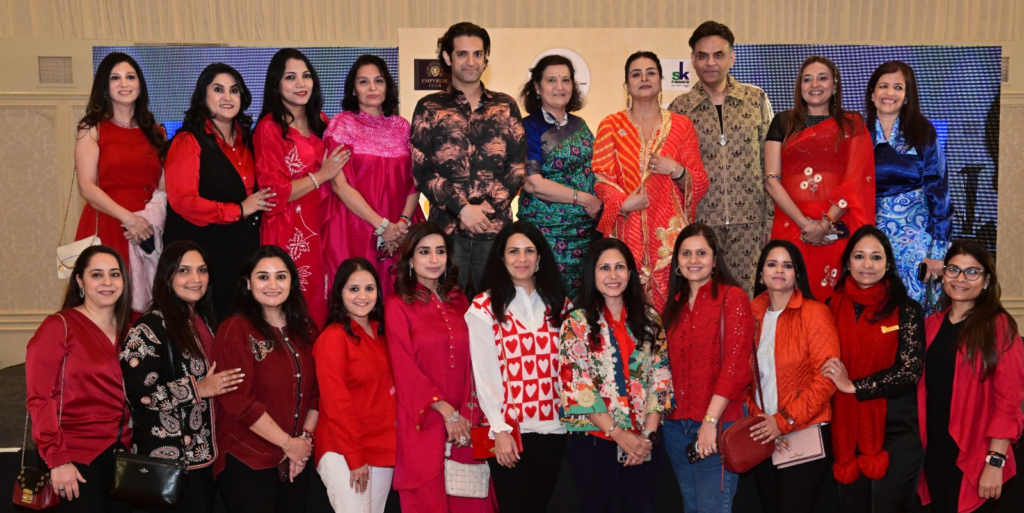
The Living Theatre, an extraordinary celebration of storytelling, theatre, and television, was hosted by Ms. Raghushree Poddar, Chairperson of FICCI FLO Jaipur Chapter (2024-25) at Jai Mahal Palace, Jaipur. The event brought together eminent personalities from the entertainment industry who shared their journeys, experiences, and insights, offering a captivating glimpse into the evolving landscape of theatre, television, and cinema.
The evening commenced with a theatrical performance by the students of Mayoor School, Jaipur, setting the stage for an immersive experience in drama and storytelling. The event was further enhanced by a stunning display of craftsmanship, as Parina International and Tvisha Jewlz presented their exquisite jewellery collections, while Opulent Jaipur showcased a breathtaking array of silver artifacts, adding an artistic touch to the ambiance.
The highlight of the evening was an engaging discussion featuring an esteemed panel of industry stalwarts:
Sandiip Sikcand, the creative force behind hit television shows like Yeh Hai Mohabbatein and a key figure in launching the first season of Bigg Boss in 2006.
Ms. Shilpa Shirodkar, a celebrated Bollywood actress known for iconic films such as Kishen Kanhaiya and Khuda Gawah, and recently seen as one of the top six contestants on Bigg Boss 18.
Mr. Sid Makkar, a versatile performer with a career spanning Bollywood and Hollywood, known for his roles in The Best Exotic Marigold Hotel and Sense8 Season 2.
Insights into the Evolution of Storytelling
The discussion delved into the transformation of entertainment over the years.
Sandiip Sikcand spoke about the evolving television landscape, from traditional daily soaps to digital series, and how audiences’ preferences have shifted, driving innovation in storytelling.
Shilpa Shirodkar reminisced about Bollywood’s golden era, her transition from films to television, and the changing portrayal of women in cinema. She also shared her experiences from Bigg Boss 18, calling it one of the most intense yet enlightening journeys of her career. Sid Makkar offered insights into global cinema, sharing his experiences of working in international productions. He highlighted how storytelling remains a universal art, transcending cultural barriers.
The audience was enthralled by personal anecdotes, behind-the-scenes stories, and thought-provoking discussions on theatre’s enduring influence in shaping artists and narratives.
A Special Address and Gratitude to Sponsors
Following the talk show, Mr. Gaurav Bardiya from Empyreal Club, one of the event’s sponsors, shared insights into his brand, highlighting its vision and offerings.
As a token of appreciation, gifts were presented to the esteemed guests by Ms. Neeta Boochra, Founder of FICCI FLO Jaipur Chapter, along with the event’s sponsors.
A Memorable Evening of Art and Expression
The evening concluded on a heartwarming note, filled with love, laughter, and a newfound appreciation for the world of theatre. Attendees left inspired, carrying with them a deeper understanding of storytelling’s power and its profound impact on entertainment and culture.
Valentine’s Day is a cherished occasion celebrated globally on February 14, dedicated to expressing love, affection, and appreciation. While often associated with romantic couples, it’s also a time to show gratitude to friends, family, and loved ones. People mark the occasion with heartfelt messages, gifts, and quality time, emphasizing the importance of nurturing relationships, spreading kindness, and valuing meaningful connections.
Do’s and Don’ts for Valentine’s Day Gifting
Gift-giving is a beautiful tradition on Valentine’s Day, but selecting the perfect present requires thought and effort. An impersonal or rushed gift might not convey the intended message, making it essential to choose something meaningful. Here’s a guide to ensure your gift is well-received and cherished.
The Do’s
✅ Make It Personal: A thoughtful gift reflects effort and sentiment. Pay attention to their interests—whether it’s a customized piece of jewelry, a handwritten note, or a book they love. Adding personal touches makes the gift unforgettable.
✅ Plan Ahead: Avoid the last-minute rush by shopping early. Meaningful gifts take time to choose, and planning ensures you find something truly special.
✅ Consider Their Interests and Hobbies: Choose a gift that aligns with your partner’s personality. If they’re into music, concert tickets would be a great surprise; if they love art, a DIY craft or a painting would feel personal. Tailoring the gift to their passions makes it even more special.
✅ Focus on Experiences Over Material Gifts: Sometimes, the best gift is an experience you can enjoy together. Plan a romantic dinner, a weekend getaway, or even a fun activity like a couple’s spa day to make the day truly memorable.
✅ Present Your Gift with Thoughtfulness: How you present the gift matters as much as the gift itself. Beautiful wrapping, a heartfelt note, or a surprising element can elevate even a simple present, making it feel extra special.
The Don’ts
❌ Avoid Thoughtless or Generic Gifts: Skipping personalization can make your gift feel impersonal or cliché. Instead of random chocolates, stuffed animals, or generic cards, put effort into choosing something meaningful.
❌ Don’t Overspend Just to Impress: Expensive gifts don’t necessarily hold more value. It’s the thought behind the gift that truly matters. A heartfelt, meaningful present is always better than an extravagant but impersonal one.
❌ Don’t Ignore Timing and Presentation: Timing plays a crucial role in creating a memorable moment. Presenting a gift too late or in an awkward setting can diminish its impact. Choose the right time and place for the best experience.
❌ Avoid Gifts That Don’t Suit Their Preferences: Just because you love something doesn’t mean they will. Be mindful of their taste when selecting gifts like perfume, clothes, or accessories, ensuring they align with their style and preferences.
❌ Don’t Rely on Last-Minute Shopping: Rushing to buy a gift at the last moment often leads to poor choices. Planning ahead allows you to find something thoughtful and well-suited for your loved one.
Final Thoughts
Valentine’s Day is an opportunity to celebrate love and appreciation with meaningful gifts and heartfelt gestures. A carefully chosen present, combined with personal touches and genuine thoughtfulness, can make your loved one feel truly special. By following these do’s and don’ts, you can ensure that your Valentine’s Day gift is cherished and remembered, making the celebration even more magical.
Jaipur, the enchanting Pink City, offers couples a dreamy setting to celebrate love this Valentine’s Day. Whether you’re looking for a royal dining experience, a cozy café date, or a mesmerizing rooftop dinner, Jaipur has a wealth of options to make your day truly special. From the historical ambiance of Amer Fort to the charming rooftop views of Nahargarh, here are the best places to celebrate Valentine’s Day 2025 in Jaipur.
Top Romantic Spots in Jaipur for Valentine’s Day
1. Wind View Café
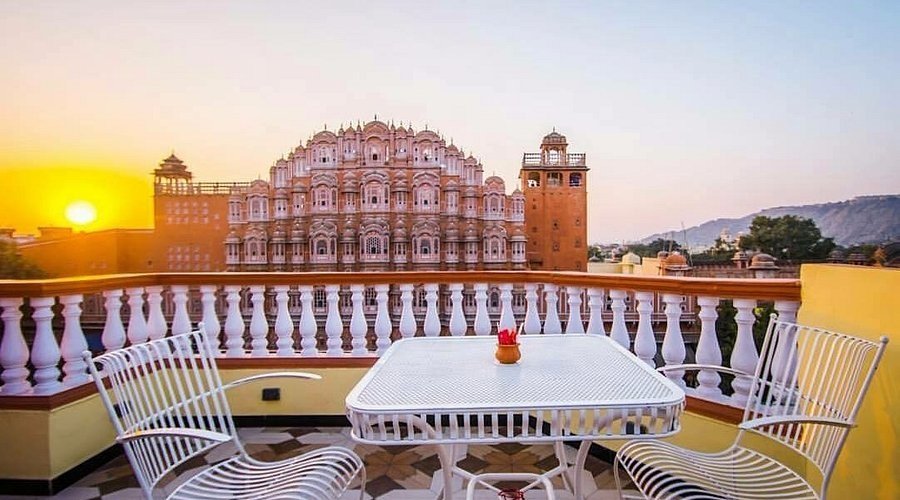
Located near Hawa Mahal, this rooftop café is a paradise for couples seeking a picturesque date. Enjoy a romantic meal while overlooking Jaipur’s skyline, with the gentle breeze adding to the charm.
2. Bar Palladio, Jaipur
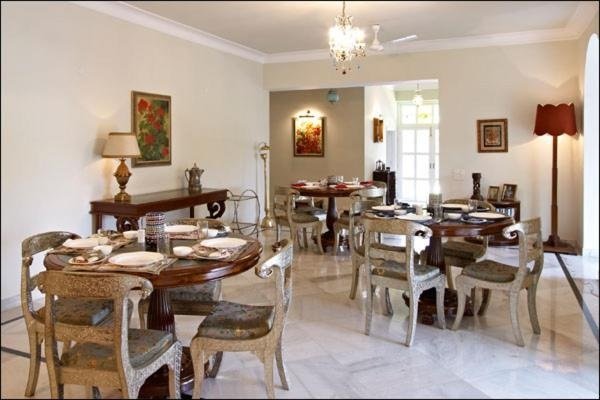
Situated within Narain Niwas Palace, Bar Palladio is famous for its signature blue interiors and Italian cuisine. The grandeur of the palace combined with exquisite dishes creates a magical dining experience for couples.
3. 1135 AD, Amer Fort
For those who wish to experience a royal dinner, 1135 AD inside Amer Fort offers an ambiance reminiscent of regal times. Dine like royalty amidst historic architecture and traditional Rajasthani flavors.
4. Zolocrust, Hotel Clarks Amer
A cozy and artistic café, Zolocrust provides an intimate setting where couples can enjoy a blend of creativity and culinary delights. The relaxed ambiance makes it a great spot for a laid-back yet romantic evening.
5. Peacock Rooftop Restaurant
With breathtaking views of Nahargarh Fort, this rooftop restaurant sets the stage for a romantic night under the stars. The delightful menu complements the beautiful surroundings, making it an ideal choice for a Valentine’s dinner.
6. Sky Beach Rooftop Lounge
Offering a beach-like ambiance with sandy floors and a starlit sky, Sky Beach Rooftop Lounge in C Scheme creates a magical setting for a dreamy Valentine’s celebration.
7. Club Naila Bagh Palace
Experience the charm of a heritage palace at Naila Bagh. With its royal setting and luxurious ambiance, this venue is perfect for couples who appreciate history and romance.
8. Café Bae
Located in C Scheme, Café Bae is a cozy retreat where lovebirds can enjoy delicious desserts and an intimate atmosphere. The inviting ambiance makes it perfect for a sweet Valentine’s date.
9. Steam at Rambagh Palace
For couples looking for an elegant and luxurious evening, Steam at Rambagh Palace offers a steam-engine-themed restaurant with an old-world charm. Indulge in fine dining within the grandeur of Jaipur’s royal heritage.
10. The Stag Rooftop Restro Café & Lounge
Overlooking the iconic Albert Hall Museum, The Stag Rooftop provides a relaxed and scenic ambiance. Ideal for couples who enjoy a casual yet stunning backdrop for their date.
11. Jaipur Adda
For a vibrant and lively atmosphere, Jaipur Adda is a fantastic choice. The rooftop restaurant offers delectable food and an upbeat vibe, making it a great spot for young couples.
12. Art Café by Barwara House
A paradise for art lovers, this café blends creative expression with delightful cuisine. Couples can enjoy artistic surroundings while indulging in a romantic meal.
13. The Forresta Kitchen & Bar
Nestled amidst lush greenery, this open-air restaurant offers a tranquil setting for a candlelit dinner. Perfect for couples seeking a nature-inspired dining experience.
14. Padao Restaurant, Nahargarh Fort
Located at the top of Nahargarh Fort, Padao provides an unparalleled view of Jaipur. The elevated location, combined with delicious food, creates a fairytale-like setting for a special evening.
15. Anokhi Café
Tucked inside Anokhi Museum, this serene café offers a peaceful environment with organic and wholesome food. Ideal for couples who prefer a quiet and intimate setting.
Summing Up
Jaipur offers an array of romantic destinations to make your Valentine’s Day unforgettable. Whether you prefer an elegant dinner, a cultural retreat, or a relaxed café experience, the Pink City has the perfect spot for every couple. Choose your ideal venue and celebrate love in one of India’s most enchanting cities.
The Arabian leopard, a critically endangered subspecies, has made a remarkable return to the Nejd plateau in Dhofar, Oman. This resurgence was highlighted in a study published on World Arabian Leopard Day, February 10, 2025. The species, once teetering on the brink of extinction due to habitat loss, poaching, and human conflict, now has a glimmer of hope for its survival.
About the Arabian Leopard
The Arabian leopard (Panthera pardus nimr) is native to the Arabian Peninsula and was once widespread across the region. However, it now occupies only a small fraction of its former range, with an estimated population of just 100-120 individuals, primarily in Dhofar.
Distinct Features: Smaller than other leopard subspecies, the Arabian leopard has unique markings that distinguish it from its counterparts.
Diet and Hunting: These solitary hunters primarily prey on small animals such as gazelles and hares, playing a crucial role in maintaining ecosystem balance.
Threats to Survival
The Arabian leopard faces numerous threats that jeopardize its existence:
Urbanization: Rapid urban expansion leads to habitat fragmentation, leaving limited space for the leopards to thrive.
Farming and Overgrazing: Agricultural activities reduce natural prey availability and disrupt ecosystems.
Poaching and Illegal Wildlife Trade: The demand for leopard fur and bones fuels illegal hunting, posing a significant risk to the species.
Human-Leopard Conflict: As human settlements expand, encounters with leopards increase, often resulting in fatal consequences for the animals.
Conservation Efforts
Efforts to protect the Arabian leopard involve a combination of strategies aimed at ensuring its survival:
Habitat Protection: Preserving and expanding natural habitats is critical for the leopards’ long-term viability.
Restoration of Prey Populations: Conservationists are working to replenish dwindling prey species, ensuring the leopards have a sustainable food source.
Education and Awareness: Public engagement initiatives help reduce human-leopard conflicts and promote coexistence.
Legal Protection: Strengthening and enforcing wildlife laws is essential to combat poaching and illegal trade.
Captive Breeding Programs: Specialized breeding efforts aim to boost population numbers and reintroduce leopards into the wild.
Collaborative Initiatives: Governments, NGOs, and local communities must work together to create effective conservation policies.
Future Outlook
The return of the Arabian leopard to Dhofar signals a positive step toward its conservation. Ongoing initiatives, coupled with global support, provide hope for the species’ recovery. Local community involvement and stringent law enforcement will be instrumental in ensuring a future where the Arabian leopard thrives in its natural habitat.
Lumpy Skin Disease (LSD) has emerged as a significant threat to cattle health and the dairy industry in India. The recent approval of Biolumpivaxin, a vaccine developed by Biovet, marks a major milestone in the fight against this disease. This groundbreaking vaccine is the world’s first Differentiating Infected from Vaccinated Animals (DIVA) marker vaccine, designed to enhance disease surveillance and improve the management of infected and vaccinated cattle.
Understanding Lumpy Skin Disease
Lumpy Skin Disease is a viral infection that affects cattle and buffaloes, leading to severe health and economic consequences.
Symptoms: The disease manifests through skin nodules, fever, and swollen lymph nodes, severely impacting the health of affected animals.
Transmission: The virus spreads primarily through vector bites from insects such as mosquitoes and ticks.
Economic Impact: LSD has caused a drastic decline in milk production and mobility issues in cattle, resulting in significant financial losses for the dairy sector.
Mortality Rate: Over the past two years, approximately 200,000 cattle have succumbed to LSD, with total economic losses exceeding Rs 18,337.76 crores.
Biolumpivaxin – A Revolutionary Vaccine
Biolumpivaxin is a pioneering vaccine with distinct advantages:
DIVA Technology: It allows for differentiation between naturally infected and vaccinated animals, aiding in precise disease management and surveillance.
Production Capacity: Manufactured at Biovet’s advanced facility in Mallur, Karnataka, with an annual capacity of 500 million doses.
Dosage Requirements: A single dose per year is sufficient for cattle and buffaloes above three months old.
Development and Testing
Biolumpivaxin underwent extensive testing to ensure its safety and effectiveness:
Testing Institutions: The vaccine was rigorously tested at the Indian Council of Agricultural Research-National Research Centre on Equines (ICAR-NRCE) and the Indian Veterinary Research Institute (IVRI).
Safety Standards: It has been proven safe for all animal groups, including pregnant and lactating females, ensuring broad applicability.
Impact on the Dairy Industry
The introduction of Biolumpivaxin is expected to revolutionize LSD management and support the dairy industry:
Disease Control: With an effective vaccine in place, the spread of LSD can be significantly reduced, safeguarding livestock health.
Economic Stability: By preventing milk production losses and cattle mortality, the vaccine will help stabilize the rural economy, benefiting small-scale farmers.
Future Prospects
The licensure of Biolumpivaxin marks a critical step towards self-reliance in veterinary healthcare:
Sustainable Livestock Management: The vaccine is anticipated to play a vital role in achieving a disease-free livestock population.
Strengthening the Dairy Industry: Ensuring cattle health is essential for sustaining India’s dairy sector, which supports millions of farmers across the country.
With Biolumpivaxin, India is poised to take a significant leap forward in veterinary science, reinforcing its commitment to livestock welfare and economic resilience.
In a significant breakthrough in semiconductor technology, the Indian Institute of Technology Madras (IIT Madras) and the Indian Space Research Organisation (ISRO) have successfully developed and tested an aerospace-quality SHAKTI-based semiconductor chip named IRIS (Indigenous RISCV Controller for Space Applications). This milestone aligns with India’s broader vision of technological self-reliance under the ‘Atmanirbhar Bharat‘ initiative and strengthens the nation’s capabilities in advanced microprocessor technology.
Background of the SHAKTI Project
The IRIS chip development is part of the SHAKTI project, which is supported by the Ministry of Electronics and Information Technology under the ‘Digital India RISC-V’ initiative. The project aims to encourage indigenous development of microprocessor-based products and reduce dependence on foreign technology.
RISC-V, an open-source Instruction Set Architecture (ISA), offers flexibility, security, and scalability for designing custom processors. This makes it a strategic choice for applications requiring high reliability and performance, such as space missions and defense technology.
Development Process of the IRIS Chip
The IRIS chip was designed by the ISRO Inertial Systems Unit (IISU) in Thiruvananthapuram, with implementation carried out by IIT Madras. The development process was entirely domestic, reinforcing India’s commitment to self-sufficiency in semiconductor technology.
Key stages of development included:
Chip Design: Conceptualized and designed by ISRO IISU and IIT Madras.
Fabrication: Manufactured by the Semiconductor Laboratory (SCL) in Chandigarh.
Packaging: Completed by Tata Advanced Systems in Karnataka.
By executing the entire process within India, this initiative underscores the nation’s capability to develop an independent semiconductor ecosystem.
Features and Applications of the IRIS Chip
The IRIS chip is designed for a range of strategic applications, including Internet of Things (IoT) devices and computational systems for defense and space missions. Some of its notable features include:
Fault-Tolerant Internal Memories: Enhances reliability and performance.
Custom Functional Modules: Integrates key components like CORDIC (for efficient mathematical computations) and WATCHDOG timers (for system reliability and failure recovery).
Aerospace-Grade Design: Optimized for critical space mission applications.
Significance of the Achievement
The successful development and testing of the IRIS chip mark a crucial step toward self-reliance in semiconductor technology. This is the third SHAKTI chip developed by India, following RIMO in 2018 and MOUSHIK in 2020. The successful booting of the IRIS chip reinforces India’s ability to create high-performance, indigenous semiconductor solutions that can compete on a global scale.
Future Prospects
ISRO plans to conduct flight tests using the IRIS-based controller in upcoming space missions. The success of this development is expected to pave the way for more sophisticated embedded controllers, further advancing India’s position in the global semiconductor and space technology sectors.
With continuous investment in research and development, India is poised to become a leader in semiconductor manufacturing, fostering innovation and reducing reliance on imported technology. The IRIS chip serves as a testament to the country’s growing expertise in high-end electronics and its commitment to technological sovereignty.
Discover the key figures shaping Rajasthan Royals, from Manoj Badale’s leadership at Emerging Media to the role of minority investors. Explore how ownership influences the team’s identity and future in the IPL.
Unveiling the Royals: A Look at the Owners of the Rajasthan Royals
Rajasthan Royals have never fit the traditional IPL mold. From the moment they stunned the cricketing world by winning the inaugural title in 2008 under the late, great Shane Warne, the franchise has walked a tightrope between innovation and instability. Their triumph was a masterclass in overachievement—a squad of unheralded players defying cricketing aristocracy. Yet, while their success on the field captured imaginations, the real drama often unfolded off it.
In an IPL landscape where ownership battles can be as fierce as the games themselves, Rajasthan have spent much of their existence navigating shifting sands. The modern game isn’t just won in stadiums—it’s shaped in boardrooms, where financial acumen can be as crucial as tactical nous. And in an era where online betting, broadcasting rights, and global franchise expansion dictate the game’s economy, the people making decisions behind the scenes wield enormous influence.
Who Holds the Reins at Rajasthan Royals?
One name has been ever-present through Rajasthan’s ups and downs—Manoj Badale. A British-Indian businessman with a background in tech and venture capital, Badale isn’t just a figurehead; he is the architect of the Royals’ modern-day vision. As the driving force behind Emerging Media (UK)—the firm that holds the majority stake in the franchise—Badale has weathered storms that would have sunk less stable operations.
Ownership in the IPL is often a labyrinth of holding companies and consortiums, but Rajasthan’s hierarchy is clearer than most. Emerging Media calls the shots, and Badale is at the heart of its decision-making. His approach isn’t just about financial backing—it’s about long-term sustainability, data-driven recruitment, and building a club culture that prioritizes development over knee-jerk spending.
While the Royals don’t always grab the headlines for marquee signings or eye-watering auction bids, their strategy has been rooted in calculated risks. Their belief in scouting unknown talent, unearthing future stars, and maximizing value per rupee spent has become their hallmark. And that ethos stems directly from the man in charge.
What Lies Ahead for Rajasthan Royals?
In a league where ownership dynamics shift with alarming regularity, stability is rare. But for now, Rajasthan Royals remain under Emerging Media’s control, with Badale leading the project.
Like any business, the future holds endless possibilities—new investors could enter, strategic partnerships could reshape the club’s financial outlook, and a change at the top can never be ruled out. But at present, Rajasthan’s focus remains on building a squad capable of sustained IPL success without reckless spending.
While other franchises have seen ownership battles play out in the public eye, Rajasthan have remained relatively steady. That’s not to say change won’t come—in a high-stakes industry where fortunes shift as quickly as momentum in a T20 match, permanence is a myth. But for now, Badale remains the central figure, steering the Royals with a firm grip and a clear vision.
The Money Behind the Royals
Cricket, especially in the IPL, is no longer just about bat and ball—it’s an economic juggernaut. While Badale and Emerging Media remain the club’s dominant power, IPL franchise ownership is rarely a solo act. The league thrives on high-value investments, and most teams operate through consortium models, where minority investors provide additional capital without influencing day-to-day operations.
Rajasthan Royals are no different. While Emerging Media holds the majority stake, it’s likely that other investors—whose names are largely shielded from public view—have a financial interest in the franchise. Their involvement may not extend to player recruitment or tactical decision-making, but in a sport where financial stability is the foundation of long-term success, their backing plays an important role.
As the IPL continues to grow in both commercial and sporting stature, the financial models of its franchises will inevitably evolve. The Royals’ ability to remain competitive, both on and off the field, will depend on striking the right balance between financial prudence and sporting ambition—something Badale and his team have so far managed to do with a degree of control few expected from this underdog franchise.
For now, Rajasthan Royals remain a club defined by smart decisions, a clear identity, and ownership that prioritizes long-term success over short-lived extravagance. But in modern franchise cricket, the landscape is always shifting. And as history has shown, when it comes to Rajasthan Royals, you can never rule out a plot twist.
How Ownership Has Evolved
The Rajasthan Royals have always been a club that thrives on unpredictability, and that extends beyond the field. Their triumph in the inaugural IPL season in 2008 came under a different ownership structure, with Badale already in the picture but not yet the outright figurehead.
That early success, however, came with growing pains. Controversies, suspensions, and a shifting regulatory landscape forced a significant shake-up at the top. The turbulence eventually led to Emerging Media taking full control, a process that required meticulous restructuring to steady the ship.
The Royals’ past ownership group is now just a footnote in the club’s history, but their departure underscores a fundamental truth about the IPL—ownership is never static. As the league’s commercial value has skyrocketed, so too has the complexity of running a franchise. What was once a novel experiment in Indian cricket is now a billion-dollar industry, where ownership structures are dictated as much by corporate strategy as by sporting ambition.
For now, Rajasthan Royals remain in the hands of Badale and Emerging Media, but the world of franchise sports is inherently fluid. Investors come and go, and financial landscapes shift. The question isn’t just who owns the Royals today—it’s how long this structure will remain intact in a league where change is the only constant.
Ownership Stage
Principal Controlling Entity/Figures
Key Characteristic
Relevance to Current “Rajasthan Royals Owners”
Inaugural IPL (2008)
Consortium including Manoj Badale, Suresh Chellaram, others
Initial ownership group that oversaw the team’s surprise victory.
Historical context; Badale’s consistent presence.
Post-Controversy Era
Period of restructuring and shifts in shareholding
Franchise faced suspension and subsequent changes in its ownership structure.
Led to the consolidation of Emerging Media’s role.
Current Ownership
Emerging Media (UK), with Manoj Badale as Chairman and lead owner
Holds the majority stake and makes key strategic and financial decisions.
The focus of the present-day understanding of “who are the owners”.
The Royals’ Blueprint: How Ownership Shapes Their Identity
Owning an IPL franchise is far more than just a financial commitment—it’s about shaping the ethos of a team. For the Rajasthan Royals, that responsibility falls squarely on Manoj Badale and Emerging Media, whose influence extends far beyond balance sheets and profit margins. From the very foundations of the club to its long-term ambitions, their decisions ripple through every aspect of the franchise.
Unlike many other teams that rely on flashy, big-money signings to make a statement, Rajasthan have carved out a distinctive niche. Their approach is grounded in calculated strategy, where data-driven insights and long-term squad development take precedence over fleeting success. It’s not about the spectacle of auction-day glitz or chasing the next big name; it’s about sustainable growth, building a team with depth, and a mentality that favors the long haul.
This method has set them apart in a league often defined by eye-popping transfers and instant gratification. Rajasthan’s focus has been on smart investments—unearthed talent, shrewd acquisitions, and coaching hires that reflect a belief in steady progress rather than fireworks that fizzle out.
Naturally, not everyone is enamored with this philosophy. Fans, especially in a sport that thrives on high drama and marquee names, have often wished for a quicker fix, a flashier roster. But despite the occasional criticism, there’s no doubting the lasting impact of Badale’s vision. From scouting young talent to setting the tone in the boardroom, the Royals’ ownership leaves an indelible mark on every corner of the franchise. Their decisions are reflected in the very culture, infrastructure, and mentality that permeate the squad.
What’s Next for the Rajasthan Royals?
If the IPL has taught us anything, it’s that nothing stays the same for long. Owners change, fortunes rise and fall, and teams either evolve or get left behind. But for now, the Rajasthan Royals are staying steady under Emerging Media’s leadership, with Manoj Badale still calling the shots.
That said, the road ahead isn’t without its twists. While the Royals have built a reputation on smart spending and long-term planning, the franchise is operating in an IPL era where big-money moves and aggressive expansion are the name of the game. So what does the future hold?
Key Factors That Could Shape the Royals’ Future
1. Potential New Investors
Let’s be real—money talks in the IPL. With the league’s valuation going through the roof, there’s always a chance of new investors stepping in. Whether it’s private equity firms or corporate giants, a fresh influx of cash could supercharge the Royals’ ambitions—but it could also mean a shift in ownership strategy.
2. Will They Stick to the Underdog Mentality?
For years, Rajasthan has been the “Moneyball” franchise—finding hidden gems, backing young talent, and avoiding reckless spending at the auction. But is it time to break that mold? Teams like MI and CSK keep stacking their squads with elite match-winners. If the Royals want to push for another title, they might need to start playing big in the auction room.
3. Global Expansion – What’s Next?
IPL teams aren’t just IPL teams anymore—they’re global brands. The Royals already have a presence in South Africa’s SA20 (Paarl Royals) and Major League Cricket (USA). The next step? Maybe a move into The Hundred in England or the Caribbean Premier League (CPL). Expanding their brand could mean bigger talent pipelines, bigger revenue streams, and bigger ambitions.
4. Stability at the Top – For Now
Unlike some franchises that seem to change hands every other season, Rajasthan has kept a steady structure under Badale. Right now, there’s no immediate sign of a major shake-up, but if a high-profile buyer or investor comes knocking, that could change in an instant.
5. Can They Win Another IPL?
The Royals shocked the world in 2008 by lifting the inaugural IPL trophy. Since then? Close, but not quite there. With a talented core in place, another title isn’t out of reach—but it all comes down to getting the balance right. They’ll need the perfect mix of youth, experience, and tactical nous to challenge for the top spot again.
The Royals’ Power Structure
The inner workings of IPL franchise ownership are often shrouded in corporate complexity, but Rajasthan Royals’ setup is relatively transparent. Emerging Media (UK), led by Badale, is the principal force behind the club, dictating both financial planning and long-term strategy.
While there are other stakeholders with minority shares, the real influence sits with Badale and his group. His role in shaping the Royals—from their recruitment philosophy to their operational structure—has solidified him as the franchise’s defining figure.
Cricket is played on the field, but the battles that shape a club’s destiny often happen in boardrooms. The Rajasthan Royals’ journey has been one of triumphs and setbacks, smart gambles and calculated risks. While fans celebrate wins and lament losses, the real story of the Royals isn’t just about the action under floodlights—it’s about the decisions made behind closed doors, the leadership guiding the club’s path, and the ownership that ultimately shapes its future.
FAQ:
Who owns Rajasthan Royals? Rajasthan Royals is primarily owned by Emerging Media, led by Manoj Badale, who holds the majority stake and drives the franchise’s strategic decisions.
Are there other investors in Rajasthan Royals? Yes, while Emerging Media holds the majority stake, there are likely other minority investors involved, though their identities are often kept private. They contribute financially but do not influence daily operations or team decisions.
How does Rajasthan Royals differ from other IPL teams in terms of ownership? Unlike many teams that rely on high-profile signings, Rajasthan Royals, under Badale’s leadership, focuses on long-term sustainability, using data-driven strategies for squad building and financial stability.
What role does Manoj Badale play in Rajasthan Royals? Manoj Badale is the key decision-maker behind Rajasthan Royals, guiding the team’s strategy, financial planning, and long-term direction. His leadership has been instrumental in maintaining the franchise’s stability.
What is the future of Rajasthan Royals’ ownership? While IPL ownership structures can change, Emerging Media, under Badale’s guidance, currently leads the franchise with no immediate signs of upheaval. The focus remains on maintaining competitiveness and financial balance.
Which country is best to study abroad? In recent years, the scope and geography of educational opportunities have broadened. Study abroad is one such activity that has experienced tremendous growth over the years owing to the fact that studying in a different country, aside from world class education, also comes with the benefits of new cultures and career paths.
One question that still fascinates people the most is: which country is best suited for study abroad? This is dependent on pricing, future career possibilities, and one’s personal lifestyle, among other things. There are the best countries to study abroad with reasonably priced tuition and those that offer free education. Our guide will focus on where to find the most affordable but highly rated colleges (remember that you will need travel insurance for student visa).
Best Country to Study Abroad for Indian Students
The most sought-after countries for students from India are those that are economical and have good job markets alongside well-ranked universities. Therefore the following are the top countries to study abroad for Indian students who are aiming to get a higher degree abroad:
Canada claims the first spot because the immigration procedures have become easier, the tuition fees are lower, and there are post study work opportunities.
In Germany, public universities have no tuition fees, and many programs are taught in English.
Australia boasts educational and job opportunities for Indian students which is why they are inclined towards studying there. The University of Melbourne is ranked among the best in the world.
The United States has always been a dream for scholars. The Education along with the career opportunities that Ivy League and other colleges provide is just immeasurable.
Cheapest Countries to Study Abroad
While studying abroad, if you are a student trying to pursue your education from a foreign country at an inexpensive budget, these countries would work wonders for you.
Norway, while low on expenses for education, does set a high bar for living standards. Fortunately for students, there is no cost for education.
Taiwan should be among the top nations for students pursuing education abroad. With great universities and low tuition, it is immensely beneficial.
Mexico is also an appealing option due to the low cost of tuition and living.
Poland is also a great option as their education is affordable.
Tip: Most of the countries on this list also offer a few deals on scholarships.
Expensive Countries to Study Abroad
There are many countries where expenses are high in relation to lifestyle and education as opposed to the countries to study abroad for free. Here are the expensive options:
The United States has a higher tuition range, with expenses set between 20,000 to 50,000 dollars per year.
UK: Education abroad can be pricey, and the United Kingdom has set an average of 40,000 pounds which is what international students will spend annually.
Switzerland: Quality education exists, however, the cost of living is very high.
Australia: Significant tuition costs, proportionately high room and board costs.
All of the mentioned countries have a standard that allows students to work immediately after completing their studies because the market demands it.
Best European Countries to Study Abroad
Europe consists of some of the excellent countries where students can study abroad and undergo a complete transformation with the cultural diversity these countries offer when coupled with their world-class education systems.
Germany: No tuition fees, good employment opportunities.
France: Cheap tuition fees, degrees in high demand worldwide.
Netherlands: Courses in English, low tuition fees.
Sweden: Financial aid for foreign students.
Germany and France are the countries that students wishing to study in Europe with the least amount of expense should consider.
Best Asian Countries to Study Abroad
In the category of world-class education companies, Japan, South Korea, Singapore, and China have consistently been at the forefront of their industry for decades now, delivering high-caliber expertise at value rates. These are some of the recommendations for the top Asian countries to study abroad.
Ever since business and engineering programs in Japan exploded, South Korean students have enjoyed very affordable tuition rates and excellent quality in technology programs as well. China has a combination of international scholarships and high employment rates.
Besides these countries, there are many more Asian countries which are still amiss but cope up well in studying abroad, providing numerous scholarships and English taught courses.
Comparison of Costs & Benefits
There are cheap and expensive countries to study abroad, so let’s compare your options:
Country
Tuition Fees (Annual)
Living Costs
Work Opportunities
Best For
Germany
Free
High
Excellent
Budget-conscious students
Canada
$10,000 – $25,000
Moderate
High
Indian students
USA
$20,000 – $50,000
High
Excellent
Top-ranked universities
Australia
$15,000 – $40,000
High
High
Job prospects
France
$2,000 – $5,000
Moderate
Good
Affordable European education
Japan
$5,000 – $15,000
Moderate
Good
Tech and engineering students
Conclusion
The best countries to study abroad depend on your budget, career goals, and preferred lifestyle. Germany and Norway offer free education, while Canada and Australia provide excellent job opportunities. If you’re looking for affordable countries to study abroad, consider Poland, Taiwan, or France. For high-ranked universities, the USA and UK remain top choices.
No matter where you go, studying abroad is an investment in your future. Just don’t forget to obtain a reputable insurance: auras.insure experts will help with that.
CIBIL score is significant for your financial health, affecting your ability to secure loans, credit cards, or even affordable interest rates. If your score is around 600, you might find getting approvals for significant credit products challenging. Small Personal Loan can be the most powerful tool required to take your score closer to 750 (the ideal score). This post will discuss the role of these loans in improving your creditworthiness, the steps involved, and how you can make the most of such loans.
What is CIBIL Score and Its Impact on Creditworthiness?
CIBIL score, ranging from 300 to 900, shows your credit behaviour. A score of 750 or above is often considered excellent, letting you access better financial products and terms. However, scores below 700 can make lenders cautious about your reliability.
If your score is low due to past missed payments, high credit utilisation, or limited credit history, you’re not alone. Many individuals in India start with lower scores and gradually build them up.
The Role that Small Personal Loan Play in Building Credit
A small personal loanis ideal for people who have low credit scores. It deals with the loan amount in a smaller quantity that ranges from Rs. 10,000 to Rs. 1,00,000, which can be easily repaid and managed.
Lenders report your repayments to credit bureaus like CIBIL. Timely repayment of these loans depicts a reputation of financial discipline that improves the score. In addition, this kind of loan creates a diversification of the credit mix, which is also used to determine the CIBIL score.
So, why does taking a small Personal Loan help?
They can show your ability to handle credit responsibly.
They build or rebuild your credit history.
They improve your credit utilisation ratio by distributing your credit obligations.
How Can You Increase CIBIL Score from 600 to 750 Using Small Loans?
If you’re wondering how to increase cibil score from 600 to 750, the answer is strategic borrowing and disciplined repayment. Small loans play an important part here, but you have to plan carefully to actually see progress.
Steps to Improve Your Score:
Choose a loan amount you can comfortably repay: Avoid over-borrowing, even if you qualify for a higher amount.
Repay EMIs on time: Delayed payments can lower your score.
Avoid multiple loan applications: Too many hard inquiries from lenders can reduce your score.
Maintain low credit utilisation: Use only what is required from the approved loan amount.
Top Factors You Need to Consider Before Taking a Small Personal Loan
While these loans increase your score, you must wisely approach them since hasty decisions or unmanageable debt backfires. Some of the things to keep in mind are as follows:
Interest Rates: Compare from different lenders so it is affordable to you.
Processing fees: Consider upfront costs to avoid surprises.
Loan tenure: Choose a tenure that suits your financial capacity.
How to Maintain Momentum Once Your Score Improves?
When you reach a score of 750 or more, it’s not the end. You also need to maintain good credit habits to manage it and further develop it.
Steps to Sustain a High Score:
Keep credit utilisation low: Try to use less than 30% of your credit.
Pay all bills on time: Set reminders for credit card dues and utility bills.
Avoid unnecessary loans: Borrow only when absolutely necessary.
Monitor your credit report: Regularly check for errors or discrepancies that could affect your score.
How do Small Loans Compare to Other Credit-Building Tools?
Small Personal Loans, in particular, have some advantages over other credit tools like secured credit cards or larger loans for rebuilding your credit score. Secured credit cards require a fixed deposit; Personal Loans are available without needing any collateral, and smaller loan amounts minimise the risk of default compared to larger, long-term commitments.
Common Myths About CIBIL Score Improvement
There is a lot of misinformation about CIBIL scores, which can lead to confusion or unrealistic expectations. Let’s discuss some of the most common myths and the reality behind them.
Myth 1: Closing old credit accounts improves your score.
Reality: Old accounts with a positive repayment history contribute positively to your score. Avoid closing them unless necessary.
Myth 2: Checking your credit report reduces your score.
Reality: Checking your own score is considered a soft inquiry and does not impact your score negatively.
Myth 3: Only high-income individuals can achieve a good CIBIL score.
Reality: Income level has no direct impact on your credit score. Responsible financial habits matter more.
Conclusion
Moving your CIBIL score from 600 to 750 is definitely possible, and small Personal Loan from reputed lenders like Zype can play a very important role in this journey. By borrowing strategically and repaying on time, you boost your score but also lay down a good foundation for the future. Keep in mind consistency and financial discipline are the keys to long-term success.
If you’re wondering how to increase CIBIL score from 600 to 750, start small, be mindful of your borrowing habits, and monitor your progress. With patience and the right approach, you’ll see the results you’re aiming for.