Home Blog Page 383

“We Sold Everything Off”: A Retired Navy Officer & His Family Are Cruising the World on Their Solar-Powered Boat

0

For most people, home is a house with four walls, but for Capt Gaurav Gautam, a retired Indian Navy officer, and his family, home is a 42-foot-long sailboat named ‘Reeva.’ Since 2022, Gautam, his wife Vaidehi Chitnavis, a media professional, and their daughter Kaeya have embraced an unconventional lifestyle, sailing across the world on their solar-powered vessel.

A Nomadic Life on the Waters

For 14-year-old Kaeya, vacations are the best part of this extraordinary journey. Unlike her peers who return home to a stationary abode, her home floats on the ocean. Reeva, their 1988-built Tayana Vancouver 42 sailboat, has become an integral part of their lives, offering adventure, tranquility, and an endless connection with nature. Snorkeling, sailing, and watching the sunset from the deck are just everyday experiences for Kaeya.

When she shared her story with a group of curious students, the most frequent question was, “Is it even possible to live on a boat?”

From an Idea to Reality

Gaurav was once equally skeptical. His fascination with life at sea began in 2015 when he commanded INS Tarangini, the Indian Navy’s first sail training ship. Although intrigued, the practicalities of boat life seemed daunting—finding a suitable vessel, importing it, securing a docking space, and managing maintenance.

However, the COVID-19 pandemic rekindled his dream when he noticed a significant dip in boat prices globally. After careful deliberation, he and Vaidehi made the bold decision to sell everything they owned and take to the seas. The transition wasn’t easy—downsizing from 6,000 kg of possessions to just 120 kg was a daunting task. Giving away heirlooms, including Vaidehi’s cherished Czechoslovakian crockery set, was particularly emotional. But soon, Reeva became their new home, complete with two cabins, a galley (kitchen), a shower, and even a salon.

"We Sold Everything Off": A Retired Navy Officer & His Family Are Cruising the World on Their Solar-Powered Boat

Adjusting to the Ocean’s Rhythms

Life at sea demands a complete shift in perspective. Simple luxuries, such as ordering food online, become impossible. The family has adapted by cooking simple meals, avoiding elaborate Indian dishes that require excessive heat and fuel. Meals now consist of one-pot dishes, like a makeshift biryani with rice, vegetables, and chicken. Grocery shopping is done at ports along their route, with an emphasis on preserved foods and frozen meats.

Water conservation is crucial. Long showers are a luxury they cannot afford. Instead, they bathe using seawater followed by a quick freshwater rinse. This minimalist lifestyle extends to their wardrobe, with Gaurav trading his collection of formal shoes for just a few pairs of sandals and flip-flops.

A Self-Sustaining Floating Home

Reeva is powered by an 800-AH battery bank charged through 760-watt solar panels and a wind generator. When necessary, an alternator on the boat’s main engine provides backup power. Rainwater harvesting also plays a crucial role in their self-sufficient lifestyle, with collected rainwater supplementing their drinking supply.

Weathering the Storms

Life on a boat isn’t all about serene sunsets and endless horizons. Watchkeeping, navigation, and ever-changing weather conditions require constant vigilance. Despite the challenges, the family thrives on the adventure. While they’ve never been truly stranded, international maritime laws ensure that any vessel in distress is granted temporary refuge.

Navigating through high-traffic waters, such as the Malacca Strait, can be nerve-wracking, especially at night. But Vaidehi believes every challenge is a lesson. “Limited space, limited water, sleeping on a rocking boat—these are things you learn to adapt to,” she says.

The Journey Ahead

Over the past two years, the family has sailed through Southeast Asia, experiencing breathtaking destinations while continuously learning how to maintain and repair their home at sea. Their journey has been one of self-discovery, adventure, and sustainable living.

For Capt Gaurav Gautam, life at sea is limitless, bound only by imagination. His philosophy is simple yet profound: “Go at the pace the wind takes you—at sea, and in life.”
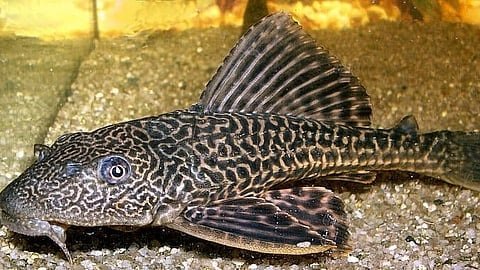
Crocodile Catfish Discovered in Bahini River: One of the largest freshwater catfish species in Asia

0

The recent discovery of the Crocodile Catfish (Bagarius suchus) in the Bahini River, a tributary of the Brahmaputra, has raised ecological concerns in Guwahati, Assam. This invasive species poses a significant threat to native fish populations and the overall aquatic ecosystem. The State Fishery Department is currently analyzing samples to assess the extent of its impact, highlighting the ongoing issue of invasive species in Assam’s waterways.

About the Crocodile Catfish

The Crocodile Catfish, also known as the Giant Devil Catfish, Crocodile Goonch Catfish, or Asian Giant River Catfish, is a member of the Sisoridae family.

Key Characteristics:

  • One of the largest freshwater catfish species in Asia.
  • Can grow over 1.5 meters in length and weigh more than 50 kilograms.
  • Recognizable by its dark brown to black body with irregular patches.
  • Features a long dorsal fin extending almost the entire length of its back.
  • Classified as Near Threatened on the IUCN Red List.

Habitat and Distribution

The Crocodile Catfish is native to South and Southeast Asia, commonly found in:

  • Large freshwater rivers with slow to moderate currents.
  • Deep pools and rocky or gravelly riverbeds.

Ecological Impact in the Bahini River

The introduction of the Crocodile Catfish into the Bahini River raises serious concerns due to its predatory nature. This species primarily feeds on smaller fish and aquatic organisms, which can:
Threaten native fish populations by outcompeting them for food.
Disrupt the natural food web, leading to ecological imbalance.
Reduce biodiversity, affecting the health of the river ecosystem.

Pollution Concerns in Assam’s Rivers

The Bharalu River, another tributary of the Brahmaputra, is already one of Assam’s most polluted rivers, suffering from untreated waste disposal from densely populated areas. The presence of the Crocodile Catfish in such a compromised ecosystem could worsen existing issues, making it even harder for native species to survive.

Summing Up

The discovery of the Crocodile Catfish in the Bahini River underscores the growing challenges posed by invasive species in Assam’s fragile aquatic ecosystems. As the State Fishery Department continues to assess the situation, effective conservation measures are crucial to protect native biodiversity and restore ecological balance in the region’s waterways.

SEBI Launches MITRA Platform to Help Investors Track Inactive Mutual Fund Folios

0

The Securities and Exchange Board of India (SEBI) has launched the Mutual Fund Investment Tracing and Retrieval Assistant (MITRA), a digital platform designed to help investors track inactive or unclaimed mutual fund folios. This initiative addresses a common challenge where investors lose track of their investments due to outdated contact details or lack of awareness regarding investments made in their name.

Purpose of MITRA

The MITRA platform aims to:

  • Provide a centralized database for investors to search for inactive mutual fund folios.
  • Encourage investors to update their Know Your Customer (KYC) details in compliance with SEBI regulations.
  • Reduce fraudulent redemptions by ensuring that inactive folios are monitored and protected.

Understanding Inactive Folios

A mutual fund folio is classified as inactive if there have been no investor-initiated transactions for 10 years, despite a unit balance being maintained. These dormant investments often go unnoticed, making them vulnerable to mismanagement or fraud.

Role of Qualified Registrars and Transfer Agents (QRTAs)

The MITRA platform is managed by two Qualified Registrars and Transfer Agents (QRTAs):

  1. Computer Age Management Services Limited (CAMS)
  2. KFIN Technologies Limited

These QRTAs ensure regulatory compliance, maintain investor records, and safeguard the integrity of the platform.

Investor Awareness and Compliance

SEBI has instructed Asset Management Companies (AMCs) and mutual fund distributors to actively promote awareness about the MITRA platform. This effort aims to:

  • Encourage investors to reclaim unclaimed investments.
  • Reduce the number of non-KYC compliant folios by urging investors to update their details.
  • Enhance investor protection through a transparent and secure tracing mechanism.

Technological Framework and Security

To maintain efficiency and security, the QRTAs must ensure that MITRA complies with SEBI’s Business Continuity Plan (BCP) and Disaster Recovery (DR) guidelines. These measures ensure that the platform remains reliable, resilient, and accessible to all investors.

Impact on Investors

The introduction of MITRA is expected to:
Help investors retrieve lost investments efficiently.
Reduce the number of dormant mutual fund folios.
Boost investor confidence and engagement in financial markets.

Summing Up

SEBI’s MITRA platform marks a significant step toward enhancing investor protection and transparency in the mutual fund industry. By empowering investors to trace and retrieve inactive folios, SEBI is fostering a more accountable and investor-friendly financial ecosystem.

Green Credit Programme and Ecomark Scheme

0

In October 2023, the Government of India launched two key environmental initiatives—the Green Credit Programme (GCP) and the Ecomark Scheme—to promote sustainability and eco-friendly practices across individuals, communities, and businesses. While the GCP incentivizes voluntary environmental actions, the Ecomark Scheme focuses on endorsing environmentally friendly products through accreditation and labelling.

Current Status of the Green Credit Programme

The GCP has already made significant progress in afforestation efforts. As of now, 17 states have allocated 57,700 hectares of degraded forest land for tree plantations. Leading contributors include:

  • Madhya Pradesh – 15,200 hectares
  • Andhra Pradesh – 11,361 hectares
  • Gujarat – 6,760 hectares
  • Jharkhand – 5,648 hectares
  • Tamil Nadu – 4,708 hectares
  • Bihar – 4,108 hectares

Understanding the Green Credit Programme

The GCP operates as a market-based mechanism that rewards voluntary environmental actions. It enables individuals and private entities to participate in tree plantations and eco-restoration activities on degraded land. Participants earn Green Credits, which can be traded or utilized to fulfill compensatory afforestation requirements.

The programme is administered by the Indian Council of Forestry Research and Education (ICFRE), with guidance from an inter-ministerial Steering Committee.

Objectives of the Green Credit Programme

  • Promote afforestation and water conservation
  • Encourage private-sector participation in environmental efforts
  • Restore degraded forest land
  • Facilitate the exchange of Green Credits through a user-friendly digital platform

Ecomark Scheme: Promoting Eco-Friendly Products

The Ecomark Scheme is designed to certify and label products that meet specific environmental standards. This initiative replaces the earlier Ecomark notification and ensures that accredited products adhere to stringent sustainability criteria.

The scheme is administered by the Central Pollution Control Board (CPCB) in collaboration with the Bureau of Indian Standards (BIS), fostering transparency and credibility in eco-labelling.

Objectives of the Ecomark Scheme

  • Encourage consumers to make informed choices by identifying environmentally sustainable products
  • Promote eco-conscious manufacturing practices among industries
  • Prevent misleading environmental claims through standardized labelling
  • Enhance public awareness of sustainable consumption

Impact on Sustainability Practices

The Green Credit Programme and Ecomark Scheme exemplify India’s commitment to sustainability and environmental conservation. These initiatives align with global sustainability goals by promoting responsible afforestation, water conservation, and eco-friendly consumer habits.

By encouraging environmentally conscious behaviors among individuals and businesses, these programs are expected to foster a long-term culture of sustainable development and ecological responsibility in India.

What is Mission Amrit Sarovar?

0

Launched in April 2022, Mission Amrit Sarovar is a flagship initiative aimed at combating water scarcity across India. The mission seeks to construct and rejuvenate water bodies, ensuring sustainable water sources for rural communities. As of January 2025, the mission has surpassed its initial goal, successfully constructing or revitalizing over 68,000 ponds, significantly exceeding the target of 50,000 ponds nationwide.

Objectives of Mission Amrit Sarovar

The primary objective of the initiative is to address water scarcity in rural areas by creating 75 Amrit Sarovars in each district. This large-scale effort aligns with India’s commitment to environmental sustainability, climate resilience, and water conservation. By promoting water resource management, the mission aims to improve agricultural productivity, groundwater recharge, and overall community well-being.

Phases of Implementation

The implementation of Mission Amrit Sarovar is divided into phases:

  • Phase I: Focused on rapid construction and rejuvenation of water bodies, achieving notable milestones.
  • Phase II: Emphasizes community participation to ensure the long-term sustainability of these water resources. This phase encourages local involvement in the maintenance and conservation of the newly developed ponds.

Collaboration and Support

The success of Mission Amrit Sarovar is driven by multi-departmental collaboration, with eight central ministries contributing to its execution, including:

  • Ministry of Rural Development
  • Ministry of Water Resources

Additionally, technical expertise is provided by the Bhaskaracharya National Institute for Space Application and Geo-informatics (BISAG-N), enhancing efficiency through geospatial data and monitoring tools.

Utilization of Technology

The integration of geospatial technology plays a crucial role in identifying suitable locations for pond construction and rejuvenation. The use of satellite imagery, remote sensing, and digital mapping has improved the effectiveness of site selection, ensuring optimal water conservation efforts.

Progress and Achievements

As of January 2025:

  • Over 81,000 potential Amrit Sarovars have been identified.
  • More than 66,000 water bodies have been successfully completed.
  • States like West Bengal and Tamil Nadu have shown exceptional progress, nearing their district-specific targets.

These achievements underscore the mission’s dedication to water conservation and its operational efficiency in executing large-scale projects.

Challenges and Resource Mobilization

Despite significant progress, some states face challenges in meeting their targets, often due to resource constraints and geographical limitations. To address these challenges, funds are mobilized through:

  • Mahatma Gandhi National Rural Employment Guarantee Scheme (MGNREGS)
  • State-specific government initiatives

These funding mechanisms ensure continuous support for the mission’s objectives.

Community Engagement and Participation

A key aspect of Mission Amrit Sarovar is active community involvement. The initiative encourages participation from local communities, NGOs, and self-help groups, fostering a sense of ownership and responsibility for maintaining water bodies.

Long-term Vision for Water Security

Mission Amrit Sarovar is more than just a short-term project—it is a transformative initiative aimed at ensuring long-term water security in India. By improving water availability, it enhances livelihoods, supports agriculture, and strengthens rural economies. The mission highlights the importance of collaborative efforts between the government, communities, and technology to achieve sustainable water management.

With its continued success, Mission Amrit Sarovar is set to play a crucial role in reshaping India’s water landscape, making it more resilient against climate challenges and ensuring a water-secure future for generations to come.

Skin Deep: Embracing Inclusivity Through Empathy

0

Vaishnavi Preshanthe


“One’s skin tone is just the wrapping paper, what truly matters is the gift inside”. Sadly for content and character inside, a book is judged by its cover. Colour discrimination involves treating someone unfavourably because of one’s skin colour. But nature has always stood for “Unity in Diversity” as no matter what one’s skin complexion is, we all bleed red. Existence of different skin tones is due to the presence of melanin which causes pigmentation in our skin providing protection from UV radiations. Genes too play an important role leading us to be different hues.


Colourism has led to isolation instead of acceptance and appreciation of the diverse. Dark skin came to symbolise lower status and stigma, a wound that runs deep. A light complexion is regarded as identical with male and female beauty, racial superiority and continues to have a strong influence on status, marital prospects, employment and income.


India has always been a melting pot of different cultures and identities. It has never been a place of colour, but instead a place of categories. The caste system has divided the society into Brahmins (priests), at the top of hierarchy and in descending prestige, Kshatriyas (warriors), Vaishyas (merchants) and Shudras (labourers and artisans) based on one’s occupation and ability not on birth. Wide variety of caste, race and cultures cohered together on the foundation of “Vasudhaiva Kutumbakam”- the whole world is one family, India upholds its presence on the international platform for its harmony and unity.


The almost 200 years of colonisation of India by foreign White government has left behind legacy of fair skin biasness and derogatory outlook of the darker tones. The dark skinned Indians were less likely to be hired and given tedious jobs while light skinned Indians were closer to opportunities that were offered by white men. This led to a wedge separating lighter and darker shades of brown and leaving behind generations with intuitive desire to be fairer. For instance, Cosmetic Industries promoting products to be fairer and setting shallow beauty standards. Pencil companies selling ‘skin colour’ labelled crayons, far from the brown skin tone that Indians reflect and relate with.


Today India’s national and state governments are working for all round development and welfare of the public without any discrimination on the basis of caste, colour, ge 15, Constitution of India) through different policies and laws. The ‘National Hum Commission’ of India with its motto “Sarve Bhavantu Sukhinah”- may all be happ mission of promoting and protecting human rights. Still colour biasness is seen m rural areas at work places and even in domestic households as the evil is not well abo and dealt with. Indians should take pride in their culture and heritage like in the epic of ‘Mahabharat’ closely entwined in people’s hearts, characters like ‘Krishna’- Avatar of Lord Vishnu and ‘Krishnaa’- Draupadi, Lord Agni’s daughter have enchanting dark toned beauty which must be proudly reclaimed and resonated with.

In the international scenario, UN has its own “International Convention on the Elimination of All Forms of Racial Discrimination’ fighting injustice and stigma. The ‘United Nations Network on Racial Discrimination and Protection of Minorities’ has provided a platform for global discussions on racial discrimination and its prevention. The whole world has united for the cause and advocating “Inclusivity and Diversity” which is important for creating equitable environments.


The society needs to understand that skin and bones don’t make a person, one need to look beyond the surface and search for the core by being empathetic towards a fellow being and understanding to love the soul. “Beauty is skin deep”, deeper than the eyes can find it.

Skin Deep: Embracing Inclusivity Through Empathy

National Women’s Day 2025: Celebrating Sarojini Naidu’s Birth Anniversary and Her Legacy

0

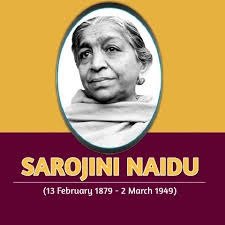
National Women’s Day 2025 is a tribute to Sarojini Naidu, an inspiring leader, poet, and champion of women’s rights. Observed annually on February 13, this day commemorates her contributions to India’s freedom movement and women’s empowerment. Known as the Nightingale of India, Naidu’s legacy continues to inspire generations to advocate for equality, education, and leadership opportunities for women.

Why India Celebrates National Women’s Day on February 13

India celebrates National Women’s Day on Sarojini Naidu’s birth anniversary to acknowledge her significant role in shaping the nation. She was a fearless freedom fighter, an eloquent orator, and a dedicated activist for women’s political rights.

Her remarkable achievements include:

  • Becoming India’s first female governor, leading Uttar Pradesh post-independence.
  • Advocating for women’s education and political participation.
  • Representing India on global platforms to fight for freedom and justice.
  • Using her poetry to inspire national pride and social reform.

Happy National Women’s Day Wishes 2025

Celebrate the strength, resilience, and achievements of women with these heartfelt wishes:

“Here’s to strong women: May we know them, may we be them, and may we raise them. Happy National Women’s Day!”

“To all the phenomenal women who make the world a better place with their kindness, compassion, and resilience—Happy National Women’s Day!”

“On this special day, let’s honor the extraordinary women who have paved the way for progress and equality. Here’s to a future where every woman has the opportunity to thrive.”

“To the women who inspire us with their strength, wisdom, and grace—your contributions to society are immeasurable. Happy National Women’s Day!”

“Here’s to the women who lift each other, support one another, and empower those around them. Wishing you all a Happy National Women’s Day!”

Sarojini Naidu’s Birth Anniversary 2025: 5 Inspirational Quotes

The words of Sarojini Naidu continue to inspire people across the world. Here are five of her most powerful quotes:

“We want deeper sincerity of motive, greater courage in speech, and earnestness in action.”

“A country’s greatness lies in its undying ideals of love and sacrifice that inspire the mothers of the race.”

“When there is oppression, the only self-respecting thing is to rise and say—this shall cease today because my right is justice.”

“Till ye have battled with great grief and fears, and borne the conflict of dream-shattering years, wounded with fierce desire and worn with strife—Children, ye have not lived: for this is life.”

“Life is a song—sing it. Life is a game—play it. Life is a challenge—meet it. Life is a dream—realize it. Life is a sacrifice—offer it. Life is love—enjoy it.”

National Women’s Day: A Glimpse into History

Born on February 13, 1879, in Hyderabad, Sarojini Naidu was deeply influenced by her parents. Her father, Aghorenath Chattopadhyay, was a scientist, while her mother, Varada Sundari Devi, was a poet.

Her love for literature and poetry emerged early, earning her the title “Nightingale of India.” Her verses beautifully depicted India’s cultural richness, nationalism, and struggles for freedom.

Beyond her poetic genius, Naidu was a fierce political leader. She actively participated in India’s freedom struggle, joined the Indian National Congress, and played a crucial role in the Civil Disobedience Movement. Despite facing imprisonment multiple times, she never wavered in her commitment to India’s independence.

Why National Women’s Day Matters

National Women’s Day serves as a reminder of the power of women’s voices in nation-building and social transformation. It highlights the need for:

  • Equal opportunities in education, employment, and leadership.
  • Recognition of women’s contributions in all spheres of life.
  • Continued efforts toward gender equality and empowerment.

While India has made remarkable progress, challenges remain. On this day, let’s celebrate the achievements of women, inspire future generations, and work together toward a more inclusive society.

Final Thoughts

As we honor Sarojini Naidu on her birth anniversary, we celebrate not just her legacy but also the strength, resilience, and brilliance of every woman.

Happy National Women’s Day 2025! Let’s continue to empower, uplift, and inspire.

World Radio Day 2025: Theme, History, Significance, and Fascinating Facts

0

World Radio Day 2025 is an occasion to celebrate the enduring influence of radio in shaping communication, entertainment, and global awareness. As one of the most powerful and accessible forms of mass media, radio has been a reliable source of information for over a century. Observed annually on February 13, World Radio Day was established by UNESCO in 2011 and later adopted by the United Nations General Assembly in 2012 as an International Day.

This day serves as a global platform to promote freedom of expression, media pluralism, and international collaboration among broadcasters. It also reinforces the importance of radio in providing information, especially during crises and emergencies.

World Radio Day 2025: Theme

The theme for World Radio Day 2025 is “Radio and Climate Change”, highlighting radio’s role in raising awareness about environmental challenges. As climate change becomes a pressing global concern, radio remains a powerful medium for educating the public, amplifying climate activism, and promoting sustainable practices.

This year’s theme encourages radio broadcasters worldwide to focus on:

  • Disseminating accurate climate-related information.
  • Amplifying voices advocating for sustainability.
  • Encouraging eco-friendly practices through engaging content.

World Radio Day 2025: History

Radio technology has been in use since the late 19th century, evolving into a crucial tool for communication and entertainment. Although radio broadcasting in India began in the early 20th century, it took time to gain widespread popularity.

Recognizing radio’s impact, UNESCO declared World Radio Day in 2011, and the United Nations General Assembly officially endorsed it in 2012. The first celebration took place on February 13, 2012, to coincide with the anniversary of United Nations Radio, which was established in 1946.

Since then, February 13 has been dedicated to celebrating radio’s role in connecting communities, ensuring freedom of expression, and serving as a critical source of information during emergencies.

World Radio Day 2025: Significance

Despite the rise of television, digital platforms, and smartphones, radio continues to be a resilient and influential medium. It plays a vital role in:

  • Providing real-time information—especially in remote areas and crisis situations.
  • Fostering community engagement through local and community radio stations.
  • Bridging cultural divides by promoting diverse perspectives and languages.
  • Serving as an educational tool, particularly in rural regions.
  • Being an affordable and accessible medium for millions worldwide.

Radio remains a lifeline during natural disasters, ensuring timely updates even when other communication channels fail. It also promotes public service broadcasting, giving voice to underrepresented communities.

World Radio Day 2025: Interesting Facts

  • Guglielmo Marconi sent the first successful radio transmission in 1895.
  • India’s radio broadcasting history dates back to the early 1920s.
  • The Radio Club of Bombay conducted India’s first radio broadcast in June 1923.
  • All India Radio (AIR) aired its first-ever news bulletin on January 19, 1936.
  • Akashvani, India’s first radio station, later became the on-air name of All India Radio (AIR) in 1957.

Summing Up

As the world commemorates World Radio Day 2025, it’s a moment to acknowledge radio’s indispensable role in shaping public discourse, promoting inclusivity, and driving social change. Whether it’s delivering news, preserving cultures, or advocating for a greener planet, radio continues to be a timeless medium that informs, entertains, and connects people across the globe.

On this World Radio Day, tune in, stay informed, and celebrate the power of radio!

What is Morand-Ganjal Irrigation Project?

0

The National Tiger Conservation Authority (NTCA) has expressed serious concerns over the Morand-Ganjal Irrigation Project in Madhya Pradesh, citing its potential impact on vital tiger habitats. The proposed project threatens ecological corridors that connect the Satpura and Melghat Tiger Reserves, crucial for tiger movement and genetic diversity. The NTCA has urged authorities to explore alternative locations to balance development with conservation.

Project Overview

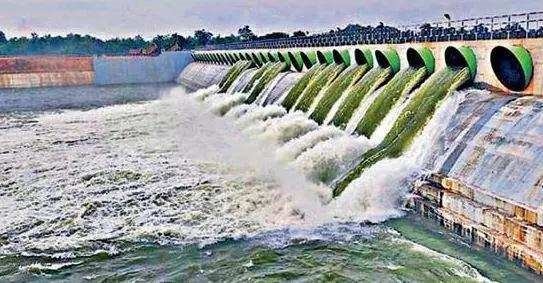
The Morand-Ganjal Irrigation Project aims to improve irrigation facilities across 211 villages in the districts of Hoshangabad, Betul, Harda, and Khandwa. Initially proposed in 1972, the project received government approval in 2017. It involves constructing dams on the Morand and Ganjal rivers, which will lead to the submergence of over 2,250 hectares of forest land.

Impact on Tiger Habitats

The NTCA’s evaluation highlights the ecological sensitivity of the project site, which serves as a critical tiger-occupied habitat. The submergence of forest areas will disrupt essential wildlife corridors, hindering the natural movement of tigers between the Satpura and Melghat Tiger Reserves. This loss of connectivity poses a significant risk to genetic exchange and population stability, potentially leading to long-term adverse effects on tiger conservation.

Threat to Tiger Recovery Efforts

Both Satpura and Melghat Tiger Reserves have been witnessing a gradual recovery of tiger populations, largely due to successful voluntary village relocations aimed at reducing human-wildlife conflict. The NTCA warns that fragmentation of the habitat caused by the irrigation project could reverse these conservation gains.

Socio-Economic and Environmental Concerns

Beyond its impact on wildlife, the project is set to displace over 600 members of the indigenous Korku tribal community, leading to loss of livelihood and cultural displacement. The submerged areas are not only critical for tiger conservation but also support diverse flora and fauna, contributing to the region’s overall biodiversity.

NTCA’s Recommendations

The NTCA has strongly recommended that authorities consider alternative sites for the project that are less ecologically sensitive. It emphasizes the need for a development model that prioritizes biodiversity conservation while addressing irrigation needs. Sustainable solutions should be explored to ensure that progress does not come at the cost of India’s wildlife heritage.

Summing Up

As India continues to balance development and environmental conservation, projects like the Morand-Ganjal Irrigation initiative highlight the challenges in preserving tiger habitats while meeting agricultural needs. The government’s decision on this matter will be crucial in determining the future of wildlife conservation efforts in the region.

Gross Domestic Knowledge Product (GDKP): A New Metric for India’s Knowledge Economy

0

The Government of India has revived a proposal to introduce the Gross Domestic Knowledge Product (GDKP), a metric designed to supplement the traditional Gross Domestic Product (GDP). This initiative, spearheaded by the Ministry of Statistics and Programme Implementation (MoSPI), aims to quantify the impact of knowledge-driven sectors on economic growth. By incorporating intellectual and innovative contributions into economic assessments, GDKP seeks to provide a more comprehensive understanding of the nation’s progress.

What is GDKP?

GDKP is a novel concept that seeks to measure the contributions of knowledge, innovation, and intellectual assets to the economy. Unlike GDP, which primarily accounts for tangible goods and services, GDKP acknowledges the immense value generated by knowledge-based industries such as research, technology, education, and intellectual property. This approach aims to create a more nuanced perspective on economic dynamics, recognizing that knowledge plays a crucial role in national development.

Historical Context

The idea of GDKP was first introduced in 2021 by NITI Aayog. However, at the time, concerns were raised regarding the feasibility of developing a standardized methodology for data collection. The National Statistical Commission expressed reservations about the subjective nature of measuring knowledge contributions, leading to a temporary halt in progress. Now, with renewed interest, MoSPI is actively working to develop a structured framework to implement GDKP effectively.

Recent Developments

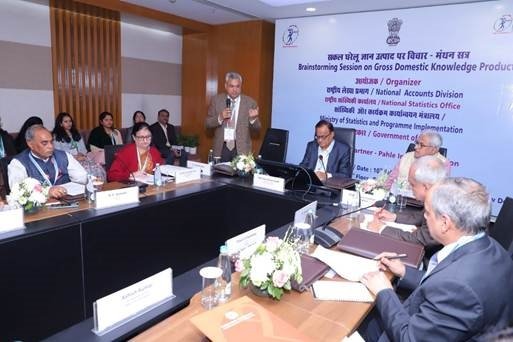
In a recent session organized by MoSPI, Principal Scientific Advisor Ajay Kumar Sood emphasized the importance of adopting a knowledge-centric approach to economic measurement. The ministry is now focused on addressing the challenges of quantifying knowledge-driven activities, ensuring that GDKP serves as a reliable and meaningful economic indicator.

Methodological Challenges

Developing a robust framework for GDKP presents several challenges:

  • Lack of Established Metrics: Unlike GDP, which has clear measurement parameters, there is no universally accepted method to capture the value of knowledge contributions.
  • Identifying Relevant Parameters: Determining which aspects of the knowledge economy—such as patents, research output, digital transformation, and education—should be included remains a complex task.
  • Data Availability and Collection: Much of the knowledge-related data is currently unstructured or scattered across various sectors. Measuring intangible assets requires extensive surveys and subjective assessments.
  • Overlap with GDP: Some knowledge-based economic activities are already accounted for under traditional GDP calculations. A structured approach is needed to differentiate and systematically track knowledge contributions.

Satellite Account Approach

To address these challenges, MoSPI is considering a “satellite account” approach. This method involves creating a supplementary accounting system to track specific economic activities separately from the main GDP framework. Similar satellite accounts exist for tourism, culture, and the ocean/blue economy. Applying this approach to GDKP would allow for a focused evaluation of knowledge-based contributions without disrupting conventional economic metrics.

Technical Committee Formation

MoSPI plans to establish a technical committee responsible for evaluating the feasibility of GDKP and guiding the measurement process. This committee will collaborate with various ministries, research institutions, and industry experts to refine the framework and ensure a balanced representation of knowledge-driven sectors.

Summing Up

The introduction of GDKP represents a significant step toward acknowledging the role of knowledge and innovation in economic development. While challenges remain in defining and implementing a standardized measurement system, the initiative holds great potential to reshape how national progress is assessed. As MoSPI advances its efforts, GDKP could become a pioneering model for countries worldwide looking to integrate knowledge economies into their economic frameworks.