Home Blog Page 382

Mody University Celebrates World Radio Day with ‘Bollywood FM: Lights, Mic, and Action’

0

On the occasion of World Radio Day (February 13, 2025), Mody University’s School of Liberal Arts and Sciences organised a special event, ‘Bollywood FM: Lights, Mic, and Action,’ under the Campus Journalism Club. The event aimed to highlight the significance of radio and provide students with a platform to showcase their talent in radio broadcasting and entertainment.

A Showcase of Talent and Creativity

The event saw enthusiastic participation from students, who showcased their skills in radio jockeying (RJing), acting, and entertainment. Adding a unique touch to the program, all participants dressed as iconic Bollywood characters, making the event even more engaging and visually appealing. Their performances reflected creativity, spontaneity, and a deep understanding of the radio medium.

A key highlight of the event was the presence of RJ Shaan, a renowned radio host from FMC Kar, as the special guest. He shared his insights and experiences in the radio industry, inspiring students to explore career opportunities in this dynamic field. His energetic and motivational address not only entertained the audience but also encouraged students to consider radio as a professional career path.

Winners and Recognition

The competition recognized outstanding performances:

  • Ananya Mauli from the School of Engineering secured the first position.
  • Jaiswal won the second position for her exceptional performance.
  • Bhavya Beniwal was awarded the title of Best RJ.
  • Vriti Sharma received the Best Dressed Award.

University Leadership’s Encouragement

Prof. Ashutosh Bharadwaj, President of Modi University, addressed the students, emphasizing the historical significance of radio and its crucial role in society. He congratulated the winners and presented certificates of appreciation.

The event witnessed the presence of deans, principals, faculty members, and department heads from various schools of the university, who actively supported and encouraged the students.

With such engaging activities, Modi University continues to provide its students with innovative learning experiences, celebrating the spirit of radio and communication while nurturing their creative potential.

NCAER Recommends State-Level Fiscal Councils to Strengthen Financial Governance

0

Recent discussions on fiscal governance in India have underscored the growing need for independent fiscal councils at the state level. A research paper by the National Council of Applied Economic Research (NCAER) has recommended the establishment of these councils to enhance the institutional capacity of states in managing their finances effectively.

The Role of Fiscal Councils

Fiscal councils serve as independent bodies that provide objective assessments of state government financial forecasts. Their primary functions include:

  • Evaluating revenue and expenditure projections made by state governments.
  • Generating their own independent forecasts to compare with government estimates.
  • Identifying contingent liabilities and offering recommendations to mitigate financial risks.

By offering impartial financial analysis, fiscal councils can help state governments adopt more disciplined and transparent fiscal policies.

International Precedents: Lessons from the EU

Globally, fiscal councils have been implemented with notable success. The European Union (EU) provides a key example where each member state is required to establish its own fiscal council. Additionally, the European Commission acts as a quasi-fiscal council at the Union level, ensuring rigorous oversight and assessment of budgetary forecasts. This model enhances financial accountability and promotes stable economic governance.

Historical Context and Previous Recommendations

The idea of fiscal councils in India is not new. Various government bodies have previously recommended their establishment:

  • The Thirteenth Finance Commission proposed an autonomous fiscal oversight body to report to the Ministry of Finance.
  • The Fourteenth Finance Commission highlighted the global advantages of fiscal councils and suggested their implementation.

However, despite these recommendations, the Indian government has so far resisted the idea, citing concerns over potential limitations on the Finance Ministry’s authority.

Addressing Fiscal Challenges: A Forensic Analysis of State Finances

The NCAER paper advocates for a forensic analysis of states with high debt levels. This includes:

  • Identifying the root causes of revenue shortfalls and expenditure overruns.
  • Learning from historical financial missteps to prevent future fiscal crises.
  • Strengthening fiscal responsibility through data-driven decision-making.

State Debt Levels: A Growing Concern

Debt levels among Indian states vary significantly. For example:

  • Punjab‘s debt stands at nearly 50% of its State Gross Domestic Product (SGDP), indicating severe financial stress.
  • In contrast, Odisha, Maharashtra, and Gujarat maintain debt levels below 20% of SGDP, reflecting better fiscal management.
  • Over the past decade, large states have experienced a 10 percentage point increase in their debt-to-SGDP ratios, raising concerns about long-term financial sustainability.

Market Discipline and RBI’s Role

The NCAER paper suggests that the Reserve Bank of India (RBI) should reconsider its intervention policies regarding state debt. Presently, the RBI caps the spreads on bonds issued by highly indebted states, reducing the cost of borrowing. However, reducing such interventions could:

  • Strengthen market discipline by forcing states to manage their finances more responsibly.
  • Encourage states to implement sound fiscal policies to maintain creditworthiness.

Reevaluating the Finance Commission’s Approach

Another key recommendation is to reassess the role of the Finance Commission in resource allocation. The current approach often incentivizes poor fiscal management by allocating more resources to states with larger revenue deficits. NCAER argues that the allocation formula should be revised to:

  • Reward states that demonstrate fiscal prudence.
  • Encourage efficient financial planning and reduced dependency on central transfers.

A Call for Stronger Fiscal Institutions

As Indian states continue to grapple with rising debt levels and fiscal challenges, the establishment of state-level fiscal councils could be a game-changing reform. By promoting transparency, accountability, and disciplined financial management, these councils can help states navigate their economic future with greater stability and efficiency. Implementing such recommendations would mark a significant step toward strengthening India’s overall fiscal framework and ensuring long-term economic resilience.

Meet Col Sandeep Ahlawat: Inspiring Gen Z to Revive Face-to-Face Conversations

0

Col Sandeep Ahlawat has become a beacon of inspiration for millions of young Indians. His powerful words, delivered across multiple platforms, have motivated countless individuals to dream bigger and strive for excellence. Recently, the EBNW Story team, on behalf of Saksham Sanchar Foundation, had the privilege of meeting him. The purpose of their visit was to extend an invitation to the esteemed officer for Malwa Media Fest 2.0, which took place on January 24th and 25th in Ratlam—a city rich with untold stories. Not only did he share his inspiring journey, but he also encouraged his NCC troops to participate in the event, allowing them to gain valuable exposure to the literary world.

A Mission to Inspire: Reaching Out to the Future Leaders

His objective is clear and ambitious: to inspire and influence as many students as possible to consider a career in the Armed Forces. He has already addressed and interacted with nearly 1.5 lakh students across the length and breadth of the country. For him, the Indian Army is not merely a job—it is a calling, a discipline, and an institution that imparts values, leadership, and a sense of national service without asking for anything in return. The Army remains one of the most trusted institutions in India, embodying an unparalleled sense of integrity and patriotism.

Gen Z and the Dying Art of Face-to-Face Conversations

During his engagements with students on media, Col Ahlawat has expressed concern over a growing issue among today’s youth—the diminishing ability to engage in deep, meaningful conversations. He believes that Gen Z, despite its digital proficiency, struggles with direct interpersonal communication.

“I will talk to you about the importance of face-to-face conversation and why it is dying. Primarily responsible for this is Gen Z. I’m really sorry to say, but today’s youth does not know how to hold a deep, structured, and coherent conversation. Forget about a structured conversation—even initiating small talk is a challenge. They are terrified of engaging in real discussions. Instead, they find solace in emojis and text messages,” he states.

The Importance of One-on-One Conversations

Col Ahlawat firmly believes that the lack of real conversations is leading to a generation that struggles to read facial cues, emotional expressions, and the subtle nuances of human interaction. “Face-to-face conversations unfold slowly. They teach patience, compassion, and empathy. We learn to pay attention to the eyes, tone, and expressions of the other person,” he explains.

So how should one start improving their communication skills? He suggests beginning with the most fundamental unit of support—family.

“Start with your parents—the only people who love you unconditionally. Trust me, it will be a great start.”

A Legacy of Leadership and Motivation

Col Sandeep Ahlawat continues to travel across the country, inspiring young minds to not only consider a career in the armed forces but also to develop essential life skills. His words serve as a wake-up call for Gen Z, urging them to balance their digital lives with real, meaningful interactions. Through his mentorship, countless students have gained a renewed sense of direction, discipline, and purpose.

As India moves forward, leaders like Col Ahlawat play a crucial role in shaping the next generation—not just as soldiers, but as responsible, empathetic, and confident individuals ready to serve their nation in various capacities.

MahaKumbh 2025: Guinness team arrives, 3 records to be set in 3 days

0

The sacred city of Prayagraj is set to make history as the Guinness World Records team arrives to certify three extraordinary record attempts during the grand Maha Kumbh Mela 2025. Over the next three days, millions of devotees and spiritual seekers will witness and participate in unprecedented events that blend faith, culture, and human endurance. These record-breaking attempts will add a new dimension to one of the world’s most significant religious congregations.

Anticipated Record-Breaking Events

  1. Longest Human Chain Formation
    Pilgrims and devotees will join hands along the sacred banks of the Triveni Sangam, attempting to create the world’s longest human chain. This symbolic gesture represents unity, spiritual strength, and the collective consciousness of the gathering.
  2. Mass Simultaneous Yoga Session
    A large-scale yoga session is planned where thousands of participants will perform asanas in unison. This attempt aims to promote holistic well-being and showcase yoga’s deep connection to Indian spirituality.
  3. Largest Collective Hymn Chanting
    Devotees will come together to chant hymns, seeking to set a record for the largest group recitation. The air will resonate with sacred verses, creating a spiritually charged atmosphere that reflects the essence of the Maha Kumbh Mela.

Extensive Preparations for a Global Milestone

The arrival of the Guinness World Records team underscores the global significance of the Maha Kumbh Mela, known for its massive gatherings and spiritual fervor. The Uttar Pradesh government has undertaken meticulous planning to ensure the seamless execution of these record attempts. Infrastructure development, logistical support, and coordination with religious and administrative bodies are in full swing to accommodate the millions expected to participate.

Safety Measures and Technological Interventions

Given the scale of the Maha Kumbh Mela, authorities have implemented stringent safety measures to ensure smooth operations. Cutting-edge crowd management strategies, including the deployment of artificial intelligence-powered surveillance systems, have been introduced to regulate the movement of devotees and maintain order during the record attempts. Medical facilities, emergency response teams, and security personnel are also on high alert to handle any contingencies.

A Historic Moment for Devotees

For the millions of pilgrims attending the Maha Kumbh Mela, participating in these record-breaking events presents a once-in-a-lifetime opportunity to be part of history. These attempts not only highlight India’s deep-rooted traditions but also demonstrate the evolving nature of the festival in the modern era.

As Maha Kumbh Mela 2025 continues to attract devotees from across the globe, these monumental feats will etch an unforgettable chapter in its storied legacy, reinforcing its status as a confluence of spirituality, culture, and global recognition.

Know what Rajasthan will gain with the upcoming IIFA happening in Jaipur..

0

Rudra Pratap Singh

The IIFA Awards, one of the most prestigious events in the global film industry, have brought significant benefits to Rajasthan by showcasing its rich cultural heritage and stunning architecture. Hosting IIFA in this heritage-rich state has enhanced its global recognition, boosted tourism, and driven economic growth. The fusion of Bollywood with Rajasthan’s majestic palaces and vibrant traditions has elevated the state’s cultural identity, leaving a lasting impact on its development and global stature. Likewise, hosting the IIFA Awards in Rajasthan brings numerous benefits to the state.

  1. Tourism Boom: The event attracts global visitors, showcasing Rajasthan’s rich heritage and landmarks, making it a year-round tourist destination.
  2. Economic Growth: IIFA stimulates local businesses, creates jobs in hospitality, infrastructure, and event management, and increases demand for products and services in retail, food, and transportation.
  3. Cultural Showcase: The event highlights Rajasthan’s traditions, from folk music and dance to local crafts, promoting cultural preservation and attracting international attention.
  4. Global Exposure: Media coverage elevates Rajasthan’s image as a premier destination, drawing more tourists and business investments to the state.
  5. Film Industry Collaboration: IIFA strengthens ties between Rajasthan and Bollywood, potentially attracting more film shoots to the region and offering opportunities for local talent.
  6. Networking and Business: The event provides a platform for professionals from various industries to network, fostering new business collaborations and enhancing the state’s role in global entertainment.

In short, IIFA in Rajasthan boosts tourism, drives economic growth, promotes culture, and solidifies the state’s position as a global destination.

Black Day of India: 6th Anniversary of Pulwama Attack, Remembering the Heroes of India

0

February 14, 2019, remains a day of sorrow and remembrance for India, marking one of the deadliest terrorist attacks in the nation’s history. On this fateful afternoon, a convoy of the Central Reserve Police Force (CRPF) was ambushed by a suicide bomber in Pulwama, Jammu and Kashmir, leading to the tragic loss of 40 brave soldiers. The attack sent shockwaves across the country and the world, reinforcing the urgency of combating terrorism with unwavering resolve. As the nation observes the 6th anniversary of this horrific incident, it is a solemn moment to pay tribute to the fallen heroes and reaffirm our commitment to national security.

The Attack: A Nation in Shock

At approximately 3:15 PM on February 14, 2019, a suicide bomber driving an explosives-laden SUV rammed into a convoy of CRPF personnel on the Jammu-Srinagar National Highway. The devastating blast completely destroyed one of the buses, killing 40 soldiers instantly. The Pakistan-based terrorist group Jaish-e-Mohammed (JeM) claimed responsibility for the attack, triggering nationwide outrage and grief.

The sheer scale of the tragedy left the country stunned. Families lost their loved ones, and a wave of mourning swept across the nation. The attack was not just an assault on India’s security forces but on the country’s sovereignty and peace.

Immediate Response and National Outcry

In the wake of the attack, there was an outpouring of grief and anger from all corners of the nation. Candlelight vigils, protests, and tributes were held across cities, reflecting the deep anguish and solidarity of the Indian people. Prime Minister Narendra Modi vowed a strong response, declaring, “The sacrifices of our brave security personnel shall not go in vain.”

India took swift diplomatic action, revoking Pakistan’s Most Favored Nation (MFN) status and intensifying efforts to isolate Pakistan on the global stage. The country also responded militarily with the Balakot airstrikes on February 26, 2019. Indian Air Force fighter jets targeted a JeM training camp deep inside Pakistan, demonstrating India’s firm stance against terrorism and sending a strong message to perpetrators of such attacks.

Honoring the Martyrs: A Tribute to the Bravehearts

On the 6th anniversary of the Pulwama attack, the nation unites to pay homage to the fallen soldiers. Memorial services are held across the country, with special tributes in Pulwama and the hometowns of the martyrs. The CRPF and other defense forces observe the day with solemn ceremonies, remembering their comrades who made the supreme sacrifice.

Home Minister Amit Shah paid tribute on the anniversary, stating, “We will always remember the courage and supreme sacrifice of our brave CRPF jawans. Their valor will continue to inspire generations.”

Lessons Learned and Strengthening Security

The Pulwama attack was a turning point in India’s counter-terrorism strategies. In its aftermath, security agencies intensified efforts to prevent such incidents in the future. Several measures were implemented, including:

  • Enhanced convoy security: Convoy movements were reviewed, and new protocols were established to minimize risks.
  • Intelligence coordination: Increased collaboration between intelligence agencies to track potential threats.
  • International advocacy: Strengthened diplomatic efforts to call for global action against terrorism and its sponsors.

The attack underscored the evolving threats India faces and the need for a comprehensive strategy to counter terrorism effectively.

A Nation United in Remembrance

Six years later, the wounds of the Pulwama attack remain fresh in the hearts of millions. The nation stands together to honor the bravery of those who laid down their lives. Their sacrifice serves as a constant reminder of the price of freedom and the need for eternal vigilance against forces that seek to disrupt peace.

Prime Minister Modi, in his tribute, stated, “We bow to the bravery of our CRPF personnel who sacrificed their lives for the nation. Their sacrifice will continue to inspire every Indian to work towards a terror-free India.”

The Road Ahead: A Pledge for a Safer India

The Pulwama attack is a painful chapter in India’s history, but it is also a symbol of the nation’s resilience and determination. As we remember the fallen heroes, let us pledge to uphold their legacy by ensuring a stronger, safer, and more secure India. Their courage and dedication will never be forgotten, and their sacrifice will continue to inspire generations to come.

As the nation observes this solemn day, it stands united—remembering the past, honoring the present, and striving for a future free from terror.

“We Sold Everything Off”: A Retired Navy Officer & His Family Are Cruising the World on Their Solar-Powered Boat

0

For most people, home is a house with four walls, but for Capt Gaurav Gautam, a retired Indian Navy officer, and his family, home is a 42-foot-long sailboat named ‘Reeva.’ Since 2022, Gautam, his wife Vaidehi Chitnavis, a media professional, and their daughter Kaeya have embraced an unconventional lifestyle, sailing across the world on their solar-powered vessel.

A Nomadic Life on the Waters

For 14-year-old Kaeya, vacations are the best part of this extraordinary journey. Unlike her peers who return home to a stationary abode, her home floats on the ocean. Reeva, their 1988-built Tayana Vancouver 42 sailboat, has become an integral part of their lives, offering adventure, tranquility, and an endless connection with nature. Snorkeling, sailing, and watching the sunset from the deck are just everyday experiences for Kaeya.

When she shared her story with a group of curious students, the most frequent question was, “Is it even possible to live on a boat?”

From an Idea to Reality

Gaurav was once equally skeptical. His fascination with life at sea began in 2015 when he commanded INS Tarangini, the Indian Navy’s first sail training ship. Although intrigued, the practicalities of boat life seemed daunting—finding a suitable vessel, importing it, securing a docking space, and managing maintenance.

However, the COVID-19 pandemic rekindled his dream when he noticed a significant dip in boat prices globally. After careful deliberation, he and Vaidehi made the bold decision to sell everything they owned and take to the seas. The transition wasn’t easy—downsizing from 6,000 kg of possessions to just 120 kg was a daunting task. Giving away heirlooms, including Vaidehi’s cherished Czechoslovakian crockery set, was particularly emotional. But soon, Reeva became their new home, complete with two cabins, a galley (kitchen), a shower, and even a salon.

"We Sold Everything Off": A Retired Navy Officer & His Family Are Cruising the World on Their Solar-Powered Boat

Adjusting to the Ocean’s Rhythms

Life at sea demands a complete shift in perspective. Simple luxuries, such as ordering food online, become impossible. The family has adapted by cooking simple meals, avoiding elaborate Indian dishes that require excessive heat and fuel. Meals now consist of one-pot dishes, like a makeshift biryani with rice, vegetables, and chicken. Grocery shopping is done at ports along their route, with an emphasis on preserved foods and frozen meats.

Water conservation is crucial. Long showers are a luxury they cannot afford. Instead, they bathe using seawater followed by a quick freshwater rinse. This minimalist lifestyle extends to their wardrobe, with Gaurav trading his collection of formal shoes for just a few pairs of sandals and flip-flops.

A Self-Sustaining Floating Home

Reeva is powered by an 800-AH battery bank charged through 760-watt solar panels and a wind generator. When necessary, an alternator on the boat’s main engine provides backup power. Rainwater harvesting also plays a crucial role in their self-sufficient lifestyle, with collected rainwater supplementing their drinking supply.

Weathering the Storms

Life on a boat isn’t all about serene sunsets and endless horizons. Watchkeeping, navigation, and ever-changing weather conditions require constant vigilance. Despite the challenges, the family thrives on the adventure. While they’ve never been truly stranded, international maritime laws ensure that any vessel in distress is granted temporary refuge.

Navigating through high-traffic waters, such as the Malacca Strait, can be nerve-wracking, especially at night. But Vaidehi believes every challenge is a lesson. “Limited space, limited water, sleeping on a rocking boat—these are things you learn to adapt to,” she says.

The Journey Ahead

Over the past two years, the family has sailed through Southeast Asia, experiencing breathtaking destinations while continuously learning how to maintain and repair their home at sea. Their journey has been one of self-discovery, adventure, and sustainable living.

For Capt Gaurav Gautam, life at sea is limitless, bound only by imagination. His philosophy is simple yet profound: “Go at the pace the wind takes you—at sea, and in life.”

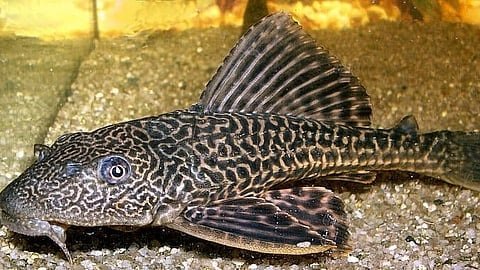
Crocodile Catfish Discovered in Bahini River: One of the largest freshwater catfish species in Asia

0

The recent discovery of the Crocodile Catfish (Bagarius suchus) in the Bahini River, a tributary of the Brahmaputra, has raised ecological concerns in Guwahati, Assam. This invasive species poses a significant threat to native fish populations and the overall aquatic ecosystem. The State Fishery Department is currently analyzing samples to assess the extent of its impact, highlighting the ongoing issue of invasive species in Assam’s waterways.

About the Crocodile Catfish

The Crocodile Catfish, also known as the Giant Devil Catfish, Crocodile Goonch Catfish, or Asian Giant River Catfish, is a member of the Sisoridae family.

Key Characteristics:

  • One of the largest freshwater catfish species in Asia.
  • Can grow over 1.5 meters in length and weigh more than 50 kilograms.
  • Recognizable by its dark brown to black body with irregular patches.
  • Features a long dorsal fin extending almost the entire length of its back.
  • Classified as Near Threatened on the IUCN Red List.

Habitat and Distribution

The Crocodile Catfish is native to South and Southeast Asia, commonly found in:

  • Large freshwater rivers with slow to moderate currents.
  • Deep pools and rocky or gravelly riverbeds.

Ecological Impact in the Bahini River

The introduction of the Crocodile Catfish into the Bahini River raises serious concerns due to its predatory nature. This species primarily feeds on smaller fish and aquatic organisms, which can:
Threaten native fish populations by outcompeting them for food.
Disrupt the natural food web, leading to ecological imbalance.
Reduce biodiversity, affecting the health of the river ecosystem.

Pollution Concerns in Assam’s Rivers

The Bharalu River, another tributary of the Brahmaputra, is already one of Assam’s most polluted rivers, suffering from untreated waste disposal from densely populated areas. The presence of the Crocodile Catfish in such a compromised ecosystem could worsen existing issues, making it even harder for native species to survive.

Summing Up

The discovery of the Crocodile Catfish in the Bahini River underscores the growing challenges posed by invasive species in Assam’s fragile aquatic ecosystems. As the State Fishery Department continues to assess the situation, effective conservation measures are crucial to protect native biodiversity and restore ecological balance in the region’s waterways.

SEBI Launches MITRA Platform to Help Investors Track Inactive Mutual Fund Folios

0

The Securities and Exchange Board of India (SEBI) has launched the Mutual Fund Investment Tracing and Retrieval Assistant (MITRA), a digital platform designed to help investors track inactive or unclaimed mutual fund folios. This initiative addresses a common challenge where investors lose track of their investments due to outdated contact details or lack of awareness regarding investments made in their name.

Purpose of MITRA

The MITRA platform aims to:

  • Provide a centralized database for investors to search for inactive mutual fund folios.
  • Encourage investors to update their Know Your Customer (KYC) details in compliance with SEBI regulations.
  • Reduce fraudulent redemptions by ensuring that inactive folios are monitored and protected.

Understanding Inactive Folios

A mutual fund folio is classified as inactive if there have been no investor-initiated transactions for 10 years, despite a unit balance being maintained. These dormant investments often go unnoticed, making them vulnerable to mismanagement or fraud.

Role of Qualified Registrars and Transfer Agents (QRTAs)

The MITRA platform is managed by two Qualified Registrars and Transfer Agents (QRTAs):

  1. Computer Age Management Services Limited (CAMS)
  2. KFIN Technologies Limited

These QRTAs ensure regulatory compliance, maintain investor records, and safeguard the integrity of the platform.

Investor Awareness and Compliance

SEBI has instructed Asset Management Companies (AMCs) and mutual fund distributors to actively promote awareness about the MITRA platform. This effort aims to:

  • Encourage investors to reclaim unclaimed investments.
  • Reduce the number of non-KYC compliant folios by urging investors to update their details.
  • Enhance investor protection through a transparent and secure tracing mechanism.

Technological Framework and Security

To maintain efficiency and security, the QRTAs must ensure that MITRA complies with SEBI’s Business Continuity Plan (BCP) and Disaster Recovery (DR) guidelines. These measures ensure that the platform remains reliable, resilient, and accessible to all investors.

Impact on Investors

The introduction of MITRA is expected to:
Help investors retrieve lost investments efficiently.
Reduce the number of dormant mutual fund folios.
Boost investor confidence and engagement in financial markets.

Summing Up

SEBI’s MITRA platform marks a significant step toward enhancing investor protection and transparency in the mutual fund industry. By empowering investors to trace and retrieve inactive folios, SEBI is fostering a more accountable and investor-friendly financial ecosystem.