Home Blog Page 358

Jayshree Vencatesan Becomes First Indian to Receive Ramsar Award for ‘Wetland Wise Use’

0

Jayshree Vencatesan, co-founder of Care Earth Trust, has made history as the first Indian recipient of the prestigious Ramsar Award for ‘Wetland Wise Use.’ This global accolade recognizes her exceptional contributions to sustainable wetland management. The announcement, made on International Women’s Day, underscores the crucial role of women in environmental conservation. Vencatesan was one of twelve women honored for their impactful work in wetland preservation.

The Ramsar Awards: Recognizing Global Efforts in Wetland Conservation

The Ramsar Awards celebrate individuals and organizations dedicated to the sustainable management of wetlands. Established under the Convention on Wetlands, these awards aim to encourage the ‘wise use’ of wetland resources. Categories include ‘wise use of wetlands,’ ‘innovation,’ and ‘influencing policy.’ By honoring conservationists like Vencatesan, the awards highlight the significance of preserving wetlands for future generations.

Jayshree Vencatesan’s Pioneering Contributions

For decades, Vencatesan has been at the forefront of wetland conservation in India, with a particular focus on the Pallikaranai Marsh in Chennai. Her journey began with a modest budget of just $350 and a vision to protect marshlands often dismissed as wastelands. Through rigorous research and advocacy, she has documented the rich biodiversity of Pallikaranai Marsh, which supports over 337 species of flora and fauna.

Empowering Women in Wetland Conservation

Leading an all-women research team, Vencatesan has not only championed wetland conservation but also inspired the next generation of female environmentalists. She strongly advocates for equipping women with technical skills and decision-making roles in wetland management. By fostering inclusivity, she believes conservation efforts can be significantly strengthened.

Challenges in Wetland Management

Despite her successes, Vencatesan faces several challenges in wetland conservation. Legal and bureaucratic hurdles often slow down restoration projects. Outdated land titles and user rights present significant obstacles to progress. These challenges underscore the urgent need for streamlined policies and clear regulations in wetland management.

The Importance of ‘Wise Use’ in Wetland Conservation

The concept of ‘wise use,’ central to the Ramsar Convention, emphasizes maintaining the ecological character of wetlands while ensuring sustainable development. Countries that are party to the Convention commit to implementing national policies and public education initiatives to achieve this balance. By promoting responsible management, wetland conservation efforts can safeguard these critical ecosystems and the services they provide to communities.

Future Directions for Wetland Conservation

Vencatesan’s work highlights the need for continued commitment to wetland conservation, particularly as urbanization pressures increase. The Ramsar Convention offers a framework for action, encouraging nations to adopt comprehensive wetland policies and management plans. With dedicated conservationists like Vencatesan leading the way, there is hope for the long-term preservation of India’s invaluable wetland ecosystems.

Jayshree Vencatesan’s recognition by the Ramsar Convention marks a milestone in India’s environmental conservation journey. Her relentless efforts serve as an inspiration, reinforcing the importance of sustainable wetland management for the well-being of both nature and communities.

Indian Fashion and Literature: Powerful Mediums of Creative Expression

0

Indian fashion holds immense potential in the global market, and it is crucial to bring traditional attire into the spotlight to showcase the country’s unique cultural identity, said literature activist Manoj Kumar. He was speaking at a dialogue session on “Fashion and Literature” organised at the National Institute of Fashion Technology (NIFT), Jodhpur, on Monday.

Highlighting the deep connection between fashion and literature, Kumar stated that both are reflections of culture and society, embodying values, beliefs, and lifestyles. He emphasized that these two creative fields can influence and inspire each other, serving as powerful means of self-expression.

Indian Fashion and Literature: Powerful Mediums of Creative Expression

In response to a student’s question on how to begin writing, Kumar advised that many aspiring writers struggle to put their thoughts into words. He encouraged students to cultivate a habit of daily reading, even if for just five minutes, as it helps in developing writing skills.

Referring to the artistic decoration of Shrinathji, Kumar urged students to observe and share their perspectives on the colors, designs, and jewelry adorned by the deity.

The session was attended by thinker Dr. Vipin Chandra, Assistant Professor Dr. Manish Shukla, and several students, informed Dr. Manish Sharma
Assistant Professor and Public Relations Officer, NIFT Jodhpur, Ministry of Textiles, Government of India.

Gelephu International Airport: Bhutan’s Sustainable Gateway to the Future

0

Bhutan, the Land of the Thunder Dragon, is taking a bold leap into the future with the upcoming Gelephu International Airport. Designed by the globally renowned Bjarke Ingels Group (BIG), this airport is not just a transportation hub but a beacon of sustainability, tradition, and innovation. Set to open in 2029, the airport aims to harmonize Bhutan’s rich heritage with cutting-edge, eco-conscious architecture, further solidifying the nation’s commitment to carbon-negative development.

A Gateway Rooted in Heritage and Innovation

Situated near Bhutan’s border with India, Gelephu International Airport is poised to become a major entry point to the Himalayan kingdom. The project is a part of the broader Gelephu Mindfulness City, an initiative that envisions an urban ecosystem where sustainability and well-being coexist.

The airport’s design is a masterclass in integrating tradition with modernity. BIG has conceptualized a structure built from locally sourced glulam timber, an engineered wood known for its durability and environmental friendliness. This modular diagrid structure will be adorned with intricate Bhutanese carvings, including dragons symbolizing Bhutan’s past, present, and future. By blending indigenous craftsmanship with futuristic design principles, the airport will serve as a stunning representation of Bhutan’s evolving architectural landscape.

Sustainability at Its Core

Sustainability is not an afterthought—it is the very essence of Gelephu International Airport. Designed to adapt to growing aviation demands, the 68,000 sq m terminal will accommodate up to 123 aircraft daily and 1.3 million passengers annually by 2040. The airport’s modular structure allows for easy expansion, ensuring it evolves with Bhutan’s tourism and economic needs.

A standout feature of the airport is the “Forest Spine” courtyard, which naturally separates the domestic and international terminals. This green oasis will provide ample natural light, fresh air, and a serene walking space, making the travel experience as calming as it is efficient. Skylights and floor-to-ceiling windows further enhance the open and inviting atmosphere.

A Climate-Conscious Vision

Gelephu International Airport goes beyond aesthetics; its operations are also rooted in sustainability. The wooden structure absorbs moisture from the air, regulating humidity and ensuring a comfortable indoor climate. Meanwhile, rooftop photovoltaic panels will generate clean energy, and natural ventilation systems will reduce reliance on artificial cooling.

Bhutan has long been a global leader in environmental conservation, and this project further cements its reputation as a carbon-negative nation. By leveraging sustainable materials and passive energy solutions, the airport will serve as a model for future green aviation infrastructure.

A Holistic Passenger Experience

Beyond its architectural and environmental achievements, Gelephu International Airport will offer travelers an experience deeply rooted in Bhutanese mindfulness and well-being. Meditation and yoga spaces will be incorporated into the terminal, ensuring that passengers can embrace the calm, introspective essence of Bhutan even before stepping outside.

The project’s development involves expert collaborations, including partnerships with Arup and NACO, ensuring that the airport is efficient, functional, and environmentally responsible. This synergy between architecture, aviation, and sustainability sets a new standard for modern airports worldwide.

A Vision Unveiled at Venice Architecture Biennale

The world will get a preview of this groundbreaking project at the 2025 Venice Architecture Biennale, where Gelephu International Airport will be showcased as an exemplar of sustainable, culturally integrated infrastructure. This global stage will highlight Bhutan’s forward-thinking approach to development and conservation.

The Future Beckons: Bhutan’s Next Icon

When it opens in 2029, Gelephu International Airport will be more than just a transit hub—it will be a testament to Bhutan’s commitment to progress without compromising its identity. As the world moves towards sustainable development, Bhutan once again leads the way, proving that modernization and tradition can thrive side by side.

With its seamless blend of environmental stewardship, cultural reverence, and technological innovation, Gelephu International Airport is set to become a landmark of the 21st century, redefining what it means to build sustainably, mindfully, and beautifully.

Do you know every colour of Holi has a meaning? Know which colour stand for what here..

0

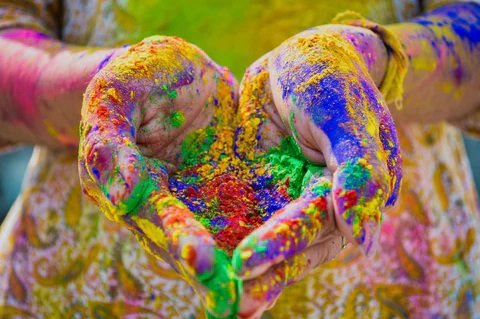
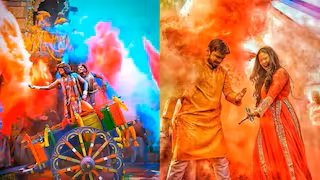
Holi, known as “The Festival of Colors,” is a vibrant and exuberant celebration that brings people together in a whirlwind of hues, laughter, and love. As one of India’s most cherished festivals, Holi is more than just a playful exchange of colors—it is a jubilant expression of joy, unity, and the triumph of good over evil. Each splash of color carries a profound significance, woven into the rich cultural and spiritual fabric of India.

The Rituals and Spirit of Holi

Holi is marked by lively gatherings where people drench each other in colorful powders and water, symbolizing the breaking of barriers and the renewal of relationships. Music, dance, and festive foods add to the joyous atmosphere. It is a time for people to forgive, forge new bonds, and embrace the spirit of inclusivity. But beyond the playful revelry, each color holds a special meaning, embodying emotions, blessings, and the very essence of life.

The Colors of Holi and Their Meanings

1. Red – The Color of Love and Passion

Red, the most beloved color of Holi, represents love, passion, and strength. Deeply rooted in Indian traditions, red is associated with the divine love between the Hindu deities Krishna and Radha. Smearing red gulal on loved ones is a gesture of affection and devotion.

In Hindu culture, married women often wear red to signify their marital status, and deities are adorned in red to invoke bravery, strength, and protection. During Holi, the color red becomes a symbol of warmth, unity, and unbreakable bonds.

2. Yellow – The Color of Happiness and Peace

Yellow, the color of sunshine and joy, radiates positivity and spiritual awakening. This sacred hue is closely associated with revered deities such as Lord Vishnu, Lord Krishna, and Ganesha. The golden glow of turmeric, a significant spice in Indian culture, further enhances yellow’s importance. Used in religious ceremonies, weddings, and healing rituals, turmeric embodies prosperity and well-being.

During Holi, the sprinkling of yellow powder is a way to share happiness and spread warmth among friends and family.

3. Blue – The Color of Calm and Courage

The serene yet powerful shade of blue represents tranquility, wisdom, and bravery. It is most notably linked to Lord Krishna, the beloved deity depicted with striking blue skin. Krishna’s stories of love, protection, and divine wisdom are central to the spirit of Holi.

Blue mirrors the vast sky and the deep ocean, evoking feelings of calm and limitless potential. As participants throw blue powder into the air, they celebrate the courage to overcome challenges and embrace life with grace.

4. Green – The Color of Spring and Renewal

Green signifies new beginnings, growth, and the fresh energy of spring. Holi, coinciding with the arrival of this lively season, is a tribute to nature’s renewal and abundance.

In Hindu tradition, green symbolizes harmony, prosperity, and the balance between mind and soul. It is a color that brings a sense of hope and rejuvenation, making it a vital part of the Holi palette.

5. Pink – The Color of Youth and Playfulness

Pink, a color synonymous with joy and liveliness, perfectly captures the lighthearted spirit of Holi. It embodies innocence, good health, and boundless energy, making it a favorite among revelers.

The playful nature of pink adds to the festival’s charm, as people embrace the carefree essence of childhood and immerse themselves in the exuberance of the celebration.

6. Orange or Saffron – The Color of Courage and Sacrifice

A color of great spiritual significance, saffron (deep orange) is associated with strength, sacrifice, and divine wisdom. It is the color worn by sages and ascetics, symbolizing renunciation and self-awareness.

On the Indian national flag, saffron stands for the courage and resilience of the Indian people. During Holi, this sacred hue reflects bravery, deep spiritual connection, and unwavering determination.

7. Purple – The Color of Peace and Wisdom

Purple, long linked to royalty, power, and enlightenment, holds a special place in Indian tradition. In Hinduism, it represents the crown chakra, which connects individuals to higher consciousness.

The presence of purple during Holi signifies a celebration of supreme wisdom and inner peace, making it a color of profound spiritual significance.

Colors to Avoid During Holi

While Holi is a festival of vibrant hues, certain colors are traditionally not used. Black is often linked to sorrow and misfortune, making it unsuitable for such a joyous occasion. White, although a symbol of purity, is primarily associated with mourning and funerals in Indian culture, making it less fitting for the exuberant festivities of Holi.

The Essence of Holi: Beyond Colors

Holi is not merely a festival of playful color fights; it is a deeper celebration of life, love, and renewal. It encourages people to embrace happiness, mend relationships, and step into the new season with hope and positivity. Whether through the fiery reds of passion, the calming blues of wisdom, or the lively greens of rejuvenation, each color tells a story of togetherness and the beautiful complexity of human emotions.

So, as the colors of Holi paint the skies and streets, they also color hearts with joy, making it a truly magical and unforgettable celebration.

On Holi, a Look at Jaipur’s Traditional Celebrations with ‘Gulaal Gota’

0

Holi, the exuberant Festival of Colours, is celebrated with unique customs across India. While many regions opt for balloons filled with colored water, Jaipur preserves a centuries-old tradition using the remarkable Gulaal Gota. This small, lightweight ball—crafted from lac and filled with dry gulaal—adds a distinctive charm to the festivities in the Pink City, connecting modern celebrations with a rich historical legacy.

What is a Gulaal Gota?

A Gulaal Gota is a traditional Holi accessory that weighs around 20 grams when filled with dry gulaal (color powder). Made entirely of lac—a natural resin secreted by scale insects—the Gulaal Gota is meticulously crafted by skilled Muslim lac makers, known locally as Manihaars, exclusively in Jaipur. Its use dates back nearly 400 years, when members of the erstwhile Jaipur royal family used these vibrant balls during Holi celebrations. Today, throwing a Gulaal Gota has become an emblematic part of Jaipur’s Holi, where its impact releases a burst of colorful powder on its target, spreading joy and a sense of tradition.

The Art and Craft of Making a Gulaal Gota

Creating a Gulaal Gota is a blend of art and tradition, involving several careful steps:

  1. Preparing the Lac:
    Lac is first boiled in water to soften it, making the resin more pliable for shaping.
  2. Shaping and Coloring:
    Once softened, the lac is molded into a rough spherical form. Traditional hues—primarily red, yellow, and green—are added. Additional colors can be produced by mixing these basic shades.
  3. Blowing the Ball:
    The artisans then heat the lac and use a traditional blower known as the “phunkni” to shape it into a perfect sphere.
  4. Filling and Sealing:
    The hollow ball is filled with dry gulaal before being sealed with a fresh coat of lac, ensuring that the color remains securely inside until it’s thrown.

The lac used in this process is sourced from regions like Chhattisgarh and Jharkhand, derived from the secretions of female scale insects. Besides Gulaal Gota production, lac finds use in making bangles, dyes, and wax, further highlighting its cultural significance.

The Cultural Significance of Gulaal Gota in Jaipur

In Jaipur, the Gulaal Gota is much more than just a festive prop—it is a symbol of continuity and tradition. While other parts of the country may celebrate Holi with modern twists like colored water balloons, Jaipur’s commitment to its heritage is reflected in the enduring popularity of the Gulaal Gota. This tradition not only preserves a unique art form but also reinforces the historical narrative of the region, creating a vibrant link between the past and the present.

When thrown during Holi, the Gulaal Gota bursts upon impact, dispersing its rich, dry gulaal over friends and strangers alike. This act of playful exchange encapsulates the joyous spirit of Holi, fostering a sense of community and shared celebration that has been cherished for generations.

Summing

The Gulaal Gota stands as a testament to Jaipur’s rich cultural tapestry and its dedication to preserving ancient traditions. As Holi approaches, the sight of these colorful lac balls being thrown around adds an authentic, time-honored dimension to the festivities, reminding us that while celebrations evolve, the essence of tradition continues to thrive. Whether you’re a long-time admirer of Jaipur’s heritage or a curious newcomer to its customs, the Gulaal Gota offers a delightful glimpse into the enduring art of Holi celebration in the Pink City.

Holika Dahan & Holi 2025: Dates, Muhurat Timings, and All You Need to Know

0

The vibrant festival of Holi, widely celebrated as the “Festival of Colours,” is set to light up India once again in 2025. This year, the festivities will span two days, starting with Holika Dahan on the evening of Thursday, March 13, 2025, followed by the colourful celebration of Holi on Friday, March 14, 2025, as per Drik Panchang.

The Significance of Holi and Holika Dahan

Holi is not just about playful splashes of dry gulaal and water-coloured revelry; it carries deep mythological roots and cultural symbolism. The festival commemorates the triumph of devotion and righteousness over evil. According to Hindu mythology, the story of Prahlad and his vindicated survival from the flames—while his aunt, Holika, was consumed by fire—forms the spiritual foundation of this festival. Thus, on the eve of Holi, bonfires are lit during Holika Dahan (also known as Jalawali Holi or Chhoti Holi) to symbolise the burning of evil, paving the way for a day of renewal and joy.

Key Timings for Holi 2025

The detailed muhurat timings for Holi 2025 are as follows:

  • Purnima Tithi Begins: March 13, 2025, at 10:35 AM
  • Purnima Tithi Ends: March 14, 2025, at 12:23 PM
  • Holika Dahan Muhurat: From 11:26 PM on March 13 to 12:19 AM on March 14 (lasting approximately 53 minutes)

These timings are designed to align with the auspicious moments of the lunar calendar, ensuring that the rituals are performed under the most favorable conditions.

Celebrating Holi: Two Distinct Days

Holi is traditionally observed over two days:

  1. Holika Dahan (Chhoti Holi):
    On the evening of March 13, communities gather around large bonfires to perform the ritual of burning Holika. This act not only signifies the victory of good over evil but also marks the end of winter and the beginning of spring.
  2. Rangwali Holi (Dhulandi):
    The following day, March 14, is dedicated to a riot of colours. Known as Rangwali Holi, it is a day when people drench each other in vibrant hues, celebrate with water balloons, and enjoy the festive spirit with music and dance.

Important Considerations for Holika Dahan

For a successful Holika Dahan, certain conditions need to be met:

  • Timing Post-Sunset: The ritual should be performed after sunset during Pradosh, when the full moon is in view.
  • Avoiding Bhadra Period: It is crucial that the bonfire is not lit during the Bhadra period, which in 2025 falls in two segments:
    • Bhadra Punchha: 06:57 PM to 08:14 PM
    • Bhadra Mukha: 08:14 PM to 10:22 PM

By following these guidelines, devotees ensure that the sacred traditions are observed correctly and auspiciously.

Growing Excitement for Holi 2025

As the festival approaches, search trends for “Holi 2025” and “Holi kab hai 2025” have seen a notable spike, reflecting the enthusiasm of millions eager to partake in the celebrations. The combination of spiritual rituals and joyous festivities makes Holi a cherished festival that unites communities, celebrates cultural heritage, and marks the vibrant arrival of spring.

Summing Up

Holi 2025 promises to be a spectacular celebration of colour, culture, and community spirit. With Holika Dahan scheduled on March 13 and the main day of Holi on March 14, this year’s festivities are set to blend ancient traditions with modern enthusiasm. Whether you’re lighting a bonfire or reveling in the shower of colours, this Holi is all about embracing the joy and vibrancy of life.

Get ready to immerse yourself in the magic of Holi 2025!

Dupahiya Review: Your Weekend Delight with a Rural Comedy Gem

0

I recently had the pleasure of watching the web series Dupahiya, and it turned out to be one of my most refreshing binge-watches in a while. Marketed as a family show with a commendable direction, Dupahiya delivers clean, socially-relevant humor that kept me smiling throughout.

The series is set in the fictional village of Dhadakpur, where a stolen motorcycle—dubbed the “dupahiya”—serves as the quirky pivot around which the story unfolds. This simple yet engaging premise immediately hooked me. The show features a delightful mix of Bihari and Mumbai-inflected dialogues, quirky characters, and broad life lessons, reminiscent of the charm that made Panchayat a hit. While Dupahiya swaps Uttar Pradesh for Bihar, its sunny, cheerful vibe remains delightfully intact.

The ensemble cast truly elevates the show. I found myself thoroughly entertained by Gajraj Rao’s portrayal of Banwari Jha, an affable schoolteacher caught in the village’s amusing chaos. Renuka Shahane, playing the determined Pushplata Yadav, adds a layer of earnestness as she juggles her ambitions with the idiosyncrasies of rural life. The subplot involving the matchmaking efforts for Banwari’s daughter and the ensuing hunt for the stolen motorcycle—which, humorously enough, has also “stolen” the heart of the prospective Mumbai-based groom played brilliantly by Avinash Dwivedi—brings in plenty of laughs without ever feeling forced.

Sparsh Shrivastava has also did justice with the role of Bhugol with his fine acting skills, his work is literally appreciating. Every character has done great work in all, I would say.

What I particularly appreciated was the show’s ability to balance humor with subtle social commentary. While it lightly touches upon issues like women in power, colorism, and dowry, these themes never weigh down the overall cheerful tone. Instead, they add an interesting dimension, allowing the series to be both entertaining and thought-provoking.

Every episode, all nine of them, feels like a countdown to the eagerly awaited ‘baraat’—a clever narrative device that keeps the suspense alive without any unnecessary filler. Even the supporting characters, from a wannabe reporter to local eccentrics delivering witty one-liners (like the memorable “yeh Bihar ka Belgium hai”), contribute to a vibrant, engaging tapestry that celebrates rural life in all its idiosyncratic glory.

In short, Dupahiya is a welcome break from the norm. It offers a refreshing alternative to the usual barrage of explicit content, delivering a clean, heartwarming, and laugh-out-loud experience. The direction is tight, the pacing is smooth, and the humor lands perfectly, making it a perfect pick for family viewing. If you’re looking to unwind with a series that combines genuine laughs with a sprinkle of social insight, Dupahiya is definitely worth your time.

I’m pretty much done with non-stop vulgarity in entertainment these days, so this series is a breath of fresh air—and I’m all for it. Enjoy the ride!

See the visuals of the luxurious suite of Shahrukh Khan at Hyatt for the IIFA 2025 stay

0

When it comes to the luxurious Bollywood lifestyle, nothing less than perfection will do. So, when Shah Rukh Khan arrived in Jaipur for the prestigious IIFA 2025 Awards, his welcome was nothing short of extraordinary. Awaiting him was a bespoke, one-of-a-kind luxury suite, designed exclusively to reflect the grandeur and charisma of the King of Bollywood himself.

This extravagant space was the result of a collaboration between renowned Jaipur-based interior designer and architect Shantanu Garg and IIFA. More than just a lavish stay, this suite was a masterpiece—an artistic tribute to SRK’s larger-than-life persona, meticulously curated to embody his essence.

See the visuals of the luxurious suite of Shahrukh Khan at Hyatt for the IIFA 2025 stay

A Suite Designed for a Legend

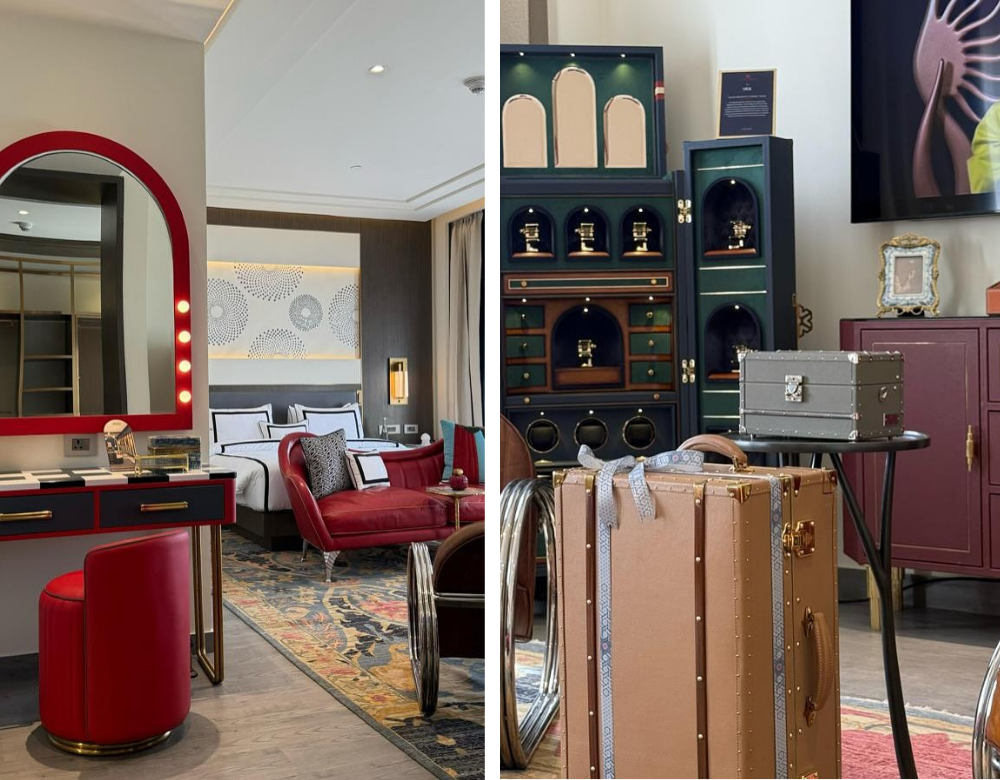
Every inch of this exclusive suite was thoughtfully crafted to capture Shah Rukh Khan’s iconic presence while also providing a warm and homely retreat. Blending retro charm, cinematic influences, and an eclectic mix of contemporary and heritage aesthetics, the suite exuded opulence with an intimate touch.

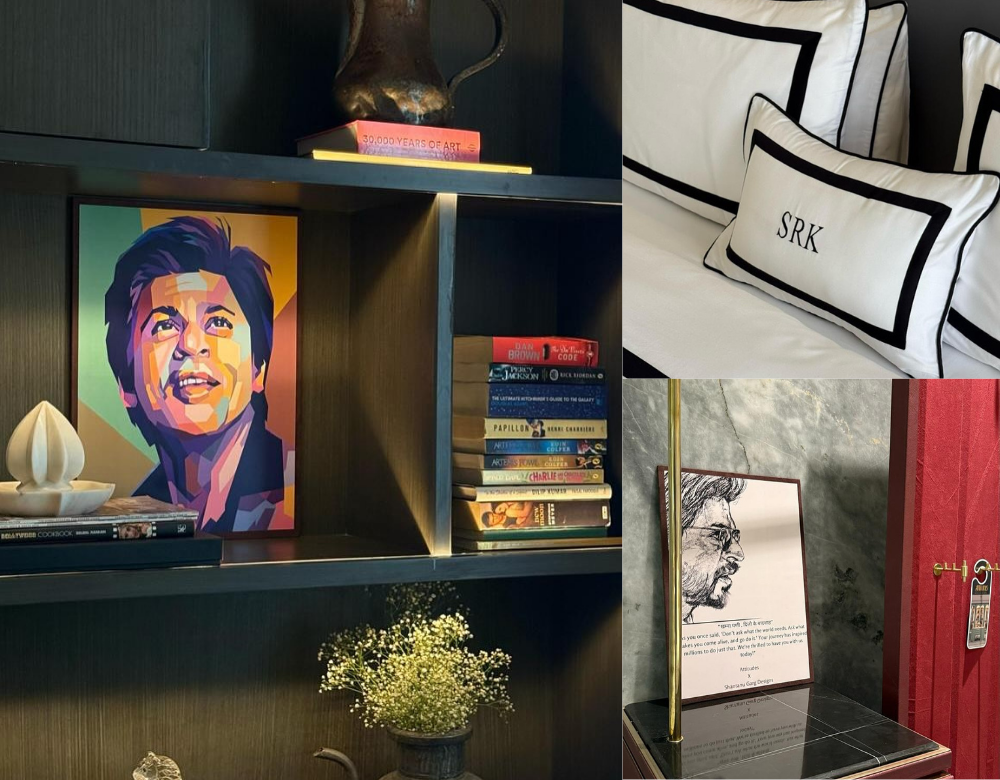
The interiors boasted a striking lounge area adorned with iconic posters from SRK’s most celebrated films, personal family portraits, and customized furniture that resonated with his refined taste. The suite was further personalized with a handpicked selection of his favorite books, treasured artifacts, and bespoke lifestyle elements.

From custom-made bed linens, bathrobes, and towels embroidered with SRK’s initials to vintage-inspired storage trunks by Trunks Company Jaipur, every detail echoed luxury and nostalgia. Jaipur Rugs provided exquisite antique carpets that added a touch of old-world sophistication, seamlessly blending the grandeur of Bollywood with the cultural richness of Jaipur.

See the visuals of the luxurious suite of Shahrukh Khan at Hyatt for the IIFA 2025 stay

A Tribute to Bollywood’s Golden Era

Inspired by the Art Deco movement, the suite was a tribute to the timeless elegance of old-school Bollywood. Given complete creative freedom, Shantanu Garg reimagined the space to reflect SRK’s aura, blending heritage and contemporary design into a seamless experience.

“I wanted the space to feel like an extension of his world—a fusion of luxury, heritage, and timeless elegance,” shared Shantanu Garg in an exclusive interview with IANS. “Art Deco was the perfect inspiration because it resonates with the grandeur of classic Bollywood while remaining modern and stylish.”

To elevate the experience further, every furnishing and decorative piece was carefully curated. Plush linens, robes, and towels were exclusively crafted by Golden Drape to provide an indulgent sensory experience. Attitudes India contributed striking Art Deco-inspired furniture and vanities, incorporating deep red tones reminiscent of grand theatre settings. Handpicked international pieces from Villa Interieur introduced a touch of global luxury, making the suite a confluence of cultural richness and modern sophistication.

See the visuals of the luxurious suite of Shahrukh Khan at Hyatt for the IIFA 2025 stay

The Thoughtful Details That Stole the Show

Among the many exquisite artifacts in the suite, one piece stood out—a rare antique rock crystal bowl, beautifully enamelled with the Arabic inscription ‘Mashallah.’ It was this unique artefact that particularly captivated Shah Rukh Khan.

“He was fascinated by it. It was such a special moment to see him connect with these thoughtful details,” shared Shantanu Garg, reflecting on the experience.

From the grand décor to the intimate, personalized touches, every aspect of this luxurious suite was designed to celebrate Shah Rukh Khan’s cinematic journey and refined persona. A space that was not just about luxury, but about storytelling—one that encapsulated the magic of Bollywood, the elegance of Art Deco, and the rich heritage of Jaipur.

See the visuals of the luxurious suite of Shahrukh Khan at Hyatt for the IIFA 2025 stay

In true royal fashion, SRK’s stay at IIFA 2025 was as iconic as the legend himself—a perfect blend of cinematic charm, cultural grandeur, and luxurious indulgence.

Amrut Biodiversity Park: Delhi’s New Green Haven on the Yamuna Floodplains

0

In a significant step toward ecological restoration, Amrut Biodiversity Park was inaugurated by Lieutenant Governor V.K. Saxena in 2025. Spanning 90 hectares along NH-24 in the Yamuna floodplains, this park is part of the Delhi Development Authority’s (DDA) initiative to rejuvenate the floodplain ecosystem. Designed to enhance green spaces in Delhi, the park also serves as a hub for environmental awareness and biodiversity conservation.

Restoring Delhi’s Floodplain Ecosystem

Before its transformation, the site was primarily agricultural land and informal settlements. The restoration project aimed to revive the natural hydrology of the floodplains while addressing flood risks. Key features of the transformation include:

  • Six water bodies with a combined capacity of 225 million litres, designed to store stormwater and reduce flood threats.
  • Jute-reinforced slopes and riverine grass communities, stabilizing the land and supporting groundwater recharge.
  • Dredging of existing catchments, ensuring effective water flow management, especially during monsoon seasons.

By restoring these vital ecological elements, the park helps mitigate the effects of urban flooding while creating a sustainable habitat for diverse flora and fauna.

A Thriving Hub for Biodiversity

One of the core objectives of Amrut Biodiversity Park is enhancing Delhi’s urban biodiversity. To achieve this, a diverse range of native trees, shrubs, and grasses has been planted:

  • 14,500 trees, including Neem, Peepal, and Mango, contributing to air purification and shade.
  • 18,000 shrubs and 3.21 lakh riverine grasses, creating a lush, green environment.
  • This diverse vegetation is expected to attract various bird species, improving the ecological balance of the region.

With its carefully curated plant species and water bodies, the park is set to become a refuge for migratory birds, pollinators, and small wildlife, reinforcing Delhi’s green cover.

Public Engagement and Recreational Spaces

Amrut Biodiversity Park is not just an environmental project—it is also designed to be an interactive public space. To foster community involvement and historical awareness, the park features:
🏞 Two dedicated public spaces along NH-24, offering Delhiites a serene retreat amidst nature.
🇮🇳 Tracks named after historic events, including the Dandi March and the First War of Independence, blending nature with India’s freedom struggle.
🚶‍♂️ Walking and jogging trails, encouraging health and wellness while immersing visitors in greenery.

By integrating nature with history, the park aims to educate visitors while promoting environmental consciousness.

Water Management: Balancing Nature and Urbanization

A key challenge in developing a park in a flood-prone area is hydrology management. The DDA has addressed this by:

  • Dredging existing water catchments to manage monsoon water levels effectively.
  • Ensuring water bodies remain visible and functional throughout the year, enhancing aesthetic and ecological benefits.
  • Using natural filtration methods to maintain water quality and support biodiversity.

This strategic water management not only sustains the park but also serves as a model for urban floodplain restoration.

Environmental Concerns and Challenges

While the Amrut Biodiversity Park has been praised for its ecological vision, it has also faced criticism from environmental activists:
Flood risks: Concerns about monsoon inundation due to the park’s location on the Yamuna floodplains.
Financial viability: Questions about long-term maintenance costs and sustainability.
Land use conflicts: Some experts argue that natural floodplains should remain untouched rather than being landscaped.

Despite these challenges, the DDA remains optimistic that the park will flourish over time, offering both environmental and recreational benefits to Delhi’s residents.

Future Developments: A Space for Nature and Community

Looking ahead, the DDA has exciting plans to enhance the visitor experience:

  • A café for visitors, providing a relaxing space for joggers and nature enthusiasts.
  • Educational programs on biodiversity conservation, engaging students and researchers.
  • Improved trails and seating areas, making the park more accessible for all age groups.

With these additions, Amrut Biodiversity Park is set to become a key landmark in Delhi’s green movement, serving as a sanctuary for nature lovers, fitness enthusiasts, and environmentalists alike.

Summing Up

The inauguration of Amrut Biodiversity Park marks a significant step in Delhi’s journey toward ecological restoration and sustainable urban development. As the park evolves, it will not only strengthen the city’s biodiversity but also serve as a model for urban green space rejuvenation across India.

With ongoing conservation efforts, community participation, and responsible management, the park has the potential to become a thriving green lung for Delhi, fostering a harmonious balance between urbanization and nature.

Madhav National Park Declared India’s 58th Tiger Reserve

0

In a major step towards wildlife conservation, Madhav National Park in Madhya Pradesh has been officially designated as India’s 58th tiger reserve. The announcement was made by Union Environment Minister Bhupender Yadav, marking the state’s continued leadership in tiger conservation. This development makes Madhav Madhya Pradesh’s ninth tiger reserve, reinforcing its status as the state with the highest number of tiger reserves in the country.

The newly declared Madhav Tiger Reserve currently houses five tigers, including two recently born cubs. To further strengthen the population, the government plans to introduce two more tigers into the park, ensuring a thriving ecosystem for these majestic big cats.

Why Tiger Reserves Matter

Tiger reserves are crucial for biodiversity conservation and play a vital role in maintaining ecological balance. These protected areas:
✔ Provide a safe habitat for tigers and other wildlife.
✔ Support the conservation of forests and water resources.
✔ Help combat poaching and illegal wildlife trade.
✔ Promote eco-tourism and community development.

The establishment of new tiger reserves reflects India’s strong commitment to environmental protection and its globally recognized success in tiger conservation under Project Tiger.

Madhav National Park: A Natural Treasure

Nestled in the Shivpuri district of Madhya Pradesh, Madhav National Park is known for its rich biodiversity and stunning landscapes. The park features:

  • Dry deciduous forests and open grasslands, providing ideal tiger habitats.
  • Scenic water bodies, including the Sakhya Sagar Lake, attracting diverse wildlife.
  • A variety of fauna, including leopards, sloth bears, chinkaras, and over 200 bird species.

The diverse ecosystem of Madhav National Park makes it a significant site for conservation, eco-tourism, and scientific research.

The Journey of Tiger Reintroduction

Madhav National Park’s elevation to tiger reserve status follows a successful reintroduction project launched in 2023. As part of this initiative:

  • Three tigers were relocated to the park to revive its tiger population.
  • The project built upon the success of similar reintroduction efforts in Panna and Nauradehi reserves.
  • Scientific monitoring and habitat restoration were implemented to ensure a sustainable tiger population.

The success of these projects highlights Madhya Pradesh’s proactive approach to wildlife conservation.

Government Initiatives and Recognition

The declaration of Madhav as a tiger reserve was widely celebrated:

  • Prime Minister Narendra Modi praised India’s efforts in wildlife conservation and the importance of protecting biodiversity.
  • Madhya Pradesh Chief Minister Mohan Yadav expressed gratitude, emphasizing the state’s leading role in preserving tigers and natural heritage.

The government remains committed to expanding tiger habitats, strengthening anti-poaching laws, and engaging local communities in conservation efforts.

Future Prospects and Conservation Challenges

As Madhav Tiger Reserve continues to evolve, efforts will focus on:

  • Increasing tiger numbers through structured conservation plans.
  • Improving park infrastructure for better monitoring and protection.
  • Engaging local communities in conservation-friendly activities.
  • However, challenges persist:
  • Poaching and human-wildlife conflicts remain threats to tiger survival.
  • Habitat loss due to deforestation and urban expansion can impact biodiversity.
  • Climate change and water scarcity could affect prey availability and habitat conditions.

To tackle these issues, stronger law enforcement, habitat restoration, and eco-tourism incentives will play a vital role in ensuring the long-term success of the Madhav Tiger Reserve.