Home Blog Page 357

Maharashtra’s Media Monitoring Centre: A Step Towards Transparency or Censorship?

0

The Maharashtra government has recently announced the establishment of a Media Monitoring Centre, a first-of-its-kind initiative aimed at scrutinizing media reports across print, electronic, and social media. Operated under the Directorate of Information and Public Relations (DIPR) with a budget of Rs 10 crore, the centre is set to track media narratives, assess public sentiment, and analyse the impact of government policies. However, the move has sparked debates over press freedom, surveillance, and ethical concerns.

Objectives of the Media Monitoring Centre

The primary goal of the centre is to monitor media coverage related to government policies and initiatives. News reports will be classified as positive, neutral, or negative, allowing authorities to track public perception. By analysing media trends, the government aims to enhance communication strategies, address misinformation, and ensure effective policy outreach.

Key Functions of the Centre

The Media Monitoring Centre will perform several crucial tasks, including:

  • Daily media tracking: Collecting PDF clippings from newspapers and monitoring news channels and social media discussions.
  • Sentiment analysis: Assessing media coverage to determine public response to government initiatives.
  • Data-driven insights: Using AI-powered analytics to generate reports on news trends and misinformation patterns.
  • Public feedback mechanism: Developing tools to gather and evaluate citizen responses to policy changes.

The Role of AI in Media Monitoring

The Maharashtra government plans to integrate AI-based systems for media surveillance. These technologies will help in:

  • Identifying fake news and misinformation.
  • Tracking narrative shifts that could influence public opinion.
  • Automating the classification of media reports for better analysis.

To strengthen its capabilities, the government is likely to partner with private consulting firms specializing in AI-driven media analysis.

Criticism and Ethical Concerns

While the government claims the initiative aims at improving transparency and accountability, critics fear it could lead to censorship and media suppression. The key concerns include:

  • Surveillance fears: Continuous media tracking might discourage critical journalism and dissent.
  • Defining misinformation: The lack of a clear framework raises concerns over potential misuse of the system.
  • Impact on press freedom: Labeling news as positive or negative could create biases, leading to an environment where journalists self-censor to avoid repercussions.

A Growing Trend: Media Monitoring Across States

Maharashtra is not the first state to implement media monitoring measures.

  • Pimpri-Chinchwad introduced a social media monitoring agency in 2024 to track digital narratives.
  • Tamil Nadu and West Bengal have also taken steps to combat fake news and online misinformation through state-led initiatives.

These developments indicate a broader national shift towards media regulation, raising questions about the balance between governance and press freedom.

Legal and Constitutional Implications

The establishment of the Media Monitoring Centre brings forth legal challenges concerning free speech and journalistic independence. Past cases, such as challenges to fact-checking units and IT Rules, highlight the risk of state-sponsored censorship. The centre’s functioning will need clear guidelines to ensure it does not violate constitutional rights.

What Lies Ahead?

The operational framework of the Media Monitoring Centre is still being developed. The DIPR is expected to release a detailed project report, clarifying:

  • The criteria for categorizing news reports.
  • Measures to prevent media bias and undue censorship.
  • Ways to engage with journalists and independent fact-checkers.

As Maharashtra moves forward with this initiative, all eyes will be on how it balances media oversight with journalistic freedoms, ensuring that it serves public interest without infringing on democratic values.
Theri Kaadu: Tamil Nadu’s Hidden Red Sand Desert

0

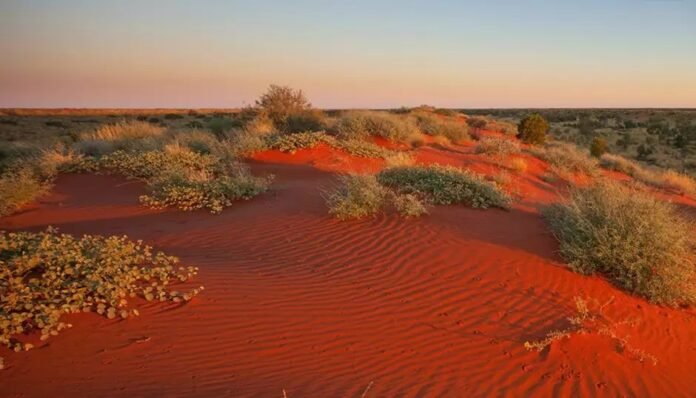
Tamil Nadu often evokes images of lush paddy fields, towering temple gopurams, and the serene coastline of the Bay of Bengal. However, nestled in the districts of Thoothukudi and Tirunelveli lies an unexpected marvel—Theri Kaadu, a striking red sand desert unlike any other in India. Spanning approximately 500 square kilometers, this unique terrain is characterized by its vibrant crimson dunes, sculpted over millennia by nature’s relentless forces.

The Geological Origins of Theri Kaadu

Theri Kaadu, which translates to ‘red dune forest,’ has a geological history dating back to the Quaternary Period. Unlike traditional deserts formed through prolonged aridity, Theri Kaadu owes its existence to the interplay of marine deposits and aeolian (wind-driven) processes.

During the Last Glacial Maximum, around 10,000 years ago, sea levels were significantly lower, exposing an extensive sea shelf. Over time, strong winds carried iron-rich sediments from this exposed shelf and the Western Ghats, depositing them along Tamil Nadu’s southeastern coast. According to Dr. Christy Nirmala Mary, head of the Department of Soil and Environment at the Agricultural College and Research Institute in Madurai, these deposits gradually accumulated, shaping the rolling dunes we see today.

The red hue of the sand is attributed to its high iron oxide content, giving Theri Kaadu its distinct appearance. Geological evidence suggests that the area was once submerged under the sea, making it a testament to Earth’s ever-changing landscapes.

What Makes Theri Kaadu Unique?

Despite its relatively small size compared to vast deserts like the Thar, Theri Kaadu is a geological anomaly. It is categorized into three distinct dune types based on proximity to the coastline:

  • Inland Theris – The most stable dunes, located farthest from the sea.
  • Near Coastal Theris – These dunes experience moderate movement due to wind and human activity.
  • Coastal Theris – The most dynamic dunes, continuously reshaped by strong southwest winds.

One of the most captivating aspects of Theri Kaadu is the ceaseless movement of its sands, making it a newly formed and constantly evolving landscape. Unlike other deserts where dunes remain relatively fixed, Theri Kaadu’s sands are in a state of perpetual motion, creating an ever-shifting topography that fascinates geologists and nature enthusiasts alike.

A Natural Laboratory for Scientific Exploration

Theri Kaadu serves as a valuable natural laboratory for studying desertification, climate change, and soil composition. The iron-rich, sandy soil has little clay content, making it difficult to distinguish distinct layers, yet its study provides crucial insights into environmental transformations over thousands of years.

Researchers employ advanced techniques like luminescence dating to determine the age of the dunes and trace their evolutionary history. The rapid infiltration rate of water in Theri soil makes irrigation challenging, limiting agricultural prospects to native trees such as palms and cashews. Experimental irrigation techniques like drip fertigation have shown promise, but high costs deter widespread adoption.

Despite its arid nature, Theri Kaadu supports a surprising array of flora and fauna. Resilient plant species, including shrubs and native trees, have adapted to the harsh conditions, forming micro-ecosystems within the dunes. The region is also home to fascinating wildlife such as the fan-throated lizard, spotted owlets, Eurasian kestrels, and the vibrant velvet poochi insect.

An Ever-Changing Testament to Earth’s History

Theri Kaadu is more than just a picturesque patch of red sand—it is a living testament to Earth’s dynamic history. From its origins in the Quaternary Period to its ongoing transformation by wind and time, this enigmatic desert continues to hold secrets waiting to be uncovered.

Beyond its scientific intrigue, Theri Kaadu is a reminder of nature’s delicate balance. As development and climate change threaten unique ecosystems worldwide, fostering awareness and encouraging sustainable exploration are crucial in preserving this geological wonder. By protecting Theri Kaadu, we ensure that future generations can marvel at this rare desert, a silent yet profound witness to the Earth’s ever-evolving narrative.

This Gurugram Nature School Teaches Kids Composting, Farming & Stargazing

0

Forest Spirit Learning: Nurturing a Love for Nature Through Hands-On Education

I haven’t yet visited Forest Spirit Learning, a nature-based educational space founded by Jyoti Raghavan in Haryana’s Sector 79, but when 13-year-old Aarush Gupta shows me his painting, I’m instantly transported there. His artwork, with its vibrant hues and intricate shading, beautifully captures the essence of this green haven.

As I admire his creation, his mother, Meenakshi, shares how rare it is for her neurodivergent son to express himself so fluently in words. His visual vocabulary has done it for him this time. She recounts his birthday visit to Forest Spirit Learning, a day when his imagination ran wild. “He wanted to draw the vegetables, the trees, the flowers—everything he saw. He even named all the shades of green he spotted in the leaves, wanting his painting to reflect them,” she explains.

Ever since, Aarush has returned to the nature school with intent—using his palette to bring the landscape to life. Jyoti interjects, smiling, “Nature has that effect. It helps you make sense of the world, no matter who you are.”

Forest Spirit Learning: A Space for Life Skills

Scrolling through the school’s Instagram page, I’m struck by an image of a barbet being cradled. The bird had crashed into a glass window and was brought to Jyoti for care. “Barbets feed on the fruit of peepal and banyan trees. The locals wanted it re-homed on the nearby peepal tree,” she shares.

A few days of rest, recovery, and food nursed the bird back to health. But this isn’t an isolated act of kindness. Over the years, Jyoti has extended the same care to snakes, barn owls, mongooses, squirrels, and garden lizards. Her goal is clear—to make nature a mainstay in everyday conversations.

Today, students from across Delhi and Gurugram flock to the space, reveling in its greenery and hands-on lessons. When they’re not learning about organic farming, they’re harvesting vegetables, and when that’s done, they feast on their bounty. More than just a farm-to-table experience, Jyoti sees this as a way to reconnect children with their roots.

Since its inception, Forest Spirit Learning has welcomed over 200 children. Some visit for a picnic, others as homeschoolers eager to learn new skills, and some even come to stargaze. On January 25, the ‘school’ saw 150 attendees—both adults and children—gathering to witness the rare planetary parade through a telescope. But even when celestial events aren’t unfolding, there’s always something happening on the land.

Sustainable Architecture: Learning from the Past

A typical student tour begins with an introduction to the school’s architecture, built by Jyoti with help from volunteers from Nepal, Italy, the UK, the US, South Africa, and Australia. The structure stands as a testament to sustainability, crafted from mud, bamboo, and beer bottles—sourced from Gurugram’s off-licences.

“I wanted this space to cause minimal damage to the land,” she explains. The construction follows a water-based method, using mud and bamboo coated with clay. This ensures durability while keeping the interiors warm in winter and cool in summer. The beer bottles embedded in the walls serve an aesthetic purpose, filtering sunlight and casting colorful shadows on the floor.

“Most of these children have only seen concrete and cement constructions,” Jyoti notes. “Here, they learn about sustainable architecture and why the only way forward is to look back at traditional techniques.”

Plant Identification: Reconnecting with Nature

Next comes the ‘plant identification tour.’ Jyoti fondly recalls her childhood, spent climbing trees and exploring gardens filled with guava, mango, jamun, and banana trees. “Back then, we didn’t have apartment complexes. Our single-storied homes had vast verandas where we could identify different plants. I want to pass this skill on.”

“Smell the leaves,” she urges the students. “The scent will help you distinguish toxic plants from edible ones.” She highlights a common irony—many children consume basil in pasta and bay leaves in biryani but cannot identify them in nature. Teaching them about their food sources fosters a deeper appreciation for what they eat.

This lesson extends to the kitchen, where students observe the organic waste lifecycle. Composting and bio-enzyme making are taken seriously at Forest Spirit Learning, reinforcing the ethos of sustainability.

Hands-On Learning: A Curriculum Rooted in Nature

Beyond farming and plant identification, Jyoti envisions expanding the curriculum to include essential life skills—cooking, sewing, mending, carpentry, electrical work, and plumbing. The children embrace these hands-on experiences, evident in the enthusiasm surrounding an ‘insect hotel building workshop.’

“Pollinators were emerging from hibernation, so we had children build a home for them—a little hotel for insects,” Jyoti explains. This concept of ecosystems is also reflected in the campus pond. “I love dragonflies, so I dug a pond. The stagnant water attracted mosquitoes, whose larvae drew dragonflies. Then came frogs, followed by kingfishers, and soon, other birds.”

From Garden to Plate: A Lesson in Mindful Consumption

The tours always end with a meal, but not before the children harvest their own vegetables. Overwhelmed by the idea, they often get carried away. “Take only what you can finish eating,” Jyoti reminds them. “Everything is a resource, and nothing should be wasted.”

The vegetable patch brims with cauliflower, cabbage, broccoli, onions, potatoes, garlic, fenugreek, radish, brinjal, lettuce, tomatoes, and chillies. The freshly picked produce is served alongside traditional dishes—bajra rotis, chutneys, buttermilk, mustard greens, and lentils—prepared by local cooks.

Having nurtured this land, Jyoti has learned a fundamental truth: nature just needs one chance to bounce back. “If you give it that chance, you’ll witness magic.”

A Vision for the Future

Jyoti’s journey began long before Forest Spirit Learning took root. Having grown up surrounded by trees, she developed a deep affinity for forests. Her move from Delhi to Gurugram seven years ago ignited her advocacy for the protection of the Aravalli range—a mountainous region threatened by rampant mining. Her environmental efforts soon led her to a realization: “How can children be taught to save forests when they don’t even know what a forest is?”

This question inspired her to create Forest Spirit Learning, a space where education extends beyond textbooks.

As the tour comes to an end, Aarush, who has been sketching throughout, unveils his latest masterpiece. It is a vision of the world he wants to live in—one filled with shades of green.

And in that moment, it’s clear: Forest Spirit Learning isn’t just teaching children about nature. It’s inspiring them to dream of a greener future.

Minimum Dietary Diversity Indicator: A New Global Standard for Nutrition Assessment

0

The United Nations Statistical Commission has recently adopted the Minimum Dietary Diversity (MDD) Indicator, a significant step towards tracking global nutrition progress. This new measure aligns with Sustainable Development Goal 2 (SDG 2), which aims to achieve zero hunger by 2030. By focusing on the variety of foods consumed, MDD shifts the emphasis from mere calorie intake to diet quality and nutrition security.

Understanding Minimum Dietary Diversity

The Minimum Dietary Diversity Indicator assesses the variety of foods consumed by individuals over a 24-hour period, ensuring a broader understanding of diet quality. The indicator is based on the consumption of ten specific food groups, including:

  • Grains
  • Pulses
  • Dairy
  • Meat
  • Fish
  • Eggs
  • Dark green leafy vegetables
  • Vitamin A-rich fruits and vegetables
  • Other fruits
  • Other vegetables

By incorporating these diverse food groups, MDD helps evaluate whether individuals are receiving adequate micronutrients essential for health and well-being.

The Importance of Dietary Diversity

Dietary diversity plays a crucial role in preventing micronutrient deficiencies and ensuring overall health. Vulnerable groups, particularly children and women of reproductive age, are at higher risk of malnutrition due to limited access to diverse foods. A lack of dietary diversity can lead to severe health consequences, including stunted growth, weakened immune systems, and increased susceptibility to non-communicable diseases (NCDs).

Implementation and Monitoring

The Food and Agriculture Organization (FAO) and the United Nations Children’s Fund (UNICEF) will jointly manage the MDD indicator. The indicator will primarily focus on two key population groups:

  • Children aged 6-23 months
  • Women of reproductive age (15-49 years)

Countries that already collect dietary data can integrate the MDD indicator into their public health policies and nutrition programs, enabling data-driven decision-making to improve food security and health outcomes.

Global Significance

With its adoption, the MDD indicator joins nearly 250 indicators monitored under the Sustainable Development Goals (SDG) framework. This development highlights the increasing recognition of healthy diets as a cornerstone of sustainable food systems. The MDD indicator will provide essential data for policymakers, researchers, and development agencies, helping shape evidence-based nutrition interventions worldwide.

Future Implications

The integration of MDD into global nutrition tracking mechanisms allows countries to benchmark their progress in promoting healthy diets. As food systems continue to evolve, the emphasis on dietary diversity will persist beyond the SDG era, influencing future health and nutrition policies. Governments and stakeholders must invest in nutrition-sensitive agriculture, education, and food fortification programs to ensure sustainable dietary improvements for all.

By prioritizing nutrient-rich food consumption, the Minimum Dietary Diversity Indicator reinforces the global commitment to achieving better nutrition and food security, ultimately fostering healthier populations and sustainable development worldwide.

Beat the Heat: Natural Ways to Keep Your Home Cool Without an AC

0

As temperatures soar, keeping your home cool can feel like a daily battle—especially if you’re trying to cut down on electricity bills and stay eco-friendly. While air conditioners provide instant relief, they aren’t the most sustainable or affordable solution.

Luckily, there are simple, cost-effective ways to bring down indoor temperatures naturally. Here’s how you can beat the heat without relying on an AC:

1. Switch to Bamboo Curtains or Khus Mats

Ditch those heavy, heat-trapping curtains and opt for bamboo blinds or khus (vetiver) mats. Not only do they provide shade, but when sprinkled with water, khus mats release a refreshing earthy fragrance while naturally cooling the air that enters your home. This is an age-old trick that can make a significant difference in indoor comfort.

2. DIY Natural Coolers with Earthen Pots

Storing drinking water in matkas (clay pots) keeps it naturally cool—no refrigerator needed! Beyond hydration, earthenware has excellent cooling properties. You can also place shallow trays of water near windows or balconies. As the water evaporates, it cools the surrounding air, creating a soothing effect similar to an evaporative cooler.

3. Cross Ventilation and Early Morning Breeze

Make the most of nature’s cooling system! Open your windows early in the morning and late in the evening to let fresh air flow through. During peak heat hours, keep them shut to prevent hot air from entering. This simple trick can significantly lower indoor temperatures by promoting airflow and preventing heat buildup.

4. Use White or Light-Coloured Fabrics

While black may be stylish, it’s not the best choice for a cool home. Opt for light-coloured cotton bedsheets, cushion covers, and curtains. These fabrics reflect heat rather than trapping it, helping to maintain a fresh and airy environment. Choosing breathable textiles also enhances comfort, making your home feel naturally cooler.

5. Indoor Plants for Natural Cooling

Bring in some green companions! Plants like aloe vera, areca palms, snake plants, and money plants don’t just purify the air—they also help lower indoor temperatures. Placing them strategically near windows and seating areas can create a naturally cooler environment while adding a touch of tranquility to your home.

Stay Cool the Natural Way

With these easy, budget-friendly hacks, you can keep your home cool while staying kind to the planet and your wallet. Whether it’s through smart ventilation, eco-friendly materials, or the soothing presence of greenery, embracing these natural methods ensures a refreshing indoor space even in the peak of summer.

No AC? No problem! Keep it cool, the sustainable way.

Beyond Colours: The Most Unique Holi Celebrations Across India

0

Holi Across India: A Tapestry of Colors and Traditions

Holi, the festival of colors, joy, and togetherness, is one of the most anticipated celebrations in India. Marking the arrival of spring and symbolizing the victory of good over evil, Holi is known for its playful splashes of color. However, across different regions of India, this festival is celebrated with unique traditions, each adding a distinct cultural flavor. Let’s take a vibrant journey through some of India’s most unique Holi celebrations.

1. Lathmar Holi – Barsana, Uttar Pradesh

In the small town of Barsana, Holi takes an exhilarating turn with Lathmar Holi. Rooted in the legend of Lord Krishna playfully teasing his beloved Radha and her companions, this tradition sees men from Nandgaon visiting Barsana, only to be welcomed with playful beatings by women armed with lathis (sticks). The men attempt to shield themselves while engaging in witty banter, making this celebration both lively and entertaining. The spirited festivity, filled with laughter, music, and vibrant colors, makes Lathmar Holi an unforgettable experience.

2. Holi with Flowers – Vrindavan, Uttar Pradesh

Vrindavan, the land of Lord Krishna, offers a fragrant and serene version of Holi, known as Phoolon wali Holi (Holi with Flowers). Here, the usual powdered colors are replaced with showers of delicate marigold, rose, and jasmine petals. Devotees gather in temples, immersing themselves in this divine floral festivity. The air is filled with the soothing aroma of fresh blossoms, creating a peaceful and spiritual celebration that beautifully mirrors Krishna’s playful exchanges with Radha.

3. Shigmo – Goa

In Goa, Holi blends with local Goan culture and is celebrated as Shigmo, a festival of dance, music, and grand street processions. While colors are an integral part of the celebration, what sets Shigmo apart is its spectacular parades. Dancers in vibrant costumes perform folk routines, while mythological stories come to life through beautifully crafted floats. The carnival-like atmosphere turns Goa into a cultural paradise, where the joy of Holi is accompanied by the rhythmic beats of traditional drums and folk songs.

4. Royal Holi – Udaipur, Rajasthan

Holi in Udaipur is a majestic affair, known as Royal Holi, celebrated within the grandeur of the City Palace. The royal family of Udaipur hosts elaborate festivities, which begin with a traditional Holika Dahan (bonfire) ceremony, followed by a regal procession featuring decked-up horses and elephants. The celebration extends to the people of Udaipur, with vibrant colors, Rajasthani folk music, and lively dance performances bringing the city to life. It’s a mesmerizing blend of heritage and Holi’s joyful spirit, offering a royal touch to the festival.

5. Basanta Utsav – Shantiniketan, West Bengal

At Shantiniketan, Holi transforms into an artistic and cultural spectacle called Basanta Utsav (Spring Festival). Introduced by Nobel laureate Rabindranath Tagore, this version of Holi is a tribute to art, literature, and nature. Dressed in yellow, students and teachers of Visva-Bharati University perform mesmerizing renditions of Tagore’s songs and dances, celebrating the arrival of spring with elegance and creativity. Unlike the boisterous celebrations seen elsewhere, Basanta Utsav is a serene, poetic embrace of colors, art, and harmony.

6. Manjal Kuli – Kerala

In Kerala, Holi takes a unique and sacred form as Manjal Kuli, where turmeric (manjal) replaces conventional colors. Participants joyfully smear each other with turmeric paste, leaving a golden-yellow glow on their skin. Deeply rooted in devotional practices, this celebration is observed in temples like the famous Sri Krishna Temple in Guruvayur. The use of turmeric, known for its purifying properties, reflects Kerala’s blend of spirituality and festivity, making Manjal Kuli a vibrant yet deeply meaningful celebration.

A Festival of Many Colors and Cultures

From the playful Lathmar Holi of Barsana to the regal Royal Holi of Udaipur and the artistic Basanta Utsav of Shantiniketan, Holi in India is a festival of diverse traditions. Each region brings its own essence to the celebration, making Holi a true representation of India’s cultural richness. Whether you prefer the boisterous splashes of color or the gentler floral and musical variations, there’s a Holi celebration for everyone to revel in.

So, which version of Holi would you love to experience first? Happy Holi!

POLG Mitochondrial Disease

0

Prince Frederik of Luxembourg: A Legacy of Strength and Advocacy

On March 1, 2025, Prince Frederik of Luxembourg passed away in Paris at the age of 22 after a long and courageous battle with POLG mitochondrial disease. His family announced the heartbreaking news, honoring his resilience and dedication to raising awareness about this rare genetic disorder. Diagnosed at the age of 14, Prince Frederik turned his struggle into a mission, founding The POLG Foundation in 2022 to advocate for research and support for those affected by the disease.

Understanding POLG Mitochondrial Disease

POLG mitochondrial disease is a severe genetic disorder caused by mutations in the POLG gene, which plays a crucial role in mitochondrial DNA replication. Mitochondria are responsible for cellular energy production, and any disruption to their function can lead to significant health complications. The disorder manifests in a range of symptoms, including muscle weakness, seizures, liver dysfunction, and progressive multi-organ failure, making it challenging to diagnose and treat.

Symptoms and Diagnosis

Symptoms of POLG disease vary widely, from mild to life-threatening. Common indicators include:

  • Muscle weakness and fatigue
  • Visual impairment
  • Neurological decline, including seizures
  • Liver dysfunction
  • Coordination and movement difficulties

Because the symptoms affect multiple organ systems, diagnosis is often delayed, with many patients receiving a correct diagnosis only after significant disease progression. Genetic testing remains the most effective method for confirming the presence of POLG mutations.

The Challenges of Treatment

Currently, there is no cure for POLG mitochondrial disease, and treatment options focus primarily on managing symptoms and improving quality of life. Each patient may experience different manifestations of the disease, requiring individualized care plans. Research is ongoing to find better therapeutic solutions, but the complexity of the disorder makes it a challenging medical puzzle.

Prince Frederik’s Lasting Impact

Despite his battle with the disease, Prince Frederik remained an unwavering advocate for medical research. Through The POLG Foundation, he sought to raise awareness, fund research initiatives, and support families affected by the disorder. His legacy continues to inspire the scientific community and those fighting for a cure.

Honoring His Memory

Prince Frederik’s passing is a profound loss, but his determination and advocacy efforts leave behind a powerful message of hope. His work will continue through The POLG Foundation, ensuring that his dream of better treatments—and one day, a cure—lives on.

For more information on The POLG Foundation and how to contribute to ongoing research, visit their official website or follow updates on social media platforms.

IIFA 2025: Where & When to watch

0

IIFA 2025: Celebrating 25 Glorious Years of Indian Cinema in Jaipur

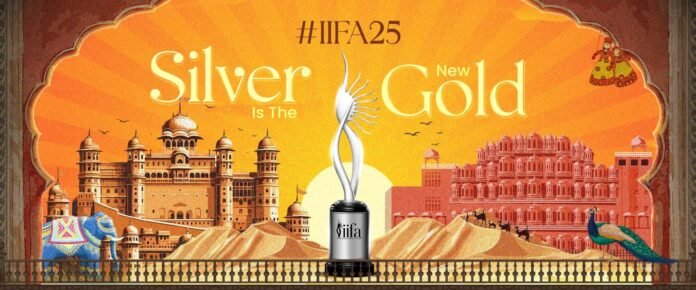
Silver is the New Gold! This year, the International Indian Film Academy (IIFA) Weekend & Awards marked a historic milestone, celebrating 25 years of cinematic brilliance. The grand Silver Jubilee Edition of IIFA 2025 unfolded in the heart of Rajasthan’s cultural capital, Jaipur, on March 8th–9th, 2025. The event was presented by NEXA and co-presented by Sobha Realty, with the Sobha Realty IIFA Digital Awards co-presented by NEXA.

A Star-Studded Extravaganza in Jaipur

Set against the breathtaking grandeur of Jaipur’s heritage, IIFA 2025 was a spectacle to behold. Bollywood’s biggest superstars, South Indian cinema icons, OTT sensations, and global dignitaries gathered under one roof to celebrate the artistry, innovation, and timeless magic of cinematic storytelling. Fans, media representatives, and industry stalwarts experienced an unforgettable weekend filled with glamour, entertainment, and unforgettable performances.

From dazzling red carpet moments to power-packed dance performances, the event was a testament to the influence and global reach of Indian cinema. The celebration paid homage to the past while embracing the future, reinforcing the IIFA brand as a benchmark of excellence in the film industry.

Telecast Details – When & Where to Watch

Missed the grand event? Don’t worry! Audiences worldwide can now relive the magic of IIFA 2025 from the comfort of their homes. Catch the exclusive telecast of the awards on ZEE TV SD & ZEE TV HD and witness the biggest names in the industry come together for Indian cinema’s most prestigious celebration.

Stay Connected for More Updates

For those eager to stay updated with exclusive highlights, behind-the-scenes moments, and interviews, follow IIFA on their official platforms:

Media Queries

For media-related inquiries, please contact: Archana Pradhan
Email: Archana.pradhan@iifa.com
Festival PR: iifa.festivalpr@iifa.com

As IIFA turns 25, it continues to evolve, inspire, and push the boundaries of cinematic excellence. Here’s to another quarter-century of celebrating Indian cinema on the global stage!

Mahila Samriddhi Yojana: A Step Towards Women’s Economic Empowerment

0

On International Women’s Day 2025, the newly elected BJP government in Delhi launched the Mahila Samriddhi Yojana, a transformative scheme aimed at providing financial assistance to women from economically weaker sections. Under this initiative, each eligible woman will receive a monthly allowance of ₹2,500, reinforcing the government’s electoral promise to promote women’s economic stability and upliftment.

Key Features of the Scheme

  • Target Beneficiaries: Women aged 21 to 60 years.
  • Income Criteria: Annual income must be up to ₹3 lakh.
  • Budget Allocation: The Delhi government has earmarked ₹5,100 crores for the successful execution of this initiative.
  • Primary Objective: To provide financial independence to women, particularly those from underprivileged backgrounds.

Registration Process

A dedicated portal will be launched for online registration, making the application process seamless and accessible. The Delhi government will soon provide detailed guidelines on the registration procedure to ensure maximum participation from eligible women.

Implementation Committee

To ensure the efficient execution of the Mahila Samriddhi Yojana, the government has formed a high-level committee, led by Chief Minister Rekha Gupta. The committee also includes three key ministersKapil Mishra, Ashish Sood, and Pravesh Verma – who will oversee eligibility criteria and ensure the smooth functioning of the scheme.

Significance of the Scheme

The Mahila Samriddhi Yojana is a landmark initiative in the journey towards gender equality and women’s empowerment. By offering direct financial assistance, this scheme is expected to enhance the socio-economic conditions of women from disadvantaged communities, enabling them to lead self-reliant and dignified lives.

Other Cabinet Decisions

Apart from this women-centric initiative, the Delhi Cabinet has also taken crucial decisions in its first session of the eighth Assembly, including:

  • The approval of the Ayushman Bharat health insurance scheme for Delhi residents.
  • The discussion of 14 pending CAG reports, addressing financial and governance issues.

With its progressive policies, the Delhi government continues to focus on inclusive development, ensuring that women from all economic backgrounds receive equal opportunities for growth and prosperity.

A First Timer’s Guide To Pushkar’s Iconic Holi Celebrations

0

Pushkar, one of Rajasthan’s most vibrant cities, is set to host the Holipuram Pushkar Festival 2025 from March 13-15. This year’s festival will feature electrifying performances by artists and musicians like Belik Boom, Technical Whisper, Nathoo Lal Solanki and Group, Abi Tribe, and Rumi. While Pushkar is widely recognized for its famous Camel Fair, held during the Hindu month of Kartika (October/November), it also holds the distinction of housing one of the few Brahma temples in the world. Holi in Pushkar is not just a celebration—it’s an immersive experience that will stay with you forever. If you’re visiting for the first time, get ready for a sensory overload like no other! Here’s everything you need to know to make the most of this festival.

Why Pushkar’s Holi Is Famous

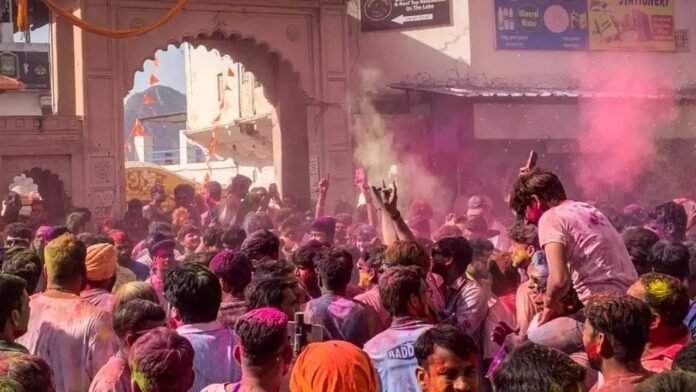
Unlike most places where Holi begins in the late morning, Pushkar kicks off its celebrations at 6 AM. The town is already drenched in colors as music fills the air. The day starts with prayers at the Brahma temple, followed by a sacred dip in the lake surrounding it. A procession with the idol of Lord Krishna then winds through the city’s narrow streets, leading up to the main Holi celebrations at Brahma Chowk. Thousands of locals and travelers gather here to dance to Bollywood beats, trance music, and traditional drum circles.

Apart from its spiritual essence, Pushkar also hosts some of the most vibrant Holi parties, featuring live music, rain dances, and an electrifying atmosphere. If you’re looking for a more exclusive experience, many rooftop parties offer stunning views of the city while you celebrate. However, booking in advance is recommended.

Holi and bhang lassi (a cannabis-infused yogurt drink) often go hand in hand, and Pushkar’s street vendors sell it abundantly. While it may seem like harmless fun, bhang can be stronger than expected, so it’s essential to consume responsibly to ensure a safe and enjoyable experience.

A First Timer's Guide To Pushkar's Iconic Holi Celebrations

How To Reach Pushkar

By Air

The nearest major airport is Jaipur International Airport, located approximately 146 km away. While Ajmer Airport is closer, it has limited flight options.

By Train

The closest railway station to Pushkar is Ajmer Junction, situated about 11 km away. From Ajmer, you can hire a taxi or take a local bus to reach Pushkar.

With its unique blend of spirituality and celebration, Holi in Pushkar is an event like no other. Whether you want to soak in the cultural traditions or dance the day away, this festival offers an unforgettable experience for every traveler.