China is advancing plans for a massive 120-kilometre undersea high-speed rail tunnel across the Bohai Strait, aimed at connecting the coastal cities of Dalian and Yantai in just 40 minutes. The proposed project, known as the Bohai Strait Cross-Sea Channel, represents one of the most ambitious infrastructure initiatives under evaluation within the country’s rapidly expanding transport network.
High-Speed Rail Link Beneath the Sea
The project envisions a dedicated high-speed rail tunnel beneath the Bohai Strait, linking Liaoning and Shandong provinces. Designed for trains operating at speeds exceeding 250 km/h, the corridor would drastically reduce travel time between the two cities. At present, the journey depends on ferries or long detours around the Bohai Sea, often taking several hours.
Transforming Regional Connectivity
The proposed tunnel would integrate Dalian—a major industrial and port hub—with Yantai, a key centre in Shandong’s maritime economy. By replacing ferry-based transport with a fixed rail link, the project aims to enhance economic integration across the Bohai Rim region. It is also expected to strengthen both freight and passenger movement within northern China’s high-speed rail network.
Engineering Challenges and Design Features
Constructing a tunnel of this scale presents significant engineering challenges, including complex seabed geology, fault lines, and seismic risks. The proposed design incorporates artificial islands and vertical shafts to support ventilation, emergency access, and construction logistics. Engineers must also account for environmental factors such as seasonal sea ice and dense maritime traffic to ensure long-term safety and structural resilience.
Important Facts
The Bohai Strait lies between the Liaodong and Shandong peninsulas in China
High-speed rail systems typically operate at speeds above 250 km/h
Subsea tunnels require advanced ventilation, evacuation, and safety systems
The Channel Tunnel between the United Kingdom and France is among the longest existing subsea tunnels
Project Status and Future Outlook
The Bohai Strait Cross-Sea Channel is currently in the feasibility and evaluation stage, with ongoing studies focusing on environmental impact, route alignment, and cost assessment. The investment is expected to be substantial, potentially amounting to hundreds of billions of yuan.
If completed, the tunnel would rank among the world’s longest undersea rail links and mark a significant milestone in large-scale infrastructure development.
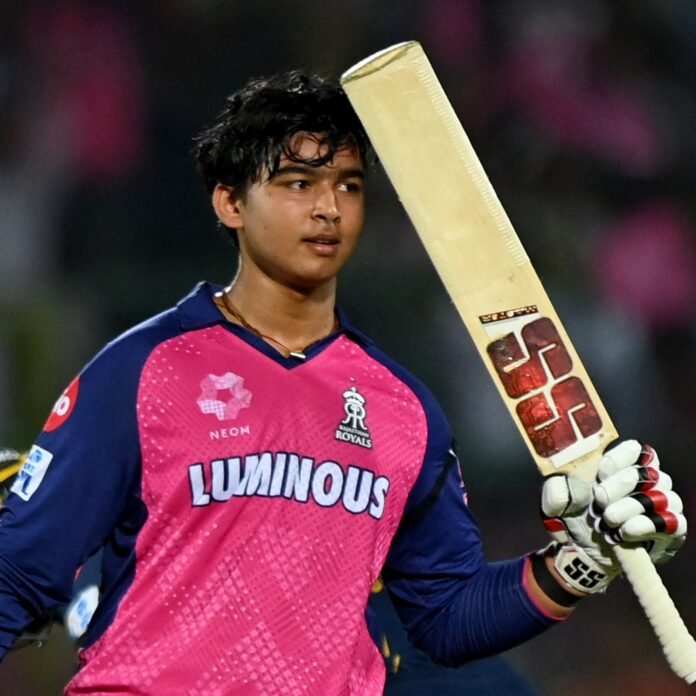
At an age when most teenagers are just beginning to dream, Vaibhav Sooryavanshi has already turned those dreams into record-breaking reality. Emerging from the small town of Tajpur in Bihar, this young cricketer has taken the Indian cricketing world by storm with his fearless batting and extraordinary achievements at an incredibly young age.
Early Life and Background
Born on March 27, 2011, Vaibhav Sooryavanshi showed signs of brilliance from a very early age. Growing up in Bihar—a state not traditionally known for producing cricketing stars—his journey was anything but easy. Limited infrastructure, fewer opportunities, and intense competition made his rise even more remarkable.
With strong family support and relentless dedication, Vaibhav began training as a child, quickly gaining attention in local circuits for his aggressive batting style and natural talent.
A Meteoric Rise in Domestic Cricket
Vaibhav’s breakthrough came when he made his first-class debut for Bihar at just 12 years old—an achievement that immediately placed him in the national spotlight. His fearless approach and ability to dominate bowlers far more experienced than him set him apart.
He further cemented his reputation by scoring a stunning 58-ball century for India U-19 against Australia U-19 in Chennai, marking one of the fastest hundreds in youth Test cricket for India. His performances signaled the arrival of a rare talent—one capable of competing at the highest levels despite his age.
IPL Stardom at 14
The defining moment of his young career came in the Indian Premier League when he was picked up by Rajasthan Royals for ₹1.1 crore in the 2025 mega auction. At just 14, Vaibhav made history by becoming one of the youngest players ever to debut in the league.
But he didn’t stop at just making an appearance—he made headlines. In a sensational performance against the Gujarat Titans, he smashed a breathtaking 101 runs off just 38 balls, becoming the youngest centurion in men’s T20 cricket. His innings, filled with fearless strokes and maturity beyond his years, stunned fans and experts alike.
Batting Style and Strengths
A left-handed batsman, Vaibhav is known for his aggressive, high strike-rate approach. He plays with confidence and flair, often taking on top bowlers without hesitation. His ability to attack even elite names like Jasprit Bumrah early in his innings reflects his fearless mindset and exceptional skill.
Why He’s Making Headlines
Vaibhav Sooryavanshi is not just another young talent—he is a phenomenon. His age-defying achievements, record-breaking performances, and calmness under pressure have made him one of the most talked-about names in Indian cricket.
From a small-town boy in Bihar to a national sensation, his journey represents hope, talent, and the changing landscape of Indian cricket where age is no longer a barrier to excellence.
The Road Ahead
As of 2026, Vaibhav is widely regarded as a future star for India, with growing calls for his inclusion in the senior national team. If his current trajectory continues, he could soon don the Indian jersey on the international stage.
Conclusion
Vaibhav Sooryavanshi’s story is one of talent meeting opportunity at the right time. His rise is not just inspiring—it is historic. In a cricket-loving nation constantly searching for its next superstar, this teenage prodigy from Bihar might just be the future of Indian cricket.
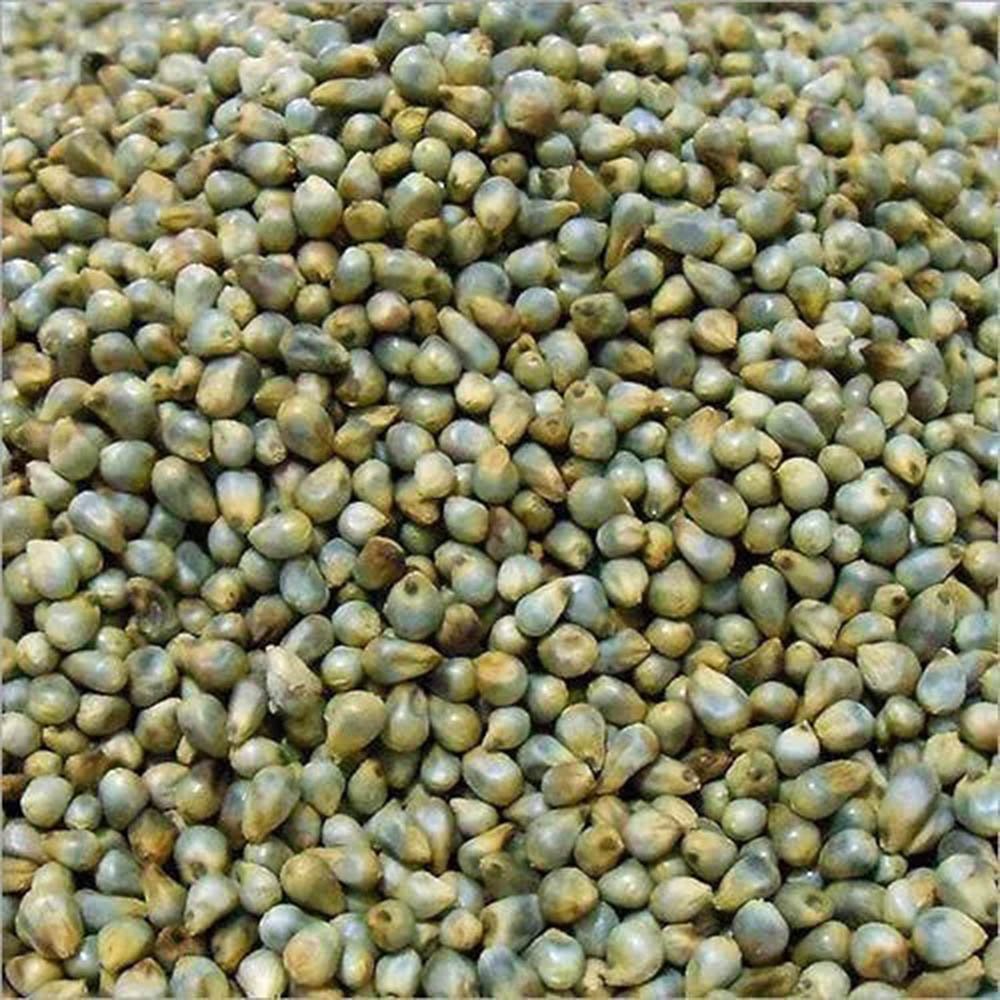
Once dismissed as a “poor man’s food,” bajra (pearl millet) is reclaiming its place on plates across Rajasthan—and beyond. What was traditionally a staple in arid regions is now being rediscovered as a nutrient-dense superfood, backed by both modern nutrition science and climate-conscious eating trends.
Why Bajra Is Making a Comeback
The resurgence of bajra is driven by a mix of health awareness, sustainability, and a return to traditional diets. Rich in protein, fiber, and essential minerals like magnesium, iron, and zinc, bajra offers a powerful nutritional profile that rivals many imported “superfoods.”
Unlike refined grains, bajra has a low glycaemic index, meaning it releases energy slowly and helps maintain stable blood sugar levels—making it especially beneficial in preventing lifestyle diseases like diabetes and heart conditions.
Equally important is its environmental advantage. Bajra is drought-resistant and thrives in Rajasthan’s harsh climate with minimal water, making it a sustainable crop in the face of climate change. This aligns with the growing “eat local, eat sustainable” movement, pushing millets back into urban kitchens.
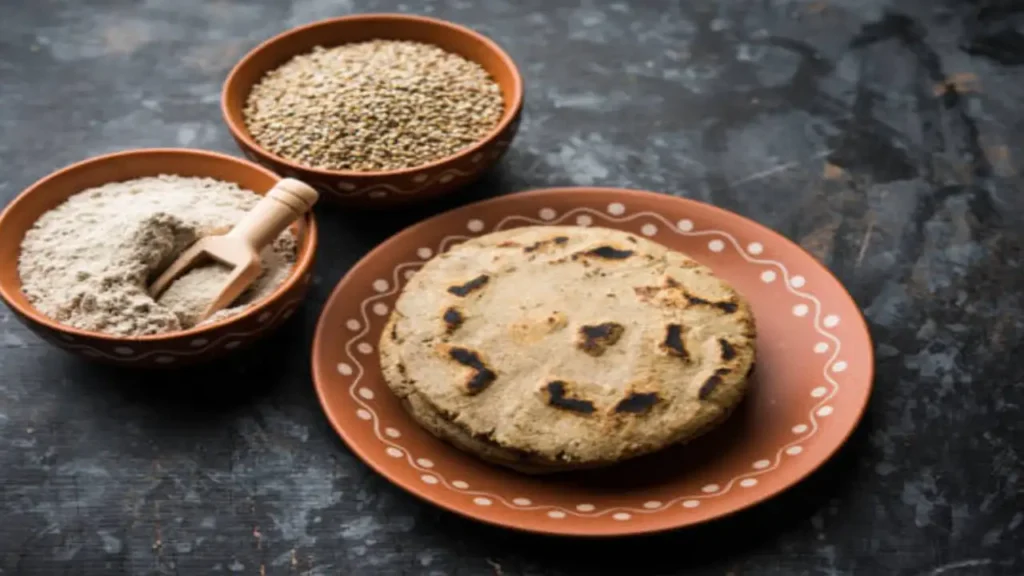
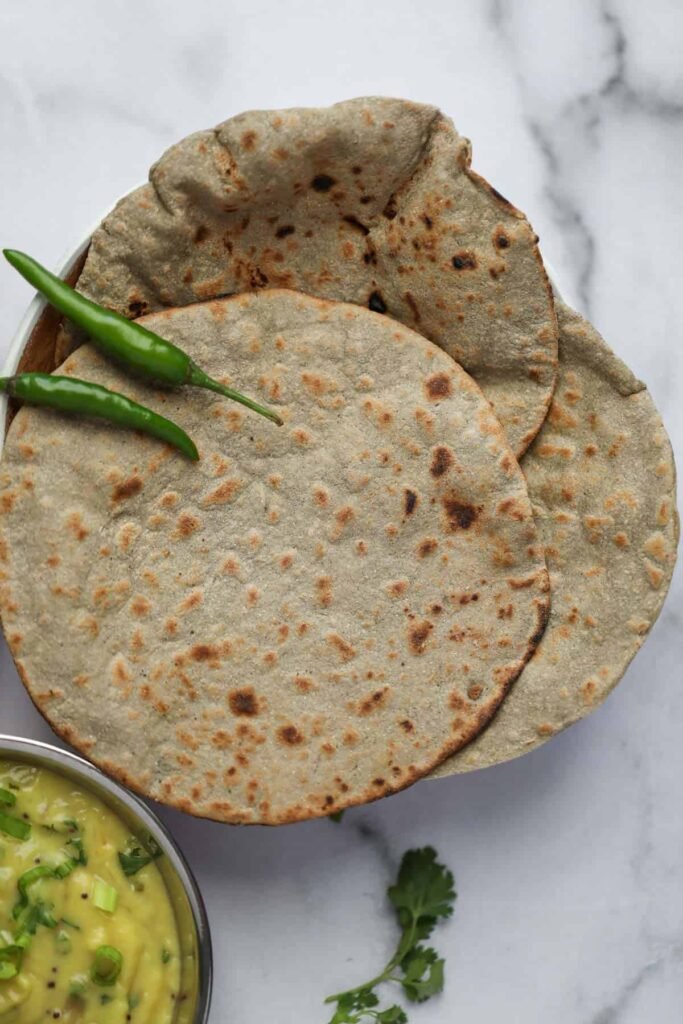
There’s also a cultural revival at play. Traditional foods like bajra roti, khichdi, and raab are being rebranded as wholesome and heritage-rich, finding space in both home kitchens and upscale menus.
Why Bajra Works in Summers
While bajra is often associated with winter for its warming properties, certain preparations make it equally valuable in summer—especially in Rajasthan.
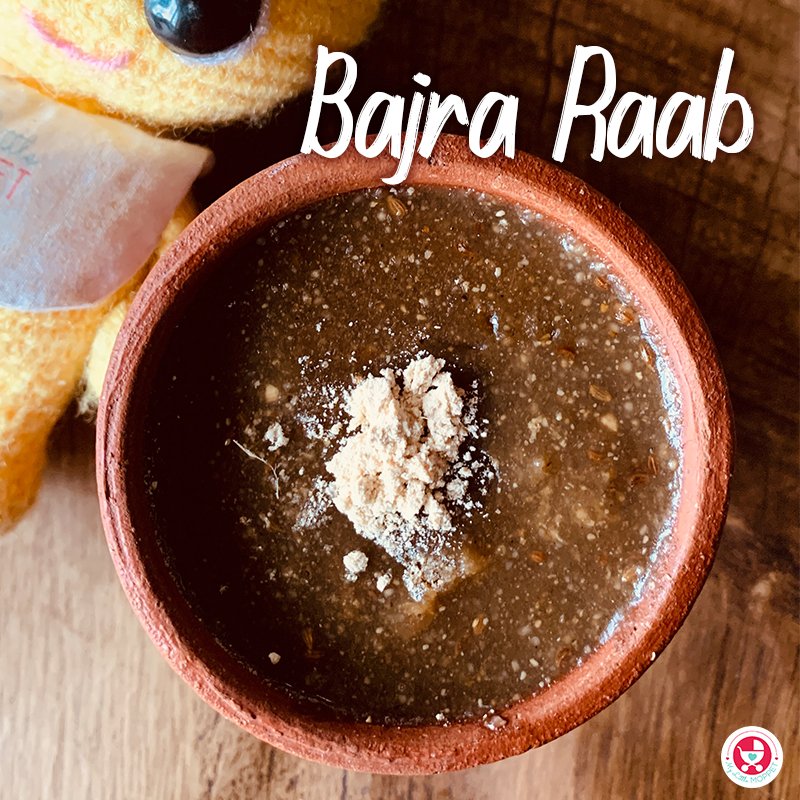
One standout example is bajre ki raab, a fermented drink recommended even by food authorities as a natural way to combat heatwaves. It helps cool the body, improve hydration, and maintain gut health during extreme temperatures.
Nutritionally, bajra supports summer health in several ways: ●Sustained energy: Its complex carbohydrates provide long-lasting energy without heaviness—ideal in hot weather when digestion slows down. ●Gut-friendly fiber: Helps digestion and prevents common summer issues like bloating and acidity. ●Rich in minerals: Magnesium and potassium support hydration and muscle function, crucial in heat. ●Gluten-free and light: Easier on the stomach compared to wheat-heavy meals. A Grain Rooted in the Future
The comeback of bajra is not just a health trend—it’s a return to wisdom shaped by geography and generations. In Rajasthan, where survival once depended on hardy crops, bajra was never just food; it was resilience on a plate.
Today, as modern lifestyles seek nutrition, sustainability, and authenticity, bajra bridges the past and the future—proving that sometimes, the best superfoods are the ones we’ve known all along.
Observed annually on April 15, World Art Day is a global tribute to creativity and the enduring power of artistic expression. The date commemorates the birth anniversary of Leonardo Da Vinci , whose genius symbolises the intersection of art, science, and imagination.
Theme for 2026
The theme for World Art Day 2026, “A Garden of Expression: Cultivating Community Through Art,” beautifully captures the essence of art as a unifying force. It emphasizes how creativity can nurture connections, foster dialogue, and build inclusive communities across cultures and borders.
Significance of the Day
World Art Day was established by the International Association of Art and is supported by UNESCO to promote awareness about the importance of art in society. The day highlights art not merely as a form of aesthetic expression, but as a vital tool for education, cultural preservation, and social change.
Art has always been a mirror of civilization—from prehistoric cave paintings to modern digital installations—capturing emotions, ideas, and histories that transcend time. It plays a crucial role in shaping identities and preserving the cultural heritage of communities around the world.
Global Celebrations
Across continents, World Art Day is marked with vibrant activities and events: ●Art Exhibitions and Museum Shows showcasing diverse forms of creativity ●Workshops and Public Participation Events encouraging people of all ages to engage with art ●Street Art and Installations transforming public spaces into creative canvases ●Digital Campaigns and Virtual Exhibits connecting artists and audiences globally ●Educational Initiatives in schools and universities to inspire young talent
From major cultural hubs to small communities, the day brings people together to celebrate creativity in all its forms.
Why Art Matters
Art is essential to human life. It nurtures creativity, enhances emotional well-being, and encourages critical thinking. In times of uncertainty or conflict, art becomes a powerful medium of healing and resistance, giving voice to the unheard.
Beyond its emotional and cultural value, art also contributes significantly to economies through industries such as design, film, fashion, and tourism. Most importantly, it bridges cultural divides, promoting understanding and empathy in an increasingly interconnected world.
Conclusion
World Art Day is more than a celebration—it is a reminder of the profound role art plays in shaping our world. As the 2026 theme suggests, art is like a garden—diverse, evolving, and deeply rooted in community. By nurturing creativity and supporting artists, we contribute to a richer, more inclusive, and harmonious global society.
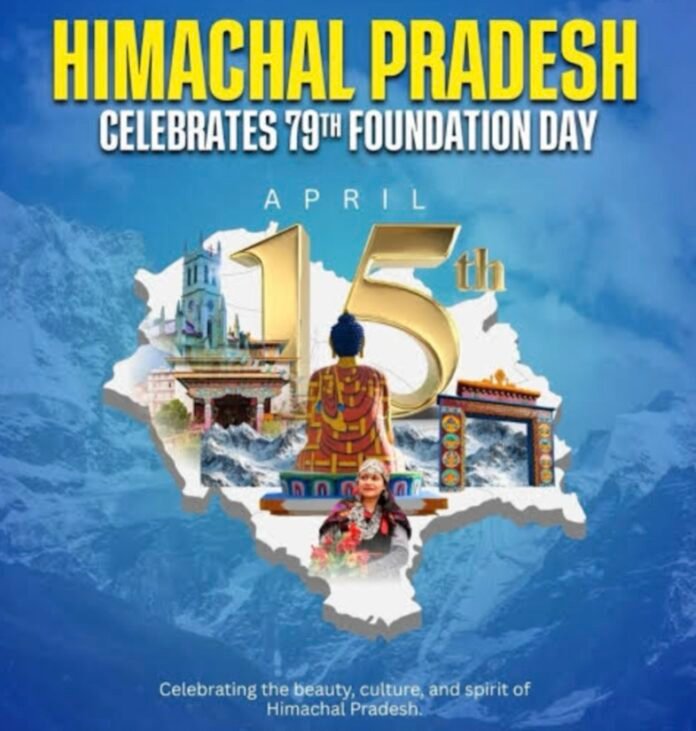
The 79th Foundation Day of Himachal Pradesh, celebrated on April 15, marks a significant milestone in the history of one of India’s most scenic and culturally rich states. Known as the “Land of the Gods” (Dev Bhoomi), Himachal Pradesh is admired for its breathtaking landscapes, vibrant traditions, and resilient people.
The Historical Journey
Himachal Pradesh was formed on April 15, 1948, through the integration of 30 princely hill states after India’s independence. Initially, it was a Chief Commissioner’s Province. Over the years, it underwent several administrative changes—becoming a Union Territory in 1956 and later attaining full statehood on January 25, 1971.
This gradual evolution reflects the region’s unique identity and its strategic as well as cultural importance. From ancient times, the hills of Himachal have been home to diverse communities, influenced by Hindu and Buddhist traditions, visible in its temples, monasteries, and local customs.
Significance of the Day
Foundation Day is not just about marking a date—it is a celebration of Himachal Pradesh’s unity, progress, and cultural legacy. It honours the efforts of leaders and citizens who contributed to the state’s formation and development.
The day also highlights the state’s achievements in areas like education, healthcare, tourism, and sustainable development. Despite its challenging mountainous terrain, Himachal Pradesh has emerged as one of India’s better-performing states in terms of human development indicators.
Celebrations and Cultural Spirit
Across the state, Foundation Day is celebrated with enthusiasm and pride. Cultural programs, folk dances like Nati, music performances, and exhibitions showcase Himachal’s rich heritage. Government events and public gatherings reflect on the state’s journey and future aspirations.
From the colonial charm of Shimla to the spiritual aura of Dharamshala and the scenic beauty of valleys like Kullu and Manali, the state stands as a symbol of harmony between nature and tradition.
A State Rooted in Nature and Culture
Himachal Pradesh’s identity lies in its balance—between tradition and modernity, development and sustainability. Its forests, rivers, and snow-capped peaks are not just natural assets but an integral part of the people’s lives and culture.
Conclusion
As Himachal Pradesh celebrates its 79th Foundation Day, it is a moment to reflect on its inspiring journey from a cluster of princely states to a thriving and progressive region. With its rich heritage, strong community values, and commitment to growth, Himachal Pradesh continues to stand tall—just like its majestic mountains—embodying resilience, beauty, and pride.
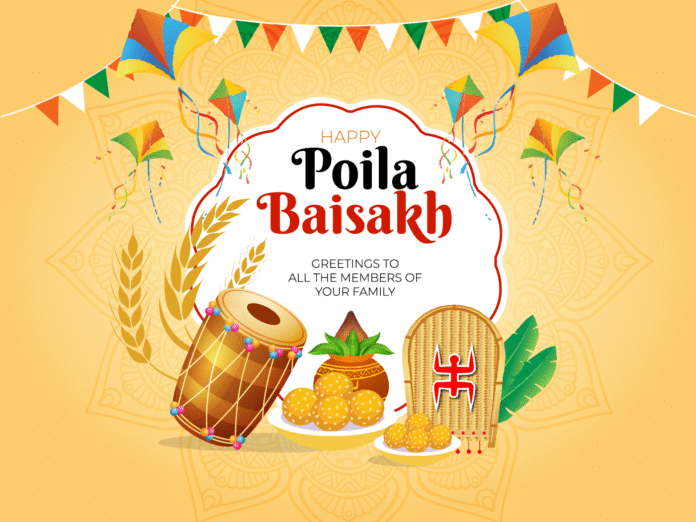
Poila Boishakh, the Bengali New Year, is one of the most vibrant and culturally rich festivals celebrated by Bengalis across West Bengal and Bangladesh. Marking the first day of the Bengali calendar, this festival usually falls on April 14 and ushers in a new year filled with hope, prosperity, and renewed beginnings.
When and Why is Poila Boishakh Celebrated?
Poila Boishakh derives its name from “Poila” (first) and “Boishakh” (the first month of the Bengali calendar). The calendar itself is believed to have been introduced during the reign of Akbar to align the traditional lunar calendar with the solar agricultural cycle, making tax collection easier for farmers.
Over time, the day evolved beyond administrative purposes into a grand cultural celebration. It marks the beginning of the harvest season and symbolizes new financial and personal beginnings.
Significance of the Festival
Poila Boishakh is deeply symbolic. It represents:
●New Beginnings: People start fresh—personally, financially, and spiritually. ●Cultural Pride: The festival showcases Bengali traditions, art, music, and literature. ●Community Bonding: Families and communities come together to celebrate.
One of the most important traditions is the opening of new account books, known as Haal Khata, by traders and business owners. Customers are invited, sweets are distributed, and old dues are often settled—symbolizing a fresh financial start.
How is Poila Boishakh Celebrated?
Celebrations are marked by enthusiasm, colour, and tradition:
●Festive Attire: People dress in traditional clothing—women in white and red sarees, and men in kurta-pajamas. ●Temple Visits: Many begin the day with prayers, seeking blessings for the year ahead. ●Food and Feasts: Special dishes like panta bhat (fermented rice), fish, sweets like rosogolla and sandesh are enjoyed. ●Cultural Programs: Songs, dances, and poetry—especially works inspired by Ravindranath Tagore—are performed widely.
In Kolkata, the festival is celebrated with fairs, processions, and artistic displays. Meanwhile, in Dhaka , the famous Mangal Shobhajatra procession—recognized by UNESCO—features large colorful masks, floats, and folk art, symbolizing unity and resistance against evil.
A Festival Beyond Borders
Poila Boishakh is not confined to Bengal alone. Bengali communities worldwide—from London to New York—celebrate the festival with equal enthusiasm, keeping their cultural roots alive through food, music, and gatherings.
Conclusion
Poila Boishakh is more than just a New Year celebration—it is a reflection of Bengali identity, resilience, and joy. Rooted in history yet alive in modern times, the festival beautifully blends tradition with togetherness. As greetings of “Shubho Noboborsho” echo across homes and streets, Poila Boishakh brings with it a promise of happiness, prosperity, and a fresh start for all.
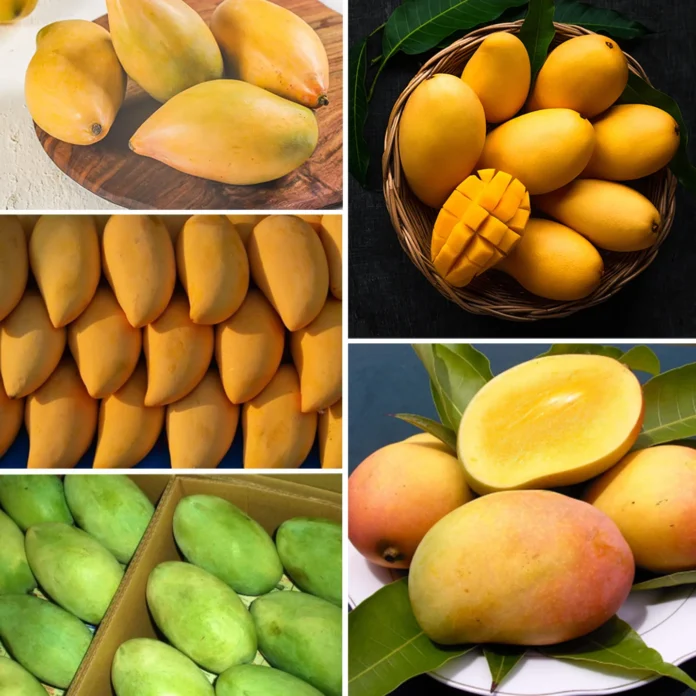
Every summer, across India, a familiar ritual unfolds—markets overflow with golden, fragrant mangoes, households stock up in crates, and the fruit becomes a daily indulgence. Known as the “King of Fruits”, mangoes are not just food in India—they are emotion, tradition, and nostalgia. Yet, behind this abundance lies a fascinating paradox: India produces nearly half of the world’s mangoes but exports only a tiny fraction of them.
A Global Giant in Production
India is the undisputed leader in mango production, contributing around 45–50% of global output and producing over 24 million metric tonnes annually. With more than 1,500 varieties—from Alphonso and Kesar to Langra and Dasheri—the country boasts unmatched diversity and scale.
But surprisingly, less than 1% of this massive production reaches international markets.
The Real Reason: India Eats Its Own Mangoes
The biggest reason is simple—India consumes what it produces. With a population exceeding 1.4 billion, domestic demand is enormous. Mangoes are deeply embedded in Indian culture, cuisine, and daily life during summer.
From aamras in Gujarat to mango shakes in North India, and pickles, chutneys, and desserts across regions, mango consumption is widespread and intense. This leaves very little surplus for export. In fact, India is not just the largest producer—it is also the largest consumer of mangoes.
Short Shelf Life and Logistical Challenges
Mangoes are delicate fruits with a short shelf life, typically lasting just a few weeks. This makes long-distance transportation risky and expensive. Exporting mangoes requires refrigerated storage, quick logistics, and careful handling—facilities that are still limited in many parts of India.
High freight costs and disruptions in global shipping further complicate exports. In recent times, rising transport costs have even reduced export volumes significantly.
Strict Global Standards
Another major hurdle is international quality standards. Countries importing mangoes demand strict checks on size, appearance, and pesticide levels. They also require specialized treatments like irradiation or vapour heat processing before shipment.
Only a small portion of India’s mango supply meets these stringent criteria, limiting export potential.
Post-Harvest Losses and Infrastructure Gaps
A significant percentage of mangoes in India never even make it to markets due to post-harvest losses, estimated at 25–40%. Poor storage, lack of cold chains, and inefficient supply systems reduce the quantity available for export.
Additionally, India processes only a small share of its mangoes into products like pulp or dried fruit, missing opportunities in global markets.
Global Competition
Interestingly, countries like Mexico, Brazil, and Thailand dominate mango exports, despite producing far less than India. Their advantage lies in better infrastructure, export-oriented farming, and proximity to key markets like the United States and Europe.
A Sweet Yet Self-Sustained System
India’s mango story is unique. Unlike many agricultural giants that focus on exports, India’s mango economy thrives on domestic demand. The country grows the most—and joyfully consumes the most.
In a way, this reflects a rare model of self-sufficiency, where a global leader prioritizes its own people over global markets.
Conclusion
The reason India exports so few mangoes is not a failure—it is a reflection of abundance, culture, and demand. From bustling mandis to family dining tables, mangoes are cherished across the country. So while the world may crave Indian mangoes, India simply loves them too much to let them go.
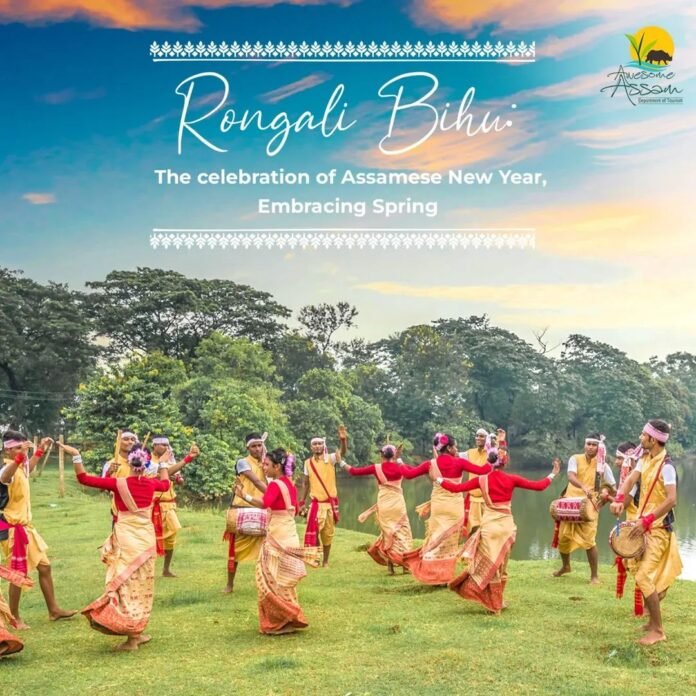
Rongali Bihu, also known as Bohag Bihu, is the most vibrant and widely celebrated festival of Assam. Marking the Assamese New Year, this festival is a joyful celebration of spring, fertility, and new beginnings. It is not just a cultural event but a reflection of the deep-rooted traditions, agrarian lifestyle, and rich heritage of the Assamese people.
When is Rongali Bihu Celebrated?
Rongali Bihu is observed every year in mid-April, usually starting around April 14 or 15, coinciding with the Assamese month of Bohag. It aligns with other regional New Year festivals across India such as Baisakhi, Pohela Boishakh, and Vishu, all of which celebrate the onset of spring and the harvest season.
Why is Rongali Bihu Celebrated?
The festival has its origins in agriculture. Assam is primarily an agrarian state, and Rongali Bihu marks the beginning of the sowing season. It is a time when farmers prepare their fields for cultivation and pray for a prosperous harvest.
Beyond agriculture, Rongali Bihu also celebrates youth, love, and life. Traditionally, it was a time for young men and women to express affection through songs and dances, symbolizing renewal and harmony with nature.
The Significance of Rongali Bihu
Rongali Bihu holds immense cultural and social significance. It represents: ●Renewal and Hope: The Assamese New Year brings fresh beginnings. ●Agricultural Prosperity: It marks the start of the farming cycle. ●Cultural Identity: The festival showcases Assam’s traditional music, dance, and attire. ●Community Bonding: People come together, strengthening social ties.
The festival is characterized by the energetic Bihu dance, accompanied by traditional instruments like the dhol, pepa, and taal. The rhythmic movements and lively music embody the spirit of joy and celebration.
How is Rongali Bihu Celebrated?
Rongali Bihu is celebrated over several days, each with its own rituals: ●Goru Bihu (Cattle Day): Cows and bulls are washed, decorated, and worshipped, acknowledging their importance in agriculture. ●Manuh Bihu (Human Day): People wear new clothes, seek blessings from elders, and exchange greetings. ●Husori and Mukoli Bihu: Groups perform traditional songs and dances in open fields and households.
Food plays a central role in the celebrations. Traditional delicacies like pitha (rice cakes), laru (sweet balls), and curd with flattened rice are prepared and shared among family and friends.
Homes are cleaned and decorated, and people often visit relatives, reinforcing bonds of love and respect.
A Festival Beyond Borders
While rooted in Assam, Rongali Bihu is now celebrated by Assamese communities across India and the world. Cultural programs, music performances, and community feasts bring people together, keeping the tradition alive even far from home.
Conclusion
Rongali Bihu is more than just a New Year festival—it is a celebration of life, nature, and togetherness. With its blend of agricultural significance, cultural richness, and joyous spirit, it continues to define the essence of Assamese identity. As spring breathes new life into the land, Rongali Bihu fills hearts with hope, happiness, and a sense of renewal.
Are you searching for a fun way to stay active and make new friends in Vadodara?
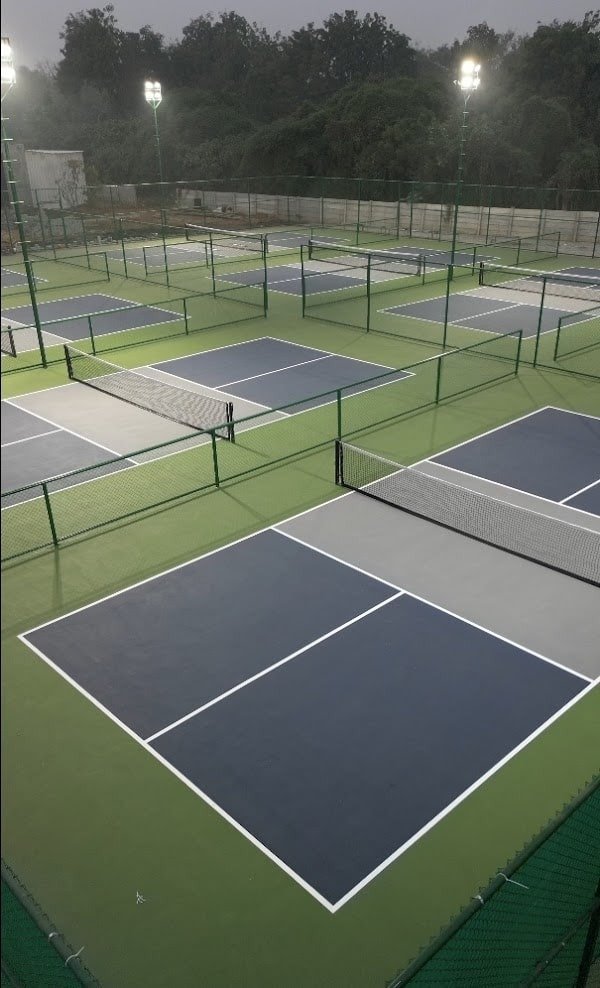
Pickleball is the sport everyone is talking about! It’s easy to learn, fun to play, and perfect for all ages. The good news? Vadodara has some amazing pickleball courts where you can start playing today.
We’ve found top pickleball courts in Vadodara that are affordable, easy to reach, and offer professional coaching in welcoming communities. Perfect for players of all levels looking to play and make new friends. Let’s show you the best pickleball court in Vadodara!
What Makes a Great Pickleball Court?
Before we show you our top picks, let’s understand what separates a good court from a great one:
Important Features to Look For:
1. Court Condition
Smooth, non-slip surface for safety
Proper court size (20 feet × 44 feet)
Clear lines and net in good condition
2. Lighting
Good lights for day and evening play
No dark corners that create shadows
3. Facilities
Clean changing rooms and washrooms
Water and refreshment areas
Parking space
4. Coaching & Community
Professional trainers available
Friendly atmosphere for beginners
Regular games and events
5. Pricing
Fair and transparent rates
Membership options available
No hidden charges
Top 5 Best Pickleball Courts in Vadodara
1. 3rd Shot by Strokess – The Best Pickleball Court in Vadodara
Why It’s Ranked #1:
3rd Shot by Strokess is the city’s first DUPR-affiliated club and Vadodara’s premier pickleball court. This is where serious players and beginners meet!
Key Features:
8 high-quality courts with expert coaching and a welcoming community
DUPR-certified courts (international standard)
Professional coaching for all levels
Easy online court booking system through official website
World-class facilities and competitive rates with membership at ₹10,000 for 6 months
Serves players across popular areas like Alkapuri, Akota, Vasna, and Karelibaug
DUPR Night events to challenge yourself and boost your global rating
On-site restaurant “Karibu” – Enjoy fresh food and meals after your game!
Location: 3rd Shot By Strokess, opp. eclipse sports 2, New Alkapuri, Ankodiya, Vadodara, Gujarat 391330 Price: ₹500 per hour (members get special rates) Membership: ₹10,000 for 6 months (20 court slots + fixed pricing) Timings: Open daily 6 AM to 1 AM
Why Players Love It: This is the best pickleball court in Vadodara if you want the complete experience. Whether you’re just starting or training seriously, you’ll find everything here. The professional coaches teach proper technique, and the community events help you meet players at your level. After your game, enjoy delicious food and drinks at Karibu restaurant without leaving the venue!
Perfect For: Serious players, beginners wanting to learn properly, people who want to join a community
2. MatchPoint Vadodara
Why It’s Great:
MatchPoint features four international-grade pickleball courts meticulously designed to meet global standards.
Key Features:
Four international-grade courts and a beach volleyball court
Coaching sessions led by India’s first certified female coach
Open 7 AM to 12 AM daily (extended hours)
Paddle rental and sales available
Easy online booking system
Welcoming for all ages
Location: Ankodiya Rd, behind Doggers Park, opposite Veda Lawns, New Alkapuri, Ankodiya, Vadodara, Gujarat 390023 Price: Budget-friendly rates with flexible booking Timings: 7 AM – 12 AM daily
Why Players Love It: MatchPoint has the longest operating hours in Vadodara! If you’re a night owl or early bird, this court works for everyone. The female coach brings a special touch to coaching, making beginners feel more comfortable. Great for group bookings and friends playing together.
Perfect For: Night players, group games, people wanting coaching from a female coach, all ages
3. Vadodara Pickleball Arena
Why It’s Popular:
Vadodara Pickleball Arena boasts three top-notch courts and is open till 1am everyday.
Key Features:
3 outdoor dedicated courts with permanent lines and nets
Lights and restrooms available
Perfect for competitive play
One-time fee to play (very budget-friendly)
Great for casual players
Location: Central Vadodara Price: Very affordable Timings: Open till 1 AM daily
Why Players Love It: This is the budget king of Vadodara pickleball courts! If you want to play late at night, this is your spot. No fancy facilities, but clean courts that let you focus on the game. Perfect for practicing without spending too much money.
Perfect For: Budget-conscious players, night games, casual friendly matches, beginners wanting to try the sport
4. Elevate Sports
Why It Stands Out:
Elevate Sports in Gotri is rated 4.8 out of 5 with 30 customer reviews and ratings.
Key Features:
Located in Gotri near Sai Sudha Lawns
Multiple quality courts
High customer satisfaction (4.8/5 rating)
Open till 2 AM daily
Community atmosphere
Professional setup
Location: Gotri (Near Sai Sudha Lawns), Vadodara Price: Affordable rates Timings: Open till 2 AM
Why Players Love It: Real players have given this court 4.8 stars! That’s amazing. The late-night timing and community feel make it special. If you want a court where other players recommend playing, this is it.
Perfect For: Players who trust reviews, late-night games, people in the Gotri area, community-focused players
5. Smash Pickleball Club & Cafe
Why It’s an Option:
Smash offers pickleball courts with a café in the same location. Great if you want to play and grab food without going anywhere else!
Key Features:
Pickleball courts available
Café with coffee and snacks
Food options available
Located on Vasna Road
Sports club membership available
Open till late (12 AM)
Location: Smash, Fitness MMA Dojo, Vasna – Bhayli Main Rd, near Kalyan Party Plot, Krishnadham Society, Saiyed Vasna, Vadodara – 390007 Price: Standard rates Timings: Open until 12 AM
Why Players Choose It: If you like playing pickleball and then relaxing with a cup of coffee at the same place, this is a good choice. The café is convenient after your game. It’s a nice spot for casual players who want to combine sports with café hangout time.
Perfect For: Casual players, coffee lovers, people who want sports + food in one place
Quick Comparison of Vadodara Pickleball Courts
Court Name
Price
Courts
Best For
3rd Shot by Strokess
₹500/hour
8
Premium courts + pro coaching + on-site dining
MatchPoint Vadodara
Budget
4
All ages, night players
Vadodara Pickleball Arena
Cheapest
3
Casual players
Elevate Sports (Gotri)
Affordable
Multiple
Community & trust
Smash Pickleball Club
Standard
Multiple
Casual play + café
Beginner’s Guide: What You Need to Know About Pickleball
What exactly is Pickleball?
Pickleball is a fun sport that’s a mix of tennis, badminton, and ping-pong. It’s played on a small court with simple paddles and a plastic ball. Here’s what makes it special:
Easier than tennis – The court is smaller, the ball is slower, easier to hit
Fun for everyone – Kids, teenagers, adults, and seniors all play together
Quick to learn – Most people learn in just 1-2 hours
Great exercise – Good cardio without being too tough on your joints
Social – You make friends while playing!
Basic Rules (Keep It Simple!)
The Court:
Size: 20 feet × 44 feet (small and manageable)
Net height: Like tennis
“Kitchen” (non-volley zone): 7 feet on each side of the net
The Game:
Played with 2 players (singles) or 4 players (doubles)
Score to 11 points (must win by 2)
Serve underhand (easier than tennis!)
Serve diagonally (like tennis)
One chance to serve (in most formats)
Winning:
Score only when serving
First to 11 wins the game
Must win by 2 points
What Gear Do You Need?
Must Have:
Pickleball paddle (₹1000-2000 for beginners) – Most courts have rentals
Comfortable shoes – Non-marking, good grip
Light clothing – Breathable and comfortable
Nice to Have:
Water bottle (stay hydrated!)
Towel
Sports socks
Don’t worry: Most courts provide paddles and balls for beginners. You can try the sport for free before buying equipment!
Find Your Best Pickleball Court in Vadodara
Vadodara now has excellent options for pickleball lovers. Whether you want the best facilities, budget-friendly play, or late-night games, there’s a perfect court waiting for you.
3rd Shot by Strokess stands out as the best pickleball court in Vadodara, offering world-class facilities, professional coaching, on-site dining at Karibu restaurant, and a strong community. And also another court in this list has something special to offer
Don’t wait! Pick a court, grab a paddle, and start your pickleball journey today. Your new favorite sport—and new friends—are waiting!
Frequently Asked Questions
Q: Is pickleball difficult to learn? A: Not at all! Most people learn basic rules in 30 minutes. You can have fun from your very first game.
Q: Is pickleball only for old people? A: Wrong! Young adults (aged 25-34) are the fastest-growing group of pickleball players. People of all ages love it.
Q: How much does it cost to play in Vadodara? A: From ₹30 to ₹700 per hour depending on the court. Budget options are available!
Q: Can I play without knowing anyone? A: Yes! Most courts have open games where you can join locals. It’s a very friendly sport.
Q: Do I need my own paddle? A: No! All courts in Vadodara offer paddle rentals. Beginners usually borrow paddles.
Q: What’s the best time to start? A: Right now! Any age is good to start. The best times in Vadodara are mornings (6-8 AM – cool and less crowded) or evenings (6-9 PM – busy but fun).
Q: Are there tournaments in Vadodara? A: Yes! 3rd Shot by Strokess hosts DUPR Night events where you can compete and track your global rating.
Q: Can I bring my kids? A: Absolutely! Pickleball is perfect for kids. All courts welcome players from young children to seniors with special programs for different age groups.
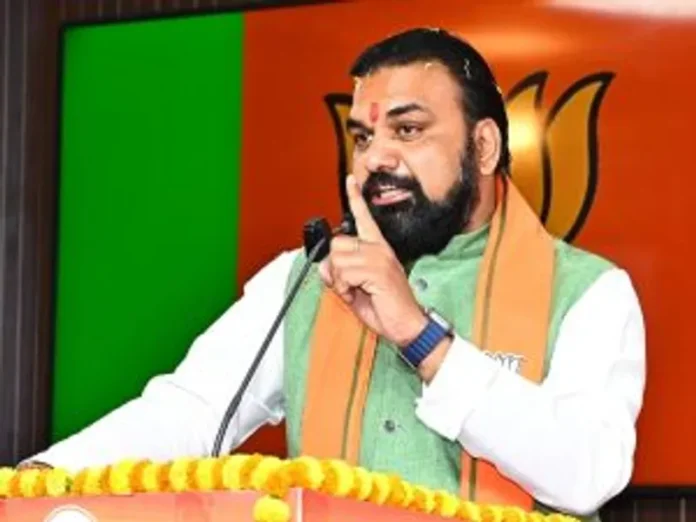
The rise of Samrat Chaudhary as the Chief Minister of Bihar in April 2026 marks a historic political shift in the state. For the first time, a leader from the Bharatiya Janata Party (BJP) has assumed the top post, ending the long-standing dominance of Nitish Kumar, who stepped down to move to the Rajya Sabha.
Early Life and Background
Born on November 16, 1968, in Munger district, Samrat Chaudhary comes from a strong political lineage. He is the son of veteran politician Shakuni Chaudhary, which exposed him to public life from a young age. Belonging to the Kushwaha (OBC) community, Chaudhary has emerged as a key social and political figure, representing an important voter base in Bihar’s caste-driven politics.
Political Journey
Chaudhary’s political career reflects both adaptability and persistence. He began his journey with the Rashtriya Janata Dal (RJD) under leaders like Rabri Devi, before moving to the Janata Dal (United) (JD(U)), and eventually joining the BJP.
Over the years, he has held several key positions, including Member of the Bihar Legislative Assembly and Legislative Council. He also served as Leader of the Opposition in the Bihar Legislative Council and later became the BJP’s state president in 2023, strengthening the party’s organisational base.
Rise in Governance
Chaudhary’s administrative career gained momentum when he became Deputy Chief Minister in 2024 under Nitish Kumar. During this period, he handled significant portfolios such as finance and home affairs, establishing himself as a strong administrator and a prominent BJP face in Bihar politics.
His consistent rise within the party and government made him the natural choice for leadership when political circumstances shifted in 2026. He was elected leader of the BJP legislative party, paving the way for his elevation to Chief Minister.
A Historic Political Shift
Samrat Chaudhary’s appointment is not just an individual achievement but a landmark moment in Bihar’s politics. It signifies the BJP’s growing influence in the state and its strategic push to broaden its social coalition by projecting an OBC leader.
The Road Ahead
As Bihar’s 24th Chief Minister, Chaudhary faces high expectations. Known for his organisational strength and grassroots connect, he has promised to take the state toward faster development and better governance. His journey—from regional politics across multiple parties to leading the state—highlights both political resilience and the evolving dynamics of Indian politics.