

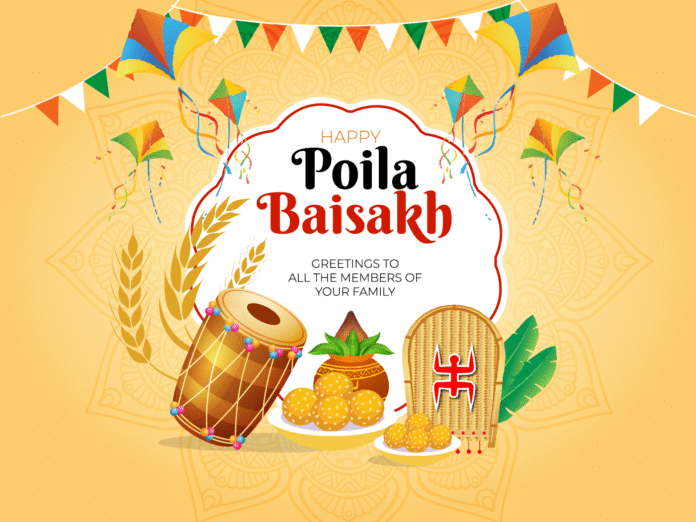
Poila Boishakh, the Bengali New Year, is one of the most vibrant and culturally rich festivals celebrated by Bengalis across West Bengal and Bangladesh. Marking the first day of the Bengali calendar, this festival usually falls on April 14 and ushers in a new year filled with hope, prosperity, and renewed beginnings.
When and Why is Poila Boishakh Celebrated?
Poila Boishakh derives its name from “Poila” (first) and “Boishakh” (the first month of the Bengali calendar). The calendar itself is believed to have been introduced during the reign of Akbar to align the traditional lunar calendar with the solar agricultural cycle, making tax collection easier for farmers.
Over time, the day evolved beyond administrative purposes into a grand cultural celebration. It marks the beginning of the harvest season and symbolizes new financial and personal beginnings.
Significance of the Festival
Poila Boishakh is deeply symbolic. It represents:
●New Beginnings: People start fresh—personally, financially, and spiritually.
●Cultural Pride: The festival showcases Bengali traditions, art, music, and literature.
●Community Bonding: Families and communities come together to celebrate.
One of the most important traditions is the opening of new account books, known as Haal Khata, by traders and business owners. Customers are invited, sweets are distributed, and old dues are often settled—symbolizing a fresh financial start.
How is Poila Boishakh Celebrated?
Celebrations are marked by enthusiasm, colour, and tradition:
●Festive Attire: People dress in traditional clothing—women in white and red sarees, and men in kurta-pajamas.
●Temple Visits: Many begin the day with prayers, seeking blessings for the year ahead.
●Food and Feasts: Special dishes like panta bhat (fermented rice), fish, sweets like rosogolla and sandesh are enjoyed.
●Cultural Programs: Songs, dances, and poetry—especially works inspired by Ravindranath Tagore—are performed widely.
In Kolkata, the festival is celebrated with fairs, processions, and artistic displays. Meanwhile, in Dhaka , the famous Mangal Shobhajatra procession—recognized by UNESCO—features large colorful masks, floats, and folk art, symbolizing unity and resistance against evil.
A Festival Beyond Borders
Poila Boishakh is not confined to Bengal alone. Bengali communities worldwide—from London to New York—celebrate the festival with equal enthusiasm, keeping their cultural roots alive through food, music, and gatherings.
Conclusion
Poila Boishakh is more than just a New Year celebration—it is a reflection of Bengali identity, resilience, and joy. Rooted in history yet alive in modern times, the festival beautifully blends tradition with togetherness. As greetings of “Shubho Noboborsho” echo across homes and streets, Poila Boishakh brings with it a promise of happiness, prosperity, and a fresh start for all.