Alchi Kitchen is the first eatery in Ladakh dedicated solely to traditional Ladakhi cuisine. The all woman restaurant has been making headlines serving local cuisine with a modern twist here. Nestled in the serene village of Alchi, this unique restaurant attracts between 100 to 150 visitors daily, many of whom brave rugged mountain roads for the experience.
Despite Ladakh’s immense popularity as a tourist destination, most local eateries shy away from serving native dishes. Only a handful offer Ladakhi food, and even then, it’s typically limited to common items like mokmok (momos) and basic snacks. Alchi Kitchen breaks this mold with its deeply rooted yet innovative approach to food.
The Kitchen was started by one Nilza Wangmo who decided to open a restaurant dedicated exclusively to Ladakhi cuisine, her idea was met with skepticism—even from her closest friends and family.
“They thought outsiders and tourists would find the food bland and unappealing. But I was determined to introduce the world to authentic Ladakhi flavours,” says the 40-year-old.
5 Special Features of Alchi Kitchen:
Authentic Ladakhi Menu It is the first restaurant to offer a full menu dedicated exclusively to traditional Ladakhi cuisine, preserving and promoting local culinary heritage.
Modern Culinary Twist Classic Ladakhi dishes are reimagined with creative presentation and subtle innovation, appealing to both local and global palates.
Women-led and Empowering Founded and operated by Nilza Wangmo, Alchi Kitchen also empowers local women by training and employing them, creating a space of inclusive growth.
Scenic Location Located in the tranquil village of Alchi, the restaurant provides diners with a peaceful ambience surrounded by mountains, monasteries, and river views.
Cultural Experience Beyond Food Beyond just meals, the restaurant offers a glimpse into Ladakhi traditions, ingredients, and stories, making every visit a rich cultural experience.
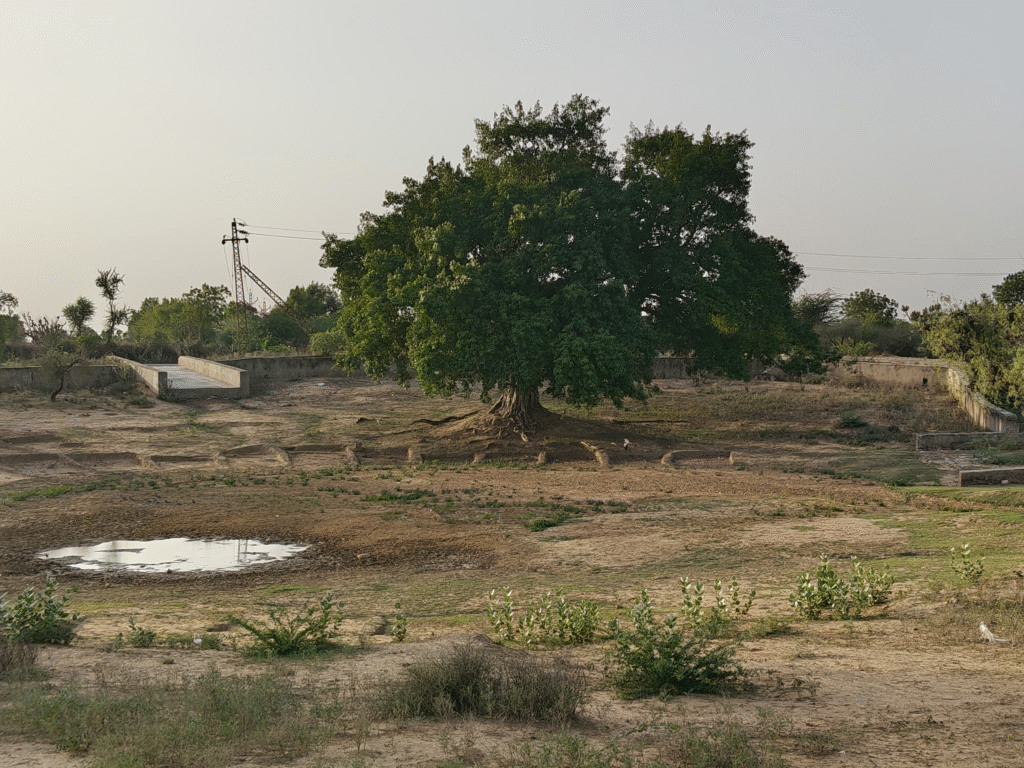
Good morning! I am Ishita Kanwar and today I am going to tell you a story from my village. This story also reflects the spirit and culture of our village Joosri, Makrana is located in Rajasthan. It is a village with a glorious heritage, and the environment here is very peaceful. People here help each other and live their lives with simplicity and harmony.
In ancient times, there was a king in my village who was very religious and kind-hearted. He had three sons. People from faraway villages used to come to learn about this king. He had a principle that he only accepted those who were kind and had a good heart.
Among his three sons, one was Jhunjar ji who was the rightful heir to the royal throne and was very much like his father. His life was dedicated to honoring his father and thinking for the welfare of the village.
So when invaders waged war and challenged their kingdom, the King Jhunjar ji sacrificed his life and stepped forward with great courage. A fierce battle took place under his leadership, during which he gave up his life. While riding his horse, he reached the middle of a forest and declared to the people there, “Build my temple here—Lord Krishna himself has commanded it.”
It is said that our ancestors built a temple at that very spot, which is now dedicated to Jhunjar ji Maharaj. He is now very famous and is considered a great figure in our village.
Now Jhunjarji Maharaj is Local God to this village and people pray to him for peace and prosperity of their families.
Let’s take a glimpse of the temple and pristine greenery surrounding the village…
The Saksham Sanchar Foundation has launched its highly anticipated Gurukulam of Journalism summer camp, a transformative initiative aimed at equipping students with essential media and communication skills for the digital age. Bringing together aspiring journalists and media enthusiasts, the camp offers hands-on training and insights from industry experts in print, electronic, and digital media. Through a dynamic blend of online and offline sessions, participants engage with seasoned professionals, gaining practical knowledge and skills to navigate the evolving landscape of modern journalism.
what experts share with students :
Unveiling the Essence of Journalism and Media
The Resilient Voice of Society: Ashish Pathak’s Insights
Ashish Pathak, Regional Editor at Patrika, engaged students in a profound discussion about the pivotal role of a journalist in society. He emphasized that a journalist must possess unwavering resilience to confront diverse challenges and advocate for others. Pathak highlighted that true journalism transcends mere reporting; it involves forgetting personal sorrows to champion justice and amplify the voiceless. He underscored that a steadfast resolve is essential for excelling in the field. Journalism, he explained, is not just about writing or speaking but about empathetically weaving people’s emotions into words to connect meaningfully with the audience.
Manish Sharma from Doordarshan Jaipur joined the students online, offering an in-depth exploration of electronic media. He elucidated the operational distinctions between government and private channels, providing a comprehensive guide on how students can carve a career in this dynamic field. Sharma patiently addressed the students’ inquisitive questions, enriching their understanding of media production and its professional landscape.
Exploring Diverse Avenues of Communication
The Art of Radio: Jitendra Dwivedi’s Masterclass
Jitendra Dwivedi from All India Radio connected with students virtually, delving into the nuances of voice modulation and the operational intricacies of radio broadcasting. He celebrated radio as the oldest yet enduring medium of communication, still cherished by audiences today. Dwivedi highlighted the vast opportunities in private and community radio, explaining how students can leverage their voice to build a rewarding career. He also discussed the simplicity and accessibility of language used in radio writing to effectively engage listeners, offering practical insights into this timeless medium.
Renowned filmmaker and director Arun Shekhar captivated students with his expertise in storytelling within the film industry. He illustrated how ordinary ideas can be transformed into captivating narratives that resonate with audiences. Shekhar emphasized the significance of expressions and body language in storytelling, sharing valuable techniques to craft impactful stories that leave a lasting impression.
Harnessing Social Media’s Potential: Vaidehi Kothari’s Vision
Vaidehi Kothari, a distinguished journalist, author, and literary figure from Ratlam, shared her remarkable experiences with the students. She advocated for the strategic use of social media, urging students to view it as a powerful tool for learning and career growth rather than mere entertainment. Kothari highlighted emerging opportunities such as online business promotion, becoming an influencer, and showcasing talents like writing, singing, or dancing to reach global audiences and generate income. The students expressed their gratitude for her inspiring insights.
Neeraj shukla journalist ( digital media ) : engaged students at the Gurukulam of Journalism, discussing digital web journalism’s pros and cons. She highlighted its global reach, instant updates, and multimedia versatility as key advantages, but cautioned against misinformation, reduced attention spans, and ethical dilemmas due to speed-driven reporting. Shukla emphasized the need for critical skills to navigate this dynamic field responsibly.
“International and National Best Friends Day is a celebration of unity and trust. A true friend is someone who exists in everyone’s life. Although we don’t need a “best friend” tag for them, they are the ones who stand by us when no one else does. They can understand our unspoken words just by looking at our face. The things we can’t even share with our parents, we can tell them without any hesitation. This day is dedicated to that unbreakable and unique bond.“
History of National Best Friends Day: National Best Friends Day, celebrated annually on June 8, is a special day dedicated to honoring and appreciating the friendships that bring joy, support, and companionship into our lives. But how did this tradition begin?
Origins of National Best Friends Day
The holiday traces its roots back to 1935, when the U.S. Congress decided to dedicate a day to celebrating close friendships. Lawmakers recognized the importance of strong personal connections and wanted to create an occasion for people to express gratitude toward their best friends. June 8 was chosen because it typically offers pleasant weather across the country, making it ideal for outdoor activities and gatherings.
How It Became Popular
Initially, National Best Friends Day was not widely recognized. However, with the rise of social media, the holiday gained momentum. Platforms like Instagram, Facebook, and Twitter played a significant role in spreading awareness, as people began sharing photos and heartfelt messages using the hashtag #NationalBestFriendsDay.
Several organizations and brands have also contributed to its popularity:
In 2007, journalist Mary Wisniewski wrote about the holiday in the Chicago Sun-Times, bringing renewed attention to it.
In 2009, BFF.tv partnered with DoSomething.org to host a celebration in Times Square.
In 2015, Starbucks launched a promotional campaign encouraging employees to celebrate their “work best friends”.
Sikar, a vibrant city in the heart of Rajasthan’s Shekhawati region, is not only known for its grand havelis and frescoes but also for its rich heritage of arts and crafts. Among the many traditional crafts, the elaborate tie-and-dye designs (Bandhani) stand out as the most iconic. From hand-carved wooden furniture to radiant lac bangles and embroidered leather footwear, Sikar showcases Rajasthan’s artisanal brilliance.
1. Bandhani – The Art of Tie-and-Dye
Have you heard about Bandhani, also known as tie-and-dye? It is in fact the most popular and widely practised art form in Sikar. This traditional dyeing technique involves tying cloth into small knots using threads and dyeing it in vibrant colors. The tied areas resist the dye, creating intricate dotted, striped, or wave-like patterns.
Popular Bandhani Variants in Sikar:
Chunari: Known for its fine dotted design.
Lahariya: Features diagonal wave patterns in bright hues.
Mothra: Recognizable by large dotted prints and bold motifs.
Sikar is considered the finest producer of Bandhani in the entire Shekhawati belt, with artisans dyeing fabrics in multiple stages to create stunning, multicolored designs.
2. Wood Carving – A Legacy in Architecture
Another spectacular art form of Sikar is wood carving, especially seen in traditional doors, windows, and furniture. This age-old craft is not only decorative but also functional, offering security and grandeur to havelis and forts.
Key Features of Sikar’s Wood Carving:
Intricately carved wooden doors and window shutters.
Large fort doors with metal fittings for protection.
Exquisite ceiling beams, brackets, and inner courtyard doors with artistic details.
Ramgarh Shekhawati, a town in Sikar district, is especially renowned for elegantly carved wooden furniture that reflects Rajput architectural elegance.
3. Lac Bangles – The Traditional Adornment
Lac bangles are a staple accessory for women in Shekhawati, and Sikar is a hub for this beautiful craft. Lac (resin) is molded, colored, and embedded with decorative stones to create these vibrant and festive bangles.
Local craftsmen specialize in:
Making colorful lac bangles in various designs.
Using mirror work, stones, and patterns to enhance appeal.
Selling bangles for weddings, festivals, and daily wear.
These bangles are not just ornaments—they’re a symbol of Rajasthani culture and feminine tradition.
4. Mojadi – The Art of Leather Footwear
Sikar is also famous for its handcrafted mojadi, a type of traditional Rajasthani leather footwear. These shoes are not only durable but also artistically embroidered.
What Makes Mojadis Unique:
Made from high-quality leather.
Decorated with colorful threads, sequins, and beads.
Known for their pointed toes and symmetrical designs.
Mojadis from Sikar are loved across Rajasthan for their comfort, ethnic charm, and stylish craftsmanship.
Conclusion
From Bandhani fabrics to hand-carved wood, lac bangles, and embroidered mojadis, Sikar offers a treasure trove of traditional arts and crafts. These age-old practices continue to thrive, thanks to the skilled artisans and their dedication to preserving Rajasthan’s rich cultural legacy.
If you’re planning a visit to Sikar or exploring handmade Rajasthani art, don’t miss these cultural gems of Shekhawati.
In a proud moment for Indian industry, Dr. Saloni Wagh, Managing Director, and Ms. Shivani Wagh, Joint Managing Director of Supriya Lifescience Ltd., have been featured in the prestigious 2025 Candere Hurun India Women Leaders List. The list, a collaboration between Candere and Hurun India, honors 95 of the nation’s most influential women leaders who are redefining business, leadership, and social impact.
This year’s theme, “Celebrating Women Creating Opportunities,” aligns perfectly with the leadership values of both honorees. Their recognition reflects a journey marked by perseverance, innovation, and a deep commitment to purpose. Under their dynamic leadership, Supriya Lifescience has emerged as a global pharmaceutical leader, known for its excellence in sustainable healthcare solutions.
Dr. Saloni Wagh said, “Leading in the pharmaceutical sector requires a vision that blends innovation with responsibility. Our mission goes beyond business growth—it’s about creating sustainable solutions that improve lives globally. This recognition motivates us to keep pushing boundaries and building a culture where every challenge becomes an opportunity for impact.”
Ms. Shivani Wagh shared, “This honor is for every woman who dares to lead and every team member who drives progress. At Supriya Lifescience, we’re united by a shared vision—to advance global healthcare while nurturing people and partnerships. It’s a privilege to be part of a list that recognizes purpose and progress.”
The 2025 Candere Hurun India Women Leaders List highlights women who have created over ₹2 lakh crore in self-made wealth and led enterprises worth more than ₹12 lakh crore. It stands as a benchmark for excellence in women’s leadership across business, philanthropy, and economic transformation.
The dual recognition of Dr. Saloni Wagh and Ms. Shivani Wagh not only underscores their individual achievements but also their shared commitment to Supriya Lifescience’s sustained growth. FY25 marked a historic year for the company, with record revenues of ₹696.48 crore, representing a 22% year-on-year growth. Their visionary leadership continues to drive purpose-led innovation, diversity, and global success.
Akshay Kumar’s Housefull 5 hit theaters with a bang, blending comedy and suspense for a riotous ride. Directed by Tarun Mansukhani, this installment promises five times the fun, and it largely delivers. The story revolves around Ranjit Dobriyal (Ranjit Bedi), who bequeaths his £69 billion empire to his son Jolly—except there are three Jollys, sparking chaos and hilarity. A murder on a yacht adds intrigue, keeping viewers hooked.
What sets Housefull 5 apart is its innovative dual climaxes. Ticket platforms offer two versions—Housefull 5A and Housefull 5B—identical except for their endings, each revealing a different culprit. This unique twist doubles the excitement and replay value. The film’s engaging storyline, witty writing, and strong technical aspects shine. The music is vibrant, and laugh-out-loud moments echo the charm of earlier Housefull films, with nostalgic nods visible in the trailer.
The ensemble cast is a powerhouse. Akshay Kumar, Riteish Deshmukh, Abhishek Bachchan, Sonam Bajwa, Jacqueline Fernandez, Fardeen Khan, Nargis Fakhri, Jackie Shroff, Sanjay Dutt, Nana Patekar, Johnny Lever, and others deliver stellar performances, each adding unique flair. Their chemistry elevates the film, making it a family-friendly entertainer.
Running for 2 hours and 43 minutes, Housefull 5 is a rollercoaster of laughs and thrills. While some may find the length slightly stretched, the robust performances and clever climax variations keep it engaging. It’s a must-watch for fans of the franchise and comedy lovers alike, earning a well-deserved 4-star rating.
Every year on June 8, the global community comes together to celebrate World Oceans Day, recognizing the vital role oceans play in sustaining life on Earth. In 2025, the theme is “Sustainable Fishing Means More,” emphasizing the importance of responsible fishing practices to ensure the health and abundance of marine resources for future generations.
Understanding World Oceans Day
Initiated in 1992 and officially recognized by the United Nations in 2008, World Oceans Day serves as a platform to raise awareness about the challenges facing our oceans and to promote collective action for their preservation. The day aligns with global efforts to achieve Sustainable Development Goals, particularly those related to life below water and climate action.
2025 Theme: Sustainable Fishing Means More
The 2025 theme, “Sustainable Fishing Means More,” underscores the critical need for responsible fishing practices. Overfishing and illegal fishing activities have led to the depletion of fish stocks, threatening food security and livelihoods. By adopting sustainable fishing methods, we can:
Ensure long-term food security for billions of people.
Protect marine biodiversity and ecosystems.
Support the economic well-being of coastal communities.
Mitigate the impacts of climate change on ocean health.
The Importance of Oceans
Oceans cover over 70% of the Earth’s surface and are essential to life as we know it. They:
Produce more than 50% of the world’s oxygen.
Absorb about 25% of carbon dioxide emissions, helping to regulate the global climate.
Provide a primary source of protein for over 3 billion people.
Support the livelihoods of millions through fishing, tourism, and transportation industries.
Challenges Facing Our Oceans
Despite their importance, oceans are under threat from various human activities:
Overfishing
Unsustainable fishing practices have led to the decline of many fish populations, disrupting marine food chains and ecosystems.
Pollution
Plastic waste, oil spills, and chemical runoff have polluted marine environments, harming wildlife and degrading habitats.
Climate Change
Rising sea temperatures and ocean acidification, driven by increased greenhouse gas emissions, are affecting coral reefs and marine species.
Loss of Biodiversity
Habitat destruction and pollution have led to a significant loss in marine biodiversity, threatening the resilience of ocean ecosystems.
Taking Action: How You Can Help
Everyone has a role to play in protecting our oceans. Here are some steps you can take:
Choose Sustainable Seafood
Opt for seafood that has been sourced sustainably. Look for certifications like the Marine Stewardship Council (MSC) label when purchasing seafood products.
Reduce Plastic Use
Minimize single-use plastics by using reusable bags, bottles, and containers. Participate in local beach clean-up events to help remove plastic waste from coastal areas.
Educate and Advocate
Raise awareness about ocean conservation by sharing information on social media, participating in community events, and educating others about the importance of healthy oceans.
Support Conservation Organizations
Donate to or volunteer with organizations dedicated to marine conservation efforts. Your support can help fund research, policy advocacy, and on-the-ground conservation projects.
Events and Celebrations
In 2025, World Oceans Day will be marked by various events worldwide, including conferences, educational workshops, and community activities. The United Nations will host the UN Ocean Conference in Nice, France, from June 9 to 13, bringing together global leaders to discuss and promote sustainable ocean management.
Join the Movement
Celebrate World Oceans Day 2025 by participating in events, making sustainable choices, and spreading the message of ocean conservation. Together, we can ensure that our oceans continue to thrive for generations to come.
Human brain with world map silhouette icon vector. Brain Tumor Day Poster, June 8. Important day
Every year on June 8, researchers, clinicians, patients, and advocates unite for World Brain Tumor Day—a global call to action to raise awareness, fund vital research, and support those affected by brain tumors.
History & Significance
Founded in 2000 by the German Brain Tumor Association to commemorate patients’ struggles and promote solidarity.
Recognized by patient groups in over 60 countries, with events ranging from webinars to local fundraising walks.
2025 Theme: Brain Health for All Ages—focusing on prevention, early detection, and equitable care from childhood through the senior years.
What Is a Brain Tumor?
A brain tumor is an abnormal growth of cells within the brain or central spinal canal. Tumors fall into two main categories:
Benign (non-cancerous)
Malignant (cancerous)
Key statistics:
Brain tumors are the 10th leading cause of death worldwide, accounting for up to 90% of primary CNS tumors.
Glioblastoma is the most aggressive form, making up 49% of all malignant brain tumors globally.
Signs & Symptoms
Because symptoms depend on tumor location and size, early warning signs can be subtle:
Genetic Counseling: For families with hereditary syndromes (e.g. Li–Fraumeni).
How You Can Support
Donate to reputable foundations (e.g., National Brain Tumor Society).
Advocate for increased research funding and insurance coverage.
Share stories on social media using #WorldBrainTumorDay.
Participate in virtual runs/walks and webinars.
FAQ
Q1: Why is early detection crucial? A1: Early intervention can improve surgical outcomes and allow access to novel therapies.
Q2: Are brain tumors hereditary? A2: Only 5–10% are linked to genetic syndromes; most cases are sporadic.
Q3: Can lifestyle changes prevent tumors? A3: No guaranteed prevention exists, but a healthy lifestyle may support overall brain health.
Call to Action
This June 8, join the global community on World Brain Tumor Day 2025. Whether you’re a patient, caregiver, healthcare professional, or advocate, your voice matters.
Sign the pledge at your national brain tumor alliance website.
Attend an awareness event or host one in your community.
Together, we can drive research, improve care, and move closer to a future without brain tumors.
Baiga art is a captivating and intricate artistic technique. Through this vibrant art form, Baiga artists vividly depict themes of everyday life, nature, and folklore in a colorful and expressive paintings are brought to life using bright, earthy turmeric, indigo, and vermilion. Each artwork serves as a beautiful reflection of the community’s rich cultural heritage, making them ideal souvenirs. These exquisite pieces
Whispers of the Forest’s Soul
Beneath the emerald canopy of Dindori’s Baiga-Chak, where sunlight dances with shadows, the Baiga tribe spins a tale as old as the wind. Their art—born from the heartbeat of the forest—paints a vivid saga of a people who call the earth their Mother, forbidden to wound her with a plow. In every stroke of their Godna tattoos, every swirl of their paintings, and every step of their Dadaria dance, the Baigas weave a tapestry of life, lore, and love for nature. This is Baiga art: a vibrant, living chronicle of a tribe that speaks to the world through colors drawn from the wild.
The History of Baiga Art
Long ago, when the stars were young, the Baigas say Nanga Baiga, their first magician, was gifted an axe by the Divine Creator to carve a life from the forest’s embrace. This sacred bond shapes their art, where every symbol tells a story. Godna, the ancient tattooing tradition led by women, begins as early as age nine, etching intricate patterns on skin with natural dyes. These designs, believed to heal and protect, are a canvas of identity and heritage. In the late 20th century, inspired by the Gond art movement and artists like Jangarh Singh Shyam, Baigas like Shagun Devi began translating these motifs onto paper and canvas, using turmeric, indigo, and vermilion to depict deities like Bagesur Dev, the tiger god, and serpentine symbols of Lord Shiva.
Preserving a Fading Legacy
Today, Baiga art teeters on the edge of change. Deforestation and urban migration threaten the tribe’s forest-bound roots, fading traditions like Godna with each passing generation. Yet, artists like Mangala Bai Maravi, a skilled Badnin (tattoo artist), keep the flame alive by adapting ancient designs to modern mediums. Her work, showcased at the 2024 Biennale of Sydney, has cast Baiga art onto the global stage. In Dindori’s villages, dances like Reena and Karma pulse through festivals like Diwali, while self-help groups empower women to revive their craft. Government efforts, such as the Tejaswini Project, bolster this legacy, turning art into a source of pride and livelihood.
Global Value and Expectations
Baiga art, with its vibrant motifs and eco-spiritual soul, captivates a world hungry for authentic, sustainable creativity. Its presence at international venues like the Biennale signals growing global admiration. In India, it serves as a cultural bridge, linking urban hearts to tribal roots. The hope is that with sustained support, Baiga art will not only preserve the tribe’s identity but also empower their communities economically. Through their art, the Baigas invite us to see a world where every line drawn is a story told, and every color sings of the forest’s eternal embrace.