Home Blog Page 23

Chaitra Shukla Pratipada: The Beginning of the Hindu New Year

0

The sacred day of Chaitra Shukla Pratipada marks the beginning of the Hindu New Year in many regions of India. In 2026, this auspicious day falls on Thursday, 19 March, ushering in Vikram Samvat 2083, one of the most widely followed traditional Hindu calendars. The day also coincides with the onset of Chaitra Navratri, making it spiritually even more significant. Rooted in tradition, spirituality, and seasonal wisdom, it represents not just a new calendar year—but a renewal of life itself.

What is Chaitra Shukla Pratipada?

Chaitra Shukla Pratipada is the first day (Pratipada) of the bright fortnight (Shukla Paksha) in the Hindu month of Chaitra. It is considered the first day of Vikram Samvat, marking the beginning of a new cycle of time.

This day is celebrated in different forms across India:
●Gudi Padwa in Maharashtra
●Ugadi in Karnataka, Andhra Pradesh, and Telangana
●Navreh in Kashmir

Spiritual and Mythological Significance

According to Hindu belief, this is the day when Lord Brahma created the universe and initiated the flow of time. It is therefore regarded as the cosmic beginning, making it highly auspicious for new ventures, decisions, and spiritual practices.

The day also marks the beginning of Navratri, dedicated to Goddess Durga, symbolising the awakening of divine feminine energy (Shakti) and the start of a spiritual journey.

Scientific and Seasonal Significance

The timing of the Hindu New Year reflects a deep scientific connection with nature.

●It falls during spring (Vasant Ritu), when nature undergoes renewal
●Trees bloom, crops mature, and the environment becomes vibrant
●The human body transitions from winter to summer, requiring detox and balance

Ancient scholars aligned the New Year with this seasonal shift, recognising it as the ideal time for physical cleansing, mental clarity, and fresh beginnings. This highlights how traditional calendars were closely linked to astronomy, climate, and health sciences.

Rituals and Traditions

Chaitra Shukla Pratipada is observed with devotion and positivity through various customs:

●Early morning holy bath for purification
●Cleaning and decorating homes with rangoli and torans
●Listening to the Panchang (Hindu almanac) to understand the year ahead
●Visiting temples and offering prayers
●Beginning new ventures, purchases, or important decisions

In many homes, Kalash Sthapana is performed to mark the beginning of Navratri.

Fasting, Food and Lifestyle Practices

Fasting often begins on this day with Navratri. However, fasting is not just about food—it is about discipline, self-control, and inner purification.

Fasting Practices:
●Avoiding grains, onion, garlic, and processed foods
●Consuming sattvic and light meals
●Practising mindfulness, calmness, and positive thinking

Foods Associated:
●Fruits, milk, curd, and dry fruits
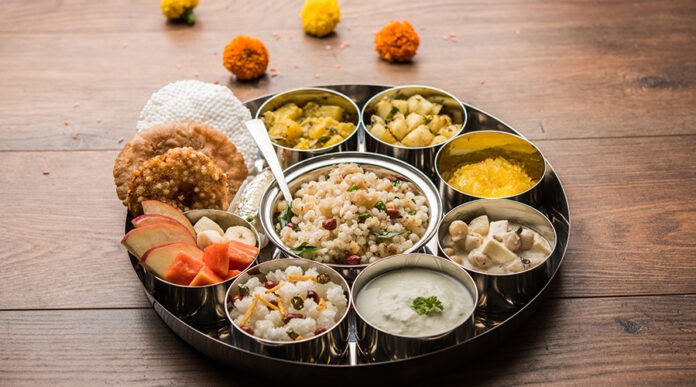
●Sabudana, kuttu (buckwheat), singhara (water chestnut) flour
●Rock salt (sendha namak) instead of regular salt

Benefits:
●Supports detoxification during seasonal change
●Improves digestion and metabolism
●Enhances mental clarity and emotional balance

A Day of New Beginnings

Chaitra Shukla Pratipada is not just the start of a new year—it is a philosophy of renewal. It encourages people to let go of the past, embrace positivity, and begin anew with clarity and purpose.

The beginning of Vikram Samvat 2083 on Chaitra Shukla Pratipada beautifully reflects the harmony between tradition, spirituality, and science. It reminds us that our ancient practices were thoughtfully aligned with nature and human well-being.
As the new year unfolds, it brings with it a timeless message— every new beginning holds the promise of growth, balance, and a brighter future.
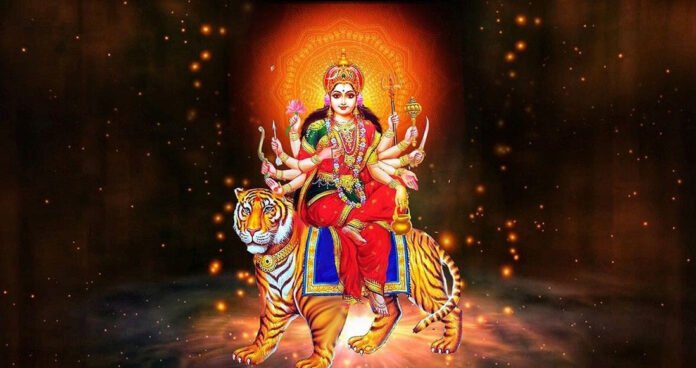
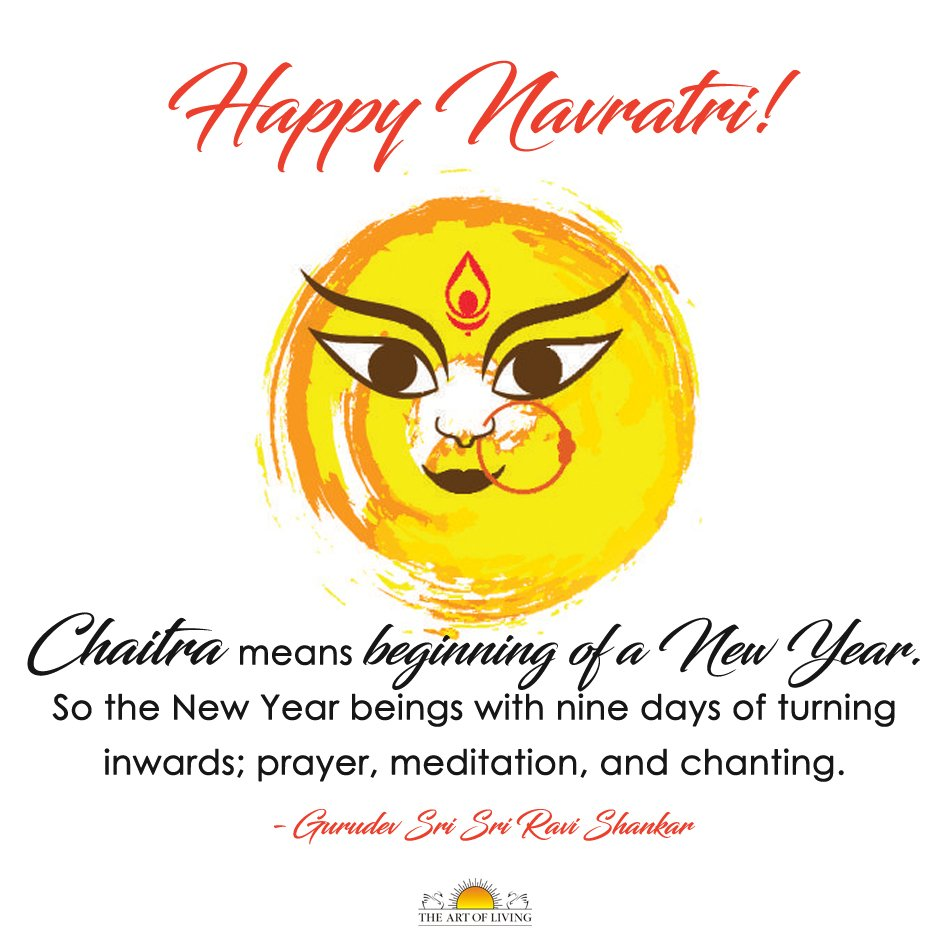
Happy Chaitra Navratri 2026: Top Wishes, Messages, Greetings Card and Quotes to share with your loved ones

0

Chaitra Navratri is one of the most vibrant and spiritually uplifting festivals, dedicated to the worship of Maa Durga and her nine powerful avatars. This festival, which spans nine days, is not only a time for prayers, fasting, and rituals, but also a time to celebrate the divine feminine energy and strength that Maa Durga embodies.

One of the most heartfelt ways to engage with Chaitra Navratri is by sharing Chaitra Navratri wishes, quotes, and messages with friends, family, and fellow devotees. Whether you’re sending blessings to loved ones or sharing words of inspiration on social media, these messages help spread the spirit of the festival and bring divine blessings into everyone’s life.

In this blog, we’ve compiled a collection of beautiful wishes, uplifting quotes, and meaningful messages that you can share with devotees during Chaitra Navratri 2026 to celebrate the festival with devotion and joy.

1. Heartfelt Chaitra Navratri Wishes for Devotees

Happy Chaitra Navratri 2026: Top Wishes, Messages, Greetings Card and Quotes to share with your loved ones

“Wishing you a blessed and joyful Chaitra Navratri! May Maa Durga’s divine blessings fill your life with strength, peace, and prosperity.”

  • A classic and uplifting wish that conveys the essence of devotion and blessings from Maa Durga, perfect for friends and family.

“May the divine light of Maa Durga brighten your path and guide you to success and happiness this Chaitra Navratri.”

  • A beautiful wish invoking Maa Durga’s divine energy to light up your life and bring guidance and success.

“Happy Chaitra Navratri! May the nine nights of devotion bring you spiritual growth, peace of mind, and abundant blessings.”

  • This wish emphasizes spiritual growth and mental peace, two of the core outcomes of observing Chaitra Navratri.

“On this auspicious occasion of Chaitra Navratri, may Maa Durga bless you with good health, prosperity, and a long life. Have a spiritually enriching Navratri!”

  • A heartfelt wish for good health and prosperity, which are the central prayers for devotees during this festival.

2. Inspirational Chaitra Navratri Quotes to Share

Happy Chaitra Navratri 2026: Top Wishes, Messages, Greetings Card and Quotes to share with your loved ones

“The power of Maa Durga is endless, and so is the strength within you. May this Navratri inspire you to unleash your inner strength and achieve greatness.”

  • A powerful quote that inspires strength and empowerment, perfectly reflecting the essence of Maa Durga’s blessings.

“Navratri is not just about fasting, but about surrendering oneself to the divine and embracing the spiritual transformation. May Maa Durga guide you towards your true path.”

  • A deep and spiritual quote that emphasizes inner transformation and the true meaning of devotion during Navratri.

“As Maa Durga fights and conquers the demons, let her blessings help you defeat the obstacles in your life. May this Navratri bring you peace, prosperity, and success.”

  • A motivational quote reflecting the triumph of good over evil. This quote encourages the removal of obstacles and empowerment.

“Maa Durga is the symbol of strength, courage, and victory. Let these nine days of Navratri awaken the divine power within you and lead you towards success and happiness.”

  • A quote that ties the essence of Maa Durga to strength, courage, and success, perfect for sharing on social media or sending as a message.

3. Meaningful Chaitra Navratri Messages to Share with Loved Ones

Happy Chaitra Navratri 2026: Top Wishes, Messages, Greetings Card and Quotes to share with your loved ones

“May Maa Durga bless you with the courage to overcome all challenges, the wisdom to make the right choices, and the strength to follow your dreams. Wishing you a prosperous and joyful Navratri.”

  • A well-rounded message that covers strength, wisdom, and success—perfect for inspiring loved ones during the festival.

“On this auspicious occasion of Chaitra Navratri, may Maa Durga’s blessings bring peace to your heart, prosperity to your home, and joy to your life.”

  • A simple yet heartwarming message that conveys blessings of peace and prosperity.

“As you begin this journey of devotion during Chaitra Navratri, may Maa Durga help you find the strength within yourself to achieve all that you desire. May this be the beginning of a journey full of positivity and success.”

  • A motivational message for those starting the journey of devotion and spiritual growth during Navratri.

“Wishing you and your family a blessed Chaitra Navratri. May Maa Durga grant you health, happiness, and harmony. Enjoy this sacred time with your loved ones!”

  • A family-oriented message filled with blessings for health, happiness, and peace, making it perfect for sharing with loved ones.

“On this sacred occasion, let us all come together to worship Maa Durga and seek her blessings. May she fill your life with light, joy, and abundance.”

  • A message that emphasizes unity and the joy of coming together to worship Maa Durga, making it ideal for sending to friends and family.

4. How to Share These Chaitra Navratri Wishes and Messages

Happy Chaitra Navratri 2026: Top Wishes, Messages, Greetings Card and Quotes to share with your loved ones

Now that you have a collection of Chaitra Navratri wishes and messages, here’s how you can share them:

1. WhatsApp and Social Media

  • Share these messages on WhatsApp, Facebook, or Instagram to wish your loved ones and followers during Chaitra Navratri. It’s a quick and easy way to spread positivity and divine blessings.

2. Greeting Cards and Personal Notes

  • If you want to add a personal touch, write these wishes on greeting cards or handwritten notes. This shows your thoughtfulness and care while wishing someone a blessed and prosperous Navratri.

3. Family and Puja Celebrations

  • Share these messages with your family or fellow devotees during your Chaitra Navratri puja. This will bring a sense of unity and joy to the celebration.

4. Spread the Blessings in Your Community

  • Whether you’re involved in a community celebration or gathering, share these uplifting messages with everyone to ensure that the blessings of Maa Durga are felt by all.

Embrace the Spirit of Chaitra Navratri with Love and Devotion

Chaitra Navratri is a time for spiritual renewal, prayer, and celebration. It’s about honoring Maa Durga and embracing her divine energy, which helps us grow in strength, wisdom, and prosperity. By sharing Savitri Vrat wishes and messages, you not only spread the festive spirit but also pass on the divine blessings of Maa Durga.

As you offer prayers, perform rituals, and send out wishes, remember that this festival is all about purification, devotion, and celebrating the divine feminine energy. May this Chaitra Navratri 2026 bring peace, prosperity, and blessings into your life and the lives of those around you.

Wishing you and your loved ones a joyous, blessed, and successful Chaitra Navratri!

Göbekli Tepe: The 12,000-Year-Old Mystery That Challenges the Origins of Civilization

0


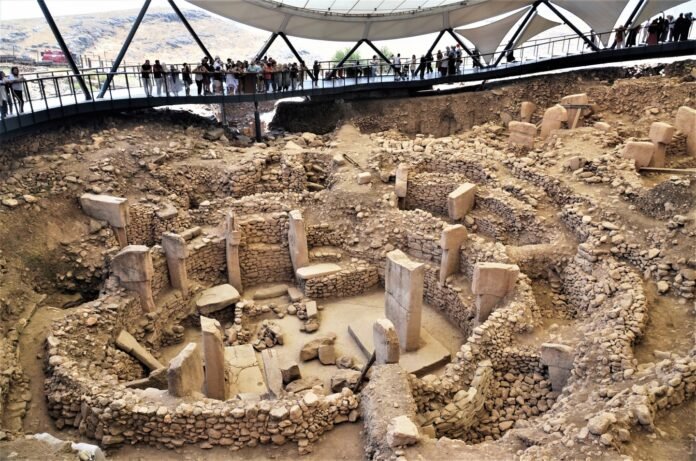
The ancient site of Göbekli Tepe has transformed our understanding of early human history. Located in southeastern Turkey, this remarkable archaeological discovery dates back to around 9600 BCE, making it significantly older than iconic structures like the Egyptian pyramids and Stonehenge. What makes Göbekli Tepe extraordinary is not just its age, but the questions it raises about how and when civilization truly began.

For decades, historians believed that agriculture was the foundation of civilization—that once humans settled and began farming, they developed social structures, religion, and monumental architecture. However, Göbekli Tepe challenges this long-held belief. Evidence suggests that it was constructed by hunter-gatherer communities, long before the advent of farming or permanent settlements. Despite their seemingly simple way of life, these early humans built massive circular enclosures with towering T-shaped stone pillars, some weighing over 20 tons. The pillars are intricately carved with images of animals such as lions, snakes, and birds, indicating a strong symbolic or spiritual significance.

The construction of such a complex site without the use of metal tools, wheels, or domesticated animals raises significant questions about the technological and organizational capabilities of early societies. Researchers believe that the builders of Göbekli Tepe must have possessed advanced knowledge of planning and cooperation, suggesting that social and religious motivations may have brought people together even before the development of agriculture.

Another enduring mystery surrounding Göbekli Tepe is its purpose. Many scholars consider it to be one of the world’s earliest known temple complexes, possibly used for rituals, gatherings, or ceremonial activities. The detailed carvings and the deliberate arrangement of the pillars point towards a culture rich in symbolism and belief systems.

Perhaps the most puzzling aspect of Göbekli Tepe is that it was intentionally buried around 8000 BCE. Unlike other ancient sites that were abandoned over time, this one appears to have been carefully covered with soil and debris. The reasons behind this act remain unknown, adding another layer of intrigue to the site’s history.

Today, Göbekli Tepe stands as a groundbreaking discovery in the field of archeology, forcing historians to reconsider the sequence of human development. It suggests that religion and social organization may have preceded agriculture, rather than the other way around.

In essence, Göbekli Tepe is not just an archaeological site—it is a powerful reminder that human history is far more complex than once imagined, and that many of its earliest chapters are still waiting to be fully understood.

Empowering India’s Tribal Tourism: ITDC Launches Homestay Capacity Building Programme

0

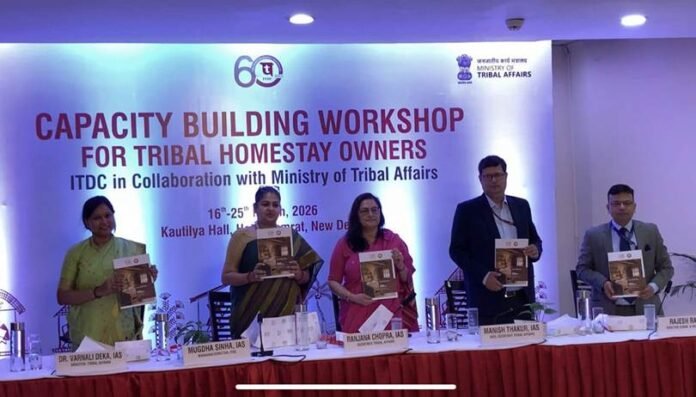
In a significant step towards inclusive growth and sustainable tourism, the India Tourism Development Corporation (ITDC), in collaboration with the Ministry of Tribal Affairs, has launched a Capacity Building Programme for Tribal Homestay Owners. The initiative was inaugurated in New Delhi and marks a major push to strengthen community-based tourism in India.

What the Programme Aims to Achieve

The programme is designed to train and empower tribal homestay operators by enhancing their hospitality skills and service standards. Conducted with the support of IHM Ashok, it focuses on:

●Improving visitor experience and service quality
●Promoting sustainable livelihood opportunities
●Strengthening local tourism ecosystems

The first batch includes 40 participants from states like Arunachal Pradesh, Sikkim, and Gujarat, reflecting the initiative’s diverse and inclusive approach.

A Step Towards Community-Based Tourism

This initiative aligns with the growing trend of travellers seeking authentic, nature-based, and culturally immersive experiences. As highlighted during the launch, modern tourists increasingly prefer destinations that are less crowded, environmentally sustainable, and rooted in local traditions.

In this context, the homestay model becomes highly relevant—it not only addresses the shortage of hotel infrastructure in remote regions but also ensures that tourism benefits reach grassroots communities.

Key Highlights of the Initiative

One of the major highlights of the launch was the release of the “Tribal Homestay – Operation & Development Manual 2026”, a structured and multilingual guide aimed at standardising and professionalising homestay operations across India.

The programme also aims to train around 1,500 participants, with a long-term vision of creating a “train the trainer” model, enabling expansion across states and communities.

Boosting Livelihoods and Preserving Culture

Beyond tourism, the initiative has strong socio-economic implications. It is expected to:

●Generate employment and income opportunities in tribal areas
●Encourage preservation of indigenous traditions and lifestyles
●Promote sustainable and responsible tourism practices

By integrating tourism with local culture, the programme ensures that development does not come at the cost of heritage.

The Bigger Picture

This collaboration reflects the government’s broader vision of inclusive development through tourism-led growth. With increasing global interest in experiential travel, India’s tribal regions—rich in culture, biodiversity, and heritage—hold immense untapped potential.

The Tribal Homestay Capacity Building Programme is more than just a training initiative—it is a step towards empowering communities, preserving traditions, and redefining tourism in India. As this model expands, it has the potential to transform rural economies while offering travellers a more meaningful and authentic way to explore the country.

From Jhumkas to ‘Vintage Earrings’: How Indian Jewellery is Inspiring Global Luxury Fashion

0

A recent move by global fashion house Ralph Lauren—introducing jhumka-style earrings under the label of “vintage earrings”—has sparked a wider conversation in the fashion world. While presented as a fresh aesthetic for international audiences, in India, the jhumka is a centuries-old ornament, deeply rooted in tradition, identity, and craftsmanship.

The Timeless Legacy of Jhumkas

The word jhumka comes from “jhumna,” meaning “to sway,” reflecting the earring’s iconic bell-shaped, dangling design. Historically, jhumkas can be traced back to ancient and medieval India, visible in temple sculptures and classical art. They gained prominence during royal eras, when intricate jewellery-making techniques flourished.

Across India, jhumkas evolved into diverse regional styles:

●Rajasthan & Gujarat: Kundan, Meenakari, and silver tribal jhumkas
●Tamil Nadu & Karnataka: Temple jewellery, often inspired by deities
●West Bengal & Odisha: Filigree (Tarakasi) jhumkas in delicate silver work
●Hyderabad: Pearl-studded designs influenced by Nizami culture

Crafted in gold, silver, pearls, gemstones, and even terracotta, jhumkas have remained a staple in both everyday wear and festive attire. Their versatility has allowed them to transition effortlessly from classical traditions to modern fashion statements.

India’s Influence on Global Fashion

The reinterpretation of jhumkas by global brands reflects a broader reality—Indian design sensibilities have long shaped global fashion trends. From embroidery techniques to textiles and jewellery, India’s influence is visible across luxury runways.

Designers worldwide often draw from Indian aesthetics, attracted by their intricacy, symbolism, and craftsmanship. In this context, the appearance of jhumka-inspired designs in international collections is not surprising—it is a continuation of a long-standing creative exchange.

Cultural Appreciation or Appropriation?

However, such instances also raise important questions. When traditional designs are renamed and reintroduced without acknowledging their origins, it can blur cultural ownership.
Is it appreciation—celebrating and sharing Indian artistry globally?
Or is it appropriation—repackaging heritage without credit?
The answer often lies in recognition and representation. Giving due credit to Indian artisans and cultural roots ensures that inspiration does not become erasure.

A Boost for Indian Craft and Identity

At the same time, global attention offers a significant opportunity. Increased visibility can:

●Promote Indian jewellery brands and artisans
●Encourage preservation of traditional techniques
●Expand international markets for handcrafted designs

India’s jewellery industry, already one of the largest in the world, stands to benefit if this interest is channelled authentically.

More Than Just an Ornament

Jhumkas are not merely accessories—they are cultural symbols passed down through generations. From brides to classical dancers, from rural traditions to urban fashion, they carry stories of heritage, identity, and artistry.

A Global Future with Indian Roots

Whether labelled as jhumkas or “vintage earrings,” the design’s essence remains unmistakably Indian. The global spotlight on such jewellery only reinforces one truth: India is not just influencing fashion—it is shaping it.

In a world constantly searching for originality, Indian traditions continue to offer timeless inspiration—proving that what is deeply rooted locally can resonate globally.

Dhurandhar 2: The Revenge Roars Into Theatres — Ranveer Singh’s ‘Beast Mode’ Spy Saga Takes Over Box Office

0

PC ( FilmsAndfacts)

A Power-Packed Sequel That Redefines Bollywood Action. One of the most anticipated films of the year, Dhurandhar 2: The Revenge, has finally hit theatres on March 19, 2026, creating a nationwide frenzy. Directed by Aditya Dhar and headlined by Ranveer Singh, the film is a high-octane spy thriller that continues the gripping story of the 2025 blockbuster Dhurandhar. The release strategically coincides with festive celebrations like Gudi Padwa, Ugadi, and Eid al-Fitr, amplifying its massive opening.

Star Cast & Characters That Command Attention. The film brings together a powerhouse ensemble Ranveer Singh as Jaskirat Singh Rangi / Hamza Ali Mazari Sanjay Dutt as SP Chaudhary Aslam R. Madhavan as Ajay Sanyal. Arjun Rampal as Major Iqbal Ranveer’s dual transformation into a patriotic RAW agent and a feared underworld kingpin has become the film’s biggest highlight.

Into the Heart of Enemy Territory The story follows Jaskirat Singh Rangi as he goes deep undercover in Lyari, Pakistan, assuming the identity of Hamza Ali Mazari. As he rises to become the “King of Lyari,” he aims to dismantle a powerful criminal network from within, blurring the lines between duty and identity.

Runtime & Certification with a staggering runtime of nearly 3 hours and 49 minutes, the film offers an expansive cinematic experience. It has been granted an ‘A’ certificate by the Central Board of Film Certification, with several edits made to tone down graphic content.

Box Office Tsunami Before Release even before its official release, Dhurandhar 2 shattered records over 4.7 lakh tickets sold for Day 1 advance booking revenue nearing ₹29 crore. Paid previews grossing ₹40+ crore. Total pre-sales crossing ₹86 crore. Trade analysts are already predicting a ₹1,000 crore global run, making it a potential blockbuster of historic proportions.Midnight Shows & fan frenz due to overwhelming demand, theatres across major cities have introduced late-night and 2:00 AM screenings. In a surprising move, Mumbai’s iconic Maratha Mandir even adjusted its long-standing schedule of Dilwale Dulhania Le Jayenge to accommodate the film’s extended runtime.

Early Audience Reactions: ‘Beast Mode’ Activated. The initial response from paid previews has been explosive Ranveer Singh hailed as being in “complete beast mode” Praised for intense performance and screen Presence background score by Shashwat Sachdeva called “soul-stirring”

Runtime described as both “epic” and “exhausting” Why the Craze is Unstoppable. The Cliffhanger Effect. The first Dhurandhar left audiences hanging, creating massive anticipation for the sequel. Ranveer’s Transformation his shift from a RAW agent to a ruthless don is being seen as a career-defining performance. The Aditya Dhar Factor after Uri: The Surgical Strike, Dhar has built a reputation for realistic, patriotic storytelling. Stellar Supporting Cast Veterans like Sanjay Dutt and R. Madhavan add depth and gravitas. Grand Scale & Realism Shot across international locations, the film delivers a visually immersive and authentic experience. Final Verdict A Cultural Phenomenon in the Making Dhurandhar 2: The Revenge is not just a film—it’s a cinematic event. With its gripping narrative, larger-than-life performances, and unprecedented hype, it is poised to dominate the box office and audience conversations alike.

India Takes Flight: Becoming the World’s Third-Largest Domestic Aviation Market

0

India’s aviation sector has reached a major milestone, with the country officially emerging as the third-largest domestic aviation market in the world, according to a recent release by the Ministry of Civil Aviation. This achievement reflects not just rising passenger numbers, but a deeper transformation in how Indians travel—marking a shift from luxury to accessibility.

A Skyward Growth Story

Over the past decade, India’s aviation landscape has expanded rapidly. The number of operational airports has more than doubled, regional connectivity has improved, and airline networks have penetrated deeper into smaller cities. Today, over five lakh passengers travel daily by air, highlighting the scale at which aviation has become a part of everyday life.

A key driver behind this growth has been the government’s regional connectivity push through the UDAN (Ude Desh ka Aam Naagrik) scheme, which has made flying affordable for millions and connected previously underserved regions.

Passenger-Centric Reforms Take Centre Stage

As the sector grows, the focus has also shifted towards improving the passenger experience. The Director General of Civil Aviation (DGCA) has recently introduced a series of guidelines aimed at enhancing transparency and fairness.

One of the most notable changes is the mandate that at least 60% of seats on any flight must be offered free of charge, ensuring that passengers are not burdened with additional costs for basic seat selection. Families travelling on the same booking (PNR) are also to be seated together, addressing a long-standing concern among flyers.

Additionally, airlines have been directed to:

●Clearly communicate passenger rights across platforms
●Ensure transparency in policies related to baggage, pets, and special items
●Strictly follow compensation norms in cases of delays, cancellations, or denied boarding

Balancing Growth with Accessibility

These reforms signal a broader shift in India’s aviation policy—from revenue-focused services to passenger-first governance. While airlines may face some impact on ancillary revenues, the long-term goal is to build trust and make air travel more inclusive.

What Lies Ahead

India’s emergence as a global aviation leader is not just about numbers—it reflects rising aspirations, economic growth, and improved connectivity. With continued investments in infrastructure, technology, and policy reforms, the sector is poised for even greater expansion.

As India’s skies grow busier, the emphasis on affordability, transparency, and accessibility ensures that this growth benefits not just the industry, but every traveller taking to the skies.

Chaitra Navratri Fasting: Tradition, Science, Food and the Deeper Meaning

0

With the arrival of spring, Chaitra Navratri begins, marking not just a sacred nine-day festival dedicated to Goddess Durga, but also a time of inner cleansing, discipline, and renewal. Observed in the month of Chaitra (March–April), this period aligns with seasonal change, making fasting during Navratri both spiritually meaningful and scientifically relevant.

Why Do People Fast During Navratri?

Fasting during Navratri is rooted in devotion and self-discipline. Devotees abstain from regular foods to purify the body and mind, focusing on prayer, meditation, and spiritual growth.

From a traditional perspective, fasting is a way to detach from worldly indulgence and channel energy towards the divine. Many also dedicate this time to worship their Kuldevi or the nine forms of Goddess Durga, seeking blessings for health, prosperity, and protection.

Fasting Beyond Food: The Deeper Spiritual Meaning

Fasting in Navratri is not limited to food restrictions—it is also about gaining control over the senses, thoughts, and actions. It encourages individuals to practice restraint not just in eating, but also in speaking, thinking, and behaviour.

Devotees often try to:
•Avoid negative thoughts and emotions
•Practice calmness and patience
•Stay away from distractions and unhealthy habits
•Focus on mindfulness, prayers, and self-reflection

In essence, fasting becomes a form of holistic discipline, where the body, mind, and soul are aligned. It teaches that true purification comes not only from what we eat, but also from what we think, say, and do.

The Scientific Logic Behind Navratri Fasting

Interestingly, Navratri fasting also aligns closely with seasonal and biological rhythms. Chaitra Navratri falls during the transition from winter to summer, a time when the body’s immunity can be vulnerable.

Fasting during this phase helps:

●Detoxify the body by giving the digestive system a break
●Boost metabolism through lighter, easily digestible foods
●Improve gut health by eliminating processed and heavy foods
●Enhance mental clarity due to reduced toxin load

The emphasis on simple, natural, and plant-based foods supports the body’s adaptation to the changing climate.

Foods Associated with Navratri Fasting

Navratri fasting does not mean complete abstinence, it involves consuming specific sattvic (pure) foods that are light, nourishing, and easy to digest.

Common fasting foods include:
●Kuttu and Singhara flour – Used for rotis and pakoras; gluten-free and nutrient-rich
●Sabudana– A quick source of energy, often prepared as khichdi or vada
●Potatoes and sweet potatoes – Provide sustained energy
●Milk, curd, and paneer – Rich in protein and calcium
●Fruits and dry fruits – Natural sources of vitamins and minerals
●Rock salt (sendha namak) – Used instead of regular salt for better mineral balance
●Nuts like almonds and cashews – Provide healthy fats and energy


Benefits of Navratri Fasting Foods

The foods consumed during Navratri are deeply rooted in nutritional wisdom:

•Light and easy-to-digest meals reduce strain on digestion
•High-energy ingredients help maintain stamina during fasting
•Fruits and dairy ensure essential nutrient intake
•Gluten-free flours support better gut health

Together, these foods help maintain a balance between energy, nutrition, and detoxification.

A Balance of Faith, Discipline and Well-being

Chaitra Navratri fasting beautifully combines spiritual discipline with scientific understanding. It goes beyond dietary practices to become a journey of self-control, mindfulness, and inner growth.

More than just a ritual, it is a reminder that true well-being comes from harmony—between body, mind, and spirit. As nature renews itself in spring, Navratri encourages individuals to do the same, embracing a fresh start with clarity, positivity, and inner strength.

Cheti Chand 2026: Celebrating the Sindhi New Year

0

In 2026, Cheti Chand will be celebrated on 20 March, marking the beginning of the Sindhi New Year and the birth anniversary of the revered saint Jhulelal.

Falling during the auspicious period of the Chaitra month, this festival beautifully aligns with the spirit of spring—symbolising renewal, hope, and new beginnings.

What is Cheti Chand?

Cheti Chand is the New Year festival of Sindhi Hindus, observed on the second day (Dwitiya) of the Shukla Paksha in the month of Chaitra.

The name itself reflects its timing—“Cheti” refers to the Sindhi month of Chaitra, and “Chand” means moon, indicating the lunar calendar’s importance in determining the festival.

It is not just a new year celebration, but a day of cultural identity, unity, and spiritual devotion for the Sindhi community across the world.

Significance and the Story Behind the Festival

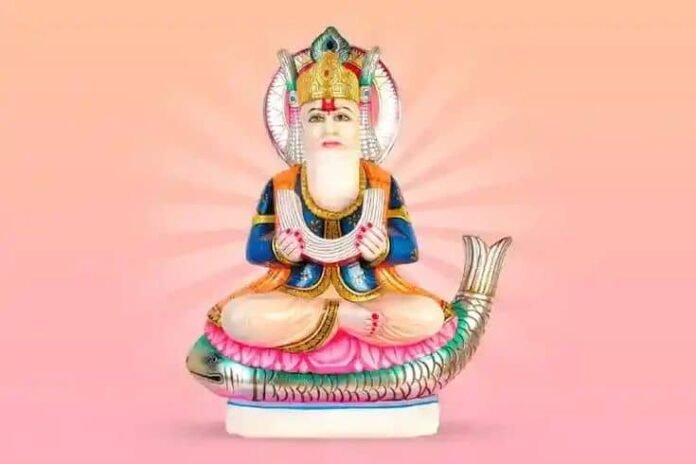
Cheti Chand is primarily celebrated as the birth anniversary of Lord Jhulelal, the patron saint and protector of Sindhi Hindus.

According to legend, the Sindhi community once faced religious persecution under a ruler named Mirkhshah. In their distress, they prayed to the water deity Varuna, seeking protection. Their prayers were answered with the birth of Jhulelal, believed to be an incarnation of Varuna, who stood for justice, unity, and religious harmony.

Jhulelal preached that all religions lead to the same divine truth and opposed forced conversions, becoming a symbol of faith, courage, and communal harmony.

Thus, Cheti Chand is not only a celebration of a new year but also a remembrance of resilience, devotion, and cultural survival.

Rituals and Traditions

The festival is marked by vibrant rituals and community celebrations:

●Baharana Sahib Procession: Devotees prepare a sacred offering called Baharana Sahib, which includes a diya (lamp), fruits, sugar crystals, and other symbolic items. This is carried in a procession to a nearby river or water body as an offering to Jhulelal.

●Jhulelal Worship: Temples and homes resonate with bhajans, aarti, and prayers dedicated to Jhulelal.

●Fasting and Devotion: Many devotees observe fasts and engage in prayers, sometimes linked to the tradition of Chaliho, a period of intense devotion.

●Community Gatherings: Cultural programs, fairs, and processions are organised, strengthening social bonds and preserving Sindhi heritage.

Food and Festive Offerings

Food plays a significant role in Cheti Chand celebrations. Traditional offerings and dishes include:

•Sweet rice and prasad
•Fruits and jaggery-based preparations
•Chickpeas and other simple sattvic foods

These foods symbolise gratitude, prosperity, and sharing within the community.

Where and How It is Celebrated

Cheti Chand is celebrated with great enthusiasm by Sindhi communities across India, as well as globally wherever Sindhi diaspora resides.

Processions, devotional singing, and festive gatherings create an atmosphere of joy, devotion, and cultural pride, keeping traditions alive across generations.

A Festival of Faith and New Beginnings

At its core, Cheti Chand is a celebration of new beginnings, faith, and unity. It reflects the Sindhi community’s deep-rooted spiritual values and their enduring connection to their heritage.

As spring brings renewal to nature, Cheti Chand inspires people to begin anew—with hope, resilience, and a renewed sense of purpose.

Navdurga: The Nine Divine Forms of the Goddess Worshipped During Chaitra Navratri

0

Chaitra Navratri marks the beginning of the Hindu New Year in many parts of India and is a sacred nine-day festival dedicated to the worship of the Divine Goddess Durga. Celebrated during the spring season, it symbolises renewal, spiritual awakening, and the victory of positivity over negativity. Each of these nine days is devoted to a different form of the Goddess, collectively known as the Navdurga.

The Concept and Significance of Navdurga

The term Navdurga literally means “nine forms of Durga.” These forms represent different aspects of the divine feminine energy or Shakti, guiding devotees on a journey of spiritual growth.

Each day of Navratri is dedicated to one form of the Goddess, symbolising a gradual progression—from strength and discipline to wisdom and ultimate enlightenment. This structured worship reflects a deeper philosophy: just as nature transforms during spring, individuals too are encouraged to purify their minds, strengthen their faith, and evolve spiritually.

The Navdurga collectively convey powerful messages of strength, devotion, courage, purity, and wisdom, making Navratri not just a festival, but a path of inner transformation.

The Nine Forms of the Goddess

1. Shailputri
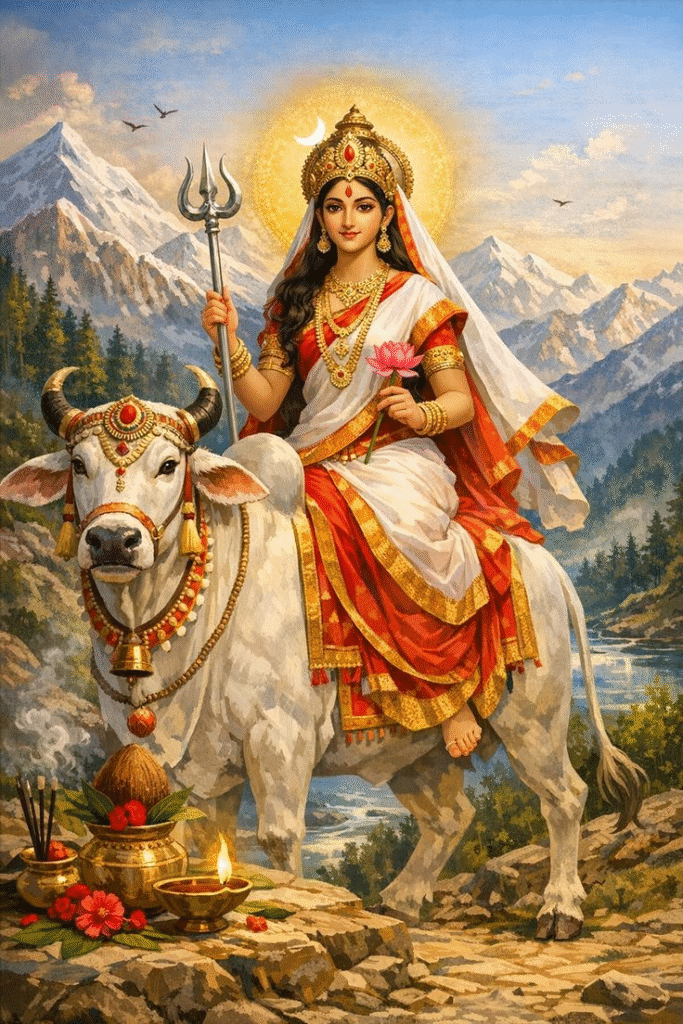
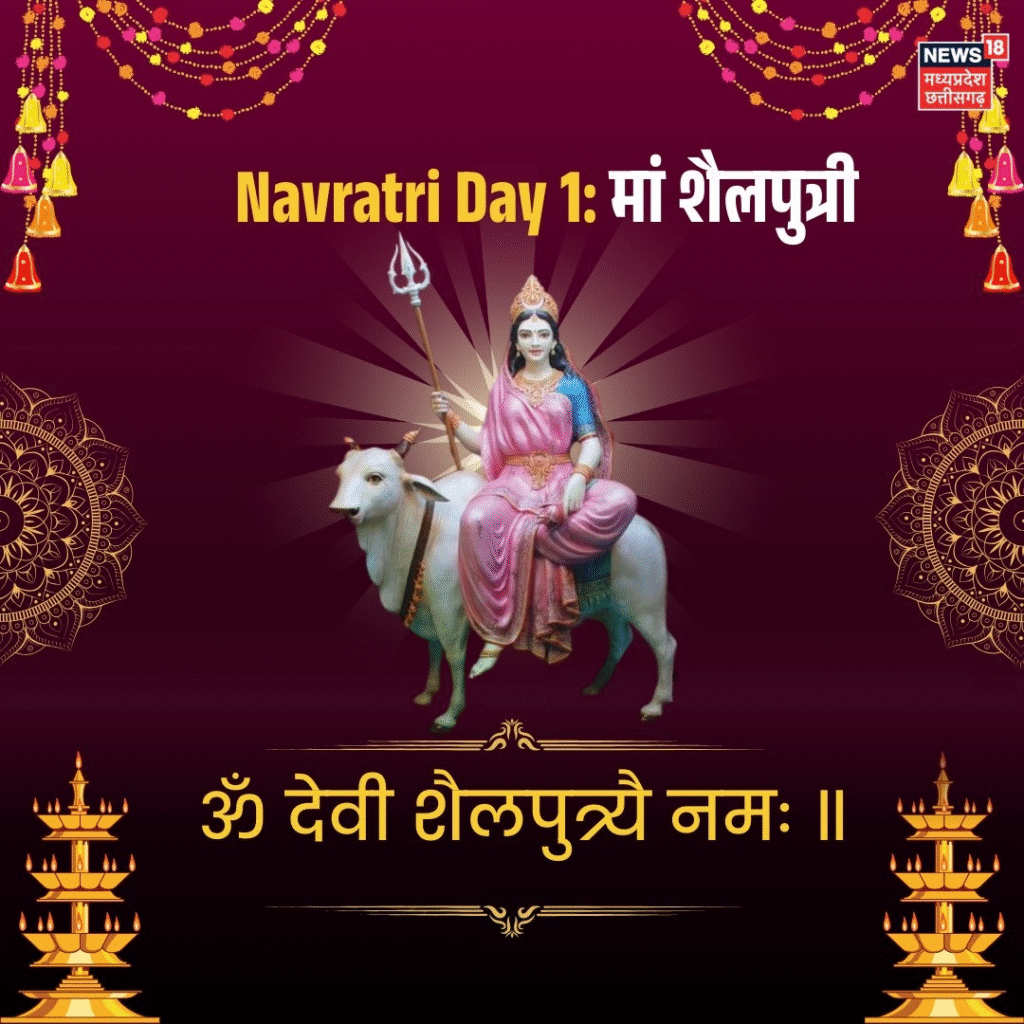
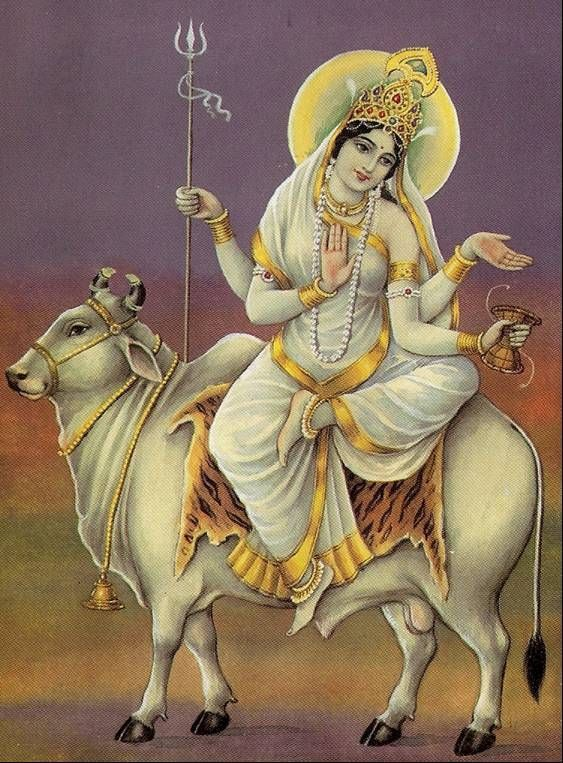
The first form, Shailputri, is the daughter of the mountains (Himalaya). She symbolises strength, stability, and a deep connection with nature. Worshipped on the first day, she represents the beginning of spiritual awakening.

2. Brahmacharini
Brahmacharini embodies penance, devotion, and discipline. She signifies the pursuit of knowledge and the importance of dedication in one’s spiritual journey.

3. Chandraghanta
The warrior form Chandraghanta represents courage and bravery. With a crescent moon on her forehead, she is believed to destroy evil and protect her devotees.

4. Kushmanda
Kushmanda is considered the creator of the universe. It is believed that she brought light to the cosmos with her divine smile, symbolising creativity and cosmic energy.

5. Skandamata
The motherly form Skandamata represents love, care, and protection. She is the mother of Lord Kartikeya (Skanda) and blesses devotees with wisdom and prosperity

6. Katyayani
Katyayani is a fierce warrior goddess who destroys evil forces. She symbolises strength, determination, and justice, inspiring devotees to fight against negativity.

7. Kalaratri
The most powerful and fearsome form, Kalaratri , represents the destruction of darkness and ignorance. Despite her fierce appearance, she is considered a protector who removes fear and obstacles.

8. Mahagauri
Mahagauri symbolises purity, peace, and serenity. Worshipped for spiritual cleansing, she represents calmness and inner beauty.

9. Siddhidatri
The final form, Siddhidatri, is the giver of wisdom and divine powers (siddhis). She represents the ultimate stage of spiritual enlightenment and fulfilment.

Rituals Associated with Navdurga Worship

During Navratri, devotees observe fasts, daily prayers, and meditation, seeking blessings from each form of the Goddess. Special offerings (bhog) are prepared and offered every day, often including fruits, sweets, and sattvic food.

Temples dedicated to Durga witness large gatherings, and many households perform Ghatasthapana (Kalash Sthapana) to mark the beginning of the festival. Chanting of mantras, recitation of Durga Saptashati, and participation in devotional activities form an essential part of the celebrations.

A Journey of Faith and Transformation

The worship of Navdurga during Navratri is not merely ritualistic—it is a symbolic journey of the soul. From strength and discipline to wisdom and enlightenment, these nine forms guide devotees towards self-realisation.

Rooted in faith and devotion, Navdurga worship reflects the timeless power of the divine feminine, reminding us that true strength lies in balance, courage, and inner purity.