Home Blog Page 24

Navdurga: The Nine Divine Forms of the Goddess Worshipped During Chaitra Navratri

0

Chaitra Navratri marks the beginning of the Hindu New Year in many parts of India and is a sacred nine-day festival dedicated to the worship of the Divine Goddess Durga. Celebrated during the spring season, it symbolises renewal, spiritual awakening, and the victory of positivity over negativity. Each of these nine days is devoted to a different form of the Goddess, collectively known as the Navdurga.

The Concept and Significance of Navdurga

The term Navdurga literally means “nine forms of Durga.” These forms represent different aspects of the divine feminine energy or Shakti, guiding devotees on a journey of spiritual growth.

Each day of Navratri is dedicated to one form of the Goddess, symbolising a gradual progression—from strength and discipline to wisdom and ultimate enlightenment. This structured worship reflects a deeper philosophy: just as nature transforms during spring, individuals too are encouraged to purify their minds, strengthen their faith, and evolve spiritually.

The Navdurga collectively convey powerful messages of strength, devotion, courage, purity, and wisdom, making Navratri not just a festival, but a path of inner transformation.

The Nine Forms of the Goddess

1. Shailputri
The first form, Shailputri, is the daughter of the mountains (Himalaya). She symbolises strength, stability, and a deep connection with nature. Worshipped on the first day, she represents the beginning of spiritual awakening.

2. Brahmacharini
Brahmacharini embodies penance, devotion, and discipline. She signifies the pursuit of knowledge and the importance of dedication in one’s spiritual journey.

3. Chandraghanta
The warrior form Chandraghanta represents courage and bravery. With a crescent moon on her forehead, she is believed to destroy evil and protect her devotees.

4. Kushmanda
Kushmanda is considered the creator of the universe. It is believed that she brought light to the cosmos with her divine smile, symbolising creativity and cosmic energy.

5. Skandamata
The motherly form Skandamata represents love, care, and protection. She is the mother of Lord Kartikeya (Skanda) and blesses devotees with wisdom and prosperity

6. Katyayani
Katyayani is a fierce warrior goddess who destroys evil forces. She symbolises strength, determination, and justice, inspiring devotees to fight against negativity.

7. Kalaratri
The most powerful and fearsome form, Kalaratri , represents the destruction of darkness and ignorance. Despite her fierce appearance, she is considered a protector who removes fear and obstacles.

8. Mahagauri
Mahagauri symbolises purity, peace, and serenity. Worshipped for spiritual cleansing, she represents calmness and inner beauty.

9. Siddhidatri
The final form, Siddhidatri, is the giver of wisdom and divine powers (siddhis). She represents the ultimate stage of spiritual enlightenment and fulfilment.

Rituals Associated with Navdurga Worship

During Navratri, devotees observe fasts, daily prayers, and meditation, seeking blessings from each form of the Goddess. Special offerings (bhog) are prepared and offered every day, often including fruits, sweets, and sattvic food.

Temples dedicated to Durga witness large gatherings, and many households perform Ghatasthapana (Kalash Sthapana) to mark the beginning of the festival. Chanting of mantras, recitation of Durga Saptashati, and participation in devotional activities form an essential part of the celebrations.

A Journey of Faith and Transformation

The worship of Navdurga during Navratri is not merely ritualistic—it is a symbolic journey of the soul. From strength and discipline to wisdom and enlightenment, these nine forms guide devotees towards self-realisation.

Rooted in faith and devotion, Navdurga worship reflects the timeless power of the divine feminine, reminding us that true strength lies in balance, courage, and inner purity.
The Craft Behind the Sparkle: Jewellery Traditions of Rajasthan

0

The Skill of Artisans that Shapes Every Ornament

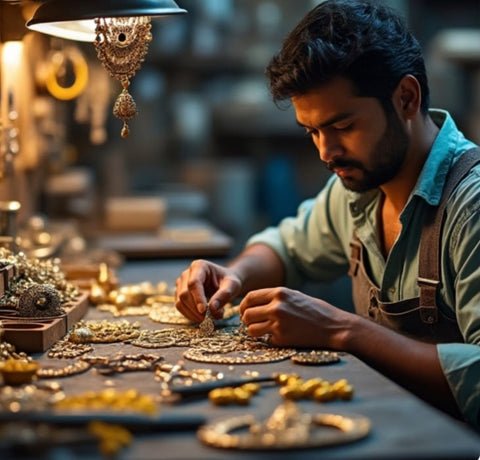
Behind every piece of traditional jewellery lies the remarkable skill of artisans who have preserved their craft through generations. In Rajasthan, and particularly in the historic region of Mewar, jewellery making has long been regarded as both an art and a specialised craft.

The Mastery of Traditional Techniques

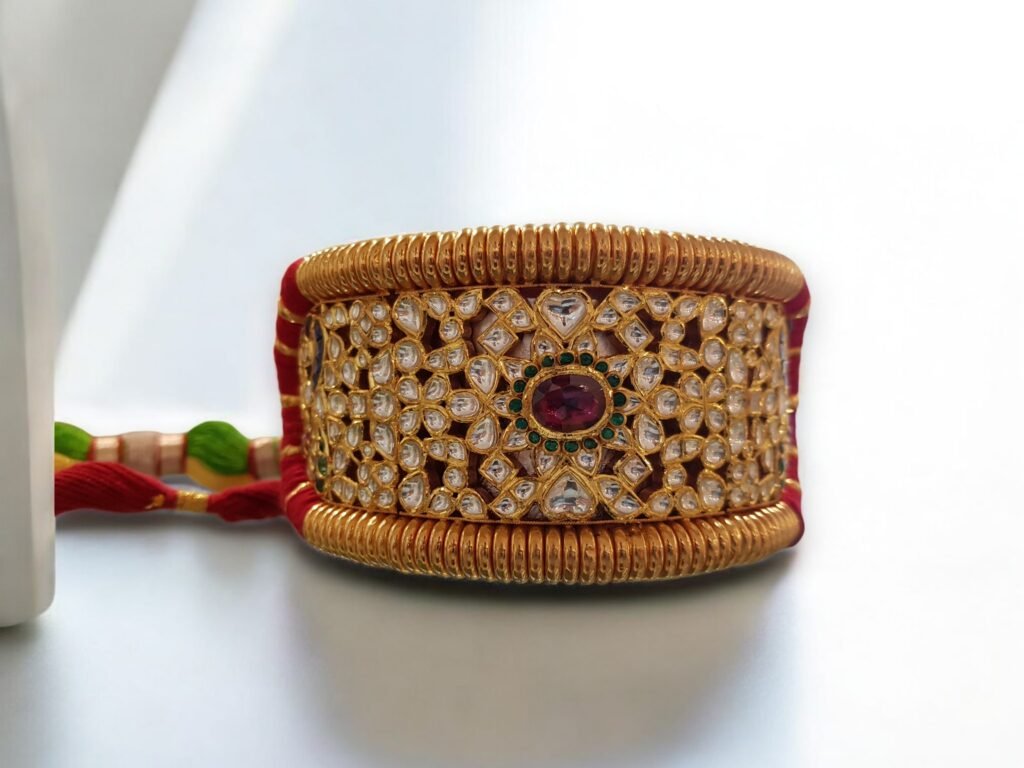
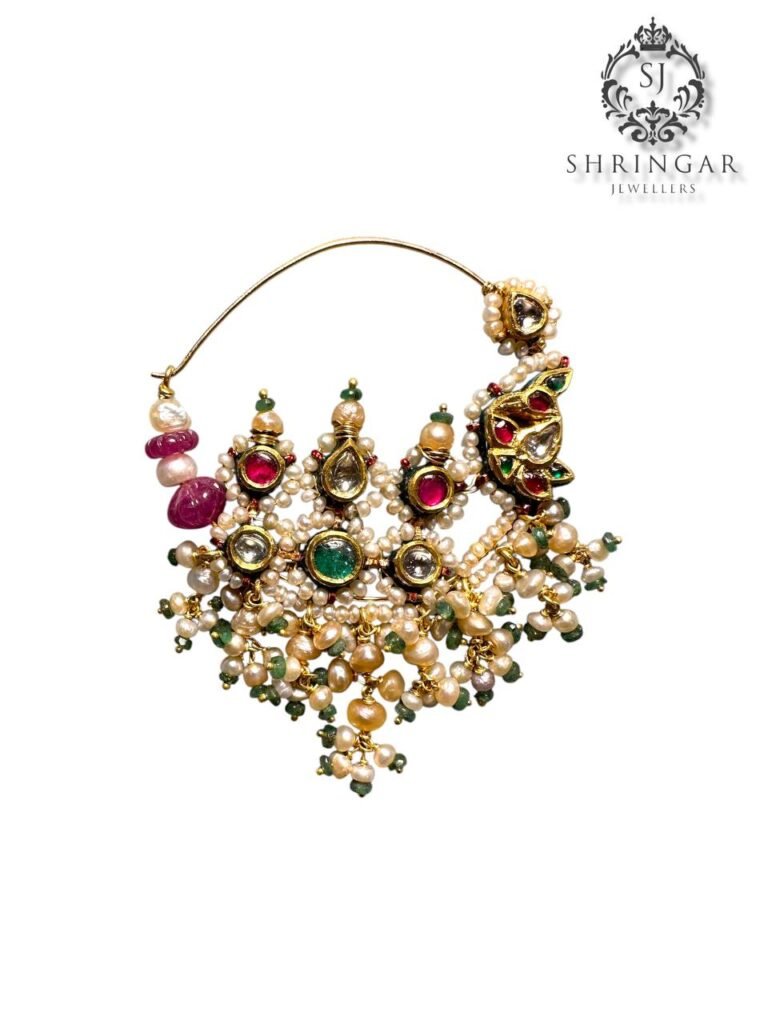
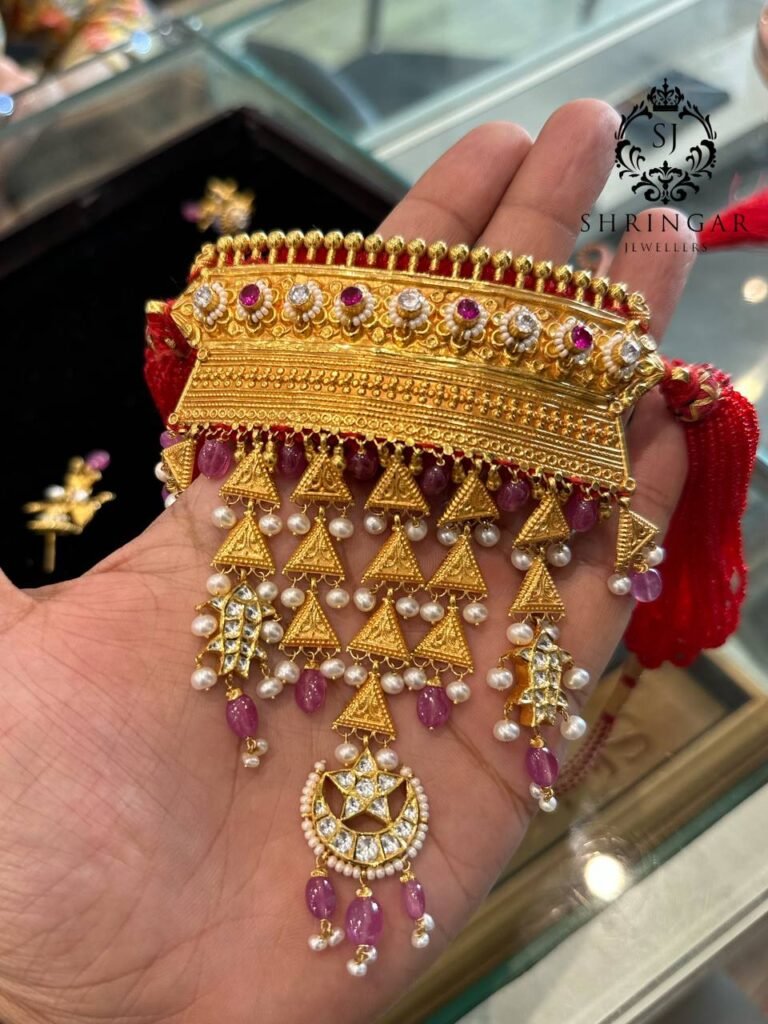
For centuries, skilled goldsmiths and craftsmen have created exquisite ornaments using techniques that require immense patience and precision. Among the most celebrated is Kundan, where gemstones are carefully set into refined gold foil to create intricate designs. Another renowned style is Polki jewellery, which uses uncut diamonds to produce regal and elaborate ornaments.

The colourful technique of Meenakari, which involves enamelling metal surfaces with vibrant patterns and motifs, also flourished under royal patronage. Over time, it became one of the most admired decorative elements in Rajasthani jewellery.

One of the region’s most distinctive crafts is Thewa work, which originated in Pratapgarh nearly four centuries ago. This technique involves fusing delicate gold designs onto coloured glass, creating striking pendants and ornaments known for their unique aesthetic.

The development of such jewellery techniques reflects the creativity of local artisans and the strong artistic traditions of Rajasthan.

From Traditional Workshops to Contemporary Design

Historically, jewellery was crafted in small workshops by families of goldsmiths who passed their knowledge from one generation to another. While the methods and tools have evolved with time, many jewellers continue to draw inspiration from these traditional designs.

Today, contemporary jewellery houses reinterpret heritage styles while adapting them to modern tastes and preferences. Brands such as Tanishq, TBZ, Amrapali and Kalyan Jewellers have introduced collections inspired by classic Rajasthani techniques like kundan and meenakari, bringing these designs to a wider audience.

Carrying the Legacy Forward

For many jewellers in Rajasthan, jewellery making remains a family tradition that continues across generations.

Gaurav Soni, jewellery designer and owner of Shringar Jewellers, believes that traditional jewellery continues to hold a special place even in modern times.

“Traditional jewellery is always in trend. Even today’s brides love wearing classic pieces, often adding their own customisations and personal touches. We experiment with colours and designs to give traditional jewellery a modern appeal while preserving its heritage,” he says.

Soni adds that the continuity of craftsmanship plays an important role in sustaining this legacy. “The art of making traditional jewellery has been passed down through generations in our family. Our forefathers created such ornaments, and while we continue learning modern techniques, we remain committed to crafting traditional and heritage jewellery.”

Tradition that Continues to Shine

Historian Dr. Itiraj Sharma notes that traditional jewellery in Rajasthan has always combined artistic value with cultural significance. Even as design trends evolve, the craftsmanship behind these ornaments remains rooted in centuries-old traditions.

The Craft Behind the Sparkle: Jewellery Traditions of Rajasthan

From the meticulous hands of artisans to modern jewellery studios, the legacy of Rajasthani jewellery continues to shine—carrying forward a heritage where craftsmanship, culture and creativity come together in every piece.

Vikramotsav 2026: Ongoing Celebrations in Ujjain – From Today to the Grand Finale

0

PC (Bhaskar, EVENTFAQS India)

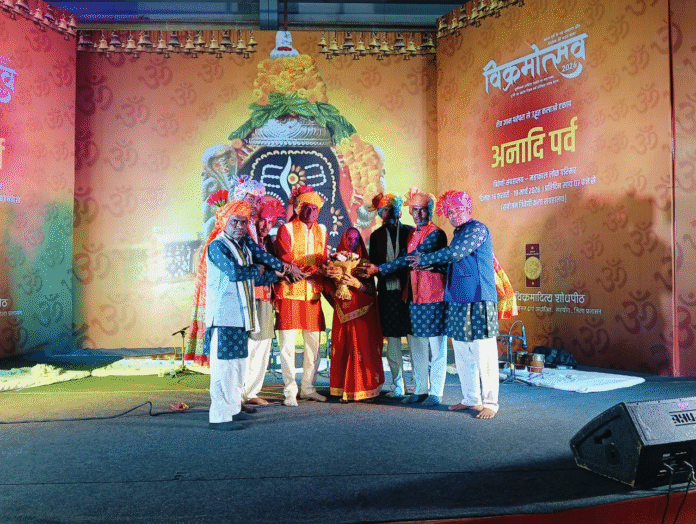
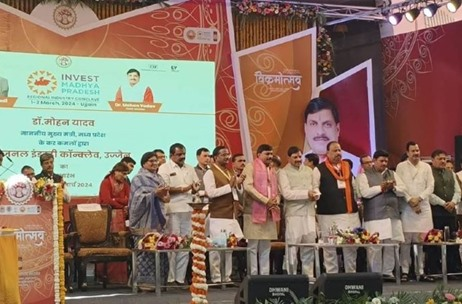
As of March 17, 2026, the grand Vikramotsav 2026 festival in Ujjain, Madhya Pradesh, is in its final exciting phase. Dedicated to the legacy of Samrat Vikramaditya, this major cultural event, which began on Mahashivratri (February 15, 2026), continues to showcase India’s rich heritage through art, music, theater, literature, and more. With over 41 diverse activities and participation from thousands of national and international artists, the festival serves as a vibrant prelude to the upcoming Simhastha Kumbh Mela 2028.

Current Phase: Mid-March Highlights (Ongoing as of March 17)

The festival has already featured numerous memorable events in recent weeks, including classical music performances, dance recitals, and intellectual discussions. As we approach the closing days: The International Mythological Film Festival is currently underway (March 13-17, 2026), drawing participation from over 25 countries. This event highlights mythological themes through cinema, fostering global cultural dialogue at venues across Ujjain. Recent and immediate highlights includen classical music recitals (e.g., flute performances in Raag Yaman and other ragas), Dance presentations such as Kuchipudi and Bharatanatyam at Kalidas Academy. Ongoing exhibitions on history, mythology, tribal art, and Indian traditions

The Vikram Vyapar Mela (trade fair), which offered up to 50% road tax rebates on vehicle purchases, concluded its main sales phase around March 18, contributing significantly to local economic boost with record automobile sales.

Vikramotsav 2026: Ongoing Celebrations in Ujjain – From Today to the Grand Finale

Upcoming Key Events: March 18–19, 2026

The festival reaches its emotional and ceremonial peak in the next two days
March 18 Final wrap-up of select ongoing exhibitions, trade activities, and cultural programs as the main intensive phase winds down.March 19 – Ujjayini Gaurav Diwas: The grand finale coincides with Varsh Pratipada (Chaitra Shukla Pratipada), marking the Hindu New Year (Vikram Samvat 2083 begins). Celebrated as Ujjayini Gaurav Diwas (Ujjain Pride Day) on the banks of the Shipra River, this day features Mass Surya Upasana (sun worship) ceremonies promoting positivity and spiritual awakening. Presentation of the prestigious Samrat Vikramaditya Award (including the international honor worth ₹1.01 crore for exemplifying justice and good governance). Vikram Panchang release and special cultural programs .Grand fireworks display Potential major musical performances (as seen in past editions with renowned artists). This day symbolizes new beginnings, cultural pride, and the revival of Samrat Vikramaditya’s ideals of justice, wisdom, and prosperity.

Beyond March: Extended Festival Activities

While the primary cultural and ceremonial events conclude on March 19, some multidimensional activities under Vikramotsav 2026 extend until June 30, 2026 (totaling 139 days from start). These may include follow-up exhibitions, workshops, and preparatory events building momentum for future heritage initiatives.

Core Essence and Impact

Vikramotsav revives the golden era of Samrat Vikramaditya, introducing younger generations to Indian knowledge systems, the scientific basis of the Vikram Samvat calendar, and Ujjain’s eternal spiritual identity. It blends culture with economic growth (through fairs and tourism) and environmental efforts (like Jal Ganga Sanvardhan Abhiyan). Led by Madhya Pradesh Chief Minister Dr. Mohan Yadav, the festival continues to unite tradition, art, and modernity in the sacred city of Mahakaleshwar.

Nepal Welcomes Its First Transgender Woman MP – Bhumika Shrestha: Know The Woman Breaking Barriers in Parliament

0

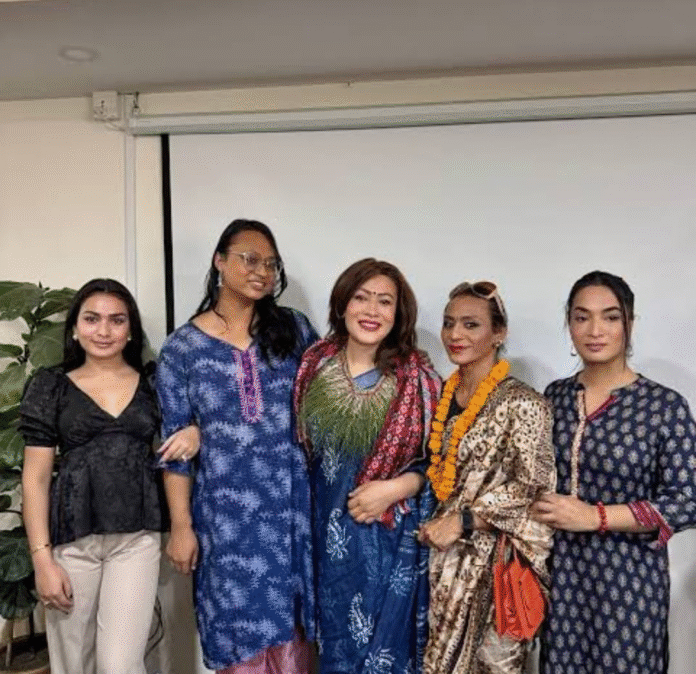
In a groundbreaking moment for inclusivity and representation in South Asia, Bhumika Shrestha has become Nepal’s first transgender woman Member of Parliament. On March 16, 2026, Nepal’s Election Commission officially confirmed the 37-year-old LGBTQ+ rights activist as a proportional representation MP from the centrist Rastriya Swatantra Party (RSP), which secured a commanding majority in the recent general elections. Draped in garlands and surrounded by supporters at the Blue Diamond Society office in Kathmandu, Shrestha accepted symbolic gifts-including a pen representing her new legislative authority-amid celebrations that underscored the joy and hope within Nepal’s marginalized communities.

Shrestha, a longtime advocate affiliated with the Blue Diamond Society (BDS), has dedicated years to fighting for the rights of gender and sexual minorities. She is the author of the autobiography Bhumika: Tisro Lingiko Atmakatha (Bhumika: Autobiography of a Third Gender), which chronicles the challenges and triumphs of transgender individuals in Nepal. Her work earned her international recognition, including the International Women of Courage Award from the U.S. State Department in 2022.

Expressing her emotions after the confirmation, Shrestha told AFP: “I am very excited but also feel the responsibility on my shoulders. Our constitution has provisions for our community but they have not translated to laws and policies. Our community expects me to raise our issues in parliament.”

This landmark achievement comes in the wake of Nepal’s March 5, 2026, general elections-the first since anti-corruption protests toppled the previous government in September 2025. The RSP, led by rapper-turned-politician Balendra Shah, won 125 directly elected seats and 57 through proportional representation, totaling 182 seats in the 275-member House of Representatives-just shy of a two-thirds majority.

Nepal has long been a regional leader in progressive LGBTQ+ policies: discrimination based on gender or sexual orientation was outlawed in 2007, a “third gender” category was introduced for citizenship documents in 2013 (with passports following in 2015), and a 2023 Supreme Court interim order allowed same-sex and transgender couples to register marriages. Despite these advancements, openly LGBTQ+ representation in politics has been scarce since openly gay activist Sunil Babu Pant served as a lawmaker in 2008.

With more than 900,000 people identifying as sexual minorities according to BDS estimates, Shrestha’s entry into parliament is hailed as a “historic” step by community leaders like Umisha Pandey, president of BDS: “Our pains, our sufferings, our feelings, our stories and our every problem is only understood by us, not by others.”

Shrestha has pledged to advocate for stronger constitutional implementation, legal protections, and greater inclusive representation for gender and sexual minorities-turning symbolic progress into tangible policy change. This victory not only elevates transgender voices in Nepal’s political arena but also signals a broader shift toward diversity in governance, inspiring hope for marginalized groups across the region. As Shrestha steps into her role, the Himalayan nation takes a significant stride toward true equality and representation.

MP’s Unsung Hero: 20-Year-Old Bittu Tabahi Single-Handedly Cleans Polluted Ajnar River in MP

0

In the heart of Madhya Pradesh (MP), a state often celebrated for its rich cultural heritage and natural beauty, one young man has emerged as a powerful symbol of environmental action and personal responsibility. Bittu Tabahi, a 20-year-old from the small town of Biaora in Madhya Pradesh, has captured national attention by taking on the massive task of cleaning the heavily polluted Ajnar River-almost entirely on his own. What began as frustration over the river’s neglected state has become one of the most talked-about individual environmental efforts in MP and across India.

The Ajnar River in Biaora, Madhya Pradesh, had turned into a heartbreaking eyesore: thick layers of green algae covered its surface, while plastic waste, garbage, and years of accumulated debris choked its flow, rendering sections “biologically dead.” Tired of endless complaints and visible neglect, Bittu decided to act. He launched his cleanup mission around January 26, 2026 (Republic Day), initially with a handful of friends, but he has continued the grueling work largely solo.

Armed only with gloves, basic tools, trash bags (frequently purchased with his own money), and sheer willpower, Bittu waded into the polluted waters of the Ajnar River day after day. His Instagram account, @bittu_tabahi, became the window into this remarkable journey-sharing raw, powerful before-and-after videos that show the transformation of Madhya Pradesh’s local waterway from a green, trash-filled mess to clearer, reflective waters that once again mirror the sky and surrounding trees.

Despite skepticism from locals in Madhya Pradesh who repeatedly told him, “You will never be able to clean this river,” Bittu turned doubt into fuel. He focused on high-visibility areas like the main river ghat and proved the naysayers wrong through persistent effort. One viral clip captures his calm response to people throwing fresh waste back into the river while he stepped away to buy more bags-he politely asked them to stop and reminded everyone that meaningful change in MP and beyond starts somewhere, even if it’s slow. Mid-March 2026, the results in Madhya Pradesh were visible and inspiring: sections of the Ajnar River that were once overwhelmed by algae and pollution now appear dramatically cleaner, with restored natural clarity. Bittu deliberately leaves piles of collected waste along the banks as stark reminders of the long-term neglect faced by rivers in Madhya Pradesh and many parts of India.

His videos have gone massively viral, racking up millions of views and sparking widespread praise for this young hero from MP. Netizens across the country have hailed him as a true inspiration, with many calling for more such individual actions while questioning why a 20-year-old from Madhya Pradesh is doing-with bare hands and basic tools-what municipal authorities in the state (equipped with machinery and budgets) have failed to achieve.

Bittu’s mission has ignited deeper conversations in Madhya Pradesh and nationwide:The glaring gap between India’s cultural worship of rivers and the harsh reality of pollution. The urgent need for stronger civic sense among citizens in MP and beyond. The demand for accountable local governance and municipal action in Madhya Pradesh to prevent such neglect. Bittu keeps his effort collaborative by openly asking followers for tips on faster, more effective water-cleaning methods—turning his solo project in Madhya Pradesh into a growing call for collective environmental responsibility. In a world full of complaints, Madhya Pradesh’s Bittu Tabahi proves that real heroes often emerge from ordinary places-wearing gloves instead of capes, armed with tools and tenacity. His story from MP reminds us that one determined individual in Madhya Pradesh can spark visible change and inspire a nation-one removed bag of trash at a time.

Navreh~ The Kashmiri Festival of New Beginnings and Spiritual Reflection

0

Marking the beginning of a new year in the Kashmiri Hindu calendar, Navreh is a deeply symbolic and culturally rich festival celebrated by the Kashmiri Pandit community. Observed on the first day of the Chaitra month, Navreh coincides with the onset of spring, reflecting nature’s renewal and the promise of new beginnings.

When is Navreh in 2026?

In 2026, Navreh will be celebrated on 19 March, aligning with Chaitra Shukla Pratipada, the first day of the Hindu lunisolar calendar. The day also coincides with other regional New Year festivals like Ugadi and GudiPadwa, highlighting the shared cultural rhythm across India.

What is Navreh?

The word “Navreh” is derived from Sanskrit—Nav meaning “new” and Reh from Rekha meaning “line” or “era”—symbolising the beginning of a new year or time cycle. It is primarily celebrated in Kashmir and among Kashmiri Pandit communities across India.

More than just a calendar event, Navreh is a day of introspection, gratitude, and spiritual alignment, setting the tone for the year ahead.

Significance and Historical Roots

Navreh has deep historical and spiritual significance. It is closely associated with the ancient Saptarishi calendar, believed to have been in use in Kashmir for thousands of years. The festival symbolises the creation of time and cosmic order, linking it with broader Hindu beliefs that the universe began during this sacred period.

The festival also reflects the intimate connection between nature and human life, as it marks the arrival of spring in the Kashmir Valley—a time when snow begins to melt and life slowly re-emerges.

Rituals and Traditions

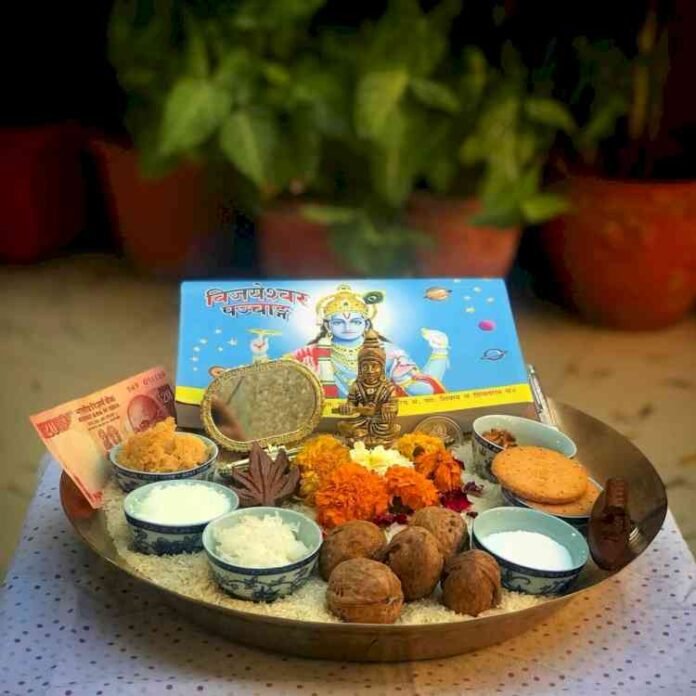
One of the most unique aspects of Navreh is the preparation of the “Navreh Thali”, a sacred platter arranged on the eve of the festival. It typically includes:

●Rice (symbol of sustenance)
●Coins or currency (prosperity)
●A pen or book (knowledge)
●A mirror (self-reflection)
●Fresh flowers (beauty and growth)
●Walnuts (purity and health)
●A religious text or almanac

The thali is placed in the prayer room overnight, and the first thing devotees do in the morning is look at it, symbolising a mindful and prosperous start to the year.
Families also visit temples, offer prayers, and listen to the Panchang (Hindu almanac), which outlines predictions and guidance for the coming year.

Food and Festive Delicacies

Food plays an important role in Navreh celebrations. Traditional Kashmiri dishes are prepared, often including:

●Rice-based meals
●Yogurt dishes
●Seasonal vegetables

A unique ritual involves soaking walnuts in water overnight and distributing them among family members, symbolising unity, health, and prosperity.

Where and How Navreh is Celebrated

Navreh is primarily celebrated in Kashmir and by the Kashmiri Pandit diaspora across India, especially in cities like Jammu and Delhi.

The celebrations are generally simple, spiritual, and family-oriented, focusing on prayers, rituals, and reflection rather than large public festivities. The emphasis is on beginning the year with clarity, discipline, and positivity.

A Festival of Reflection and Renewal

At its heart, Navreh is a festival of inner awakening and new beginnings. It encourages individuals to reflect on their lives, set intentions, and move forward with wisdom and balance.

In a fast-changing world, Navreh continues to preserve the cultural identity and spiritual heritage of the Kashmiri people—reminding us that every new year is not just about time passing, but about growing, learning, and beginning anew.

Ugadi- The Festival of New beginnings in South India

0

Marking the arrival of spring and the beginning of a new lunar cycle, Ugadi is one of the most important festivals celebrated in southern India. Known as the Telugu and Kannada New Year, Ugadi symbolises renewal, prosperity, and the start of a fresh chapter in life. Rooted in ancient traditions and aligned with nature’s rhythm, the festival reflects both cultural richness and spiritual depth.

When is Ugadi in 2026?

In 2026, Ugadi will be celebrated on 19 March (Thursday), marking the first day of the Chaitra month as per the Hindu lunisolar calendar.
The festival falls on Chaitra Shukla Pratipada, which signifies the beginning of a new year in many Indian traditions.

What is Ugadi?

The word “Ugadi” is derived from two Sanskrit words—Yuga (age) and Adi (beginning)—meaning “the beginning of a new era.”
It marks the start of a new calendar year for people in Andhra Pradesh, Telangana, and Karnataka, where it is also called Yugadi.

Significance and the Story Behind Ugadi

Ugadi holds deep mythological and spiritual importance. According to Hindu belief, this is the day when Lord Brahma created the universe and began the cycle of time, making it an ideal moment for new beginnings.

The festival is also closely tied to the arrival of spring, a season that symbolises growth, renewal, and harmony in nature. It reflects the idea that just as nature rejuvenates itself, humans too should embrace change, positivity, and fresh opportunities.

Rituals and Traditions

Ugadi is celebrated with a blend of spiritual rituals and joyful customs:

●Abhyanga Snanam (oil bath): A ritual purification to begin the year fresh
●Home decoration: Mango leaf torans and rangoli (muggu) adorn entrances
●Temple visits and prayers: Devotees seek blessings for the year ahead
●Panchanga Sravanam: Listening to the Hindu almanac predictions for the new year

These rituals symbolise cleansing of the body, mind, and surroundings, welcoming positivity and prosperity.

Festive Foods and Ugadi Pachadi

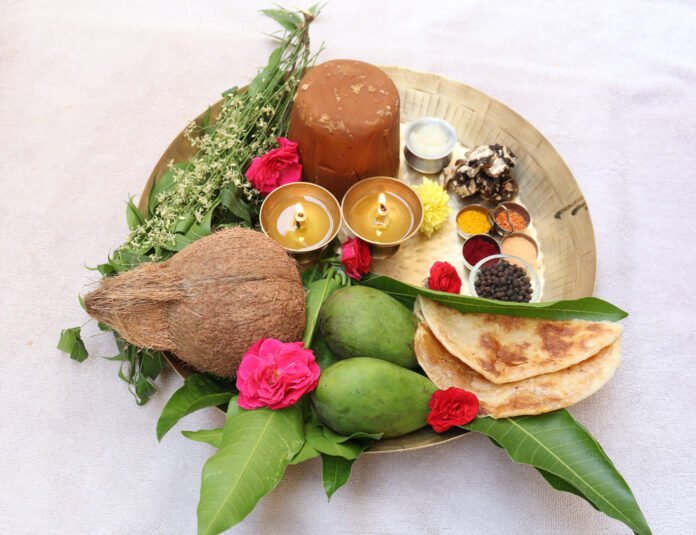
No Ugadi celebration is complete without the iconic Ugadi Pachadi—a special dish that perfectly captures the philosophy of life.
Made with six ingredients—neem (bitter), jaggery (sweet), tamarind (sour), raw mango (tangy), chilli (spicy), and salt—it represents the six emotions of life: joy, sorrow, anger, fear, disgust, and surprise.
Other festive delicacies include Bobbattu (similar to puran poli), pulihora, and various traditional sweets, making the celebration both symbolic and flavourful.

Where and How Ugadi is Celebrated

Ugadi is widely celebrated in Andhra Pradesh, Telangana, and Karnataka, and by Telugu and Kannada communities across the world.

Families gather, wear new clothes, exchange greetings, and prepare festive meals. Cultural programs, temple festivities, and community celebrations add vibrancy to the occasion. The festival shares its essence with Gudi Padwa in Maharashtra, both marking the beginning of a new year in different regions.

A Festival of Life and New Beginnings

At its core, Ugadi is not just about marking a date—it is about embracing life in all its forms. From the symbolism of Ugadi Pachadi to the reading of the Panchang, every ritual reminds us that life is a blend of experiences, and each one shapes our journey.

As the new year begins with Ugadi, it brings with it a powerful message: welcome every moment—sweet or bitter—with hope, balance, and optimism.

Vikram Samvat: The Story, Significance and Science Behind India’s Ancient Calendar

0

The Vikram Samvat is one of India’s most ancient and culturally significant calendar systems, still widely used to determine festivals, rituals, and auspicious occasions. Deeply rooted in history and tradition, it reflects a harmonious blend of astronomy, mythology, and daily life.

Meaning of ‘Samvat’

The word Samvat (or Samvatsara) originates from Sanskrit and means “year” or “era”. It signifies a system of time reckoning that marks years from a particular historical or legendary event. Thus, Vikram Samvat essentially means “the era of Vikram”, referring to a timeline associated with King Vikramaditya.

The Story Behind Its Beginning

The origin of Vikram Samvat is traditionally linked to the legendary king Vikramaditya of Ujjain. According to popular belief, he established this calendar in 57 BCE to commemorate his victory over the Shakas (foreign invaders) who had troubled parts of India. His triumph was seen as a restoration of peace and prosperity, and the new era was started as a symbol of that victory.

While historians continue to debate the exact historical accuracy of this account, the cultural narrative remains powerful. Over time, Vikram Samvat became deeply embedded in Indian society, guiding not just timekeeping but also traditions and rituals.

How the Calendar Works

Vikram Samvat is a lunisolar calendar, meaning it is based on both the Moon’s phases and the Sun’s position. Each month is divided into Shukla Paksha (waxing phase) and Krishna Paksha (waning phase). To maintain alignment with the solar year, an additional month called Adhik Maas is inserted periodically.

The year typically begins with Chaitra (March–April) in many regions, marking the onset of spring and new beginnings.

Vikram Samvat in Today’s Context

In 2026, Vikram Samvat corresponds to 2082–2083, with the new year 2083 beginning on 19th March 2026. New year festivals such as Gudi Padwa and Ugadi mark this transition in different parts of India.

Difference from the Gregorian Calendar

The Gregorian Calendar is purely solar and follows fixed dates, whereas Vikram Samvat is dynamic and shifts with lunar cycles. This is why festivals like Diwali and Holi fall on different dates every year in the Gregorian system.

A Calendar Close to Nature

One of the most remarkable aspects of Vikram Samvat is its close connection to nature. By aligning with both lunar and solar movements, it accurately reflects seasonal changes. Historically, agricultural cycles, festivals, and daily life were planned according to this system, making it environmentally relevant.

A Living Legacy

More than just a calendar, Vikram Samvat is a living tradition that continues to guide cultural and spiritual life in India. It stands as a testament to ancient Indian wisdom—where time is not just measured, but experienced in harmony with nature and heritage.

Gudi Padwa: Significance, Traditions and the Spirit of Renewal

0

Celebrated with vibrant colours, cultural pride, and deep spiritual meaning, Gudi Padwa marks the beginning of the Hindu lunisolar New Year for Marathi and Konkani communities. Observed on the first day of the month of Chaitra (March–April), the festival coincides with the arrival of spring—a time when nature itself reflects renewal and new beginnings.

What is Gudi Padwa?

Gudi Padwa is more than just a festival—it is the start of a new cycle of time. It is widely celebrated in Maharashtra, Goa, and parts of western India, where families come together to welcome the new year with rituals, prayers, and festive joy.

The word ‘Padwa’ refers to the first day of the lunar fortnight, while ‘Gudi’ is a symbolic flag that represents victory, prosperity, and divine blessings.

Significance and the Stories Behind the Festival

Gudi Padwa holds layered significance—mythological, historical, and agricultural.

According to Hindu belief, this is the day when Lord Brahma created the universe and introduced the concept of time, making it an ideal moment for fresh beginnings.

Another popular legend connects the festival to the victory of Lord Rama over Ravana and his return to Ayodhya, symbolising the triumph of good over evil.

Historically, it is also linked to King Shalivahana’s victory and the beginning of the Shalivahana calendar, as well as the legacy of Chhatrapati Shivaji Maharaj , reflecting pride and cultural identity in Maharashtra.
At a deeper level, the festival marks the arrival of spring and the harvest of rabi crops, reinforcing its connection with nature and cycles of life.

Rituals and Traditions

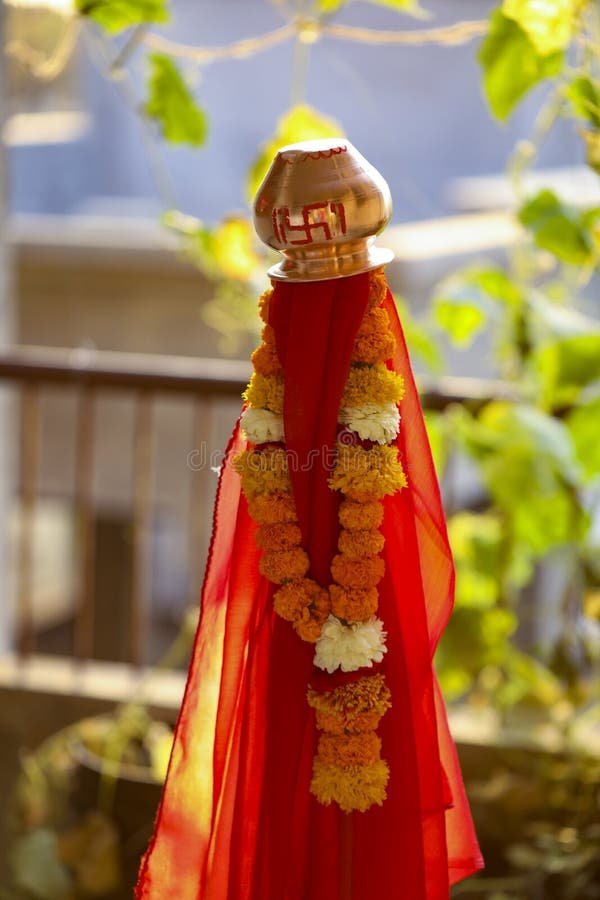
The most iconic ritual of Gudi Padwa is the hoisting of the ‘Gudi’. A bamboo stick is draped with a bright cloth, decorated with neem and mango leaves, a garland of sugar crystals, and topped with an inverted copper or silver pot. This Gudi is placed outside homes as a symbol of victory and is believed to ward off negativity while inviting prosperity and good fortune.

The day begins with an early oil bath, followed by cleaning and decorating homes with rangoli and torans. Families prepare festive dishes and consume a mixture of neem leaves and jaggery, symbolising the acceptance of both bitter and sweet experiences in life.
Many households also perform special prayers and listen to the Panchang (Hindu almanac) to understand what the new year holds.

Celebrations at Home: A Glimpse from Pune

Beyond rituals described in texts, the true essence of Gudi Padwa lies in how it is celebrated within homes.

Sharing her experience, Akanksha Veer from Pune offers a glimpse into the warmth and enthusiasm of the festival:
“Gudi Padwa is a very special day for us. I prepare puran poli at home every year, and we also make the traditional sugar garlands. The children are dressed up beautifully in festive clothes, and the whole family celebrates together. We make it a point to wear new sarees or new outfits, and I even buy gold every year on this day—it feels very auspicious and brings a sense of new beginnings.”


Her words beautifully reflect how traditions are not just rituals, but lived experiences—passed down through generations and celebrated with love and joy.

Regional Celebrations and Cultural Spirit

While Gudi Padwa is most prominently celebrated in Maharashtra, similar New Year festivals are observed across India—such as Ugadi in Karnataka and AndhraPradesh, and Navreh in Kashmir —each reflecting regional traditions but sharing the same essence of renewal.

In cities like Mumbai and Pune, the festival is marked by colourful processions, traditional attire, music, and community gatherings, creating an atmosphere of joy and cultural pride.

A Festival Rooted in Renewal

At its heart, Gudi Padwa is a celebration of new beginnings, resilience, and optimism. It aligns human life with the rhythms of nature—when the earth renews itself, people too are encouraged to begin anew, with hope, clarity, and positivity.

More than a festival, Gudi Padwa is a reminder that every ending leads to a fresh start—and every new year carries the promise of growth and prosperity.

Indian-Origin Filmmaker Alexandre Singh Wins Oscar 2026 for Best Live-Action Short Film | Rare Tie at Academy Awards

0

In a proud moment for global cinema, Indian-origin filmmaker Alexandre Singh clinched the Best Live-Action Short Film award at the 98th Academy Awards for his thought-provoking French-language drama Two People Exchanging Saliva.

In a rare and historic twist, the award was shared in a tie with The Singers, directed by Sam A. Davis and Jack Piatt—marking one of the few ties in Oscar history. This achievement places Singh among the growing list of Indian-origin talents making a mark on the global stage.

Who Is Alexandre Singh? (Biography & Background)

Born in Bordeaux to an Indian father and French mother, Singh grew up in Manchester before studying fine art at the prestigious University of Oxford.

Now based in Brooklyn, Singh is known for blending visual art with cinematic storytelling, creating films that explore complex social and philosophical themes. His unique style has steadily earned him recognition across international film festivals.

About the Oscar-Winning Film Two People Exchanging Saliva

Co-directed with Natalie Musteata, the 36-minute short film presents a surreal dystopian world where even the most basic human intimacy is outlawed.

In this bizarre society:

  • Physical affection is punishable by death
  • People exchange slaps as currency
  • Human relationships are tightly controlled

The film uses absurdity and dark humor to deliver a powerful commentary on social control, intimacy, and human behavior, making it both unsettling and deeply thought-provoking.

Rare Oscar Tie: A Historic Moment

The Best Live-Action Short Film category saw an extremely rare tie, with Two People Exchanging Saliva sharing the award with The Singers.

  • This is only the 7th tie in Oscar history
  • Ties occur when Academy voters give equal votes to two nominees
  • Both films received exceptional global acclaim

Such moments highlight the diversity and strength of storytelling in contemporary cinema.

Important Facts

  • The 98th Academy Awards honored films released in the previous year
  • Short films are defined as films with a runtime of 40 minutes or less
  • Oscar ties are extremely rare, with only seven recorded instances
  • Alexandre Singh has Indian-French heritage and studied at Oxford

Artistic Vision & Previous Works

During his acceptance speech, Singh highlighted the power of art to influence society over time, reinforcing his belief in cinema as a tool for reflection and change.

Some of his notable earlier works include:

  • The Appointment (2019)
  • Plan large (2016)

His Oscar-winning film also premiered at the prestigious Telluride Film Festival, further cementing his reputation as a rising voice in global filmmaking.

Why This Win Matters

Singh’s Oscar victory is more than just a personal milestone—it reflects the growing global impact of Indian-origin creators in cinema. His success showcases how experimental storytelling and bold ideas can resonate across cultures and borders.

As the world of cinema evolves, filmmakers like Alexandre Singh are redefining narratives—proving that even the most unconventional stories can leave a lasting impact on audiences worldwide.