Home Blog Page 22

Rare Plant Henckelia monophylla Rediscovered in Arunachal Pradesh After 189 Years

0

PC ( Facebook)

Scientists from Botanical Survey of India locate endemic herb in Lohit district, first recorded by William Griffith in 1836.Itanagar, March 2026: In a remarkable botanical breakthrough, a team from the Botanical Survey of India (BSI) has rediscovered the rare perennial herb Henckelia monophylla in Arunachal Pradesh’s Lohit district – nearly 189 years after it was last documented in the wild.

The species, endemic to the state and belonging to the Gesneriaceae family (the same family as African violets), was first collected in 1836-1837 by British botanist William Griffith in the Mishmi Hills. Since then, it had remained unrecorded, leading many to consider it possibly lost to science.

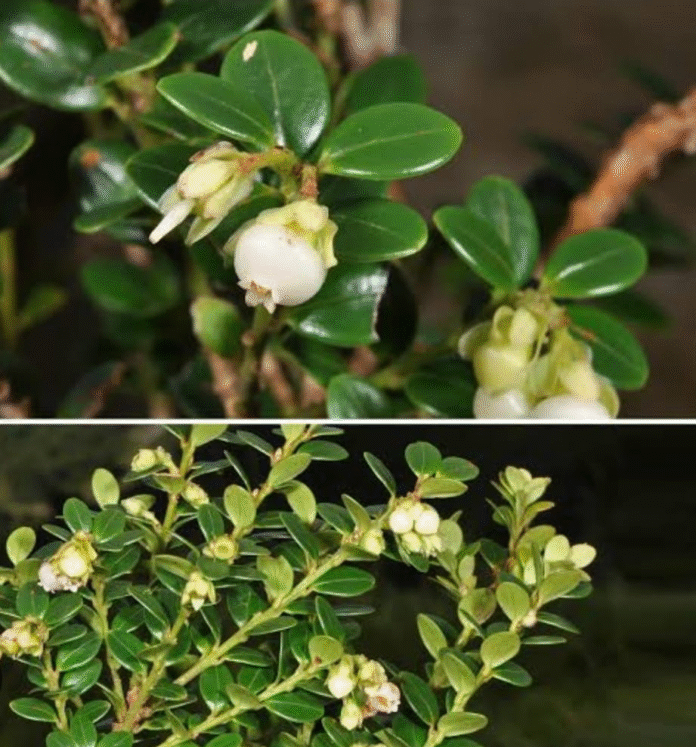
The plant features creeping or erect stems, simple leaves, and small white tubular or funnel-shaped flowers blooming in axillary inflorescences. It thrives in the humid, pristine forest environments typical of the Eastern Himalayas. Arunachal Pradesh Chief Minister Pema Khandu congratulated the BSI team, describing the discovery as a testament to the state’s immense and largely unexplored biodiversity.

“Delighted to learn about the remarkable rediscovery of Henckelia monophylla, a rare plant species endemic to Arunachal Pradesh, after nearly 189 years. My heartfelt congratulations to the team from the Botanical Survey of India for this significant scientific achievement,” the Chief Minister said. He added that the find from Lohit district highlights the extraordinary ecological treasures the region holds and reinforces the need for continued conservation efforts.

Biodiversity Indicator the plant’s survival confirms that Lohit district and surrounding areas still harbour the specific humid forest conditions required by such specialised species. Scientific Milestone new specimens will allow modern taxonomic studies, including molecular analysis, to better understand its genetics and relationships within the Gesneriaceae family. A specimen at the Kew Royal Botanic Gardens has been designated as a second-step lectotype for precise identification.Conservation Urgency: The long absence from records suggests the species is extremely rare. The discovery is expected to help update its conservation status (likely Endangered or Critically Endangered) and strengthen calls to protect fragile Himalayan ecosystems from habitat loss due to development.

This rediscovery adds a valuable chapter to the botanical history of the Eastern Himalayas and underscores the importance of sustained field surveys in one of India’s richest biodiversity hotspots. The BSI team’s efforts once again prove that even after nearly two centuries, nature continues to reveal its hidden treasures in Arunachal Pradesh.

Celebrating India’s Living Heritage: The 10th National Janjatiya and Lok Sanskriti Literature Festival

0

PC( Facebook, Instagram)

India boasts an extraordinary diversity of traditional (Lok Sanskriti) and indigenous (Janjatiya) communities, whose literature, oral narratives, ecological wisdom, languages, rituals, and knowledge systems have profoundly shaped civilizational thought for millennia. These expressions-whether spoken, sung, performed, or written serve as a living archive of philosophical insights, environmental ethics, social structures, creative imagination, and intergenerational memory.

Institutions like IGRMS and IGNCA have long been dedicated to preserving, promoting, and disseminating these invaluable knowledge traditions through exhibitions, research, and community-centered initiatives. They provide a crucial national platform to bring indigenous voices into mainstream academic and cultural conversations.

The 10th edition of the festival, themed “Celebrating Janjatiya Literature, Languages, Knowledge Systems & Cultural Heritage” (लोक एवं जनजातीय साहित्य, भाषाएँ, ज्ञान परंपराएँ एवं सांस्कृतिक विरासत), underscores the urgent need to preserve, revitalize, digitize, and globalize endangered and undocumented janjatiya languages and literature. It invites writers, poets, storytellers, researchers, linguists, translators, artists, performers, publishers, and community knowledge keepers from across India.

Celebrating India's Living Heritage: The 10th National Janjatiya and Lok Sanskriti Literature Festival

Key Highlights of the Festival

The two-day event features a rich array of activities designed to foster intellectual exchange, cultural immersion, and preservation efforts Cultural Performances – Live presentations of janjatiya and lok community traditions, including music, dance, and rituals that showcase the rhythmic energy and diversity of India’s folk heritage. Book Exhibition and Sale A dedicated showcase of janjatiya and lok literature, offering access to rare, regional, and potentially undocumented works. National Seminar – In-depth academic discussions on the janjatiya and lok communities of India, exploring the role of indigenous languages, oral traditions, and knowledge systems in sustaining cultural identity. Additional elements may include film screenings highlighting tribal storytelling, visual media displays, and digital documentation initiatives to aid in the preservation and revitalization of endangered traditions.

Who Should Attend? Target Audience

The festival is tailored for a diverse group passionate about indigenous and folk heritage.
Lok Sanskriti writers, community representatives, and cultural practitioners.
Scholars, researchers, university academics, and emerging youth scholars. Government and institutional stakeholders. NGOs working in janjatiya (tribal/indigenous) development. Members of the public interested in indigenous literature, languages, and cultural heritage.

This festival offers unparalleled opportunities for networking with tribal writers, scholars, linguists, and representatives from premier institutions like IGNCA and IGRMS. It serves as a space for intellectual dialogue, skill-building through expert panels, exposure to new works, and active contribution to cultural preservation. For writers, researchers, and enthusiasts alike, it promises inspiration, collaboration, and a deeper connection to India’s living cultural memory. Don’t miss this rare platform to amplify indigenous voices and support the revitalization of India’s diverse heritage traditions! Register soon to secure your spot.

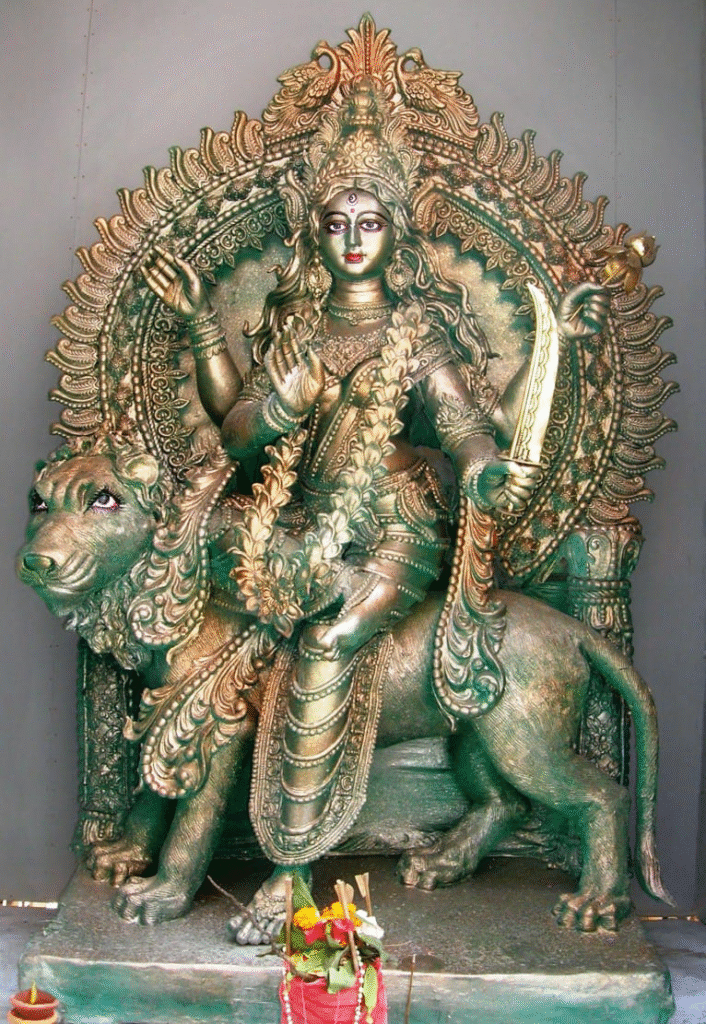
Maa Shailputri: The Foundation of Strength and Devotion on the First Day of Chaitra Navratri 2026

0

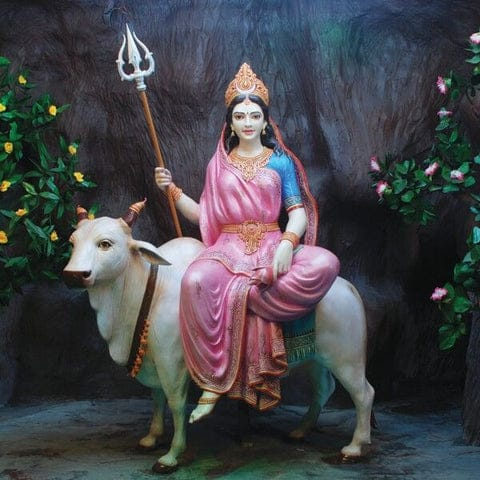
PC ( Rasai Shop, Utsavpedia )

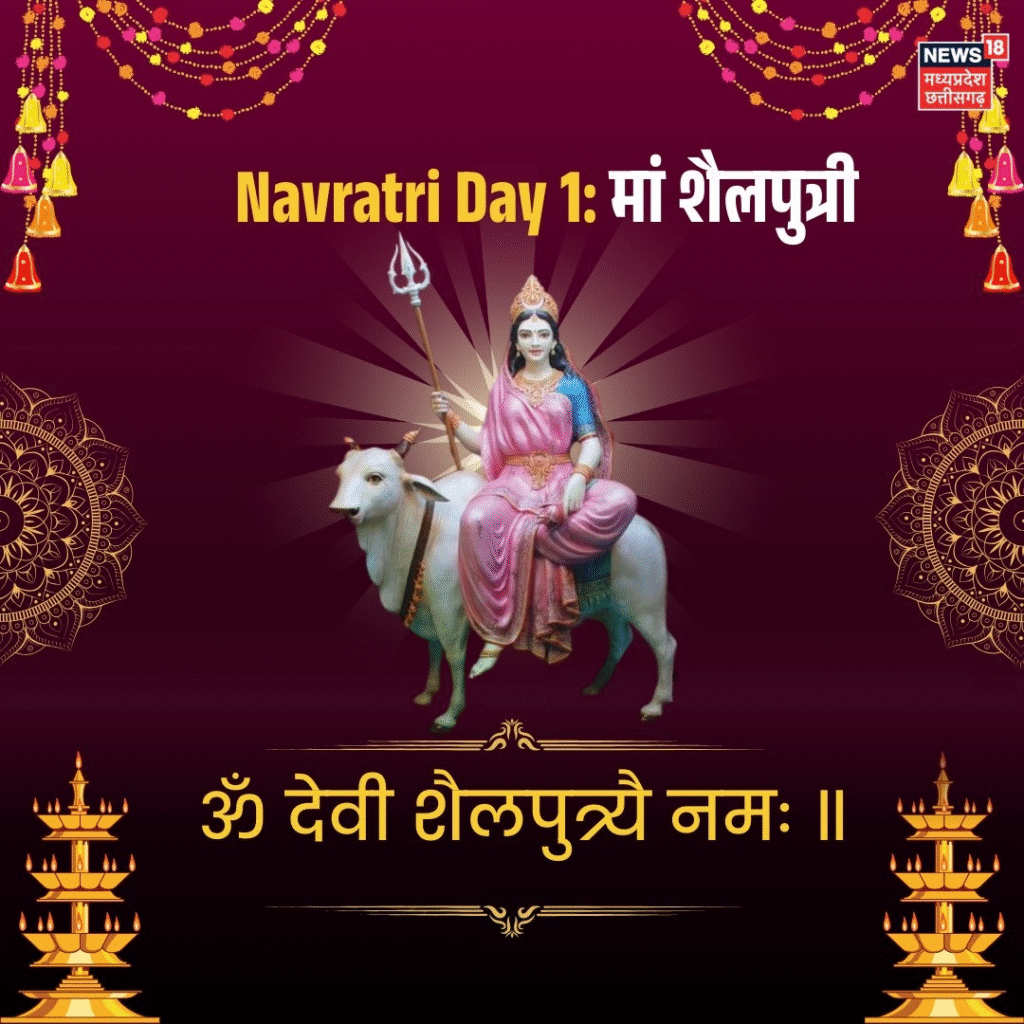
Chaitra Navratri, the vibrant nine-day festival honoring Goddess Durga, begins on March 19, 2026 (Thursday). This auspicious occasion marks the start of the Hindu New Year in many regions and is a time for spiritual renewal, fasting, and devotion. The first day is specially dedicated to Maa Shailputri, the initial form of Navdurga, symbolizing the grounding of spiritual energy and the beginning of the devotee’s journey.

Form and Symbolism of Maa Shailputri

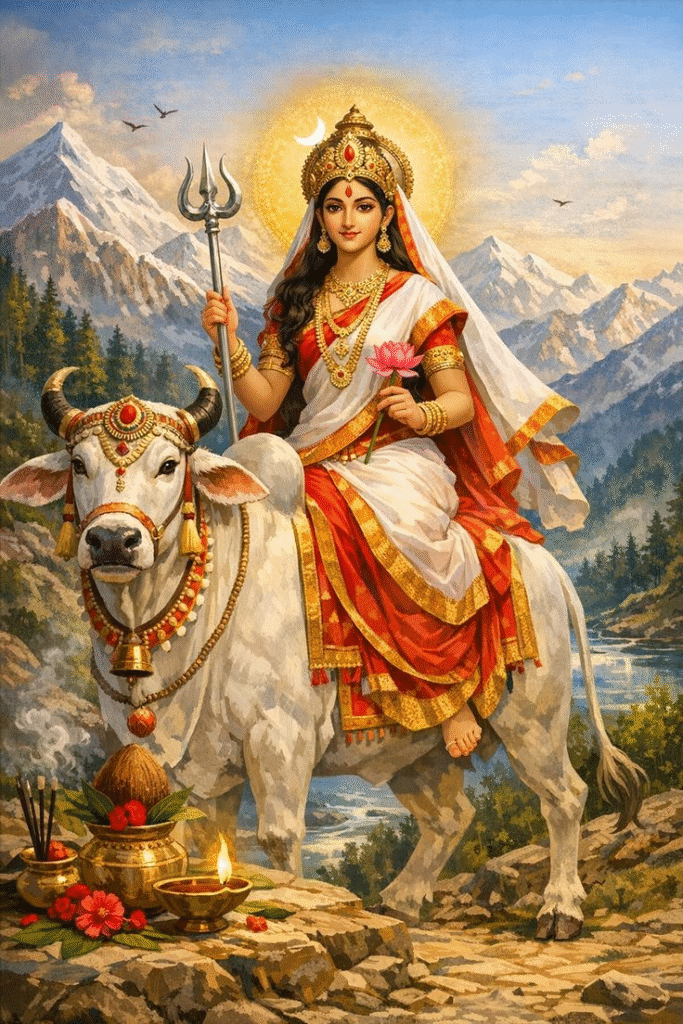
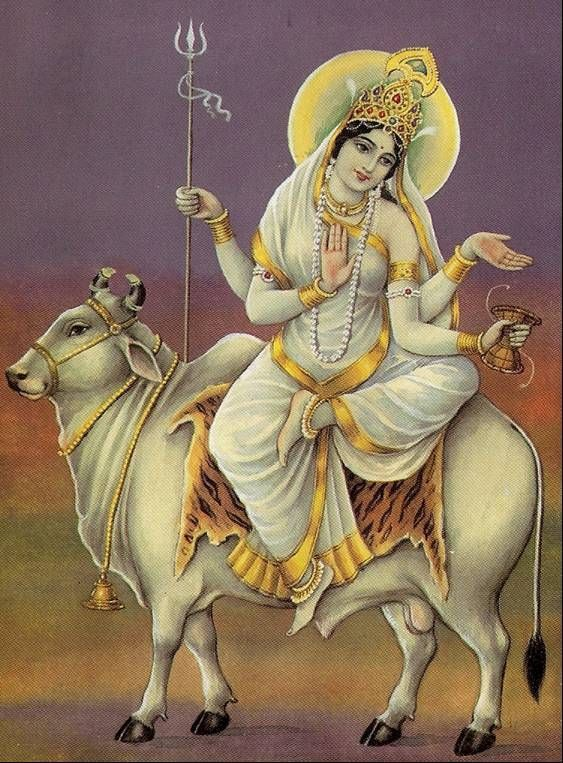
Maa Shailputri, meaning “Daughter of the Mountains,” is the beloved daughter of Himavat (the Himalaya mountain king) and Queen Mena. She rides a majestic bull (Nandi), holding a trishul (trident) in her right hand for protection and a lotus flower in her left, signifying purity and spiritual awakening. She embodies stability, strength, and purity. Astrologically, she governs the Moon, and her worship is believed to alleviate negative lunar influences, promoting mental peace and emotional balance. In yogic traditions, she is linked to the Muladhara Chakra (root chakra), representing the foundation for spiritual growth and the awakening of inner Shakti.

The Inspiring Story of Maa Shailputri

The tale of Maa Shailputri highlights themes of devotion, sacrifice, and rebirth. In her previous incarnation, she was Goddess Sati, the devoted wife of Lord Shiva and daughter of King Daksha. During a grand yagna hosted by Daksha, Shiva was deliberately not invited. Sati attended despite warnings, only to face severe insults toward her husband. Overwhelmed by grief and humiliation, she immolated herself in the sacrificial fire. Moved by her unparalleled devotion and the fervent prayers of Himavat and Mena, the Goddess was reborn as their daughter-Shailputri. Through rigorous penance in this new life, she reunited with Lord Shiva, remarried him, and became the divine mother of Lord Ganesha and Kartikeya. This story underscores her unshakeable faith and resilience, making her the perfect deity to invoke at the start of Navratri for a solid spiritual foundation.

Maa Shailputri: The Foundation of Strength and Devotion on the First Day of Chaitra Navratri 2026

Puja Rituals and Offerings on Day 1

The day commences with the sacred Ghatasthapana (Kalash Sthapana), where a copper or earthen pot is filled with water, adorned with mango leaves, a coconut, and placed on grains to invite the Goddess’s presence.Color of the Day: Yellow – symbolizing optimism, action, and vigor. Devotees are encouraged to wear yellow attire.

Offerings (Bhog): Pure Desi Ghee or sweets

prepared with it are offered, believed to grant a disease-free life and good health.Flowers white varieties like jasmine or hibiscus, representing peace and purity. Mantras and Chanting: The primary mantra is ॐ देवी शैलपुत्र्यै नमः (Om Devi Shailputryai Namah) Devotees also recite the Durga Chalisa or passages from Durga Saptashati to invoke her blessings.

Why Devotees Place Faith in Maa Shailputri

Worshipping Maa Shailputri on this first day establishes a strong base for both worldly success and spiritual progress. As the ruler of the root chakra, she helps ground energies, fostering inner stability amid life’s challenges. Her association with the Moon brings emotional harmony, while her mountain heritage inspires patience and unshakeable resolve. By offering pure ghee and sincere prayers, devotees seek protection from ailments, prosperity, and the strength to embark on their nine-day Navratri sadhana with clarity and devotion. May Maa Shailputri bless you with unwavering strength, purity, and peace as Chaitra Navratri 2026 unfolds! Jai Maa Shailputri!

William Dalrymple Wins Mark Lynton History Prize 2026

0

Historian William Dalrymple has been awarded the prestigious Mark Lynton History Prize 2026 for his book “The Golden Road: How Ancient India Transformed the World”. The award recognises outstanding historical writing that combines scholarly depth with literary excellence. Dalrymple’s work was praised for its blend of rigorous research, engaging narrative and strong social relevance.

About the Mark Lynton History Prize

The Mark Lynton History Prize is an annual award carrying a cash prize of $10,000. It honours a history book that demonstrates both intellectual distinction and clarity of expression. The prize is part of the J. Anthony Lukas Book Prize Project, jointly administered by the Nieman Foundation for Journalism and the Columbia University School of Journalism. It is named after Mark Lynton, a noted author and advocate of historical writing.

Significance of “The Golden Road”

Dalrymple’s award-winning book highlights India’s central role in shaping the ancient world. It argues that for over a millennium, India acted as a major exporter of ideas, culture and technology across a vast region stretching from the Red Sea to the Pacific. The book explores the spread of Indian religions, art, mathematics, trade networks and cultural practices, emphasising India’s influence on global civilisation.

India’s global cultural impact highlighted

The work presents examples such as the spread of Buddhism to East Asia, the construction of Angkor Wat, and the role of Indian trade in supporting the Roman economy. It also discusses the development of key innovations like the numeral system, including zero. Through these narratives, the book repositions India as a major intellectual and cultural hub in ancient Eurasia.

Important Facts

  • Mark Lynton History Prize is awarded annually for excellence in historical writing.
  • It is part of the J. Anthony Lukas Book Prize administered by Nieman Foundation and Columbia University.
  • William Dalrymple won the 2026 prize for “The Golden Road”.
  • The book focuses on India’s cultural and intellectual influence across ancient Eurasia.

About William Dalrymple and his works

William Dalrymple is a noted historian and bestselling author known for works such as “White Mughals”, “The Last Mughal”, “Return of a King” and “The Anarchy”. His writings have received multiple international awards and recognitions. He is also a co-founder of the Jaipur Literature Festival and has been associated with leading academic and literary institutions worldwide.

Femina Miss India 2026: Get a Glimpse of Finals Doing the Rounds for North Zone…

0

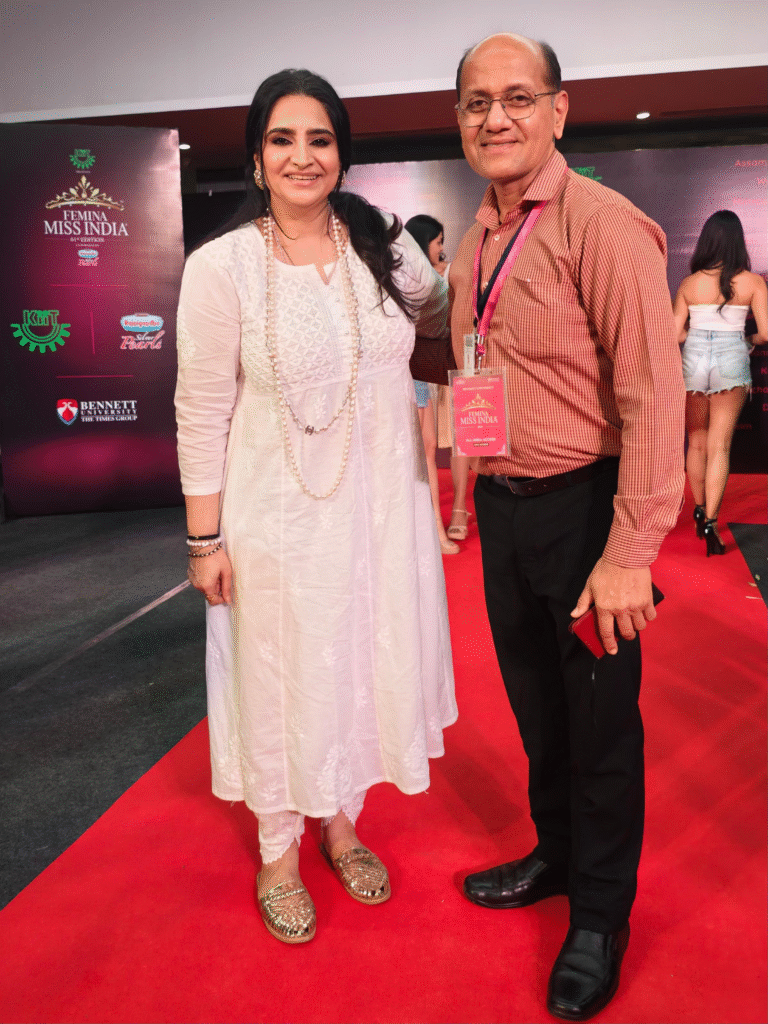
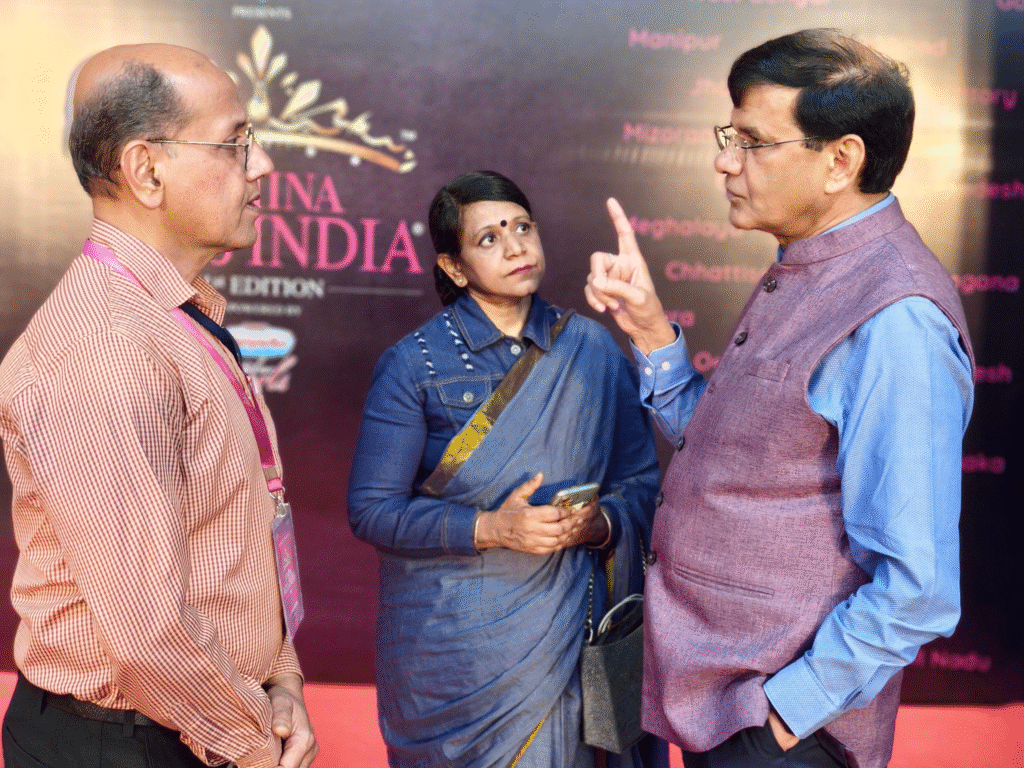
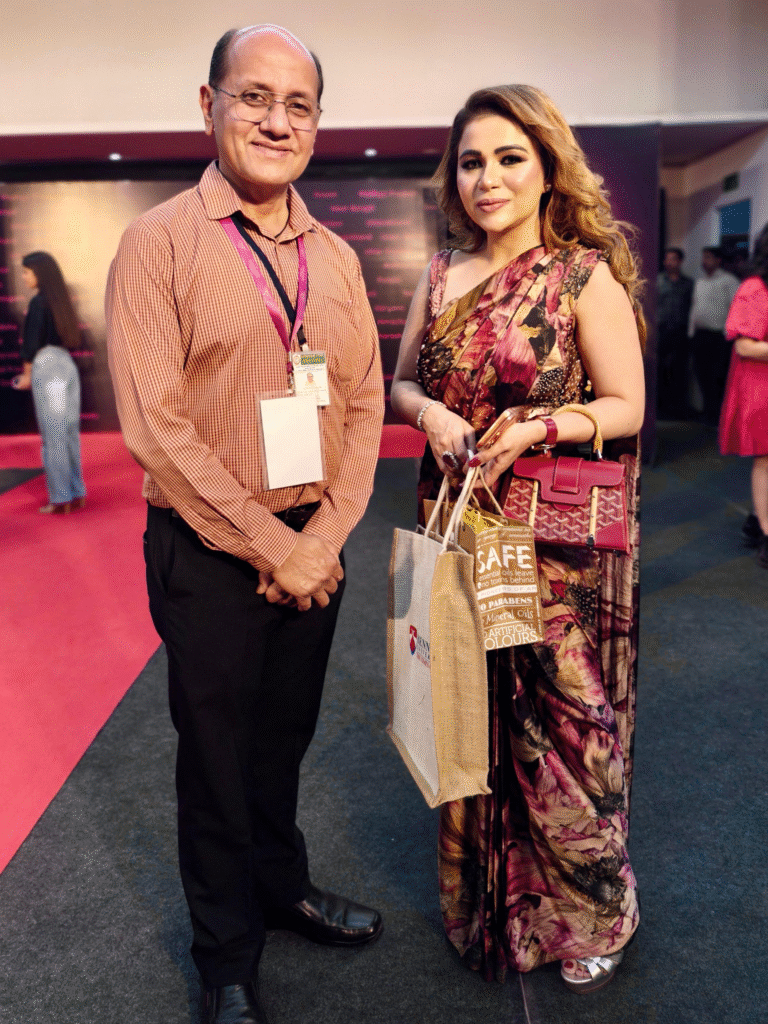
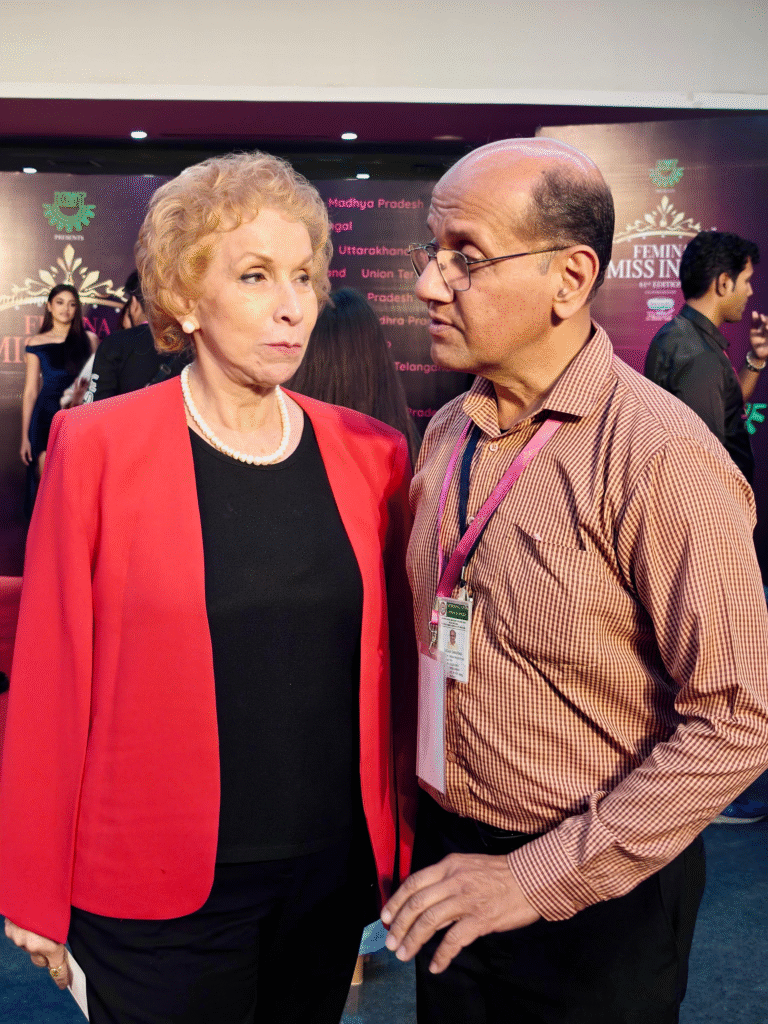
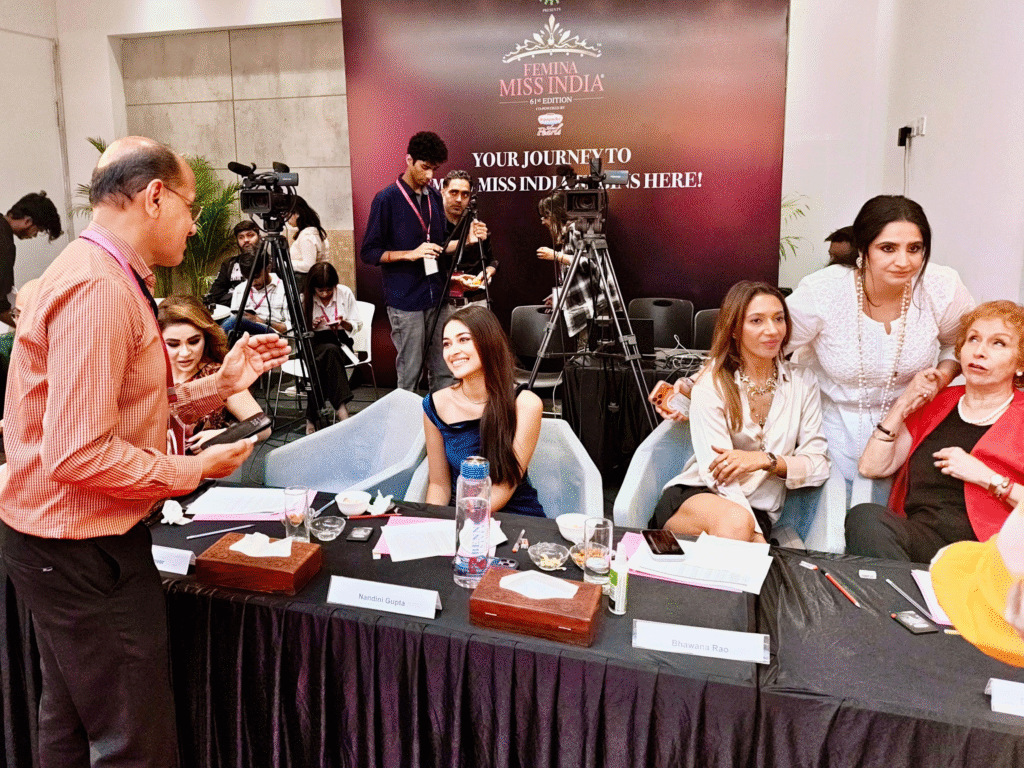
Veteran photographer Lagan Sharma from Ratlam recently went to Delhi to cover Femina Miss India 2026 finals of north zone and shared a few glimpses of the event. He also met some leading fashion, make up, cosmetology and beauty stylists of our country. Last years Femina Miss India World Nandini Gupta, Dr. Blossom Kocchar, Rishi Raj, Natasha Grover were the jury. Event was hosted by The Bennett University, The Times of India Group. So The EBNW Story captures a few glimpses…

Femina Miss India 2026: Get a Glimpse of Finals Doing the Rounds for North Zone...
Congratulating Miss Mimansa from Jharkhand the winner of north zone
Femina Miss India 2026: Get a Glimpse of Finals Doing the Rounds for North Zone...
With Natasha Grover the key person and Femina Miss India Pageant Mentor & Organization Head
Femina Miss India 2026: Get a Glimpse of Finals Doing the Rounds for North Zone...
In conversation with the Vice Chancellor Bennett University Dr. Raj Singh
Femina Miss India 2026: Get a Glimpse of Finals Doing the Rounds for North Zone...
Prbhjiit Maniktala, The beauty and fashion stylist for Femina beauty pageant
Femina Miss India 2026: Get a Glimpse of Finals Doing the Rounds for North Zone...

Rajasthan Diwas 2026: Celebration of Heritage, History and Culture

0

Rajasthan marks its foundation day today on Chaitra Shukla Pratipada, aligning the celebration with the Hindu New Year, Vikram Samvat 2083. This significant shift reflects a deeper cultural connection, as the state moves away from the earlier fixed date of 30th March to a tithi rooted in Indian tradition.

From 30 March to Chaitra Shukla Pratipada: A Cultural Realignment

For years, Rajasthan Diwas commemorated 30 March 1949, the day when princely states like Jaipur, Jodhpur, Bikaner, and Jaisalmer merged to form Greater Rajasthan under the leadership of Sardar Vallabhbhai Patel . However, the Government of Rajasthan has now aligned the celebration with Chaitra Shukla Pratipada—a day that marks not only the beginning of the Hindu New Year but also the onset of Chaitra Navratri.

This change symbolically connects Rajasthan’s political formation with nature’s cycle of renewal, making the celebration more culturally resonant and spiritually meaningful.

Rajasthan’s Formation: A Journey of Unity

Rajasthan, once known as Rajputana, came into existence through a gradual process of integration of 19 princely states. The historic milestone was achieved in 1949, giving India its largest state—rich in culture, heritage, and diversity. Rajasthan Diwas thus stands as a tribute to unity, governance, and the vision of a cohesive state.

Celebrations Over the Years

Traditionally, Rajasthan Diwas has been marked by vibrant cultural programs, folk music and dance performances, exhibitions of handicrafts, and tourism showcases. Cities like Jaipur have hosted grand state समारोह, while districts across Rajasthan have participated through local events reflecting regional traditions.

Over time, the celebration has evolved into a broader platform showcasing governance initiatives, public participation, and Rajasthan’s global cultural identity.

Rajasthan Diwas 2026: A Week-Long Statewide Festival

In 2026, the celebrations have been expanded into a six-day उत्सव from 14 to 19 March, transforming Rajasthan Diwas into a comprehensive state festival rather than a single-day event.

The week began with public-driven initiatives like cleanliness campaigns and awareness programs, followed by youth-centric activities, cultural competitions, and community participation. Special thematic days highlighted different sections of society—tribal communities, youth, farmers, and livestock owners—reflecting an inclusive approach to development.

From cultural showcases and exhibitions to development programs and public outreach initiatives, the celebrations have taken place across the state. Events have ranged from heritage and tourism promotion to welfare schemes and spiritual gatherings, culminating in the main समारोह held today.

The involvement of Rajasthan Tourism and government bodies has further amplified the scale, presenting the state’s traditions, crafts, and destinations on both national and international platforms.

A Celebration of Identity and Renewal

Rajasthan Diwas 2026 is more than a remembrance of history—it is a celebration of continuity and change. By aligning the day with Chaitra Shukla Pratipada, the state embraces both its historical roots and cultural ethos.

As Rajasthan steps into Vikram Samvat 2083, the occasion symbolizes not just the formation of a state, but the beginning of a new cycle—of growth, unity, and renewed aspirations.

Chaitra Shukla Pratipada: The Beginning of the Hindu New Year

0

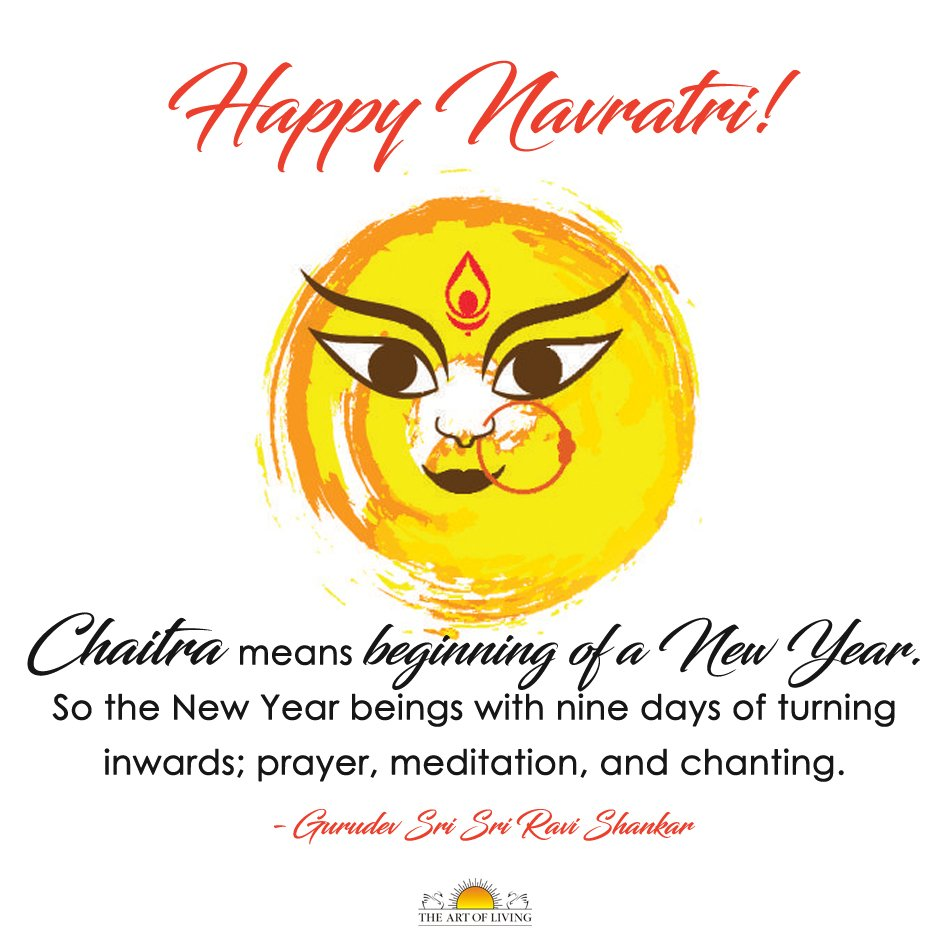
The sacred day of Chaitra Shukla Pratipada marks the beginning of the Hindu New Year in many regions of India. In 2026, this auspicious day falls on Thursday, 19 March, ushering in Vikram Samvat 2083, one of the most widely followed traditional Hindu calendars. The day also coincides with the onset of Chaitra Navratri, making it spiritually even more significant. Rooted in tradition, spirituality, and seasonal wisdom, it represents not just a new calendar year—but a renewal of life itself.

What is Chaitra Shukla Pratipada?

Chaitra Shukla Pratipada is the first day (Pratipada) of the bright fortnight (Shukla Paksha) in the Hindu month of Chaitra. It is considered the first day of Vikram Samvat, marking the beginning of a new cycle of time.

This day is celebrated in different forms across India:
●Gudi Padwa in Maharashtra
●Ugadi in Karnataka, Andhra Pradesh, and Telangana
●Navreh in Kashmir

Spiritual and Mythological Significance

According to Hindu belief, this is the day when Lord Brahma created the universe and initiated the flow of time. It is therefore regarded as the cosmic beginning, making it highly auspicious for new ventures, decisions, and spiritual practices.

The day also marks the beginning of Navratri, dedicated to Goddess Durga, symbolising the awakening of divine feminine energy (Shakti) and the start of a spiritual journey.

Scientific and Seasonal Significance

The timing of the Hindu New Year reflects a deep scientific connection with nature.

●It falls during spring (Vasant Ritu), when nature undergoes renewal
●Trees bloom, crops mature, and the environment becomes vibrant
●The human body transitions from winter to summer, requiring detox and balance

Ancient scholars aligned the New Year with this seasonal shift, recognising it as the ideal time for physical cleansing, mental clarity, and fresh beginnings. This highlights how traditional calendars were closely linked to astronomy, climate, and health sciences.

Rituals and Traditions

Chaitra Shukla Pratipada is observed with devotion and positivity through various customs:

●Early morning holy bath for purification
●Cleaning and decorating homes with rangoli and torans
●Listening to the Panchang (Hindu almanac) to understand the year ahead
●Visiting temples and offering prayers
●Beginning new ventures, purchases, or important decisions

In many homes, Kalash Sthapana is performed to mark the beginning of Navratri.

Fasting, Food and Lifestyle Practices

Fasting often begins on this day with Navratri. However, fasting is not just about food—it is about discipline, self-control, and inner purification.

Fasting Practices:
●Avoiding grains, onion, garlic, and processed foods
●Consuming sattvic and light meals
●Practising mindfulness, calmness, and positive thinking

Foods Associated:
●Fruits, milk, curd, and dry fruits
●Sabudana, kuttu (buckwheat), singhara (water chestnut) flour
●Rock salt (sendha namak) instead of regular salt

Benefits:
●Supports detoxification during seasonal change
●Improves digestion and metabolism
●Enhances mental clarity and emotional balance

A Day of New Beginnings

Chaitra Shukla Pratipada is not just the start of a new year—it is a philosophy of renewal. It encourages people to let go of the past, embrace positivity, and begin anew with clarity and purpose.

The beginning of Vikram Samvat 2083 on Chaitra Shukla Pratipada beautifully reflects the harmony between tradition, spirituality, and science. It reminds us that our ancient practices were thoughtfully aligned with nature and human well-being.
As the new year unfolds, it brings with it a timeless message— every new beginning holds the promise of growth, balance, and a brighter future.

Happy Chaitra Navratri 2026: Top Wishes, Messages, Greetings Card and Quotes to share with your loved ones

0

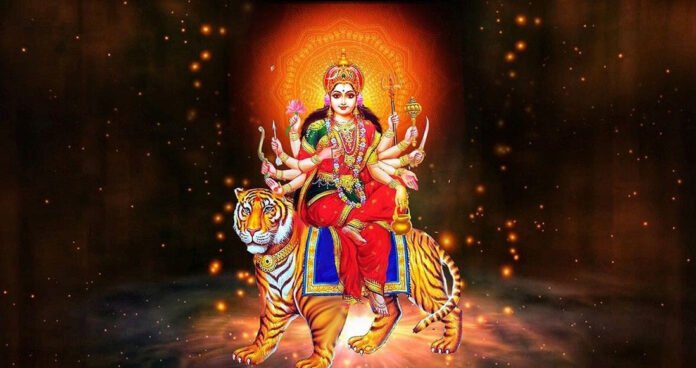
Chaitra Navratri is one of the most vibrant and spiritually uplifting festivals, dedicated to the worship of Maa Durga and her nine powerful avatars. This festival, which spans nine days, is not only a time for prayers, fasting, and rituals, but also a time to celebrate the divine feminine energy and strength that Maa Durga embodies.

One of the most heartfelt ways to engage with Chaitra Navratri is by sharing Chaitra Navratri wishes, quotes, and messages with friends, family, and fellow devotees. Whether you’re sending blessings to loved ones or sharing words of inspiration on social media, these messages help spread the spirit of the festival and bring divine blessings into everyone’s life.

In this blog, we’ve compiled a collection of beautiful wishes, uplifting quotes, and meaningful messages that you can share with devotees during Chaitra Navratri 2026 to celebrate the festival with devotion and joy.

1. Heartfelt Chaitra Navratri Wishes for Devotees

Happy Chaitra Navratri 2026: Top Wishes, Messages, Greetings Card and Quotes to share with your loved ones

“Wishing you a blessed and joyful Chaitra Navratri! May Maa Durga’s divine blessings fill your life with strength, peace, and prosperity.”

  • A classic and uplifting wish that conveys the essence of devotion and blessings from Maa Durga, perfect for friends and family.

“May the divine light of Maa Durga brighten your path and guide you to success and happiness this Chaitra Navratri.”

  • A beautiful wish invoking Maa Durga’s divine energy to light up your life and bring guidance and success.

“Happy Chaitra Navratri! May the nine nights of devotion bring you spiritual growth, peace of mind, and abundant blessings.”

  • This wish emphasizes spiritual growth and mental peace, two of the core outcomes of observing Chaitra Navratri.

“On this auspicious occasion of Chaitra Navratri, may Maa Durga bless you with good health, prosperity, and a long life. Have a spiritually enriching Navratri!”

  • A heartfelt wish for good health and prosperity, which are the central prayers for devotees during this festival.

2. Inspirational Chaitra Navratri Quotes to Share

Happy Chaitra Navratri 2026: Top Wishes, Messages, Greetings Card and Quotes to share with your loved ones

“The power of Maa Durga is endless, and so is the strength within you. May this Navratri inspire you to unleash your inner strength and achieve greatness.”

  • A powerful quote that inspires strength and empowerment, perfectly reflecting the essence of Maa Durga’s blessings.

“Navratri is not just about fasting, but about surrendering oneself to the divine and embracing the spiritual transformation. May Maa Durga guide you towards your true path.”

  • A deep and spiritual quote that emphasizes inner transformation and the true meaning of devotion during Navratri.

“As Maa Durga fights and conquers the demons, let her blessings help you defeat the obstacles in your life. May this Navratri bring you peace, prosperity, and success.”

  • A motivational quote reflecting the triumph of good over evil. This quote encourages the removal of obstacles and empowerment.

“Maa Durga is the symbol of strength, courage, and victory. Let these nine days of Navratri awaken the divine power within you and lead you towards success and happiness.”

  • A quote that ties the essence of Maa Durga to strength, courage, and success, perfect for sharing on social media or sending as a message.

3. Meaningful Chaitra Navratri Messages to Share with Loved Ones

Happy Chaitra Navratri 2026: Top Wishes, Messages, Greetings Card and Quotes to share with your loved ones

“May Maa Durga bless you with the courage to overcome all challenges, the wisdom to make the right choices, and the strength to follow your dreams. Wishing you a prosperous and joyful Navratri.”

  • A well-rounded message that covers strength, wisdom, and success—perfect for inspiring loved ones during the festival.

“On this auspicious occasion of Chaitra Navratri, may Maa Durga’s blessings bring peace to your heart, prosperity to your home, and joy to your life.”

  • A simple yet heartwarming message that conveys blessings of peace and prosperity.

“As you begin this journey of devotion during Chaitra Navratri, may Maa Durga help you find the strength within yourself to achieve all that you desire. May this be the beginning of a journey full of positivity and success.”

  • A motivational message for those starting the journey of devotion and spiritual growth during Navratri.

“Wishing you and your family a blessed Chaitra Navratri. May Maa Durga grant you health, happiness, and harmony. Enjoy this sacred time with your loved ones!”

  • A family-oriented message filled with blessings for health, happiness, and peace, making it perfect for sharing with loved ones.

“On this sacred occasion, let us all come together to worship Maa Durga and seek her blessings. May she fill your life with light, joy, and abundance.”

  • A message that emphasizes unity and the joy of coming together to worship Maa Durga, making it ideal for sending to friends and family.

4. How to Share These Chaitra Navratri Wishes and Messages

Happy Chaitra Navratri 2026: Top Wishes, Messages, Greetings Card and Quotes to share with your loved ones

Now that you have a collection of Chaitra Navratri wishes and messages, here’s how you can share them:

1. WhatsApp and Social Media

  • Share these messages on WhatsApp, Facebook, or Instagram to wish your loved ones and followers during Chaitra Navratri. It’s a quick and easy way to spread positivity and divine blessings.

2. Greeting Cards and Personal Notes

  • If you want to add a personal touch, write these wishes on greeting cards or handwritten notes. This shows your thoughtfulness and care while wishing someone a blessed and prosperous Navratri.

3. Family and Puja Celebrations

  • Share these messages with your family or fellow devotees during your Chaitra Navratri puja. This will bring a sense of unity and joy to the celebration.

4. Spread the Blessings in Your Community

  • Whether you’re involved in a community celebration or gathering, share these uplifting messages with everyone to ensure that the blessings of Maa Durga are felt by all.

Embrace the Spirit of Chaitra Navratri with Love and Devotion

Chaitra Navratri is a time for spiritual renewal, prayer, and celebration. It’s about honoring Maa Durga and embracing her divine energy, which helps us grow in strength, wisdom, and prosperity. By sharing Savitri Vrat wishes and messages, you not only spread the festive spirit but also pass on the divine blessings of Maa Durga.

As you offer prayers, perform rituals, and send out wishes, remember that this festival is all about purification, devotion, and celebrating the divine feminine energy. May this Chaitra Navratri 2026 bring peace, prosperity, and blessings into your life and the lives of those around you.

Wishing you and your loved ones a joyous, blessed, and successful Chaitra Navratri!

Göbekli Tepe: The 12,000-Year-Old Mystery That Challenges the Origins of Civilization

0


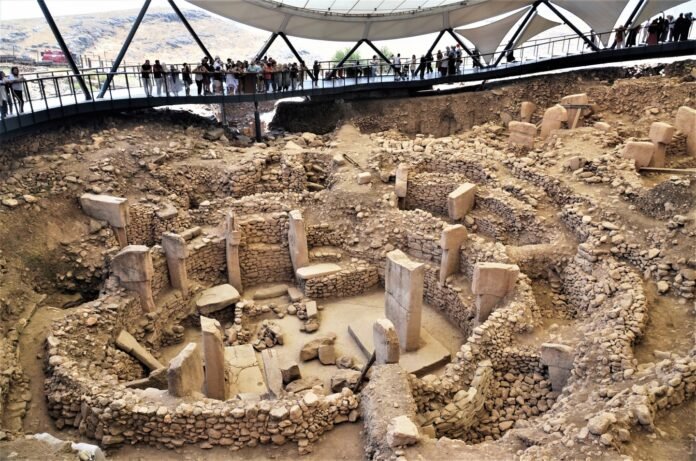
The ancient site of Göbekli Tepe has transformed our understanding of early human history. Located in southeastern Turkey, this remarkable archaeological discovery dates back to around 9600 BCE, making it significantly older than iconic structures like the Egyptian pyramids and Stonehenge. What makes Göbekli Tepe extraordinary is not just its age, but the questions it raises about how and when civilization truly began.

For decades, historians believed that agriculture was the foundation of civilization—that once humans settled and began farming, they developed social structures, religion, and monumental architecture. However, Göbekli Tepe challenges this long-held belief. Evidence suggests that it was constructed by hunter-gatherer communities, long before the advent of farming or permanent settlements. Despite their seemingly simple way of life, these early humans built massive circular enclosures with towering T-shaped stone pillars, some weighing over 20 tons. The pillars are intricately carved with images of animals such as lions, snakes, and birds, indicating a strong symbolic or spiritual significance.

The construction of such a complex site without the use of metal tools, wheels, or domesticated animals raises significant questions about the technological and organizational capabilities of early societies. Researchers believe that the builders of Göbekli Tepe must have possessed advanced knowledge of planning and cooperation, suggesting that social and religious motivations may have brought people together even before the development of agriculture.

Another enduring mystery surrounding Göbekli Tepe is its purpose. Many scholars consider it to be one of the world’s earliest known temple complexes, possibly used for rituals, gatherings, or ceremonial activities. The detailed carvings and the deliberate arrangement of the pillars point towards a culture rich in symbolism and belief systems.

Perhaps the most puzzling aspect of Göbekli Tepe is that it was intentionally buried around 8000 BCE. Unlike other ancient sites that were abandoned over time, this one appears to have been carefully covered with soil and debris. The reasons behind this act remain unknown, adding another layer of intrigue to the site’s history.

Today, Göbekli Tepe stands as a groundbreaking discovery in the field of archeology, forcing historians to reconsider the sequence of human development. It suggests that religion and social organization may have preceded agriculture, rather than the other way around.

In essence, Göbekli Tepe is not just an archaeological site—it is a powerful reminder that human history is far more complex than once imagined, and that many of its earliest chapters are still waiting to be fully understood.

Empowering India’s Tribal Tourism: ITDC Launches Homestay Capacity Building Programme

0

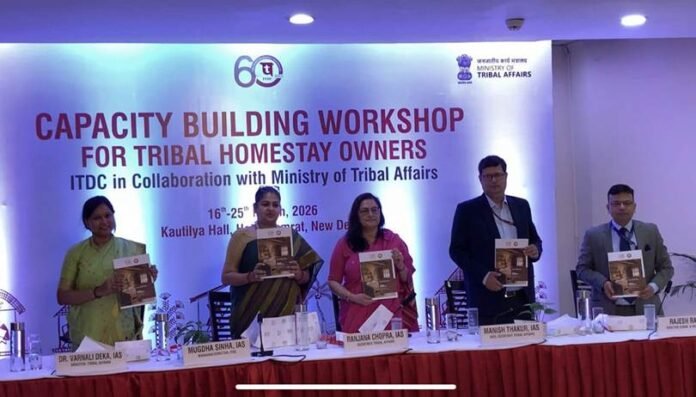
In a significant step towards inclusive growth and sustainable tourism, the India Tourism Development Corporation (ITDC), in collaboration with the Ministry of Tribal Affairs, has launched a Capacity Building Programme for Tribal Homestay Owners. The initiative was inaugurated in New Delhi and marks a major push to strengthen community-based tourism in India.

What the Programme Aims to Achieve

The programme is designed to train and empower tribal homestay operators by enhancing their hospitality skills and service standards. Conducted with the support of IHM Ashok, it focuses on:

●Improving visitor experience and service quality
●Promoting sustainable livelihood opportunities
●Strengthening local tourism ecosystems

The first batch includes 40 participants from states like Arunachal Pradesh, Sikkim, and Gujarat, reflecting the initiative’s diverse and inclusive approach.

A Step Towards Community-Based Tourism

This initiative aligns with the growing trend of travellers seeking authentic, nature-based, and culturally immersive experiences. As highlighted during the launch, modern tourists increasingly prefer destinations that are less crowded, environmentally sustainable, and rooted in local traditions.

In this context, the homestay model becomes highly relevant—it not only addresses the shortage of hotel infrastructure in remote regions but also ensures that tourism benefits reach grassroots communities.

Key Highlights of the Initiative

One of the major highlights of the launch was the release of the “Tribal Homestay – Operation & Development Manual 2026”, a structured and multilingual guide aimed at standardising and professionalising homestay operations across India.

The programme also aims to train around 1,500 participants, with a long-term vision of creating a “train the trainer” model, enabling expansion across states and communities.

Boosting Livelihoods and Preserving Culture

Beyond tourism, the initiative has strong socio-economic implications. It is expected to:

●Generate employment and income opportunities in tribal areas
●Encourage preservation of indigenous traditions and lifestyles
●Promote sustainable and responsible tourism practices

By integrating tourism with local culture, the programme ensures that development does not come at the cost of heritage.

The Bigger Picture

This collaboration reflects the government’s broader vision of inclusive development through tourism-led growth. With increasing global interest in experiential travel, India’s tribal regions—rich in culture, biodiversity, and heritage—hold immense untapped potential.

The Tribal Homestay Capacity Building Programme is more than just a training initiative—it is a step towards empowering communities, preserving traditions, and redefining tourism in India. As this model expands, it has the potential to transform rural economies while offering travellers a more meaningful and authentic way to explore the country.