Home Blog Page 22

Thalapathy’s Political Debut Turns Tsunami: TVK Emerges as Game Changer in Tamil Nadu

0

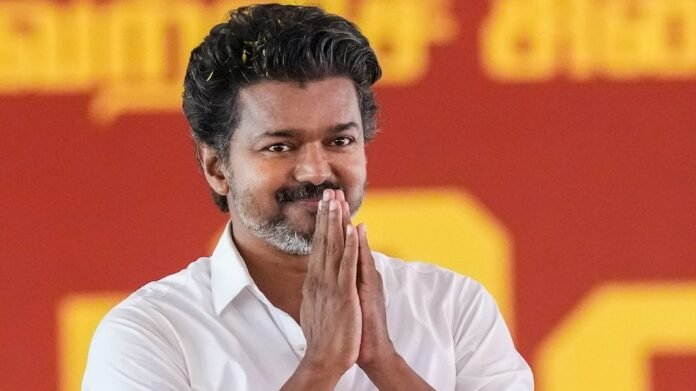
Tamil Nadu is witnessing a historic political churn in the 2026 Assembly elections—and at the centre of it stands Vijay, the superstar-turned-politician whose party Tamilaga Vettri Kazhagam (TVK) has delivered a stunning performance that could redefine the state’s politics.

Who is Vijay? From Cinema Icon to Political Force

Vijay, popularly known as “Thalapathy,” is one of Tamil cinema’s biggest stars. Beginning as a child artist, he rose to become a mass hero with a massive fan following across Tamil Nadu.

In 2024, he formally entered politics by launching Tamilaga Vettri Kazhagam (TVK). Unlike many celebrity politicians, Vijay spent years building a disciplined grassroots network through his fan clubs—later converting them into a political cadre.
His political messaging has focused on:
●Clean governance
●Anti-corruption
●Youth empowerment
●Welfare-oriented development


Tamil Nadu Election 2026: What the Results Show

The 2026 elections were expected to be a contest between the traditional Dravidian giants—DMK and AIADMK. But the results have told a completely different story.

Latest trends and numbers:
●TVK is leading in over 100–130 seats, emerging as the single largest party
●The majority mark in the 234-member assembly is 118 seats
●TVK has already won initial seats and continues to expand its lead ●In some projections, the party is close to or crossing the majority mark, positioning it to form the government
●Vijay himself is leading in key constituencies like Perambur and Tiruchirappalli East

Meanwhile:
●M. K. Stalin’s DMK has slipped behind
●Edappadi K. Palaniswami’s AIADMK remains competitive but not dominant

A Political Earthquake: Breaking the Dravidian Duopoly

For over 50 years, Tamil Nadu politics has been dominated by two parties—DMK and AIADMK. Vijay’s rise has disrupted this long-standing binary.
According to reports:
●TVK’s surge is being described as a “political tsunami”
●The party has cut into traditional vote bases, especially of the DMK
●This election could mark the end of the two-party dominance in the state

Why is Vijay Winning? Key Factors

1. Fan Base Turned Political Machinery
Vijay’s fan clubs were not just symbolic—they became a structured grassroots organisation, helping mobilise voters across constituencies.
2. Youth Wave
Young voters, especially first-time voters, have rallied behind his promise of change and new leadership.
3. Anti-Incumbency
After years of alternating governments, voters were looking for a fresh alternative.
4. Strategic Planning
TVK skipped earlier elections to prepare for a full-scale debut—resulting in strong booth-level presence and planning

Is Vijay Set to Become Chief Minister?

As of the latest counting trends:

●TVK is on the brink of majority
●If it crosses 118 seats, Vijay is almost certain to become the next Chief Minister
●Even if slightly short, he could still form the government with support

In fact, analysts suggest that this could be one of the most successful political debuts in Indian history

A Historic Moment in the Making

Vijay’s rise is often compared to earlier cinema-to-politics legends like M.G. Ramachandran (MGR), who reshaped Tamil Nadu politics decades ago.
But what makes 2026 unique is the scale and speed of Vijay’s success—achieved in his very first election.

Conclusion

The 2026 Tamil Nadu Assembly election is more than just a political contest—it is a turning point.

From blockbuster films to a potential blockbuster victory, Vijay has rewritten the rules of politics in the state. If current trends hold, Tamil Nadu may soon witness a rare moment where a cinematic icon transitions into real-life leadership at the highest level.

In a state known for strong political traditions, a new chapter is clearly unfolding—and Vijay is at the centre of it.
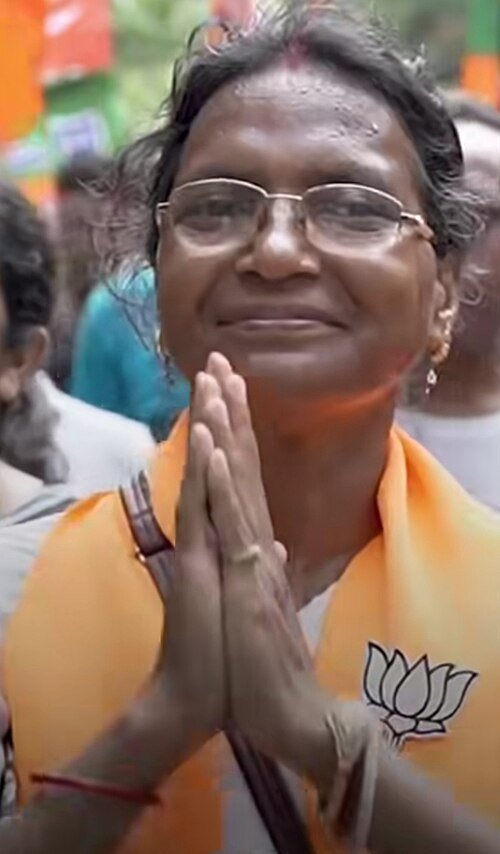

From Grief to the Ballot: Ratna Debnath Emerges as a Key Contender in Bengal’s 2026 Polls

0

In one of the most emotionally charged contests of the 2026 West Bengal Assembly elections, Ratna Debnath, the mother of the RG Kar hospital rape victim, has stepped into electoral politics, transforming personal tragedy into a larger public campaign. Contesting from the Panihati constituency on a Bharatiya Janata Party (BJP) ticket, her candidacy has drawn widespread attention and stirred strong public sentiment.

Who is Ratna Debnath?

Ratna Debnath is not a traditional politician. Until recently, she was a private citizen whose life changed dramatically following the tragic death of her daughter in the RG Kar Medical College case, an incident that sparked outrage across West Bengal and beyond.

Her identity today is shaped by her relentless pursuit of justice. Over time, she emerged as a public voice demanding accountability, transparency, and systemic reform, particularly in issues relating to women’s safety and institutional responsibility.

Why She Entered Politics

Debnath’s entry into politics is deeply rooted in her personal loss. The RG Kar case became a rallying point for protests and debates over law and order in the state. For Debnath, contesting elections is not merely a political move—it is an extension of her fight for justice.

By joining the BJP and contesting from Panihati, she has positioned herself as a candidate representing victims’ voices and citizens seeking stronger governance. Her campaign has focused on:
●Women’s safety and justice
●Accountability of state institutions
●Law and order reforms
●Support for victims’ families

Her candidacy reflects a broader trend in Indian politics where individuals shaped by social or personal causes enter the electoral arena.

The Panihati Contest: A High-Stakes Battle

The Panihati seat has turned into a closely watched battleground in the 2026 elections. Debnath is facing strong competition from the ruling All India Trinamool Congress(TMC) and other parties, making the contest both politically and symbolically significant.

Her campaign has gained traction due to public sympathy, grassroots outreach, and strong backing from her party. The emotional resonance of her story has helped her connect with voters on a personal level—something that conventional political campaigns often struggle to achieve.

Latest Updates: Leading in Early Trends

According to the latest updates from counting trends, Ratna Debnath is currently leading in the Panihati constituency, marking a significant moment in the election.

Early leads suggest:
●A strong consolidation of votes in her favour
●Support cutting across sections of voters
●A competitive but favourable margin against her nearest rivals

However, as with all election counts, trends can shift, and the final outcome will depend on the complete tally.

Can She Win?

While it is still too early to declare a definitive result, several factors are working in Debnath’s favour:
●Emotional connect with voters due to her personal story
●High visibility campaign backed by the BJP
●Public discourse around justice and safety, which aligns with her narrative

At the same time, challenges remain:

●The strong organisational base of the ruling party in the region
●The unpredictability of voter turnout and final counting phases

If her lead sustains, Debnath could secure a landmark victory—one that would symbolize the entry of a citizen-activist into legislative politics.

A Symbol Beyond Politics

Regardless of the final result, Ratna Debnath’s candidature has already made a mark. It highlights how personal grief can evolve into public action, and how democratic spaces allow individuals to channel their struggles into systemic change.

Her journey—from a grieving mother to a political contender—has resonated with many, making this election not just about numbers, but about narrative, justice, and representation.

Conclusion

As counting continues in West Bengal, all eyes remain on Panihati. Whether converts her early lead into victory or not, her story has already added a powerful human dimension to the 2026 elections.

In a political landscape often dominated by seasoned leaders, her emergence signals something different—a reminder that democracy also belongs to those who step forward from the margins, driven by purpose and conviction.

Star Wars Day: Celebrating a Galaxy That Changed Pop Culture Forever

0

“May the Fourth be with you.”

With this clever play on words, fans across the globe celebrate Star Wars Day every year on May 4—an unofficial yet widely embraced tribute to one of the most influential film franchises in history.

The Origin of Star Wars Day

The phrase “May the Fourth be with you” is a pun on the iconic line “May the Force be with you,” a central motif in the Star Wars universe. Interestingly, the phrase predates the official fan celebrations. One of its earliest recorded uses was in 1979, when supporters of Margaret Thatcher placed a newspaper ad congratulating her on becoming Prime Minister: “May the Fourth Be With You, Maggie.”

Over time, fans adopted May 4 as a day to celebrate the saga, and what began as a grassroots movement eventually gained recognition from studios, brands, and even governments.

The Birth of a Cultural Phenomenon

The Star Wars journey began in 1977 with the release of Star Wars: Episode IV – A New Hope, created by visionary filmmaker George Lucas. The film revolutionised cinema with its groundbreaking special effects, immersive storytelling, and richly imagined universe.

What followed was not just a successful film series, but a sprawling cultural phenomenon spanning trilogies, spin-offs, television shows, books, comics, and video games.

A Universe of Stories and Characters

At its core, Star Wars is a timeless tale of good versus evil, set in a galaxy far, far away. The saga has introduced generations to unforgettable characters such as:

● Luke Skywalker – the hopeful hero

● Darth Vader – one of cinema’s most iconic antagonists

● Princess Leia – a symbol of leadership and resilience

●Yoda- the wise Jedi Master

These characters, along with the concept of the Force—a mystical energy field binding the galaxy—have become deeply embedded in global pop culture.

Global Celebrations

Star Wars Day is celebrated worldwide with enthusiasm and creativity. Fans mark the occasion by:
●Hosting movie marathons of the entire saga
●Dressing up as their favourite characters (cosplay)
●Sharing fan art, memes, and tributes on social media
●Participating in themed events, quizzes, and conventions

Companies and streaming platforms often join the celebrations by releasing new content, exclusive merchandise, or special announcements.

Impact Beyond Entertainment

The influence of Star Wars extends far beyond cinema. It has shaped:
●Technology: Pioneering advancements in visual effects and sound design
●Storytelling: Popularising epic, interconnected universes
●Fandom culture: Creating one of the most dedicated fan communities in the world

Even academic discussions explore Star Wars themes in philosophy, politics, and mythology, reflecting its depth and relevance.

A Legacy That Endures

Decades after its debut, Star Wars continues to inspire new generations. Its themes of hope, courage, redemption, and balance remain universal and timeless.

Star Wars Day is not just about nostalgia—it is a celebration of imagination, storytelling, and the shared joy of a universe that connects millions of fans across the globe.

Conclusion

On May 4, whether you are a lifelong fan or a newcomer to the saga, Star Wars Day offers a chance to revisit a story that has defined modern entertainment. It reminds us that even in a galaxy filled with conflict, hope and light can prevail.

After all, as fans proudly say—May the Fourth be with you.

International Firefighters’ Day: Honouring Courage Beyond the Flames

0

Every year on May 4, the world observes International Firefighters’ Day (IFFD) to recognise the bravery, sacrifice, and unwavering commitment of firefighters who risk their lives to protect people, property, and the environment. It is a day not only of gratitude, but also of remembrance for those who have lost their lives in the line of duty.

The Origin of the Day
International Firefighters’ Day was established in 1999 following a tragic incident—the Linton Bushfire in Australia, where five firefighters lost their lives while battling a wildfire. The global firefighting community came together to honour their sacrifice, leading to the creation of a dedicated day observed annually on May 4.

Role and Responsibilities of Firefighters

Firefighters are far more than responders to fires. Their duties span a wide range of emergency services, including:
●Fire suppression and rescue operations
●Responding to natural disasters such as floods and earthquakes
●Handling hazardous material incidents
●Conducting safety inspections and awareness programs
●Providing emergency medical assistance

In India, organisations like Fire Services of India play a vital role in disaster response and public safety, often working under extreme pressure and unpredictable conditions.

Risks and Challenges

The profession of firefighting is among the most dangerous in the world. Firefighters routinely face:
●Exposure to intense heat and toxic smoke
●Risk of building collapses and explosions
●Long, unpredictable working hours
●Physical and emotional stress

These challenges demand not only physical strength but also mental resilience and quick decision-making skills.

Symbol of Solidarity: The Red and Blue Ribbon

A key symbol of International Firefighters’ Day is the red and blue ribbon. The colours represent:
●Red: Fire and the flames firefighters combat
●Blue: Water, the primary element used to extinguish fires

Wearing this ribbon signifies support and appreciation for firefighters across the globe.

How the Day is Observed

International Firefighters’ Day is marked through:
●Memorial ceremonies for fallen firefighters
●Public awareness campaigns on fire safety
●Community events and educational programs
●Messages of appreciation from governments and citizens

Fire stations often open their doors to the public, allowing people to understand the realities of the profession and the dedication it requires.

Conclusion

International Firefighters’ Day is a powerful reminder of the courage that burns brighter than any flame. Firefighters stand on the frontlines of danger, often putting others’ lives before their own without hesitation.

As we honour them today, it is also a call to support better safety measures, improved working conditions, and greater recognition for these everyday heroes. Their service ensures that even in the darkest moments, hope continues to shine.

Coal Miners Day: Honouring the Backbone of Industrial Progress

0

Every year on May 4, India observes Coal Miners Day, a day dedicated to recognising the invaluable contribution of coal miners who have powered the nation’s industrial and economic growth for decades. Often working in harsh, dangerous, and physically demanding conditions, these workers remain the unsung heroes behind electricity generation, steel production, and overall infrastructure development.

Why Coal Miners Day is Observed

Coal Miners Day is not just a symbolic observance—it is a tribute to the courage, resilience, and sacrifices of miners who risk their lives daily. The day highlights the importance of coal in India’s development journey and brings attention to the challenges faced by those working deep beneath the earth’s surface.

Coal has historically been a cornerstone of India’s energy sector. Even today, it remains one of the primary sources of electricity generation, supporting industries and households across the country. Behind this vast supply chain lies the relentless effort of miners.

The Role of Coal in India

India is among the largest producers and consumers of coal in the world. Public sector giants like Coal India Limited play a crucial role in ensuring energy security. Coal fuels thermal power plants, contributes to steel manufacturing, and supports various core industries.

Despite increasing emphasis on renewable energy, coal continues to hold a significant share in India’s energy mix, making the role of miners indispensable.

Life of a Coal Miner

The life of a coal miner is far from easy. Working underground involves constant exposure to:
●Toxic gases and dust
●Risk of mine collapses
●Extreme temperatures
●Long working hours

These conditions often lead to serious health issues such as respiratory diseases, including Pneumoconiosis, commonly known as “black lung disease.”

Yet, despite these hardships, miners continue their work with dedication, ensuring that the wheels of the nation keep turning.

Safety and Welfare Measures

Over the years, the government and organizations like Directorate General of Mines Safety have taken steps to improve safety standards in mines. These include:
●Advanced ventilation systems
●Regular safety audits
●Use of protective gear
●Training programs for miners

While progress has been made, ensuring complete safety and better living conditions for miners remains an ongoing challenge.

Recognising Their Contribution

Coal Miners Day serves as a reminder that behind every unit of electricity and every industrial achievement lies the effort of thousands of miners. It calls for greater appreciation, improved working conditions, and stronger welfare policies for these workers.

Conclusion

Coal Miners Day is not merely about celebration—it is about acknowledgement and responsibility. As India moves towards a more sustainable future, it must also ensure that the dignity, safety, and well-being of coal miners are protected.

Their labour, often unseen and uncelebrated, continues to illuminate millions of homes—making them true pillars of the nation’s progress.

Nation Greets Vice President C. P. Radhakrishnan on His Birthday

0

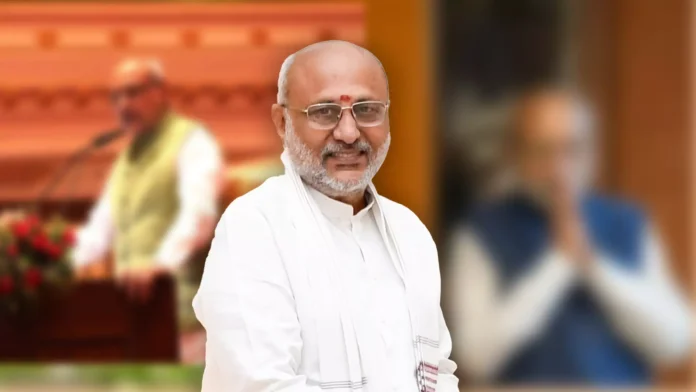
India today extends warm wishes to its Vice President, C. P. Radhakrishnan, as he celebrates his birthday on May 4. Leaders across the political spectrum, including Prime Minister Narendra Modi, have conveyed greetings, acknowledging his long public service and contributions to the nation.

Who is C. P. Radhakrishnan?

Born on May 4, 1957, in Tiruppur, Tamil Nadu, C. P. Radhakrishnan is the 15th Vice President of India and the Chairman of the Rajya Sabha.

He pursued a Bachelor of Business Administration and entered public life at a young age. His early association with the Rashtriya Swayamsevak Sangh and later the Bharatiya Jana Sangh shaped his ideological and political journey.

Known for his calm and grounded personality, Radhakrishnan gradually rose through the ranks of politics, earning a reputation as a disciplined and committed leader.

Political Journey and Career

Radhakrishnan’s political career spans decades:
●He served as a Member of Parliament from Coimbatore, winning elections in 1998 and 1999.
●He played an active role in the growth of the Bharatiya Janata Party in Tamil Nadu.
●He later held constitutional positions, including serving as Governor of Jharkhand and Maharashtra.

In September 2025, he was elected Vice President, defeating opposition candidate B. Sudershan Reddy with a clear majority.

As Vice President, he also serves as the Chairman of the Rajya Sabha, playing a key role in the functioning of India’s parliamentary democracy.

Leadership Style and Contributions

Radhakrishnan is often described as a soft-spoken and consensus-driven leader, known for maintaining dignity in public life.

His journey—from grassroots activism to one of the highest constitutional offices—reflects persistence and dedication. Over the years, he has participated in academic events, policy discussions, and national initiatives, emphasizing democratic values, governance reforms, and inclusive development.

Nation’s Wishes on His Birthday

On his birthday today, greetings have poured in from across the country:

●Prime Minister Narendra Modi lauded his commitment to public service and wished him good health and long life.

●Several Union ministers, governors, and public figures also extended their wishes, highlighting his experience and leadership.
●Citizens and institutions have joined in celebrating his contributions to public life and governance.

These messages reflect the respect he commands across political and social spheres.

A Journey of Dedication

From a young volunteer in socio-political organizations to becoming the Vice President of India, C. P. Radhakrishnan’s journey is marked by steady growth and public service. His career stands as an example of how grassroots engagement and long-term commitment can shape national leadership.

As he marks another year today, the nation not only celebrates his birthday but also acknowledges his role in strengthening India’s democratic institutions.

NEET 2026: India’s Toughest Exam, A Nation’s Dream~ Numbers, Reality, and the Future of Medicine

0

The National Eligibility cum Entrance Test (NEET-UG) has evolved into one of India’s most decisive and demanding examinations. Conducted by the National Testing Agency (NTA), NEET is the single gateway for admission into MBBS, BDS, AYUSH, and other medical courses across the country. What began as an attempt to standardize medical admissions has today become a high-stakes national phenomenon shaping millions of careers.

A Brief History: From Multiple Exams to One National Test

Before NEET, students had to appear for multiple entrance exams like AIPMT and various state-level tests. NEET was conceptualized to bring uniformity, transparency, and merit-based selection. After legal and political debates, it became fully operational around 2016–17, replacing almost all other medical entrance exams. Since then, it has steadily expanded in scale and importance.

NEET 2026: The Scale of Competition

The sheer size of NEET 2026 highlights its intensity. Around 22–26 lakh students have registered for the exam this year, making it one of the largest entrance tests in the world.

In contrast, India has roughly 1.1–1.3 lakh MBBS seats across government and private colleges.
This creates a stark reality:
●1 seat for every 18–23 students
●Only about 4–5% of aspirants secure MBBS seats

Even more competitive are government medical colleges, which offer around 60,000+ seats, making top ranks extremely difficult to achieve.

Recent reports also note that over 22.7 lakh candidates registered for NEET 2026, reflecting continued growth in participation.

Years of Preparation: A Long Academic Marathon

Unlike many exams, NEET is rarely cracked with short-term preparation. Most aspirants dedicate 2–3 years, often starting from Class 11, with some even taking “drop years” to improve scores. Coaching institutes, mock tests, and revision cycles become central to their lives.

The exam itself tests Physics, Chemistry, and Biology, requiring both conceptual clarity and speed. A score of 600+ out of 720 is typically considered competitive for top medical colleges.

Is It Worth It? The Career vs. Cost Debate

Becoming a doctor remains one of the most respected professions in India. However, the journey is long:
●5.5 years of MBBS
●Additional years for specialization (MD/MS)

Financially and emotionally, the preparation phase can be intense, with disparities in access to coaching and resources. Yet, for many, the social impact, job stability, and prestige make the struggle worthwhile.

Success Rate and Psychological Pressure

With only a small percentage securing seats, NEET is as much a test of mental endurance as academic ability. Many students reattempt the exam, and a significant portion appear multiple times, reflecting both persistence and systemic pressure.

The Big Question: Will AI Replace Doctors?

In an era of rapidly advancing artificial intelligence, a natural question arises—will doctors become obsolete?

The answer is nuanced. AI is already transforming diagnostics, radiology, and data analysis. However, medicine is not just science—it is also empathy, ethical judgment, and human interaction. AI can assist doctors, but it cannot replace the human touch required in patient care. Instead, the future will likely see AI-augmented doctors, not AI replacing them.

Conclusion

NEET 2026 represents more than an exam—it is a reflection of India’s aspirations, inequalities, and ambitions. With millions competing for limited seats, it remains one of the toughest academic challenges in the country. Yet, for those who succeed, it opens the door to a profession that continues to be indispensable—even in the age of AI.

West Bengal Politics: From Red Rule to a New Electoral Battleground

0

The politics of West Bengal presents one of the most fascinating and stable—yet periodically transformative—stories in Indian democracy. Marked by long ideological dominance and dramatic shifts, the state’s political journey reflects deeper social currents: class struggles, regional identity, and evolving aspirations.

Historical Background: From Congress to the Left

In the decades following Independence, the Indian National Congress dominated West Bengal, as it did much of India. However, political instability in the 1960s and growing discontent among workers, peasants, and the urban poor paved the way for Left-wing mobilization.

This culminated in the rise of the Left Front in 1977, led by the Communist Party of India (Marxist). The Left Front went on to rule West Bengal uninterrupted for 34 years (1977–2011)—the longest democratically elected communist government in the world.

Under leaders like Jyoti Basu and later Buddhadeb Bhattacharya, the regime implemented land reforms and strengthened panchayati raj institutions, building a strong rural support base. However, industrial stagnation and controversies such as Singur and Nandigram gradually eroded its appeal.

The Rise of Trinamool Congress

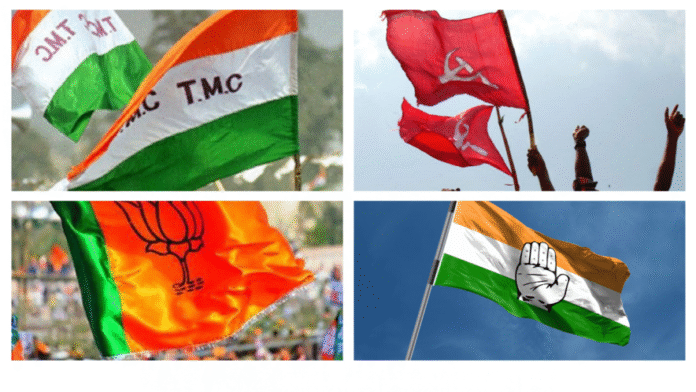
The turning point came in 2011, when the All India Trinamool Congress (TMC), led by Mamata Banerjee, defeated the Left Front. Founded in 1998 as a breakaway from the Congress, the TMC capitalized on anti-incumbency and grassroots mobilization.

Since then, the TMC has remained the dominant force, winning successive elections in 2011, 2016, and 2021. In 2021, it secured a massive mandate with over 200 seats in the 294-member assembly.
Banerjee’s governance has focused heavily on welfare schemes, regional identity, and strong centralized leadership.

Emergence of BJP and Decline of Congress–Left

While the Congress and Left once defined Bengal politics, their influence has sharply declined in recent years. The Bharatiya Janata Party (BJP), which historically had limited presence in the state, has emerged as the principal challenger since the late 2010s.

The 2021 elections marked a turning point, with the BJP becoming the main opposition. Since then, Bengal politics has largely evolved into a bipolar contest between TMC and BJP, with the Left and Congress struggling for relevance.

The 2026 Election: A Defining Moment

The 2026 West Bengal Assembly election, held in April with result to be declared on 4 May, has seen record voter participation—over 92% turnout, the highest in the state’s history.

The contest has once again been dominated by the TMC vs BJP rivalry. The BJP has aggressively campaigned on governance, development, and identity politics, while the TMC has relied on its welfare record and grassroots connect.

Exit polls suggest a neck-and-neck battle, with some projecting a BJP edge and others predicting a TMC victory—raising the possibility of a hung assembly.
At the same time, the Left Front is attempting a comeback, though it remains far from its former dominance.

Analytical Outlook

West Bengal’s political pattern has historically been marked by long periods of stability followed by decisive shifts—Congress to Left, and Left to TMC. The 2026 election may signal whether another such transition is underway.

Three key trends stand out:
●Bipolarization: Politics is now largely a TMC–BJP contest.
●Leadership-centric politics: Mamata Banerjee vs Narendra Modi has become central to voter perception.
●Erosion of ideological politics: Class-based Left politics has given way to welfare and identity-driven narratives.

As results approach, the question is not just who wins, but whether Bengal is on the cusp of another historic political shift—or whether it will continue its tradition of long-term incumbency.

Devarishi Narad: The Eternal Communicator and Pioneer of Ethical Journalism

0

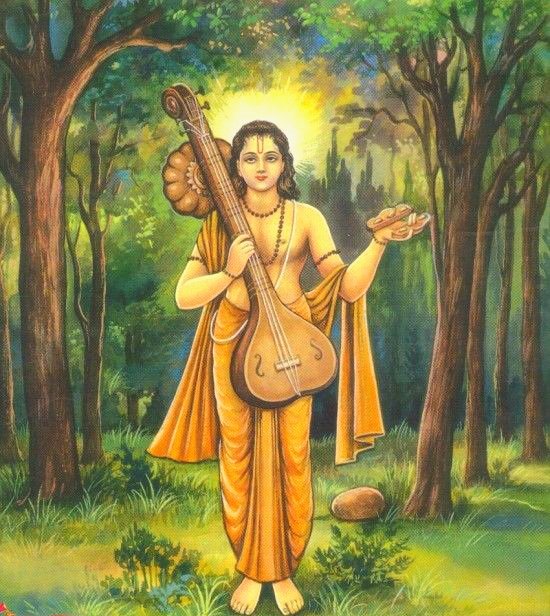
In the vast landscape of Indian spiritual tradition, few figures embody the art and responsibility of communication as profoundly as Narad Muni. Often remembered as a wandering sage with a veena in hand and the chant “Narayana, Narayana” on his lips, Narad is far more than a mythological character, he is one of the earliest and most sophisticated models of a communicator, whose relevance extends even into the modern age of media and information.

Narad: The Cosmic Messenger

Narad Muni is traditionally regarded as the divine messenger of the gods, moving freely across realms, heaven, earth, and the netherworld, carrying information, wisdom, and guidance. Narada is described as a travelling storyteller and communicator who connects people, ideas, and events across the universe.

Unlike ordinary messengers, Narad was not just a transmitter of information, he was an interpreter, mediator, and guide. He conveyed messages with purpose, often ensuring that communication led to a larger moral or cosmic good.

More Than a Messenger: A Thoughtful Communicator

Modern definitions describe a communicator as someone who informs, influences, and engages audiences effectively. Narad exemplified all these roles centuries ago. He was not merely sharing information, he shaped outcomes through timely, strategic, and meaningful communication.

Texts and traditions portray him as a bridge between different worlds, gods, demons, and human, ensuring that knowledge flowed where it was needed most. His communication was not random; it was purposeful, often aimed at restoring balance, resolving conflicts, or guiding individuals toward truth.

The Misunderstood ‘Instigator’

Popular narratives sometimes portray Narad as a mischief-maker who instigated conflicts. However, a deeper reading reveals a different reality. His actions, even when they appeared provocative, were rooted in larger welfare and transformation.

For example, by triggering confrontations or revealing hidden truths, Narad often helped eliminate ego, expose injustice, or accelerate the triumph of good over evil. In essence, he used communication not to create chaos, but to catalyse necessary change.

Narad and the Principles of Responsible Journalism

Narad is frequently described as the first journalist, a communicator who not only gathered and disseminated information but did so with a strong ethical compass.

His approach offers striking parallels to modern journalism:
●Relevance over sensationalism: He shared information that mattered, not gossip for personal gain.
●Public welfare as the goal: His communication always aimed at the greater good.
●Clarity and simplicity: His teachings, such as those in the Narad Bhakti Sutras, are known for being direct and unambiguous.
●Encouraging independent thinking: He advised listeners to reflect and decide for themselves rather than blindly accept information.

In today’s era of misinformation and media noise, these principles appear not just relevant, but essential.

A Master of Multi-Dimensional Communication

Narad’s communication was not limited to words. He used music, storytelling, dialogue, and personal interaction to convey ideas. As a musician and philosopher, he blended emotion with intellect, making his communication both engaging and impactful.

He also understood a fundamental truth of communication: it is not just about delivering a message, but about ensuring it leads to understanding and transformation. His life reflects the highest level of communication, one that connects knowledge with wisdom and action with purpose.

Timeless Lessons for the Modern World

In an age dominated by digital media, instant messaging, and global information flow, Narad’s legacy offers powerful lessons:
●Communication should be truthful and purposeful, not manipulative.
●The communicator must act as a bridge, not a barrier, between people and knowledge.
●Information must be used to uplift society, not divide it.

Narad’s life demonstrates that the true communicator is not just a speaker, but a custodian of truth and harmony.

Conclusion

Narad Muni stands as an enduring symbol of responsible and impactful communication. Far ahead of his time, he embodied the ideals that modern communicators, journalists, and leaders strive to achieve even today.

To understand Narad is to understand that communication, when guided by wisdom and integrity, becomes a powerful force, not just for sharing information, but for shaping a better world.


7-Year-Old Ishank Singh Creates History with Record-Breaking Palk Strait Swim

0

In a remarkable display of courage, endurance, and determination, 7-year-old Ishank Singh from Ranchi, Jharkhand, has etched his name in history by becoming the youngest swimmer to cross the challenging Palk Strait. His extraordinary feat has not only brought pride to his home state but has also captured national and global attention.

A Historic Feat Across Treacherous Waters

On April 30, 2026, Ishank successfully swam nearly 29 kilometres from Talaimannar in Sri Lanka to Dhanushkodi in Tamil Nadu, India. He completed this demanding open-water journey in just 9 hours and 50 minutes, setting a new world record for being the youngest and fastest swimmer to conquer this route.

The Palk Strait is known for its unpredictable tides, strong currents, and rough sea conditions, making it one of the toughest swimming challenges even for experienced athletes. Ishank’s achievement at such a young age is therefore nothing short of extraordinary.

Breaking Records at a Tender Age

With this accomplishment, Ishank has been recognised by the Universal Records Forum as the “Youngest and Fastest Palk Strait Swimmer.”
He surpassed previous benchmarks set by older swimmers, proving that age is no barrier when determination and discipline come together.

The Journey Behind the Success

Behind this historic moment lies months of intense preparation. Ishank trained rigorously for 4–5 hours daily at the Dhurwa Dam in Ranchi under the guidance of his coaches.
His routine demanded not just physical stamina but also mental resilience—qualities rarely seen at such a young age.

A Moment of Pride for the Nation

As Ishank reached the shores of India, he was welcomed with admiration and pride. Leaders and citizens alike hailed his achievement as a shining example of dedication and perseverance. His success has inspired countless young athletes across the country, showcasing what can be achieved with focus and hard work.

More Than Just a Record

Ishank Singh’s achievement is not merely about setting a record—it is a story of passion, discipline, and fearless ambition. At an age when most children are just beginning to explore sports, he has conquered one of the most demanding open-water challenges in the world.
His journey serves as a powerful reminder that extraordinary dreams can be realised with unwavering commitment—no matter how young the dreamer may be.