Home Blog Page 19

Meet Reble: The Meghalaya Rapper Who Stole the Spotlight in Dhurandhar

0

The voice that has recently captured national attention through the Dhurandhar soundtrack—especially in tracks like “Run Down The City – Monica” and “Naal Nachna”—belongs to Daiaphi Lamare, better known as Reble. With her raw, high-energy delivery and unmistakable presence, she has quickly emerged as one of the most exciting new voices in Indian hip-hop.

Hailing from Meghalaya, Reble represents a powerful shift in India’s music landscape—bringing Northeast India into the mainstream spotlight. Her rise is not just about music, but about representation and identity. Her rap style blends hip-hop with elements of trap, alternative, and R&B, often infused with personal experiences and bold storytelling.

Interestingly, her journey into music wasn’t conventional. A BTech graduate who once considered a corporate career, Reble chose to pursue music instead—an unconventional decision that has now defined her identity.

Her breakthrough moment came with Dhurandhar, where she became one of the standout voices on the soundtrack. Her performances in tracks like “Run Down The City – Monica”, “Naal Nachna”, and later “Aari Aari” in Dhurandhar: The Revenge showcased her fearless energy, sharp flow, and unfiltered expression, earning her widespread recognition.

But her journey began much earlier. Starting out under the name “Daya,” she began writing and rapping at a young age, eventually releasing independent tracks and her debut EP Entropy. Songs like “Talk of the Town” and “New Riot” helped establish her in India’s underground hip-hop scene before her Bollywood breakthrough.

What truly sets Reble apart is her authenticity. She often speaks about facing racism and underrepresentation, experiences that shape her music and give it emotional depth. Her work doesn’t just entertain—it challenges narratives and amplifies voices from the margins.

Today, Reble is more than just a rising artist—she is part of a larger cultural shift. In bringing Northeast India’s voice to the forefront, she is helping redefine what Indian hip-hop sounds like and who it represents.
In every verse she delivers, there is a sense of defiance, identity, and truth—making Daiaphi Lamare not just a name to watch, but a voice that is here to stay.

India’s Finest Stays Go Global: Three Unique Retreats that made to TIME’s 2026 List

0

India’s hospitality landscape has earned a coveted place on the global map, with three exceptional properties featured in TIME World’s Greatest Places 2026. What makes this recognition remarkable is not just luxury, but the distinct identity each stay offers—heritage, sustainability, and wellness—reflecting a deeper, more experiential form of travel.

A Palace Reimagined: The Oberoi Rajgarh Palace

India’s Finest Stays Go Global: Three Unique Retreats that made to TIME’s 2026 List

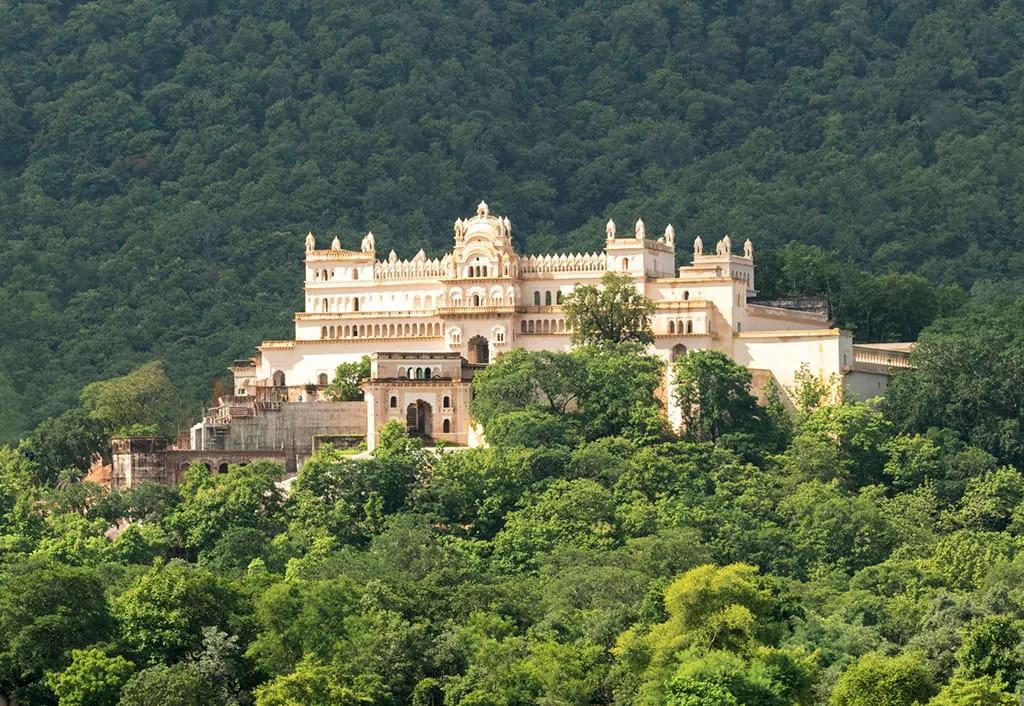
Set atop a hill overlooking forests and a serene lake near Khajuraho, this newly opened resort (November 2025) is a meticulously restored 350-year-old palace. The property features around 65 rooms with frescoed interiors, private pools, gardens, and terraces, blending regal charm with contemporary luxury.

What truly distinguishes it is not just its grandeur, but its setting and experience. Overlooking the wilderness near Panna National Park, it offers a rare combination of royal living and nature immersion. Guests don’t simply stay here—they inhabit a space where history, architecture, and landscape converge seamlessly.

Luxury in Simplicity: Mharo Khet

India’s Finest Stays Go Global: Three Unique Retreats that made to TIME’s 2026 List

Among the three, Mharo Khet represents a completely different philosophy—one rooted in slow living and sustainability. Recognised by TIME for its fresh approach to travel, this boutique farmstay invites guests to step away from excess and embrace earthy, mindful luxury.

Here, the experience revolves around organic farming, local cuisine, and a deep connection to the land. Instead of opulence, it offers authenticity—where the rhythm of rural life, open skies, and community engagement become the defining elements of the stay. It reflects a global shift where travellers increasingly seek purpose-driven and eco-conscious experiences.

Wellness in the Wilderness: Shakti Himalaya Prana Lodge

India’s Finest Stays Go Global: Three Unique Retreats that made to TIME’s 2026 List

Opened in October 2025, this seven-suite Himalayan retreat is the crown jewel of the Shakti Himalaya experience. Designed as an exclusive, intimate escape, it combines luxury trekking, remote wilderness, and holistic wellness.

What makes Prana Lodge unique is its concept of “inner journeys, outdoors.” Guests often arrive after guided village walks through Kumaon, making the stay not just a destination but the culmination of a deeper travel experience. With panoramic mountain views, personalised service, and a focus on well-being, it offers a rare form of luxury defined by silence, space, and self-discovery.

A New Language of Luxury

Together, these three destinations highlight a powerful shift in global travel. Luxury is no longer defined by extravagance alone, but by experience, authenticity, and connection:
●A restored palace that brings history alive
●A farmstay that celebrates sustainability
●A mountain retreat that prioritises wellness

Conclusion

From the regal landscapes of Madhya Pradesh to the rustic charm of Jodhpur and the serene Himalayas, these properties showcase India’s extraordinary diversity. Their inclusion in a global list is not just recognition—it is a reflection of how India is redefining luxury for the modern traveller.

In the end, these stays offer more than comfort—they offer stories, stillness, and a sense of place that lingers long after the journey ends.

Silver Stories: The Tribal Jewellery Traditions of Rajasthan

0

Bold Ornaments that Reflect Identity, Heritage and Everyday Life

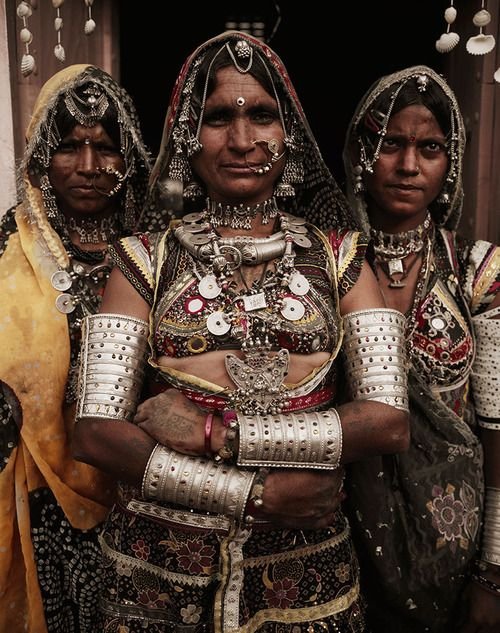
Beyond the opulence of royal courts and the famed splendour of Rajasthani kundan and meenakari lies another equally compelling world—the jewellery traditions of Rajasthan’s tribal communities. Spread across regions such as Mewar, Marwar, Dungarpur, Banswara and Udaipur, tribes like the Bhil, Meena, Garasia, and Rabari have, for centuries, crafted and worn distinctive ornaments that are as expressive as they are enduring.

Jewellery Beyond Ornamentation

In Rajasthan, jewellery has never been merely decorative—it is deeply interwoven with social structure, economy, and identity. While royal jewellery often reflected power, wealth and patronage, tribal jewellery evolved from lived realities—mobility, environment, and community traditions.

Silver, rather than gold, became the dominant metal among tribal groups. Its affordability, durability and accessibility made it ideal for everyday use. But beyond practicality, silver holds cultural and even medicinal value in Indian traditions. It is widely believed to have cooling properties and protective qualities, especially in the harsh desert climate of Rajasthan.

Jewellery in Everyday Life

Unlike the ornate pieces reserved for festivals or ceremonies in urban or royal settings, tribal jewellery is an integral part of daily attire. Women—and in some communities, even men—wear multiple pieces as a constant expression of identity.

Common ornaments include:
●Hansli (rigid neckpieces)
●Aad or Timaniya (pendant necklaces)
●Kada and Bangadi (thick bangles)
●Payal and Kada (heavy anklets)
●Borla and Rakdi (head ornaments)
●Large, often stretched earrings and nose rings

These ornaments are not lightweight. Many are intentionally heavy, symbolising strength, endurance, and prosperity. In some communities, jewellery also functions as a form of financial security—portable wealth that can be sold or exchanged in times of need.

Symbols of Identity and Social Codes

Jewellery in tribal Rajasthan acts as a visual language. The design, weight, and type of ornament can indicate a person’s marital status, age, clan affiliation, and even economic standing.

For instance:
●Married women often wear specific bangles or necklaces that signify their status.
●Certain ornaments are exclusive to particular tribes or regions, making identity instantly recognisable.
●The quantity and craftsmanship of jewellery can reflect familial wealth or social prestige.

Historian Dr. Uttama Singh Rao elaborates on this cultural depth:

Silver Stories: The Tribal Jewellery Traditions of Rajasthan


“Across Rajasthan, jewellery has historically functioned as a marker of identity as much as adornment. Among tribal communities, each piece carries meaning—whether it is protection, status, or belonging. The diversity in forms and styles reflects the varied lifestyles, geographies and histories of these communities. In many ways, jewellery becomes a living document of Rajasthan’s social fabric.”

Craftsmanship and Regional Diversity

The craftsmanship of tribal jewellery is rooted in traditional techniques passed down through generations. Unlike the precision-polished finish of court jewellery, tribal pieces often retain a raw, handmade aesthetic—marked by bold forms, textured surfaces and symbolic motifs.

Different regions bring their own distinct styles:
●In southern Rajasthan, Bhil and Garasia ornaments are often massive and sculptural.
●In eastern regions, Meena jewellery reflects a blend of tribal and agrarian influences.
●In desert areas, designs tend to be more geometric and minimal, suited to mobility and harsh conditions.

Motifs frequently draw from nature—flowers, animals, celestial forms—reflecting a close relationship between tribal life and the natural world.

Cultural Heritage Worth Preserving

Today, Rajasthan’s tribal jewellery is gaining renewed recognition—not only within India but globally. Designers, anthropologists and collectors are increasingly drawn to its authenticity, sustainability and deep cultural narratives.

However, this growing interest also raises important questions about preservation and ethical representation. As modern influences reshape lifestyles, traditional jewellery practices face the risk of decline.

Historian Divyansh Saxena notes:

Silver Stories: The Tribal Jewellery Traditions of Rajasthan


“Tribal jewellery is not just an art form—it is a living heritage. It offers insight into communities that have preserved their identity through generations, often without written records. Protecting these traditions means recognising their value beyond aesthetics.”

A Living Legacy

From the deserts of Marwar to the forested belts of southern Rajasthan, tribal jewellery continues to tell stories—of resilience, identity, and continuity. These silver ornaments, worn not just on special occasions but in everyday life, stand as enduring symbols of a culture that values tradition as much as it embraces change.

In their weight lies history, and in their shine, the spirit of Rajasthan’s diverse communities.

Invisible Warriors: The Untold Stories of India’s Greatest Spies

0

In the silent corridors of history—far from the glory of battlefields—live the stories of India’s most extraordinary yet largely unrecognised heroes. These are the spies who operated in the shadows, assuming false identities, leaving behind families, and embracing lives of uncertainty, all in the service of the nation.

Their victories were never celebrated publicly, their sacrifices rarely acknowledged—but their impact on India’s security has been profound and lasting.

Ravindra Kaushik – The Legendary ‘Black Tiger’

Invisible Warriors: The Untold Stories of India’s Greatest Spies

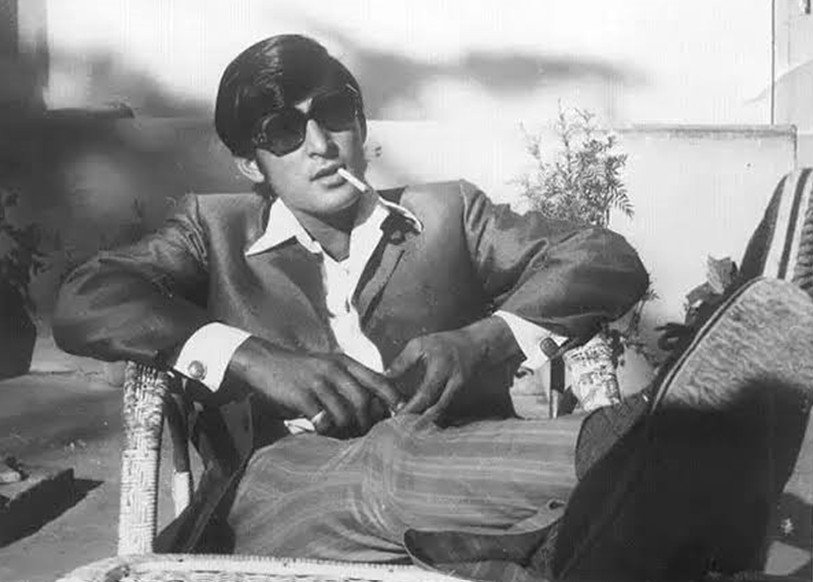
Among India’s most celebrated spies, Ravindra Kaushik’s story reads like a gripping thriller, yet it is entirely real. Recruited by RAW in his early twenties, he was sent to Pakistan under the identity Nabi Ahmed Shakir.

Immersing himself completely, he studied law at the University of Karachi and eventually joined the Pakistani Army, rising through its ranks. For years, he provided India with crucial intelligence that helped anticipate military strategies and strengthen national security.

His cover was eventually blown in 1983, leading to his arrest. Despite enduring years of harsh imprisonment and torture, he never compromised sensitive information. He died in captivity in 2001—his sacrifice unmatched, his recognition long overdue.

Mohanlal Bhaskar – The Man Who Lived Another Life

Invisible Warriors: The Untold Stories of India’s Greatest Spies

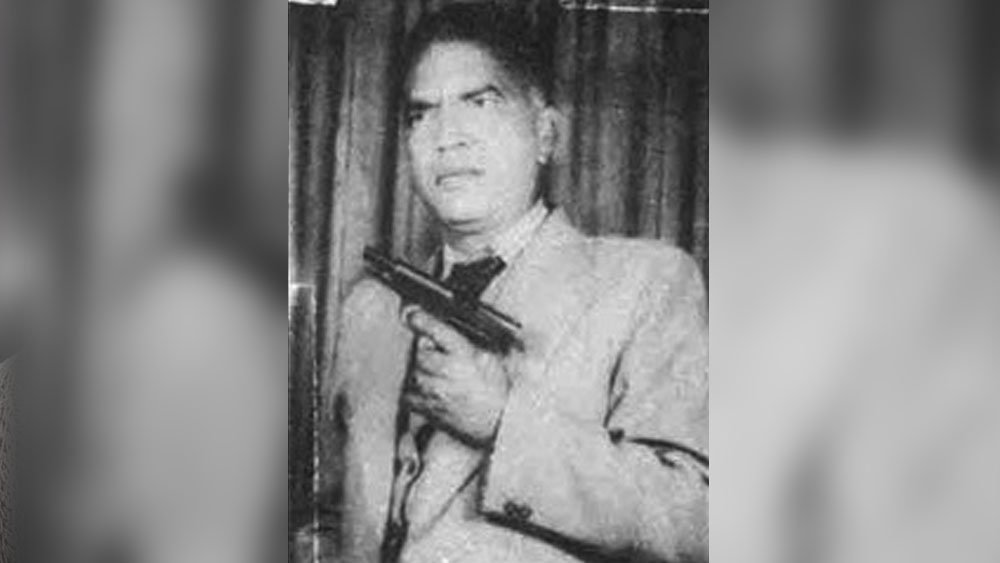
Mohanlal Bhaskar’s transformation into a covert operative required him to completely abandon his identity and live as Mohammad Aslam in Pakistan. His mission involved gathering sensitive intelligence at a time when India needed deep insight into its neighbour’s strategic developments.

Operating under constant threat, his work demanded not just courage but a complete psychological reinvention. Eventually, he was betrayed and captured, spending over a decade in prison.

Unlike many spies who remain forever in the shadows, Bhaskar later documented his experiences in his book “An Indian Spy in Pakistan”, offering a rare glimpse into the perilous world of espionage.

Saraswathi Rajamani – The Teenage Spy Who Defied an Empire

Invisible Warriors: The Untold Stories of India’s Greatest Spies

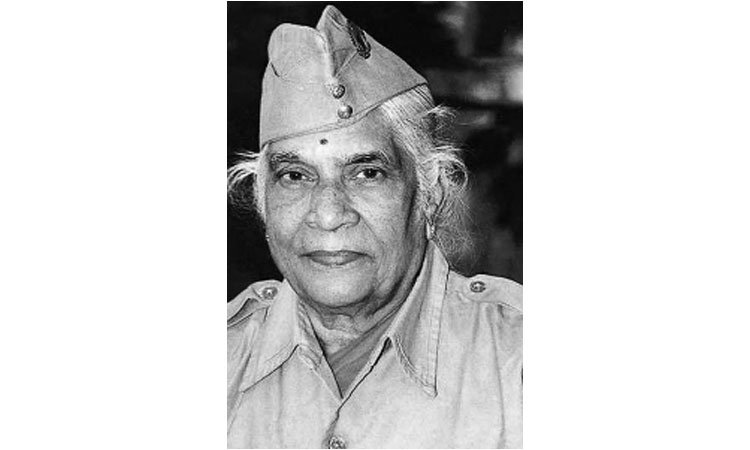
One of the most remarkable yet lesser-known figures of India’s freedom struggle, Saraswathi Rajamani served as a spy for the Indian National Army.

At just 16, she disguised herself as a boy to infiltrate British camps and gather intelligence. In a daring rescue mission, she posed as a dancer, drugged British officers, and freed a captured fellow operative. During the escape, she was shot but still managed to complete the mission.

Her story is not just one of espionage, but of extraordinary bravery at an age when most are far removed from the realities of war.

Sehmat Khan – The Woman Who Changed the Course of War

Invisible Warriors: The Untold Stories of India’s Greatest Spies

Operating during the 1971 Indo-Pak war, Sehmat Khan undertook one of the most emotionally complex missions in Indian intelligence history. She married into a Pakistani military family to gain access to critical information.

Her intelligence inputs proved decisive—most notably, she alerted Indian authorities to a planned attack on an Indian naval asset, helping avert a major disaster.
After completing her mission, she quietly stepped away from espionage and returned to civilian life, carrying with her the weight of a life lived between identities.

Her story later inspired the book Calling Sehmat and the film Raazi, bringing long-overdue recognition to her courage.

Ajit Doval – The Master Strategist

Invisible Warriors: The Untold Stories of India’s Greatest Spies

Ajit Doval represents a rare journey from covert operations to national leadership. As an intelligence operative, he undertook deep undercover missions, including extended periods in Pakistan, gathering crucial intelligence.

He also played key roles in counter-insurgency and counter-terrorism operations within India.

What sets him apart is not just his fieldwork, but his transition into shaping India’s security strategy at the highest level. Today, as India’s National Security Advisor, he continues to influence critical decisions—bridging the world of covert intelligence with national policy.

Nehchal Sandhu and Syed Asif Ibrahim – The Guardians Within

Invisible Warriors: The Untold Stories of India’s Greatest Spies

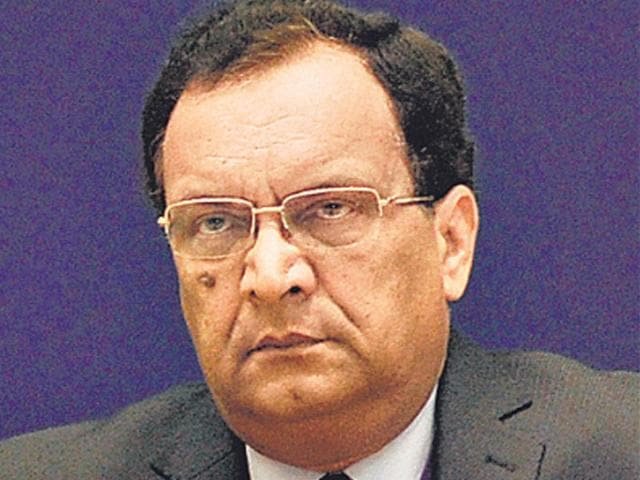
Not all intelligence battles are fought across borders. Officers like Nehchal Sandhu and Syed Asif Ibrahim played pivotal roles in strengthening India’s internal security framework.

Their work in counter-terrorism, intelligence coordination, and national security helped prevent threats before they could materialise. Rising to head the Intelligence Bureau, both exemplify the quiet efficiency and strategic depth that define India’s internal intelligence machinery.

Silent Service, Timeless Legacy

The world of espionage is one of anonymity. There are no medals worn in public, no victory parades, and often no acknowledgment at all. Many spies live and die without their stories ever being told.

Yet, their contributions shape the course of history in ways the world may never fully understand. They prevent wars before they begin, protect lives without being seen, and serve the nation without expectation of recognition.

India’s spies are not just operatives—they are silent sentinels, whose courage, sacrifice, and unwavering patriotism continue to safeguard the nation from the shadows.

Shaheed Diwas 2026: Remembering Bhagat Singh, Rajguru and Sukhdev

0

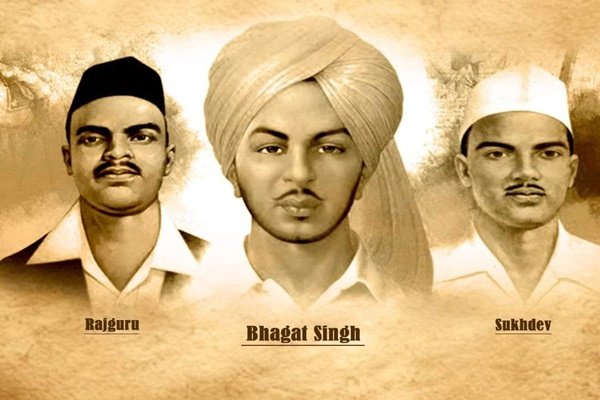
On March 23, India bows its head in solemn pride, remembering three extraordinary revolutionaries—Bhagat Singh, Shivaram Rajguru, and Sukhdev Thapar—who embraced martyrdom for the dream of a free nation. The 95th anniversary of their execution, observed as Shaheed Diwas, is not just a day of remembrance, but a powerful reaffirmation of courage, sacrifice, and unwavering patriotism.

The Story of Defiance and Sacrifice

The lives of these three revolutionaries were defined by an unyielding resistance to British colonial rule. As members of the Hindustan Socialist Republican Association, they believed that freedom was worth every sacrifice.

In 1928, seeking justice for the death of Lala Lajpat Rai, they carried out the assassination of British officer John Saunders in Lahore. Bhagat Singh later courted arrest by throwing non-lethal bombs in the Central Legislative Assembly, using the trial as a platform to awaken the nation.

Their actions were not driven by hatred, but by a fierce love for their motherland and a desire to shake a nation out of submission.

On March 23, 1931, the British executed all three in Lahore Central Jail. They walked to the gallows with fearless resolve, reportedly raising slogans of revolution—turning their final moments into an enduring symbol of resistance.

Courage Beyond Years

What makes their story even more remarkable is their youth. Bhagat Singh was just 23, Sukhdev 23, and Rajguru only 22 when they were executed. Yet, their clarity of thought, intellectual depth, and fearless action surpassed generations.

Bhagat Singh’s writings and ideas reflected a revolutionary mind that went beyond political freedom—he envisioned a just, equal, and awakened society. Rajguru’s courage and precision, and Sukhdev’s dedication and organizational strength, made them a formidable force in the freedom movement.
They did not merely fight the British Empire—they challenged fear itself.

A Legacy That Still Inspires India

Nearly a century later, their legacy continues to live in the heartbeat of India. Their sacrifice intensified the freedom struggle and awakened a sense of unity and urgency among Indians. Over time, Bhagat Singh became a symbol of youthful rebellion and national pride, inspiring generations across ideological lines.

From textbooks to public discourse, from slogans to silent tributes, their names evoke deep respect and emotion. The memorial at Hussainiwala in Punjab stands as a reminder of where their mortal remains were laid to rest, but their spirit transcends geography and time.

Prime Minister’s Tribute: Honouring the Spirit of Sacrifice

Marking the occasion, Prime Minister Narendra Modi paid heartfelt tribute to the martyrs, remembering their unparalleled bravery and commitment to India’s freedom.

In his message, he described them as “brave sons of Bharat Mata,” emphasizing that their sacrifice remains etched in the nation’s collective memory. He highlighted how, at such a young age, they displayed extraordinary courage and chose the path of sacrifice without hesitation, placing the nation above their own lives. Their ideals of justice, patriotism, and fearless resistance, he noted, continue to ignite the spirit of countless Indians even today.


More Than Martyrs—Eternal Ideals

Shaheed Diwas is not just about remembering history—it is about renewing a pledge. The lives of Bhagat Singh, Rajguru, and Sukhdev remind us that true patriotism lies in courage, conviction, and the willingness to stand up for what is right.

Their martyrdom was not an end, but a beginning—a spark that ignited a nation’s journey to independence.
As India marks 95 years since their sacrifice, their message still echoes powerfully:
freedom must be cherished, protected, and constantly redefined through justice, equality, and fearless thought.

The nation does not mourn them—it salutes them.

How to Find the Best Tile Shop Near Me for Home Renovation

0

Home renovation is an exciting journey that allows you to redefine your living space with style and functionality. One of the most important aspects of this process is choosing the right tiles, as they influence both aesthetics and durability. However, finding the right tile shop near me can often feel overwhelming due to the number of options available. With a thoughtful approach, you can identify a store that not only meets your design preferences but also ensures quality and long-term value.

Why Choosing the Right Tile Shop Matters

Tiles are a long-term investment. Whether you are upgrading your kitchen, bathroom, or living area, the quality and variety offered by a tile store can significantly impact your renovation results. A reliable tile shop provides access to premium materials, expert guidance, and the latest designs.

When searching for a tile shop near me, it is essential to prioritise stores that offer both aesthetic variety and technical reliability. This ensures your tiles not only look beautiful but also withstand daily wear and tear.

Evaluate the Range of Tile Collections

Choosing the right collection ensures that your surfaces meet the specific needs of every room in your home.

Look for Variety in Design and Finish

A high-quality showroom should offer a wide selection of surfaces in various finishes, textures, and colours. From surfaces inspired by natural stone to modern speckled designs, having a variety of options allows you to perfectly match your floors and walls with your home’s overall theme. Exploring these diverse collections from brands such as  Simpolo Tiles & Bathware helps you visualise how different materials can transform a plain room into a stylish space. By choosing from a range of artistic inspirations and raw textures, you can find the exact look that fits your personal taste.

Check for Application-Specific Options

Different areas of your home require different types of tiles. Bathroom tiles need to be moisture-resistant, while living room tiles should focus on elegance and durability. When browsing a tile shop near me, make sure they offer specialised options like bathroom wall tiles that combine style with water resistance. This ensures your renovation is both practical and visually appealing.

Assess Product Quality and Technology

Here are the key technological features to consider when evaluating modern surface materials for your home:

Durability and Strength

High-quality tiles should be resistant to stains, scratches, and impact. Vitrified tiles are especially popular due to their low water absorption and long-lasting performance. Modern tile shops often provide tiles manufactured with advanced technologies that enhance durability and hygiene. This is particularly important for areas like bathrooms and kitchens where cleanliness is essential.

Certifications and Standards

A trustworthy tile shop will offer products that meet recognised safety and quality standards. Certifications indicate that the tiles have been tested for durability, hygiene, and performance.

When selecting a tile shop near me, always enquire about product certifications and manufacturing standards to ensure you are making a safe and reliable choice.

Explore Digital Tools and Visualisation

Utilising advanced design technology helps you make confident decisions by allowing you to preview your space before installation begins. Here are the modern digital features that help you see how your room will look before you start:

Use Virtual Design Solutions

Many modern tile stores now provide digital tools that allow you to visualise tiles in your space before making a purchase. These tools can help you experiment with layouts, colours, and textures in a realistic setting.

This feature is particularly useful when selecting bathroom wall tiles, as it helps you see how patterns and shades will look in a confined space. Visualisation tools reduce guesswork and make decision-making easier.

Compare Styles Easily

Digital showrooms enable you to browse multiple collections from the comfort of your home. This saves time and allows you to shortlist designs before visiting the store physically.

Look for Innovation and Design Inspiration

A great showroom does more than just sell products; it inspires creativity by showcasing modern trends and innovative designs. From marble-inspired finishes to textured surfaces, these high-end materials elevate your interiors with a distinctive look. Selecting collections that prioritise both artistry and durability allows you to create a home that feels uniquely yours. By exploring a wide range of styles, you can find the perfect balance where elegant aesthetics and rugged functionality come together seamlessly for your space.

Conclusion

Your choice of tile shop plays a crucial role in the success of your home renovation. By considering factors such as product variety, quality, technology, and expert guidance, you can confidently select a store that meets your expectations.

Whether you are redesigning your living room or selecting bathroom wall tiles for a luxurious upgrade, the right tile shop brings your vision to life with precision and elegance.

The Rise of Electric Bikes in Bangalore: What It Signals for India’s EV Ecosystem

0

Bangalore moves fast. Not just in terms of traffic, though that is a whole other conversation, but in terms of picking up new things. And electric bikes are one of those things the city grabbed onto early. Go to any main road in the city today and you will spot them everywhere. Outside offices, parked at metro stations, weaving through signal queues. It was not like this even two years back.

So what changed? And why does it matter for the rest of India? Let us get into it.

Bangalore’s Electric Bike Numbers on Vahan Have Been Climbing Every Single Month

Karnataka has been sitting in the top three states for electric two wheeler registrations back-to-back for two years. Most of that volume is coming from Bangalore.

Check any recent month on Vahan, and Bangalore shows up in the top five cities in the country. Not once in a while, regularly. Why does Bangalore keep appearing in these numbers?

A few straightforward reasons:

  • Most people in Bangalore travel 15 to 25 km one way to work. That distance works fine on a single charge for most electric bikes being sold right now
  • A large part of the city’s workforce gets a fixed monthly salary, so EMI-based purchases are easier to plan
  • Petrol crossed ₹100 a litre here and has not come back down. That stings every time you fill up

Put these together, and the city just happens to be a good fit for electric bikes. The commute works, the income structure works, and the fuel pain is real enough that people are actually looking for alternatives.

Bangalore Traffic and Fuel Costs Have Made the Math Very Simple

Anyone who has driven in Bangalore knows what the traffic is like. Long stretches of barely moving, braking, moving two feet, braking again. That kind of riding burns petrol fast, much faster than riding on an open road.

Running cost on an electric bike is roughly ₹0.15 to ₹0.20 per km. On a petrol bike in the same city traffic it is around ₹2 to ₹2.50 per km. Ride 20 km each way daily and you are looking at savings somewhere between ₹14,000 to ₹16,000 over a year.

For someone earning a fixed salary every month that is real money.

There is a riding comfort angle too. Electric bikes do not need gear changes. They move off cleanly every time a signal turns green. In a city where you are stopping and starting at every junction, that actually matters. People who have made the switch mostly say they do not think about going back.

Tech Park Employees Were Early Adopters and They Brought Others In

Whitefield, Electronic City, Outer Ring Road, these areas have become some of the strongest electric bike markets in the city. The workforce in these pockets earns well, reads up before buying anything, and tends to live in apartment buildings where charging is becoming more available.

Several large tech parks now have EV charging in their parking areas. What that has quietly done:

  • People charging at their office campus pay almost nothing for the daily commute, close to zero fuel cost
  • That experience gets talked about at lunch. Word of mouth in office circles has moved more units than most ads have
  • Buyers who started with entry-level models two years back are now upgrading to better-range ones: they are not returning to petrol

That upgrade behaviour is worth noting. It means first-time electric bike buyers in Bangalore are satisfied enough to stay with electric and spend more on their next bike. Markets that retain buyers grow differently from markets that just attract them once.

Charging in Bangalore is No Longer a Real Blocker for Most Buyers

A year or two ago, the most common thing people said when asked why they had not bought an electric bike in Bangalore was, what if I need to charge and there is nowhere to go? That concern has not completely gone away, but it has reduced significantly in Bangalore.

BESCOM has added public charging points across the city. Private charging networks have set up stations at malls, metro station parking areas, fuel pumps, and inside apartment complexes.

  • Orion Mall, Phoenix Marketcity, Forum – most major malls in the city now have EV charging
  • Metro stations on both lines have charging points in their parking
  • Neighbourhoods like Koramangala, HSR, Indiranagar, and Whitefield have seen the most apartment-level charging installations

For someone who lives and works within Bangalore, charging has become a routine thing rather than a logistical problem. That shift in how buyers perceive it has directly helped sales.

What Bangalore Is Doing, Other Cities Are Starting to Copy

Pune, Hyderabad, Chennai: city planners and EV policy teams in these places have been looking at Bangalore’s rollout as a reference. The charging network model, the corporate campus partnerships, the dealership spread into areas beyond the city centre, all these have been cited in multiple state-level EV roadmap discussions.

That kind of cross-city influence is a strong signal. It means Bangalore’s electric bike growth did not happen randomly. There was enough structure to it that others see it as repeatable.

What All of This Points To

Bangalore is not going back. Electric bikes here have moved well past the phase where only tech enthusiasts were buying them. Regular commuters, delivery workers, homemakers doing short errands, the buyer base has widened a lot.

For India’s broader EV ecosystem, this matters because Bangalore gives other cities a working example to point to. Not a government projection or an industry forecast, an actual city where the shift has happened and where people are living with it every day and not complaining.

The rest of India is at various stages of the same journey. Bangalore just got there first.

Gangaur Festival: Significance, Rituals, and the Stories That Shape It

0

There are some festivals that dazzle with grandeur, and then there are those that quietly settle into the soul, Gangaur belongs to the latter. It is not just seen; it is felt. It arrives softly in Rajasthan just after Holi, when the colours begin to fade and the air carries a gentle warmth of spring. In that subtle transition of seasons, Gangaur unfolds, not as a single celebration, but as a lived experience of devotion, memory, and timeless grace.

The Significance of Gangaur

At its heart, Gangaur is dedicated to Goddess Gauri and Lord Shiv, whose union is seen as the most complete expression of companionship. But Gangaur is not merely about divine worship—it is about the deeper idea of balance in life.

Gauri represents nurturing strength, fertility, and devotion, while Shiva embodies stillness, detachment, and cosmic energy. Together, they form a harmony that reflects how life itself must be lived—with patience, understanding, and mutual respect. This is why Gangaur is celebrated not just for marital happiness, but for emotional strength, inner resilience, and the ability to sustain relationships with grace.

For married women, it is a prayer for the well-being and longevity of their husbands. For unmarried girls, it becomes a quiet hope for a partner who mirrors the depth and integrity of Shiva. Yet beyond these meanings, Gangaur speaks to something universal—it is about connection, continuity, and the beauty of faith carried through generations.

The Story of Gauri’s Return: A Daughter Comes Home

One of the most touching legends associated with Gangaur is the belief that during this time, Goddess Parvati returns to her maternal home.
She is welcomed not as a distant deity, but as a beloved daughter. This idea carries deep emotional resonance in Indian culture, especially in Rajasthan, where a woman’s bond with her maika is filled with tenderness and nostalgia. For a few days, Gauri lives among her people, surrounded by affection, care, and celebration.
And then comes the moment of departure.
Lord Shiva arrives to take her back, symbolising the return to her marital home. This farewell is not just ritualistic—it is deeply emotional. It reflects the delicate reality of a woman’s life, where love exists in both homes, yet she must constantly move between them. The final immersion of Gauri’s idol carries this emotion of ‘vidai—a goodbye that is both beautiful and bittersweet.

The Tapasya of Parvati: Devotion as Strength

Another powerful legend speaks of Parvati’s unwavering determination.
It is believed that she performed intense penance to attain Shiva as her husband. Her devotion was not passive; it was a conscious act of strength and faith. Through her tapasya, she proved that love and commitment require patience, courage, and inner clarity.
This story gives Gangaur a deeper philosophical meaning. It reminds us that devotion is not weakness—it is resilience. It is the ability to remain steadfast even in uncertainty, and to shape one’s destiny through belief and effort.

Faith That Sustains Life: Stories of Hope and Abundance

Folk traditions across Rajasthan also speak of times when women, facing drought or hardship, prayed to Gauri with unwavering faith. It is believed that their devotion brought rain, prosperity, and renewal to the land.
In these stories, Gauri becomes more than a symbol of marital bliss—she becomes a देवी of life itself, one who listens, nurtures, and restores balance. Gangaur, therefore, also becomes a celebration of nature’s cycles—of fertility, growth, and the promise that after every hardship, life finds a way to bloom again.

The Rituals of Worship: Where Devotion Becomes Daily Life

Gangaur is not confined to a single day; it is experienced over nearly sixteen days.
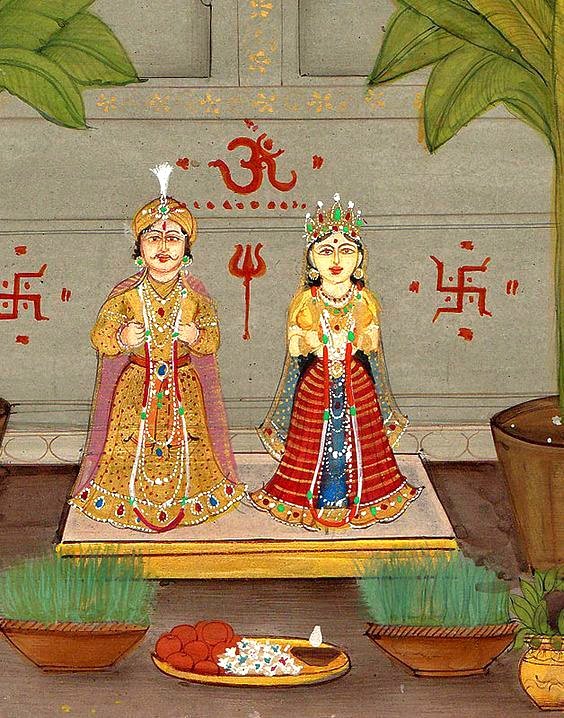
The rituals begin just after Holi, as women sow wheat or barley seeds in earthen pots. These seeds, nurtured daily, grow into green Jawara—symbolising life, prosperity, and renewal. It is a quiet yet powerful act, reflecting how care and patience lead to growth.

Each morning, women perform the pooja of Isar and Gauri with flowers, water, turmeric, vermilion, kumkum, mehendi and kajal. Fasting becomes a part of the discipline, but it is observed with calm devotion rather than rigidity. The listening of the Gangaur vrat katha adds meaning to the rituals, connecting each act to the stories of the divine.

Gauri is adorned like a bride, reflecting beauty, dignity, and completeness. In this adornment, women often see their own reflections—not just as individuals, but as carriers of tradition and faith.

Songs That Carry Generations

No description of Gangaur is complete without its geet. These traditional songs are not written in books; they live in memory, passed from one generation to another.
Sung in groups, they speak of love, longing, and devotion—of Gauri waiting, of Shiva arriving, and of the emotional rhythms of life. There is a quiet intimacy in these gatherings, where women come together not just to sing, but to share stories, laughter, and belonging.
In these moments, Gangaur becomes more than a ritual—it becomes a shared cultural experience. Lines like “Gor Gor Gomti, Isar puje Parvati…” may sound simple, but they carry generations of emotion within them.

A Celebration in Colour and Grace

As the festival progresses, it begins to reflect in the outer world as well. In cities like Jaipur, Udaipur, and Jodhpur, the streets come alive with processions, music, and colour.
Women dressed in traditional poshaks, vibrant lehengas and odhnis, adorned with jewellery and mehendi and beautiful Shringar, create a visual celebration that is both elegant and rooted. The final processions, where idols of Gauri are carried with devotion and joy, bring the community together in a shared moment of celebration.

And yet, as the idols and the jawara that is grown is immersed in water, there is a quiet stillness—a reminder that even the most beautiful moments must gently come to an end.

The Taste of Tradition

Gangaur is also felt through its flavours. The sweetness of Ghewar becomes symbolic of the festival itself. Often sent from a woman’s maternal home, it carries with it love, memory, and a sense of belonging that transcends distance. Sweets like Malpua, kheer and Gune are also made.

Gangaur~ more than a festival

For Rajasthan, Gangaur is not just a festival—it is a reflection of its soul. It carries within it stories of love, strength, devotion and faith, woven together with the rhythms of everyday life.
And for anyone encountering it for the first time, Gangaur offers something rare—a glimpse into a world where celebration is not just about festivity, but about feeling. Where every ritual has meaning, every song has memory, and every prayer carries the quiet beauty of belief.


Reviving Prambanan: India–Indonesia Collaboration to Bring 9th-century Heritage Back to Life

0

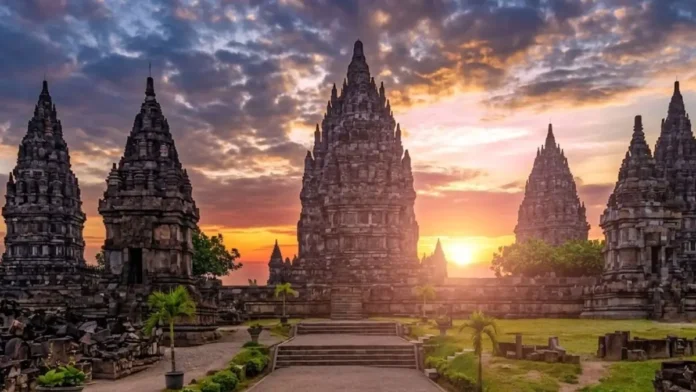
In a significant step towards cultural diplomacy, India and Indonesia have come together to restore one of Southeast Asia’s most iconic heritage sites—the Prambanan Temple, a 9th-century temple complex that stands as a testament to shared civilizational roots.

Located in the Special Region of Yogyakarta in Java, Prambanan is not just a single monument but part of a vast cultural landscape that includes other historic temples like Sewu and Plaosan. This interconnected heritage underscores centuries-old cultural and religious exchanges between India and Indonesia, particularly through the spread of Hinduism and Buddhism across Southeast Asia.

A Shared Heritage Beyond Borders

Built in the 9th century, Prambanan is the largest Hindu temple complex in Indonesia and reflects strong architectural and cultural influences from the Indian subcontinent. Over time, natural disasters such as earthquakes and volcanic activity, along with historical decline, led to the partial collapse and fragmentation of the site.

Its restoration, therefore, is not just about rebuilding structures—it is about reviving a shared historical narrative that connects two nations across geography and time.

How the Restoration Will Be Done

The project brings in expertise from the Archaeological Survey of India, which is collaborating closely with Indonesian authorities. One of the key techniques being used is anastylosis—a meticulous process where original stones from the site are carefully identified, catalogued, and reassembled in their original positions.

This method ensures that the authenticity of the monument is preserved while maintaining structural stability. However, the process is far from simple. The temple complex contains thousands of scattered stone blocks, making the task of matching and reconstructing them both time-consuming and highly precise.

In a modern twist, Indonesia has also expressed openness to using digital tools and artificial intelligence to assist in identifying and reconstructing temple components—blending ancient techniques with contemporary technology.

More Than Restoration: A Diplomatic Statement

This collaboration goes beyond archaeology. It reflects a broader effort to strengthen India–Indonesia cultural and diplomatic ties. By jointly preserving heritage, both nations are reinforcing a shared identity rooted in history, religion, and art.

Importantly, the focus is not limited to restoring individual structures. As Indonesian officials have emphasized, conservation efforts aim to protect the entire cultural ecosystem surrounding Prambanan, ensuring that its historical context remains intact.

Conclusion

The restoration of Prambanan is more than a conservation project—it is a symbol of how history can unite nations in the present. As India and Indonesia work together to preserve this 9th-century marvel, they are not just rebuilding a temple, but reaffirming a shared civilizational legacy that continues to inspire across centuries.

Can Iran Shut Down the Global Internet? Understanding the Real Risk

0

Amid escalating tensions in the Middle East, a striking question has surfaced across media and social platforms: Can Iran shut down the global internet?

While the concern reflects genuine anxiety, the reality is more nuanced—and far less absolute.

Iran has already demonstrated its ability to severely restrict internet access within its own borders. By controlling key gateways, authorities can reduce connectivity to near zero, effectively isolating millions of users from the global web. This has been observed during periods of unrest and conflict, where communication with the outside world becomes extremely limited.

However, the idea that the Iran could shut down the global internet is factually incorrect. The internet is a decentralized system—a vast network of networks spread across continents. No single nation has the authority or capability to switch it off entirely.

That said, the concern is not entirely unfounded. The region around the Strait of Hormuz plays a strategically important role, not just for oil trade but also for global connectivity. While most major undersea internet cables do not pass directly through the strait, several critical routes run through nearby waters in the Persian Gulf and Arabian Sea. These cables carry a significant portion of global data traffic.

In the event of military escalation, there is a risk of regional disruption—whether through accidental damage, targeted attacks, or broader instability. Such incidents would not shut down the internet worldwide, but they could slow down connectivity, disrupt services, and affect communication across multiple countries.

The real issue, therefore, is not a global blackout, but growing vulnerability. Modern conflicts increasingly extend into cyberspace and infrastructure, where even limited disruptions can have widespread consequences.

In conclusion, Iran cannot shut down the global internet. But the situation highlights a deeper reality: in an interconnected world, even regional tensions can ripple across global systems, making digital stability an increasingly critical concern.