Home Blog Page 20

Can Iran Shut Down the Global Internet? Understanding the Real Risk

0

Amid escalating tensions in the Middle East, a striking question has surfaced across media and social platforms: Can Iran shut down the global internet?

While the concern reflects genuine anxiety, the reality is more nuanced—and far less absolute.

Iran has already demonstrated its ability to severely restrict internet access within its own borders. By controlling key gateways, authorities can reduce connectivity to near zero, effectively isolating millions of users from the global web. This has been observed during periods of unrest and conflict, where communication with the outside world becomes extremely limited.

However, the idea that the Iran could shut down the global internet is factually incorrect. The internet is a decentralized system—a vast network of networks spread across continents. No single nation has the authority or capability to switch it off entirely.

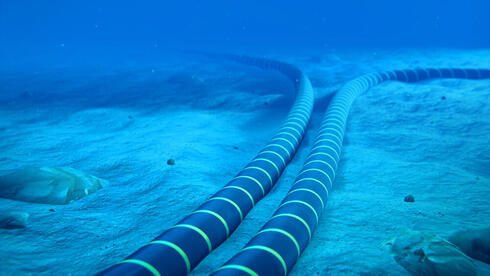
That said, the concern is not entirely unfounded. The region around the Strait of Hormuz plays a strategically important role, not just for oil trade but also for global connectivity. While most major undersea internet cables do not pass directly through the strait, several critical routes run through nearby waters in the Persian Gulf and Arabian Sea. These cables carry a significant portion of global data traffic.

In the event of military escalation, there is a risk of regional disruption—whether through accidental damage, targeted attacks, or broader instability. Such incidents would not shut down the internet worldwide, but they could slow down connectivity, disrupt services, and affect communication across multiple countries.

The real issue, therefore, is not a global blackout, but growing vulnerability. Modern conflicts increasingly extend into cyberspace and infrastructure, where even limited disruptions can have widespread consequences.

In conclusion, Iran cannot shut down the global internet. But the situation highlights a deeper reality: in an interconnected world, even regional tensions can ripple across global systems, making digital stability an increasingly critical concern.

0

The United States has crossed a historic financial threshold, with its national debt surpassing $39 trillion. While the figure itself is staggering, what truly matters is what lies behind it—and what it means for both the American economy and the rest of the world.

The national debt is essentially the total amount the U.S. government owes to lenders, including domestic investors, institutions, and foreign governments. Over time, this debt has grown due to continuous government spending that exceeds revenue collection. In recent years, the pace of this growth has accelerated, driven by economic stimulus measures, rising welfare commitments, and increased global responsibilities.

What Is Driving the Surge?

The rise in U.S. debt is not due to a single factor but a combination of long-term structural issues and recent economic pressures. The government consistently runs fiscal deficits, meaning it spends more than it earns. At the same time, large-scale expenditures on healthcare, pensions, and defense continue to expand.

A few key contributors include:
•Persistent budget deficits year after year
•High spending on Social Security and Medicare
•Increasing defense and geopolitical expenditures
•Growing interest payments on existing debt

As interest rates rise globally, the cost of borrowing has also increased, making it more expensive for the government to manage its existing obligations.

Why the World Is Watching

The U.S. debt situation is not confined within its borders. Because the U.S. dollar functions as the world’s primary reserve currency, any instability in its financial system can have global consequences.

Countries around the world invest heavily in U.S. Treasury bonds, considering them safe assets. This means that fluctuations in U.S. debt levels, interest rates, or economic confidence can directly impact global markets, trade, and investment flows. For emerging economies, including India, such shifts can influence inflation, currency value, and capital movement.

Crisis or Manageable Challenge?

At present, the situation is not classified as an immediate crisis. The United States still enjoys strong investor confidence and has a large, resilient economy. Its ability to borrow remains intact, largely due to the trust placed in its financial institutions and the dominance of the dollar.

However, concerns lie in the long-term trajectory. If debt continues to grow faster than the economy, it may gradually reduce fiscal flexibility. Rising interest payments could consume a larger share of government spending, leaving less room for development, welfare, or emergency responses.

The Bigger Picture

The growing U.S. national debt reflects a broader challenge faced by modern economies—balancing growth, welfare, and fiscal discipline. While the current system continues to function, the long-term sustainability of such high borrowing remains uncertain.

Ultimately, the issue is not just about how large the debt has become, but whether it can be managed without triggering economic instability. As the world watches closely, one question remains central: how long can this trajectory continue before tough financial decisions become unavoidable?

A Possible Nuclear Emergency: How Prepared Is the World?

0

WHO Prepares for a Possible Nuclear Emergency Amid Escalating Middle East Crisis

As tensions in the Middle East continue to rise, global concern is no longer limited to conventional warfare. In a significant development, the World Health Organization has begun preparing for a possible nuclear or radiological emergency, reflecting the gravity of the ongoing conflict and its potential consequences.

A Region Under Intensifying Strain

The current crisis, involving Iran, Israel, and their allies, has led to widespread destruction, civilian casualties, and growing instability across the region. Reports of strikes near sensitive nuclear sites—particularly around facilities such as Bushehr—have heightened fears of a radiological accident or escalation.

While no nuclear incident has occurred so far, even the risk of damage to nuclear infrastructure is enough to trigger global alarm. Experts warn that any such event—intentional or accidental—could have consequences far beyond national borders.

WHO’s Role: Preparing for Health Emergencies, Not War

It is important to clarify that the WHO is not preparing for war itself, but for the public health consequences that could arise if the situation worsens.

According to WHO officials, including regional leadership overseeing the Eastern Mediterranean, the organization is planning for a “worst-case scenario”—one that may involve:
●Radiation exposure due to damage to nuclear facilities
●Large-scale medical emergencies
●Long-term environmental and health impacts

This form of preparedness falls under WHO’s mandate to respond to radiation emergencies, which include any event involving the release of radioactive material, whether from conflict or accidents.

Strengthening Global Preparedness

To ensure readiness, the WHO is actively:

●Reviewing and updating emergency response protocols
●Coordinating with countries to strengthen health system preparedness
●Training medical professionals to manage radiation-related illnesses
●Working through global networks like REMPAN (Radiation Emergency Medical Preparedness and Assistance Network)

These efforts are precautionary in nature, aimed at minimizing harm if such a scenario were to unfold.

Why This Matters

A nuclear or radiological emergency—unlike conventional warfare—can have long-lasting and widespread consequences, including:
•Acute radiation sickness and long-term cancers
•Contamination of food, water, and soil
•Collapse of already strained healthcare systems
•Cross-border and even global environmental impact

Past incidents such as the Chernobyl disaster and the atomic bombings of Hiroshima and Nagasaki demonstrate how the effects of radiation can persist for decades.

A Precaution, Not a Prediction

WHO has emphasized that no radioactive leak or nuclear event has been reported in the current conflict. Its actions should be seen as preventive preparedness, not an indication that a nuclear confrontation is imminent.
However, the very need for such planning highlights how fragile the situation has become.

Conclusion

The evolving Middle East crisis is a stark reminder that modern conflicts carry risks far beyond the battlefield. By preparing for a potential nuclear or radiological emergency, the World Health Organization is fulfilling its critical role: safeguarding global health in even the most extreme scenarios.

While diplomacy remains the only path to preventing catastrophe, WHO’s readiness underscores an urgent reality—in today’s interconnected world, the consequences of conflict are shared by all of humanity.

From Borla to Bichhiya: The Head-to-Toe Jewellery of Rajasthan

0

Traditional Ornaments that Define Rajasthani Elegance

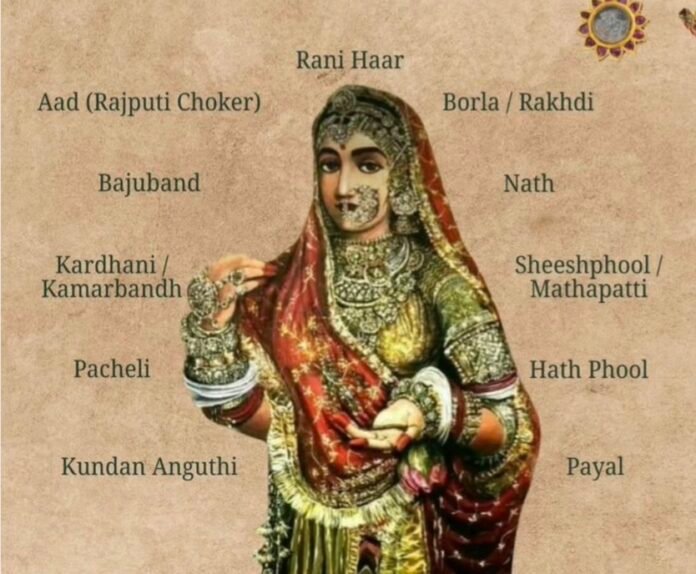
One of the most distinctive aspects of Rajasthani jewellery is its remarkable variety. Traditional attire in Mewar often includes ornaments for nearly every part of the body, creating a complete and harmonious style of adornment.

Grace on the Forehead

Adornment traditionally begins with head jewellery. The Borla, a spherical ornament worn along the hairline, is one of the most recognisable symbols of Rajasthani bridal beauty. Alongside it are ornaments such as Rakhdi, Maang Tikka, Memad, Sheeshphool and Mathapatti, which decorate the centre parting and forehead.

The Beauty of Ear and Nose Ornaments

Ear jewellery is equally diverse. Traditional pieces such as Karnphool, Jhumka, Bali, Chandbali, and Kundal have long been worn across Rajasthan.The Nath and Nathani, a decorative nose ring, holds special significance in bridal attire and is often worn during weddings and important ceremonies.

Necklaces that Highlight Royal Style

Neck ornaments form the centrepiece of traditional jewellery. The Aad, a choker-style necklace associated with Rajput heritage, is among the most distinctive pieces of jewellery in Rajasthan.Other popular necklaces include Hansli, Timaniya, Panchlada and Rani Haar, many of which feature intricate gemstone work.

Completing the Look

The arms and wrists are adorned with ornaments such as Bajuband, Kangan, Chudi, Paunchi, and Gokhru, while the hands are decorated with Hathphool and rings. At the feet, Payal (anklets) and Bichhiya (toe rings) complete the traditional adornment.

Jewellery designer Akshara Singh notes that these ornaments continue to influence bridal fashion even today.

“Traditional Rajasthani jewellery has a timeless charm. Even today, brides love wearing pieces like borla, aad and rani haar because they beautifully combine heritage with elegance and continue to define the identity of Rajasthani bridal attire.”

Together, these ornaments create a distinctive visual identity for women in Rajasthan, especially during weddings and festive celebrations, where tradition and elegance come together in every detail of adornment.

Labubu Takes Hollywood: Viral Monster Dolls Get Live-Action/CGI Movie Directed by Paddington & Wonka Helmer Paul King

0

PC( Instagram, Movie web)

Paris/New Delhi, March 20, 2026 The wildly popular Labubu monster dolls, which have turned Chinese toy giant Pop Mart into a near-$40 billion powerhouse, are leaping from blind boxes to the big screen. Pop Mart and Sony Pictures jointly announced on Wednesday that a live-action/CGI feature film starring the mischievous forest elf characters is now in early development.

Directed by acclaimed filmmaker Paul King-the creative force behind the beloved family hits Paddington (2014 & 2017) and Wonka (2023)-the project aims to transform Labubu and the wider The Monsters universe into a major global entertainment franchise. King will also co-produce and co-write the screenplay alongside Steven Levenson (Dear Evan Hansen, Tick, Tick… Boom!). Original creator Kasing Lung will serve as executive producer, ensuring the film stays true to the Nordic mythology-inspired fantasy world he first introduced in his 2010 book series. The announcement came during a high-profile global exhibition tour celebrating the 10th anniversary of Labubu’s creation, held in Paris. No release date or plot details have been revealed yet.

From Blind-Box Phenomenon to Cultural Juggernaut Labubu, a cheeky, pointy-eared forest elf with sharp teeth and an endearing yet slightly devilish charm, is the flagship character of Kassing Lung’s The Monsters collection. What began as an artistic passion project exploded into a global craze after Pop Mart adopted the designs for its signature blind-box format-where buyers purchase sealed packages and discover which rare or secret variant, they’ve received only after opening. The unpredictability, combined with Labubu’s quirky design, sparked massive collector frenzy. High-profile fueling the hype. The dolls have become a must-have accessory and status symbol among Gen Z and Millennial audiences worldwide.

Labubu Takes Hollywood: Viral Monster Dolls Get Live-Action/CGI Movie Directed by Paddington & Wonka Helmer Paul King

Fueled by Labubu mania, Pop Mart’s valuation has soared past long-established rivals like Mattel (Barbie) and Hasbro, reaching nearly $40 billion (£29.9bn). The company has already expanded into experiential retail and opened its first theme park in Beijing. A feature film marks the logical-and ambitious-next step in building a full-fledged media and entertainment IP.

A “Seamless Journey” for Fans Experts see the movie as a strategic masterstroke. Marketing lecturer Kim Dayoung from the National University of Singapore told the BBC: “For Gen Z and Millennial consumers, content and commerce are closely intertwined-watching a story, connecting with a character, and then buying into that world is a seamless journey. The potential is very high.”

Singapore Management University’s Kapil Tuli added that a successful film could significantly boost Pop that a successful film could significantly boost Pop Mart’s growth and reassure investors, given Labubu’s “loyal and fanatic customer base.” With Paul King’s proven track record of delivering heartwarming, visually inventive family films, and Sony Pictures’ global distribution muscle behind it, the Labubu movie has the ingredients to become the next big character-driven franchise-much like Paddington, Sonic the Hedgehog, or The Super Mario Bros. Movie. For now, fans can only speculate about what kind of adventures await the toothy little elf on the big screen. One thing is clear: Labubu is no longer just a toy-it’s on its way to becoming a household name.

From Cricket Pitch to Cockpit: Glenn Phillips’ Viral Plane Landing Stuns Fans

0

PC(Facebook)

New Zealand’s explosive all-rounder Glenn Phillips has once again proven why he’s called a true “all-rounder”-this time, not on the cricket field, but in the skies. Fresh off the high of the T20 World Cup, the 29-year-old star shared a thrilling video on Instagram of himself successfully landing a light aircraft (Cessna 172) at Auckland’s Ardmore Aerodrome, leaving fans in awe and the clip going viral across social media.

In the footage posted on March 17, Phillips can be seen handling the controls with professional precision, executing a smooth and confident landing that showcases his skills as a certified pilot. He holds a Private Pilot License (PPL), which he earned in 2025 during a period sidelined by injury. Rather than resting, Phillips channeled his energy into intensive flight training alongside gym sessions, turning a challenging phase into an opportunity for personal growth.

Phillips has long been open about his deep passion for aviation. In interviews, he revealed that if money hadn’t been a factor in his youth, he might have pursued piloting full-time instead of cricket. “It is my passion,” he said. “If I had all the money in the world from childhood, honestly, I would probably have become a pilot. I love being up in the air.” He added that, ideally, he’d live in the mountains with no need to work-but if he had to choose a career outside cricket, flying would be his top pick.

The multi-talented Kiwi is now progressing toward a commercial pilot’s license, recently sharing glimpses of interactions with students and instructors at the Ardmore flying school. Fans have flooded social media with praise, dubbing him a “superstar” and joking about “Philips Airlines” taking off.

Beyond the skies, Phillips remains a key figure in cricket. He will represent Gujarat Titans in the IPL 2026 season after being retained by the franchise for *2 crore. Having previously played for Sunrisers Hyderabad in 2023, his explosive batting, acrobatic fielding, handy bowling, and even occasional wicketkeeping make him a valuable asset-qualities that clearly extend to his life off the field.

From diving catches to perfect landings, Glenn Phillips continues to defy expectations, proving that his talents know no bounds-whether chasing sixes or soaring through the clouds.

World Oral Health Day: A Healthy Smile for a Healthier Life

0

World Oral Health Day is observed every year on 20 March worldwide. It is a global health awareness day that encourages people to take care of their teeth and gums as an essential part of overall well-being.

History and Origin

World Oral Health Day was first declared in 2007 by the FDI World Dental Federation. Initially observed on 12 September, it was later shifted to 20 March in 2013 to avoid clashes with other global events and to symbolically reflect oral health standards related to teeth count and health.

Since then, it has become a major international campaign, with participation from over 100 countries, involving governments, dental professionals, and communities.

Why is World Oral Health Day Celebrated?

The day is observed to raise awareness about the importance of oral hygiene and preventive dental care. Oral diseases are among the most common health issues globally, yet most of them are preventable with proper care and awareness.

It also aims to empower individuals with the knowledge and habits needed to maintain healthy teeth and gums throughout their lives.

Theme for 2026

The theme for World Oral Health Day 2026 is:
“A Happy Mouth is a Happy Life.”
It is the final year of a three-year global campaign that highlights how oral health is closely linked to overall well-being, confidence, and quality of life at every age.

Significance of Oral Health

Oral health is not just about clean teeth—it is directly connected to overall physical and mental health. Poor oral hygiene can lead to pain, infections, difficulty in eating or speaking, and even affect confidence and social interactions.

More importantly, oral health is linked with serious conditions such as diabetes, heart disease, and other non-communicable diseases. This makes dental care a crucial part of overall healthcare, not just a cosmetic concern.

Global Burden of Oral Diseases

Oral diseases affect a vast portion of the global population. Studies suggest that almost 90% of people worldwide experience some form of oral disease during their lifetime, many of which are preventable.

Conditions like tooth decay, gum disease, and tooth loss are among the most common health problems globally. Despite this, oral health often remains neglected, especially in developing regions.

Major Causes of Poor Oral Health

The rise in oral health problems is largely linked to lifestyle and dietary habits. High sugar consumption, tobacco use, alcohol intake, and poor oral hygiene are among the leading causes.

Lack of awareness, irregular dental check-ups, and limited access to dental care further worsen the situation, especially in rural and underserved communities.

Why This Day Matters More Today

In today’s fast-paced lifestyle, oral health is often ignored until serious problems arise. World Oral Health Day reminds people that prevention is far easier and more effective than treatment.

It also highlights the need for integrating oral healthcare into general health systems, ensuring that everyone has access to basic dental services and awareness.

Conclusion

World Oral Health Day is not just about brushing and flossing—it is about understanding the deep connection between oral health and overall well-being. A healthy mouth allows us to eat, speak, smile, and live with confidence.

By adopting simple daily habits and spreading awareness, we can reduce the global burden of oral diseases and move towards a healthier future—one smile at a time.

Iran’s Strait of Hormuz Blockade Raises Alarms Over Global Internet Cables: Could Tehran Disrupt the Digital Lifeline?

0

PC (Energy Reporters)

As the US-Israel-Iran conflict enters its third week with no signs of de-escalation, attention is shifting from oil supplies to another critical artery: the world’s undersea internet infrastructure. Iran has effectively blocked the Strait of Hormuz with sea mines and threats against passing vessels, halting commercial shipping and creating a no-go zone for repair operations. Combined with renewed Houthi attacks in the Red Sea-driven by solidarity with Iran-this dual chokepoint crisis threatens the subsea fiber-optic cables that carry the vast majority of global data traffic.

While a complete global internet “shutdown” remains unlikely due to built-in redundancies, experts warn that damage to these cables could trigger severe regional slowdowns, higher latency, and prolonged outages-particularly affecting Gulf nations, India, Europe-to-Asia connections, and critical systems like banking, cloud services, and Al infrastructure.

A Digital Choke point in Shallow Waters

The Strait of Hormuz, already infamous as the world’s primary energy choke point, is also a vital digital corridor. At its narrowest point-roughly 33 km wide and only about 200 feet deep-multiple submarine cables lie relatively exposed on the seabed, vulnerable to accidental damage from ship anchors, naval activity, mines, or even deliberate sabotage.

According to industry sources like Tele geography, active cables traversing or landing near the Persian Gulf include AAE-1, FALCON, Gulf Bridge International Cable System, and Tata-TGN Gulf. These systems support direct international connectivity for countries in the region, including India’s overseas data links. In the Red Sea, at least 17 cables route traffic between Europe, Asia, and Africa, amplifying the risk when both passages are simultaneously disrupted.

The current blockade-declared by Iran’s Islamic Revolutionary Guard Corps on March 3-has stranded hundreds of ships, damaged tankers, and forced shipping lines to halt operations. Repair vessels, essential for fixing severed cables, cannot safely enter these conflict zones. As Alan Mauldin of Tele geography noted, “Cable ships are not going to operate in areas where there is active military operations happening-it’s too risky.” What might normally take days to repair could now stretch into weeks or months.

Potential Impacts: Slowdowns, Not Total Blackouts

Global internet architecture features extensive redundancies, allowing traffic to reroute via longer alternate paths-such as around Africa-if key routes fail. A full global blackout is improbable. However, simultaneous disruptions in the Strait of Hormuz and Red Sea would force rerouting on a massive scale, leading to significant latency increases and degraded performance for international services.
Severe impacts on Gulf countries, where major tech giants like Amazon, Microsoft, and Google have invested billions in data centers to support Al and cloud computing. Notable effects on India, which routes about a third of its westbound international traffic through these paths. Risks to global financial networks (e.g., SWIFT), stock markets, hospitals, and trade operations reliant on real-time data. Internet analyst Doug Madory of Kentik described the scenario as potentially “globally disruptive,” especially given the unprecedented closure of both choke points.

Accidental Damage as Primary Threat

Experts emphasize that deliberate targeting of cables by Iran is possible but less likely than accidental severance-such as from dragging anchors of vessels evading attacks or navigating mine-infested waters. The shallow depths make cables susceptible even to minor incidents. Ongoing military operations, including sunk Iranian naval assets and reported underwater teams, heighten the danger.

Ongoing projects, like Meta’s 2Africa “Pearls” extension connecting Oman, UAE, Qatar, and beyond to India, have been suspended under force majeure clauses due to security risks. Gulf nations are now accelerating alternative overland fiber routes through Iraq, Syria, or East Africa to reduce future dependence on these vulnerable maritime paths. For now, the cables remain operational, and no major disruptions have been reported. Yet with mines deployed, attacks continuing, and repair ships sidelined, the risk to global connectivity has reached unprecedented levels. As the war intensifies-
targeting oil installations and expanding hostilities-the fragile balance between energy security and digital stability hangs in the balance, with ripple effects potentially felt worldwide.

World Sparrow Day: Protecting the Chirping Companions of Our Lives

0

World Sparrow Day is observed every year on 20 March across the globe. It is a day dedicated to raising awareness about the conservation of sparrows and other common birds that live in close association with humans.

History and Origin

The observance began in 2010, initiated by India’s Nature Forever Society in collaboration with international organisations. What started as a small effort to protect a familiar bird has now grown into a global movement, marked in many countries through awareness campaigns, school activities, and conservation drives.

Why is World Sparrow Day Celebrated?

World Sparrow Day draws attention to the alarming decline in sparrow populations, especially in urban areas. Once a constant presence in our homes, courtyards, and streets, sparrows are now rarely seen in many cities.

The day reminds us that even the most common species can become endangered if environmental changes go unchecked. It also encourages people to reconnect with nature and take small but meaningful conservation steps.

Significance of Sparrows in Our Ecosystem

Sparrows play a crucial role in maintaining ecological balance. They feed on insects, helping control pests, and also contribute to pollination and seed dispersal.
Because they live so closely with humans, sparrows are considered indicator species. Their decline signals deeper environmental problems such as pollution, habitat loss, and shrinking biodiversity in urban ecosystems.

Current Condition of Sparrows Worldwide

Although sparrows are still found across many parts of the world, their numbers have been steadily declining. In several regions, especially in cities, their population has dropped significantly over the past few decades.
In India too, sparrows that were once abundant are now missing from many urban landscapes. Their disappearance is gradual but noticeable, raising concerns among environmentalists and researchers.

Why Are Sparrows Disappearing?

The decline of sparrows is the result of multiple factors linked to rapid urbanisation and changing human lifestyles.

Modern buildings, with smooth walls and sealed structures, have eliminated the small spaces where sparrows once built their nests. At the same time, the widespread use of pesticides has reduced insect populations, which are a vital food source for sparrows, especially for their young ones.

Pollution—both air and noise—has further made urban environments less suitable for their survival. The loss of trees and green spaces has also reduced safe habitats.

Another frequently discussed factor is the increase in mobile towers and electromagnetic radiation. While research is still ongoing and not entirely conclusive, several studies suggest that radiation from mobile towers may affect sparrows by disrupting their navigation, breeding patterns, and overall behaviour. This has been widely considered as one of the possible contributors to their decline, especially in densely populated urban areas.

Additionally, changing lifestyles—such as reduced grain storage in homes and cleaner, sealed living spaces—have limited food availability for these birds.

Efforts and What Can Be Done

Conservation efforts are gaining momentum through awareness campaigns and community participation. People are increasingly being encouraged to install nest boxes, provide food and water, and plant native vegetation.

Even simple actions like keeping a bowl of water on balconies or terraces can help sparrows survive, especially during extreme weather conditions.

World Sparrow Day serves as a gentle yet urgent reminder of how rapidly our environment is changing. The disappearance of sparrows is not just about losing a bird—it reflects a deeper imbalance in our ecosystem.

By making small, conscious changes in our daily lives, we can help bring back the familiar chirping of sparrows and ensure that future generations grow up with the same simple joys of nature that we once experienced.

PM Modi Engages Global Leaders Amid Escalating West Asia Conflict, Stresses De-escalation and Strait of Hormuz Security

0

PC (The Times of India)

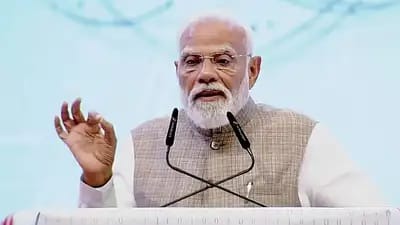
Prime Minister Narendra Modi held a series of high-level telephonic conversations with key world leaders, including Sultan Haitham bin Tariq of Oman, Malaysian Prime Minister Anwar Ibrahim, French President Emmanuel Macron, and Jordan’s King Abdullah II, to address the intensifying military conflict in West Asia. The discussions come against the backdrop of the ongoing war between the United States, Israel, and Iran, which erupted on February 28, 2026, following joint US-Israeli strikes that targeted Iranian military infrastructure and resulted in the death of Supreme Leader Ali Khamenei.

The conflict has seen sustained airstrikes, retaliatory missile and drone attacks by Iran on US bases, Israel, and Gulf allies, and growing threats to critical energy routes like the Strait of Hormuz. This narrow waterway, through which nearly a fifth of global oil trade passes (approximately 20 million barrels per day), faces heightened risks of disruption, raising global concerns over energy security, oil prices, and supply chains.

In his call with Sultan Haitham bin Tariq, PM Modi conveyed advance Eid greetings to the people of Oman and described the conversation as productive. He reiterated India’s strong condemnation of violations of Oman’s sovereignty and territorial integrity, particularly in light of Iranian strikes on Gulf nations, including Oman. The Prime Minister appreciated Oman’s efforts in facilitating the safe return of thousands of stranded individuals, including Indian nationals. Both leaders emphasized the need to prioritize dialogue and diplomacy for de-escalation and the restoration of peace and stability in the region.

PM Modi specifically highlighted the shared commitment of India and Oman to ensuring safe and free navigation through the Strait of Hormuz, underscoring its vital importance for global energy flows and maritime security.
During his discussion with Malaysian Prime Minister Anwar Ibrahim, PM Modi extended warm greetings on the upcoming Hari Raya Aidilfitri festival. The two leaders expressed deep concern over the West Asia situation and reaffirmed their joint commitment to de-escalation through dialogue and diplomacy to restore early peace and stability. In a separate conversation with French President Emmanuel Macron, PM Modi stressed the urgent need for de-escalation amid the fierce military confrontation involving the US, Israel, and Iran, which has targeted military and civilian infrastructure. Both sides agreed on close coordination to advance peace and stability in the region and beyond, with President Macron reciprocating that India and France are working together to keep diplomacy central to efforts for peace.

PM Modi also spoke with King Abdullah II of Jordan, conveying advance Eid wishes and expressing concern over the evolving situation. The leaders condemned attacks on energy infrastructure, which they noted could lead to avoidable escalation, and supported unhindered transit of goods and energy.

PM Modi appreciated Jordan’s role in facilitating the safe return of stranded Indians. This marks PM Modi’s second conversation with the Sultan of Oman since the conflict began, and he has maintained active engagement with multiple regional leaders, including those from Saudi Arabia, Bahrain, the UAE, Qatar, Kuwait, Israel, and Iran. India’s diplomatic outreach reflects its consistent stance on favoring dialogue over confrontation, protecting Indian nationals in the region, and safeguarding global energy security amid the intensifying hostilities. As the conflict enters its third week with reports of expanded strikes on energy targets and fears of broader regional involvement, PM Modi’s proactive diplomacy underscores India’s role as a voice for restraint and stability in one of the world’s most volatile regions.