Home Blog Page 189

The Healing Power of Saliva: Nature’s Aid or Risky Remedy?

0

PC:(Shutterstock)

Human saliva is more than just a tool for digestion and speech—it’s a natural healing agent packed with proteins like histatins that can accelerate tissue repair and wound closure. Research highlights that these compounds may even outperform some antiseptics in controlled settings, explaining why cuts and ulcers inside the mouth heal remarkably fast. However, applying saliva to external wounds is not recommended due to the risk of serious infections. This article explores the science behind saliva’s healing properties, its potential benefits, and the critical reasons why it’s unsafe for wound care.

The Science of Saliva’s Healing Properties

Saliva contains a host of compounds that contribute to its remarkable wound-healing abilities, particularly in the oral environment.

Histatins: These peptides promote the migration and spreading of epithelial cells and fibroblasts, key players in closing wounds and repairing tissue.

Supporting Proteins: Saliva includes proteins that aid blood clotting, combat bacteria, and regulate inflammation, creating an optimal environment for healing inside the mouth.

These components explain why oral wounds, like mouth ulcers, recover faster than skin wounds. Researchers are studying these properties for potential therapeutic applications, aiming to isolate and purify saliva’s beneficial proteins in sterile, controlled environments for medical use.

Why Saliva Isn’t Safe for External Wounds

Despite its healing potential, applying saliva to external wounds is risky and strongly discouraged.

Harmful Bacteria: The human mouth hosts a diverse population of bacteria, including pathogens like Eikenella corrodens, which can cause severe infections. In one case, a diabetic man required thumb amputation after licking a wound, highlighting the danger.

Risk of Sepsis: For immunocompromised individuals, such as those with diabetes, introducing saliva to a wound can lead to life-threatening infections like sepsis.

Delayed Healing: A 2016 study found that saliva applied to skin wounds doesn’t accelerate healing and may even hinder it due to the skin’s dead epidermal layer, which differs from the oral mucosal tissue that benefits from saliva’s properties.

These risks far outweigh any potential benefits, making saliva an unsafe choice for wound care outside the mouth.

The Promise of Saliva-Inspired Treatments

While whole saliva is not suitable for direct application, its components hold promise for medical advancements. Scientists are exploring ways to harness histatins and other healing proteins in purified forms, free from bacterial contamination. These could lead to innovative treatments, such as advanced wound dressings or therapies that mimic saliva’s natural repair mechanisms, offering safe and effective alternatives for wound healing.

A Fascinating Yet Cautious Discovery

Human saliva’s ability to promote faster wound healing inside the mouth is a testament to the body’s remarkable self-repair systems. Proteins like histatins showcase nature’s ingenuity, but the presence of harmful bacteria makes saliva a risky choice for treating external wounds. As research progresses, the potential for saliva-inspired therapies offers exciting possibilities for medical science. For now, stick to sterile antiseptics and professional medical care to ensure safe and effective wound healing, while marveling at the hidden powers of your body’s natural defenses.

Shutterstock
Dattu Agarwal’s Vision of Empowerment: Transforming Lives at Matoshree Ambubai Residential School for Blind Girls

0

PC:(Instagram)

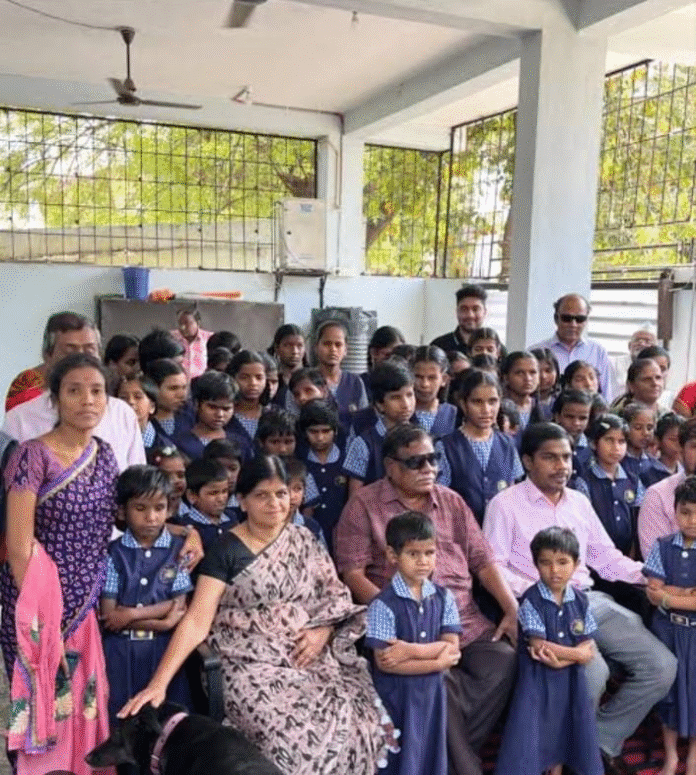
At the age of three, Dattu Agarwal lost his sight to pneumonia, but this profound challenge ignited a lifelong mission to uplift others facing similar struggles. Now 66, Dattu has become a beacon of hope for 75 visually impaired girls through the Matoshree Ambubai Residential School for Blind Girls in Kalaburagi, Karnataka. His inspiring journey—from overcoming personal adversity to creating a nurturing haven for young girls—reflects his unwavering commitment to equality, education, and empowerment. This article explores Dattu’s remarkable story and the transformative impact of his school.

A Life Shaped by Resilience

Born and raised in Kalaburagi, Dattu’s life took a dramatic turn when pneumonia robbed him of his vision at age three. “I don’t remember the world before I lost my sight,” he recalls. Yet, his parents’ determination to foster his independence set him on a path of self-reliance. At eight, he enrolled in a blind school for boys in Kalaburagi, where he honed his skills and resilience. Defying societal barriers, Dattu pursued higher education, earning a postgraduate degree in political science and becoming a professor—a testament to his extraordinary capabilities and unyielding spirit.

Founding a Sanctuary for Visually Impaired Girls

Driven by his own experiences and a deep awareness of the inequalities faced by visually impaired individuals, particularly girls, Dattu founded the Matoshree Ambubai Residential School for Blind Girls. In many parts of India, girls with disabilities face compounded challenges, often seen as burdens by their families and communities. “I couldn’t ignore the lack of opportunities for these girls,” Dattu says. “I wanted to give them a chance to build a life of independence and dignity.” His school, established in Kalaburagi, provides free education, shelter, clothing, and care to 75 visually impaired girls, offering them a pathway to a brighter future.

Empowering Through Education and Skills

The Matoshree Ambubai Residential School is more than an academic institution—it’s a nurturing environment designed to empower its students holistically.

Access to Education: The school prioritizes education for girls from rural areas or resource-constrained families, ensuring they have access to quality learning opportunities.

Adaptive Skills Training: Students are taught Braille literacy, mobility skills, and other adaptive techniques to foster independence and confidence.

Holistic Empowerment: Beyond academics, the school creates a safe and inspiring space where girls can unlock their potential, build self-esteem, and prepare for a fulfilling life.

Through these efforts, Dattu ensures that his students are equipped to navigate the world with resilience and purpose.

A Guardian and Mentor

As both a guardian and teacher, Dattu is a guiding light for the 75 girls under his care. His school provides not only academic instruction but also emotional support, fostering a sense of belonging and hope. By addressing the unique challenges faced by visually impaired girls—such as societal stigma and limited opportunities—Dattu’s work challenges stereotypes and redefines possibilities. His vision extends beyond education, aiming to create a future where these girls can live independently and contribute meaningfully to society.

A Legacy of Compassion and Change

Dattu Agarwal’s journey is a powerful reminder that adversity can fuel transformative change. By founding the Matoshree Ambubai Residential School, he has created a legacy of compassion, empowerment, and equality. His work addresses the intersection of gender and disability, offering visually impaired girls the tools to overcome barriers and thrive. “These girls deserve a life of dignity and opportunity,” Dattu emphasizes, and his school stands as a testament to that belief.

A Vision Beyond Sight

Dattu Agarwal’s remarkable journey from personal hardship to societal impact embodies the essence of resilience and selflessness. Through the Matoshree Ambubai Residential School for Blind Girls, he has transformed the lives of 75 young girls, giving them the education, skills, and confidence to dream big. In a world where visually impaired girls often face insurmountable odds, Dattu’s work shines as a beacon of hope, proving that with determination and compassion, one individual can change countless lives. His story inspires us all to look beyond limitations and build a more inclusive future.


Maa Chandraghanta: Embracing Courage and Serenity on Day 3 of Navratri

0

PC:(Durlabh darshan)

On the third day of Chaitra Navratri, devotees turn their hearts and minds to Maa Chandraghanta, the goddess revered for her bravery, serenity, and fearlessness. Distinguished by the half-moon adorning her forehead in the shape of a bell (Ghanta), she embodies the peace that follows triumph and is believed to dispel negativity while ushering in prosperity and harmony. In 2025, an auspicious alignment means that the rituals for both the second and third days of Navratri will be observed on the same day, amplifying the spiritual significance of Maa Chandraghanta’s worship. Let’s explore her divine attributes, symbolism, and the rituals to honor her during this sacred festival.

The Divine Essence of Maa Chandraghanta

According to the Devi Bhagavata Purana, Maa Chandraghanta’s form is serene, gentle, and filled with maternal compassion, offering her devotees blessings of happiness, prosperity, and inner peace. Her worship is said to boost self-confidence, enhance social prestige, and bring success across all facets of life. The half-moon on her forehead, resembling a bell, is the source of her name, symbolizing her celestial radiance and nurturing energy. This divine form combines tranquility with unparalleled strength, making her a beacon of hope and empowerment for her devotees.

Symbolism and Attributes

Maa Chandraghanta embodies the perfect balance of strength and serenity.

Celestial Symbolism: The half-moon (Chandra) on her forehead, shaped like a bell (Ghanta), reflects her divine radiance and protective power. Fierce Yet Benevolent Often depicted riding a lion and wielding weapons, she represents a fierce yet compassionate protector, safeguarding her devotees from fear and negative energies.Blessings of Prosperity her worship is believed to enhance material and spiritual well-being, fostering success and harmony in devotees’ lives.Her divine presence inspires courage and wisdom, making her an ideal deity to honor during Navratri’s third day.

Rituals to Honor Maa Chandraghanta

To connect with Maa Chandraghanta’s divine energy, devotees are encouraged to follow specific rituals and practices Morning Puja: Performing her worship at sunrise is considered especially auspicious, as it is believed to attract her special blessings.Offerings: Devotees offer red and yellow marigold flowers, symbolizing her maternal love and strength, along with sweets, fruits, and milk-based prasad.Mantra Chanting: Chanting “Om Devi Chandraghantayai Namah” during puja is a powerful way to invoke her grace and seek courage, wisdom, and protection.Devotion and Gratitude: Expressing heartfelt devotion and gratitude deepens the spiritual connection with the goddess, inviting her blessings for inner peace and prosperity.

These rituals, performed with sincerity, are believed to enhance confidence, bring societal respect, and open doors to success.

The Unique Significance of 2025

This year, due to a rare astronomical alignment, the observances for the second (Dwitiya) and third (Tritiya) days of Navratri will coincide, making the worship of Maa Chandraghanta even more significant. Devotees are encouraged to approach this day with heightened devotion, as the combined energies of these sacred days amplify the goddess’s blessings.

Embracing Fearlessness and Harmony

Maa Chandraghanta’s worship on the third day of Navratri is a celebration of courage, serenity, and divine protection. Her radiant form, adorned with the half-moon, inspires devotees to overcome fear, embrace wisdom, and seek prosperity in all aspects of life. By offering flowers, chanting her mantras, and approaching her with devotion, devotees can invite her transformative blessings into their lives. This Navratri 2025, let Maa Chandraghanta’s grace empower you with a fearless heart, inner peace, and the strength to triumph over challenges.

Durlabh darshan

GST 2.0 Reforms Simplify Taxation and Boost Consumption. Know How They Will Push Businesses Across Sectors…

0

The Government of India rolled out GST 2.0 reforms on September 22, 2025, aimed at simplifying the Goods and Services Tax structure, reducing rates on multiple items, and resolving classification disputes. The move also targets the inverted duty structure, helping businesses with cash flow and encouraging consumer spending.

Recent GST Rate Rationalization

GST slabs have been streamlined into 5 per cent and 18 per cent, with a 40 per cent levy on sin and demerit goods. Over 375 items received tax cuts. Essential goods, certain medical devices, agricultural machinery, and hydrogen vehicles now attract 5 per cent GST, while industrial goods and most consumer durables fall under 18 per cent. Tobacco products remain in the highest slab with additional levies. The 12 per cent slab has mostly been removed, except for bricks, which continue under a special composition scheme.

Addressing Classification and Inverted Duty Issues

The reforms resolve disputes over taxing similar goods differently, such as varieties of Indian bread and popcorn. While the inverted duty structure—where input taxes exceed output taxes—has not been fully eliminated, aligning similar items in the same slab eases business pressures. Some sectors, including bicycles, fertilizers, and textiles, still face inversion challenges affecting working capital and refunds.

Impact on Services and Consumer Welfare

Service sectors also saw benefits from rate cuts. Health and life insurance remain exempt. Hotels with tariffs below ₹7,500, as well as wellness services like salons and spas, now attract 5 per cent GST, down from 12–18 per cent. These reductions aim to increase disposable income and boost household consumption, indirectly stimulating investment.

Ensuring Consumer Benefits

The government will monitor price changes for 54 categories, including food, personal care, and education items, over six months to prevent profiteering. Companies have already announced discounts and offers in anticipation of the reforms.

Streamlining GST Compliance

GST 2.0 also focuses on simplifying registration, return filing, and refunds through technology-driven processes. Pre-filled returns will reduce errors, and refunds—particularly for exporters and inverted duty cases—will be automated. Amendments to the CGST Act allow provisional sanction of 90 per cent of refund claims to ease cash flow issues.

Continuing Challenges

Some inversion problems remain, especially in manmade textiles and packaging, where input taxes exceed output taxes. Industry groups have raised these concerns, and further corrections are expected in future GST Council meetings.

Mysuru Dasara 2025: A Royal Celebration of Culture and Heritage

0

PC:(Times now)

The Mysore Dasara Festival, a 400-year-old tradition rooted in the Wadiyar dynasty, stands as a vibrant testament to Karnataka’s rich cultural heritage. Unlike other Dasara celebrations across India, Mysuru’s version is steeped in royal grandeur, blending history, spirituality, and festivity. Initiated by Raja Wadiyar, this iconic festival has evolved into a global attraction, drawing visitors to witness its majestic rituals, led even today by the Mysore royal family within the opulent Mysore Palace. In 2025, the festival extends to an extraordinary 11 days due to a rare astronomical occurrence, promising an even grander celebration. For travellers, Mysuru Dasara is not just a festival—it’s a journey into living history.

The Historical and Spiritual Significance

At its core, Mysuru Dasara celebrates the triumph of good over evil, culminating on Vijayadashami, the day Goddess Chamundeshwari, an incarnation of Durga, defeated the demon Mahishasura. This victory is so integral to the city’s identity that it earned Mysuru its name, derived from “Mahishasura.” The festival’s rituals, performed by the royal family, honor this legend, infusing the celebrations with spiritual depth and historical pride.

The Enchanting Mysore Palace Illumination

One of the festival’s most breathtaking highlights is the Mysore Palace illumination. Each evening during Dasara, the palace is adorned with nearly 100,000 golden bulbs, transforming it into a glowing masterpiece. Standing before this divine spectacle in 2025 is an experience that captivates the senses and leaves an indelible mark on every visitor. The illuminated palace alone makes Mysuru a must-visit destination during the festival.

The Majestic Jamboo Savari Procession

The crown jewel of Mysuru Dasara is the Jamboo Savari, a grand procession held on Vijayadashami. A richly adorned idol of Goddess Chamundeshwari is carried in a golden howdah atop a decorated elephant, accompanied by vibrant cultural tableaux, folk dancers, and music troupes. This regal display, often called the “Royal Festival of India,” attracts thousands of global visitors, showcasing Karnataka’s cultural splendor in all its glory.

A Cultural Carnival Beyond Rituals

Mysuru Dasara is more than just rituals and processions—it’s a 10-day (and in 2025, 11-day) cultural extravaganza. The city transforms into a vibrant stage, hosting classical dance and music concerts, folk performances, art exhibitions, wrestling competitions, and a thrilling torchlight parade at Bannimantap grounds, complete with fireworks. The Dasara Exhibition, held opposite the palace, adds to the festive spirit with stalls, carnival rides, and a lively play area, making it a delight for visitors of all ages.

Why Travellers Flock to Mysuru During Dasara

For travellers, Mysuru during Dasara is a sensory feast. The streets burst with colorful decorations, markets hum with festive energy, and locals don traditional attire, creating an immersive cultural experience. However, with the festival’s popularity, accommodations fill up quickly. Booking early is essential, and Bag2Bag Hotels in Mysuru offers a range of options—from budget-friendly stays to premium homes near the palace—catering to families, couples, and solo travelers. These accommodations ensure a stress-free visit, allowing you to fully soak in the festival’s magic.

Attractions of Mysuru Dasara

Mysore Dasara 2025 is a grand celebration that showcases Karnataka’s rich cultural heritage and traditions. The festival features a range of exciting events and attractions, including the illumination of Mysore Palace with nearly 100,000 bulbs every evening.

The Jamboo Savari Procession is a highlight of the festival, featuring Goddess Chamundeshwari’s idol on a golden howdah, accompanied by vibrant cultural displays.

The Torchlight Parade, also known as Panjina Kavayatthu, is a spectacular evening event at Bannimantap grounds with performances and fireworks. The Dasara Exhibition is a lively fair opposite the palace, offering stalls, carnival rides, and family-friendly fun.

The festival also hosts a range of cultural events, including classical and folk performances, music concerts, and wrestling competitions. These events showcase Karnataka’s rich traditions and provide a glimpse into the state’s vibrant cultural heritage.

Overall, Mysore Dasara 2025 promises to be an unforgettable experience, with its blend of tradition, culture, and entertainment.

A Festival Like No Other

Mysuru Dasara 2025 promises an unforgettable celebration, blending royal traditions, spiritual significance, and cultural vibrancy. From the glowing Mysore Palace to the majestic Jamboo Savari and the city’s lively cultural events, the festival offers a unique glimpse into Karnataka’s heritage. Whether you’re a first-time visitor or a seasoned traveler, experiencing Mysuru Dasara is like stepping into a living tapestry of history and festivity. Plan ahead, secure your stay, and immerse yourself in the royal splendor of India’s grandest festival.

Kolkata’s Streets Turn into Art Galleries, Yellow Taxis Become Pujo’s New Canvas in Kolkata

0

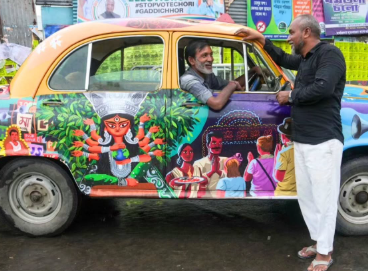
Kolkata’s iconic yellow Ambassador taxis are getting a vibrant makeover this Durga Puja, transforming into moving artworks celebrating the city’s biggest festival. As part of a public art initiative titled “Pujor Shaaj Gaari”, local artists from the Government College of Art & Craft have hand-painted traditional Durga Puja motifs on dozens of taxis — from images of Maa Durga and dhaakis to intricate alpona and scenes from Kumartuli.

Kolkata’s Streets Turn into Art Galleries, Yellow Taxis Become Pujo’s New Canvas in Kolkata

The project, supported by the Kolkata Municipal Corporation and taxi unions, aims to revive the cultural identity of these fading vehicles while offering a nostalgic nod to Bengal’s artistic roots. For taxi drivers, the response has been overwhelming. Many now offer themed rides through pandal routes, with passengers requesting selfies and stories behind the artwork.

Kolkata’s Streets Turn into Art Galleries, Yellow Taxis Become Pujo’s New Canvas in Kolkata

A grand “Moving Art Parade” is scheduled before Bijoya Dashami, featuring the painted taxis in a festive convoy through central Kolkata. In a city where art, emotion, and celebration merge seamlessly, these taxis now carry more than passengers — they carry the spirit of Pujo itself.

Asia Cup 2025: If India Wins Today, Final Spot Almost Certain — Team Unbeaten in Last 5 Years

0

Team India will take on Bangladesh today in the Super-4 stage of the Asia Cup. After defeating Pakistan by 6 wickets in the first match of this round, a win today would bring India very close to securing a place in the final. On the other hand, Bangladesh, which beat Sri Lanka in its opening Super-4 match, will also strengthen its chances of reaching the final if it manages to upset India.

India’s dominance over Bangladesh

India has a one-sided record against Bangladesh in T20 cricket. Out of 17 encounters, India has won 16, while Bangladesh has managed to win only once — back in 2019 in Delhi. In their most recent clash last year in Hyderabad, India registered a commanding 133-run victory.

Likely Playing XI for India

India is expected to retain the same XI that defeated Pakistan. Shubman Gill will open alongside Abhishek Sharma, with Sanju Samson handling the middle order. Jasprit Bumrah is likely to lead the pace attack, supported by all-rounders Hardik Pandya and Shivam Dube. Spin duties will once again rest with Axar Patel, Kuldeep Yadav, and Varun Chakravarthy.

Bangladesh’s possible change

Bangladesh may bring in Tanzim Hasan in place of Shoriful Islam, who conceded 49 runs against Sri Lanka. Captain Liton Das, who had a back strain in the previous game, is expected to regain fitness for today’s clash.

Hardik Pandya eyes T20I record

All-rounder Hardik Pandya needs four wickets to surpass Arshdeep Singh as India’s leading wicket-taker in T20 internationals. Hardik currently has 97 wickets, while Arshdeep tops the chart with 100.

Probable XIs

India: Abhishek Sharma, Shubman Gill, Suryakumar Yadav (captain), Tilak Verma, Sanju Samson, Shivam Dube, Hardik Pandya, Axar Patel, Kuldeep Yadav, Jasprit Bumrah, Varun Chakravarthy.

Bangladesh: Saif Hasan, Tanzid Hasan, Liton Das (captain), Tauhid Hridoy, Shamim Hossain, Zakir Ali, Mehidy Hasan, Nasum Ahmed, Taskin Ahmed, Tanzim Hasan, Mustafizur Rahman.

Fasting with Wisdom: Rujuta Diwekar’s Navratri Nutrition Guide

0

PC:(Indian tv)

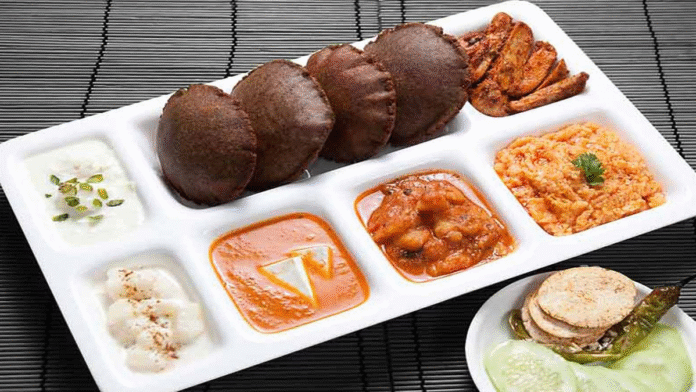
On the first day of Navratri, celebrity nutritionist Rujuta Diwekar, renowned for her seamless integration of traditional dietary wisdom with modern nutritional science, shared her insights on Instagram. She challenges the popular notion of fasting as a mere “detox” and instead emphasizes its role in enhancing digestion, diversifying diets, and promoting mental and physical relaxation. Here’s a closer look at her recommended foods to make your Navratri fast both nourishing and meaningful.

Rajgira (Amaranth): The Iron-Rich Powerhouse

Rajgira, commonly known as amaranth, is a nutrient-packed grain that Diwekar highlights for its versatility and health benefits.
Boosts Oxygen Flow high in iron, rajgira supports healthy hemoglobin levels, ensuring efficient oxygen transport in the body. Enhances Hair Vitality Rich in lysine, an essential amino acid, it promotes hair growth and adds natural shine. Strengthens Mind and Body adequate iron intake from rajgira sustains physical energy and mental clarity, perfect for fasting.
Whether enjoyed as flour-based dishes or puffed grains, rajgira is a cornerstone of a balanced Navratri diet.

Cashews: The Magnesium-Packed Soother


A handful of cashews can transform your fasting experience, thanks to their high magnesium content. Promotes Restful Sleep magnesium’s sedative properties help relax muscles and calm nerves, improving sleep quality. Alleviates Discomfort cashews can ease nighttime foot pain and evening bloating, offering comfort during fasting.
Adding cashews to your Navratri menu brings both nourishment and calm to your festive days.

Bananas: The Mood and Gut Booster


Bananas, a fasting staple, are celebrated by Diwekar for their Vitamin B6 content, which supports emotional and digestive health.
Elevates Mood vitamin B6 aids serotonin production, fostering emotional stability and a sense of well-being. Eases Premenstrual Symptoms for women, bananas can reduce breast tenderness before periods.
Supports Digestion the prebiotics in bananas promote healthy gut bacteria, enhancing digestive function.

Legumes (Sundal): The Protein-Rich Tradition


Drawing from South Indian culinary heritage, Diwekar recommends legumes like chana, lobia, or rajma, prepared as sundal—a sprouted, cooked vegetable dish.Builds and Repairs Tissues: Legumes are rich in protein and amino acids, essential for tissue repair and muscle health. Fortifies Bones these amino acids also strengthen bones, supporting long-term skeletal health. Nourishes Brain Function: Regular legume consumption enhances cognitive health, keeping the mind sharp. Sundal offers a delicious way to incorporate protein and tradition into your fasting routine.

A Universal Approach to Fasting & Fasting with Purpose

While Diwekar underscores the benefits of these foods for women, she emphasizes their inclusivity. Men can equally benefit from adding rajgira, cashews, bananas, and legumes to their Navratri diet, making fasting a nourishing experience for all.

Rujuta Diwekar’s Navratri nutrition guide reimagines fasting as an opportunity to nurture the body and mind while staying rooted in tradition. By incorporating nutrient-dense foods like rajgira, cashews, bananas, and legumes, you can enhance digestion, reduce stress, and embrace dietary diversity. This Navratri, let’s fast with purpose, celebrating health, inclusivity, and the timeless wisdom of balanced nutritio

Rolex, Tanishq, Taj Hotels Lead India’s Luxury Brand Rankings in 2025

0

India’s luxury market continues to shine on the global stage, with several homegrown and international brands making their mark in the country’s latest brand rankings. According to the recently released Hurun India Best of the Best Brands 2025 and the Brand Finance India 100, Rolex, Tanishq, and Taj Hotels have emerged as some of the top luxury brands favoured by Indian consumers.

Taj Hotels: India’s Strongest Brand

Taj Hotels, a flagship of the Indian Hotels Company Limited (IHCL), was once again crowned India’s Strongest Brand, achieving a Brand Strength Index (BSI) score of 92.2 out of 100. The hospitality giant continues to dominate the luxury hotel segment with its iconic properties and legendary service. According to Brand Finance, Taj also ranks among the strongest hotel brands globally, thanks to its high customer familiarity, recommendation, and trust.

Rolex: The Gold Standard of Luxury Watches

Among international luxury brands, Rolex stood tall as the most preferred luxury watch brand in India. The Swiss timepiece maker topped the Hurun list in the watches category, reflecting its enduring legacy and aspirational value among affluent Indian buyers.

Tanishq: India’s Jewellery Powerhouse

Tanishq, owned by the Tata Group’s Titan Company, was named the best Indian jewellery brand in 2025. Known for its trustworthiness, contemporary designs, and wide national presence, Tanishq continues to set benchmarks in the luxury jewellery space. It is one of the few Indian brands that successfully blends traditional craftsmanship with modern retail experiences.

Other Top Luxury Brands in India

The rankings also highlighted international labels like Gucci, which topped the accessories category, and Louis Vuitton, voted the best fashion brand. In the luxury footwear space, Jimmy Choo led the pack, while Montblanc dominated the writing instruments category. Notably, Indian brands Malabar Gold & Diamonds and Titan were featured in Deloitte’s Top 100 Global Luxury Goods Companies, showcasing the growing influence of Indian players in the global luxury arena.

Luxury Categories Dominated by Diverse Players

The rankings spanned across several categories — from hospitality and fashion to jewellery and accessories — indicating a well-diversified luxury market in India. While global brands like Rolex, Louis Vuitton, and Montblanc maintain strong desirability, Indian brands are increasingly gaining ground with high trust and recognition among domestic consumers.

India’s Evolving Luxury Landscape

The rise of Indian luxury brands like Tanishq, Taj Hotels, and Malabar signals a shift in consumer preference toward homegrown names that blend heritage with innovation. Meanwhile, established global giants continue to enjoy aspirational value among the country’s growing affluent class. With India projected to become one of the fastest-growing luxury markets in the world, these rankings offer a clear picture of the brands that are winning both hearts and wallets.

What makes these brands stand out

  • Heritage / Trust: Brands like Taj, Rolex, Tanishq benefit from decades of reputation and consistent quality.
  • Brand Strength Index & perception: Taj has very high scores for familiarity, consideration, recommendation among Indian consumers.
  • Mix of global + Indian players: International brands like Louis Vuitton, Gucci, Montblanc are very strong, but Indian brands are also performing very well.
  • Wide luxury categories: Watches, jewellery, hotels, fashion, accessories.

Why ICC Suspended USA Cricket: Governance Failures, Olympic Recognition Issues, and Damaged Reputation

0

The International Cricket Council (ICC) has suspended USA Cricket (USAC), citing repeated governance failures and lack of progress on reforms.

The ICC noted three main reasons for the suspension:

  1. Governance Gaps – USAC failed to establish a functional administrative and governance structure despite repeated reminders.
  2. Olympic Recognition Issues – No concrete progress was made toward gaining recognition as a national governing body with the US Olympic and Paralympic Committee (USOPC).
  3. Damage to Cricket’s Image – Certain actions and irregularities by USAC reportedly harmed cricket’s credibility in the US and abroad.

The ICC had already placed USAC on notice during its 2024 Annual General Meeting, giving it 12 months to conduct free and fair elections and reform its governance. After no significant progress, the suspension was imposed.

Impact on Teams

Despite the suspension, the US men’s and women’s teams will not be affected. They will continue to compete in ICC tournaments, including the T20 World Cup 2026 (India & Sri Lanka) and the Los Angeles 2028 Olympics.

Road Ahead

The ICC will temporarily oversee the US national teams and has tasked its Normalization Committee with monitoring USAC. To lift the suspension, USAC must implement governance reforms, strengthen its operations, and rebuild cricket’s credibility.