

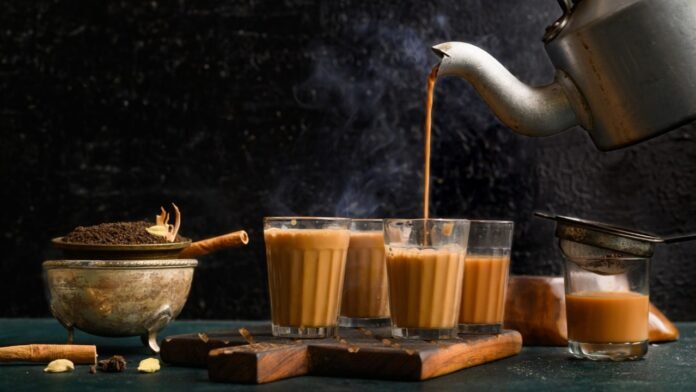
In India, tea is far more than just a beverage — it is an emotion woven into daily life. From crowded railway stations and roadside tea stalls to corporate offices and family gatherings, a cup of chai has become one of the country’s strongest cultural symbols. On International Tea Day, observed every year on May 21, India not only celebrates one of the world’s most consumed drinks but also the millions of farmers, workers and small vendors who sustain the country’s vast tea industry.
The History of Tea in India
Although tea has ancient roots in China, India’s tea story gained momentum during the British colonial period in the 19th century. The British East India Company began cultivating tea commercially in Assam after discovering native tea plants growing in the region. Large tea plantations were later developed in Darjeeling, Nilgiris and other hill regions to reduce dependence on Chinese tea imports.
Over time, tea became deeply embedded in Indian society. What began as a colonial commercial crop evolved into the beloved “chai culture” that defines India today.
India’s Major Tea-Producing Regions
India is currently one of the world’s largest tea producers and consumers. The country produces a wide variety of teas across different geographical regions:
Assam Tea: Strong, malty and bold, Assam tea is among the most famous black teas globally.
Darjeeling Tea: Often called the “Champagne of Teas,” Darjeeling tea is known for its delicate aroma and unique muscatel flavour.
Nilgiri Tea: Grown in the hills of Tamil Nadu, Nilgiri tea has a fragrant and smooth taste.
Kangra Tea: Produced in Himachal Pradesh, Kangra tea is known for its light flavour and growing international recognition.
Sikkim Tea and Dooars Tea: These regions also contribute significantly to India’s tea diversity.
Assam and West Bengal together account for a major share of India’s tea production.
Chai: India’s Everyday Ritual
Tea is consumed across nearly every social and economic section of Indian society. Whether served in clay cups called kulhads, steel glasses or fine porcelain cups, chai remains central to everyday conversation and hospitality.
The most iconic Indian preparation is masala chai — black tea brewed with milk, sugar and spices such as cardamom, ginger, cinnamon and cloves. Regional variations exist across the country, from Kashmiri Kahwa and Irani chai to cutting chai in Mumbai and butter tea in Himalayan regions.
India is among the world’s highest tea-consuming nations, with a majority of the population drinking tea at least once daily. For many, the day begins and ends with chai.
Tea Exports and Global Popularity
India is also one of the world’s leading tea exporters. Indian teas are exported to countries including Russia, the United Kingdom, the United Arab Emirates, Iran and the United States. Darjeeling tea, in particular, enjoys Geographical Indication (GI) protection and global prestige.
The tea industry supports millions of livelihoods, especially women workers employed in tea plantations. Beyond economics, tea tourism has also become increasingly popular, with travellers visiting scenic tea estates in Assam, Darjeeling and the Nilgiris.
More Than a Beverage
International Tea Day is not only about celebrating flavour and tradition, but also recognising the labour, heritage and communities behind every cup. In India, chai represents warmth, conversation, hospitality and pause in the middle of busy lives.
From mountain plantations to roadside kettles boiling over open flames, tea continues to connect India across regions, languages and generations — one cup at a time.