

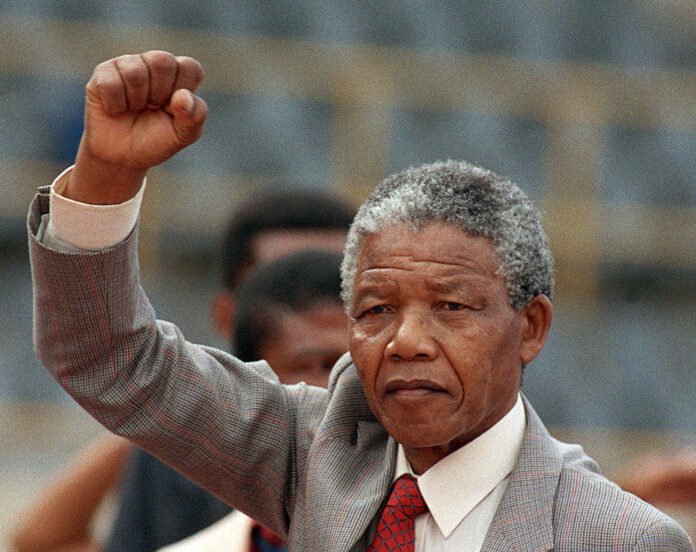
Every year on July 18, the world celebrates Nelson Mandela International Day to honour the life and legacy of one of history’s greatest champions of freedom, equality, and human dignity. Observed by the United Nations since 2010, the day commemorates the birth anniversary of Nelson Rolihlahla Mandela and encourages people across the globe to dedicate time to community service and work towards building a more just and compassionate society. The United Nations declared the day in recognition of Mandela’s extraordinary contribution to peace, reconciliation, democracy, and human rights.
Born on July 18, 1918, in Mvezo, South Africa, Nelson Mandela grew up during an era of racial discrimination. Trained as a lawyer, he became one of the leading figures in the struggle against apartheid—South Africa’s system of institutionalised racial segregation that denied the Black majority equal rights.
Mandela joined the African National Congress (ANC) and devoted his life to fighting injustice. His activism led to his arrest in 1962, and he was sentenced to life imprisonment in the famous Rivonia Trial. He spent 27 years in prison, much of it on Robben Island, becoming a global symbol of resistance against oppression. Despite years of imprisonment, Mandela emerged without bitterness, choosing the path of reconciliation over revenge.
Released in 1990, Mandela played a pivotal role in dismantling apartheid through peaceful negotiations. In 1994, he became South Africa’s first democratically elected Black President, leading the nation through a historic transition from racial division to democracy. His presidency was marked by efforts to promote national unity, social justice, and reconciliation among South Africans of all backgrounds.
In recognition of his relentless pursuit of peace and equality, Mandela was awarded the Nobel Peace Prize in 1993, jointly with then South African President F.W. de Klerk. Even after leaving office in 1999, he continued working for education, healthcare, children’s welfare, and the fight against HIV/AIDS, earning worldwide admiration as a humanitarian and statesman.
Nelson Mandela International Day is more than a remembrance of his achievements. It is a global call to action. The UN encourages people to devote 67 minutes to community service on this day—symbolising the 67 years Mandela spent serving humanity through his struggle for justice, equality, and peace. Individuals are encouraged to volunteer, help those in need, protect the environment, support education, or perform simple acts of kindness within their communities.
The 2026 observance carries the message: “It is still in our hands to combat poverty and inequity.” The theme reminds the world that Mandela’s dream of equality remains unfinished and that every individual has a role in creating a fairer, more inclusive society. Through volunteer activities, educational programmes, cultural events, and discussions on social justice, communities across the world are celebrating his enduring legacy.
Nelson Mandela once said, “It always seems impossible until it’s done.” His life stands as a powerful reminder that courage, perseverance, forgiveness, and compassion can transform nations. As the world observes Nelson Mandela International Day 2026, his message continues to inspire millions to become agents of positive change and to work towards a future built on justice, equality, and humanity.