

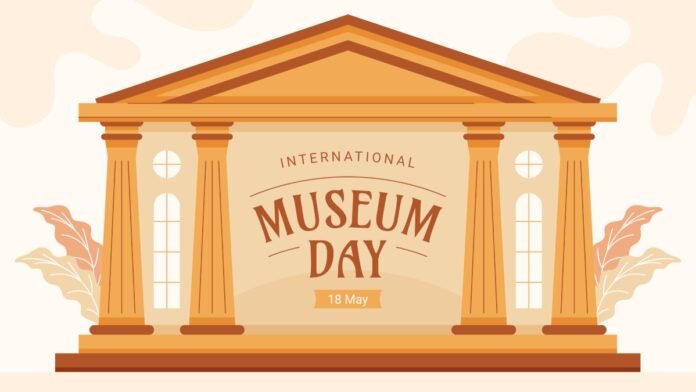
International Museum Day is observed every year on May 18 to highlight the importance of museums in preserving history, culture, art, and human civilisation. The day serves as a global reminder that museums are not just buildings filled with ancient objects, but living institutions that connect people with their heritage, educate future generations, and promote cultural understanding.
The observance was established in 1977 by the International Council of Museums (ICOM) with the aim of raising awareness about the role museums play in society. Since then, International Museum Day has been celebrated worldwide with exhibitions, educational programs, workshops, guided tours, and cultural events organised by museums and heritage institutions.
Every year, the celebration revolves around a special theme focusing on contemporary global issues such as sustainability, digital innovation, cultural identity, education, and social inclusion. Through these themes, museums are encouraged to evolve beyond traditional displays and become interactive spaces for dialogue, creativity, and community engagement.
Museums hold immense significance because they preserve the collective memory of humanity. They safeguard priceless artefacts, manuscripts, sculptures, paintings, fossils, and historical records that tell the story of human progress across centuries. From ancient civilisations to freedom movements and scientific discoveries, museums help people understand the past and its connection to the present.
In India, museums play a crucial role in preserving the country’s rich and diverse heritage. Institutions such as the Indian Museum, the National Museum, and the Chhatrapati Shivaji Maharaj Vastu Sangrahalaya house remarkable collections reflecting India’s art, archaeology, history, and cultural traditions. These museums attract students, researchers, historians, and tourists from around the world.
International Museum Day also reminds society about the urgent need to protect cultural heritage from threats such as war, climate change, illegal trafficking of artefacts, and neglect. In recent years, digital technology has transformed museums as many institutions now offer virtual tours and online archives, making knowledge more accessible to people globally.
Beyond education, museums inspire curiosity, creativity, and critical thinking. They allow people to experience different cultures, understand historical struggles, and appreciate artistic achievements. For children especially, museums can turn learning into an engaging and memorable experience.
In a rapidly changing world, museums remain vital bridges between the past, present, and future. International Museum Day celebrates these institutions for preserving humanity’s shared legacy and encouraging cultural dialogue across borders. It is a day to recognise that history and heritage are not just about remembering the past, but also about shaping a more informed and connected future.