

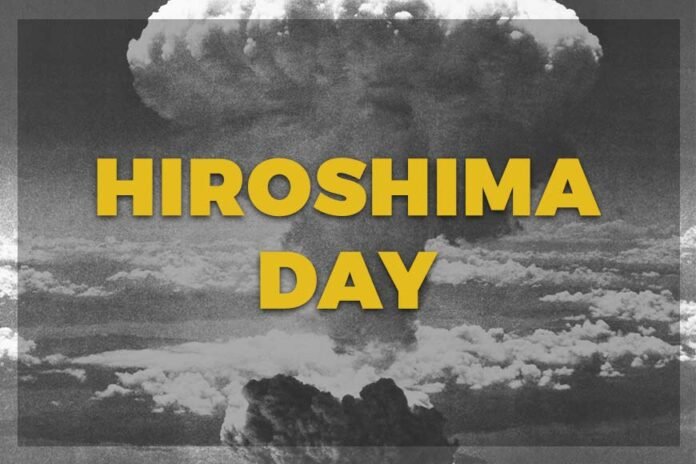
Every year on August 6, the world observes Hiroshima Day to remember one of the most tragic events in human history. On this day in 1945, the United States dropped the world’s first atomic bomb used in warfare on the Japanese city of Hiroshima, causing unprecedented destruction and loss of life. The day honours the victims and serves as a powerful reminder of the devastating consequences of nuclear weapons.
At around 8:15 a.m. on August 6, 1945, the B-29 bomber Enola Gay released the atomic bomb, codenamed “Little Boy,” over Hiroshima. In an instant, much of the city was destroyed. Tens of thousands of people died immediately, while many others later succumbed to injuries, burns and radiation-related illnesses. Three days later, a second atomic bomb, “Fat Man,” was dropped on Nagasaki, leading to further devastation and contributing to the end of the Second World War.
The impact of the bombings extended far beyond the battlefield. Survivors, known as Hibakusha, endured lifelong physical and emotional trauma. Many suffered from radiation-induced diseases, while countless families lost loved ones and entire communities were left in ruins.
Today, Hiroshima stands as a global symbol of peace and resilience. The Hiroshima Peace Memorial Park, home to the preserved Atomic Bomb Dome, welcomes visitors from around the world who gather each year to pay tribute to the victims and reaffirm their commitment to a world free of nuclear weapons.
Memorial ceremonies include moments of silence, the offering of flowers and prayers for lasting peace.
Hiroshima Day is not only about remembering the past but also about learning from it. In an era when nuclear weapons continue to exist, the anniversary underscores the importance of diplomacy, dialogue and international cooperation in preventing future conflicts. It reminds the world that the humanitarian cost of war is immeasurable and that peace must remain a shared global priority.
For younger generations, the day offers an opportunity to understand the horrors of war and the importance of resolving differences through peaceful means. Educational programmes, exhibitions and discussions held across the world help keep the memory of Hiroshima alive and strengthen the call for nuclear disarmament.
More than eight decades after the bombing, Hiroshima’s journey from devastation to hope continues to inspire the world. As we observe Hiroshima Day 2026, the city’s enduring message remains as relevant as ever: “Never Again.” Remembering Hiroshima is not only an act of honouring those who perished but also a commitment to building a future where peace, humanity and understanding prevail over violence and conflict.