

A New Kind of Fuel for a Low-Carbon Future
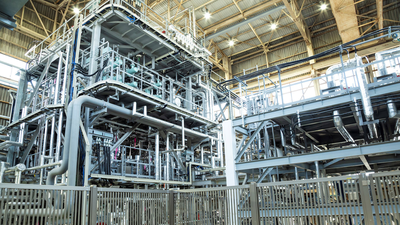
In a significant step toward cleaner energy, ENEOS Corporation has demonstrated the production of synthetic fuel using captured carbon dioxide (CO₂) and hydrogen derived from water. At its pilot facility in Yokohama, the company showed that liquid fuels—similar to diesel or jet fuel—can be created without relying on crude oil.
The process involves capturing CO₂ from industrial emissions or the atmosphere, producing hydrogen through water electrolysis, and converting the two into fuel using the Fischer-Tropsch synthesis. When powered by renewable energy, this method has the potential to produce low-carbon or near carbon-neutral fuels, offering a promising alternative to fossil fuels.
Why This Innovation Matters
This breakthrough is particularly relevant for sectors like aviation and shipping, where electrification remains difficult. Synthetic fuels can be used in existing engines and infrastructure, making them easier to integrate without major technological overhauls.
For energy-import-dependent nations like , such innovations could also enhance energy security by reducing reliance on imported fossil fuels while supporting climate commitments.
From Breakthrough to Bottleneck
Despite its scientific success, the project highlights the gap between innovation and large-scale implementation. The Yokohama pilot plant currently produces only about one barrel of fuel per day, underscoring its demonstration-level scale.
Scaling up would require:
●Vast amounts of renewable electricity
●Large-scale, cost-effective hydrogen production
●Advanced and efficient carbon capture systems
All of these factors make the process highly energy-intensive and expensive, limiting its immediate commercial viability.
Why the Project Was Paused
In 2025, ENEOS decided to pause further development of the project. The move was driven by rising costs, technological challenges, and uncertain economic returns. Instead, the company is now focusing more on biofuels and other lower-cost alternatives, while continuing to explore synthetic fuels as a long-term possibility.
A Broader Global Challenge
The pause reflects a wider trend in the global energy transition. While synthetic or “e-fuels” are scientifically viable and environmentally promising, their high production costs and energy demands remain major barriers. Similar challenges are being faced worldwide, as industries balance climate goals with economic feasibility.
Breakthrough, Not the Finish Line
Japan’s experiment proves that producing fuel from captured carbon and hydrogen is not just theoretical—it is achievable. However, it also highlights a crucial reality: the future of clean energy will depend not only on innovation, but on making such technologies scalable, affordable, and practical.
In that sense, this is not a setback, but a stepping stone—one that brings the world closer to a sustainable energy future, even as challenges remain.