

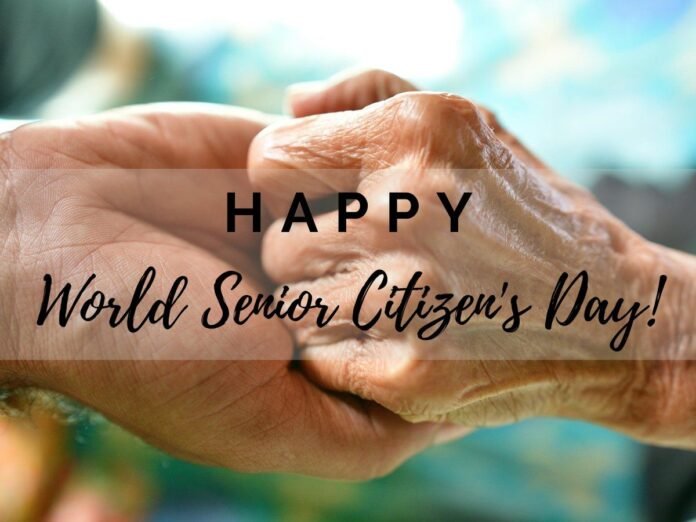
Every year on August 21, World Senior Citizens Day is observed to recognise the contributions, experiences and achievements of older people and to promote greater awareness of the issues affecting senior citizens. The day serves as a reminder that ageing is a natural part of life and that older people deserve dignity, respect, security and opportunities to remain active members of society.
The observance is closely associated with the growing global focus on ageing populations. The United Nations has repeatedly highlighted the importance of protecting the rights and well-being of older persons and creating societies in which people can age with dignity. As life expectancy increases in many parts of the world, issues surrounding healthcare, financial security, social inclusion and independent living have become increasingly important.
Senior citizens carry with them decades of knowledge and experience. They have witnessed social and technological changes, contributed to families and communities and often played an important role in shaping the next generation. In many families, grandparents remain important sources of stories, traditions, values and practical wisdom. Their experiences can provide younger generations with a connection to family history and cultural heritage.
In India, the role of older people is deeply connected with family and community life. Grandparents and elderly family members have traditionally been involved in caring for children, passing down customs and guiding younger generations. However, changing lifestyles, urbanisation, migration and smaller family structures have also altered the traditional experience of ageing.
One of the major concerns for senior citizens is health and access to healthcare. Older people may require regular medical attention and support for age-related conditions. Accessible healthcare services, affordable medicines, preventive care and facilities designed to meet the needs of older adults are therefore important for ensuring a better quality of life.
Financial security is another important issue. Some senior citizens continue to work by choice or necessity, while others depend on pensions, savings or family support. Ensuring access to social-security schemes, financial assistance and opportunities for dignified employment can help older people maintain greater independence.
Loneliness and social isolation are also challenges that can affect older adults, particularly those living alone or separated from their families. Staying socially connected through community groups, cultural activities, volunteering, hobbies and intergenerational programmes can contribute significantly to emotional well-being.
Technology has created both opportunities and challenges for senior citizens. Digital banking, telemedicine, online services and communication platforms can make everyday life easier, but a lack of digital literacy can leave some older people excluded. Helping seniors learn and confidently use digital tools can make technology more accessible and useful.
World Senior Citizens Day also encourages younger generations to rethink how society views ageing. Older people should not be seen only as recipients of care. Many continue to contribute as professionals, entrepreneurs, volunteers, caregivers, mentors and community leaders. Their knowledge and skills can remain valuable at every stage of life.
The day is therefore an opportunity to express gratitude to the older people in our families and communities while also thinking about the kind of society we want to create for the future. Age-friendly public spaces, accessible healthcare, social protection, digital inclusion and opportunities for meaningful participation can help make communities better for people of every age.
Ultimately, World Senior Citizens Day is about dignity, inclusion and respect. Every generation eventually grows older, making the well-being of senior citizens a shared social responsibility. Celebrating their lives and contributions today is also a way of building a more compassionate and inclusive society for tomorrow.