

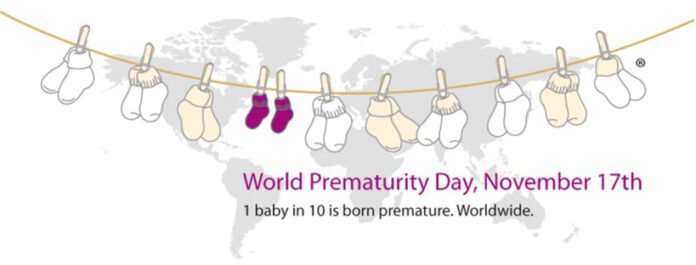
World Prematurity Day is observed every year to raise awareness about premature births, the health challenges faced by babies born too early and the importance of specialised newborn care. The day also recognises the experiences of parents and families while highlighting the need for better maternal and neonatal healthcare.
A premature birth, also known as preterm birth, occurs when a baby is born before completing 37 weeks of pregnancy. Such babies may require additional medical attention because their organs and body systems have not fully developed.
History and Significance
World Prematurity Day was first observed in 2009 following an initiative by the European Foundation for the Care of Newborn Infants (EFCNI) and other parent organisations. It was traditionally observed on November 17. From 2026, the World Health Organization (WHO) has moved its official observance to November 15.
According to WHO, approximately 15 million babies are born prematurely every year worldwide, accounting for nearly one in every ten births. Premature birth is among the leading causes of death among children under five.
Causes and Health Challenges
Premature births can occur for several reasons, although the exact cause is not always known. Maternal health conditions such as high blood pressure, diabetes and infections, multiple pregnancies, complications involving the placenta and a history of premature birth can increase the risk.
Babies born prematurely may experience breathing difficulties, feeding problems, difficulty maintaining body temperature and a higher risk of infections. Some may also face long-term developmental challenges involving learning, vision, hearing or movement.
Importance of Proper Care
Premature babies often require specialised medical attention in a Neonatal Intensive Care Unit (NICU) or a special newborn care unit. Medical support may include assistance with breathing, feeding, temperature regulation and infection prevention.
Kangaroo Mother Care, which involves skin-to-skin contact between the baby and parent, is another important practice. It helps regulate body temperature, supports breastfeeding and improves newborn health.
Regular medical check-ups, nutritional support and developmental monitoring are equally important after a baby is discharged from the hospital.
Raising Awareness and Supporting Families
World Prematurity Day encourages governments, healthcare institutions and communities to improve access to maternal healthcare, strengthen neonatal facilities and support families of premature babies.
Purple is the symbolic colour associated with the observance, and awareness campaigns, hospital programmes and landmark illuminations are organised to show solidarity with affected families.
The day serves as a reminder that every baby deserves a healthy beginning. With timely medical intervention, specialised care, continued monitoring and family support, premature babies can overcome many challenges and grow towards a healthy future.