

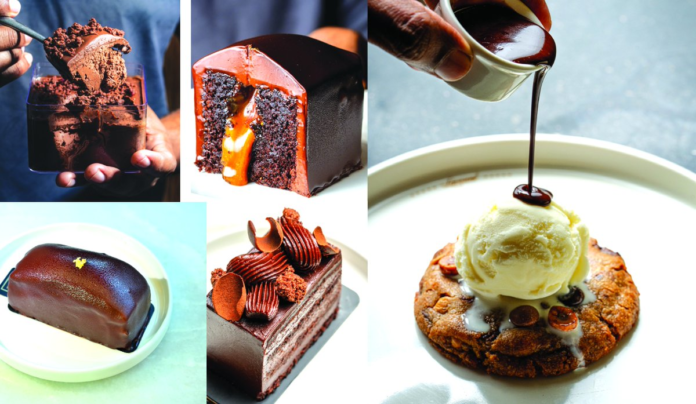
Every year on July 7, billions of chocolate lovers across the globe have one delicious reason to celebrate—World Chocolate Day. Whether it’s a silky bar of dark chocolate, a gooey brownie, a steaming mug of hot chocolate or a handcrafted truffle, chocolate has a magical way of bringing comfort, joy and nostalgia in every bite.
But long before it became the world’s favourite indulgence, chocolate was a sacred drink reserved for kings, warriors and priests.
Why is World Chocolate Day Celebrated on July 7?
World Chocolate Day is observed on July 7 to commemorate the historic introduction of chocolate to Europe in 1550. While chocolate reached Europe nearly five centuries ago, its story began much earlier in the tropical rainforests of Central and South America, where cacao was cultivated thousands of years ago.
Today, the day celebrates not just chocolate itself but also its remarkable journey across civilizations, continents and cultures.
Chocolate: Once the ‘Drink of the Gods’
According to popular legend, when Spanish explorer Hernán Cortés arrived in the Aztec Empire in the 16th century, Emperor Montezuma II believed he was a divine figure and welcomed him with a ceremonial cacao drink.
For the ancient Maya and Aztec civilizations, cacao was far more than food. The bitter beverage made from cacao beans was consumed during sacred rituals, offered to royalty and even used as currency. The word “chocolate” is believed to have evolved from the Nahuatl term “xocolatl,” meaning a bitter cacao drink.
The Secret That Europe Guarded for a Century
When Spanish explorers brought cacao back to Europe, they transformed the bitter drink by adding sugar, cinnamon and other spices.
The recipe became so valuable that Spain reportedly kept it a closely guarded secret for nearly 100 years. During this period, chocolate was an exclusive luxury enjoyed only by European royalty and the aristocracy.
Soon, France embraced chocolate as a symbol of elegance, while England commercialised it. In 1657, London witnessed the opening of the world’s first chocolate house, where wealthy patrons gathered much like today’s café culture.
How Chocolate Became a Global Favourite
Chocolate remained an elite indulgence until the Industrial Revolution changed everything.
A series of innovations transformed chocolate into the treat we know today:
- 1828: Dutch chemist Coenraad Johannes van Houten developed a process to separate cocoa butter from cocoa solids, making chocolate smoother and easier to produce.
- 1847: English chocolatier Joseph Fry created the world’s first solid chocolate bar by mixing cocoa butter with cocoa powder and sugar.
- 1868: Cadbury introduced the first decorative chocolate gift box, changing the way chocolates were presented and gifted.
- 1875: Swiss chocolatier Daniel Peter, with the help of Henri Nestlé, invented milk chocolate.
- 1879: Rodolphe Lindt perfected the conching process, giving chocolate its smooth, melt-in-the-mouth texture.
These breakthroughs made chocolate affordable, accessible and immensely popular worldwide.
Sweet Facts That Will Surprise You
The World’s Most Expensive Chocolate
Luxury brand To’ak produces one of the world’s most expensive chocolates.
A single 50-gram bar can cost around US$260 and comes packaged in an elegant wooden box complete with tasting tongs and a detailed booklet explaining the rare origin of its cacao beans. It is considered a collector’s item as much as a gourmet experience.
The Biggest Chocolate Ever Made
The world’s largest chocolate was created by Slovenian company Cokoladnica Cukrcek.
Measuring approximately 14 metres long and 10 metres wide, it consisted of nearly 28,000 smaller chocolate bars. The giant creation earned recognition from the Guinness World Records before being enjoyed by visitors at a chocolate festival in Slovenia.
Why Chocolate Never Goes Out of Style
Chocolate has evolved from a sacred ceremonial drink into a universal symbol of celebration, comfort and love. It is gifted on birthdays, festivals, weddings, anniversaries and Valentine’s Day, while also inspiring countless desserts, beverages and gourmet creations.
Scientists have also found that chocolate—especially dark chocolate—contains antioxidants and compounds that may improve mood when consumed in moderation, making it one of the few indulgences often associated with happiness.
How the World Celebrates Chocolate Day
Across the globe, people mark World Chocolate Day by:
- Sampling artisan chocolates and handmade truffles.
- Baking brownies, cakes and cookies.
- Visiting chocolate cafés and factories.
- Gifting chocolates to friends and family.
- Sharing chocolate-themed photos and recipes on social media.
- Learning about cacao farming and sustainable chocolate production.
A Sweet Legacy That Continues
From sacred temples of the Maya to royal palaces of Europe, and from neighbourhood bakeries to luxury boutiques, chocolate has travelled an extraordinary path through history.
On World Chocolate Day 2026, every bite tells a story—a story of discovery, innovation, culture and indulgence. So whether you prefer dark, milk or white chocolate, today is the perfect excuse to unwrap your favourite bar and celebrate one of humanity’s sweetest inventions.