

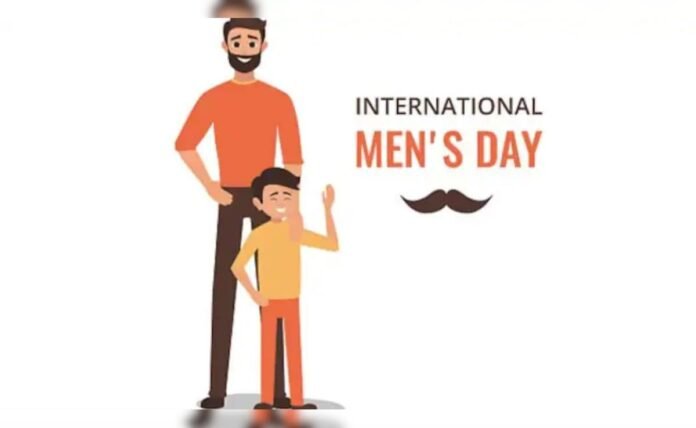
International Men’s Day is observed every year on November 19 to recognise the contributions of men and boys to families, communities and society while raising awareness about the challenges they face. The day highlights the importance of men’s physical and mental health, positive role models, gender equality and healthy relationships. It also provides an opportunity to encourage conversations around social expectations, emotional well-being and the changing understanding of masculinity.
The theme for International Men’s Day 2026 is “The Future Is Everyone.” The theme emphasises inclusion, mutual respect and collective responsibility in building a better society. It underlines the idea that progress cannot be achieved by focusing on one section of society alone. Men and women, boys and girls, all have an equally important role in shaping a future based on equality, understanding and cooperation.
International Men’s Day was first celebrated on November 19, 1999, in Trinidad and Tobago. The initiative was introduced by Dr Jerome Teelucksingh, a history lecturer at the University of the West Indies. He chose the date in honour of his father’s birthday and to promote a day that recognised the positive contributions of men while addressing issues affecting their lives. Since then, the observance has gained international recognition and is now marked in more than 80 countries.
The significance of the day extends beyond celebrating the achievements of men. It draws attention to several issues that often receive limited discussion, particularly men’s mental health, suicide prevention, workplace pressures, educational challenges faced by boys and the social expectations associated with traditional masculinity. Ideas such as ‘men should always be strong’ or ‘boys don’t cry’ can discourage individuals from expressing vulnerability or seeking help when they need it. International Men’s Day encourages a more open approach towards emotional well-being and reinforces the importance of accessible healthcare and supportive social environments.
The observance is guided by six key objectives: promoting positive male role models, celebrating men’s contributions to society, focusing on their health and well-being, addressing discrimination and disadvantage, improving gender relations and creating a safer world for everyone. These objectives recognise men in their different roles as fathers, brothers, sons, teachers, colleagues, friends and community members. They also encourage society to appreciate everyday acts of responsibility, compassion, courage and service rather than limiting recognition to public achievements or professional success.
In India, International Men’s Day offers an opportunity to acknowledge the diverse contributions of men across different sections of society. From farmers, soldiers and teachers to entrepreneurs, healthcare professionals, public servants and caregivers, men contribute to the country’s social and economic development in numerous ways. The day also encourages conversations about changing family structures, fatherhood, work-life balance and the importance of sharing responsibilities at home and in the workplace.
An important aspect of the observance is its relationship with gender equality. International Men’s Day is not intended to compete with International Women’s Day or diminish the struggles and achievements of women. Instead, it seeks to ensure that the experiences and concerns of men and boys are also included in discussions about social well-being and equality. Recognising the challenges faced by one gender does not take away from the progress of another. Rather, mutual understanding and cooperation can help build healthier families and stronger communities.
The day can be marked through awareness campaigns, health check-up initiatives, discussions on mental health, educational programmes and community activities. Equally important are everyday gestures such as appreciating fathers, brothers, friends, colleagues and mentors for their contributions and encouraging men to prioritise their health and express their emotions without hesitation.
Ultimately, International Men’s Day is a reminder that recognising men is not simply about celebrating their achievements but also about understanding their experiences, acknowledging their challenges and creating an environment where they can grow without restrictive social expectations. With its 2026 theme, ‘The Future Is Everyone’, the observance reinforces a simple yet significant message: a more equal, compassionate and progressive society can only be built when everyone is valued, supported and given the opportunity to contribute.