

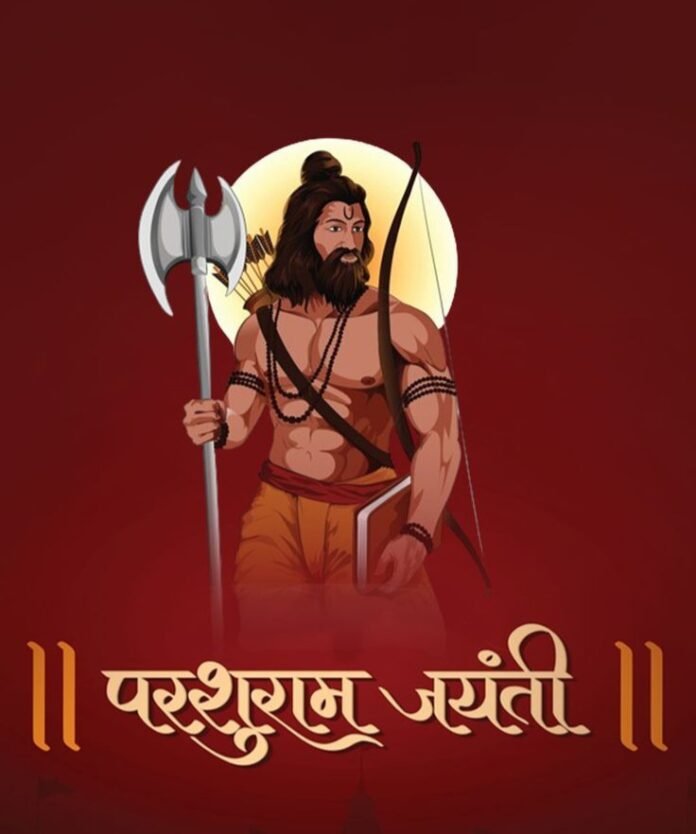
Parshuram Jayanti is a significant Hindu festival that marks the birth anniversary of Lord Parashurama, the sixth incarnation of Lord Vishnu. The day is observed with devotion and श्रद्धा (faith) by devotees across India and holds deep religious and spiritual importance.
When is Parshuram Jayanti Celebrated?
Parshuram Jayanti falls on the Tritiya Tithi (third lunar day) of the Shukla Paksha (waxing phase of the moon) in the Hindu month of Vaishakha. It coincides with Akshaya Tritiya, making the day even more auspicious. In 2026, it is being observed on April 19.
Who was Lord Parashurama?
Parashurama is known as a unique combination of a Brahmin and a warrior. Born to sage Jamadagni and Renuka, he is often referred to as the “warrior sage.” According to Hindu scriptures, he was blessed by Lord Shiva with a divine axe (parashu), which became his primary weapon.
His incarnation had a clear purpose—to restore balance in the world by eliminating injustice and protecting dharma (righteousness). He is believed to have fought against corrupt and tyrannical rulers and is also counted among the Chiranjivi (immortals), who are said to still exist on Earth.
Significance of Parshuram Jayanti
Parshuram Jayanti symbolizes the victory of righteousness over evil. The day reminds devotees of the importance of courage, discipline, and standing against injustice. It also reflects the idea that power should always be guided by wisdom and ethics.
Spiritually, it is considered highly auspicious to seek blessings for strength, protection, and moral clarity. Since it coincides with Akshaya Tritiya, any good deeds performed on this day are believed to bring everlasting merit and prosperity.
Rituals and Observances
Devotees observe Parshuram Jayanti with various religious practices:
●Fasting (Vrat): Many devotees observe a day-long fast to seek blessings and practice self-discipline.
●Puja and Worship: Special prayers are offered to Lord Parashurama and Lord Vishnu in temples and homes.
●Recitation of Scriptures: Devotees read sacred texts, chant mantras, and sing bhajans praising the deity.
●Charity (Daan): Donating food, clothes, and essentials to the needy is considered highly meritorious.
●Processions and Celebrations: In some regions, shobha yatras (religious processions) and community events are organised.
Conclusion
Parshuram Jayanti is not just a celebration of a divine birth but a reminder of timeless values—justice, courage, and righteousness. In today’s world, the teachings associated with Lord Parashurama continue to inspire individuals to stand strong against injustice while remaining grounded in wisdom and dharma.