

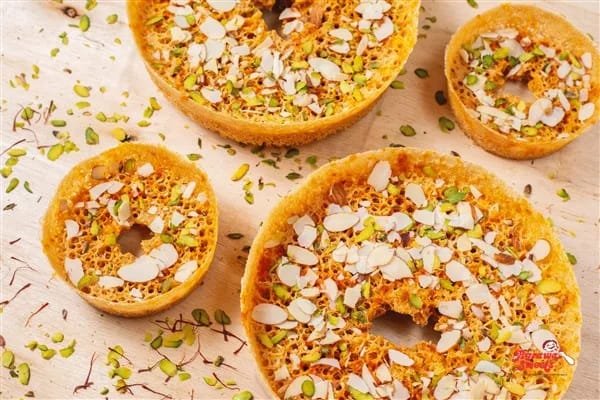
As the monsoon showers bring relief to Rajasthan’s arid landscape, they also usher in one of the state’s most cherished festivals, Hariyali Teej. Alongside vibrant swings, colourful attire, folk songs and celebrations dedicated to Goddess Parvati, another tradition returns to every sweet shop and household: the irresistible Ghewar. While Teej may be the season most closely associated with this iconic dessert, Ghewar’s story is much richer, woven into Rajasthan’s royal heritage, culinary traditions and festive culture.
From the royal palaces of Rajasthan to modern-day celebrations, Ghewar has remained one of the state’s most iconic and treasured desserts. Although it is traditionally associated with the festival of Teej, its significance extends far beyond a seasonal sweet. Ghewar has become an integral part of Rajasthan’s culinary identity and is served at almost every important celebration. From royal feasts and lavish weddings to family gatherings and festive occasions, a grand Rajasthani spread often feels incomplete without it.
For generations, Ghewar has symbolized celebration, prosperity and indulgence. During Teej, it also holds a special emotional significance as an essential part of Sindhara, the traditional gifts sent by parents to their married daughters. Beautifully packed with festive delicacies and gifts, Ghewar becomes more than just a dessert; it becomes a symbol of love, blessings and family bonds that have been passed down through generations.
Walk into any grand Rajasthani wedding, and you’re almost certain to find a beautifully presented Rabdi Ghewar on the dessert table. Its signature honeycomb texture is created by skillfully pouring batter into hot desi ghee, resulting in a light yet irresistibly crisp base that perfectly complements the richness of thick saffron-infused rabdi. Finished with pistachios, almonds and strands of premium saffron, the contrast of crisp Ghewar and velvety rabdi creates one of the most iconic dessert pairings in Indian cuisine. The preparation itself is an art that demands patience, precision and years of experience, making every perfectly crafted Ghewar a testament to the expertise of Rajasthan’s traditional halwais.
What makes Ghewar even more remarkable is its ability to evolve with changing tastes while preserving its traditional charm. Today, chefs and sweet makers across Rajasthan are reinventing this centuries-old delicacy in exciting new forms. Modern creations such as Mango Ghewar, Ghewar Tarts, Mini Disc Ghewars, Ghewar Rabdi Shots, cheesecakes and plated desserts have introduced Ghewar to a new generation while staying true to its authentic roots. These contemporary interpretations ensure that the sweet continues to delight both traditionalists and younger dessert lovers alike.
As Rajasthan prepares to celebrate Teej once again, Ghewar continues to hold a special place in homes and hearts alike. In Rajasthan, Ghewar is much more than just a dessert, it is a symbol of heritage, hospitality and celebration. Whether it’s Teej, Raksha Bandhan, a royal wedding or any auspicious family occasion, Ghewar remains the sweet that brings people together and proudly represents the rich culinary legacy of Rajasthan. Long after the festive season ends, its sweetness continues to remind people of a tradition that has stood the test of time while remaining as relevant and beloved as ever.