
Home Blog Page 99

Ancient Wisdom, Modern Living: 12 Ayurvedic Health Principles for a Balanced Life

0

Rooted in India’s rich knowledge traditions, Ayurveda is a holistic system of health that focuses on prevention, balance, and harmony between the body, mind, and environment. Developed over millennia, with foundations in classical texts such as the Charaka Samhita and Sushrut Samhita , Ayurveda remains deeply relevant in today’s fast-paced world.

At its core lies the concept of three governing energies or doshas— Vata (movement), Pitta (metabolism), and Kapha (structure). Health, according to Ayurveda, is achieved when these doshas are in balance and digestion, sleep, and mental well-being are stable.

Here are 12 timeless Ayurvedic health principles, refined for modern lifestyles and aligned with contemporary understanding:

1. Align Your Day with Natural Rhythms
Waking up early—ideally around Brahma Muhurta (about 90 minutes before sunrise)—is believed to enhance mental clarity and energy. Modern research on circadian rhythms also highlights the benefits of syncing daily routines with natural light cycles.

2. Begin the Day with Warm Water
Drinking warm water in the morning supports hydration and may aid digestion and bowel regularity. In Ayurveda, it is also believed to help clear ama (a traditional concept referring to metabolic waste).

3. Follow a Consistent Daily Routine (Dinacharya)
A structured routine that includes oral hygiene, tongue cleaning, light exercise, and mindfulness practices helps regulate metabolism and maintain overall balance.

4. Eat According to Your Body Constitution
Ayurveda recommends tailoring diet and lifestyle based on your dominant dosha. While this system is traditional and not scientifically standardized, it aligns with the growing emphasis on personalized nutrition.

5. Choose Fresh, Seasonal, and Local Foods
Freshly prepared, seasonal foods are easier to digest and often more nutrient-rich. This principle is strongly supported by modern nutritional science.

6. Support Your Digestive Health (Agni)
A strong digestive system is central to well-being. Eating at regular times, avoiding overeating, and including digestive spices like ginger or cumin can support gut health.

7. Practice Mindful Eating
Eating without distractions, chewing food thoroughly, and being aware of hunger cues improves digestion and prevents overeating—an approach widely supported today.

8. Use Herbs with Awareness
Ayurveda incorporates herbs such as Tulsi, Ashwagandha , and turmeric. Many of these have been studied for benefits like stress support and anti-inflammatory properties, though they should be used thoughtfully and, when needed, under guidance.

9. Prioritise Quality Sleep (Nidra)
Sleep is considered one of the three pillars of health in Ayurveda. Adequate, regular sleep is essential for immunity, mental clarity, and metabolic balance.

10. Practice Self-Massage (Abhyanga)
Daily oil massage is believed to improve circulation, nourish the skin, and calm the nervous system. Modern studies on massage therapy also suggest benefits for stress reduction and relaxation.

11. Approach Detox Mindfully
Ayurveda recommends cleansing therapies like to restore balance. However, such treatments should only be undertaken under trained supervision, as scientific evidence remains limited and evolving.

12. Integrate Yoga and Meditation
Yoga, breathing exercises (pranayama), and meditation form an integral part of Ayurvedic living. These practices are widely supported by research for reducing stress, improving focus, and enhancing overall well-being.

A Holistic Path Forwar
d

The enduring strength of Ayurveda lies in its preventive approach—encouraging a lifestyle that maintains health rather than merely treating disease. While not all its concepts are scientifically standardized, many of its core principles—such as routine, balanced diet, good sleep, and stress management—are increasingly validated by modern research.

By thoughtfully blending this ancient wisdom with contemporary knowledge, Ayurveda offers a practical and sustainable path to healthier, more mindful living in today’s world.
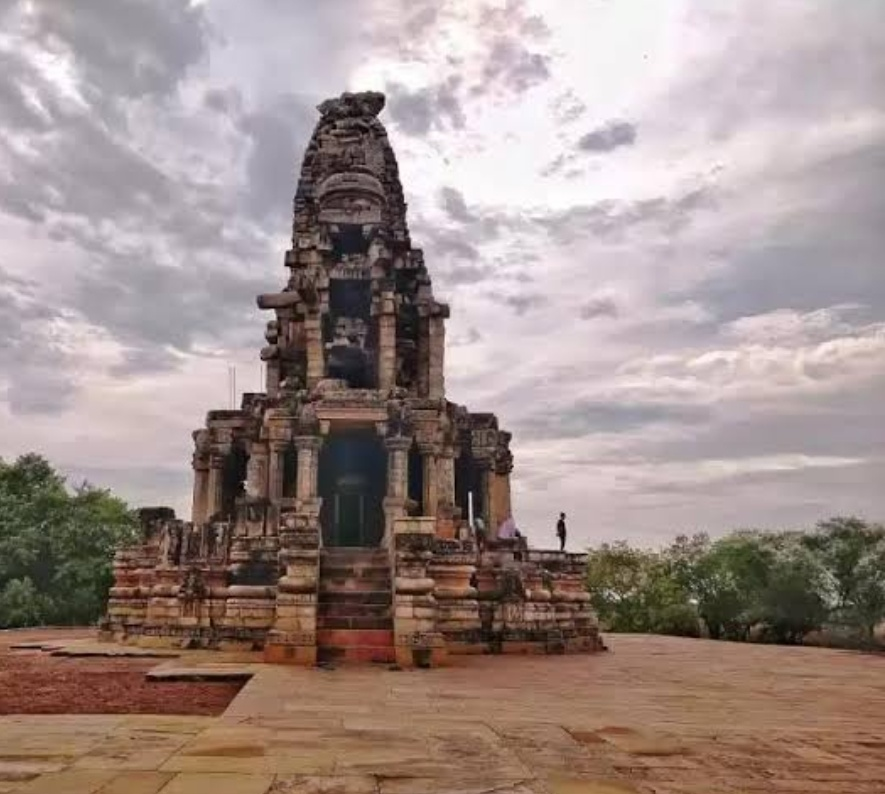
The Ghost-Built Temple of Morena: Kakanmath -Madhya Pradesh’s Mysterious 11th-Century Marvel

0

In the quiet village of Sihoniya in Morena district, Madhya Pradesh, stands an architectural wonder that has puzzled historians and sparked supernatural legends for nearly a thousand years the Kakanmath Temple. Built in the 11th century, this towering Shiva temple rises nearly 115 feet (about 30 meters) into the sky. What makes it truly extraordinary is not just its height or beauty, but the enduring local folklore that claims it was constructed overnight by ghosts and spirits, only to be left unfinished at sunrise.

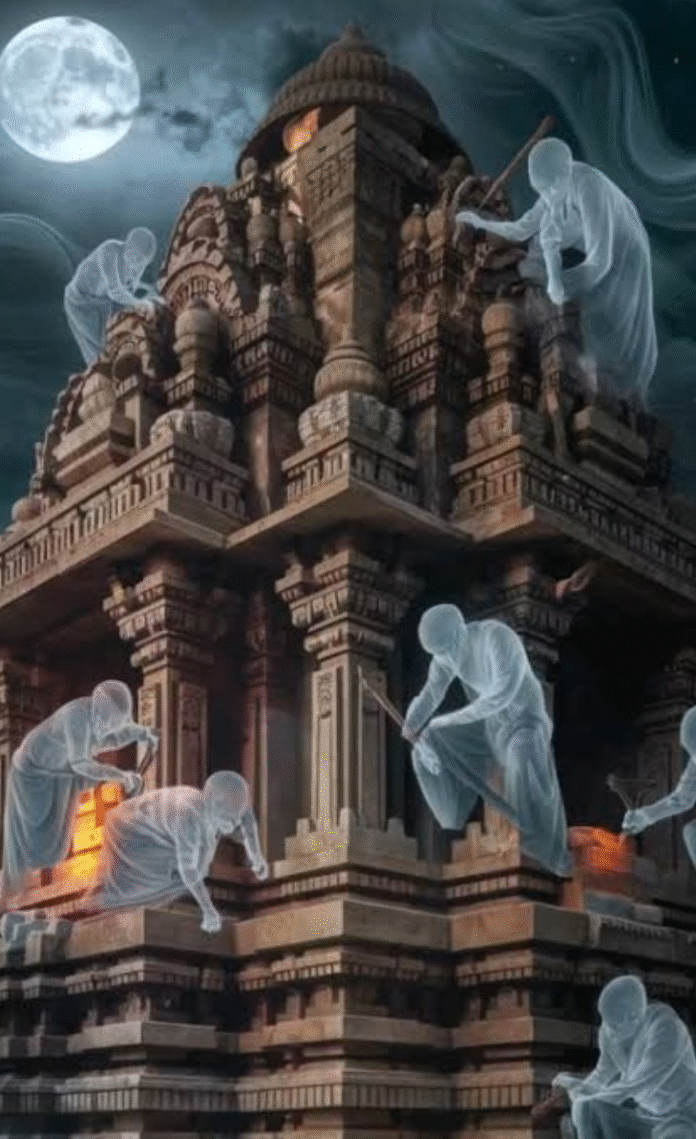
The Legendary Tale of Supernatural Builders. According to popular folklore, Lord Shiva appeared in the dream of King Kirtiraja of the Kachchhapaghata dynasty and promised that his ganas (spirits) would build a magnificent temple in a single night – on one strict condition: no human should witness the construction. The king ordered all villagers to stay indoors after dark. However, curiosity got the better of a young boy (or in some versions, a woman who started grinding grain early). The moment the builders realized they had been seen, the spirits vanished with the first rays of the sun, leaving the grand temple incomplete.

The Ghost-Built Temple of Morena: Kakanmath -Madhya Pradesh's Mysterious 11th-Century Marvel

This legend beautifully explains the temple’s seemingly precarious look – massive stones stacked without any cement, lime, or mortar, appearing almost haphazardly placed, yet standing firm against earthquakes, storms, and the passage of nearly 1,000 years. The Real History Behind the Mystery Historians offer a more grounded explanation. The Kakanmath Temple was commissioned by King Kirtiraja (reigned 1015-1035 CE) of the Kachchhapaghata dynasty in honor of his queen, Kakanwati, a devout worshipper of Lord Shiva. The name “Kakanmath” is believed to be derived from the queen’s name.

The temple represents the Kachchhapaghata style of architecture, which later influenced the famous Chandela style seen in the Khajuraho temples. It was originally part of a larger Panchayatana complex (a group of five temples), but over time, the surrounding structures were destroyed by earthquakes and invasions, leaving the main shrine standing alone in its dramatic “skeletal” form.

An Engineering Marvel Without Mortar one of the most fascinating aspects of Kakanmath is its dry masonry construction. The huge sandstone blocks are interlocked with such precision that no binding material was needed. This gravity-defying technique has allowed the temple to survive seismic activity that has toppled many other structures.

At first glance, the exposed inner core gives the impression that the temple could collapse at any moment. Yet it has endured for centuries, adding fuel to the supernatural stories. Locals even believe that trying to move or lift any of the stones outside the temple causes the entire structure to shake, as if protected by an unseen force.

Despite its ruined appearance today, Kakanmath was once a richly decorated masterpiece of North Indian Nagara architecture. The walls and pillars feature intricate carvings of. Vedic deities including Shiva, Parvati, Ganesha, Kartikeya, Vishnu, and Brahma celestial apsaras (heavenly dancers) and mythical vyalas (leogryphs)

Amorous mithuna couples, reminiscent of Scenes from Hindu epics and everyday life. The towering shikhara (spire), ornate seven-jambed doorway, and pillared halls (gudha-mandapa and mukha-mandapa) showcase the skill of ancient artisans. The Seven Deaf Grooms Prophecy locals say the temple will collapse the day a marriage procession of seven deaf grooms passes by simultaneously. Floating Stones some stories claim the massive stones flew through the air to reach the site.

Queen’s Devotion the temple was built so. Queen Kakanwati could easily perform her daily Shiva prayers without delay. Whether you believe the ghost stories or the historical accounts, the Kakanmath Temple remains one of Madhya Pradesh’s most intriguing and visually Whether you believe the ghost stories or the historical accounts, the Kakanmath Temple remains one of Madhya Pradesh’s most intriguing and visually striking monuments. Its blend of architectural brilliance, enduring mystery, and timeless legends makes it a must-visit for anyone exploring the “Heart of India.”

Dracula Land: Romania’s €1 Billion Vampire Dream – Will Transylvania Get Its Own “Disneyland”?

0

Dracula Land

Romania is set to stake its claim in Europe’s theme park scene with Dracula Land, a massive €1 billion ($1.1 billion) mega-resort and theme park planned near Bucharest. Unveiled in December 2025 by Romanian entrepreneur Dragoş Dobrescu, the ambitious project aims to open around 2027 and rival giants like Disneyland Paris and Europa-Park. Spanning 160 hectares and located just 15 minutes from Henri Coandă International Airport, Dracula Land promises to transform the iconic Dracula legend into a world-class destination blending Romanian folklore, immersive storytelling, cutting-edge technology, and global Gothic vibes.

The heart of the complex is a sprawling theme park covering over 780,000 m², divided into six immersive zones with more than 40 major attractions, including high-speed roller coasters and interactive dark rides. Moonlit District the grand entrance boulevard, inspired by historic Bucharest architecture, setting a dramatic Gothic tone from the moment visitors arrive. Family Kingdom: A whimsical zone featuring supernatural creatures from global folklore, designed especially for younger guests. Transylvania an atmospheric area showcasing traditional Romanian villages and breathtaking Carpathian landscapes. Dracula’s Castle: The park’s iconic centerpiece, home to the thrilling Flight of the Bat wing coaster.

Port of New Orleans: A Gothic Mardi Gras-themed land with a dueling werewolf roller coaster, carnival games, bayou scenery, and theatrical performances. London Town: A Victorian-era zone where guests step into the role of vampire hunters amid gas lamps, cobblestone streets, and period detailing. Confirmed highlights include the high-speed Flight of the Bat wing coaster and the racing Dueling Werewolf Roller Coaster, along with dark rides, shows, and interactive experiences that expand beyond classic Transylvanian vampire lore to embrace worldwide Gothic mythology.

Beyond the Rides: A Full Entertainment Resort. Dracula Land is designed as a multi-day destination with far more than just thrill rides. Three Themed Hotels (totaling 1,200 rooms) the luxury Dracula Grand Hotel, family-oriented Dracula Family Hotel, and more affordable Dracula Inn. Expect Gothic-inspired design,

modern amenities, and possible perks like early park access. Aqua Park & Spa: A 50,000 m² water park featuring over 30 attractions and one of Europe’s largest wave pools, plus thermal spa facilities drawing on Romania’s natural hot springs for year-round wellness appeal. Multifunctional Arena: A 22,500-seat venue ready to host international concerts, festivals, esports events, theatrical productions, and corporate gatherings.

Retail & Leisure: A 9,000 m² luxury fashion outlet and a 4.5 km professional racing circuit for amateur experiences, driving schools, and motorsport events. Technology Hub: A 15,000 m² space with over 1,000 workstations focused on Al, gaming, and digital startups – creating synergies with the park’s tech innovations. Digital Metaverse: A “digital twin” of the park built in Unreal Engine 5. complete with a native
cryptocurrency for virtual and physical experiences.

Timeline, Impact, and Ambition Groundbreaking is scheduled for September 2026 (following zoning approvals), with a target opening in 2027. The fully privately funded project expects to create over 5,000 direct and indirect jobs and attract around 3 million visitors annually.

Dragoş Dobrescu, with support from an international team (including former Europa-Park creative director Chris Lange, architects from Piuarch Milano, and consultants from Deloitte), describes it as “more than a theme park a national symbol” showcasing Romania’s potential for world-class landmarks. While the vision is undeniably bold and exciting for fantasy travelers and vampire tourism fans, some industry observers have expressed skepticism. Much of the striking concept art appears to be Al-generated, raising questions about the realism of the ambitious 2027 timeline and final execution quality.

The Lakes of Udaipur: Ingenious Water System Behind the ‘City of Lakes’

0

Nestled within the rugged folds of the Aravalli hills, Udaipur’s famed lakes are far more than scenic marvels—they are the result of a visionary and highly sophisticated water management system developed over centuries. Built by the rulers of Mewar to combat the challenges of an arid landscape, this interconnected network of lakes continues to sustain the city while defining its identity as the “City of Lakes.”

A Masterfully Connected Lake System
Udaipur’s lake system is a cascading network of artificial and natural water bodies, designed to collect, store, and distribute rainwater efficiently. Upper catchment lakes like Badi and Madar feed into the city’s central lakes—Pichola, Fateh Sagar, Swaroop Sagar, and Rang Sagar—which are further connected to downstream reservoirs like Udai Sagar through channels and the Ahar River basin. This intelligent design ensured flood control, groundwater recharge, and year-round water availability, showcasing remarkable ecological foresight.

The Historic Lakes and Their Legacy

Lake Pichola (14th century)

The Lakes of Udaipur: Ingenious Water System Behind the ‘City of Lakes’

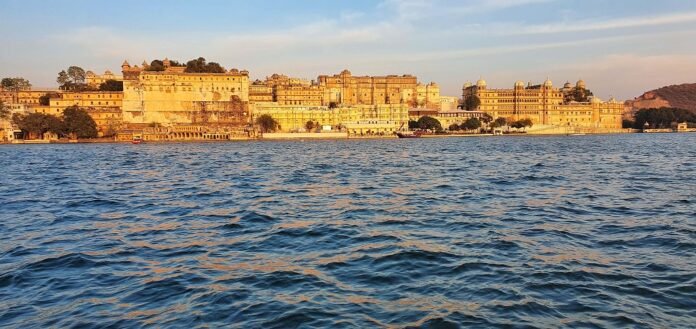
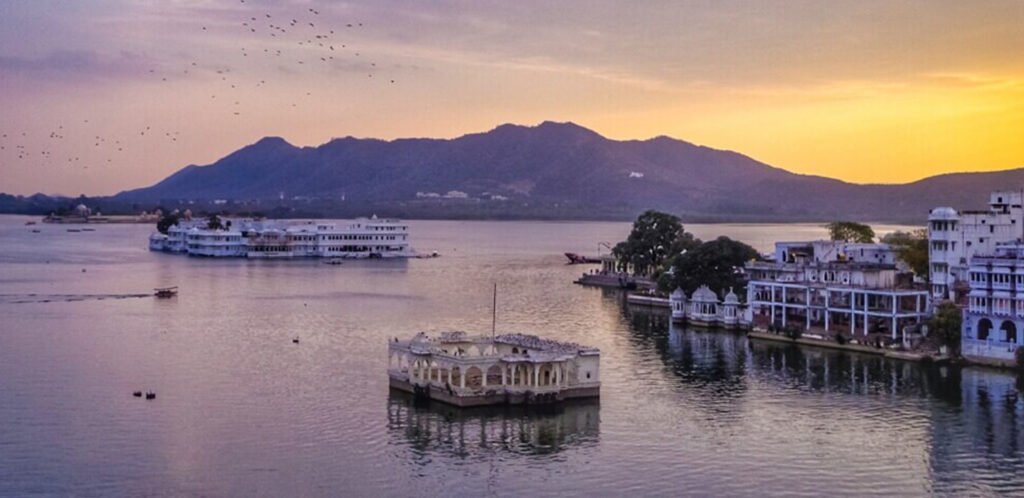
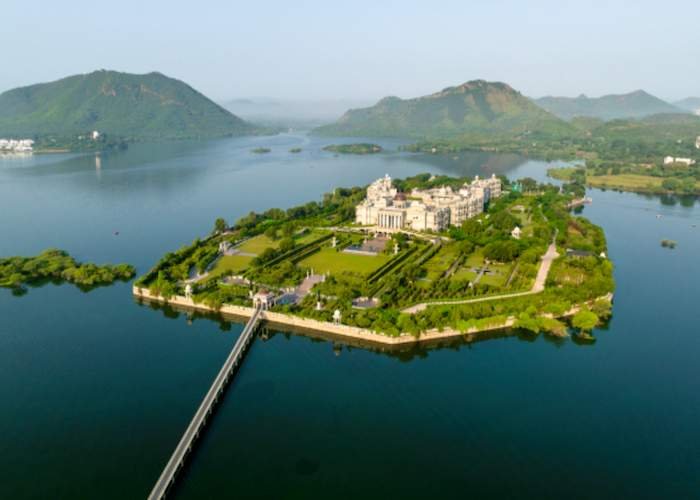
One of Udaipur’s oldest and most iconic lakes, Pichola was built in 1362 by a local banjara, Pichhu, during the reign of Maharana Lakha. It was later expanded by Maharana Udai Singh II, who established the city of Udaipur in 1559 along its banks. Adorned with islands like Jag Mandir and the Lake Palace, Pichola remains a symbol of royal elegance.

Fateh Sagar Lake (1678; rebuilt 1889)

The Lakes of Udaipur: Ingenious Water System Behind the ‘City of Lakes’

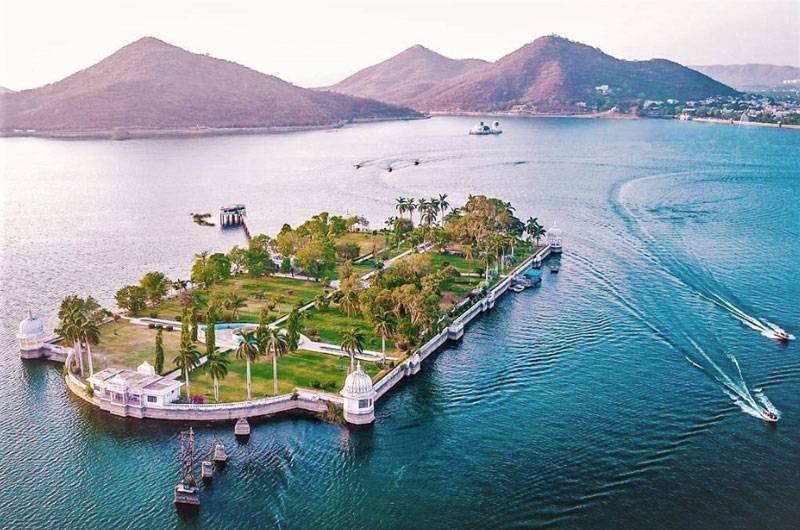
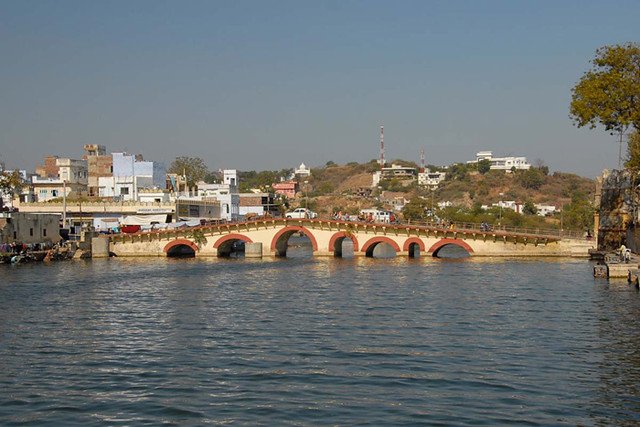
Constructed by Maharana Jai Singh in 1678, this lake was later reconstructed by Maharana Fateh Singh after severe flood damage in 1889. Surrounded by hills, Fateh Sagar today serves as both a vital water source and a popular recreational spot.

Jaisamand Lake (1685)

The Lakes of Udaipur: Ingenious Water System Behind the ‘City of Lakes’
Jaisamand Wildlife Sanctuary

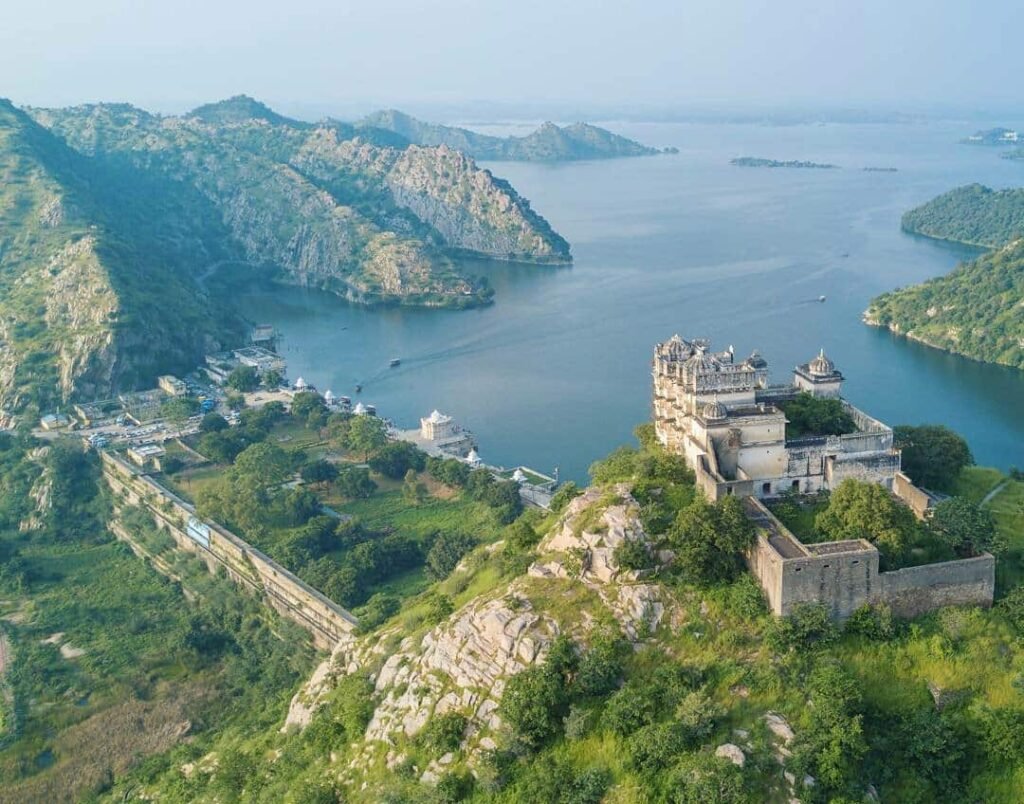
Built by Maharana Jai Singh by damming the Gomti River, Jaisamand—also known as Dhebar Lake—is one of the largest artificial freshwater lakes in India. It stands as a testament to the scale and ambition of Mewar’s hydraulic engineering.

Udai Sagar (16th century)

The Lakes of Udaipur: Ingenious Water System Behind the ‘City of Lakes’

Constructed by Maharana Udai Singh II, this lake strengthened the city’s water supply and supported agriculture, further integrating the region’s water network.

Swaroop Sagar & Rang Sagar (19th century)

The Lakes of Udaipur: Ingenious Water System Behind the ‘City of Lakes’

These smaller yet crucial lakes function as regulatory links within the system. They help channel and control water flow between Pichola and Fateh Sagar, maintaining balance during periods of excess rainfall.

Badi Lake (Jiyan Sagar)

The Lakes of Udaipur: Ingenious Water System Behind the ‘City of Lakes’

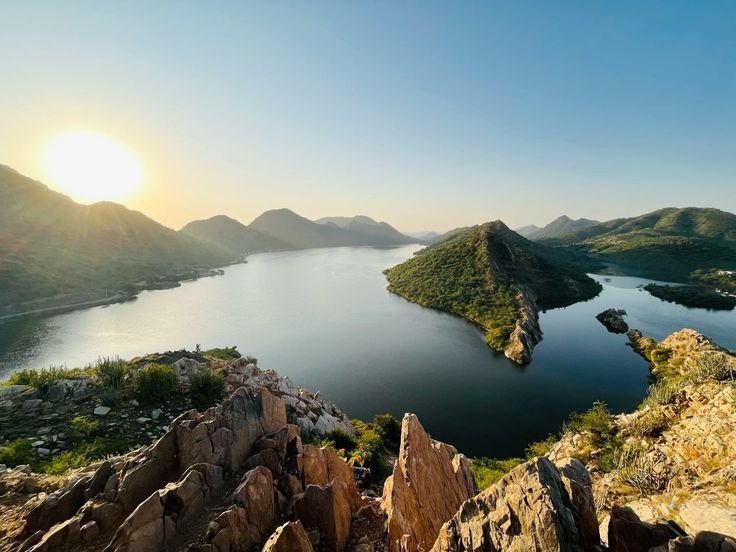
Built by Maharana Raj Singh I to counter famine, Badi Lake forms part of the upper catchment system, reflecting the rulers’ responsiveness to environmental challenges.

Purpose and Vision

The lakes were primarily built to tackle water scarcity in a semi-arid region with unpredictable rainfall. By harvesting monsoon waters and storing them across interconnected reservoirs, the rulers ensured drinking water, irrigation, and urban sustainability. This system stands today as an early model of climate-responsive planning.

Environmental and Cultural Significance

Udaipur’s lakes continue to recharge groundwater, support aquatic ecosystems, and regulate the city’s microclimate. They also serve as habitats for birds and wildlife, contributing to the region’s biodiversity.

At the same time, these lakes form the cultural and visual soul of Udaipur. The reflection of palaces, ghats, and temples on their shimmering waters creates an enchanting landscape that draws visitors from around the world. Boat rides on Lake Pichola, serene evenings at Fateh Sagar, and the tranquil charm of Badi Lake make them central to Udaipur’s tourism and local life.

In essence, Udaipur’s lakes are not merely water bodies but a living legacy of ingenuity, resilience, and harmony with nature. Centuries after their creation, they continue to sustain the city—quietly narrating a story of vision that turned scarcity into enduring abundance.

“Light, Airy, Essential: Saamro Founder Vaishali Singhal on the Art of Summer Fabrics”

0

As the Indian summer sets in with its intense heat and humidity, creating a comfortable indoor environment becomes essential. While cooling appliances offer temporary relief, the role of fabrics in shaping how a space feels is often underestimated. From breathable bedding to light-filtering curtains, the right textile choices can significantly impact comfort and livability.

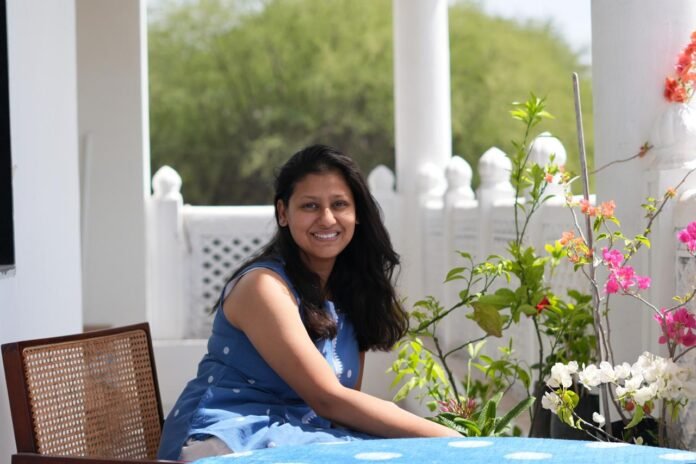
In this insightful conversation, Vaishali Singhal, Founder and Creative Head of Saamro, speaks with Kanan Rathore about the science, aesthetics, and practicality of choosing the right fabrics for summer—offering a nuanced perspective that blends design sensibility with everyday functionality.

“Light, Airy, Essential: Saamro Founder Vaishali Singhal on the Art of Summer Fabrics”

Q1. When we say a fabric is “summer-friendly,” what does that actually mean from a designer’s perspective?
Vaishali Singhal
: A truly summer-friendly fabric is never defined by just one factor—it’s always a combination. Breathability allows air to circulate, moisture absorption helps handle sweat and humidity, and the openness of the weave determines how much heat is released. Fibre type also plays a crucial role, with natural fibres generally performing better. For me, a fabric is summer-friendly when it releases heat instead of trapping it and doesn’t hold onto moisture.

Q2. Cotton is often seen as the default summer fabric—what nuances within cotton actually matter?
Vaishali Singhal
: We often assume cotton automatically means comfort, but the weave matters more than the label itself. In fact, a poorly constructed cotton can feel hotter than a well-made linen. Lighter weaves like voile or muslin are far more breathable, and an ideal thread count usually falls between 200–400. Pre-washed cotton is another detail people overlook—it tends to be softer and more breathable, making a noticeable difference in summer.

Q3. Linen is gaining popularity—what makes it ideal for hot climates, and are there drawbacks?
Vaishali Singhal
: Linen works beautifully in hot climates because it offers maximum airflow and releases moisture very quickly, which naturally creates a cooling effect. However, it does come with its trade-offs—it wrinkles easily, can feel slightly rough to some, and is often more expensive. But if comfort is your priority over perfection, linen almost always wins.

Q4. How do weave and fabric construction impact heat retention or airflow?
Vaishali Singhal
: The weave plays a direct role in how cool a fabric feels. A loose weave allows better airflow, which helps in cooling, while tighter weaves tend to trap heat. Fabrics like voile, linen, and lightweight percale are excellent for extreme heat because they have more openness in their structure—essentially, more gaps mean more cooling.

“Light, Airy, Essential: Saamro Founder Vaishali Singhal on the Art of Summer Fabrics”

Q5. Do lighter colours really help in keeping spaces cooler?
Vaishali Singhal
: Yes, they do make a real difference. Light colours reflect heat, while darker shades tend to absorb it. So beyond just aesthetics, colour choice can actually influence how warm or cool a space feels.

Q6. How do fabrics behave in humid conditions, especially in India?
Vaishali Singhal:
Humidity changes everything. Cotton absorbs moisture well but can start to feel heavy if it doesn’t dry quickly. Linen, on the other hand, not only absorbs moisture but also dries faster, making it more comfortable. Polyester is the least suitable in such conditions because it traps sweat. In humid climates, drying speed becomes even more important than breathability.

Q7. What fabric elements should people switch first when summer arrives?
Vaishali Singhal:
If you’re looking for maximum impact, start with bedding—it directly affects your comfort. Curtains come next, followed by cushions and throws. Upholstery can be adapted if needed, but even smaller changes can make a noticeable difference.

“Light, Airy, Essential: Saamro Founder Vaishali Singhal on the Art of Summer Fabrics”

Q8. What should one look for in summer curtains?
Vaishali Singhal:
It’s not just about choosing light colours. The fabric should ideally be cotton voile or linen, and the weight should be light. Layering also helps—a combination of sheer curtains with blackout layers works well. Sheer curtains, in particular, are great because they reduce heat while still allowing natural light to filter through.

“Light, Airy, Essential: Saamro Founder Vaishali Singhal on the Art of Summer Fabrics”

Q9. Are there better upholstery choices for summer?
Vaishali Singhal:
Absolutely. It’s best to avoid heavy fabrics like velvet or leather during summer. Instead, opt for cotton slipcovers, linen blends, or even light canvas. Something as simple as switching cushion covers to natural fabrics can significantly improve comfort.

Q10. Can textures influence how cool a fabric feels?
Vaishali Singhal:
Very much so. Smooth and lighter textures tend to feel cooler, while heavy or plush textures feel warmer. It’s both a physical and visual experience—what you see and what you touch together shape your perception of comfort.

Q11. What colours and patterns work best for summer interiors?
Vaishali Singhal:
Lighter palettes like whites, pastels, and soft earthy tones work best. When it comes to patterns, minimal, small-scale, and nature-inspired designs feel more suitable. Dense, heavy prints tend to feel visually warm and can even create a sense of heaviness in the space.

“Light, Airy, Essential: Saamro Founder Vaishali Singhal on the Art of Summer Fabrics”

Q12. Is there a shift towards lighter, minimal fabrics in summer?
Vaishali Singhal:
Yes, there’s definitely a growing inclination towards natural, airy fabrics. People are becoming more aware of how materials affect comfort, and the trend is clearly moving towards lighter, more breathable bases.

Q13. Are cotton and linen automatically sustainable choices?
Vaishali Singhal:
Not necessarily. Cotton, while comfortable, comes with challenges like high water consumption, heavy pesticide use, and chemical-intensive processing. It becomes a better choice when you opt for organic cotton, BCI-certified cotton, or low-impact dyes. Linen, however, stands out because it requires less water, uses minimal pesticides, and is almost entirely waste-free. It’s one of those rare fabrics where sustainability and performance naturally align.

Q14. Are there any emerging eco-friendly fabrics for hot climates?
Vaishali Singhal:
Yes, fabrics like hemp, Tencel, and bamboo blends are becoming increasingly relevant. They are breathable, moisture-wicking, and often perform even better than cotton in humid conditions.

Q15. What are some common mistakes people make while choosing summer fabrics?
Vaishali Singhal:
One of the biggest mistakes is choosing fabrics based only on colour. People also tend to use thick cotton, keep heavy curtains year-round, and ignore upholstery altogether. But the biggest oversight is not adapting fabrics seasonally

Q16. What are some simple, budget-friendly changes people can make?
Vaishali Singhal:
You don’t need a complete overhaul. Switching to percale bedsheets, adding sheer curtains, changing cushion covers, and removing heavy rugs or throws can instantly make a space feel lighter. Even reducing visual clutter through patterns can have a cooling effect.

Q17. How should one care for summer fabrics?
Vaishali Singhal:
Keep it simple—wash in cold water, avoid heavy fabric softeners, and air dry whenever possible. Overdrying can damage the fabric. And with linen, it’s best to embrace the wrinkles—they’re part of its charm.

Q18. If you had to recommend just three essential changes to summer-proof a home?
Vaishali Singhal:
I would say breathable bedding—like percale or linen—is the first step. Then switch to sheer or lightweight curtains, and finally opt for lighter cushion and upholstery fabrics. These three changes alone can make your home feel noticeably cooler without requiring major effort.

“Light, Airy, Essential: Saamro Founder Vaishali Singhal on the Art of Summer Fabrics”

Conclusion
What emerges from this conversation is a simple yet powerful idea—comfort in summer is as much about thoughtful fabric choices as it is about cooling systems. By understanding how materials behave in heat and humidity, and by making small, intentional changes, one can transform living spaces into breathable, calming environments.

As Vaishali Singhal highlights, summer living is not about drastic changes but about mindful adaptations. And sometimes, the softest fabrics can make the strongest difference.

BJP Foundation Day: Reflecting on 46 years of Journey, Vision and Leadership

0

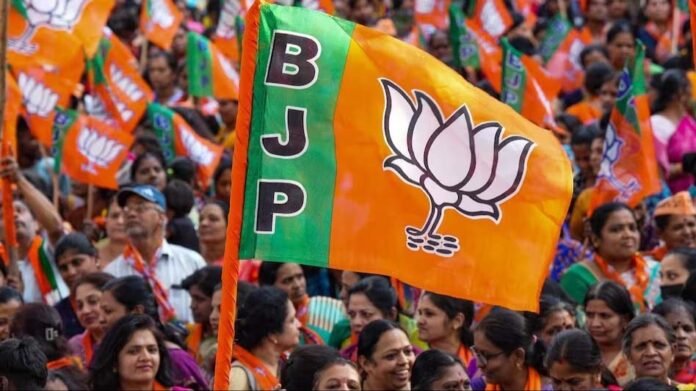
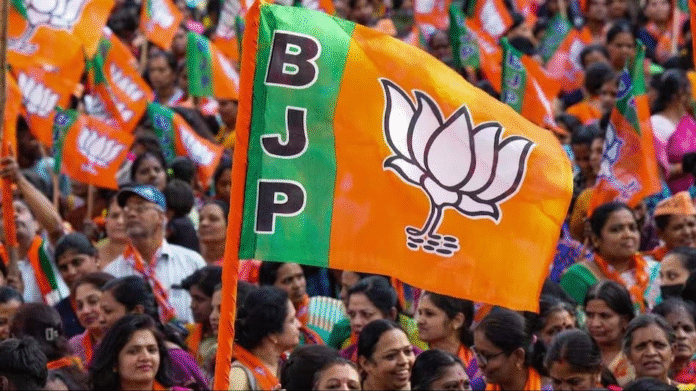
April 6 marks the foundation day of the Bharatiya Janata Party (BJP), one of India’s most influential political parties. In 2026, the party celebrates its 46th Foundation Day, reflecting on a journey that spans over four decades of political evolution, grassroots expansion, and national prominence.

The BJP was established on April 6, 1980, following a split in the Janata Party, largely due to ideological differences and the “dual membership” issue linked to the Rashtriya Swayamsevak Sangh (RSS). However, its ideological and organizational roots go back to the Bhartiya Jana Sangh , founded in 1951 by Shyama Prasad Mukherjee. The party’s philosophy is deeply influenced by the concept of Integral Humanism articulated by Deendayal Upadhyaya , emphasizing cultural nationalism, social harmony, and self-reliant development.

Among its founding leaders, Atal Bihari Vajpayee and Lal Krishna Advani played pivotal roles in shaping the BJP’s identity and expanding its national footprint. Over the years, the party has produced several influential leaders, most notably Narendra Modi, under whose leadership the BJP secured historic mandates in 2014 and 2019, significantly reshaping India’s political landscape.

As of 2026, the party is led by Prime Minister Narendra Modi, with Nitin Nabin serving as the national president. The BJP today positions itself around governance driven by development, welfare initiatives, national security, and a strong global outlook, aligned with its vision of building a “New India.”

Foundation Day celebrations are held across the country with enthusiasm. Party workers organize flag hoisting ceremonies, outreach programs, and social service initiatives. Senior leaders address party cadres, reflecting on the BJP’s journey and outlining future goals. Messages and greetings on the occasion come from party leaders, supporters, and citizens who associate with its vision and work.

From its origins in post-independence ideological movements to becoming one of the world’s largest political parties by membership, the BJP’s journey is a significant chapter in India’s democratic narrative—marked by organizational strength, ideological clarity, and sustained electoral success.

Bharatiya Janata Party Foundation Day Today: Know Its Origin, History, Ideology and Early Growth

0

Bharatiya Janata Party (BJP) celebrates its foundation day on April 6. The BJP traces its origins to the Bharatiya Jana Sangh (BJS; Indian People’s Association), founded in 1951 by Shyama Prasad Mukherjee as the political wing of the Rashtriya Swayamsevak Sangh (RSS; “National Volunteers Corps”), a pro-Hindu organisation. The BJS advocated rebuilding India along lines rooted in Hindu cultural values and called for a strong, unified state.

In 1967, the BJS gained a significant foothold in the Hindi-speaking regions of northern India. A decade later, under the leadership of Atal Bihari Vajpayee, it joined three other parties to form the Janata Party, which came to power at the national level. However, internal conflicts and factionalism led to the government’s collapse in July 1979.

The BJP was formally established in 1980 following a split within the Janata Party, largely over the issue of dual membership with the RSS. Former BJS members reorganized themselves as the BJP under leaders such as Vajpayee, Lal Krishna Advani, and Murli Manohar Joshi.

Ideology and Early Growth

The BJP promoted Hindutva (“Hindu-ness”), an ideology seeking to define Indian culture in terms of Hindu values. It was critical of the secular policies of the Indian National Congress. The party began gaining electoral traction in 1989, partly by mobilizing support around the demand to build a Hindu temple at a disputed site in Ayodhya, then occupied by the Babri Masjid.

By 1991, the BJP had significantly expanded its political presence, winning 117 seats in the Lok Sabha and forming governments in several states.

The demolition of the Babri Masjid in December 1992 by groups associated with the broader movement led to widespread violence and backlash, damaging the party’s image among secular sections of society. In response, BJP leaders organised a series of rath yatras (political processions) invoking the Hindu deity Rama as a symbol of cultural revival, aiming to broaden public support.

Electoral Success and NDA Governments

In the 1996 general elections, the BJP emerged as the largest party in the Lok Sabha and briefly formed a government, though it lacked a majority. In 1998, it returned to power at the head of a coalition government led by Prime Minister Atal Bihari Vajpayee. That same year, India conducted nuclear tests, drawing international criticism.

The government fell in 1999 after losing a confidence vote by a single vote. However, in the subsequent elections, the BJP-led NDA secured a stable majority, and Vajpayee again became prime minister. His government emphasised economic reforms, infrastructure development, and efforts to improve relations with Pakistan.

The NDA lost power in 2004 to the Congress-led United Progressive Alliance (UPA), and the BJP remained in opposition through the 2009 elections.

Return to Power under Narendra Modi

Ahead of the 2014 general elections, the BJP capitalised on widespread dissatisfaction with the incumbent government. Narendra Modi, then Chief Minister of Gujarat, was chosen as the party’s prime ministerial candidate. The BJP won 282 seats, securing a clear majority, and Modi was sworn in as prime minister on May 26, 2014.

The BJP government pursued a mix of economic reforms and policies aligned with Hindutva. Major initiatives included the 2016 demonetization of high-value currency notes to combat illicit cash holdings and the introduction of the Goods and Services Tax (GST) in 2017 to streamline indirect taxation. The government also promoted measures reflecting cultural and ideological priorities.

Despite facing criticism over economic challenges such as unemployment and rising living costs, the BJP won a decisive victory in the 2019 elections, increasing its parliamentary majority.

Second Term and Recent Developments

During its second term, the BJP government undertook several major actions. In August 2019, it revoked the special status of Jammu and Kashmir and brought the region under direct federal control. In 2020, the government imposed a nationwide lockdown in response to the COVID-19 pandemic and later introduced economic reforms aimed at recovery.

Agricultural reform laws passed in 2020 triggered large-scale protests, which continued for over a year before the government repealed the laws in 2021.

In the 2024 general elections, the BJP aimed for a larger mandate but did not secure a single-party majority. However, the NDA coalition won enough seats to form the government, allowing the BJP to remain in power. Once known as a pro-Hindu political party in post-independence India, it is now enjoying a broad support among members of the higher castes and in northern India, while also attempting to expand its base among lower castes by appointing leaders from these communities to prominent positions.

The BJP-led National Democratic Alliance (NDA) secured a majority in the 2014, 2019, and 2024 Lok Sabha elections. While the BJP achieved an outright majority on its own in 2014 and 2019, it fell short of the 272 seats required for a single-party majority in 2024.

Raja Ravi Varma Painting Fetches Record Rs 167.2 Crore: Know Who Varma is and How He Made The Historic Auction

0

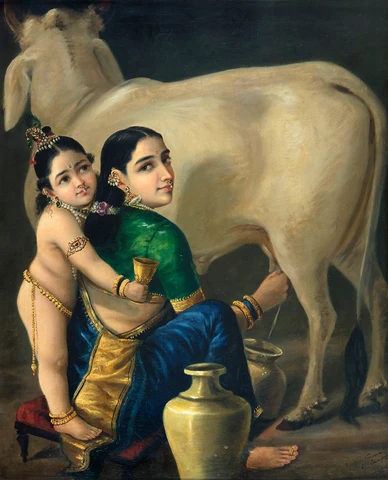
A painting by renowned Indian artist Raja Ravi Varma, titled “Yashoda and Krishna”, has recently been sold for an impressive Rs 167.2 crore at a Saffronart auction. This sale marks one of the highest prices ever achieved by an Indian artwork, reaffirming Varma’s enduring legacy in the global art market. The painting’s emotional depth, combined with Varma’s signature realism, continues to attract collectors and art enthusiasts alike.

Historic Auction and Its Significance

The record-breaking sale highlights the growing demand for classical Indian art. Raja Ravi Varma’s works have long been considered cultural treasures, and this auction underscores their investment and heritage value. The painting “Yashoda and Krishna” reflects maternal affection drawn from Hindu mythology, rendered with lifelike expressions and European artistic techniques. Such high valuations indicate increasing global recognition of Indian masters.

Life and Background of Raja Ravi Varma

Raja Ravi Varma was born on 29 April 1848 in Kilimanoor, Kerala, into the aristocratic Koil Thampuran family. His upbringing exposed him to both traditional Indian art and royal patronage. Varma emerged as a pioneering figure who bridged Indian themes with Western artistic styles. His access to royal courts and exposure to European techniques shaped his distinctive artistic approach.

Artistic Style and Contributions

Varma is celebrated for blending Hindu mythological subjects with European realism and naturalism. He was among the first Indian painters to adopt oil painting techniques. His works often depicted gods, goddesses, and epic scenes with human-like realism. Notable works include “Shakuntala Writing a Love Letter to Dushyanta” and “Shri Rama Vanquishing the Sea”. He also revolutionised art accessibility by mastering lithographic printing, enabling mass reproduction of his paintings.

In 1904, Varma was awarded the prestigious Kaiser-i-Hind medal, solidifying his national and international recognition. Earlier, his painting “Nair Lady Adorning Her Hair” won the Governor’s Gold Medal in the Madras Presidency and a Certificate of Merit in Vienna. Today, his works remain symbols of India’s artistic renaissance, blending tradition with modernity and continuing to command global admiration.

Important Facts

  • Raja Ravi Varma was born in 1848 in Kilimanoor.
  • He pioneered the use of oil painting and lithographic printing in India.
  • Established a printing press in Maharashtra in 1894 (Ghatkopar and later Lonavala).
  • Received the Kaiser-i-Hind medal in 1904 for his contributions.

TechMagazines.net: A Digital Pit Stop for Anyone Trying to Keep Up With Technology

0

Keeping up with technology in 2025 sometimes feels like attempting to drink water out of a fire hose. One minute the world is talking about the breakthroughs of generative AI, and the next minute, some new chip architecture, a security threat, or a foldable device takes over the headlines. To readers who want to remain informed and not lose their marbles in the process, it is not a matter of getting information but getting the right information. 

Enter TechMagazines. Instead of contributing to the never-ending flow of technology chatter on the internet, the site is dedicated to the delivery of technology stories in an organized, contextualized, and with sufficient personality to make it interesting. This is a more skillful way of handling things on internet that is frequently filled with fast headlines and breathless speculation.

A Place Where Tech Stories Actually Make Sense

Browsing social media on technological news can resemble a rumor mill at times. Any leak of the product turns into breaking news, and every update of the software is announced as a game changer. TechMagazines.net is a bit more down-to-earth. The site does not need to be in a hurry to publish all the whispers of the tech grapevine but rather concentrate on articles that describe developments in a clear and systematic manner. 

Visitors to the site will discover the content on a wide spectrum of technology subjects like artificial intelligence and cybersecurity, software trends, enterprise innovation, and consumer gadgets. However, it is not only about the coverage of these developments but about making readers see what they imply in the bigger picture of technology. 

Designed for Curious Readers, Not Just Tech Experts

The accessibility of TechMagazines.net is one of its strengths. Technology may be so complicated with jargon and technical terms that it may scare away an ordinary reader. The editorial style of the site tries to fix this issue. Articles are meant to provide complex issues in a manner that is informative yet does not read like dense academic paper. 

This balance contributes to the popularity of the platform among a large group of users: professionals who need to monitor the development of the industry and everyday tech enthusiasts who just want to know what is forming the digital reality around them. 

Why Thoughtful Tech Coverage Still Matters

Speed can be a winning factor in the contemporary media. The news spreads quicker than ever and many news outlets are competing to be the first ones to publish the news and not necessarily the most complete news. However, in the case of technology, context is important. A new cybersecurity vulnerability, say, is not just a headline, but may have consequences to businesses, governments and millions of users across the world. 

In the same way, the development of artificial intelligence leads to the problem of regulation, ethics, and the future of work. Websites like TechMagazines.net add value by taking a back seat and looking at these developments more critically. Articles tend to discuss the relationship between innovations and the overall trends in the industry and what this could imply in the future. This kind of coverage is especially helpful in the case of readers who need more than just brief summaries. 

A Helpful Companion in a Rapidly Changing Industry

The rate of technological advancement is phenomenal. Artificial intelligence is still being developed, cybersecurity threats are increasingly advanced, and every year the industries are transformed by innovations in computing, software, and hardware. A good curated source of information is priceless to readers who are attempting to follow it all. 

TechMagazines.net attempts to fulfill that purpose by providing a place where technology articles are discussed in an accessible way, trends are discussed intelligently and readers can take a step out of the daily deluge of headlines and see the forest through the trees. 

And even though the technology world is likely to continue being a messy affair, since innovation is not usually a silent process, having a spot that structures and makes sense of such changes can help navigate the digital world a bit more easily. In the era of constant alerts and auto-generated feeds, this is already quite an impressive feat.

Botswana: The Last True Sanctuary for Africa’s Giants – Home to the World’s Largest ElephantPopulation

0

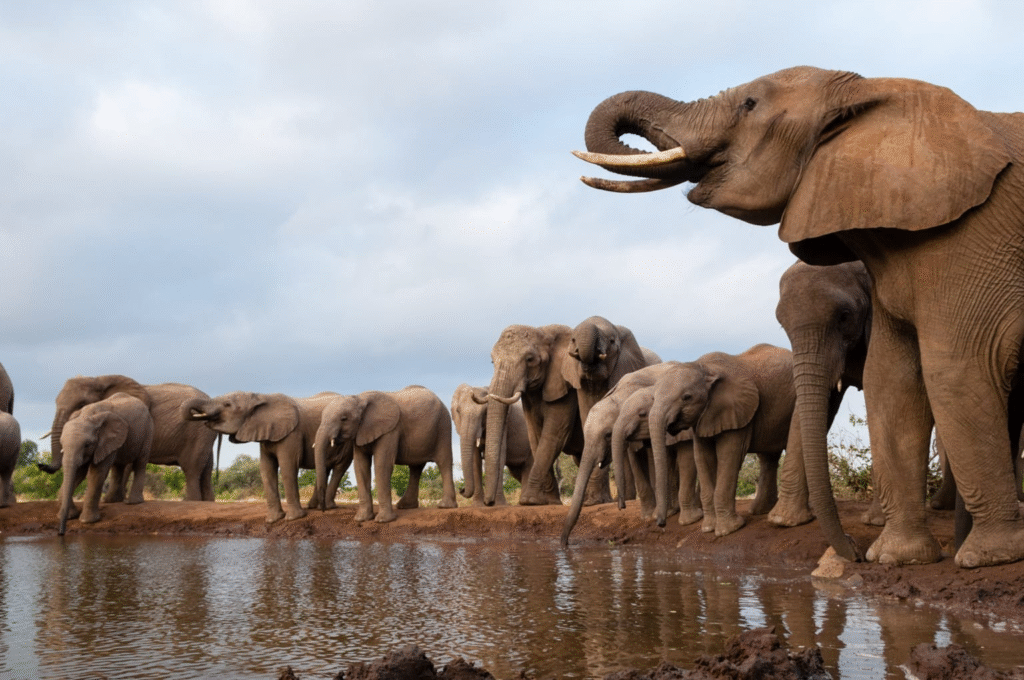
Discover why Botswana stands as the gold standard in wildlife conservation, protecting over 130,000 African elephants in one of the most pristine safari destinations on Earth. Botswana is home to the world’s largest elephant refuge, safeguarding more than 130,000 African elephants – the biggest single population anywhere on the planet. This represents roughly one-third of Africa’s entire elephant population, making the country a critical stronghold for the species’ long-term survival.

Through a powerful combination of strict anti-poaching laws, vast protected landscapes, and a thoughtful approach to tourism, Botswana has proven that dedicated conservation efforts truly work when wildlife is given the space and security it needs to thrive.

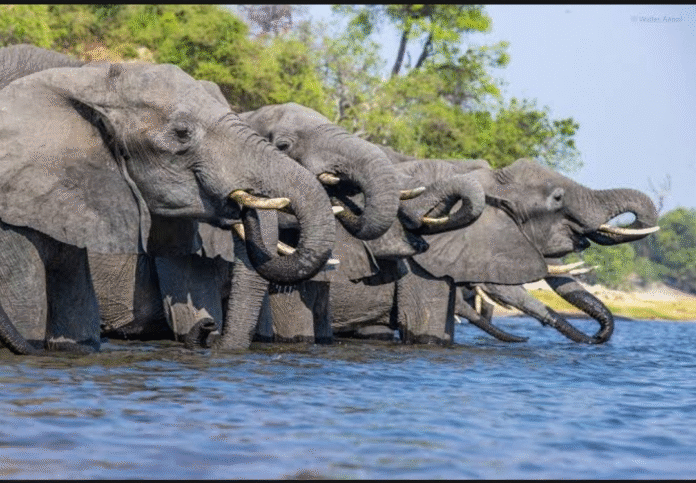
Botswana’s success story is built on several key pillars: Largest Elephant Population on Earth: With over 130,000 African elephants, Botswana hosts the highest concentration of these majestic animals anywhere in the world. These gentle giants roam freely across enormous wilderness areas, creating unforgettable sightings for visitors.

Botswana: The Last True Sanctuary for Africa's Giants - Home to the World's Largest ElephantPopulation

Iconic Protected Habitats: The legendary Okavango Delta and Chobe National Park serve as the heart of this conservation success. The Delta’s unique wetland ecosystem and Chobe’s riverfront provide essential water, food, and migration corridors that support massive herds year-round. Strict Anti-Poaching Measures: Well-trained rangers, tough wildlife protection laws, and proactive enforcement have created a low-threat environment where elephants can live naturally without constant fear.

Community-Led Conservation & Smart Tourism: Local communities are actively involved in conservation efforts. Botswana’s deliberate choice of high-value, low-volume tourism keeps visitor numbers low while generating substantial revenue to fund anti-poaching units and community projects. This model minimizes the human footprint and reduces human-wildlife conflict around villages.

What Makes a Botswana Safari Truly Unique?Botswana offers one of the most exclusive and pristine safari experiences in Africa. Here’s what sets it apart Exclusive & Uncrowded Wildlife Viewing Thanks to the low-impact tourism policy, you won’t find crowds of vehicles competing for sightings. Game drives, boat cruises on the Chobe River, or silent mokoro canoe trips through the Okavango Delta often feel like private encounters with nature.

Diverse Safari Adventures: Experience multiple ecosystems in one trip – glide through papyrus-lined channels in a traditional mokoro, watch massive elephant herds drinking along the Chobe River, or track lions and leopards on land in Moremi Game Reserve. Year-Round Destination: The dry season (May to October) concentrates wildlife around waterholes for spectacular viewing, while the green season (November to April) brings lush landscapes, incredible birdlife, and adorable newborn animals.

World-Class Guiding: Botswana is renowned for some of the finest, most knowledgeable safari guides on the continent, turning every drive into an educational and deeply immersive experience. For travelers who value quality over quantity, tranquility over crowds, and authentic wilderness over luxury-for-luxury’s-sake, the answer is a resounding yes.

Botswana safaris are premium experiences – they come at a higher price point than many other African destinations, but what you receive in return is unmatched: pristine landscapes, extraordinary wildlife encounters, and the knowledge that your visit directly supports one of the most successful conservation models in Africa. If you dream of seeing Africa’s elephants in their most natural, abundant state – while enjoying a truly exclusive and responsible safari Botswana delivers like nowhere else.