
Home Blog Page 100

India’s Bullet Train Era Accelerates: World-Class Maintenance Hub Rises in Surat

0

PC(The economics Times)

Surat, Gujarat – In a significant boost to India’s ambitious Mumbai-Ahmedabad High-Speed Rail Corridor (MAHSR), the country is developing a state-of-the-art rolling stock depot in Surat that will serve as a nerve centre for maintaining and servicing the nation’s first bullet trains. Spread over 27 hectares near Niyol (close to Antroli village along NH-53), the Surat Rolling Stock Depot is being built as a compact yet highly advanced facility equipped with cutting-edge infrastructure. Once operational, it will handle commissioning, routine maintenance, emergency repairs, inspection, washing, and stabling of the high-speed trainsets designed to run at 320 km/h.

Features of the Surat Maintenance Hub Multi-level Inspection Bays: The depot will feature advanced inspection facilities allowing under-frame, floor-level, and roof-level examinations for thorough assessment of train components. Automated Washing Plants Incorporating Japanese Shinkansen technology, the facility includes high-speed external washing systems capable of cleaning an entire trainset in minutes. Specialised Workshops. Dedicated areas for repair works, wheel re-profiling (lathe operations), and both scheduled and unscheduled maintenance. Stabling Lines: Initially equipped with two inspection-cum-stabling lines, with plans to expand to six lines in the future to support growing operations.

The depot is strategically located to support the first phase of the bullet train project, which is scheduled to begin operations between Surat and Bilimora in 2027. It forms part of three major rolling stock depots planned for the 508-km corridor, with the other two located in Sabarmati (Gujarat) and Thane (Maharashtra).

The facility is being developed using proven Japanese high-speed rail technology and is being constructed by IRCON International. According to the National High Speed Rail Corporation Limited (NHSRCL), the depot will ensure the highest standards of safety and reliability for the bullet trains. The depot will act as a central hub for inspection, repair, cleaning, and stabling of trainsets,” NHSRCL stated, emphasising its critical role in keeping the high-speed network running smoothly from day one.

Strategic Importance for Surat and Beyond Positioned directly on the main alignment, the Surat depot offers quick turnaround for maintenance, minimising downtime and ensuring efficient operations. Beyond technical capabilities, the project is expected to generate employment opportunities and give a major push to local infrastructure development in Surat.

With this facility, Surat is not just getting a bullet train station – it is emerging as a key operational hub for India’s high-speed rail ecosystem. The development marks another milestone in the MAHSR project, bringing India closer to joining the elite club of nations operating world-class bullet trains. As construction progresses rapidly, the dream of travelling at 320 km/h between Mumbai and Ahmedabad is steadily turning into reality.


India’s Longest Urban Twin Tunnel in Mumbai Set to Slash Thane-Borivali Commute to Just 15 Minutes

0

Mumbai is on the cusp of a major infrastructure breakthrough. The Thane-Borivali Twin Tunnel billed as India’s longest urban road tunnel – is about to transform east-west connectivity in the Mumbai Metropolitan Region. With tunnelling work gaining rapid momentum in April 2026, this ambitious project promises to cut the gruelling 1-1.5 hour journey (often stretching to 2 hours in peak traffic) down to a swift 15-20 minutes.

Length: 11.84 km (with approximately 10.8 km underground twin tunnels) Route Connecting Ghodbunder Road in Thane to the Western Express Highway (WEH) in Borivali, passing deep beneath the ecologically sensitive Sanjay Gandhi National Park (SGNP)Design: Two parallel three-lane tunnels (including one dedicated emergency lane each) Implementing Agency: Mumbai Metropolitan. Region Development Authority (MMRDA). Estimated Cost: ₹18,838 crore (including taxes and land acquisition; total project cost may reach up to 20,000 crore with revisions).

Target Completion: May-December 2028 Tunnelling Milestone: “Nayak” and “Arjuna” Lead the Charge a significant milestone is unfolding right now. Advanced Tunnel Boring Machines (TBMs) named “Nayak” – described as India’s largest single-shield hard rock TBM with a 13.34-metre diameter – and “Arjuna” are set to drive the excavation.

India's Longest Urban Twin Tunnel in Mumbai Set to Slash Thane-Borivali Commute to Just 15 Minutes

“Nayak” is poised for launch in early April 2026 (reports indicate drilling beginning around Monday, April 6), with “Arjuna” following shortly after. These massive machines will bore through challenging geological conditions while minimising surface disruption and environmental impact on the national park above. Construction uses closed conveyor systems for debris removal to reduce pollution, and the tunnels are being built at depths of 23-60 metres for added safety and minimal ecological disturbance.

Game-Changing Benefits for Mumbai Commuters. The current 23-km stretch via Ghodbunder Road is one of Mumbai’s most congested corridors. Once operational, the twin tunnels will deliver. Dramatic time savings: From 60-90+ minutes to just 15-20 minutes. Major congestion relief on Ghodbunder Road and surrounding arterial routes reduced vehicular emissions thanks to smoother, faster traffic flow
Enhanced safety with advanced ventilation. Firefighting systems, smoke detection, LED signage, and cross-passages every 300 metres for emergency evacuation. The project also includes approach roads and supporting infrastructure to seamlessly integrate with the existing road network.

Land acquisition in Thane is largely complete. Rehabilitation of affected families in Borivali is progressing. Launching shafts are ready, and tunnelling excavation is accelerating on the Thane side. MMRDA has highlighted the project as a key step toward “Mumbai in Minutes,” promising a transformed commuting experience across the region this ₹18,838-crore initiative is among the most complex and expensive urban tunnelling projects in India. By using state-of-the-art TBM technology in an eco-sensitive zone, MMRDA aims to balance ambitious infrastructure goals with environmental responsibility.

Once completed, the Thane-Borivali Twin Tunnel won’t just ease daily commutes – it will reshape how people live, work, and travel in the Mumbai Metropolitan Region, unlocking new economic and residential opportunities on both sides of the city. Mumbai is literally digging deeper for a brighter, faster future. Stay tuned as “Nayak” and “Arjuna” begin carving this underground milestone.

Happy Easter 2026: Wishes, Images, Quotes, Status, Messages, and Photos

0

Happy Easter 2026: Easter Sunday in 2026 will be celebrated on April 5, marking a joyful and significant occasion for Christians around the world. The day is observed with special church services, prayers, and festive gatherings that celebrate the resurrection of Jesus Christ and the promise of new life.

Traditions such as Easter egg hunts, sharing meals with family, and decorating eggs symbolize renewal and hope, making the day both spiritually meaningful and culturally vibrant.

As we commemorate this auspicious occasion, indianexpress.com has curated some heartfelt wishes and greeting images that you can share with your friends and family.

Happy Easter Sunday 2026 Wishes: 

Wishing you a joyful Easter Sunday! May your heart be filled with hope, love, and new beginnings.

Happy Easter 2026! May this beautiful day bring peace, happiness, and countless blessings to your life.

May the miracle of Easter fill your life with renewed faith and endless joy. Have a blessed Easter Sunday!

Sending warm wishes on Easter! May your home be filled with laughter, love, and positivity!

Happy Easter 2026: Wishes, Images, Quotes, Status, Messages, and Photos

 May the miracle of Easter brighten your life with renewed faith and endless blessings.

May this Easter inspire you to embrace new beginnings and cherish every moment with gratitude.

Happy Easter! May your life bloom with happiness just like the spring season. 

Wishing you and your loved ones a day full of joy, celebration, and sweet moments. 

May the spirit of Easter bring you closer to hope, faith, and brighter days ahead!

Happy Easter Sunday 2026 Quotes: 

“Easter is a time to rejoice, be thankful, and embrace new beginnings.”

“Let your heart bloom with joy and your life be filled with hope this Easter Sunday.”

Happy Easter 2026: Wishes, Images, Quotes, Status, Messages, and Photos

“Let the resurrection joy lift us from loneliness and weakness and despair to strength and beauty and happiness.”
– Floyd W. Tomkins

“The resurrection gives my life meaning, direction, and the chance to start over.”

“Easter reminds us that even after the darkest days, light and hope always return.”

“Celebrate this day with a heart full of gratitude and a soul filled with faith.”

From the Archives: Happy Easter Sunday 2025: Wishes, Images, Quotes, Whatsapp Messages, Status and Photos

“The resurrection gives my life meaning and direction and the opportunity to start over no matter what my circumstances.” – Robert Flatt

“May the miracle of Easter bring you peace, joy, and endless blessings.”

“Let your faith be renewed and your heart be uplifted this Easter Sunday.”

“Easter is the demonstration of God that life is essentially spiritual and timeless.” – Charles M. Crowe

Happy Easter Sunday 2026 Status: 

Feeling blessed this Easter Sunday!

Happy Easter 2026: Wishes, Images, Quotes, Status, Messages, and Photos

He is risen!

Easter vibes and grateful hearts 💛

Celebrating life, faith, and renewal. 

Happy Easter Sunday 2026 Messages: 

Wishing you a joyful Easter Sunday! May your life be filled with hope, love, and new beginnings.

Happy Easter 2026! May this special day bring peace to your heart and happiness to your home.

May the miracle of Easter brighten your life with renewed faith and endless blessings.

Happy Easter 2026: Wishes, Images, Quotes, Status, Messages, and Photos

May this Easter inspire you to embrace positivity, kindness, and fresh starts.

Wishing you and your loved ones a day full of joy, laughter, and togetherness 🐣

May your heart be filled with gratitude and your life with happiness this Easter.

On this blessed day, may you find peace, hope, and strength in faith. 

Artemis II Crew Captures Stunning High-Resolution Images of Earth from Deep Space

0

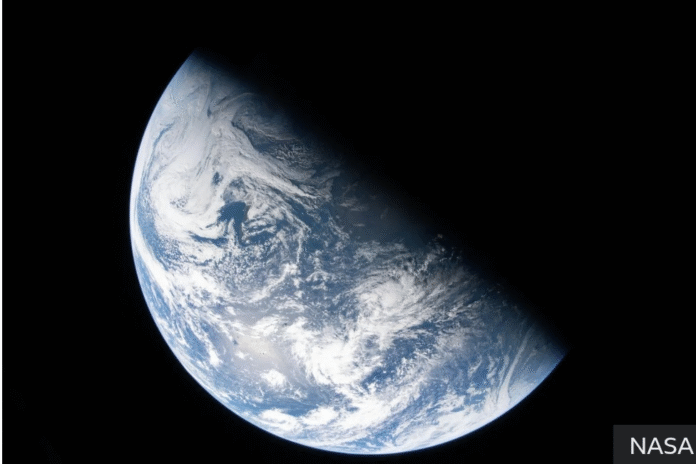
Artemis II Crew: NASA has released the first breathtaking high-resolution photographs of Earth taken by the Artemis II astronauts as they journey toward the Moon – the first time humans have traveled beyond low-Earth orbit since Apollo 17 in 1972. The images were captured by mission Commander Reid Wiseman shortly after the crew completed a critical translunar injection burn on April 2, 2026. This powerful engine firing propelled the Orion spacecraft out of Earth’s orbit and set it on a “free-return” trajectory around the Moon. “Hello, World” The standout image shows our planet as a vast blue expanse dominated by the Atlantic Ocean. A thin, glowing layer of atmosphere frames the view, while striking green auroras shimmer at both the northern and southern poles. The photo also captures zodiacal light and a bright speck of Venus in the frame. NASA described the shot as truly spectacular.

Artemis II Crew Captures Stunning High-Resolution Images of Earth from Deep Space

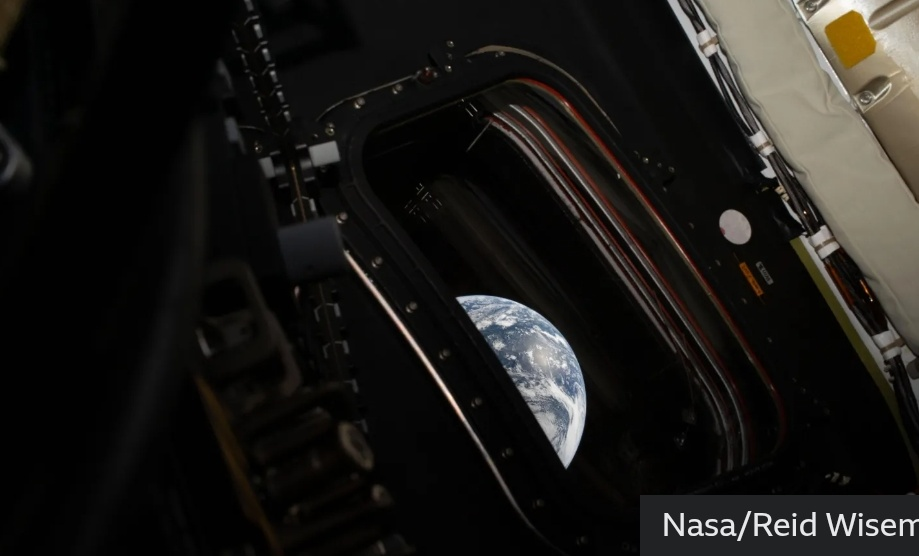
“Artemis II Looking Back at Earth”: Taken through one of the Orion capsule’s four main windows, this photo offers the crew’s personal perspective as they leave their home planet behind. The Terminator View another powerful image reveals the sharp dividing line between day and night (the terminator) slicing across Earth, with parts of the planet illuminated by moonlight on its “dark side.” The astronauts, glued to the windows after the burn, used Nikon cameras to document the moment. Commander Wiseman later joked with mission control about needing to clean the windows after their enthusiastic photography session.

Artemis II, which was launched on April 1, 2026, from Kennedy Space Center in Florida, carries four astronauts Commander Reid Wiseman (NASA) Pilot Victor Glover (NASA) Mission Specialist Christina Koch (NASA) Mission Specialist Jeremy Hansen (Canadian Space Agency). As of April 4, 2026, the crew is more than 140,000 miles from Earth and continuing toward the Moon. They are currently performing system checks, medical demonstrations (including CPR in microgravity), and preparing for high-resolution observations during

Artemis II Crew Captures Stunning High-Resolution Images of Earth from Deep Space

NASA has also shared a side-by-side comparison of the new 2026 images with the iconic “Blue Marble” photo taken by Apollo 17 in 1972, noting “We’ve come so far in the last 54 years, but one thing hasn’t changed: our home looks gorgeous from space!” The crew has expressed pure joy at these views, with one astronaut describing the sight of Earth complete with auroras and visible continents moment that “paused all four of us in our tracks.” This mission marks a major step in NASA’s Artemis program, paving the way for future crewed landings on the Moon and eventual journeys to Mars. The stunning images serve as a powerful reminder of our beautiful, fragile planet seen from the vastness of space.

Chasing the Wild: 15 Incredible Indian Wildlife Getaways for Summers

0

Why Summer is the Best Time for Wildlife Tourism

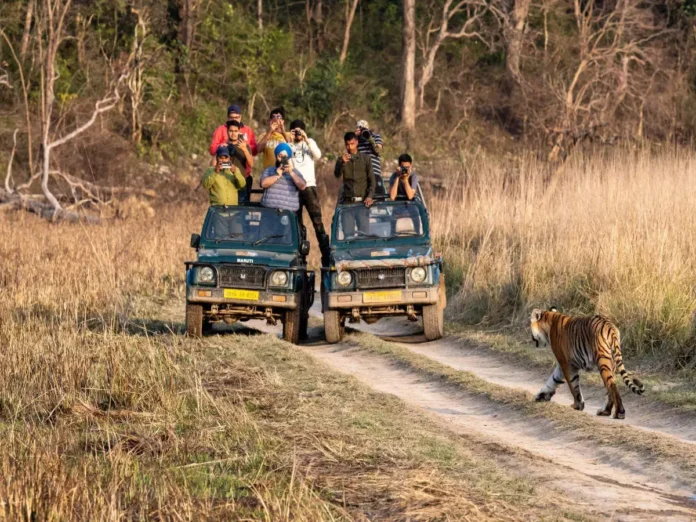
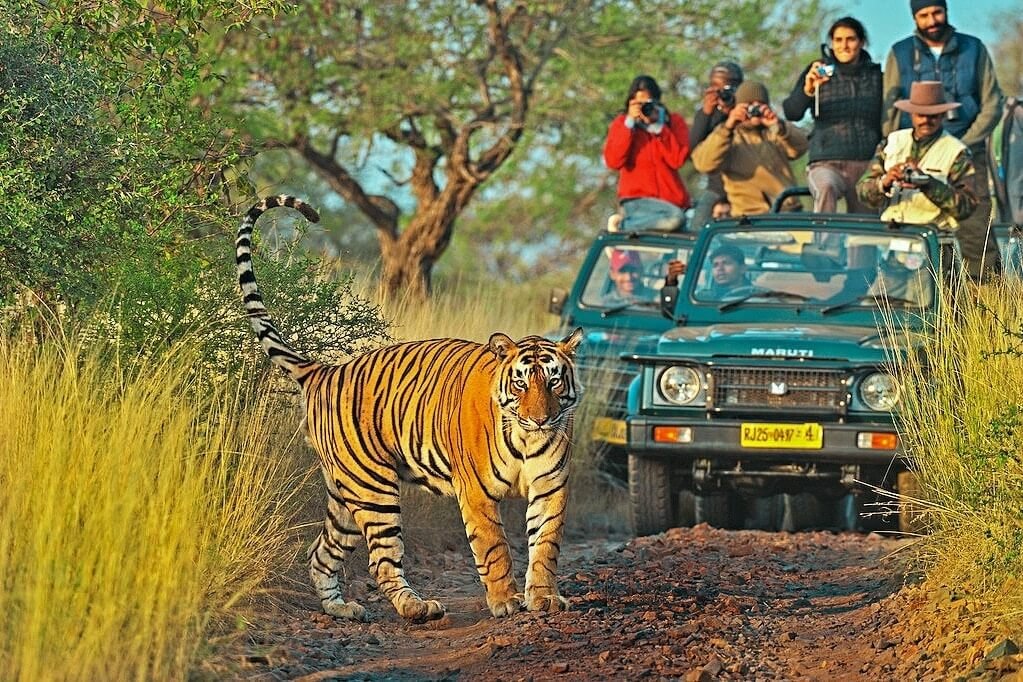
Summer in India, though intense, is one of the most rewarding seasons for wildlife tourism. As water sources shrink, animals gather around rivers and waterholes, making sightings more frequent and dramatic. The dry vegetation also improves visibility, offering clearer views of elusive species like tigers and leopards.

From dense forests to grasslands and mangroves, India’s diverse ecosystems come alive in summer, offering unforgettable safari experiences.

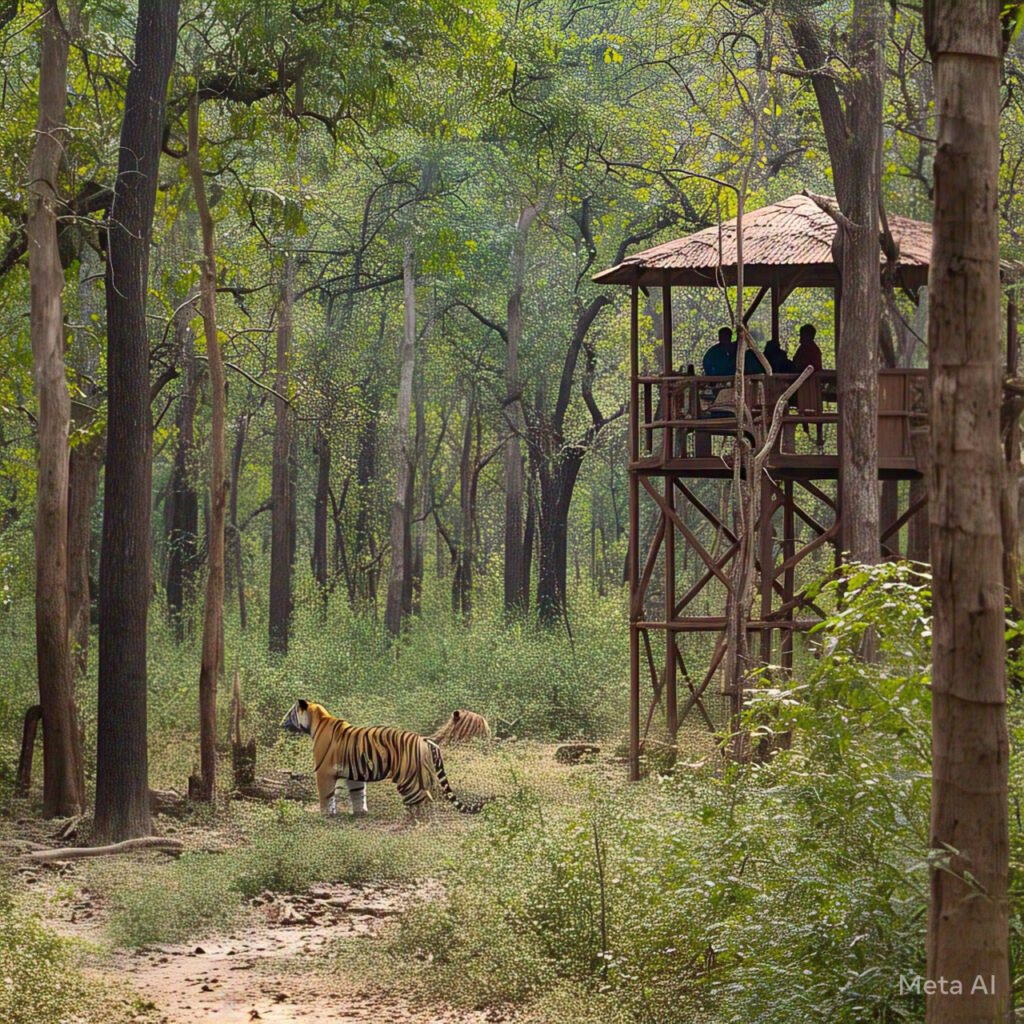
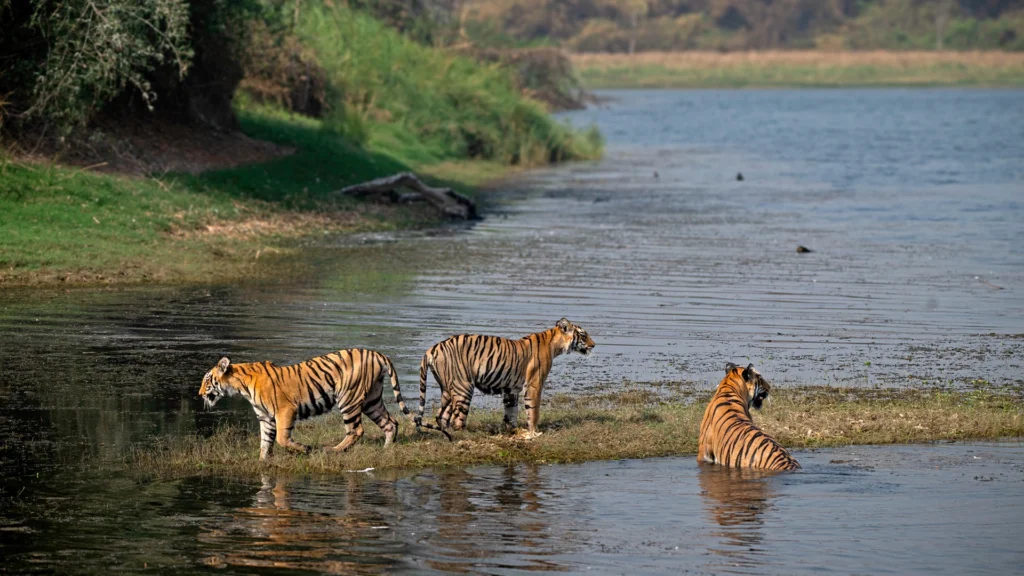
1. Ranthambore National Park, Rajasthan

Chasing the Wild: 15 Incredible Indian Wildlife Getaways for Summers

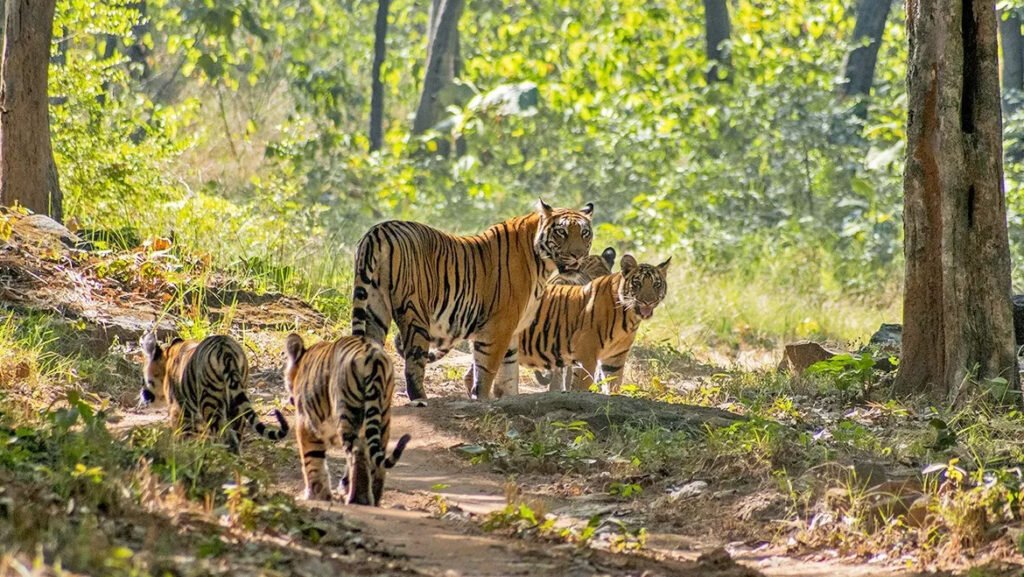
One of India’s most iconic tiger reserves, Ranthambore is famous for spotting Bengal tigers near ancient ruins and lakes—especially in peak summer.

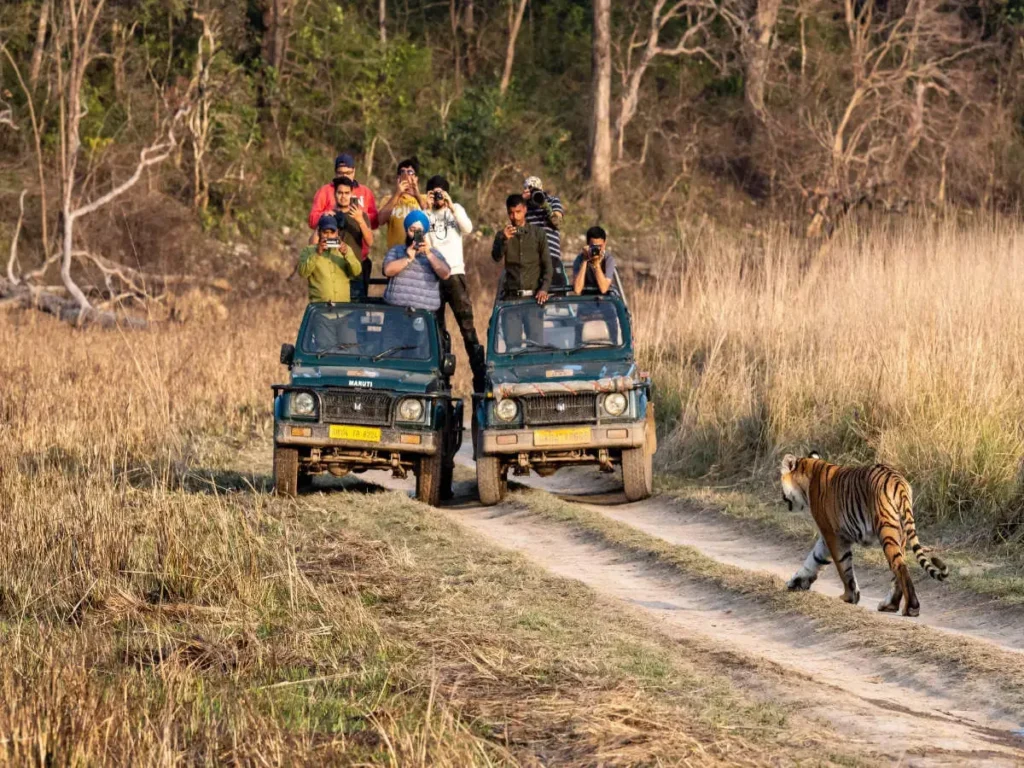
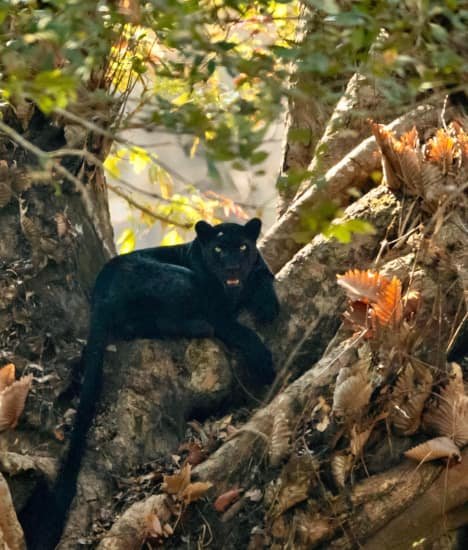
2. Jim Corbett National Park, Uttarakhand

Chasing the Wild: 15 Incredible Indian Wildlife Getaways for Summers

India’s oldest national park, known for tigers, elephants, and rich birdlife set against scenic river landscapes.

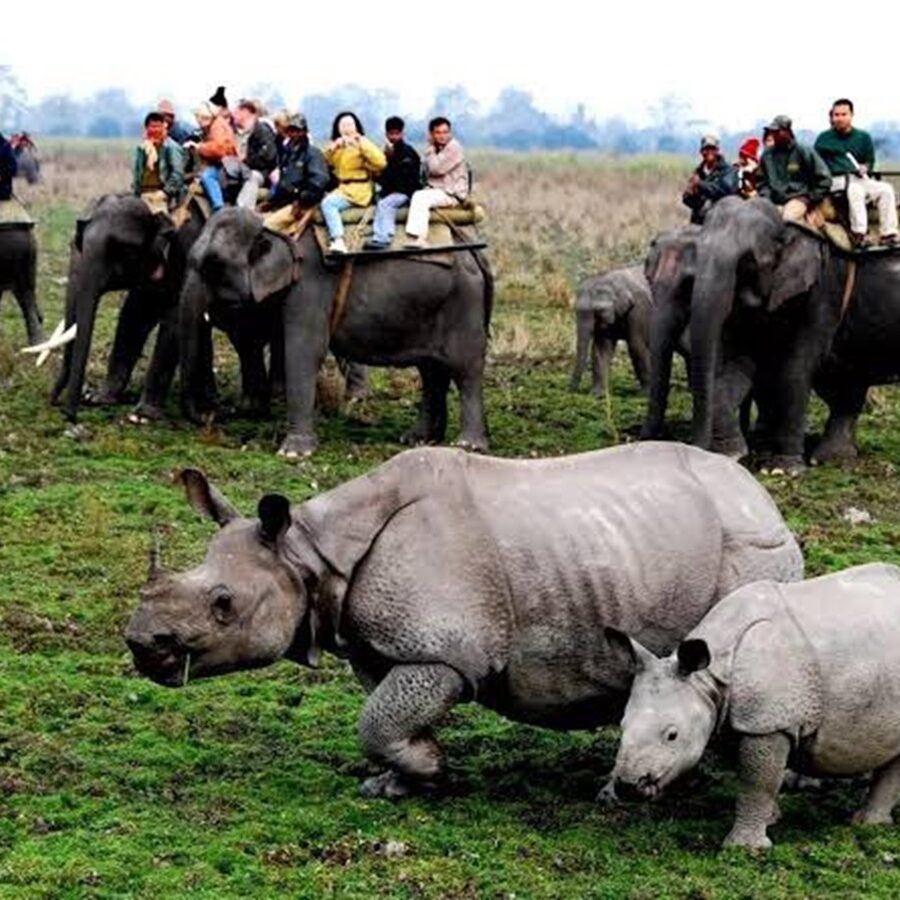
3. Kaziranga National Park, Assam

Chasing the Wild: 15 Incredible Indian Wildlife Getaways for Summers

A UNESCO World Heritage Site, it is home to the world’s largest population of one-horned rhinoceroses, along with elephants and wild buffalo.

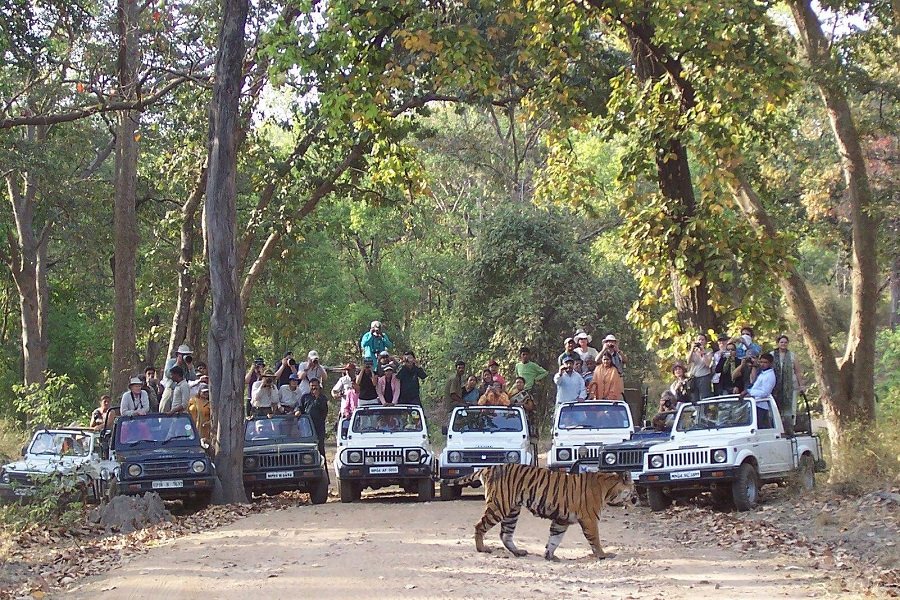
4. Kanha National Park, Madhya Pradesh

Chasing the Wild: 15 Incredible Indian Wildlife Getaways for Summers

Famous for its lush meadows and the rare barasingha, Kanha also inspired The Jungle Book.

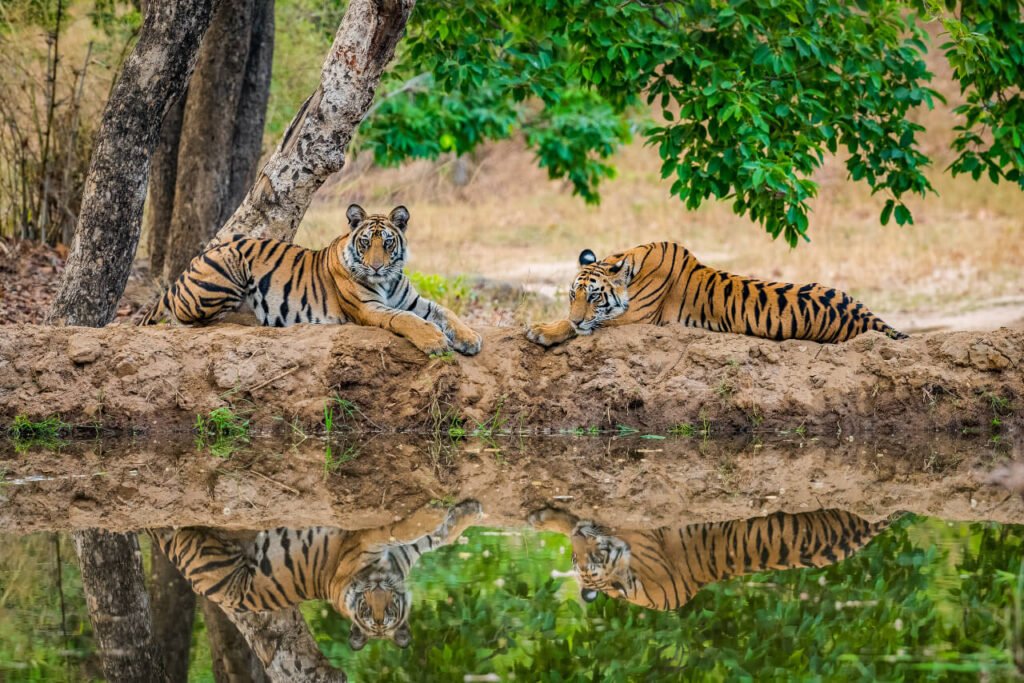
5. Bandhavgarh National Park, Madhya Pradesh

Chasing the Wild: 15 Incredible Indian Wildlife Getaways for Summers

Known for having one of the highest tiger densities in India, making sightings highly probable.

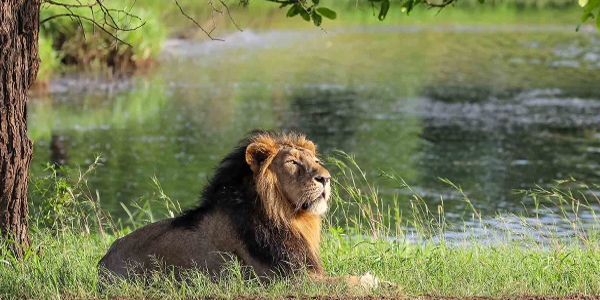
6. Gir National Park, Gujarat

Chasing the Wild: 15 Incredible Indian Wildlife Getaways for Summers

The only place in the world to see Asiatic lions in the wild, along with leopards and antelope species.

7. Pench National Park, Madhya Pradesh–Maharashtra

Chasing the Wild: 15 Incredible Indian Wildlife Getaways for Summers

A serene forest landscape with tigers, wild dogs, and diverse flora and fauna.

8. Tadoba Andhari Tiger Reserve, Maharashtra

Chasing the Wild: 15 Incredible Indian Wildlife Getaways for Summers

Often called the “Gem of Vidarbha,” it offers some of the best tiger sightings in India.

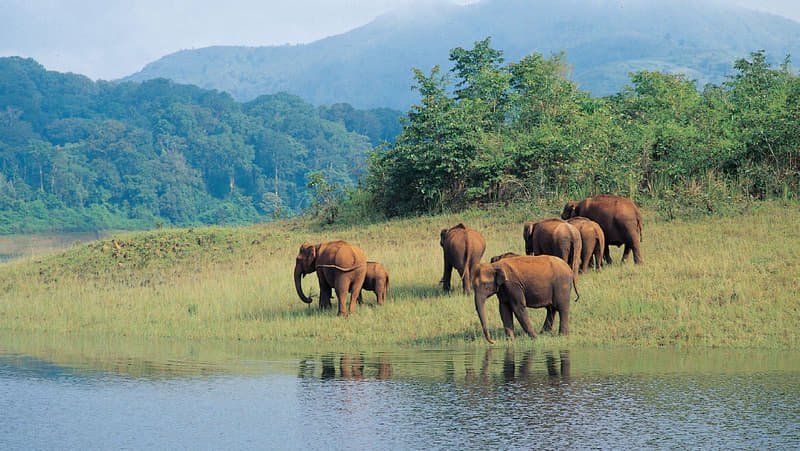
9. Periyar National Park, Kerala

Chasing the Wild: 15 Incredible Indian Wildlife Getaways for Summers

Unique for its boat safaris on a scenic lake, where elephants and other wildlife gather.

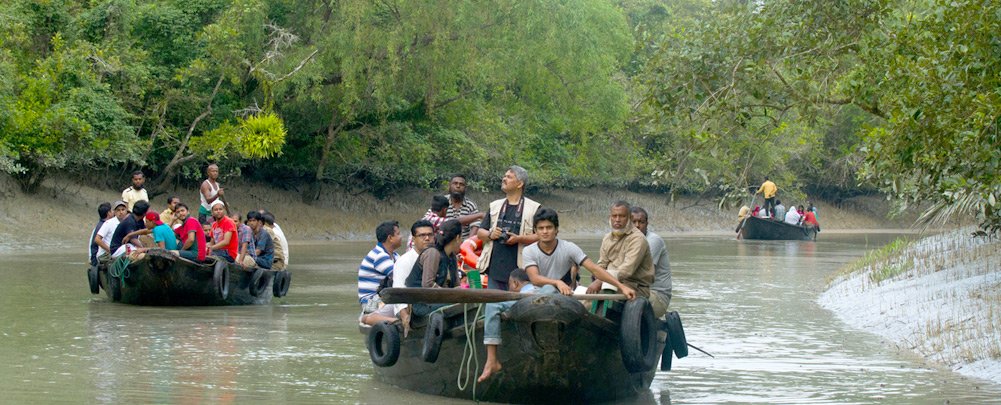
10. Sundarbans National Park, West Bengal

Chasing the Wild: 15 Incredible Indian Wildlife Getaways for Summers

A unique mangrove ecosystem and home to the elusive Royal Bengal Tiger, explored through boat safaris.

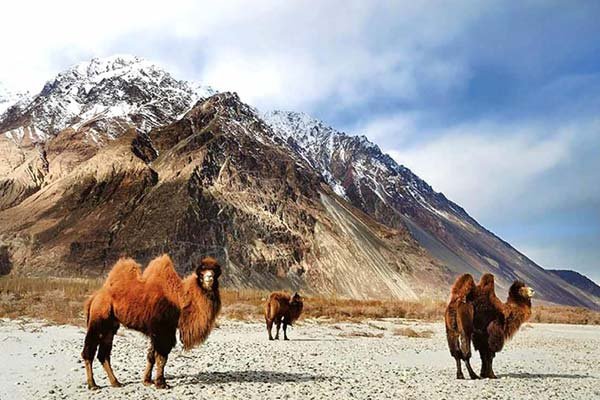
11. Hemis National Park, Ladakh

Chasing the Wild: 15 Incredible Indian Wildlife Getaways for Summers

A high-altitude desert park known for the rare snow leopard and stunning Himalayan landscapes.

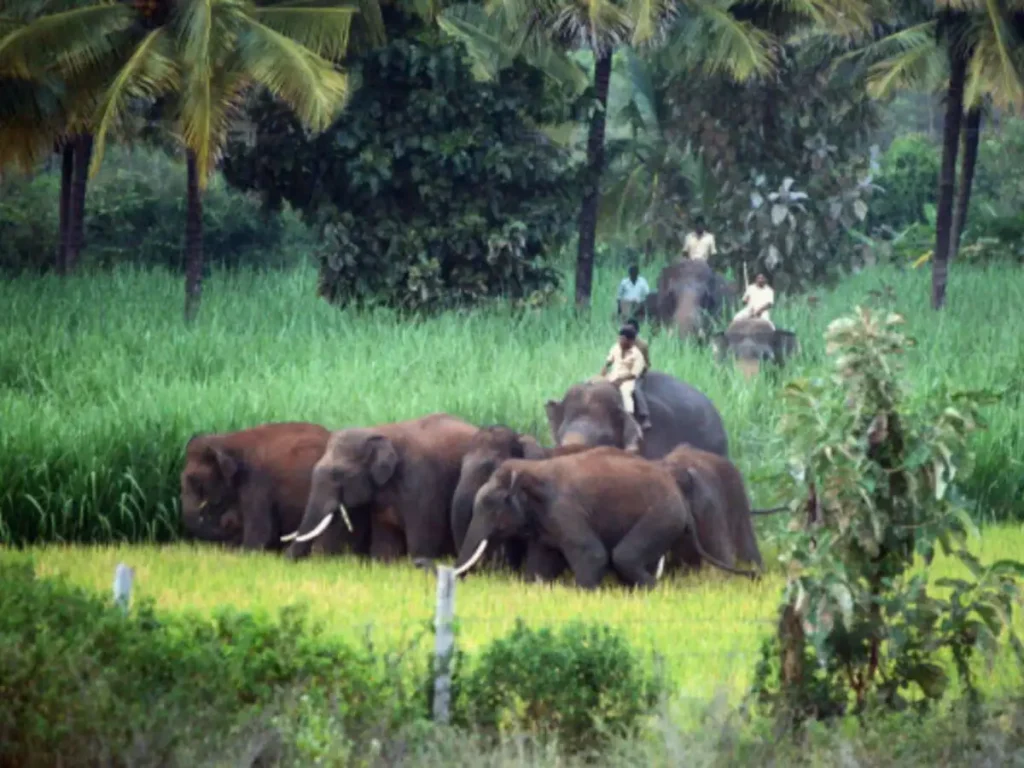
12. Nagarahole National Park, Karnataka

Chasing the Wild: 15 Incredible Indian Wildlife Getaways for Summers

Rich in elephants, tigers, and birdlife, offering lush forest safaris in South India.

13. Bandipur National Park, Karnataka

Chasing the Wild: 15 Incredible Indian Wildlife Getaways for Summers

Part of the Nilgiri Biosphere Reserve, known for elephants and diverse wildlife corridors.

14. Satpura National Park, Madhya Pradesh

Chasing the Wild: 15 Incredible Indian Wildlife Getaways for Summers

Offers a unique experience with walking safaris, boat rides, and rich biodiversity.

15. National Chambal Sanctuary (MP–UP–Rajasthan)

Chasing the Wild: 15 Incredible Indian Wildlife Getaways for Summers

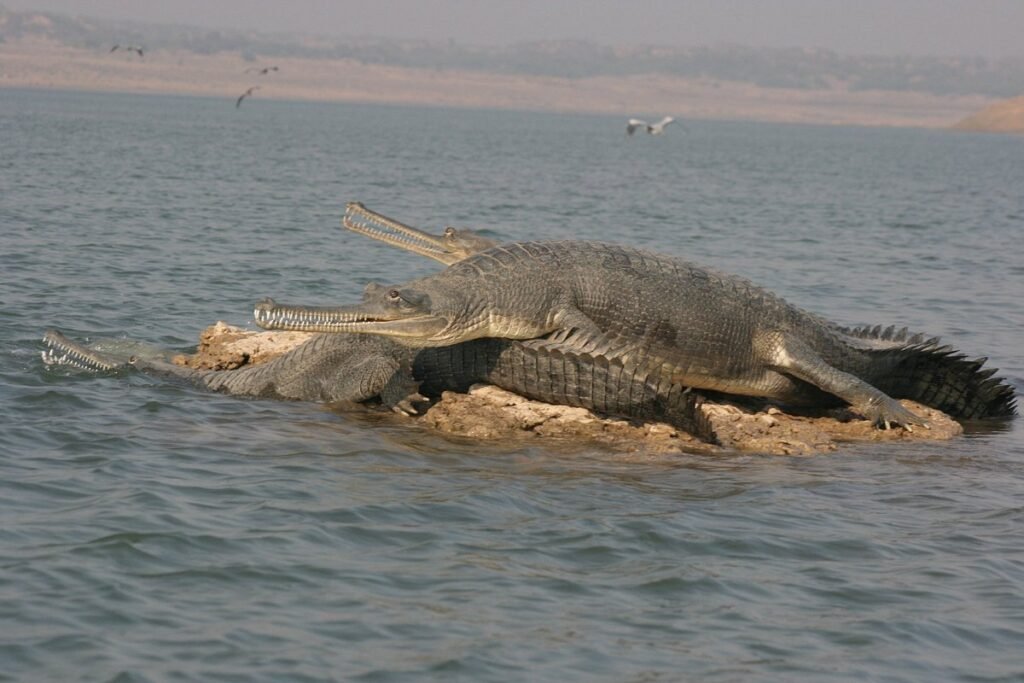
Famous for gharials, river dolphins, and pristine river ecosystems.

What Makes These Destinations Special?

These parks are not just about spotting animals—they offer varied experiences:
●Big Cats: Tigers in Ranthambore, Bandhavgarh, Tadoba
●Rare Species: One-horned rhinos in Kaziranga, Asiatic lions in Gir
●Unique Safaris: Boat safaris in Sundarbans and Periyar
●Exotic Landscapes: Himalayan terrain in Hemis, mangroves in Sundarbans

Conclusion: A Summer of Wilderness and Wonder

Wildlife tourism in India during summer is an adventure like no other. It combines thrill, patience, and the raw beauty of nature. Whether it’s the roar of a tiger, the calm of a forest lake, or the sight of a rare species in its natural habitat, these experiences stay with you forever.

This summer, step beyond the usual hill stations—into the wild, where nature tells its most powerful stories.

Unplug to Reconnect: Why a Digital Detox Matters More Than Ever

0

What is a Digital Detox?

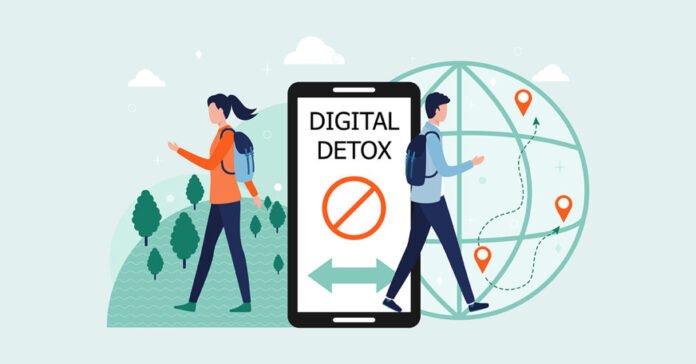
In today’s screen-driven lifestyle, a digital detox has become more than just a trend—it is a conscious lifestyle choice. It refers to taking a deliberate break from digital devices such as smartphones, laptops, and social media platforms to reduce mental clutter and restore balance. Rather than abandoning technology, it encourages mindful and controlled usage.

Why is it Important Today?

We live in an era of constant notifications, endless scrolling, and the pressure to remain perpetually connected. This digital overload often leads to stress, anxiety, poor sleep, and reduced attention span. The human brain, not designed for continuous stimulation, begins to feel overwhelmed. A digital detox offers a much-needed pause, allowing the mind to reset and regain clarity.

Benefits of Unplugging

The advantages of a digital detox are both immediate and transformative. Mentally, it reduces stress and improves focus, helping individuals become more productive. Emotionally, it fosters mindfulness and a deeper sense of presence in everyday life. Physically, limiting screen time—especially before bed—enhances sleep quality by reducing exposure to blue light. Socially, it encourages meaningful, face-to-face interactions, strengthening relationships that often suffer in the virtual world.

A Necessity for Everyone

From students glued to online classes to professionals navigating remote work, digital dependence affects all age groups. Even children are increasingly exposed to screens at an early age. Therefore, adopting digital detox habits is not optional—it is essential for maintaining overall well-being and preventing long-term health concerns.

How to Practice a Digital Detox

A digital detox does not require extreme measures. Small, consistent steps can make a significant difference. Start by setting screen-free hours, especially in the morning and before bedtime. Turn off unnecessary notifications and create “no-phone zones” such as dining areas. Replace screen time with offline activities like reading, exercising, journaling, or spending time in nature. Even short breaks from devices can have a powerful impact.

Conclusion: Disconnect to Reconnect

Ultimately, a digital detox is about reclaiming control over our lives. Technology is a powerful tool, but it should not dictate our time, attention, or well-being. By consciously unplugging, we create space to recharge, reflect, and reconnect—with ourselves, our surroundings, and the people who truly matter.

Lab-Grown “Bodyoids”: Breakthrough in Biotechnology or an Ethical Dilemma?

0

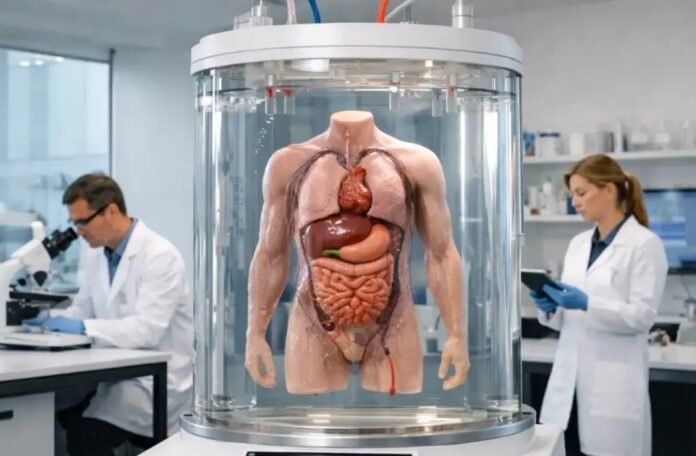
A controversial new idea emerging from the world of biotechnology is pushing the boundaries of science—and ethics. Reports suggest that a US-based startup, R3 Bio , is exploring the possibility of developing lab-grown human biological systems, sometimes referred to in media as “bodyoids.” While the term itself is not scientific, it broadly describes experimental concepts involving human-derived biological structures that could one day transform medical research.

At its foundation, this idea builds upon advances in organoids and regenerative medicine. Scientists today can already grow miniature versions of organs—such as liver, kidney, or brain tissues—from stem cells in controlled lab environments. However, the concept of creating integrated, full-body biological systems without a brain or consciousness remains far beyond current scientific capability and is largely theoretical at this stage.

Despite this, the potential applications being explored are significant. One of the major limitations in modern medicine is the reliance on animal testing, which often fails to accurately replicate human biological responses. More advanced human-based models could improve drug testing by offering better insights into how treatments affect complex biological systems. In the long term, such research could also contribute to developments in organ science, potentially helping address shortages in transplantable organs.

Yet, the ethical concerns surrounding such possibilities are profound. Even if these biological systems are designed to be non-sentient, the idea of creating human-like structures for experimentation raises difficult moral questions. Scholars in bioethics argue that society must carefully consider where to draw the line between innovation and exploitation. Concerns range from the commodification of human biological material to the broader psychological and societal impact of such technologies.

It is also important to approach such developments with caution. Much of the discussion remains speculative, and there is limited publicly verified scientific data supporting the creation of full-body systems as described. Experts emphasise that current biotechnology is still far from achieving such capabilities, and significant scientific, regulatory, and ethical challenges remain.

In conclusion, the idea of lab-grown “bodyoids” represents both an intriguing scientific frontier and a complex ethical crossroads. As biotechnology continues to evolve, the challenge will not only be what science can achieve, but also what society is willing to accept.

Richa Kar and the Rise of Zivame: Redefining Comfort, Confidence, and Choice

0

In a society where conversations around lingerie were once hushed and often uncomfortable, Richa Kar emerged as a bold changemaker. By challenging deep-rooted social taboos and identifying a critical gap in the market, she built Zivame into one of India’s most recognised intimate wear platforms. Her journey is not just about entrepreneurship—it is about empowerment, cultural change, and redefining consumer experiences for millions of Indian women.

Early Life and Professional Roots

Born in Jamshedpur, Jharkhand, Richa Kar grew up in a middle-class family that valued education and ambition. She pursued engineering from BITS Pilani and later earned her MBA from Narsee Monjee Institute of Management Studies (NMIMS), Mumbai.

Before venturing into entrepreneurship, she gained corporate experience working with companies like Spencer’s retail and SAP . It was during her time at SAP, while working on global retail projects, that she noticed a stark contrast between the structured lingerie retail industry abroad and the fragmented, often uncomfortable experience in India.

The Birth of Zivame: Breaking a Taboo

The idea for Zivame was rooted in a simple yet powerful observation—Indian women lacked privacy, choice, and proper guidance while purchasing lingerie. Social stigma, limited size availability, and untrained retail staff made the experience inconvenient and often embarrassing.

In 2011, Richa Kar launched Zivame as an online platform to address these issues. By offering a discreet shopping experience, detailed size guides, and a wide variety of products, she aimed to make lingerie shopping both accessible and empowering. At a time when e-commerce itself was still evolving in India, choosing such a sensitive category required immense courage and conviction.

Building a Brand That Stands for More

Zivame quickly grew beyond being just an online store. It became a brand that stood for body positivity, comfort, and confidence. The platform introduced Indian consumers to the importance of proper fit and personal choice, something that had long been overlooked.

Over time, Zivame expanded into offline retail, adopting an omnichannel approach that blended digital convenience with physical store experiences. The brand offered everything from everyday essentials to premium collections, catering to a wide range of body types and preferences.

Challenges Along the Way

Richa Kar’s journey was far from smooth. Operating in a category considered “taboo” brought its own set of challenges. From scepticism among investors to hesitation from landlords unwilling to lease office space for a lingerie business, she faced resistance at multiple levels.

However, her clarity of vision and belief in solving a genuine problem kept her going. Instead of being deterred, she used these challenges as stepping stones to build a stronger and more inclusive brand.

Growth, Investments, and Milestones

Under her leadership, Zivame became one of India’s leading lingerie platforms, attracting significant investor interest. Notably, it received backing from prominent investors including Ratan Tata and venture capital firm Kalaari Capital.

A major milestone came in 2020, when Reliance Retail acquired a majority stake in Zivame, marking the brand’s transition into a larger retail ecosystem. By this time, Zivame had already established itself as a household name in the intimate wear segment.

Richa Kar stepped away from day-to-day operations in 2017, but her role in shaping the brand’s identity and direction remains foundational.

Recognition and Awards

Richa Kar’s contribution to entrepreneurship and women’s empowerment has been widely recognised. She was featured in The Economic Times 40 Under 40 list in 2014 and has received accolades such as the Femina Women Award and the NDTV Unicorn Start-up Award. She has also been recognised among India’s most influential women in business, reflecting her impact not just as a founder but as a thought leader.

A Lasting Impact

What sets Richa Kar apart is not just the success of Zivame, but the cultural shift she helped initiate. She played a key role in normalising conversations around lingerie in India, encouraging women to prioritise comfort, fit, and self-confidence over societal judgment.

Her journey highlights how entrepreneurship can go beyond profits to create meaningful social change. By addressing an overlooked yet essential need, she empowered millions of women to make informed choices about their bodies and personal comfort.

Final Thoughts

Richa Kar’s story is a powerful reminder that true innovation often lies in solving problems that others hesitate to address. From breaking taboos to building a successful brand, her journey reflects courage, resilience, and vision.

Today, Zivame stands not just as a business success, but as a symbol of changing mindsets in modern India—an enduring legacy of a woman who dared to think differently and act boldly.


India: The Land of Spices That Flavoured the World

0

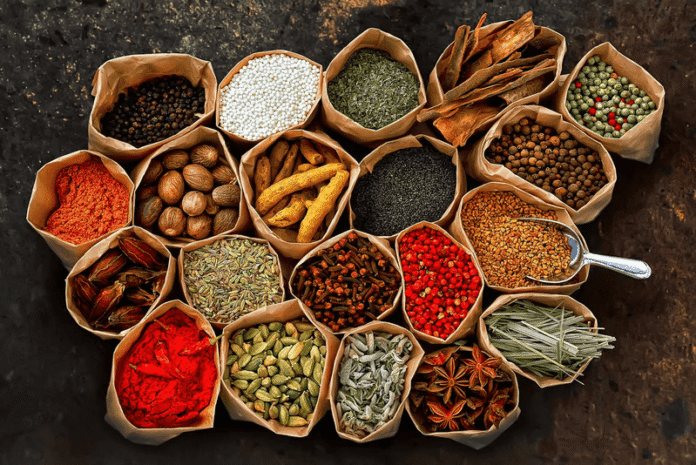
For centuries, India has been celebrated as the “Land of Spices”—a title rooted in its extraordinary diversity, quality, and historical influence. From ancient trade routes to modern global markets, Indian spices have not only shaped cuisines but also influenced economies, cultures, and even the course of world history.

A Land Blessed with Unmatched Spice Diversity

India is the largest producer, consumer, and exporter of spices in the world, cultivating a remarkable variety thanks to its diverse climates—from tropical coasts to arid plains.
Today, the country grows over 60 varieties of spices commercially, making it one of the richest spice-producing regions globally.

From the cardamom hills of Kerala to the dry landscapes of Rajasthan and Gujarat, each region contributes uniquely to India’s spice basket, creating a vibrant tapestry of flavors and aromas.

Spices India Popularised Across the World

India has long been at the heart of the global spice trade, introducing and popularising numerous spices across continents. Some of the most iconic include:

●Black Pepper – Known as the “King of Spices”, once so valuable it was used as currency
●Cardamom – The “Queen of Spices”, prized for its rich aroma
●Turmeric (Haldi) – A golden spice revered for its culinary and medicinal uses
●Cumin (Jeera) – A staple in cuisines across Asia, the Middle East, and beyond
●Coriander (Dhania) – Widely used in spice blends worldwide
●Ginger (Adrak) – Valued for both flavor and therapeutic benefits
●Fenugreek (Methi) and Fennel (Saunf) – Essential in Indian and global cooking
●Cloves, Nutmeg, and Mace – Key spices in historical trade networks

While some spices like chilli were introduced to India from the Americas, India played a crucial role in cultivating, adapting, and exporting them globally, making them integral to international cuisines.

India remains the largest producer of turmeric, contributing a significant share of global production and supply.

Uses of Indian Spices: Beyond Taste

Indian spices are far more than flavor enhancers—they are multi-functional ingredients with wide-ranging applications:

Culinary Uses
Spices form the backbone of Indian cuisine and are essential to global dishes. From curries to seasoning blends like garam masala, they add depth, aroma, and color.

Medicinal & Ayurvedic Uses
In Ayurveda , spices like turmeric, ginger, and black pepper have been used for centuries to:
●Boost immunity
●Improve digestion
●Reduce inflammation

Industrial & Commercial Uses
Spices are also used in:
●Pharmaceuticals (extracts and essential oils)
●Cosmetics and skincare products
●Food preservation and processing
●Perfumes and aromatherapy

India’s Spice Trade: A Global Powerhouse

India’s spice legacy continues to thrive in the modern economy.

●The country exports spices to over 200 countries worldwide
●Annual spice exports are valued at over USD 4 billion
●Major export destinations include the USA, China, UAE, Bangladesh, UK, and Germany

Leading Spice Exports:

●Chilli – India’s largest exported spice by value
●Cumin – Highly demanded in global markets
●Turmeric – Growing demand due to health benefits
●Mint products and spice oils – Key value-added exports

This thriving trade not only strengthens India’s global presence but also supports millions of farmers and workers across the country.

The Spice Route: A Legacy That Changed History

The global demand for Indian spices once drove explorers and traders to seek new routes to the East. The search for these precious commodities led to the discovery of sea routes by European powers, fundamentally reshaping global trade and geopolitics.

Spices were once worth their weight in gold—and India stood at the center of this lucrative exchange.

Final Thoughts

India’s richness in spices is not merely agricultural—it is historical, cultural, and scientific. From ancient Ayurvedic traditions to modern kitchens across the world, Indian spices continue to define flavors, heal bodies, and connect cultures.

Whether it is the warmth of turmeric, the fragrance of cardamom, or the sharpness of pepper, these spices are more than ingredients—they are a timeless legacy that continues to flavour the world.

FSSAI Urgent Warning: Never Eat Fruit Stickers! Hidden Health Risks in Adhesive Glue Revealed

0

PC(Times Now, Amau Ujala)

The Food Safety and Standards Authority of India (FSSAI) has issued a strong advisory urging all consumers to immediately remove stickers from fruits and vegetables before eating them. The warning highlights that the adhesives used on these Price Look-Up (PLU) labels can leave behind harmful chemical residues that are not safe for consumption.

While these small stickers help supermarkets with tracking, pricing, and identifying whether produce is organic or conventionally grown, experts warn that the glue behind them poses potential health risks especially with repeated exposure. Why FSSAI Wants You to Remove Fruit Stickers the adhesives on fruit and vegetable stickers often contain chemicals, including surfactants, that are not food-grade and are not meant to be ingested. These residues can:

Trap bacteria, dirt, and pesticides underneath the sticker, making them harder to wash away with normal rinsing. Migrate into the produce through the porous skin of fruits and vegetables, especially when exposed to heat or sunlight. Cause digestive issues such as throat irritation, stomach discomfort, or nausea. Pose higher risks to children and the elderly, who may accidentally swallow small pieces or be more sensitive to chemical exposure. FSSAI emphasizes that even if the sticker itself is labeled “food-grade,” the adhesive is not intended for eating. Regular consumption of these residues over time could lead to long-term health concerns.

FSSAI’s Key Safety Recommendations to protect your family’s health, the food regulator advises the following simple but important steps: Remove stickers immediately – Take them off as soon as you bring the produce home. Wash thoroughly Rinse fruits and vegetables under clean running water for at least 5 minutes. Peel when possible Remove the skin or cut away the area where the sticker was attached. Avoid soaps and disinfectants.Never use detergent, soap, or chemical cleaners directly on fresh produce. Check for quality – Don’t assume produce with stickers is premium; stickers are sometimes used to hide defects or decay. For extra cleaning, you can use a mild solution of 50ppm chlorine in warm water, but plain running water remains the primary recommendation.

FSSAI Urgent Warning: Never Eat Fruit Stickers! Hidden Health Risks in Adhesive Glue Revealed

PLU (Price Look-Up) stickers are common in supermarkets and mandis. A 4-digit code (starting with 3 or 4) usually indicates conventionally grown produce, while a 5-digit code starting with 9 means it is organic. However, these convenience labels come with a hidden hygiene cost that many people overlook. In a country where fresh fruits and vegetables are part of daily meals, small changes can make a big difference Always peel or cut the sticker area before eating apples, pears, mangoes, or cucumbers.

Use a clean vegetable brush for firm-skinned produce. Store washed produce properly in the refrigerator. Never leave fruits and vegetables in hot cars or outside where they can attract pests or spoil faster. FSSAI’s timely alert serves as an important reminder that food safety starts at home with basic hygiene practices. While occasional accidental ingestion may not cause immediate harm, being mindful of sticker residues can help reduce unnecessary chemical exposure – especially for children.