Home Blog Page 89

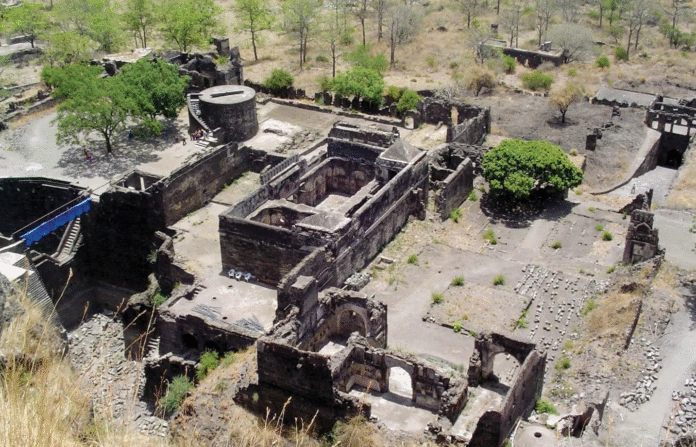
Israel Attacks 500-Year-Old Golestan Palace in Iran: Know USPs of this Once UNESCO World Heritage Palace…

0

Israel has reportedly attacked Iran’s 500-year-old Golestan Palace, causing partial damage to parts of the historic complex. However, the valuable and historic artifacts housed at the site had already been moved to secure locations and were therefore saved.

The information was reported by the Iranian news agency Mehr News Agency.

Golestan Palace was originally built in the 16th century during the Safavid period. For centuries, it served as the residence of Iranian monarchs and the principal seat of power. Today, it is a major tourist attraction and was inscribed on the UNESCO World Heritage List in 2013. The palace complex is currently managed by Iran’s Cultural Heritage Organization.

Renowned as a masterpiece of Persian architecture, Golestan Palace is among the oldest historic structures in Tehran. Its intricate detailing is evident throughout the complex, with arches, halls, and walls decorated with elaborate patterns, mirror work, and paintings.

It is worth noting that the Great Wall of Gorgan, also known as the Red Wall, is a separate historical structure in Iran. Built during the Sassanian era to defend the empire’s northern frontiers, it is famous for its vast length and advanced engineering, but it is not part of the Golestan Palace complex.

How Retailers Quietly Predict Your Next Purchase

0

Ever wonder why that online ad feels like it read your mind or why the product you were considering yesterday shows up in your inbox this morning?

Retailers have turned prediction into an art, using a mix of advanced algorithms, consumer data, and psychological cues to anticipate what you’ll buy next.

This article pulls back the curtain on how brands analyze your clicks, purchases, and even emotions to forecast your needs—often before you realize them yourself.

We’ll break down the technology and tactics behind this quiet revolution, giving you insight into how modern retail really works in 2025.

The Odds Game: How Retailers Use Predictive Analytics to Anticipate Your Next Move

Walk into any store or browse an online shop and you’re already part of a game of probabilities.

Retailers use the same logic as seasoned bettors: looking at data, weighing risks, and making smart guesses about what you’ll do next.

Behind the scenes, predictive analytics crunch massive piles of data—from your past purchases to local weather—to forecast which products will sell and who’s likely to buy them.

This approach isn’t just about guessing. Retailers feed transaction histories, browsing habits, and even social trends into algorithms designed to spot patterns faster than any human could.

The result? Store shelves stay stocked with what’s trending. Online ads follow you with uncanny precision. Offers seem tailor-made for your life stage or even your mood that day.

If you’ve wondered how your favorite retailer always seems a step ahead, it’s because they’re using the same types of probability models found in professional betting circles.

For anyone curious about how these odds really work—and how businesses tilt them in their favor—resources like Smart Betting Guide break down the math and decision-making behind probability-driven strategies in plain language.

Understanding these systems can help you recognize when a deal is truly special—and when you’re being nudged by a very sophisticated guess.

Decoding the Data: What Retailers Know About You

Walk into a store or scroll through your favorite shopping app, and you’re leaving behind a steady stream of clues about what you want.

Retailers track every purchase, website visit, search, and even how long you linger in an aisle. These digital breadcrumbs are gathered from both online and offline activity.

The data isn’t just limited to transactions. Retailers collect information from emails opened, loyalty cards used, wish lists created, and interactions on social media. Even in-store foot traffic is mapped out using sensors or your phone’s location data.

This mosaic of information lets companies build detailed customer profiles that feel almost eerily personal. The goal? To anticipate your needs—sometimes before you realize them yourself—and use these insights to tailor product recommendations, promotions, and even inventory decisions for maximum impact.

From Loyalty Cards to Location Tracking

Loyalty programs were once simple punch cards at the checkout. Now they’re digital ecosystems designed to capture every nuance of your buying habits.

Every time you scan a card or enter your number at checkout, the system logs what you buy, when you shop, and how often you come back. Combine this with mobile app tracking—think push notifications based on nearby deals or special offers when you’re close to a store—and retailers have a live feed of shopper behavior.

According to the 2023 SML RFID State of Retail Insight Report, there’s been a surge in RFID technology adoption and real-time mobile analytics across the retail industry. These tools allow for instant updates on stock levels while also giving deeper insight into how shoppers move through stores and interact with products.

The integration of loyalty analytics with digital touchpoints means retailers can spot patterns fast—like which items tend to get paired together or what makes customers return after a discount. This ongoing feedback loop creates more personalized experiences each time you shop.

Psychographics And Emotional Triggers

It’s not just about knowing what’s in your cart; it’s about understanding why you added it in the first place. Retailers are digging deeper by building psychographic profiles—tracking attitudes, lifestyle choices, interests, and values alongside hard purchase data.

This psychological layer helps predict not only which products might appeal but also when someone is most likely to buy based on mood or motivation. For example, someone identified as a “thrill-seeker” might see flash sales timed with big sporting events or travel promotions when adventure-related content trends online.

A 2023 analysis from Advertising Week shows that brands tapping into emotional targeting—connecting offers with people’s motivations and feelings—see better engagement rates and more conversions. Personalized emails built around life moments (birthdays or holidays) or even targeting users feeling “nostalgic” during certain seasons are common tactics now seen across major brands.

The more precisely retailers map emotions to buying triggers, the more likely their marketing will hit home—and turn predictions into actual sales.

AI, Algorithms And The Personalization Revolution

Artificial intelligence has completely changed how retailers understand and influence what you buy.

Instead of treating everyone the same, today’s retail giants use powerful algorithms to study every click, search, and purchase you make. These systems look for patterns that even a seasoned shop assistant would miss.

Behind the scenes, recommendation engines quietly suggest products based on your unique behavior, while dynamic pricing tools adjust prices and deals in real time. The end result feels almost uncanny: personalized offers and shopping experiences that feel like they read your mind before you even know what you want.

Recommendation Engines: The New Salesperson

Modern recommendation engines have become more than just helpful guides—they’re now central to how we shop online.

Every time you browse a retailer’s website or app, AI is busy analyzing your choices. It looks at your past purchases, what you’ve searched for, the items you added (and removed) from your cart, and even how long you spent looking at a particular product.

This constant analysis helps brands predict which items you’re most likely to buy next. Instead of endless scrolling, shoppers are greeted with personalized picks that cut through the noise.

The Amazon vs. Walmart 2023 Benchmark shows just how critical these systems have become. Both companies rely on advanced AI recommendations to boost conversion rates well above industry averages. The data-driven approach means customers often find exactly what they need—sometimes before they realize it themselves.

Dynamic Pricing and Real-Time Offers

If you’ve ever noticed prices changing quickly online—or received a limited-time offer right after browsing—a dynamic pricing engine was likely at work.

Retailers today don’t set prices once and forget them. Instead, algorithms track real-time factors like demand spikes, competitor pricing changes, available stock, shopper location, and even external events such as sudden weather shifts or holidays.

This flexible approach lets companies react instantly to market changes while giving shoppers highly targeted deals. For bargain hunters in places like London or New York during a holiday sale rush, this can mean catching rare discounts that last only hours—or even minutes—before adjusting again.

Dynamic Pricing Case Studies 2023 found that e-commerce brands using these tools not only increased revenue but also improved inventory management and customer satisfaction through better-timed promotions tailored to individual shopping behavior.

The Ethics and Future of Predictive Retail

As retailers get sharper at forecasting what you’ll buy, the line between convenience and intrusion gets blurry fast.

Predictive retail isn’t just about guessing your next purchase. It’s about shaping the choices you see, sometimes before you even know you want something.

This level of foresight raises big questions around privacy, consent, and how much influence brands should have on personal decisions.

At the same time, it’s clear these technologies are here to stay. The challenge for retailers is to harness them responsibly—building trust while still driving results.

Privacy, Consent, and Consumer Trust

Personalization can make shopping effortless. But when it comes at the cost of privacy, shoppers get uneasy—sometimes even angry.

According to PwC’s Global Consumer Insights Survey 2023, concerns about data privacy are on the rise across every demographic.

The research points out that while people enjoy relevant offers, they expect brands to safeguard their data with real commitment—not just promises buried in fine print.

The most successful retailers I’ve seen don’t treat consent as a legal hurdle—they view it as an opportunity to build loyalty. They’re upfront about data use, offer easy opt-outs, and explain how personalization works in plain language.

If a shopper feels respected rather than watched, trust follows—and so does long-term business.

What’s Next: Predictive Retail in 2030

If you think today’s recommendations are advanced, the next decade could feel straight out of science fiction. We’re not far from AI avatars that shop on your behalf or packages showing up before you click buy.

A 2023 forecast by SymphonyAI predicts an acceleration in predictive analytics and data-driven personalization through 2030.

This isn’t limited to product suggestions. We’re talking real-time pricing shifts, dynamic store layouts based on crowds, and services that anticipate needs before you express them—a sort of digital intuition that could change everything about retail planning and logistics.

The big question for leaders is: how far do we take it? The technology will only get more precise. Making sure it stays ethical—and genuinely helpful—will be the real test for retailers aiming to stay ahead without crossing a line.

Conclusion: Reading the Signs Before You Shop

Retailers are getting better at reading your habits and predicting what you might want next. It’s not just clever ads or product placement—it’s a mix of data, psychology, and technology working behind the scenes.

Understanding these strategies can help you recognize when you’re being nudged toward a purchase. By spotting the subtle cues, you can pause and decide if it’s really something you need.

The more aware you are of these tactics, the more control you keep over your own shopping decisions. Knowledge is a real advantage in today’s predictive retail world.


Colours on the Plate: The Flavours That Make Holi Come Alive

0

In India, every festival tells its story not only through rituals and traditions but also through food. From the sweetness of Diwali to the savouries of Dushhera, celebrations are incomplete without dishes that bring families together. Holi, the festival of colours, is no different. In fact, it may be one of the most flavourful festivals of all, where every region adds its own taste to the splash of colours.

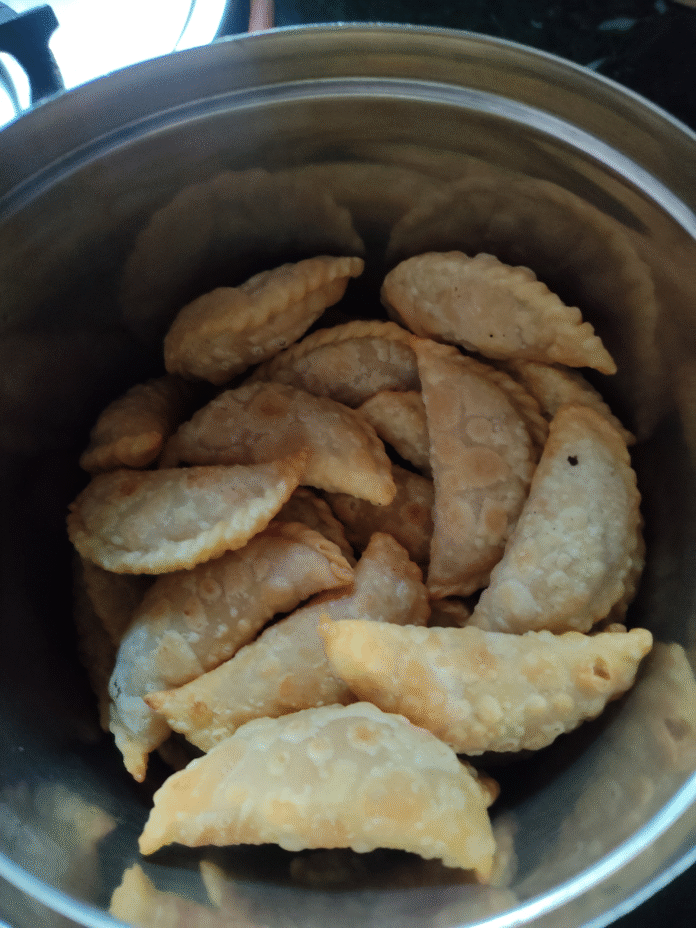
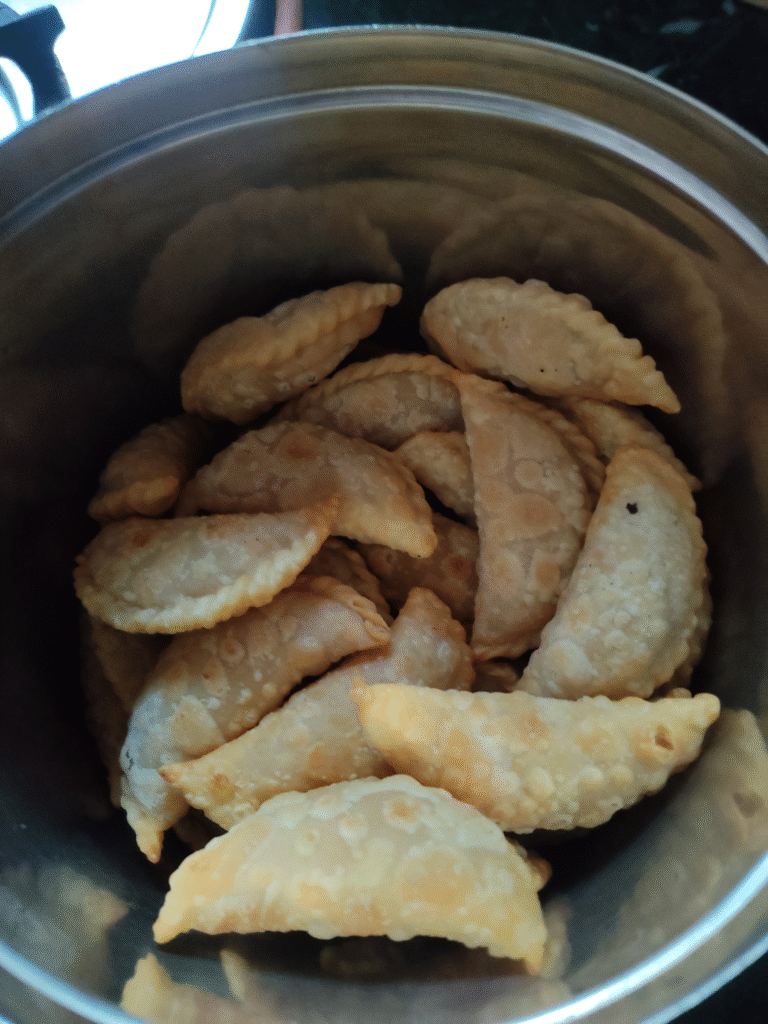
In North India, especially in Uttar Pradesh and Delhi, Holi is synonymous with gujiya , which is delicate, crescent-shaped pastries stuffed with khoya, dry fruits and coconut, deep-fried to golden perfection.

Colours on the Plate: The Flavours That Make Holi Come Alive


Alongside it is the iconic thandai , a cooling drink blended with milk, saffron, almonds, fennel seeds, rose petals and cardamom. Its refreshing nature perfectly balances the warmth of spring and the high energy of the day.

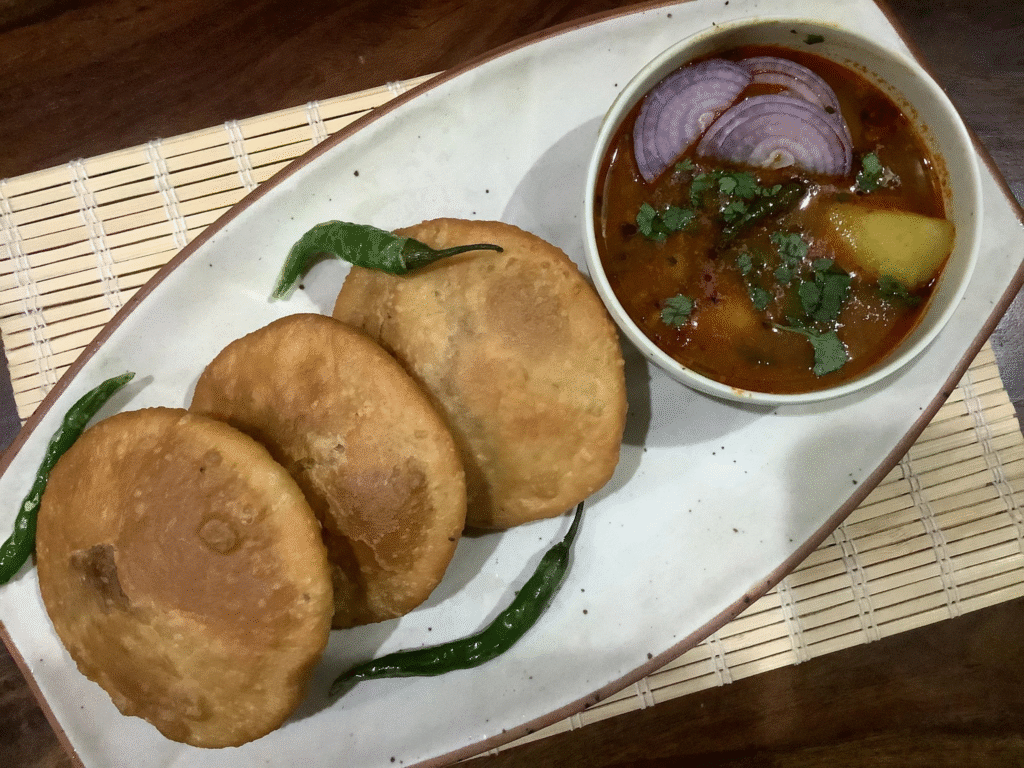
Move west to Rajasthan, and the festive table becomes richer with dal kachori , mirchi vada , and malpua , bringing a royal touch to the celebration.

Colours on the Plate: The Flavours That Make Holi Come Alive

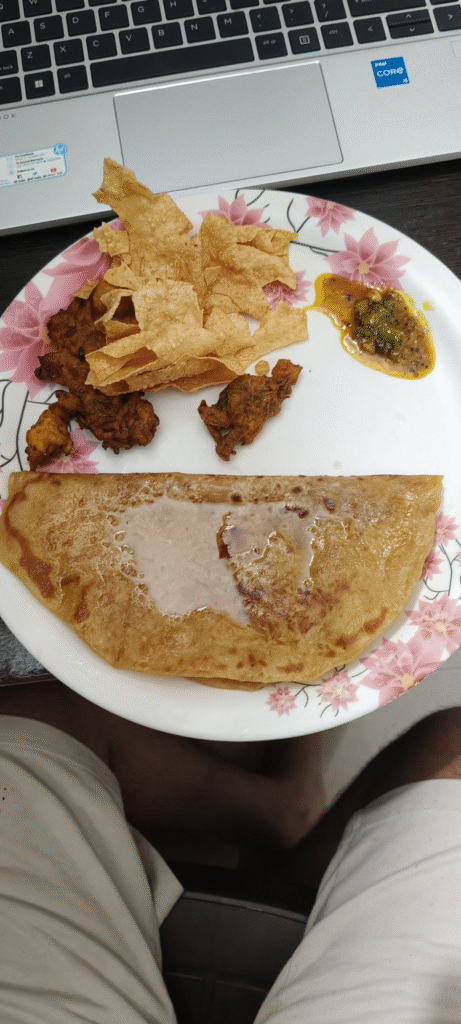
In Maharashtra, Holi is incomplete without puran poli , a soft flatbread filled with jaggery and lentils, symbolising warmth and togetherness.

Colours on the Plate: The Flavours That Make Holi Come Alive

Travel east to West Bengal, where Holi coincides with Dol Jatra, and sweets like payesh and sandesh add elegance to the festivities.

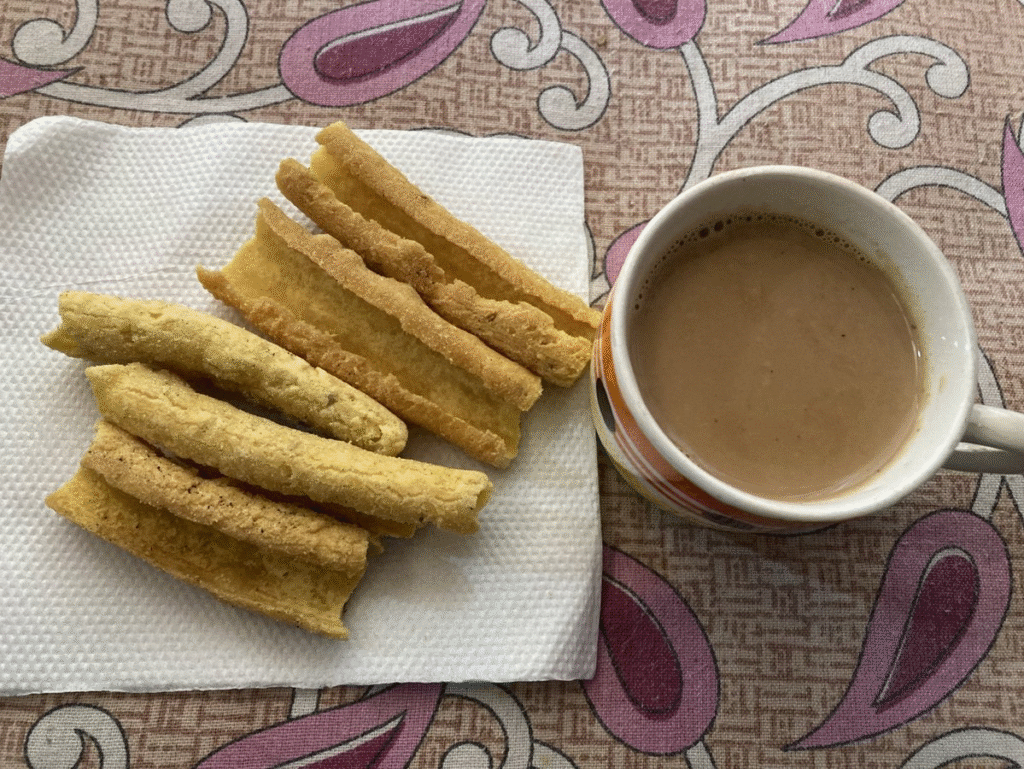
In parts of Gujarat, crispy fafda and sweet jalebi often make an appearance, blending crunch and sweetness in every bite.

Colours on the Plate: The Flavours That Make Holi Come Alive

Beyond indulgence, many Holi foods also carry gentle healing and seasonal wisdom. Ingredients like fennel, cardamom, saffron and nuts in thandai are known in traditional Indian practices for aiding digestion, boosting energy and cooling the body as summer approaches. Jaggery-based sweets help replenish energy after a long day of celebration.

Food during Holi is not just nourishment, it is memory, bonding and joy served on a plate. As colours brighten your world this year, why not let flavours inspire you too? Try preparing a regional speciality at home, experiment with a new thandai recipe, or share homemade sweets with neighbours. Because in India, festivals don’t just paint our faces, they fill our hearts, homes and kitchens with warmth.

Holi in Jodhpur Bespeaks Tales of Rang, Rhythm and Royalty…

0

In Jodhpur, the festival of Holi is an unforgettable blend of tradition, colour and spirited community joy that reflects both the city’s cultural roots and its regal history. Known as the Blue City for its iconic azure-washed lanes, Jodhpur brings Holi to life against the breathtaking backdrop of forts, markets and ancient temples, making it one of Rajasthan’s most lively festival experiences.

Holi in Jodhpur Bespeaks Tales of Rang, Rhythm and Royalty...

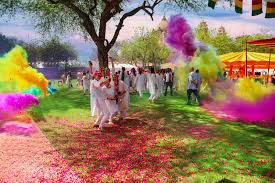
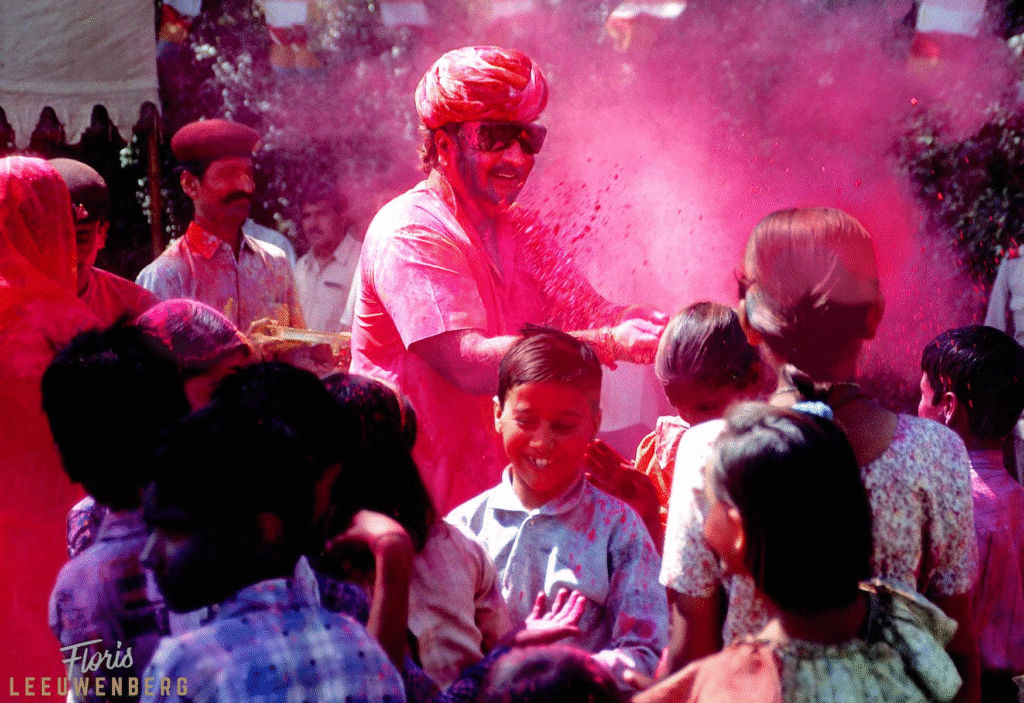
The celebrations begin with Holika Dahan in neighbourhoods across the city, symbolising the age-old legend of good triumphing over evil. Once the ceremonial fire is lit, the next day’s Rangwali Holi erupts into joyful revelry as people take to the streets with vibrant powders and water. The atmospheric lanes below Mehrangarh Fort come alive with laughter, drum beats and splashes of colour as families, friends and visitors play together with unabashed enthusiasm.

What makes Holi in Jodhpur uniquely memorable is its fusion of traditional and royal elements. While local communities engage in spirited street Holi, the grander side of festivities can be witnessed near heritage sites like Umaid Bhawan Palace, where refined celebrations reflect the city’s regal essence. Cultural performances, traditional music and dance add depth to the carnival-like atmosphere.

Holi in Jodhpur Bespeaks Tales of Rang, Rhythm and Royalty...

A special local tradition includes Gair Holi, a folk dance performed with rhythmic clapping, vibrant attire and energetic steps, a reflection of Rajasthan’s rich cultural tapestry. Though variations of Gair are found across the state, in Jodhpur it highlights the communal and artistic spirit of Holi.

Beyond the revelry, Holi in Jodhpur is a time when people come together across generations, sharing sweets like gujiya and thandai, singing age-old folk songs, and celebrating the arrival of spring with open hearts. Whether experienced in the bustling Ghanta Ghar market or beneath the ancient fort walls, Holi in Jodhpur is a vibrant, joyous fusion of heritage, colour and community spirit, truly a celebration that stays in the memory long after the colours fade.

Holi in India Tranforms into Kaleidoscope of Joy. Watch Out Videos from Kullu, Mathura, Barsana and Jaipur…

0

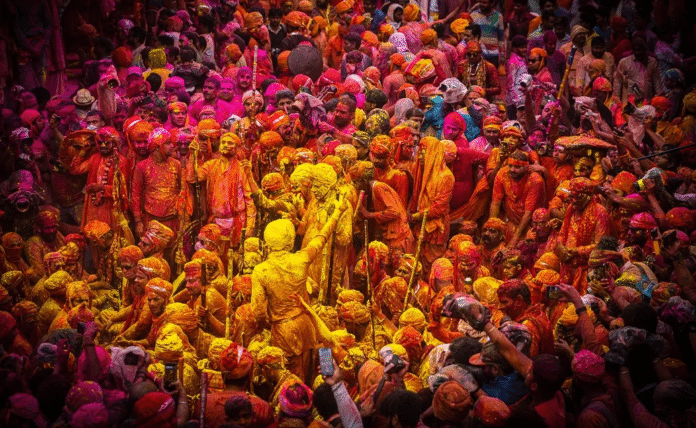
Holi transforms India into a kaleidoscope of joy, as each region offers a unique way to celebrate the arrival of spring. In Mathura And Vrindavan, celebrations last for days. Experience “Phoolon Wali Holi” at Banke Bihari Temple, where priests shower devotees with flower petals, creating a deeply spiritual and vibrant atmosphere.

Next is Barsana in UP which is famous for the legendary “Lathmar Holi,” where women playfully strike men with sticks. This ancient tradition reenacts the lore of Radha and Krishna, offering a bold, dramatic, and truly unforgettable spectacle.

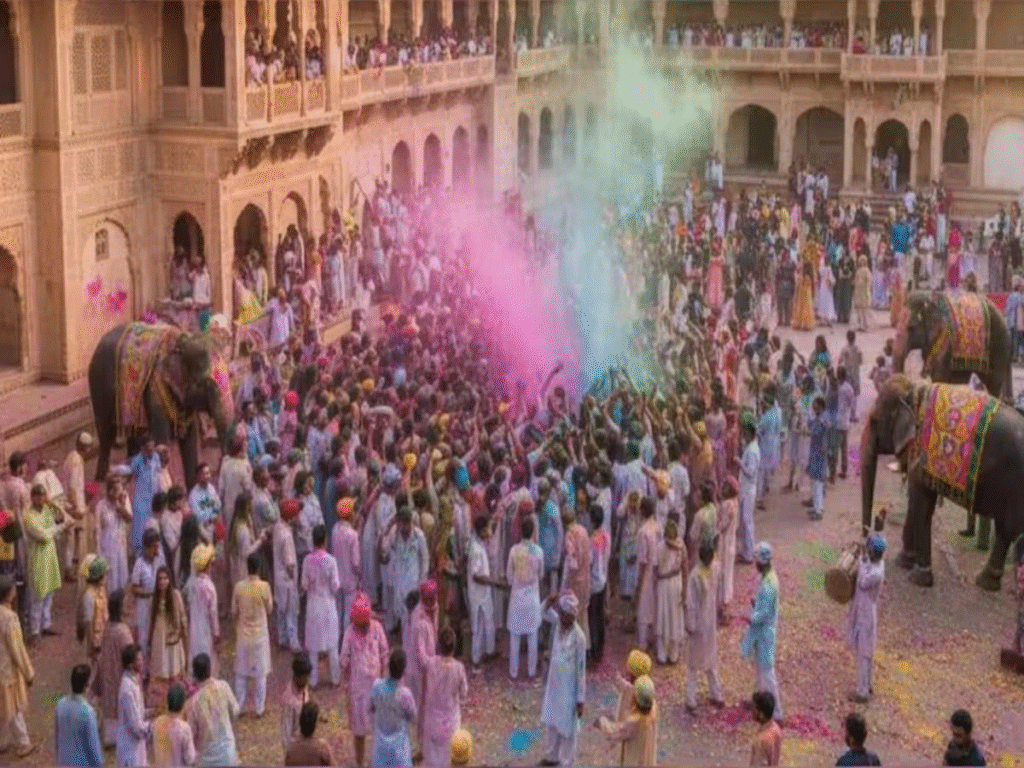
In Jaipur, the Pink City brings royal grandeur to Holi as it is celebrated in palace courtyards with folk music, traditional dances, and organic colours, blending Rajasthan’s regal heritage with structured, safe, and highly vibrant festivities.

Further, in Udaipur, one can experience a majestic Holi starting with the ceremonial bonfire at the City Palace. Royal processions, folk performances, and scenic lakeside views make this a sophisticated and elegant way to celebrate today.


Best Crypto Trading Platform with Low Fees and Deep Liquidity

0

It is not about glitzy interfaces, or even promotional bonuses anymore when it comes to making a choice of the best crypto trading platform. On the current high-paced digital asset markets, the balance of low transaction costs and deep liquidity is the actual quality. The traders, whether retailers or experienced investors, must have faith that their bids will be filled with minimal slippage and no back door fees, eating away profits.

Having a combination of competitive prices and deep order books is a platform that facilitates easier execution irrespective of the conditions of the market during a steady and unstable state.To bloggers who critique the exchanges or are giving suggestions on solutions to their audience it is vital to point out this balance. The most trustworthy platforms are those which silently provide the performance where it is needed: cost-efficiency and quality of execution.

The Role of Low Fees in Maximising Returns

The existence of trading fees has a direct effect on profitability and in particular to active traders.It may seem that even the slight percentage changes can mean a lot. Fee transparency and structure should be among the priorities when considering the best trading platform to use in crypto trading.

Key elements to consider include:

● Maker and taker fees – Competitive spreads between these costs reward the liquidity providers and make execution cheap.

● Withdrawal and deposit charges – Hidden costs can quickly outweigh attractive trading fees.

● Volume-based discounts – Tiered pricing structures benefit high-frequency or institutional traders.

● Funding fees – This is especially important in derivatives and margin trading.

● Clear fee documentation – Transparent pricing demonstrates credibility and trustworthiness.

Low fees alone, however, are not enough. Without sufficient liquidity, traders may face slippage that effectively increases the real cost of each trade. This is why cost must always be evaluated alongside market depth.

Deep Liquidity: The Foundation of Seamless Execution

Liquidity is a concept that describes the ease at which assets can be purchased or sold without the assets being affected a great deal regarding prices. A deep order book and a narrow bid-ask spread will enable its trade to be affected at or close to the expected price.

When assessing liquidity, consider the following:

● Order book depth – A high volume of buy and sell orders at multiple price levels.

● Tight spreads – Smaller gaps between bid and ask prices reduce implicit trading costs.

● High daily trading volume – Indicates active participation and healthy market activity.

● Strong market maker presence – Professional liquidity providers stabilise pricing.

● Performance during volatility – Reliable platforms maintain liquidity even during market swings.

Deep liquidity becomes particularly crucial in volatile conditions. During rapid price movements, shallow markets can cause significant slippage, turning profitable strategies into costly mistakes. The best crypto trading platform will demonstrate resilience under pressure, ensuring trades are filled efficiently regardless of market turbulence.

How to Evaluate the Right Platform

In the case of bloggers who take readers on an exchange comparison journey, it is a good idea to suggest a systematic approach of evaluation. Instead of considering just the recognition of the brand, the readers are to look at the quantitative metrics of performance

A practical checklist might include:

1. Compare effective trading costs (fees plus spread impact).

2. Review real-time order book data for major trading pairs.

3. Analyse execution speed and system reliability.

4. Check regulatory standing and security infrastructure.

5. Assess available liquidity across both spot and derivatives markets.

Encouraging readers to adopt this analytical approach ensures they select a platform that supports long-term trading efficiency rather than short-term appeal.

Conclusion: Balancing Cost and Market Depth for Sustainable Trading

Finally, equilibrium is what constitutes the best crypto trading platform. Capital protection is through low transaction costs and execution protection through deep liquidity. The combination of these two works together to make traders enjoy low levels of slippage, narrower spreads and stability in performance regardless of the changing market conditions.

To any visitor, irrespective of whether he is a risk averse newcomer to the digital asset market or a more sophisticated scale-trader, the most crucial thing to look into is platforms where competitive prices and order book depth merge. Traders can also place themselves in a better place to engage in the changing world of cryptocurrency easier and at a lower cost, by concentrating on measurable fundamentals, instead of the marketing statements.

12th-Century Yadava Pillar Found in Wardha

0

Researchers have reported the discovery of fragments of a 12th-century Mandir-style stone pillar near the banks of the Vena River in Hinganghat town of Maharashtra’s Wardha district, around 70 km from Nagpur. The find is being viewed as fresh evidence of the town’s historical and cultural importance during the medieval period.

Discovery Along the Vena River

The fragments were identified by idol researcher Panchsheel Thul during a study of ancient Mandir sites along the riverbank. What initially appeared to be ordinary stones drew attention due to intricate carvings. A subsequent joint inspection with researcher Pravin Kadu confirmed architectural features consistent with the Seuna (Yadava) dynasty of the 12th century.

The researchers believe the pillar may have been part of a sabhamandap (assembly hall) or positioned in front of the garbhagriha (sanctum). Another fragment appears to represent the pedestal or base of a main structural pillar, suggesting the presence of a substantial temple complex in the area.

Hemadpanti Style and Craftsmanship

The stone fragments are carved from locally available black basalt. A finely sculpted lotus motif stands out, reflecting advanced craftsmanship despite the hardness of the material. The carvings are characteristic of the Hemadpanti architectural style associated with Yadava rule during the 12th and 13th centuries.

Hemadpanti architecture is known for its use of large stone blocks fitted together without lime mortar, relying on precision interlocking techniques. The style is widely seen in medieval temples across Maharashtra and parts of Vidarbha, reflecting a distinctive regional school of temple construction.

Historical Context of Hinganghat

Historians note that Vidarbha flourished culturally, religiously and commercially under Yadava rule. Historical references mention settlements and temple structures along the Vena River, indicating that Hinganghat may have been a significant centre during that era.

Important Facts

  • Seuna (Yadava) dynasty ruled parts of Deccan during the 12th–13th centuries.
  • Hemadpanti style uses interlocking stones without lime mortar.
  • Black basalt is a commonly used hard volcanic rock in Deccan temple architecture.
  • Garbhagriha refers to the sanctum sanctorum of a Hindu temple.

Call for Protection and Scientific Survey

The researchers have informed the local municipal council and submitted a memorandum to the Chief Executive Officer, urging immediate protection of the fragments, which remain exposed to weather and possible damage. Authorities have advised approaching the Archaeological Survey of India for formal action.

Amondawa Tribe Still Living Without Concept of Time in Brazil’s Amazon Rainforest

0

Deep within Brazil’s Amazon rainforest, the Amondawa tribe lives without a conventional understanding of time as defined by modern civilisation. Researchers have found that the indigenous community has no linguistic or cultural equivalent for words such as “time”, “week”, “month” or “year”. Their daily lives are structured around natural cycles rather than clocks or calendars.

A study by scholars from the University of Portsmouth, published in the journal “Language and Cognition”, examined how the tribe conceptualises events and existence.

Language Without Measurable Time

The Amondawa language contains no terms referring to measurable units of time. While members can describe sequences of events, they do not treat time as an abstract, independent dimension.

Professor Chris Sinha of the University of Portsmouth clarified that the tribe is not “without time”. Instead, it does not conceptualise time in the linear and quantified manner typical of industrial societies. Sunrise, sunset and seasonal rhythms guide daily routines.

Identity Over Numerical Age

One of the most distinctive aspects of Amondawa society is the absence of numerical age. Birthdays are not recorded, and individuals do not calculate how old they are.

Instead, life stages are marked by identity changes. As children grow, they receive new names, and a person may change names several times during a lifetime. Social identity, rather than chronological measurement, defines maturity and status within the community.

Challenges of Modern Contact

Increasing contact with the outside world has exposed cultural gaps. Administrative requirements such as identity documents and passports pose difficulties because dates of birth are not recorded.

Efforts are under way to teach Portuguese to facilitate interaction with government systems. However, scholars warn that such integration may gradually erode traditional language and cultural practices.

Important Facts

  • The Amondawa tribe lives in the Amazon rainforest of Brazil.
  • Their language lacks terms for measurable time units such as year or month.
  • Life stages are marked by name changes rather than numerical age.
  • The study was published in the journal Language and Cognition.

Living in the Present

The Amondawa experience life primarily in the present, guided by environmental rhythms instead of fixed schedules. Their worldview challenges assumptions that time measurement is universal. The tribe’s way of life offers rare insight into how language shapes perception, even as modern pressures threaten the continuity of this unique cultural framework

Holika Dahan: The Eternal Triumph of Faith Over Arrogance – The Story Behind the Sacred Fire

0

PC: (Rudraksh Ratna)

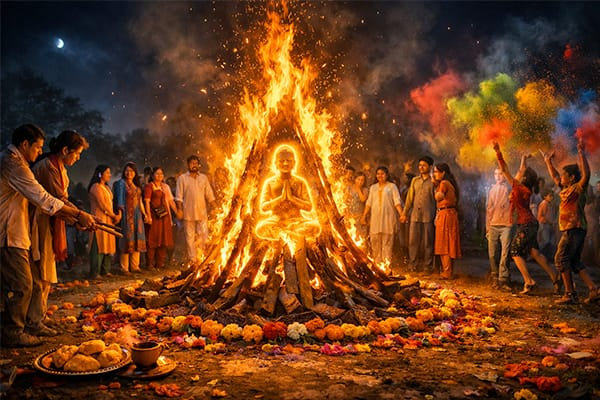
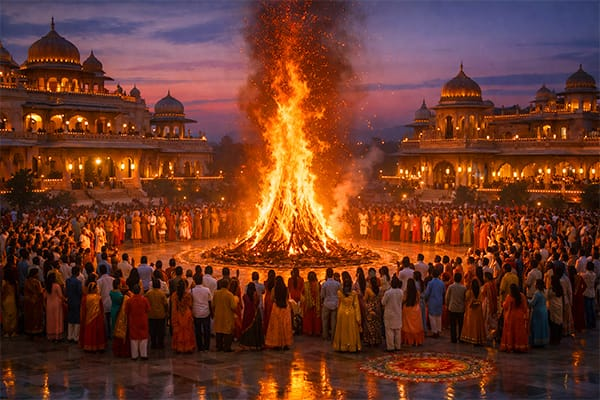
Every year, a day before Holi, neighborhoods come alive with the sight of children collecting dry twigs and branches. Families bring wood from their homes, and by evening, a large bonfire is ready. This is Holika Dahan-a ritual we’ve all witnessed since childhood, yet its profound story often remains half-remembered. Far more than a tradition, it is a powerful symbol of the destruction of ego and the victory of unwavering devotion. Rooted in ancient Puranic tales, the story of Hiranyakashyap, his sister Holika, and the young devotee Prahlad remains deeply relevant today, reminding us of the eternal battle between fear and faith.

The Tradition and Symbolic Meaning of Holika Dahan

Holika Dahan, also known as Chhoti Holi or Small Holi, takes place on the full moon night of Phalgun (Falgun Purnima). It is not merely about lighting a fire -it is a symbolic act of burning away negativity, anger, jealousy, ego, and all inner impurities. People gather around the bonfire, perform parikrama (circumambulation), offer new crop ears (barley or wheat) to the flames, and believe it brings prosperity, health, and positivity to the home. Across villages and cities, this collective ritual strengthens community bonds and marks a fresh beginning-burning the old to welcome the new.

Hiranyakashyap’s Arrogance: When a King Declared Himself God

In ancient times, there lived a powerful demon king named Hiranyakashyap. Through severe penance, he obtained a boon from Lord Brahma that made him nearly invincible: he could not be killed by man or beast, neither during day nor night, neither inside nor outside a house, neither by weapon nor by any hand-held arms. Drunk on this power, he proclaimed himself God, forbade the worship of Lord Vishnu, and forced his subjects to worship only him.

Prahlad’s Unshakable Devotion: The Power of a Child’s Faith

Hiranyakashyap’s own son, Prahlad, was born a supreme devotee of Lord Vishnu (Narayana). Despite his father’s repeated warnings, threats, and attempts to brainwash him, Prahlad refused to abandon his devotion. He chanted “Narayana, Narayana” at every moment. Enraged by this defiance, the king subjected Prahlad to horrific tortures-throwing him from mountains, crushing him under elephants, poisoning him-but each time, by Lord Vishnu’s grace, Prahlad emerged unharmed.

Holika Dahan: The Eternal Triumph of Faith Over Arrogance - The Story Behind the Sacred Fire

The Episode of Holika Dahan: Misuse of a Boon and Divine Miracle

Finally, Hiranyakashyap sought help from his sister Holika, who had received a boon that fire could never burn her (in some versions, she possessed a divine shawl that protected her from flames). On the king’s orders, Holika sat on a blazing pyre with Prahlad in her lap, intending to burn him to death. But divine justice prevailed. Because Holika was misusing her boon to harm an innocent devotee, the fire turned against her. Holika was reduced to ashes, while Lord Vishnu miraculously transferred the protective power to Prahlad. A divine shawl flew over him, shielding him completely, and he walked out unscathed. This miraculous event is commemorated every year through Holika Dahan.

Lord Narasimha Avatar and the End of Tyranny

Furious and humiliated, Hiranyakashyap challenged Prahlad: “Where is your God now?” Prahlad calmly replied, “He is everywhere-even in this pillar.” In rage, the king struck the pillar. At that instant, Lord Vishnu emerged in the terrifying yet protective form of Narasimha-half-man, half-lion. To honor the boon yet defeat the demon, Narasimha killed Hiranyakashyap at twilight (neither day nor night), on the threshold of the palace (neither inside nor outside), placed on his lap (neither on ground nor in sky), and tore him apart with his claws (neither weapon nor tool). Thus, arrogance met its end, and devotion emerged victorious.

When It Will Be Celebrated in 2026

Holika Dahan will be observed on Tuesday, March 3, 2026, in the evening during the auspicious muhurat (approximately between 6:22 PM and 8:50 PM, depending on local panchang). The main Rangwali Holi / Dhulandi follows the next day on Wednesday, March 4, 2026.

Holi Food For Swad Full On! India’s Most Iconic Festival Recipes & Drinks That Make Your Holi Extra Special

0

PC: (Alami, ginger garlic kitchen, piquant peace’s, Cube & juliennes)

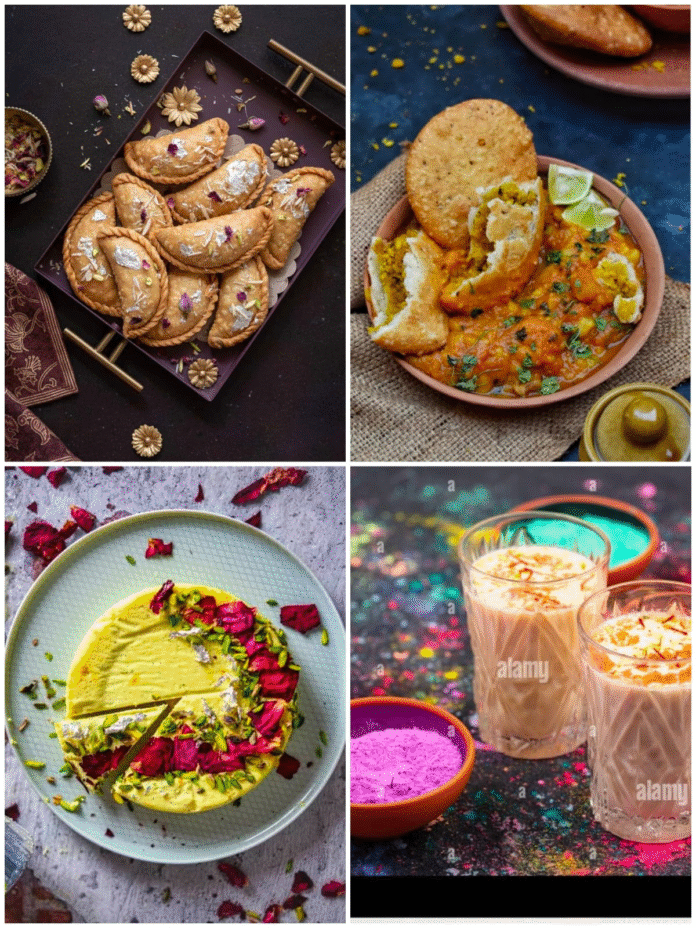
India’s Holi isn’t just about throwing colors-it’s a celebration of flavors, traditions, and togetherness! From the sweet stuffed delights of Uttar Pradesh to the cooling elixir of Bihar, these regional specials turn the festival into a delicious feast. Here’s a complete guide to the 5 most famous Holi recipes and drinks that make celebrations unforgettable across the country.

Uttar Pradesh: Gujiya – “Kya Babua, Holi Mein Aaye Aur Gujiya Na Khaye To Kya Khaak Uttar Pradesh Aaye!”

Holi Food For Swad Full On! India's Most Iconic Festival Recipes & Drinks That Make Your Holi Extra Special

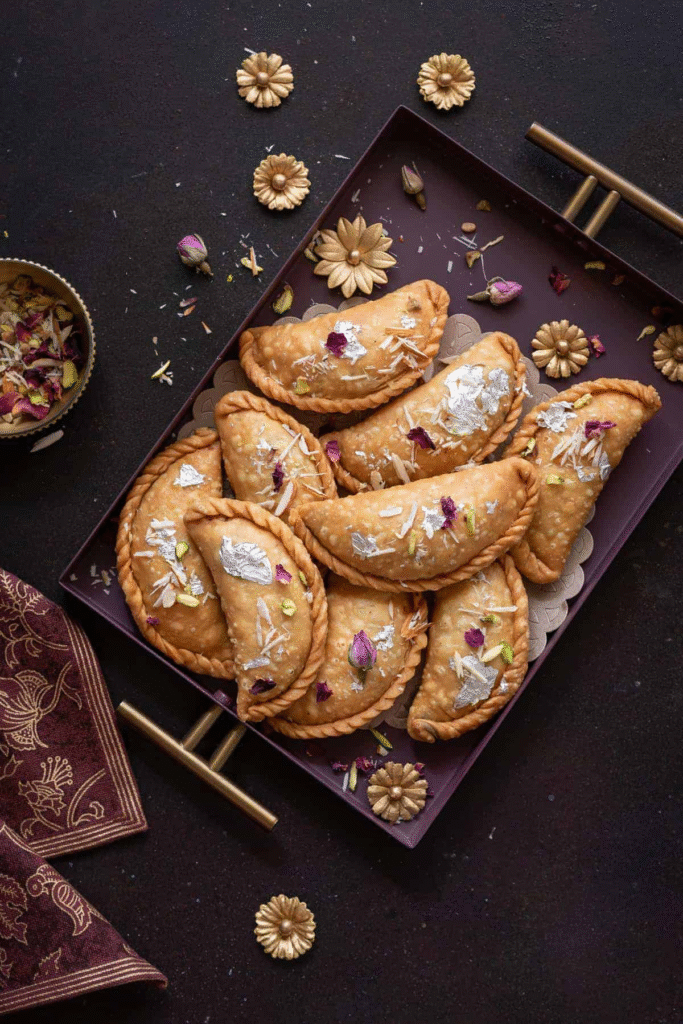
No Holi in Uttar Pradesh feels complete without the crispy, golden gujiya! This half-moon shaped sweet is the heart of every festive thali.

Filling & Preparation a rich mix of roasted khoya (mawa), sugar, grated coconut, almonds, cashews, pistachios, and cardamom is stuffed into maida dough circles. Folded into half-moons, sealed with beautiful patterns, and deep-fried to perfection.

Special Variations Sweet mawa gujiya is the classic, but savory Dahi Gujiya (fried urad dal dumplings in spiced curd with chutney) is hugely popular. In the Braj region (Mathura-Vrindavan), it’s offered as prasad at temples like Radha Raman-a tradition over 500 years old, tied to Radha-Krishna’s love.

Fun Fact making gujiya is a family bonding ritual symbolizing unity and spring’s sweetness. In 2025, a Lucknow shop

Uttarakhand: Kachori with Holi Special Aloo Ki Sabzi – The Perfect Energy Fuel

Holi Food For Swad Full On! India's Most Iconic Festival Recipes & Drinks That Make Your Holi Extra Special

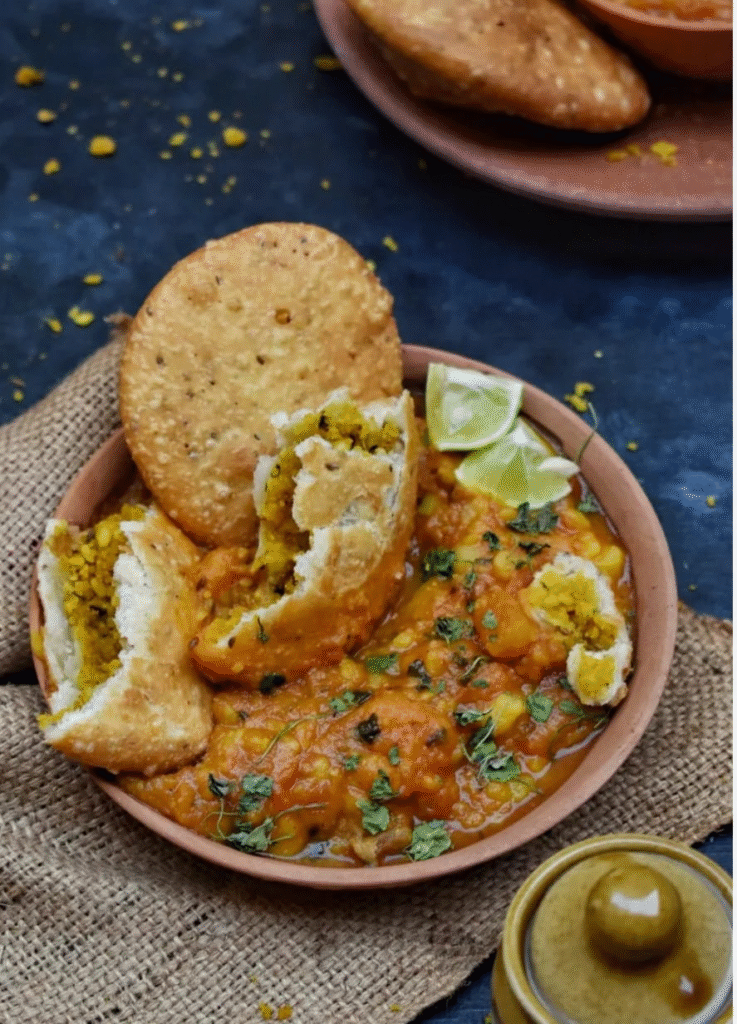
After hours of color play, you need something hot, crispy, and satisfying-enter Uttarakhand’s star combo: khasta kachori paired with spicy aloo ki sabzi! Why It’s Ideal for Holi stuffed with spicy moong dal or potato, these kachoris are deep-fried till super crunchy. Served with a flavorful potato curry (hing, turmeric, ginger, green chilies-no onion/garlic for satvik vibes), it’s portable, high-energy, and perfect for long celebrations.

Uttarakhand Twist in Kumaon, pair it with Aloo Ke Gutke (dry mustard-oil potatoes). Ideal for Baithki Holi and Khari Holi that span weeks-eat with colorful hands and enjoy!

West Bengal: Bhapa Doi

Holi Food For Swad Full On! India's Most Iconic Festival Recipes & Drinks That Make Your Holi Extra Special

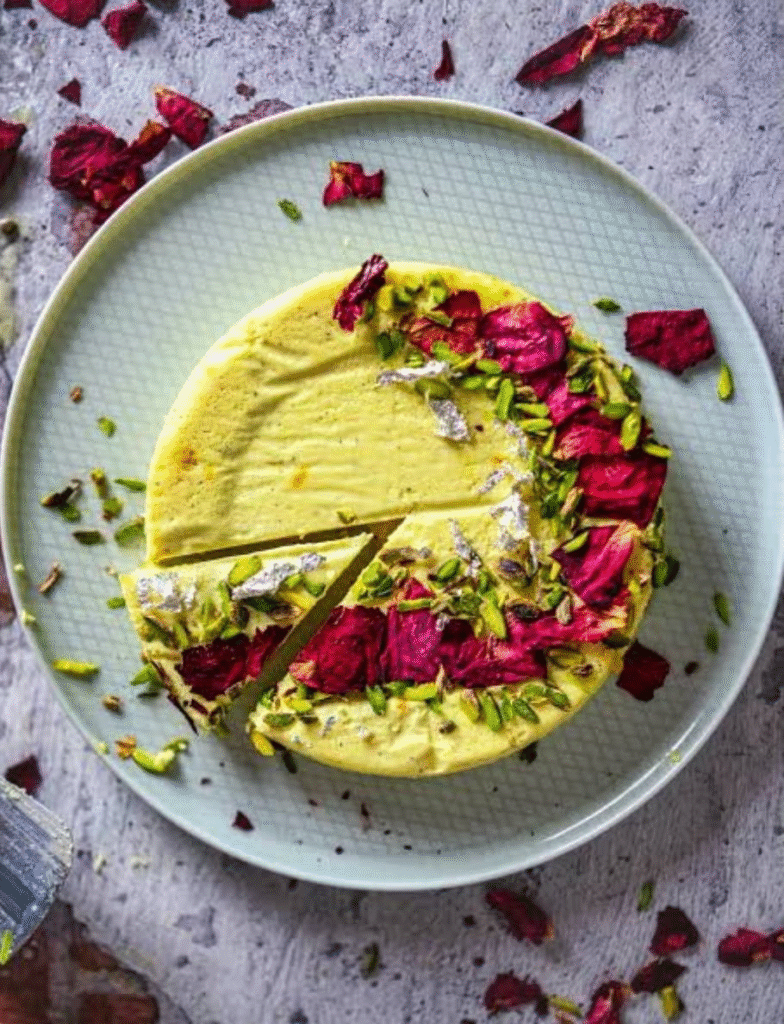
The Chilled, Creamy Bengali Delight after spicy snacks and sweets, Bengal cools things down with Bhapa Doi, a silky steamed yogurt dessert that’s light yet indulgent.

Simple Yet Divine thick hung curd mixed with condensed milk, cardamom, and saffron-steamed 20-25 minutes for a cheesecake-like texture. Served chilled, it’s refreshing as Holi signals summer. Bengal Loves It Light contrast to fried foods, easy to customize (mango, pistachio, rose), and served in matka pots for authentic vibes. Instant relief after gulal fun!

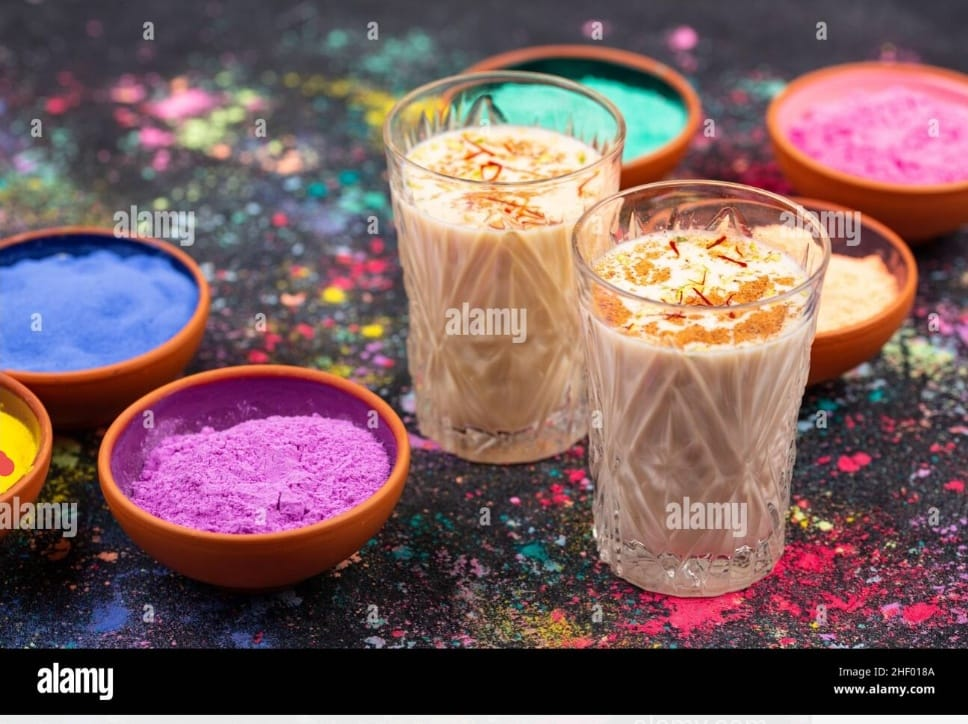
Bihar & North India: Thandai – The Cooling, Shiva-Blessed Elixir

Holi Food For Swad Full On! India's Most Iconic Festival Recipes & Drinks That Make Your Holi Extra Special

The ultimate Holi quencher: Thandai, a nutty, spiced milk drink famous in Bihar during Holi and Mahashivratri. Lord Shiva Connection believed to be Shiva’s favorite, offered as prasad to cool his rage after drinking poison (halahala) in Samudra Manthan. Symbolizes soothing the body during rising summer heat.

Why It’s a Must

Nutritious and energizing with almonds, cashews, poppy seeds, fennel, melon seeds, pepper, cardamom, saffron, and rose petals. Often laced with bhang for that classic Holi kick (consume responsibly!). Hydrates, digests, and boosts stamina for dancing. These treats blend devotion, regional pride, and pure joy. Whip them up this Holi, share with loved ones, and make the festival taste as vibrant as it looks!