Home Blog Page 67

Jewels of Mewar: A Story of Culture, Identity and Heritage

0

How Ornamentation Became an Integral Part of Life in Rajasthan

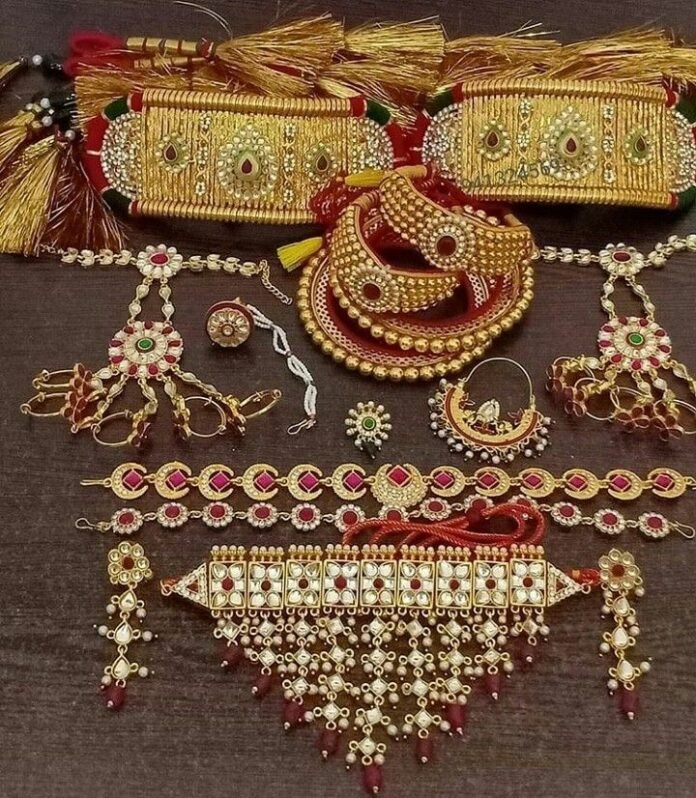
In the historic land of Mewar, jewellery has long been more than a symbol of beauty. For centuries, it has represented culture, identity and heritage—woven deeply into the everyday life of the people of Rajasthan.

From royal palaces to rural households, ornaments have been worn not only for adornment but also as expressions of social identity and tradition. The glitter of gold, the sheen of silver and the sparkle of precious stones reflect the artistic and cultural richness of the region.

Jewellery in the Royal Courts

The jewellery traditions of Mewar flourished under the patronage of the Rajput rulers of Udaipur. The royal courts encouraged artisans to create elaborate ornaments using gold, pearls and precious gemstones. These ornaments were often worn during ceremonies, royal gatherings and festivals.

Jewels of Mewar: A Story of Culture, Identity and Heritage

According to historian Dr. Uttama Singh Rao, jewellery was considered a symbol of prestige and honour in Rajput society.“Ornaments were not merely decorative objects; they reflected the dignity and social standing of the family wearing them,” she explains.

A Cultural Tradition Across Communities

While royal jewellery was known for its grandeur, ornaments were equally important among common households. Across villages in Mewar, women traditionally wore gold or silver jewellery as part of their daily attire.These ornaments often held symbolic meanings linked with marriage, prosperity and protection.

Jewellery as Heritage

Many families in Rajasthan continue to preserve jewellery as heirlooms passed down from one generation to another. These ornaments carry stories of weddings, festivals and family milestones.

Jewels of Mewar: A Story of Culture, Identity and Heritage

Historian Divyansh Saxena notes that jewellery in Rajasthan reflects a fascinating blend of history and culture.“Each ornament tells a story about the people, their traditions and their artistic sensibilities,” he says.

Today, despite changing fashion trends, the cultural importance of jewellery in Mewar remains strong—continuing to connect the present generation with centuries of tradition.

Two Navratris, Two Meanings: How Chaitra and Sharad Navratri Differ in Essence and Celebration

0

A Seasonal, Cultural and Spiritual Perspective

Navratri, the sacred festival dedicated to the worship of the Divine Goddess Durga, is celebrated multiple times a year, but the two most prominent forms are Chaitra Navratri and Sharad Navratri. While both span nine days of devotion, fasting, and worship of the Navdurga, their meaning, timing, and cultural expressions differ significantly.

Seasonal and Natural Differences

The most fundamental difference lies in their seasonal timing.

●Chaitra Navratri occurs in the Hindu month of Chaitra (March–April), marking the arrival of spring. This season symbolises renewal, growth, and new beginnings in nature. Trees bloom, crops ripen, and the environment reflects freshness and transformation.

●Sharad Navratri, on the other hand, is celebrated in Ashwin (September–October), during autumn, when the monsoon ends and the harvest season begins. It symbolises maturity, abundance, and preparation for seasonal transition.

Chaitra Navratri aligns with creation and beginnings, while Sharad Navratri reflects culmination and victory.

Spiritual Focus and Religious Significance

Though both Navratris honour Goddess Durga and her nine forms, their spiritual focus differs.

●Chaitra Navratri is deeply connected with inner purification and new beginnings. It marks the Hindu New Year in many regions and culminates in Ram Navami, celebrating the birth of Lord Rama. This Navratri is often quieter and more introspective, with emphasis on fasting, meditation, and in many traditions, Kuldevi worship within families.

●Sharad Navratri is primarily associated with the victory of Goddess Durga over Mahishasura, symbolising the triumph of good over evil. It concludes with Dussehra (Vijayadashami), reinforcing themes of righteousness and victory.

In essence, Chaitra Navratri is about starting anew, while Sharad Navratri celebrates divine victory and शक्ति (power).

Cultural Celebrations and Practices

The scale and style of celebrations also differ greatly.

●Chaitra Navratri is generally more simple and spiritual, with home-based पूजा, fasting, and temple visits. It is particularly significant in North India, where people observe rituals with devotion and discipline rather than grand festivities.

●Sharad Navratri is the most widely celebrated and vibrant. It includes large-scale public festivities such as:
▪︎Garba and Dandiya in Gujarat
▪︎Durga Puja in West Bengal
▪︎Grand pandals, processions, and cultural events across India

This makes Sharad Navratri more of a community celebration, while Chaitra Navratri remains more personal and spiritual.

Regional Importance and Traditions
Regional variations further highlight their differences:

●Chaitra Navratri marks the New Year in many parts of India:

Gudi Padwa (Maharashtra)
Ugadi (South India)
Navreh (Kashmir)

●Sharad Navratri is celebrated pan-India with greater uniformity, especially in states like Gujarat, West Bengal, and Delhi, making it the most popular Navratri

Two Navratris, One Essence

Despite their differences, both Chaitra and Sharad Navratri are united by the same spiritual core—devotion to the Divine Feminine. One represents the beginning of life’s cycle, while the other symbolises the victory of good over evil.

Together, they beautifully reflect the rhythm of nature and human life—from renewal to fulfilment, from introspection to celebration—making Navratri not just a festival, but a timeless spiritual journey.


Chaitra Navratri 2026- Where Myth Meets Modern Wellness in the Triumph of Good Over Evil

0

Chaitra Navratri is one of the most revered Hindu festivals, a nine-day celebration dedicated to Goddess Durga and her nine powerful forms. Falling in the month of Chaitra (March/April), it heralds the Hindu New Year, the arrival of spring, and a profound spiritual renewal. This sacred period symbolizes the eternal victory of good over evil, rebirth, and the awakening of divine feminine energy (Shakti).

The Legendary Story Behind Chaitra Navratri

The festival’s roots lie deep in Hindu mythology. The demon king Mahishasura, blessed by Lord Brahma with near-invincibility-no man or god could defeat him-unleashed terror across the universe. In response, the gods combined their divine energies to create Goddess Durga, a supreme warrior embodying ultimate power. Durga battled Mahishasura fiercely for nine nights. On the tenth day, she vanquished him, marking the triumph of righteousness, light, and devotion over darkness and ego. This epic confrontation is why the nine nights (Navratri) honor her strength, while the tenth day-Vijayadashami or Ram Navami-celebrates victory.

Chaitra Navratri 2026- Where Myth Meets Modern Wellness in the Triumph of Good Over Evil

Each of the nine days is devoted to one of Durga’s forms, each representing unique virtues:

Day 1: Shailaputri (daughter of the mountains, symbolizing strength).Day 2: Brahmacharini (the ascetic, embodying devotion and wisdom).Day 3: Chandraghanta (wearer of the moon bell, representing courage).Day 4: Kushmanda (creator of the universe, source of light).Day 5: Skandamata (mother of Kartikeya, protector of children).Day 6: Katyayani (warrior goddess, destroyer of evil).Day 7: Kalaratri (dark night remover of fear). Day 8: Mahagauri (pure and serene, granting peace).Day 9: Siddhidatri (bestower of supernatural powers and accomplishments)This festival also ties to Lord Rama, as Ram Navami (the ninth or tenth day) commemorates his birth, linking devotion to Durga with ideals of dharma.

Chaitra Navratri 2026- Where Myth Meets Modern Wellness in the Triumph of Good Over Evil

Significance and Seasonal Connection

Chaitra Navratri marks the start of spring and the Hindu New Year in many regions, symbolizing fresh beginnings, purification, and renewal. It is a time to seek blessings for strength, prosperity, and inner peace while shedding negativity.

How Chaitra Navratri Is Celebrated

Devotees immerse themselves in devotion through: Fasting (Vrat): Many observe partial or full fasts to purify body and mind. Ghatasthapana: The festival kicks off with this key ritual on the first day-installing a sacred pot (kalash) filled with water, topped with coconut and mango leaves, symbolizing the invocation
Daily Puja and Chanting: Temples and homes fill with mantras, aarti, and offerings. Families decorate with flowers, lights, and rangoli.
Meditation and Reflection: Focus on cultivating virtues embodied by each form of Durga.

Rongali Bihu: Assam’s Vibrant Celebration of Spring, Renewal, and Cultural Joy.

0

PC ( Assam Tourism, Alamy)

In the lush landscapes along the Brahmaputra River, where the scent of blooming Kopou orchids mingles with rain-kissed earth, Rongali Bihu also known as Bohag Bihu-pulses like the heartbeat of Assam. This joyous spring festival, marking the Assamese New Year in mid-April, welcomes the season of abundance, fertility, and new beginnings with rhythmic dances, soulful music, and timeless rituals.

The Seven Days of Vibrant Traditions

Rongali Bihu, often spanning seven days and called Haat Bihu, unfolds in a colorful sequence of rituals that honor nature, community, and life itself. It begins with Goru Bihu, a day dedicated to cattle-the lifeline of Assam’s agrarian society. Families lead their cows to the river, bathing them with turmeric and black gram pastes, chanting ancient rhymes, and offering pieces of bottle gourd and eggplant for health and prosperity.The next day shifts to Manuh Bihu, where people cleanse themselves, don new clothes, and pray for health and happiness in the coming year. Vibrant red-and-white Gamosa (traditional hand-woven towels) appear everywhere-symbols of respect and love exchanged among family and elders.

As the festival progresses into Kutum Bihu or Senehi Bihu, communities visit relatives and friends, sharing gifts and strengthening bonds. Women adorn their hands with Jetuka (traditional henna) for beauty and good fortune. Throughout the week, the air fills with the thump of the Dhol (drum), the piercing call of the Pepa (buffalo horn pipe), and the energetic Bihu Naas (dance). Young women in golden Muga silk Mekhela Chadors, adorned with red, yellow, green hues and Kopou phool (foxtail orchids) in their hair, perform sharp, lively movements that mimic sowing seeds and birds in flight. Feasts overflow with delights like crunchy Gila Pitha, coconut-filled Laru, and bowls of cold cream with puffed rice, turning every home into a hub of sweetness and shared joy.

Rongali Bihu: Assam's Vibrant Celebration of Spring, Renewal, and Cultural Joy.

Roots in Ancient History and Royal Patronage

Rongali Bihu traces its origins to ancient agrarian practices, possibly as far back as early fire sacrifices by Tibeto-Burman and Tai communities to ensure bountiful harvests. Over centuries, it evolved into a vibrant expression of indigenous culture. A pivotal moment came under Ahom royal patronage: In 1694, King Rudra Singha invited Bihu performers to the grand Rang Ghar amphitheater, elevating the dance from village fields to a formalized national symbol and blending it into courtly traditions. Early records, like a 1401 AD copperplate inscription from Chutia King Lakshminarayan mentioning land grants on the “holy occasion of Bihu,” highlight its deep historical significance.

A Festival That Binds and Boosts Assam

Beyond celebration, Rongali Bihu serves as a powerful force for unity and progress in modern Assam. It acts as a social equalizer, bringing together people across castes, religions, and ethnic groups-including Hindus, Muslims, and tribal communities-in shared merriment.
Economically, it fuels rural livelihoods: Demand surges for Gl-tagged Assamese Gamosa and exquisite Muga silk Mekhela Chadors, supporting handloom weavers and artisans. Markets buzz with sales of agricultural goods, traditional sweets, and musical instruments, while cultural tourism draws visitors, boosting hospitality and local economies. Rituals like Goru Bihu promote animal welfare, reinforcing the agrarian backbone. Above all, the festival preserves identity-passing down folk music, craftsmanship, language, and traditions to younger generations, ensuring Assam’s cultural heritage thrives. As the sun sets on the final day, the true color of Rongali Bihu shines through-not just in dyed silks or orchids, but in the collective joy of a community embracing spring’s promise: After every winter comes renewal, rhythm, and song.

Medieval Gajapathi Inscription Found in Guntur Temple

0

A fascinating slice of medieval history has come to light in Guntur, where a newly noticed Telugu inscription tied to the powerful Gajapathi rulers of Odisha has been found on a stone pillar at the historic Lakshmi Narasimha Swamy Temple in Ramachandrapura Agraharam. The discovery sheds fresh light on the deep political, religious, and cultural ties that once linked coastal Andhra with the Odisha region during the late medieval era. Historians say such inscriptions act like time capsules, revealing how the Gajapathi empire administered distant regions while also supporting temple traditions.

A message from the time of King Purushottama Deva

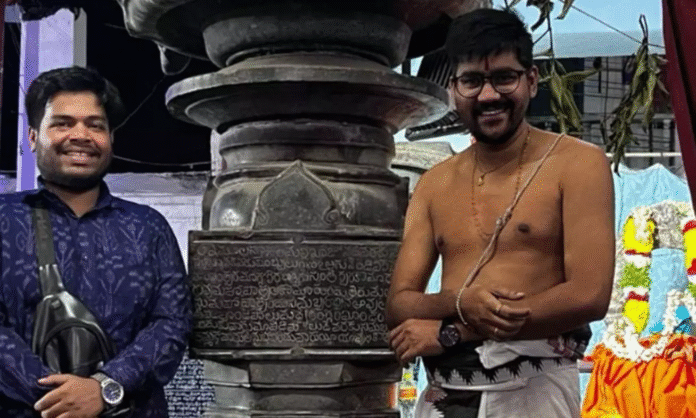
Epigraphist Bishnu Mohan Adhikari reports that the inscription is carved on both sides of a stone pillar in the temple mandapa. The text mentions Kumaraguru Mahapatra, a steward serving under Gajapathi King Purushottama Deva, one of the most influential rulers of the 15th century.

This reference is significant because it confirms that the administrative network of the Gajapathi kingdom extended into parts of present-day Andhra Pradesh, demonstrating the reach and influence of the dynasty beyond Odisha.

Temple pillars with a journey through history

Local tradition adds an intriguing story to the discovery. According to temple accounts, the idol of Lord Narasimha at the Guntur temple was originally brought from Kondaveedu Fort during turbulent medieval invasions.

Temple priest Nadyala Yoganand explains that the stone pillars of the mandapa were also transported from Kondaveedu—reportedly after a divine instruction received in a dream. Interestingly, the Narasimha temple at Kondaveedu itself houses an Odia inscription from the Gajapathi rulers documenting donations made for ritual worship, suggesting a strong historical link between the two sites.

Insights into temple rituals and pastoral communities

The inscription originally belonged to a shrine dedicated to Lord Mulasthana Mallikarjuna of Kondaveedu before the structure was relocated. It contains detailed instructions for temple worship—stating that milk should be offered to the deity during evening rituals.

It also mentions that cows meant for ritual offerings must remain under the care of certain communities, such as Tammula and Ambicvaru, who may have been pastoral groups like the Koyas.

Notably, the name Kumaraguru Mahapatra appears in other inscriptions from the wider Kalinga region, including areas of today’s Ganjam and Visakhapatnam, indicating his administrative role across the Gajapathi territories.

Cultural bridge between Odisha and Andhra

Scholars note that inscriptions from Kondaveedu and Guntur together reveal the Hari–Hara tradition of worship, which blends devotion to Shiva and Vishnu. The Gajapathi rulers are known to have supported both Shaiva and Vaishnava traditions in temples across their domains.

For historians, discoveries like this are invaluable. They not only map the political reach of medieval kingdoms but also illuminate how religious practices, cultural ideas, and administrative systems connected Odisha and coastal Andhra centuries ago.

NATO Explained: Origins, Purpose and Its Role in Today’s Global Security

0

The North Atlantic Treaty Organization (NATO) is one of the most influential military alliances in the world. Formed in 1949 after the devastation of World War II, the alliance was designed to ensure collective security among Western nations and to counter the growing influence of the Soviet Union during the early years of the Cold War.

What is NATO and Why Was It Formed?

NATO was officially established on April 4, 1949, when 12 countries, including the United States, United Kingdom, France, and Canada, signed the North Atlantic Treaty in Washington, D.C.

The alliance was built on the principle of collective defence, meaning that an attack on one member country would be considered an attack on all. This principle is clearly stated in Article 5 of the treaty and remains the core foundation of NATO’s military cooperation.

Expansion and Changing Role

Over the decades, NATO has expanded significantly and today includes more than 30 member countries from Europe and North America. After the Cold War ended and the Soviet Union collapsed in 1991, NATO began taking on broader roles such as peacekeeping missions, humanitarian interventions, and counter-terrorism operations across different regions.

NATO and the Russia–Ukraine Conflict

NATO has become central to global discussions following Russia’s invasion of Ukraine in 2022. Although Ukraine is not officially a NATO member, the alliance has supported the country through military assistance, training, intelligence sharing, and economic backing.

At the same time, Russia has strongly opposed NATO’s expansion towards Eastern Europe, arguing that it threatens its strategic security, which has further intensified geopolitical tensions.

Why NATO Remains Significant Today

More than seventy years after its creation, NATO continues to remain highly relevant in global geopolitics. The alliance provides a platform for collective defence, strategic coordination, and military cooperation among its members. In recent years, leaders such as Donald Trump have repeatedly urged NATO countries to strengthen their defence spending and play a greater role in collective security.

Amid ongoing conflicts and shifting global alliances, NATO remains a key pillar of the Western security framework, demonstrating how international cooperation continues to shape modern defence and diplomacy.

Elite Warriors of the World: 10 Deadliest Special Forces Units

0

Special forces represent the most elite segment of a country’s military. Selected from the best soldiers and subjected to extremely demanding training, these commandos are capable of performing high-risk missions such as counter-terrorism, hostage rescue, covert infiltration, and strategic reconnaissance. What makes them particularly special is their rigorous selection process, specialised training, operational secrecy, and ability to carry out complex missions with small teams in hostile environments.

Why These Units Are Considered the Most Elite

The world’s top special forces stand out because of several factors. Their training often has very low success rates, sometimes with only a small fraction of candidates completing the programme. They are trained in multiple combat environments—air, sea, land, and urban warfare—and are equipped with cutting-edge technology and intelligence support. Most importantly, these units have successfully executed historic and high-risk missions that demonstrated their strategic importance.

1. Special Air Service – United Kingdom

Founded in 1941, the SAS pioneered modern special forces tactics. Known for its motto “Who Dares Wins,” it specialises in counter-terrorism and covert operations. The SAS carried out the daring Operation Trent in Afghanistan in 2001, targeting an al-Qaeda base.

2. United States Navy SEALs – United States

The Navy SEALs operate across sea, air, and land environments. Their most famous mission was Operation Neptune Spear, which led to the elimination of Osama bin Laden in 2011.

3. Sayeret Matkal – Israel

This elite reconnaissance unit is known for intelligence-driven operations. It gained worldwide recognition during Operation Entebbe in 1976, when Israeli commandos rescued hostages from a hijacked aircraft in Uganda.

4. Shayetet 13 – Israel

Israel’s naval commando unit specialises in maritime infiltration, sabotage, and counter-terrorism missions. Its training is considered among the toughest in the world.

5. Alpha Group – Russia

Part of Russia’s security apparatus, Alpha Group handles high-risk counter-terrorism operations. It has been deployed in major crises such as the Budyonnovsk hospital hostage crisis.

6. Delta Force – United States

Officially called the 1st Special Forces Operational Detachment-Delta, this unit focuses on counter-terrorism and high-value target missions. Many of its operations remain classified due to their sensitive nature.

7. GIGN – France

The National Gendarmerie Intervention Group is famous for its precision in hostage rescue missions. It successfully ended the 1994 Air France hijacking in Marseille, showcasing its tactical expertise.

8. JW GROM – Poland

Formed in 1990, GROM is a highly respected NATO special operations unit that has participated in missions in Iraq and Afghanistan.

9. GSG 9 – Germany

Created after the Munich Olympics massacre in 1972, GSG 9 is known for successful counter-terror operations such as Operation Feuerzauber in 1977.

10. MARCOS – India

India’s Marine Commandos are renowned for their extreme endurance training and amphibious warfare capabilities. They have taken part in anti-piracy operations in the Gulf of Aden and security operations during the 2008 Mumbai attacks.

The Edge of Modern Warfare

These units demonstrate how small teams of highly trained commandos can influence major security operations. Their discipline, skill, and ability to operate in secrecy make them among the most powerful military assets in the modern world.

The Traditional Indian Wisdom of Climate-Responsive Architecture

0

Long before the arrival of air conditioners and modern cooling systems, homes and buildings across India were designed to remain naturally comfortable even during intense summers.

Traditional Indian architecture developed over centuries with a deep understanding of climate, geography, and materials. From the deserts of Rajasthan to the humid coastal regions of southern India, houses were built using ingenious techniques that allowed them to stay cool without electricity.

Courtyards: The Heart of Natural Ventilation

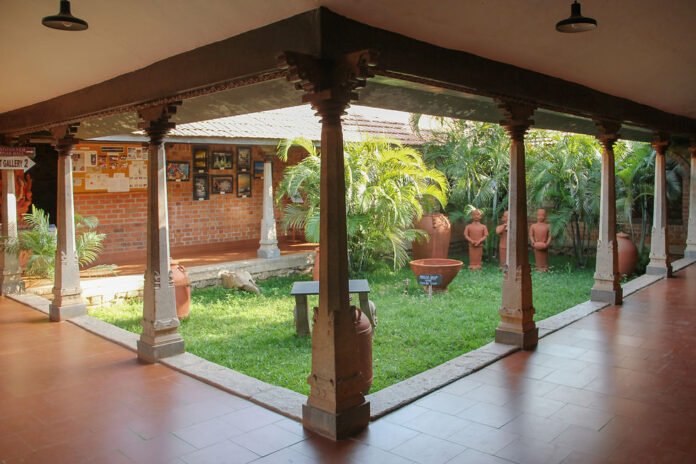
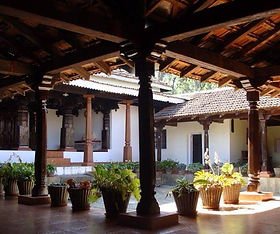
A defining feature of many traditional homes was the central courtyard, often called aangan. Seen in historic residences such as the Havelis of Rajasthan and the homes of Tamil Nadu, courtyards allowed hot air to rise and escape upward while drawing cooler air into surrounding rooms. This created continuous natural airflow and reduced indoor temperatures. The courtyard also acted as a shaded communal space for daily household activities.

Thick Walls and Natural Building Materials

Traditional houses were constructed with thick stone, mud, clay bricks, and lime plaster, all of which have strong thermal insulation properties. These materials absorb heat slowly during the day and release it gradually at night, keeping interiors significantly cooler. Lime plaster, commonly used across India, also reflects sunlight and allows walls to “breathe,” helping regulate humidity and temperature.

Jaalis and Intelligent Airflow Design

The Traditional Indian Wisdom of Climate-Responsive Architecture

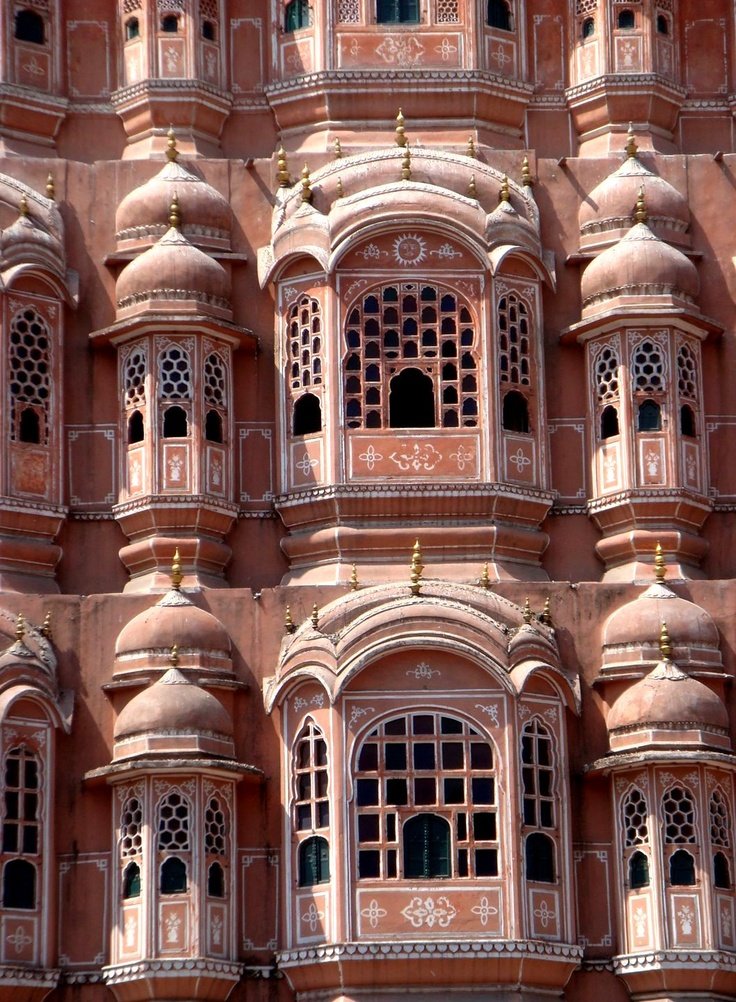
Architectural elements such as jaalis—decorative stone or wooden lattice screens—played a key role in cooling buildings. Structures like the famous Hawa Mahal demonstrate this principle beautifully. The tiny openings allowed wind to pass through while filtering harsh sunlight, creating a cooling effect inside the structure.

High Ceilings, Verandahs, and Sloping Roofs

The Traditional Indian Wisdom of Climate-Responsive Architecture

Traditional homes often featured high ceilings, allowing hot air to rise above living spaces. Wide verandahs and shaded corridors prevented direct sunlight from hitting the walls, reducing heat absorption. In many regions, sloping tiled roofs with air gaps beneath them helped release trapped heat and allowed better ventilation.

Cooling Through Water and Greenery

The Traditional Indian Wisdom of Climate-Responsive Architecture

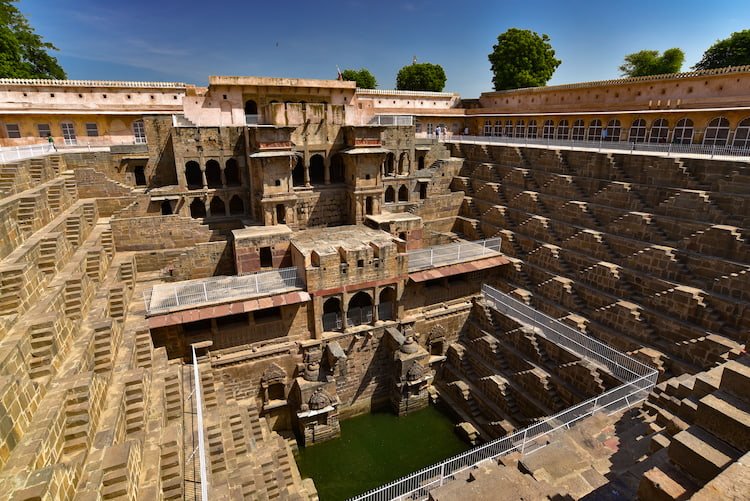
Water and greenery were also important elements of traditional cooling systems. Stepwells, ponds, and fountains helped cool the surrounding air through evaporation. Historic structures like Baoris illustrate how water bodies were integrated into architecture to regulate temperature. Large trees planted around houses provided shade and helped maintain a cooler microclimate.

Daily Practices That Enhanced Cooling

Apart from architecture, everyday practices also helped maintain cooler homes. Floors were often coated with clay or lime mixtures, and khus (vetiver) screens were hung on windows and sprinkled with water to create a natural air-cooling effect. Thick cotton curtains and bamboo blinds were also used to block harsh sunlight.

A Sustainable Lesson for Modern Times

Today, as cities rely heavily on air conditioners and face rising energy consumption, architects are rediscovering the wisdom of traditional Indian design. The climate-responsive techniques used in heritage homes offer sustainable solutions for modern architecture, proving that centuries-old knowledge can still guide the way toward cooler and more environmentally friendly living spaces.

Spring in Udaipur: Is March-April a Good Time to Visit the City of Lakes

0


As winter fades and the intense summer heat has not yet arrived, March and April are among the best months to explore Udaipur, famously known as the “City of Lakes.” With pleasant weather, colourful festivals, and scenic landscapes, spring transforms this historic destination in Rajasthan into an ideal getaway for travellers.

Pleasant Spring Weather

During this time of the year, Udaipur experiences comfortable temperatures ranging from around 20°C to 32°C. The mornings and evenings remain especially pleasant, making it perfect for sightseeing, boat rides, and leisurely walks through the old city. Compared to the peak summer months, spring offers a far more enjoyable climate for exploring outdoor attractions.

Major Attractions to Explore

Udaipur is known for its majestic palaces, serene lakes, and rich heritage.

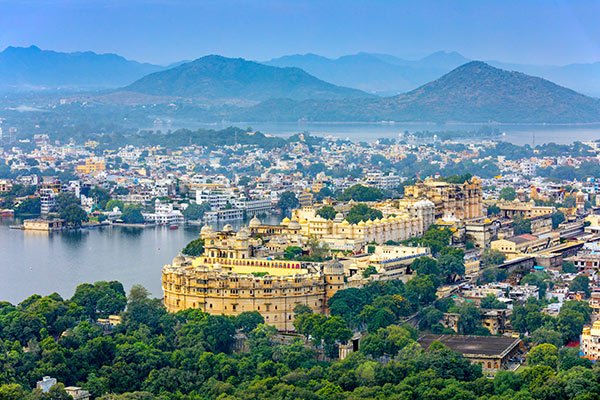
Visitors can begin their journey at City Palace, Udaipur, one of Rajasthan’s grandest palace complexes overlooking Lake Pichola.

A boat ride on the lake offers breathtaking views of the iconic Taj Lake Palace and the historic Jag Mandir island palace.

Nature lovers can spend peaceful evenings at Fateh Sagar Lake, a favourite spot for sunset views and lakeside cafés.

The beautifully landscaped Saheliyo ki Bari garden, built for royal ladies, is another must-visit attraction known for its marble fountains and lotus pools.

Tourists can also explore the historic Bagore Ki Haveli , which hosts traditional Rajasthani cultural performances in the evening.

For panoramic views of the entire city and surrounding hills, visiting the Sajjangarh Palace, also known as the Monsoon Palace, is highly recommended.

Another scenic location is Doodh Talai , where visitors can enjoy ropeway rides and sunset viewpoints.

Art enthusiasts can also explore Shilpgram , a rural arts and crafts village that showcases traditional Rajasthani culture and handicrafts.

Festivals and Cultural Experiences

Spring is also a festive season in Udaipur. The vibrant Gangaur Festival, dedicated to Goddess Gauri, features colourful processions, folk music, and traditional rituals. Around the same time, the Mewar Festival, organised by the Rajasthan Tourism, celebrates local culture through folk dances, music, and decorated boats on Lake Pichola.

Offbeat Places to Discover

Beyond the popular attractions, travellers can explore quieter spots such as Bahubali Hills for stunning sunrise views over the lakes and Badi Lake, a serene location surrounded by hills and ideal for nature lovers.

A Perfect Spring Getaway

With pleasant weather, cultural festivities, and stunning lakeside scenery, Udaipur in spring offers an unforgettable travel experience. Whether exploring royal palaces, enjoying boat rides, or witnessing vibrant local traditions, a visit to this charming city during March–April promises the true essence of Rajasthan’s beauty and heritage.

Sacred Shaktipeeths: The Legend, Significance and the 51 Holy Shrines

0

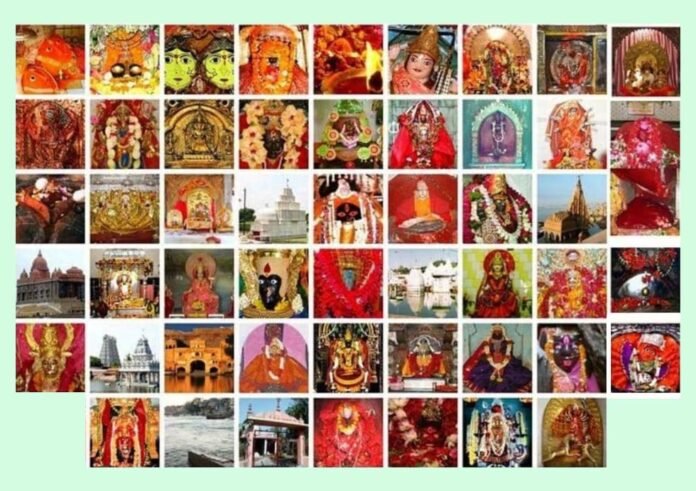
Across the Indian subcontinent, the worship of the Divine Mother occupies a central place in Hindu spirituality. Among the most sacred sites dedicated to the Goddess are the Shaktipeeths, revered temples believed to embody the eternal power of Shakti. These shrines hold immense spiritual significance, and during Navratri, thousands of devotees undertake pilgrimages to these holy places to seek blessings, offer prayers, and celebrate the power of the divine feminine.

What Are Shaktipeeths?

The term Shaktipeeth literally means “seat of divine power.” These sacred temples are believed to mark the places where parts of the body of Sati, the first consort of Shiva, fell on earth. Each Shaktipeeth is therefore associated with a specific body part or ornament of the Goddess and is considered a powerful centre of spiritual energy.

Spread across India as well as neighbouring regions such as Nepal, Bangladesh and Pakistan, these shrines represent the widespread devotion to the Mother Goddess in different cultural and regional traditions.

The Story Behind the Shaktipeeths

The origin of the Shaktipeeths is rooted in a well-known legend described in several Hindu scriptures. According to the story, Sati was the daughter of King Daksha. Daksha once organised a grand yajna but deliberately did not invite Shiva, whom he disliked. Unable to bear the insult directed at her husband, Sati immolated herself in the sacrificial fire.

Grief-stricken and furious, Shiva carried Sati’s body across the universe and performed the cosmic Tandava, the dance of destruction. To restore balance to the universe, Vishnu used his Sudarshan Chakra to cut Sati’s body into pieces. These body parts fell at different locations across the subcontinent, and each site became a sacred Shaktipeeth.

Over centuries, these places evolved into important pilgrimage centres where devotees worship the Goddess in various forms.

A Note on the Number of Shaktipeeths

Different Hindu texts mention different numbers of Shaktipeeths. Some traditions refer to four Adi Shaktipeeths, while others mention 18 Maha Shaktipeeths, 51 Shaktipeeths, or even 108 sacred sites.

The list of 51 Shaktipeeths is commonly associated with the Tantra Chudamani and later Shakta traditions. However, historians and scholars note that the names of some temples and the body parts associated with them may vary across scriptures and regional traditions. Therefore, the following list reflects one of the most widely referenced traditional compilations.

The 51 Shaktipeeths and the Body Parts of Goddess Sati

Amarnath – Jammu & Kashmir – Throat
Katyayani – Mathura, Uttar Pradesh – Hair
Vishalakshi – Varanasi, Uttar Pradesh – Earrings
Lalita Devi – Prayagraj, Uttar Pradesh – Fingers
Jwala Devi – Kangra, Himachal Pradesh – Tongue
Tripurmalini – Jalandhar, Punjab – Left breast
Savitri – Kurukshetra, Haryana – Right ankle
Magadha (Patan Devi) – Patna, Bihar – Right side of body
Dakshayani – Burang, Tibet – Right palm
Mahishasuramardini – Kolhapur, Maharashtra – Third eye
Bhramari – Nashik, Maharashtra – Chin
Ambaji – Banaskantha, Gujarat – Heart
Gayatri (Manibandh) – Pushkar, Rajasthan – Wrist
Ambika – Bharatpur, Rajasthan – Left foot
Sarvashail – Rajahmundry, Andhra Pradesh – Left cheek
Sravani – Kanyakumari, Tamil Nadu – Back and spine
Kamakhya – Guwahati, Assam – Yoni (genital organ)
Kalighat – Kolkata, West Bengal – Toes
Taratarini – Odisha – Breasts
Vimala – Puri, Odisha – Feet
Kankalitala – Birbhum, West Bengal – Pelvis
Bahula – Ketugram, West Bengal – Left arm
Vibhash – Tamluk, West Bengal – Left ankle
Yogadya – Khirgram, West Bengal – Toe
Ratnavali – Bangladesh – Right shoulder
Jessoreswari – Bangladesh – Palms
Sugandha – Bangladesh – Nose
Chandranath – Bangladesh – Right arm
Hinglaj Mata – Balochistan, Pakistan – Brahmarandhra (top of head)
Guhyeshwari – Kathmandu, Nepal – Hips
Tripura Sundari – Tripura – Right foot
Ramgiri – Chitrakoot, Madhya Pradesh – Right breast
Kalmadhava – Amarkantak, Madhya Pradesh – Right arm
Mahakali (Harsiddhi) – Ujjain, Madhya Pradesh – Upper lip
Jalandhar Peeth – Punjab – Breast
Kangra (Bajreshwari) – Himachal Pradesh – Chin
Naina Devi – Himachal Pradesh – Eyes
Chintpurni – Himachal Pradesh – Feet
Mansa Devi – Haridwar, Uttarakhand – Hair
Purnagiri – Uttarakhand – Navel
Vindhyavasini – Mirzapur, Uttar Pradesh – Back
Maihar – Madhya Pradesh – Necklace
Chamundeshwari – Mysuru, Karnataka – Hair
Srisailam (Bhramaramba) – Andhra Pradesh – Neck
Jogulamba – Telangana – Upper teeth
Kanchi Kamakshi – Tamil Nadu – Skeleton energy
Kanyakumari – Tamil Nadu – Spine
Shrinkala – West Bengal – Abdomen
Jayanti – Meghalaya – Left thigh
Kurukshetra Bhadrakali – Haryana – Anklet
Viraja – Odisha – Navel


A Living Tradition of Faith

The Shaktipeeths form a sacred spiritual network that stretches across South Asia, symbolising the eternal presence of the divine feminine. Each shrine reflects centuries of mythology, faith, and cultural heritage.

For devotees, visiting these temples—especially during Navratri—is not merely a pilgrimage but a profound spiritual journey, honouring the eternal power and grace of the Mother Goddess.