Home Blog Page 67

Basant Panchami 2026: When Is Saraswati Puja? Know Date, Significance and Celebrations

0

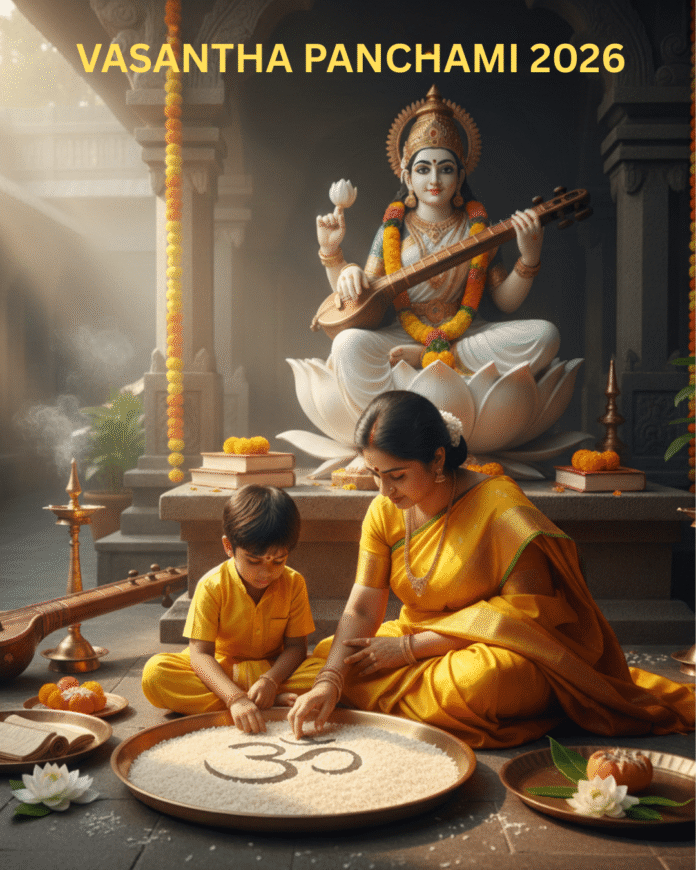
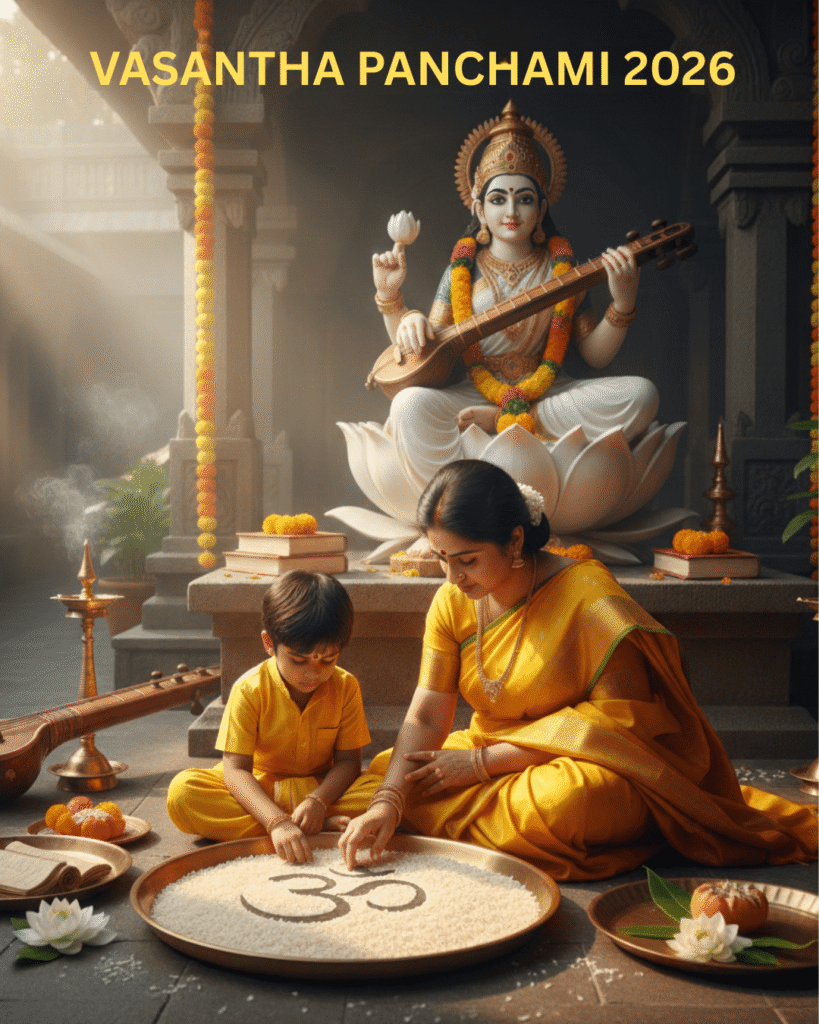
Basant Panchami, also known as Vasant Panchami or Shri Panchami, is one of the most vibrant and spiritually significant festivals celebrated across India. The auspicious day marks the beginning of spring (Basant Ritu) and is dedicated to Goddess Saraswati, the deity of knowledge, wisdom, music, arts, and learning.
Basant Panchami 2026: When Is Saraswati Puja? Know Date, Significance and Celebrations

Basant Panchami 2026 Date

In 2026, Basant Panchami will be observed on Friday, January 23. The festival falls on the fifth day (Panchami) of the Hindu month of Magha and symbolises renewal, positivity, and the blossoming of nature.

Significance of Basant Panchami

Basant Panchami holds immense cultural and religious importance. It is believed that Goddess Saraswati manifested on this day, making it especially significant for students, teachers, scholars, artists, writers, and musicians. Devotees seek her blessings for wisdom, creativity, clarity of thought, and success in education and the arts.

Educational institutions, temples, and cultural organisations conduct special prayers, recitals, and programmes. Many families introduce young children to learning on this day through the ritual of Vidyarambh, marking their first step toward education.

The festival also celebrates the arrival of spring, a season associated with hope, fertility, and new beginnings. Yellow, symbolising energy, prosperity, and blooming mustard fields, dominates the celebrations.

Saraswati Puja Muhurat (Auspicious Time)

The most auspicious time for Saraswati Puja on January 23, 2026, is from 7:13 AM to 12:33 PM.

Traditional Celebrations Across India

  • Wearing yellow or white attire
  • Preparing festive sweets such as Kesari Halwa, Kesar Bhaat, and Boondi Ladoo
  • Kite flying in many parts of North India
  • Grand Saraswati Puja celebrations in West Bengal, Odisha, Assam, and Bihar, with beautifully decorated pandals and idols

Homes and temples are adorned with marigold flowers, and alpana or rangoli is drawn using rice paste. Students often observe a short fast until the pushpanjali (offering of flowers).

Saraswati Puja Samagri (Items Required)

  • Idol or image of Goddess Saraswati
  • Yellow cloth, marigold and white flowers
  • Fruits and traditional sweets
  • Incense sticks, diya, ghee
  • Turmeric, kumkum, sandalwood paste
  • Books, notebooks, pens, and musical instruments

How to Worship Goddess Saraswati

Devotees are advised to wear yellow, white, or light-coloured clothing and avoid black or red. The puja should ideally be performed facing east or north. Offer yellow and white flowers, white sandalwood, and special prasadam such as kesar kheer or misri mixed with curd and lawa.

Basant Panchami is a celebration of knowledge, culture, and the joy of new beginnings—ushering in spring with devotion, colour, and hope.


Spring: Europe’s Croatia bids Goodbye to Winter With Didi s Kamešnice Carnival

0

Spring is welcomed across the globa differently. However, in Europe’s Croatia, Didi s Kamešnice (Old Men of Kamešnica) is celebrated in which participants wear elaborate costumes of sheepskin on their heads.

Didi s Kamešnice is a traditional, centuries-old carnival ritual from the Cetinska Krajina region in northern Croatia (specifically near Gljev) that takes place annually in winter (typically January/February) to drive away winter and welcome spring. 

Key Aspects of the Didi s Kamešnice:

  • Purpose: It is a pagan-influenced, pre-Christian fertility custom aimed at chasing away the dark winter, bringing better days, ensuring a good harvest, and protecting the community.
  • The “Didi” (Costumes): The central participants wear elaborate costumes consisting of sheepskin (up to 1.5 meters high) on their heads, bells around their waists, and old clothing adorned with colorful fringes.
  • The Ritual Procession: The “Didi” move through villages in noisy, rhythmic, and stomping processions. They visit homes, dance, and make noise to scare off evil spirits.
  • Characters: Along with the Didi, the procession often includes a “bride” (who is searching for a groom), “mourners” (who shout comic, mocking, or, funny, slogans), and other traditional figures.
  • Significance: It serves as a symbolic renewal of life and a, cultural, bridge between, the past and present, particularly, in, rural, communities. 

This, event, marks, the, end, of, winter, and, the, approach, of, spring, often, coinciding, with, other,, Balkan, carnival, traditions, like, the, Zvončari. 

Global 8000: Know 10 Unique Features of the World’s Fastest Business Jet

0

The era of ultra-fast private aviation has entered a new chapter with the arrival of the Bombardier Global 8000, the fastest business jet ever to enter service. On December 8, Canadian businessman Patrick Dovigi took delivery of the first Global 8000 as it rolled off the production line in Toronto. With its record-breaking speed, intercontinental range, and cutting-edge luxury, the aircraft is redefining what private air travel can be.

Here are 10 unique features that make the Global 8000 the ultimate business jet.

1. Fastest Civilian Jet Since Concorde
The Global 8000 has a certified top speed of Mach 0.95 (around 630 mph), making it the fastest civilian aircraft in service today. During testing, it even broke the sound barrier, reaching Mach 1.02, a feat unmatched by any modern business jet.

2. Drastically Reduced Travel Time
At cruising speed, the jet can fly London to New York in about five hours, nearly three hours faster than commercial aircraft, offering a decisive edge for time-sensitive travel.

3. Ultra-Long Range Capability
With a range of approximately 9,200 miles, the Global 8000 can comfortably connect city pairs such as London–Los Angeles or New York–Hong Kong nonstop.

4. Access to More Airports
Thanks to its advanced wing design, the aircraft can land at 30% more runways than comparable jets, including challenging airports like Samedan near St Moritz, opening up remote and exclusive destinations.

5. Lowest Cabin Altitude in Its Class
Bombardier claims the lowest cabin altitude in the world at just 2,691 feet, which helps reduce fatigue, dehydration, and jet lag, ensuring passengers arrive feeling fresher.

6. Smooth-Flex Wing Technology
The jet features large, thin, and flexible wings with a 104-foot wingspan, designed to absorb turbulence before it reaches the cabin, delivering an exceptionally smooth ride.

7. High-Altitude Flying Advantage
Capable of flying up to 51,000 feet, well above commercial traffic, the Global 8000 avoids most weather systems, further enhancing comfort and efficiency.

8. Powerful and Efficient Engines
Equipped with GE Passport engines, each delivering up to 20,000 pounds of thrust, the aircraft combines high speed with fuel efficiency and reduced emissions.

9. Ultra-Luxurious, Customisable Interiors
The cabin is divided into four distinct zones—conference area, living room, bedroom, and bathroom. Interiors feature oversized 300 sq in windows, rotating or zero-gravity seats, and fully customisable finishes.

10. Exclusive Yet Accessible
Priced at around £65 million, the Global 8000 can also be chartered. A London–New York flight costs roughly £73,000, making the fastest private jet experience available beyond ownership.

With unmatched speed, range, comfort, and technological sophistication, the Bombardier Global 8000 is not just a private jet—it is a statement of where the future of luxury aviation is headed.

Silver Rate Trend in India: The White Metal Rises From Rs 2715/KG in 1981 to Rs 248000 in 2025

0

Silver rate trend: Geopolitical uncertainty and a continuation of last year’s demand trends keep driving the price of silver to unprecedented heights so far in 2026. But how sustainable is the upward climb?

The rally has been nothing less than breathtaking. Silver’s price repeatedly reached all-time highs in late 2025, ending the year with a near-150% gain.

Silver Rate Trend in India: The White Metal Rises From Rs 2715/KG in 1981 to Rs 248000 in 2025

The new year has done nothing to stem the rally, with silver already up another 25% in its first two weeks. Spot silver prices surged to an all-time high above $93 per ounce during Thursday’s session before giving back some of those gains on Friday to trade around $90.

The below chart represents the historical movement of silver prices in India

This chart contains the average annual price for silver from 1981 – present.

YearSilver Rates in Rs./Kg.
1981Rs.2715
1982Rs.2720
1983Rs.3105
1984Rs.3570
1985Rs.3955
1986Rs.4015
1987Rs.4794
1988Rs.6066
1989Rs.6755
1990Rs.6463
1991Rs.6646
1992Rs.8040
1993Rs.5489
1994Rs.7124
1995Rs.6335
1996Rs.7346
1997Rs.7345
1998Rs.8560
1999Rs.7615
2000Rs.7900
2001Rs.7215
2002Rs.7875
2003Rs.7695
2004Rs.11770
2005Rs.10675
2006Rs.17405
2007Rs.19520
2008Rs.23625
2009Rs.22165
2010Rs.27255
2011Rs.56900
2012Rs.56290
2013Rs.54030
2014Rs.43070
2015Rs.37825
2016Rs.36990
2017Rs.37825
2018Rs.41400
2019Rs.40600
2020Rs.63435
2021Rs.62572
2022Rs.55100
2023 Rs.78600
2024Rs.95700
2025Rs.262000
2026 Rs.248000

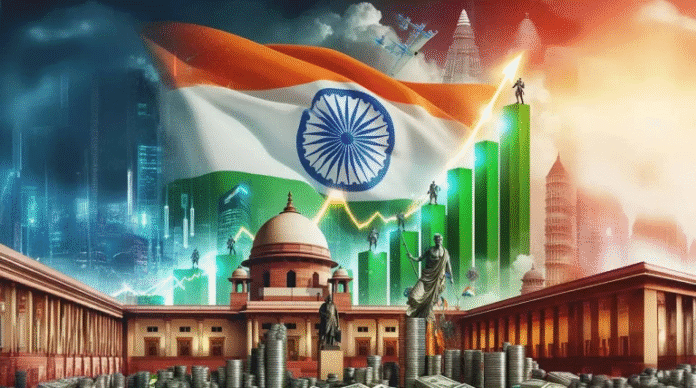
India on the Cusp of Upper-Middle-Income Status

0

India is steadily moving closer to a major economic milestone. According to an analysis by the State Bank of India (SBI), the country is on track to become an upper-middle-income economy by the end of this decade, driven by sustained growth in per capita income and a rapidly expanding economic size. If current trends continue, India’s gross national income (GNI) per capita is expected to reach around $4,000 by 2030, placing it in the same income bracket as China and Indonesia under the World Bank’s classification.

Understanding the World Bank Income Scale

The World Bank classifies economies into four income groups—low income, lower-middle income, upper-middle income, and high income—based on per capita GNI calculated in US dollars. At present, the upper-middle-income threshold ranges between $4,000 and $4,500. Over the past three decades, global data show a steady increase in the number of countries graduating into higher income categories, reflecting long-term economic convergence across developing regions.

A Slow but Steady Income Transition

India’s journey up the income ladder has been gradual yet consistent. It took nearly 60 years after Independence for the country to move from low-income to lower-middle-income status in 2007. In the early 1960s, India’s per capita GNI was just about $90. By 2009, it had risen to nearly $1,000, doubled to $2,000 by 2019, and is projected to touch $3,000 by 2026. SBI’s estimates suggest that crossing the $4,000 mark by 2030 is achievable if momentum is maintained.

Economy Grows at an Unprecedented Pace

Alongside rising incomes, India’s overall economic size has expanded rapidly. After taking decades to reach the $1 trillion GDP milestone, the economy doubled to $2 trillion within seven years and crossed $4 trillion by 2025. Current projections indicate that India could overtake Germany to become the world’s third-largest economy by 2028, trailing only the United States and China.

This acceleration reflects structural changes, including stronger domestic demand, digitalisation, infrastructure investment, and reforms in manufacturing, taxation, and financial systems.

What It Means for India

SBI notes that India now ranks among the fastest-growing major economies globally, improving its relative position in the world economic order. Achieving upper-middle-income status would mark a critical transition—bringing higher consumption capacity, deeper capital markets, and greater global economic influence.

Looking further ahead, India’s aspiration to become a high-income country by 2047, the centenary of Independence, will require sustained per capita GNI growth of 7.5–9 per cent, depending on how global income thresholds evolve. While challenges such as income inequality, productivity gaps, and employment generation remain, current trends suggest that India’s near-term transition to the upper-middle-income category is firmly within reach.

Key Facts at a Glance

  • World Bank classifies countries using per capita GNI (US dollars)
  • Upper-middle-income threshold: ~$4,000–$4,500
  • India became a lower-middle-income country in 2007
  • Per capita GNI projected to reach $4,000 by 2030
  • India may become the world’s third-largest economy by 2028

As India moves closer to this economic inflection point, the challenge ahead will be to ensure that growth remains inclusive, sustainable, and broad-based, translating national prosperity into improved living standards for all.

World Economic Forum 2026 Starts: Know Key Themes, Agenda and Its Significance For India

0

The “World Economic Forum” Annual Meeting 2026 begins today in Davos, Switzerland, bringing together more than 3,000 global leaders at a time of slowing growth, geopolitical strain, rapid technological change, and declining global trust. Held under the theme “A Spirit of Dialogue”, the five-day summit aims to revive cooperation between governments, businesses, and institutions amid mounting global uncertainty.

Key Themes on the Davos 2026 Agenda

Discussions at Davos this year are centred on economic resilience, artificial intelligence, energy transition, global risks, and geopolitics. Policymakers and corporate leaders are expected to debate how AI-led growth can be balanced with job creation, financial stability, and ethical governance. Climate finance, supply-chain resilience, and rebuilding trust in global institutions are also prominent on the agenda.

Why Davos Matters for India

For India, Davos remains a critical platform to project policy continuity, reform momentum, and openness to global capital. As the world’s fastest-growing major economy, India is positioning itself as a current engine of global growth rather than a future opportunity. The focus is on attracting long-term investment, integrating into global value chains, and strengthening partnerships in manufacturing, digital infrastructure, and clean energy.

India’s Political Leadership at Davos

India’s delegation includes four Union ministers — “Ashwini Vaishnaw”, “Shivraj Singh Chouhan”, “Pralhad Joshi”, and “K Rammohan Naidu” — highlighting priorities in infrastructure, energy, manufacturing, and digital transformation. Six chief ministers, including “Devendra Fadnavis” and “N Chandrababu Naidu”, are also present, showcasing state-level investment opportunities.

Imporatnt Facts

  • World Economic Forum Annual Meeting is held every year in Davos, Switzerland.
  • WEF 2026 theme is ‘A Spirit of Dialogue’.
  • Davos is a key platform for public-private global cooperation.
  • India uses Davos to attract foreign investment and promote reforms.

Corporate India and Strategic Messaging

India has sent one of its largest corporate delegations, with over 100 business leaders from banking, technology, manufacturing, startups, and renewable energy. Prominent participants include “Mukesh Ambani”, “N Chandrasekaran”, “Sunil Bharti Mittal”, and “Nandan Nilekani”. India’s message at Davos 2026 is focused on manufacturing scale-up, digital public infrastructure, AI leadership, clean energy transition, and attracting patient global capital.

4 Cervical Cancer Symptoms Women Often Ignore And Why They Shouldn’t

0
4 Cervical Cancer Symptoms Women Often Ignore And Why They Shouldn’t

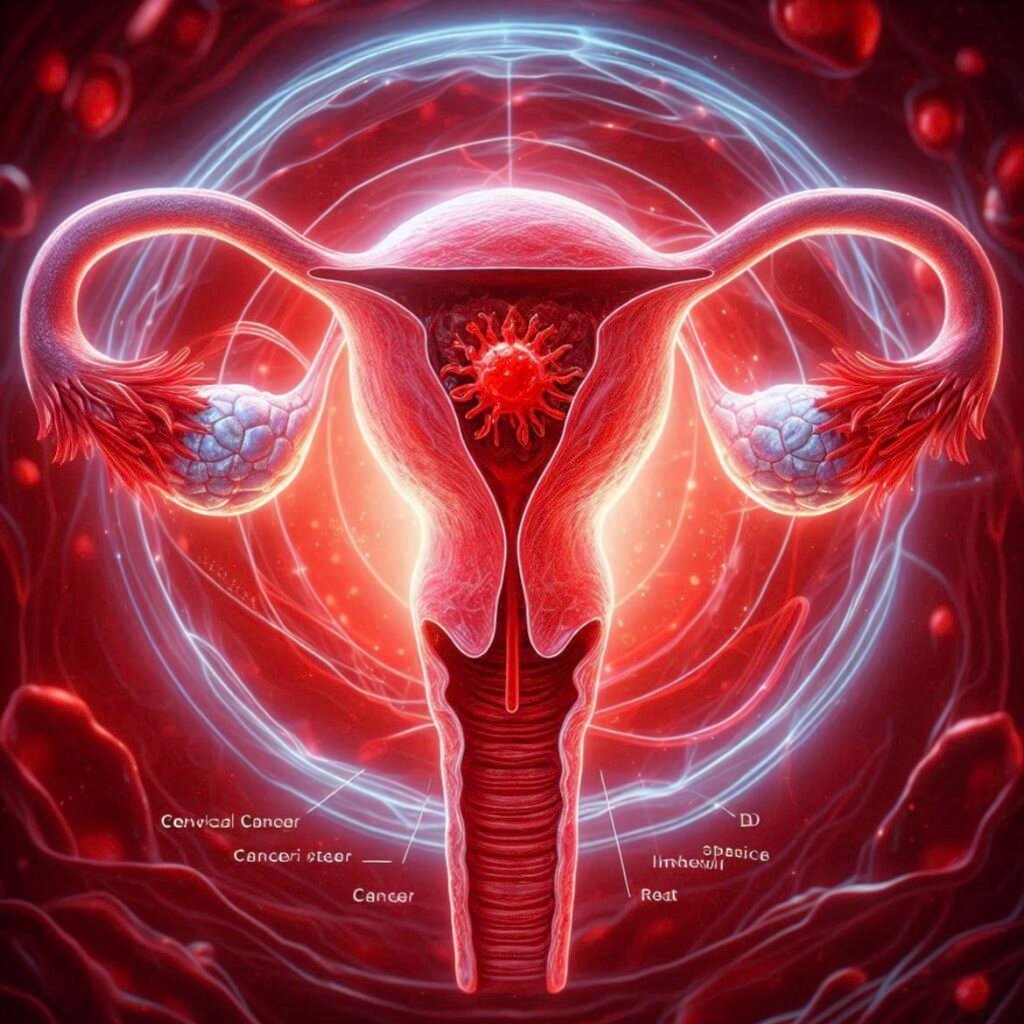
Cervical cancer is one of the most preventable cancers, yet many women overlook its early symptoms because they appear mild or “normal.” These signs often blend into everyday discomforts irregular periods, fatigue, infections making them easy to dismiss. But paying attention to these changes can lead to early detection, which drastically improves treatment outcomes.

Unusual vaginal bleeding that doesn’t follow your cycle

One of the earliest red flags is bleeding outside your period. This may include spotting after intercourse, bleeding between cycles, or post-menopausal bleeding. Many women blame stress, hormonal shifts, or contraceptives but persistent irregular bleeding shouldn’t be ignored. It can signal changes in cervical cells or early-stage growths that need medical evaluation.

Pelvic pain that feels different from cramps

Cervical cancer related pain is often mistaken for period cramps, but the nature of discomfort is different. Instead of short-term menstrual pain, this pelvic pain lingers and may radiate to the back or legs. Some women describe it as a constant heaviness or pressure in the pelvis. When pain becomes persistent or unrelated to your cycle, it’s a sign to consult a doctor.

Changes in vaginal discharge that seem unusual

Most women experience changes in discharge throughout the month, but certain changes are not normal. Foul smell, watery consistency, or a sudden increase in discharge can be early indicators of infection or abnormal cell growth. Because many women link this to hygiene or diet, it often gets ignored. Persistent or unusual discharge should always be medically assessed.

Pain or discomfort during intercourse

Another commonly dismissed symptom is pain during sex. Women often attribute this to dryness, stress, or hormonal imbalance. But if the discomfort becomes frequent, sharp, or accompanied by bleeding, it may indicate inflammation or abnormalities in the cervix. Ignoring this symptom delays early diagnosis.

Why you shouldn’t ignore these signs

Cervical cancer develops slowly and is extremely treatable when caught early. Regular Pap smears, HPV testing and timely check-ups play a crucial role in prevention. When symptoms appear, they are the body’s way of signalling that something is wrong. Listening to these signals and not brushing them off as “normal” can save lives.

Awareness and early action are key

Women’s health issues often go unnoticed because daily responsibilities make it easy to ignore discomfort. But these four symptoms are early warnings that deserve attention. Recognising them early, seeking timely medical advice and staying consistent with screenings can drastically reduce risk and improve outcomes.

High Heat vs Low Heat Cooking: Which Method Works Best in Your Kitchen?

0
High Heat vs Low Heat Cooking: Which Method Works Best in Your Kitchen?

The heat you choose shapes the dishIn every kitchen, the flame matters as much as the ingredients. High heat and low heat both transform food differently, affecting flavour, texture and colour. Understanding when to use each technique can completely change the outcome of a dish.

High heat brings drama, speed and bold flavour

High heat is fast and intense. It creates that instant sizzle when meat touches a pan. This quick burst of heat causes browning and caramelisation, adding rich flavour and a crisp exterior.It’s ideal for searing, grilling, sautéing and stir-frying. Vegetables like bell peppers, mushrooms and broccoli also taste better with slight charring.But high heat requires attention leave it for a few extra seconds and the food can burn instead of brown.

Low heat builds depth, balance and tenderness

Low heat is slow and gentle. It is used when food needs time to soften or absorb flavours fully.Soups, dals, curries and stews develop richer taste when cooked slowly because spices release their aroma gradually.It’s also perfect for delicate items like eggs, fish and sauces, which can easily curdle or overcook on a strong flame.

Different foods need different heat styles

No single heat level works for everything. A steak needs a hot pan to create a crust, but biryani needs long, slow cooking so the flavours settle into each grain.Stir-fried noodles demand high flame, while beans and lentils require hours of gentle heating. Even everyday tasks like melting butter, tempering spices or reheating food change depending on the flame level. Low heat preserves texture, while high heat adds crispness.

Mastering heat makes you a better cook

Both techniques are essential. High heat gives food colour and crunch, low heat brings softness and depth.When you learn to switch between them confidently, you create meals that are flavourful, consistent and perfectly balanced.In the end, knowing how to control the flame is the real secret behind great cooking.

NSS Unit of Poornima College of Engineering Organises 7-Day Special Camp Activities at Badi, Nimbaheda

0

The National Service Scheme (NSS) Unit of Poornima College of Engineering successfully reached village Badi, Nimbaheda on 17 January as part of its 7-Day Special Camp. Prior to arriving at the village, the NSS volunteers visited Chittorgarh Fort to gain insights into India’s rich cultural and historical heritage.

On arrival at Badi, Nimbaheda, the NSS unit was warmly welcomed by Kailash Chandra Kumawat ji, Treasurer, Chamatkari Shri Shanidev Mandir Trust, Badi, Nimbaheda. The volunteers were graciously hosted by the trust and were served a traditional Rajasthani dinner of Dal-Baati-Churma, reflecting the region’s vibrant culture and hospitality.

The following morning, the Shani Dev Mandir Trust Committee felicitated Dr. Kuldeep Sharma, Programme Officer, NSS Unit, Poornima College of Engineering, along with all NSS volunteers and Ms. Neema Shukla, in appreciation of their dedication and service.

Subsequently, a tree plantation drive was organised by the NSS unit in the Shani Dev Mandir premises, promoting environmental awareness and sustainability. The volunteers also conducted door-to-door awareness campaigns, educating villagers about various government welfare policies aimed at rural development and social upliftment. In addition, a cleanliness drive was carried out in the nearby Badi Dam area, reinforcing the message of cleanliness and public hygiene.

NSS Unit of Poornima College of Engineering Organises 7-Day Special Camp Activities at Badi, Nimbaheda

Concluding the programme, Dr. Kuldeep Sharma proposed a heartfelt vote of thanks to the villagers and the Shani Mandir Trust for their support and cooperation. He emphasized that humanity guided by selflessness stands above all and motivated the NSS volunteers to imbibe and practice these moral values in their lives.

The camp successfully fulfilled the NSS motto “Not Me, But You”, fostering social responsibility, cultural understanding, and community engagement among the student volunteers.

Shah Rukh Khan, Deepika Padukone & Abhishek Bachchan’s King Eyeing Christmas 2026 Release: What We Know So Far

0
Shah Rukh Khan, Deepika Padukone & Abhishek Bachchan’s King Eyeing Christmas 2026 Release: What We Know So Far

Bollywood’s next big festive tentpole is already creating buzz even before an official release announcement. King, the eagerly awaited action-drama starring Shah Rukh Khan, Deepika Padukone and Abhishek Bachchan, is reportedly being eyed for a Christmas 2026 theatrical release, with an official confirmation expected soon from the makers. The news has reignited excitement among fans and industry watchers, setting the stage for one of next year’s biggest box-office

Festive release that promises spectacle

Christmas releases have long been a prized date in Bollywood, often associated with blockbuster outings, mass enthusiasm and extended holiday weekend earnings. For Shah Rukh Khan who has already delivered iconic festive hits like Dilwale Dulhania Le Jayenge, Happy New Year and Pathaan, Christmas 2026 presents another opportunity to captivate audiences across India and around the world. According to insiders, the makers are closing in on a Dec 25, 2026 release, a slot that has traditionally delivered some of the industry’s biggest commercial successes.

Power cast amps anticipation

King brings together three of Hindi cinema’s most bankable stars. Shah Rukh Khan, often described as the “King of Bollywood,” is reuniting with Deepika Padukone, one of his most celebrated co-stars after successful collaborations in films like Chennai Express and Om Shanti Om. Abhishek Bachchan adds further star power to the mix, making King one of the most talked-about films in recent times. While plot details remain tightly under wraps, the presence of this powerhouse cast has already sparked fan theories and high expectations for a blend of action, drama and emotional depth.

Shah Rukh Khan, Deepika Padukone & Abhishek Bachchan’s King Eyeing Christmas 2026 Release: What We Know So Far

What to expect from a high-profile collaboration

Reports suggest that the film will be a large-scale, commercial entertainer designed for both domestic and global audiences. With marquee talent involved both in front of and behind the camera, King is expected to feature compelling action sequences, high production values and a soundtrack that lives up to Bollywood’s festive traditions. The Christmas release timing also signals confidence from the studio a window often used to maximise audience turnout during the holiday season.

Countdown to official announcement

While the December 25 release date is yet to be formally confirmed, trade sources indicate that an official announcement could arrive in the coming months, possibly accompanied by a teaser or first look poster. Fans across social media platforms are already trending hashtags and speculating about storylines, making King one of the most anticipated Bollywood films for 2026.If the preparations and buzz are any indication, King could well end the year on a blockbuster note blending star power, festive timing and cinematic spectacle into one of the year’s most memorable releases.