Home Blog Page 66

Singapore Is Top On The Responsible Nations’ Index While India Ranks 16th

0

Singapore has emerged as the world’s most responsible nation, while India secured the 16th position in the newly released Responsible Nations’ Index (RNI), a global assessment that shifts focus from power and wealth to ethical and responsible governance. The index was formally launched in New Delhi by former President Ram Nath Kovind, marking the debut of a novel framework for evaluating national conduct.

Global Rankings and India’s Position

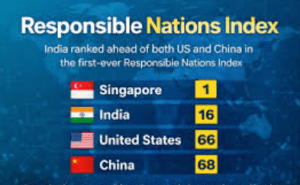
Singapore ranked first among 154 countries, followed by Switzerland and Denmark in second and third positions respectively. The Central African Republic was placed last. India, ranked 16th, performed ahead of major global powers such as the United States at 66th and China at 68th. Pakistan stood at the 90th position, highlighting sharp regional contrasts in governance responsibility.

Concept and Philosophy of the Index

The Responsible Nations’ Index is designed to evaluate how responsibly nations exercise power towards their citizens, the global community, and the planet. Addressing the launch event, Kovind emphasised that the index is intended as a moral mirror rather than a competitive scoreboard. He underlined ethical governance, inclusive development, and sustainability as core pillars for shaping future national and global outcomes.

Framework and Methodology

The index has been developed by the think tank World Intellectual Foundation in academic collaboration with Jawaharlal Nehru University, with methodological validation by Indian Institute of Management Mumbai. It is anchored in three core dimensions—internal responsibility, environmental responsibility, and external responsibility—operationalised through seven dimensions, 15 aspects, and 58 indicators.

Important Facts

  • The Responsible Nations’ Index assesses 154 countries.
  • It focuses on responsibility, not economic or military power.
  • The index has three core dimensions: internal, environmental, and external responsibility.
  • India ranked ahead of the US and China in the inaugural edition.

Shift from Power to Responsibility

According to WIF founder Sudhanshu Mittal, the RNI represents a paradigm shift in global assessments by asking a fundamental question: how responsibly does a nation exercise its power? The index aims to promote ethical governance, humane development, and global stewardship, reinforcing the idea that prosperity without responsibility is ultimately unsustainable.
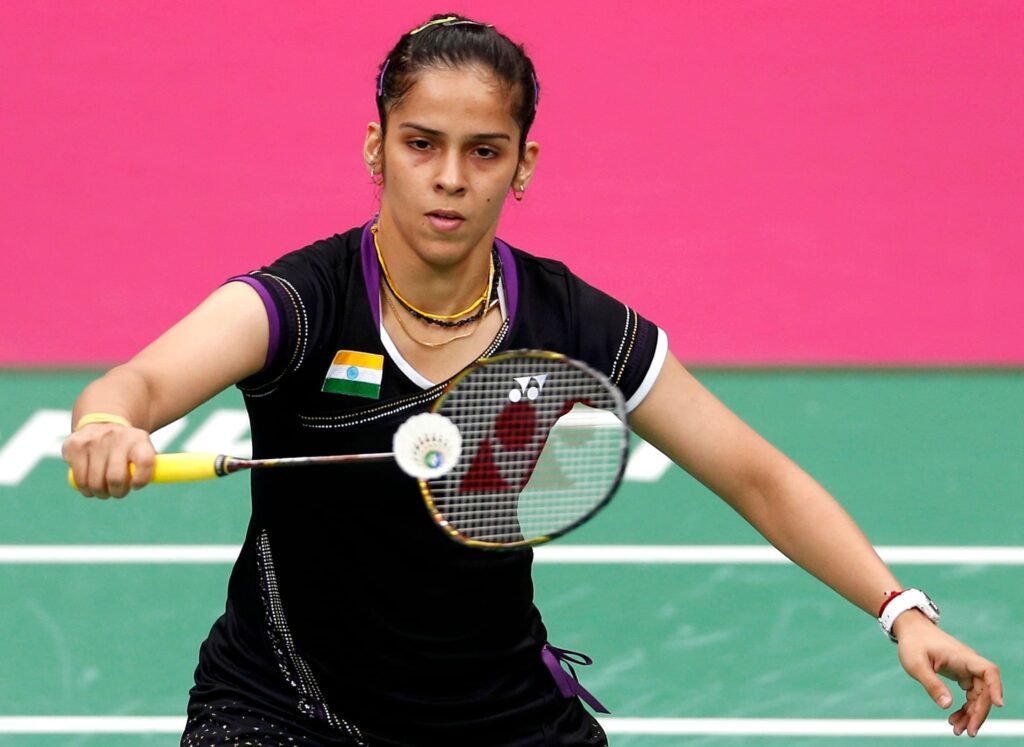
Saina Nehwal Confirms Retirement From Competitive Badminton Ends Iconic Era For Indian Sport

0
Saina Nehwal Confirms Retirement From Competitive Badminton Ends Iconic Era For Indian Sport

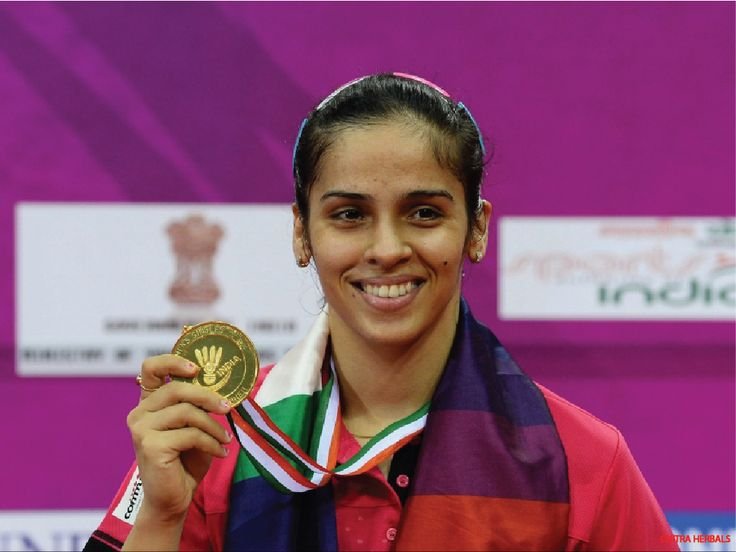
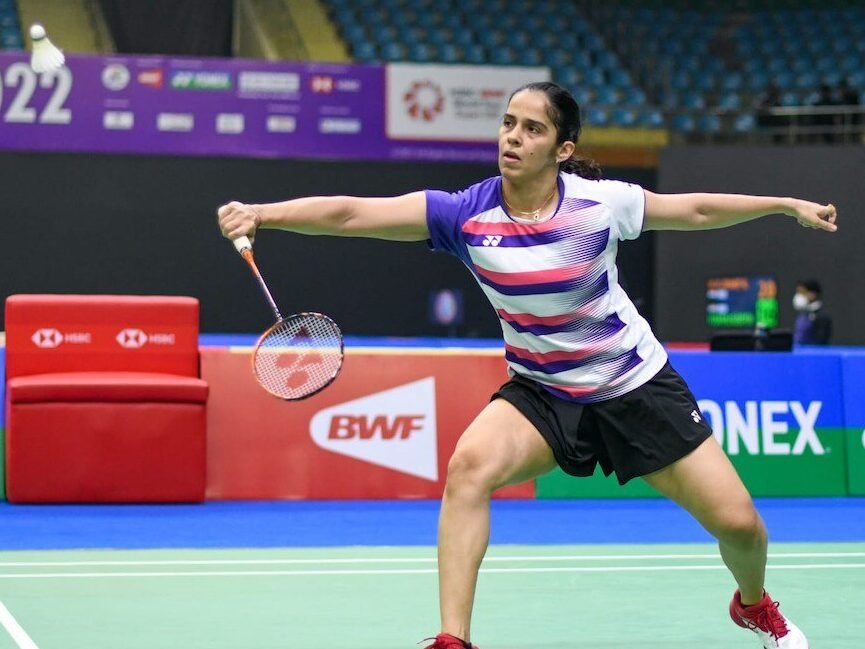
Legendary Indian shuttler Saina Nehwal has officially confirmed her retirement from competitive badminton, bringing to a close a career that transformed the sport in India and inspired a generation of athletes. The 35-year-old Olympic medallist made the announcement on a podcast, explaining that persistent knee degeneration and chronic injuries made it impossible for her body to sustain the demands of elite training and competition.

Decision shaped by health and years of physical strain

Saina’s retirement follows nearly two years away from international competition, with her last professional match played at the 2023 Singapore Open. She revealed that her knees long affected by injury can no longer endure high-intensity workouts, with severe cartilage degeneration and arthritis limiting her ability to train. “Your cartilage has totally degenerated and you have arthritis,” she said, adding that she simply cannot push her body the way top-level badminton requires anymore. Nehwal felt that her absence from competition had already made her situation clear, so an official retirement announcement was not strictly necessary but was now confirmed for clarity.

Historic achievements and sporting firsts

Saina Nehwal’s list of achievements is unrivalled in Indian badminton history. She became the first Indian woman shuttler to win an Olympic medal, capturing bronze at the 2012 London Olympics, a moment that changed India’s engagement with the sport and inspired countless young players. She scaled the world rankings to become world No. 1 in 2015, the first Indian woman to do so, and amassed medals at major global events including World Championships silver in 2015 and bronze in 2017, as well as bronze at the 2018 Asian Games.

Her success also includes becoming the first Indian female to win a BWF Super Series title at the 2009 Indonesia Open, establishing her as a consistent force on the global circuit.

Saina Nehwal Confirms Retirement From Competitive Badminton Ends Iconic Era For Indian Sport

Impact beyond medals inspiring a generation

Saina’s influence extended far beyond her own results. She played a pivotal role in popularising badminton in India, helping elevate it from a niche sport to one followed passionately nationwide. Her rise sparked greater investment in coaching, infrastructure and youth development, and her fearless style of play pushed Indian shuttlers onto the world stage. She became a role model for girls and boys alike, symbolising that Indian athletes could compete with the best in the world.

Saina Nehwal Confirms Retirement From Competitive Badminton Ends Iconic Era For Indian Sport
Legacy and future directions

With her retirement, India bids farewell to one of its most successful and influential sports icons. Her decision rooted in respect for her body and love for the sport ends a remarkable chapter marked by perseverance, excellence and national pride. As Saina steps away from competitive play, her legacy will remain a benchmark for future generations as Indian badminton continues to thrive and produce global champions.

Abu Dhabi is World’s Safest City for 10th Consecutive Year. Know Reasons and Policies of the City…

0

Abu Dhabi has once again secured the top position in the global safety rankings, being crowned the world’s safest city for the tenth straight year. The recognition comes from the latest Numbeo Global Safety Index 2026, reinforcing the UAE capital’s reputation for public security, low crime, and high quality of urban life.

Global Ranking and Index Overview

According to the Numbeo Global Safety Index, Abu Dhabi ranked first among more than 400 cities evaluated across over 150 countries. The index assesses factors such as perceived crime levels, safety while walking alone during the day and at night, and overall public confidence. Abu Dhabi’s consistent dominance since 2017 places it well ahead of major global cities and confirms its position as a benchmark for urban safety.

Technology-Driven Policing and Prevention

A key factor behind Abu Dhabi’s sustained performance is its integration of advanced technology into policing and city management. The city employs artificial intelligence, predictive analytics, and real-time surveillance to anticipate risks and respond swiftly to incidents. Authorities emphasise preventive policing, ensuring that potential threats are addressed before escalating. This approach allows safety to be experienced as reassurance rather than visible enforcement, contributing to high public trust.

Community Engagement and Urban Design

Beyond technology, Abu Dhabi’s safety model rests on strong community engagement and thoughtful urban planning. Police authorities work closely with residents, businesses, and institutions to align security measures with local needs. Well-lit public spaces, organised neighbourhood layouts, and mixed-use developments enhance visibility and reduce crime opportunities. These elements collectively support safety in residential areas, business districts, and tourist zones alike.

Imporatnt Facts for Exams

  • Abu Dhabi topped the Numbeo Global Safety Index for the 10th consecutive year.
  • The index evaluates over 400 cities across 150+ countries.
  • Key indicators include safety while walking alone during day and night.
  • Technology-led preventive policing is central to Abu Dhabi’s safety model.

Safety as a Pillar of Liveability and Growth

Abu Dhabi’s long-standing safety record has strengthened its appeal as a destination for investment, tourism, and long-term residence. High levels of personal security support economic activity, nightlife, and public life, while also influencing expatriates’ decisions to settle in the UAE. Alongside other safe cities in the country, Abu Dhabi reflects a national emphasis on low crime, public trust, and stable governance, positioning the UAE as a global leader in urban and national safety.

Republic Day 2026: IAF to Display Operation Sindoor Formation

0

India’s 2026 Republic Day Parade on Kartavya Path will mark a significant shift in how military strength is presented to the public. For the first time, the Indian Air Force will showcase an operational formation based on “Operation Sindoor”, highlighting real-world battle integration rather than traditional static displays. The move reflects India’s evolving defence communication strategy and focus on modern warfare preparedness.

Operation Sindoor as the Parade Narrative

Operation Sindoor was a high-precision tri-services military campaign launched in May 2025 following a major terror attack in Pahalgam. Owing to widespread public interest, the operation has been chosen as the central narrative of the Republic Day military segment. According to Defence Secretary Rajesh Kumar Singh, the parade will present a sequential story of how a modern battle unfolds, from reconnaissance and logistics to long-range strikes and integrated air power.

Shift from Static Displays to Live Battle Logic

The 90-minute parade is designed to move away from stereotyped presentations towards a more interactive and explanatory format. Live commentary will accompany the display, helping viewers understand how equipment, manpower, and technology are actually deployed during combat. This approach aims to improve public understanding of contemporary warfare and joint operations, particularly the coordination between land, air, and logistics elements.

Air and Ground Power on Display

A major highlight will be the Indian Army’s phased Battle Array, presented alongside an aerial battle array by the Indian Air Force. The flypast will feature frontline aircraft including Rafale, Su-30, and MiG-29 fighter jets, along with Apache and Light Combat Helicopters. Strategic and maritime platforms such as C-130, C-295, and P-8I aircraft will also participate. Specialised animal contingents, including Zanskar ponies and Bactrian camels, will showcase logistical capabilities in high-altitude and desert terrain.

Imporatnt Facts

  • Operation Sindoor was launched in May 2025 after a terror attack in Pahalgam.
  • The 2026 Republic Day Parade adopts a battle-sequence narrative format.
  • The Indian Air Force will display an operational aerial battle formation.
  • Live commentary will explain modern joint warfare concepts.

Broader Themes and International Presence

The 2026 celebrations also commemorate the 150th anniversary of “Vande Mataram”, which forms the overarching theme of tableaux and cultural performances. Thirty tableaux will be presented, including 17 from States and Union Territories. About 2,500 artists will participate in a mega cultural programme. European Council President Antonio Costa and European Commission President Ursula von der Leyen will attend as chief guests, coinciding with the India–EU Summit.

Harry Styles Announces New Album Kiss All The Time Disco Occasionally, Teases Evolution Of Sound

0
Harry Styles Announces New Album Kiss All The Time Disco Occasionally, Teases Evolution Of Sound

Global pop icon Harry Styles has once again set the music world buzzing with the announcement of his next studio album titled Kiss All the Time – Disco, Occasionally. Revealed through his official social channels, the announcement marks another bold chapter in the artist’s genre-blending journey and promises to take listeners on a dance-infused yet emotionally rich musical ride.

Disco vibes with a modern twist

The title Kiss All the Time – Disco, Occasionally immediately signals something vibrant and retro-inspired, suggesting a strong disco influence while keeping room for emotional nuance and musical variation. Fans and critics alike are already pointing to the disco reference as an indication that Harry is embracing the rhythmic, feel-good energy of the 1970s dance era but with his own contemporary twist.

Harry’s music has steadily evolved since his early solo work after leaving One Direction. While his previous albums have drawn from folk, rock, pop and even balladic influences, this new project appears poised to lean into groove-oriented rhythms and an upbeat aesthetic. By weaving disco elements with modern production and his signature lyrical style, Kiss All the Time is shaping up to be both a celebration and a reinvention.

Creative vision and artistic growth

In teasers shared across social platforms, Styles hinted that the album is a reflection of both joy and introspection hence Disco, Occasionally. The phrase suggests that while the music will make you want to dance, it will also touch deeper emotional chords. This duality reflects Harry’s broader artistic vision: to create pop music that makes you feel alive while still resonating on a personal level.

Anticipation from fans and critics

Since the announcement, social media has been flooded with excitement, with fans speculating about collaborators, potential singles and how the album’s sound will compare to Harry’s past work. Many are especially eager to hear how the disco influence will blend with his established pop-rock identity. Music forums and fan pages are already sharing theories about the tracklist, cover art aesthetics and release timeline.

What’s next for Kiss All the Time

While an official release date has not yet been confirmed, the buzz suggests it may drop in 2026, possibly aligned with tour announcements or festival appearances. Given Harry Styles’ track record of genre-crossing innovation, Kiss All the Time – Disco, Occasionally is already being touted as one of the year’s most anticipated albums.As anticipation builds, one thing is clear: Harry Styles continues to evolve, surprise and inspire, turning every announcement into a cultural moment.

AR Rahman And The Bollywood Bias Debate: When A Maestro’s Remarks Exposed Uncomfortable Truths

0
AR Rahman And The Bollywood Bias Debate: When A Maestro’s Remarks Exposed Uncomfortable Truths

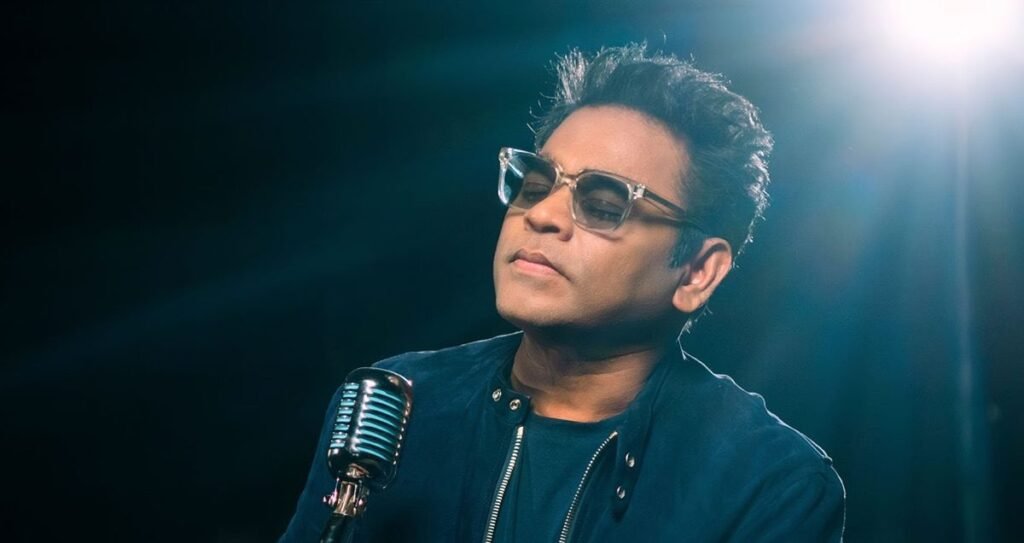
AR Rahman has long been seen as a rare unifying force in Indian music, admired across industries and languages for his innovation, humility and global impact. That is precisely why his recent comments on bias in Bollywood sparked such an intense reaction. What might have passed as a quiet personal observation quickly turned into a full blown debate on gatekeeping, creative monopolies and who truly gets space in the Hindi film industry.

What triggered the controversy

The discussion began after Rahman, in a recent interview, spoke about feeling sidelined in mainstream Bollywood despite his stature and success. He hinted at an ecosystem where a small group of filmmakers and composers repeatedly collaborate within familiar circles, leaving little room for others, even those with proven excellence. Rahman did not name individuals, but his suggestion that Bollywood operates within closed creative camps struck a nerve.

Backlash from industry voices and fans

Soon after the interview went viral, sections of the film industry and social media users pushed back. Critics argued that Rahman continues to work across films and remains one of India’s most celebrated composers, questioning whether his comments were fair. Some accused him of portraying himself as marginalised despite his international acclaim and strong legacy. The debate quickly polarised audiences, with opinions sharply divided.

Why many supported Rahman

At the same time, a large section of fans and industry observers rallied behind him. They pointed out that Rahman’s recent work has been more visible in regional cinema and international projects than in big banner Hindi films. Supporters argued that this reflects a broader pattern in Bollywood, where musical experimentation is often replaced by formula driven soundtracks, remixes and commercially safe choices. For them, Rahman’s remarks echoed what many artists quietly experience but rarely articulate.

A larger conversation on Bollywood’s music culture

Beyond Rahman as an individual, the controversy reopened questions about Bollywood’s evolving soundscape. Critics say the industry’s increasing reliance on trends and market algorithms has reduced space for composers known for depth and originality. Rahman’s artistic sensibility, rooted in innovation and cultural richness, may not always align with this shift.

Clarifications and lasting impact

Rahman later clarified that his remarks were not meant to attack Bollywood but to share his experience. Still, the episode has left an imprint. It has pushed the industry into an uncomfortable but necessary conversation about inclusion, creative freedom and whether merit alone truly shapes opportunity.In speaking up, Rahman reminded Bollywood that even legends can feel unheard and that genuine artistic growth demands openness, reflection and change.

Manipur Meghalaya and Tripura Foundation Day: Celebrating Statehood and Identity

0

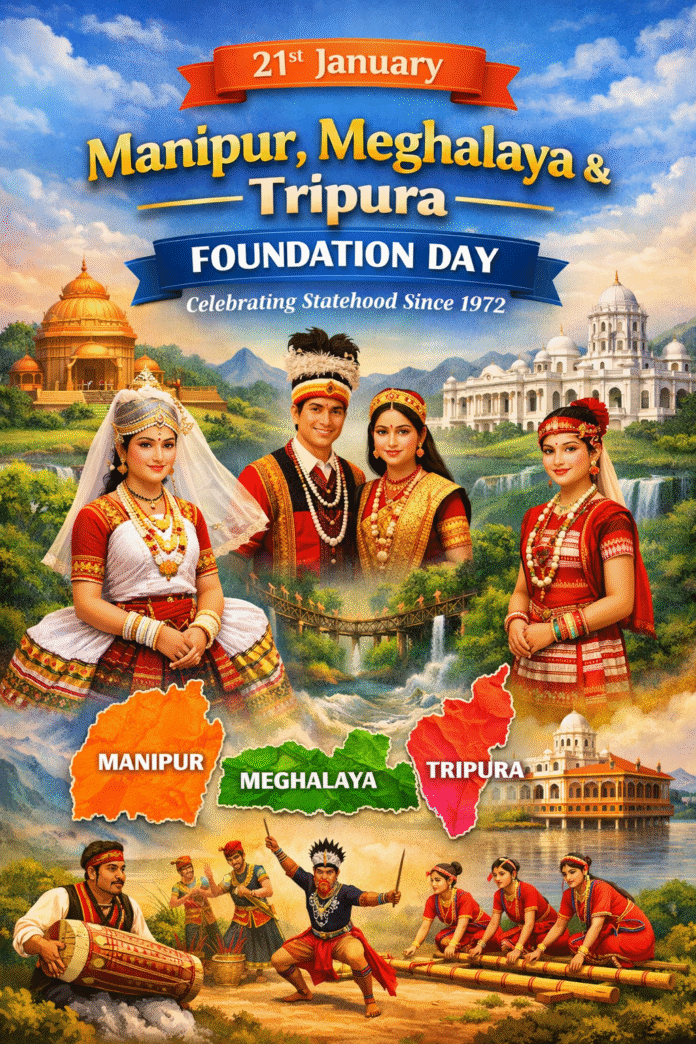
India’s northeastern region is known for its cultural diversity, rich history, and unique traditions. Every year on 21 January, the nation celebrates the Foundation Day of Manipur, Meghalaya, and Tripura, commemorating the day these three states attained full statehood in 1972. This historic occasion highlights India’s commitment to inclusive governance and respect for regional identities within the federal framework.

Foundation Day celebrations honor the journey, heritage, and aspirations of the people of these vibrant states.

Historical Background of Statehood

After independence, several regions in Northeast India were reorganized to ensure better administration and representation. Manipur, Meghalaya, and Tripura were initially governed as Union Territories or princely states before achieving full statehood.

The North Eastern Areas (Reorganisation) Act, 1971 played a key role in this transformation. As a result, on 21 January 1972, Manipur, Meghalaya, and Tripura officially became full-fledged states of the Indian Union.

Manipur Foundation Day: History and Cultural Pride

Journey to Statehood

Manipur was once an independent princely kingdom before merging with India in 1949. It became a Union Territory in 1956 and later attained statehood in 1972.

Cultural Significance

Manipur is renowned for:

  • Manipuri classical dance
  • Rich traditions of art, music, and martial practices
  • Natural landmarks like Loktak Lake

Foundation Day celebrations in Manipur reflect pride in its cultural heritage and ongoing development.

Meghalaya Foundation Day: Identity and Tradition

Formation of the State

Meghalaya was carved out of Assam to fulfill the aspirations of its tribal communities. It first became an autonomous state in 1970 before achieving full statehood in 1972.

Unique Cultural Features

Known as the “Abode of Clouds,” Meghalaya is home to:

  • Khasi, Garo, and Jaintia tribes
  • A rare matrilineal social system
  • Rich biodiversity and natural beauty

Foundation Day events showcase the state’s harmony between tradition and modernity.

Tripura Foundation Day: Heritage and Progress

Path to Statehood

Tripura was a princely state that merged with India in 1949. It became a Union Territory in 1956 and achieved statehood in 1972.

Cultural and Historical Importance

Tripura is known for:

  • A blend of tribal and Bengali cultures
  • Traditional dance forms like Hojagiri
  • Historical landmarks and archaeological sites

The Foundation Day highlights Tripura’s cultural unity and developmental journey.

Importance of Foundation Day Celebrations

1. Strengthening National Unity

These celebrations reaffirm India’s unity while respecting regional diversity.

2. Preserving Cultural Heritage

Traditional music, dances, and exhibitions help preserve indigenous customs.

3. Reflecting on Growth and Development

The day offers an opportunity to review progress and set future goals.

4. Inspiring Future Generations

Foundation Day encourages youth to value their roots and contribute to state-building.

Conclusion

The Foundation Day of Manipur, Meghalaya, and Tripura, celebrated on 21 January, is a tribute to the historical journey, cultural richness, and democratic aspirations of these northeastern states. Their statehood marked an important step in strengthening India’s federal structure and inclusive growth.

As India moves forward, Manipur, Meghalaya, and Tripura continue to enrich the nation with their traditions, resilience, and contributions.

APSARA: India’s First Nuclear Reactor Inaugurated on 20 January 1957

0

India’s entry into the field of nuclear science marked a significant milestone in its journey toward scientific progress and self-reliance. At the heart of this achievement was APSARA, India’s first nuclear research reactor. Commissioned in the early years after independence, APSARA symbolized the nation’s determination to harness advanced science and technology for peaceful and developmental purposes.

What Is APSARA?

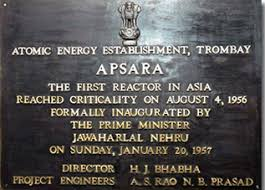
APSARA was India’s first nuclear research reactor, established at Trombay near Mumbai, a site that later became the Bhabha Atomic Research Centre (BARC). It was designed primarily for research, training, and experimentation in nuclear science.

The reactor was a swimming pool–type research reactor, a design commonly used for academic and experimental purposes. APSARA was not built to generate electricity; instead, it focused on strengthening India’s scientific capabilities.

The Vision Behind APSARA

The development of APSARA was guided by the vision of Jawaharlal Nehru, India’s first Prime Minister, and Dr. Homi Jehangir Bhabha, the chief architect of India’s nuclear program. Nehru believed that modern science was essential for national development, while Bhabha emphasized building indigenous scientific expertise.

Together, their leadership ensured that nuclear energy in India would be used for peaceful applications, such as research, medicine, and industry.

Role of APSARA in Scientific Research

APSARA played a crucial role in the early growth of India’s nuclear program. It supported:

  • Training of nuclear scientists and engineers
  • Research in nuclear physics and reactor technology
  • Production of radioisotopes for medical and industrial use
  • Academic collaboration with universities and research institutions

For many Indian scientists, APSARA was the first hands-on experience with nuclear reactor operations.

Importance of APSARA in India’s History

1. Foundation of Nuclear Research

APSARA laid the groundwork for India’s future nuclear reactors and research facilities.

2. Boost to Self-Reliance

The reactor helped India develop confidence in handling advanced technology soon after independence.

3. Commitment to Peaceful Nuclear Use

APSARA reflected India’s ethical stance that atomic energy should be used for development, not destruction.

4. Global Recognition

With APSARA, India joined a select group of nations with operational nuclear research reactors, enhancing its global scientific standing.

Legacy of APSARA

APSARA remained operational for several decades and made lasting contributions to Indian science and education. Its success led to the development of more advanced reactors and research programs in the country.

In later years, APSARA’s legacy continued through modernized facilities and upgraded research reactors that follow international safety and non-proliferation standards.

Conclusion

APSARA, India’s first nuclear reactor, was more than a scientific installation – it was a symbol of a young nation’s ambition, confidence, and commitment to progress. By laying the foundation for nuclear research and scientific excellence, APSARA played a vital role in shaping India’s technological future.

Even today, APSARA stands as a reminder of India’s early determination to use science as a force for national development and global responsibility.

Raksha: This Tool Can Rewrite Child Protection Through AI in Rajasthan…

0

With the nationwide launch of an AI-powered tool ‘Raksha’ to combat various crimes against children such as child trafficking, child marriage and the alarming spread of Child Sexual Exploitative and Abuse Material (CSEAM), Rajasthan may find the tool as a crucial opportunity to combat the rising crimes in the state.

As per the National Crime Records Bureau 2023, of the total 177335 crimes against children across the country, Rajasthan alone recorded 10577 such crimes in 2023. Developed by Just Rights for Children, the unique tool analyses nationwide data and deploys advanced AI capabilities to enable realtime mapping, track heat zones, identify vulnerable families and track the organized crime of trafficking.

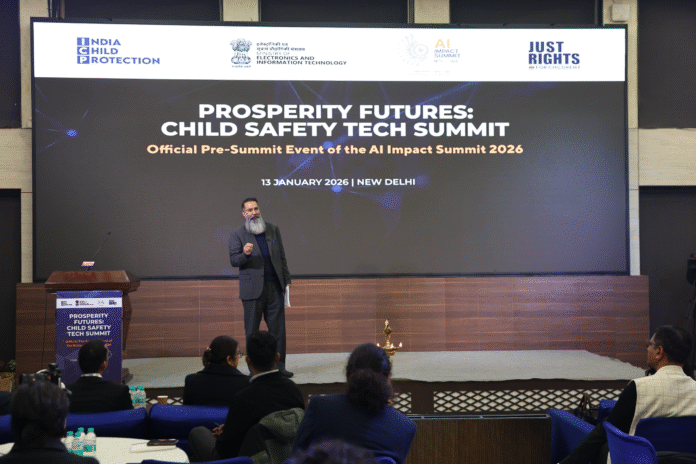
The tool named ‘Raksha’ was launched at ‘Prosperity Futures: Child Safety Tech Summit’ which is the official pre-summit event of the AI Impact Summit 2026. The Summit was organised by Just Rights for Children (JRC), along with strategic partner India Child Protection, in affiliation with MeitY. Applauding the first-ever such AI tool in the field of child protection, Jitin Prasada, Union Minister of State for the Ministry of Electronics and Information Technology (MeitY) Ministry of Commerce and Industry, said, “True measure of technology lies in the protection of the most vulnerable. Children represent our future and it is our collective responsibility to ensure that the digital world they are in and will inherit is safe, inclusive and empowering. I am pleased to know that Just Rights for Children is launching AI-enabled child safety technology for prosperity, empowerment, trust and protection. Raksha tool encapsulates the values of safeguarding children, ensuring a strengthened child protection system.”

Just Rights for Children is one of the largest networks with over 250 civil society organisations working across 451 districts for child protection. The Network has 17 NGO partners working in 38 districts of Rajasthan.

With timely intervention and invisibility being two of the most crucial challenges in addressing crimes against children such as child marriage, child trafficking, and online abuse, this AI-empowered tool can be a game changer for law enforcement agencies, communities, and grassroots organisations. Rajasthan has been witnessing an alarming rise in such crimes with 7653 in 2021 which rose to 9370 in 2022.

Raksha, designed to ‘Predict, Prevent and Protect’ in the child protection ecosystem, targets with its three focussed tools. The first Raksha tool acts on prevention by reducing economic vulnerability of families at a mass scale, thus targeting child marriage. The second tool combats the organized economic crime of trafficking by pre-empting and preventing it before it takes place on one side, and following the money to identify the tentacles of the organized crime syndicates on the other. The third tool strengthens digital child protection by detecting, analysing, and mapping online heat zones and IP addresses associated with the creation, upload, download, and consumption of CSEAM.

Vasant Panchami 2026 Across India: How Different Cities Welcome Spring

0

Vasant Panchami marks the gentle arrival of spring in India—a season associated with renewal, learning, and quiet joy. While the spirit of the festival remains the same nationwide, its celebrations vary widely across regions, reflecting India’s rich cultural diversity. From vibrant kite-flying in the north to elaborate Saraswati Puja rituals in the east, Vasant Panchami 2026 will once again be welcomed in many unique ways.

Vasant Panchami 2026: Key Facts

  • Date: Friday, January 23, 2026
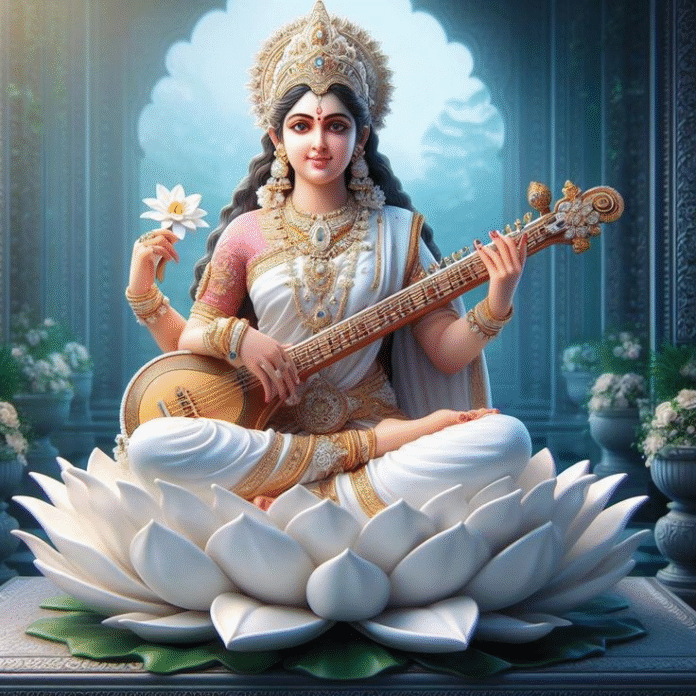
  • Dedicated to: Goddess Saraswati, the deity of knowledge, music, and the arts
  • Key Colour: Yellow (Basanti), symbolising spring, prosperity, and mustard fields
  • Core Theme: Welcoming spring, knowledge, creativity, and new beginnings

North India: Devotion, Kites, and Spring Energy

Across Punjab, Haryana, Uttar Pradesh, Delhi, and Rajasthan, Vasant Panchami blends devotion with festivity. Homes and educational institutions organise Saraswati Puja, with students placing books and musical instruments before the goddess to seek her blessings.

Kite flying is a major highlight in many northern cities. The skies come alive with colourful kites, representing freedom, joy, and the playful energy of spring. Yellow attire, seasonal sweets, and mild weather add to the festive charm as winter slowly retreats.

Eastern India: Saraswati Puja at the Heart of the Festival

In West Bengal, Bihar, Odisha, and Jharkhand, Vasant Panchami is almost synonymous with Saraswati Puja. Cities like Kolkata witness grand celebrations, with beautifully adorned idols set up in schools, colleges, and neighbourhoods.

Students dress in yellow, offer flowers, and pray for wisdom and creativity. Cultural programmes, music, and recitations create a vibrant atmosphere. For many children, the day symbolises a fresh academic beginning, as books are worshipped before studies resume.

Western India: Colourful Traditions and Community Joy

In Gujarat, Maharashtra, and Madhya Pradesh, the festival is marked by prayers, floral decorations, and community gatherings. People wear light-coloured or yellow clothes to welcome spring.

Traditional songs, folk performances, and festive sweets made with saffron, turmeric, or gram flour reflect the joy of the season. Families pray for prosperity, good health, and harmony.

Southern India: Learning, Art, and Respect for Knowledge

In Tamil Nadu, Karnataka, Andhra Pradesh, and Kerala, Vasant Panchami places strong emphasis on learning and skills. Special prayers are offered in temples and schools, and books, musical instruments, and tools are worshipped as symbols of knowledge and work.

Students often begin new lessons or artistic pursuits on this day, considering it highly auspicious for education and creativity.

A Shared Spirit Across India

Despite regional differences, certain elements unite the celebrations across the country:

  • Worship of Goddess Saraswati
  • Use of yellow to symbolise warmth, hope, and renewal
  • Celebration of learning, creativity, and new beginnings

Vasant Panchami beautifully captures India’s cultural diversity. From kite-filled skies in the north to Saraswati Puja in the east, from folk traditions in the west to learning-focused rituals in the south, every region welcomes spring in its own way—yet all share the same message of positivity, knowledge, and renewal.

Frequently Asked Questions (FAQs)

Q1: When is Vasant Panchami in 2026?
A: Vasant Panchami will be celebrated on Friday, January 23, 2026.

Q2: Why is the colour yellow important on Vasant Panchami?
A: Yellow symbolises blooming mustard fields, the warmth of the sun, auspiciousness, and the vibrant energy of spring.

Q3: Is Vasant Panchami a public holiday?
A: It is a restricted holiday in many states. In West Bengal, Bihar, and Odisha, schools and colleges are often closed for Saraswati Puja.

Q4: Where is Saraswati Puja most famously celebrated?
A: Kolkata is renowned for its cultural celebrations, while the Gnana Saraswati Temple in Basara, Telangana, is famous for traditional learning rituals such as Aksharabhyasam.