Home Blog Page 665

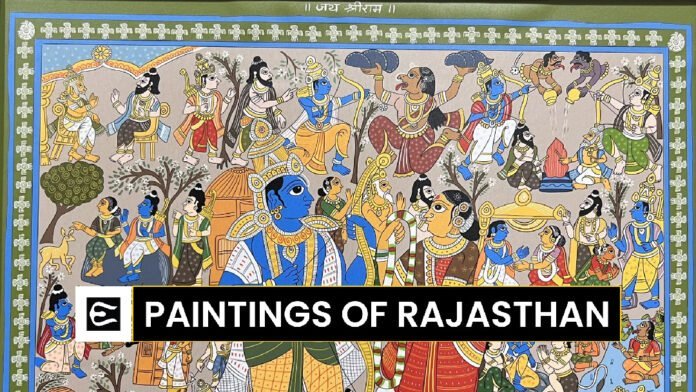
The Significance of Kajali painting in the traditional art of Rajasthan. 

0
Credit: Anikartick

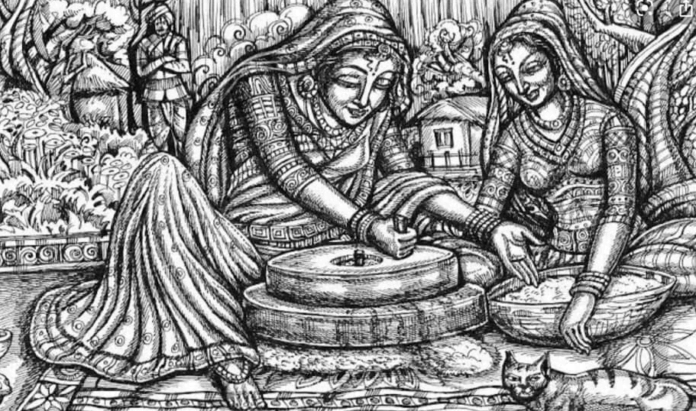
A traditional Indian art form from the state of Rajasthan is kajali painting. It is renowned for its complex designs and brilliant colors.

On paper or fabric, natural colors are frequently used to create kajali paintings. Images of animals, birds, and plants are frequently featured in the patterns, which are generally done in bright, contrasting hues. Fine lines, stippling, and shading are just a few of the methods used by the highly experienced artisans that produce Kajali paintings.

The use of negative space in Kajali paintings is one of its distinctive features. In order to accentuate the complex details of the patterns, the artist may frequently leave substantial parts of the paper or fabric blank. The use of repetition, with many of the designs including repeating motifs or patterns, is another distinctive aspect of Kajali paintings.

Kajali paintings are beautiful, but they also have cultural value. They are a significant aspect of the Meena tribe’s cultural history and frequently utilized to illustrate events from Hindu mythology. Kajali paintings continue to play a significant role in Rajasthan’s rich creative legacy and are highly prized by collectors and art aficionados worldwide.

Penumbral Lunar Eclipse: The first lunar eclipse of 2023 will be vicible from india

0

As the Penumbral Lunar Eclipse would be the first lunar eclipse visible in India in 2023, people are preparing to observe the first lunar eclipse of 2023, also known as Chandra Grahan. It occurs on May 5 and is visible in India. The occurrence will take place just a few weeks after the unusual Hybrid Solar Eclipse, which occurred on Thursday, April 20, and was the first Surya Grahan of 2023. 

Penumbral Lunar eclipse:

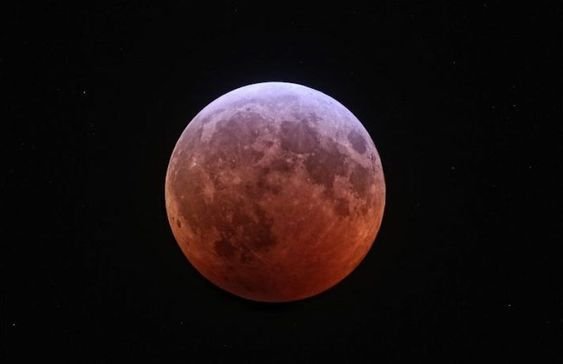
When the Earth casts a shadow and moves in front of the Moon and Sun, a lunar eclipse occurs. During the Penumbral Lunar Eclipse, the Moon moves into the outer shadow of the Earth. The Moon will dim, but not fully vanish, from view for skywatchers.

A penumbral eclipse happens when Earth moves in front of the Moon and Sun. As a result of Earth blocking the Sun’s light, the Moon’s surface is covered in our planet’s shadow. In contrast to solar eclipses, this may result in phenomena that are more subdued and challenging to spot.

Visibility from India:

The Moon will very narrowly escape the Umbra this time, the inner, darker region of Earth’s shadow. The darkest Penumbral Eclipse will not occur again until September 2042, according to Timeanddate.com. Discover the country-specific visibility, whether India will see the event, and what a penumbral lunar eclipse is.

Thus, in India, the Penumbral Lunar Eclipse will be visible. The celestial event will take place on May 5 this year and will start at 8:44 pm and terminate at 1:01 am on May 6. On May 5, at 10:52, the maximum lunar eclipse will take place. According to Timeanddate.com, the Penumbral Lunar Eclipse will take place on May 5 from 10:52 p.m. to 1:01 a.m. on May 6 in New Delhi and Mumbai. A Penumbral Lunar Eclipse is challenging to see, though, because of the minor dimming effect and the irregular alignment of the Sun, Moon, and Earth.

Tarakashi: A beautiful art to explore

0

Dimple Arora reports on the old traditional art of tarakashi.

Tarakashi is an ancient traditional art form native to eastern Odisha, especially in Cuttack and its surrounding areas. This jewelry is made by stretching silver into thin wires, which are interwoven together, finely designed, and molded into beautiful delicate ornaments.

Essentially, the name “tarakashi” originates from the Japanese words “tara” meaning “thin” and “kashi” meaning “metal leaf.” Another name for the art is “Filigree.”  

The artist worked diligently and with patience to produce this lovely piece of artwork. On the eastern coasts of Odisha, modest, regional artisans created this more than 500-year-old masterpiece. Lacquerware, pottery, and furniture, among other items, are decorated with designs to provide a lovely and distinctive ornamental effect.

 Currently, Cuttack, where the artwork is valued, is home to the silver filigree artisans. Ancient craft has diminished in importance in the eyes of the younger generation in the contemporary day, but traditional artisans are still making a valiant effort to preserve its originality.

 The patterns frequently draw their inspiration from nature and include themes like flowers, birds, and landscapes. A thin layer of lacquer is frequently applied to the metal sheets used in tarakashi to increase their toughness and gloss. 

To master their profession, tarakashi artists often spend years in training. They must not only be talented artists but also be well-versed in metalworking processes and the characteristics of various metals.

While the craft has evolved over the years, with new materials and designs being introduced, the core principles and techniques of tarakashi remain unchanged. As such, it continues to be a beloved and important part of our heritage.

Buddha Purnima: History, Significance, Wishes Quotes and More

0

Buddha Purnima, also known as Vesak or Buddha Jayanti, is a significant festival in the Buddhist calendar that commemorates the birth, enlightenment, and death of Gautama Buddha. Celebrated on the full moon day of the Vaisakha month (usually in May), this day holds great importance for Buddhists all around the world. It is a time for reflection, meditation, and rejoicing in the teachings of the Buddha.

History: Buddha Purnima is celebrated in honor of the birth, enlightenment, and death of Gautama Buddha, the founder of Buddhism. Buddha was born in Lumbini, Nepal, in 563 BCE. He attained enlightenment under the Bodhi tree in Bodh Gaya, India, and later gave his first sermon in Sarnath, India. He passed away at Kushinagar, India, at the age of 80. Buddha’s teachings, which focus on the path to enlightenment and liberation from suffering, have influenced millions of people worldwide.

Significance: Buddha Purnima is a time for reflection, meditation, and rejoicing in the teachings of the Buddha. It is an occasion to honor the life and teachings of Gautama Buddha and to celebrate the power of his teachings to transform our lives and the world. Buddhists around the world celebrate Buddha Purnima by performing acts of kindness, charity, and compassion, and by observing meditation and mindfulness practices.

In many countries, Buddha Purnima is a public holiday, and people participate in various activities, such as visiting Buddhist temples and monasteries, lighting candles, offering flowers and incense, and chanting Buddhist scriptures. The day is also marked by cultural programs, processions, and feasts.

If you are looking for some inspiring Buddha Purnima wishes and quotes to share with your loved ones, here are some options to consider:

  1. “May the teachings of the Buddha guide you on the path of peace, happiness, and enlightenment. Happy Buddha Purnima!”
  2. “On this auspicious day, let us honor the teachings of the Buddha and strive to live a life of compassion, wisdom, and mindfulness. Happy Buddha Purnima!”
  3. “May the blessings of the Buddha be with you on this holy day and always. Wishing you a joyous and peaceful Buddha Purnima!”
  4. “Let us embrace the spirit of love, kindness, and forgiveness that the Buddha taught us. Happy Buddha Purnima!”
  5. “On this sacred day, let us remember the Buddha’s message of non-violence, harmony, and understanding. Happy Buddha Purnima to you and your family!”
  6. “May the light of the Buddha’s teachings shine upon your life and lead you to eternal happiness. Happy Buddha Purnima!”
  7. “Let us celebrate the birth of the Buddha by spreading love, joy, and positivity to all beings. Happy Buddha Purnima!”
  8. “The teachings of the Buddha have the power to transform our lives and the world. Let us follow his path of compassion and wisdom. Happy Buddha Purnima!”
  9. “May the holy spirit of Buddha’s teachings fill your heart and guide you towards a path of inner peace and enlightenment. Happy Buddha Purnima!”
  10. “Let us use the occasion of Buddha Purnima to renew our commitment to living a life of mindfulness, compassion, and wisdom. Wishing you a blessed and happy Buddha Purnima!”

Dive deep into the world of Rajasthani Traditional-authentic pieces of jewelry

0

Dimple Arora writes on the authenticity of the Indian traditional jewelry of Rajasthan.

Indian jewelry is one of its kind which offers a few advantages. Since jewelry from bygone eras has been around to witness more than a century of human evolution, we classify them as antique jewelry. renowned for its exquisite and gorgeous craftsmanship. The term “Antique Jewellery” refers to previously possessed jewelry made in the styles of that bygone age. However, because of their weighty appearance, expensive stones, ability to be worn by influencers, and dazzling, glittering stones that are fashioned appropriately, they are increasingly in demand in the present world.

Thewa jewelry, meenakari jewelry, kundan jewelry, and jadau necklaces are some of the traditional types of jewelry that are popular in India and have a long history. These styles all stand out because of their distinctive qualities and traits. We’ll go into more depth about each of these styles in this piece.

Kundan Jewellery

Indian jewelry known as Kundan is created using a mix of glass, gold, and precious and semi-precious stones. The procedure of putting the stones into the gold is known as “Kundan.” The elaborate patterns and vivid color combinations used in this form of jewelry are well-recognized. Indians love Kundan jewelry, which was first produced in the royal courts of Rajasthan.

Jadau Necklaces

Indian necklaces known as “jadau” are crafted from a mix of gold, pearls, and precious and semi-precious stones. The name “Jadau” refers to the heated wax method used to embed the stones into the gold. On the big day, brides frequently wear this kind of jewelry because of its intricate patterns. Rajasthan and other regions of North India are known for their love of jadau jewelry.

Meenakari Jewellery

Indian jewelry known as meenakari is created using a mix of gold, silver, and enamel. The method of using enamel to paint the metal’s surface is known as “meenakari.” This kind of jewelry is renowned for its complex patterns and vibrant motifs. Rajasthan is where Meenakari jewelry was first made, and it is now well-liked throughout India.

Raja Mansingh introduced this creative jewelry. This style of art is typically tedious and is frequently displayed on lac sticks with engraved motifs. The grooves are then filled with the appropriate color of enamel dust, which is heated until it liquefies and spreads across the groove. To finish the decoration, the prepared pattern is set in silver or gold. Meenakari’s art is well-known in places like Nathadwara, Bikaner, Varanasi, Hyderabad, Kolkata, etc. 

Thewa Jewellery

An Indian jewelry style known as thewa is created by combining gold, glass, and enamel. The method of making a delicate gold frame for a piece of glass is known as “thewa.” This kind of jewelry is renowned for its elaborate patterns and vivid color palette. Rajasthan was the birthplace of thewa jewelry, which is today favored throughout India.

Kundan jewelry, Jadau necklaces, meenakari jewelry, and thewa jewelry are all exquisite examples of traditional Indian jewelry with distinctive qualities and features. Each of these fashions has a long history and is well-liked throughout India. 

The style of Maru-Gurjara architecture

0

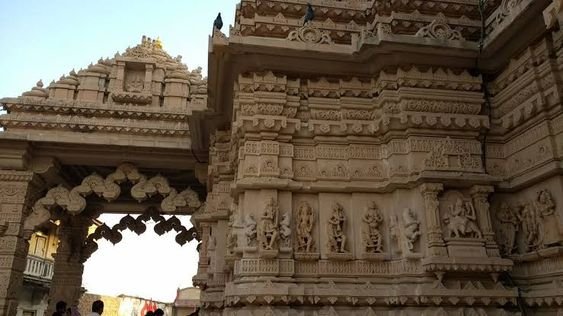
The Maru-Gurjara architectural style dates back to the sixth century and was developed in the western part of India. The Mru style of Rajasthan and the Gurjara style of Gujarat are combined to create this architectural design. This fusion of two different architectural forms produced a distinctive design that is steeped in history and culture.

Intricate carvings, delicate sculptures, and graceful jalis (lattice screens), which are a signature of this style, are used often in Maru-Gurjara architecture. The numerous renowned structures that are still surviving in the area, including the Kirti Stambh (Tower of Fame) in Chittorgarh, Rajasthan, make use of these complex embellishments.

Fortresses and palaces designed to survive invasions and raids were also erected in the Mru-Gurjara architecture style, which is well-known. These buildings were built with strong walls, bastions, and gates and entrances that could be closed off in the event of an attack.

The Maru-Gurjara architecture also makes extensive use of courtyards, gardens, and water features. These elements are intended to create cool, shaded areas and to act as a supply of water in the dry area.

A distinctive and lovely architectural design, Mru-Gurjara architecture highlights the rich cultural heritage of India’s western region. This architectural style stands out for a variety of reasons, including the elaborate carvings, graceful jalis, and defended constructions.

Pride of India in its traditional Jewelry

0

Dimple Arora reports on the styling and Indian traditional jewelry

Indian traditional jewelry, including bangles, jhumkas, necklaces, and other accessories, is highly recognized around the world. We have a wide range of jewelry to choose from that enhance the beauty of an Indian woman thanks to our rich culture.

Our nation’s traditional jewelry is a symbol of its pride and culture. Bangles are a crucial component of traditional jewelry in India and are worn by women of all ages. Bangles are available in many different materials, such as gold, silver, brass, and lac, and they frequently feature precious and semi-precious stones as decorations.

Mirrored lac and glass bangles are two of the most common types of bangles in India.  

Mirrored Lac Bangles

 Shisha bangles are another name for mirror-lac bangles. The resinous substance used to make lac bracelets is gathered from the kerria lacca bug. Initially, lac is applied thickly to a wooden rod and rolled into the shape of a cylindrical dough over a flat surface. Then it is gradually heated over a coal burner. The mixture is simultaneously spread on metal molds in the shape of bracelets.

Since ancient times, lac bangles have been a part of Indian culture, and they are frequently worn in vibrant sets of several bangles. Lac bangles are typically decorated with elaborate patterns and embellished with tiny mirrors. Girls of today’s younger age adore colorful, stylish bracelets that are manufactured to match the prevailing fashion and needs.

Western Rajasthan is where the custom of wearing mirrored lac bangles is thought to have started. The bangles’ tiny mirrors were thought to fend off evil spirits, and their vibrant colors stood for optimism and joy. As a result, it is thought to be a sign of success and joy for married women.

Mirrored lac bangles are now common among Indian populations worldwide as well as in India. They are frequently worn during weddings and festivals and are seen as a representation of tradition and femininity.

 Glass Bangles

As the name implies, glass bangles are constructed of glass and available in a range of hues. Glass bangles are frequently worn in sets, and it is lucky to hear them clinking together.

Glass bracelets have been worn since prehistoric times. In certain cultures, newlywed women are required to wear glass bangles as a sign of their marital status for a particular amount of time following their wedding.

The historic Indian city of Firozabad, which is located in northern India, is where glass bracelets are mostly made. For more than 200 years, they have been made in the region. The earliest form of bangles are made of glass, and the name “glass” comes from the Bangari language. Due to its lustrous, shiny, and transparent material, it has been produced since 1500 B.C.

Traditional glass and lac bangles are made in a way that is distinctive. They basically have unlimited styles and patterns, and their demand will continue to grow in the next years. Additionally, we have observed actresses showing off their glass bangles, which encourages a new generation of young people to think outside the box and popularizes their accessories around the world.


Know more about the paintings of Rajasthan

0

Rajasthan is renowned for its thriving creative traditions and cultural heritage. Rajasthani painting is among this region’s most well-known artistic genres. Rajasthani painting is renowned for its fine details, vivid colors, and distinctive style. Phad painting, Pichwai painting, and miniature painting are the three primary subgenres of Rajasthani art.

The development and fame of Rajputana paintings, also known as Rajasthani paintings, began in the medieval era and peaked during the 15th and 17th centuries under Mughal authority. The Ramayana and Mahabharata, two Hindu holy epics, and the tale of Radha and Lord Krishna were the most often depicted subjects in these paintings. Landscapes offer deserts and a peek of Rajasthan, while most of the characters are dressed in traditional Rajasthani garb.

Phad painting:

Phad painting is a traditional style of Rajasthani painting done on cloth. It is a type of scroll painting that is used to narrate the stories of deities and heroes. Phad paintings are characterized by their use of bold colors and the intricate details that go into each painting. They are often used in religious ceremonies and festivals.

Pichwai painting:

It was initiated in the 17th century at Nathdwara, in the Rajasthani province of Udaipur. Thus, it is a type of Rajasthani painting that is used as a backdrop for religious shrines. It is usually done on cloth or silk and features intricate designs and patterns. Pichwai paintings often depict scenes from the life of Lord Krishna, and they are characterized by their use of bright colors and fine details.

Miniature Painting:

A type of painting known as miniature painting first appeared in Rajasthan in the 16th century. It is distinguished by its diminutive size and minute detailing. Miniature paintings frequently feature a variety of topics, such as court settings, hunting scenes, and portraits. They are frequently created on paper or ivory. They are renowned for using vivid colors and elaborate designs.

The three main types of Rajasthani painting are Phad painting, Pichwai painting, and miniature painting. Each of these styles has its distinctive characteristics and is used for different purposes, but they all share the same rich cultural heritage and artistic traditions of Rajasthan. Rajasthani painting is an exceptional and beautiful form of art that is distinguished by its intricate details and vibrant colors.

The first para-astronaut in history is John McFall of Frimley, England, in the United Kingdom.

0

The sky’s the limit! But sometimes we need to fly even far away from the skies. John McFall becomes the first para-astronaut from England, United Kingdom. After completing his first test of a parabolic flight in zero gravity on Thursday, John McFall of Frimley Town, England, became the first para-astronaut in history. Later, a bike accident cost John his right leg in 2000, in the incident his life underwent a significant change. He did not, however, give up and went on to achieve success as an athlete, taking home several Paralympic medals.

Thus, John joined the Royal College of Surgeons in 2016 after earning his Bachelor of Medicine and Surgery (MBBS) from the Cardiff University School of Medicine. He is currently employed in the south of England as a Trauma and Orthopaedic Specialist Registrar.

He has furthermore taken a lead role in several projects that help potential Paralympians in the UK. He worked as an attaché and mentor for the International Paralympic Committee during the London 2012 Paralympic Games in addition to mentoring the Paralympic Inspiration Programme in 2012.

In South East Wales between 2014 and 2016, John worked as a Foundation Doctor for the British National Health Service, gaining expertise in a range of medical and surgical specialties. Therefore, from 2016 to 2018, he completed his core surgical training, which includes general surgery, urology, trauma, and orthopedics, at the Wessex deanery.

John earned a spot on the national Trauma and Orthopaedic Specialist Registrar training program in the UK in 2018 and is presently studying for his FRCS tests, which will grant him fellowship in the Royal College of Surgeons. He has three kids and is married.

International Flower Festival(Gangtok, Sikkim) is all set to bloom!

0

Dimple Arora reports on the International flower festival.

The International Flower Festival is one of the most vibrant and colorful festivals in India, celebrated annually in Gangtok, the capital city of Sikkim. The festival is an opportunity to showcase the stunning beauty of Sikkim’s flowers and plants, as well as to promote tourism and the rich culture of the state. The festival takes place throughout May and attracts thousands of visitors from around the world.

The festival showcases a diverse range of flowers, including orchids, rhododendrons, magnolias, and many other exotic flowers that thrive in Sikkim’s unique climate. The festival is an opportunity for local farmers, gardeners, and florists to display their produce and compete for various awards.

The festival is also an occasion for cultural exchange and interaction. Visitors can enjoy traditional Sikkimese music, dance performances, and sample local cuisine. The festival provides a platform for local artisans and craftspeople to showcase their work, including traditional handicrafts, paintings, and sculptures.

One of the highlights of the International Flower Festival is the flower shows, which are held at Flower Exhibition Centre or near the White Hall Complex in the capital city of the state, Gangtok. The flower shows are a showcase of the creativity and imagination of local florists, who use the flowers and plants to create stunning displays and arrangements.

Aside from these, the Himalayan mountain range is always open for adventurous sports and journeys. Rafting and other sorts of adventure are available. The Tourism Department of the Government of Sikkim makes special arrangements for the activities. The Yak Safari, which takes guests on a tour of the surrounding hills and valleys on the back of a yak, the signature animal of the Himalayan region, is another festival event.

The International Flower Festival in Gangtok is a celebration of the beauty of nature and the rich culture of Sikkim. It is an opportunity for visitors to immerse themselves in the stunning landscapes and unique traditions of the state. The festival is a testament to the commitment of the local community towards promoting sustainable tourism and preserving the natural environment.

Therefore, the International Flower Festival in Gangtok is a must-visit for anyone interested in the beauty of nature and the rich culture of India’s Northeast region. It is an opportunity to experience the vibrant colors and fragrances of Sikkim’s flowers and plants, and to enjoy the warmth and hospitality of the local people.