Home Blog Page 660

The Rise of Naturopathy: Exploring Naturopathic Centers in Rajasthan

0

Dimple Arora reports on the rise of Naturopathy

Naturopathy, a holistic approach to healthcare, has gained significant popularity in recent years. With its emphasis on natural remedies and a patient-centered approach, naturopathy has become a preferred choice for many individuals seeking alternative and complementary therapies. In the Indian state of Rajasthan, several naturopathic centers have emerged, offering a range of treatments and therapies aimed at promoting overall well-being. In this article, we will delve into the world of naturopathy in Rajasthan and explore some of the prominent naturopathic centers in the state.

Understanding Naturopathy:

Naturopathy is a form of alternative medicine that focuses on the body’s ability to heal itself through natural means. It combines various healing modalities, including herbal medicine, nutrition, physical therapies, hydrotherapy, and lifestyle counseling. The fundamental principles of naturopathy revolve around the belief in the body’s innate ability to heal and the promotion of holistic wellness.

Prominent Naturopathic Centers in Rajasthan:

1. The Nisarg Nature Cure and Yogashram, Jaipur:

Situated in the capital city of Rajasthan, Nisarg Nature Cure, and Yogashram is a renowned naturopathy center. It offers a wide range of natural treatments, including yoga, meditation, mud therapy, hydrotherapy, and dietary modifications. The center focuses on detoxification, stress management, weight management, and lifestyle disorders.

2. National Institute of Ayurveda, Jaipur

Established in 1946, the National Institute of Ayurveda is renowned for providing integrated curative and preventive healthcare. The institute is situated in the palatial Madhav Vilas complex and houses 13 departments of medicine while also boasting a fully-functional Arogyashala(hospital).

3. Government Yogic Treatment Cum Research Centre, Jaipur

The center set up in 1961 by the Government of Rajasthan provides treatment for diabetes, asthma, and intestinal disorders. Also, it does so without using medicines in any of the treatments. The center also teaches and conducts research in yogic methods. The free boarding and lodging facility provided by the center to its patients is extremely popular so it’s best to book in advance.

4. Yoga Sadhana Ashram, Bapu Nagar, Jaipur

Founded in 1969 by Swami Anandanadji, the ashram is nestled amidst lush groves of green. It is best known for the treatment of heart diseases, blood pressure, and psychic disorders. The ashram also conducts a 3-month certificate course in yoga and a year-long diploma course in yoga and naturopathy. Regular yoga classes are held every morning and evening at the ashram.

5. Shri Guru Nanak Dev Naturopathy and Yoga Centre, Bikaner:

Located in the historic city of Bikaner, this naturopathic center follows a holistic approach to health and wellness. The center provides various naturopathic treatments such as acupuncture, acupressure, diet therapy, therapeutic massages, and yoga. It also offers specialized programs for chronic conditions like diabetes, hypertension, and respiratory ailments.

6. Dr. Madan Gulati’s Naturopathy Clinic, Udaipur:

Dr. Madan Gulati’s Naturopathy Clinic is a renowned center that combines naturopathy, Ayurveda, and yoga therapies. The clinic focuses on preventive and curative aspects of natural healing. The treatments include Panchakarma, herbal medicine, detoxification, and customized diet plans. The center also offers wellness programs for rejuvenation and stress management.

7. Jiva Naturopathy and Yoga Centre, Jaisalmer:

Nestled in the heart of the majestic Jaisalmer city, Jiva Naturopathy and Yoga Centre provide a serene environment for healing and rejuvenation. The center offers naturopathic therapies, yoga, meditation, Ayurvedic treatments, and Ayurvedic cooking classes. Their programs aim to restore the body’s balance, improve vitality, and promote overall well-being.

8. Nature Cure Centre, Jaipur

Also known as the Prakritik Chiktsalaya, the nature cure health center is built on a sprawling garden that spans three acres. Walled up on all sides to keep out the hustle and bustle of the city, the center is an oasis of serenity. All types of ailments are treated at the center. It has made impressive progress in the cure of arthritis, asthma, bronchitis, colitis, diabetes, heart problems, obesity, acidity, jaundice, respiratory ailments, and lumbar spondylitis. Treatment provided at the center is based on the five elements, i.e. earth, fire, water, air, and ether. The treatments include fasting, sunbathing, mud baths, wet sheet packing, steam baths, water therapy, and electrotherapy.

9. Vipassana Dhamma Thali Centre for Meditation

Firstly propounded by Gautam Buddha, Vipassana is an ancient meditation technique to which the Dhamma Thali is dedicated. The campus is located on a four-acre estate set in the Aravallis and has a meditation hall for 150 students, a pagoda, and a cell complex. The center organizes 10-day courses of meditation for new students as well as 20, 30, and 45-day courses for experienced practitioners. One can also avail of refresher courses if required.

10. Navneet Prakritik Yoga Chikitsa Dham, Jaipur

Located on NH 15, 22 Kilometres from Jaipur. The Dham is known for yoga and naturopathy. Managed by an NGO called Navneet Chikitsa Anusandhan Trust, it is spread over an area of 27 acres in the wilderness. The Dham houses a canteen that provides healthy food for natural cures such as sprouted cereals, pulses, honey, seasonal fruits, juice, Dalia etc.

Benefits of Naturopathy:

Naturopathy offers several benefits to individuals seeking natural and holistic healthcare. Some key advantages include:

1. Non-invasive and drug-free treatments.

2. Focus on identifying and treating the root cause of illnesses.

3. Promotes overall well-being and preventive care.

4. Emphasis on patient education and self-care.

5. Personalized treatment plans tailored to individual needs.

6. Supports the body’s natural healing processes.

7. Integrative approach to health, combining various therapies.

As more individuals seek alternative and holistic approaches to health, naturopathy has gained prominence in Rajasthan. The naturopathic centers in the state offer a wide range of treatments and therapies aimed at promoting overall wellness. Whether you are looking for stress management, detoxification, or treatment for chronic conditions, these centers provide a holistic and natural approach to healthcare. Embracing the principles of naturopathy, these centers strive to empower individuals to take charge of their health and well-being in a balanced and sustainable manner.

Battlegrounds Mobile India Set to Make a Grand Relaunch, Eagerly Awaited by Gaming Community

0

In an exciting development for the gaming community, Krafton Inc., the South Korean video game developer, is all set to relaunch Battlegrounds Mobile India (BGMI). After a long period of anticipation, fans of the popular battle royale game can finally rejoice as they prepare to dive back into the thrilling world of virtual combat. With a host of new features, exclusive content, and enhanced security measures, the relaunch promises an immersive experience like never before.

Battlegrounds Mobile India, a customized version of the highly successful PlayerUnknown’s Battlegrounds (PUBG) Mobile, encountered a temporary ban in India in September 2020, following concerns over data privacy and security. Since then, Krafton Inc. has been working diligently to address these concerns and tailor the game to meet the local requirements and regulations.

Now, after months of collaboration with Indian authorities and extensive modifications, the reimagined BGMI is ready to make its much-anticipated return. With the relaunch, Krafton Inc. aims to provide a safe and enjoyable gaming experience to its Indian player base.

One of the significant highlights of the relaunch is the introduction of exclusive content designed specifically for Indian players. This includes new in-game items, outfits, and personalized events that showcase the vibrant Indian culture and traditions. Players can look forward to an array of exciting rewards and limited-edition items, adding a unique flavor to their gaming experience.

In addition to the exclusive content, Battlegrounds Mobile India will also feature improved gameplay mechanics, enhanced graphics, and optimized performance for a smoother and more immersive gaming experience. The development team has worked tirelessly to refine the game’s mechanics and address player feedback, ensuring a high-quality and engaging gameplay experience.

Furthermore, Krafton Inc. has placed a strong emphasis on data security and privacy, assuring players that their information will be protected. The company has implemented stringent data protection measures and storage systems in compliance with Indian regulations. By collaborating with local hosting partners, Krafton Inc. aims to provide a secure environment for Indian players to enjoy the game without any concerns.

To address concerns over excessive gaming and its impact on younger players, the relaunched Battlegrounds Mobile India will introduce enhanced parental controls. These controls will allow parents to monitor and manage their child’s gameplay time, ensuring a healthy balance between virtual entertainment and real-life activities.

As the official release date for Battlegrounds Mobile India draws near, the gaming community is buzzing with excitement. Players eagerly await the opportunity to explore the battlegrounds once again, engage in fierce battles, and compete against friends and rivals alike. The relaunch of BGMI represents a significant milestone for Indian gamers and underscores the importance of the gaming industry in the country’s digital landscape.

With its return, Battlegrounds Mobile India aims to captivate the hearts of millions of gamers across the nation and provide a platform for players to showcase their skills and passion for competitive gaming. As the countdown to the relaunch begins, the stage is set for an exhilarating gaming experience like never before.

Dance, Sound, and Light Shows in Rajasthan

0

Dimple Arora reports on the various events of Rajasthan

The dance, sound, and light shows in Rajasthan offer a captivating blend of history, culture, and artistic brilliance. Through the fluid movements of dancers, the melodious tunes of traditional instruments, and the enchanting play of lights, these performances transport audiences to a realm of splendor and mystique. Here’s a list of the many cultural shows you can treat yourself to in this dynamic and colorful land:

Sound and Light Show at Amber Fort


A spectacle of great visual delight, the Amber Fort and Palace complex in Jaipur, hosts a breathtaking son-et-lumire. The Amber Fort has been home to 28 kings of the Kachwaha dynasty until their capital was moved to Jaipur. The play of lights always fascinates people. It becomes even more interesting when it tells beautiful stories. These shows are a great way of making people acquainted with the history and culture of a place and its people. The son-et-lumiere at Amber Fort and palace complex takes you through local legends and folklore with folk music and mesmerizing voice of Amitabh Bachchan. Also, one cannot ignore the surrounding hills and the beautiful Jaigarh Fort.

Timings:
October to February- 6:30 PM (English) and 7:30 PM (Hindi)
March to April- 7:00 PM (English) and 8:00 PM (Hindi)
May to September- 7:30 PM (English) and 8:30 PM (Hindi)

Sound and Light show at Kumbhalhgarh Fort


Elegantly nested at the top of the craggy hills of Aravali, the beautiful Kumbhalgarh fort plays host to one of Rajasthan’s precious light and sound shows. The evenings there are amazing, narrating the secret history hidden behind the stone façade of the majestic fort. The wall present there is claimed as the second largest wall in the world by the locals.

Timing: 6:45 PM


Rajasthan International Folk Festival


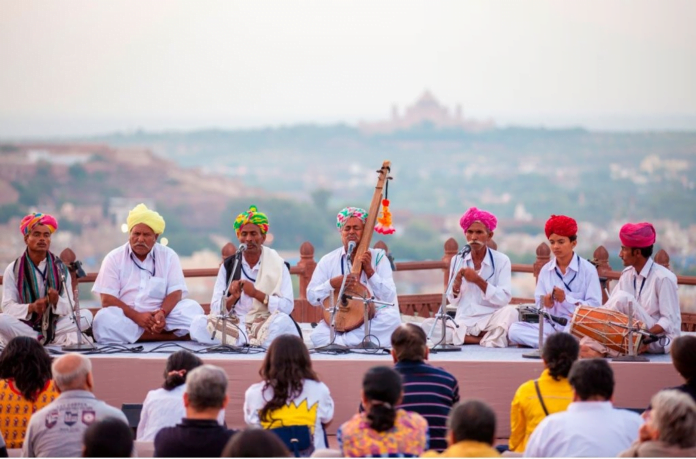
A gift to the ears of people who love folk music, Rajasthan International Folk Festival held at Jodhpur is a heaven place. It gathers around 250 musicians coming to participate in the event. These artists come from all over India and the world to celebrate Rajathan’s rich musical heritage. This annual festival was started in 2007 by the Mehrangarh Museum Trust and Jaipur Virasat Foundation, two of India’s leading heritage trusts, collectively called the TRIFF Society. The society has taken up the initiative to promote traditional folk music and art form. They arrange events like jazz night, a Rajasthani night, gupsy dance performances, traditional dance forms, and even early morning ragas.

The event takes place on the night of Sharad Purnima celebrated as a harvest festival having a full moon day.

Jantar Mantar shows

A mesmerizing show at a UNESCO World Heritage site has got to be wonderful. The sound and Light show at Jantar Mantar is educational but it is an interesting and entertaining event. It tells you about the history of the place, a bit about astronomy, and the importance of the instruments at Jantar Mantar.

Rajasthan Fashion Week


It is known for its original fashion capital of the country, Jaipur hosts the Rajasthan Fashion Week where many Indian and international designers showcase their unique and eye catchy designs. With a motto of “ a flash of a color with a dash of glamour”, the event has established itself as a strong brand across the fashion industry since 2012. The promotion of khadi, kota doria, and other textiles is one of its uniqueness.

Music in the Park


Music in the Park is an exclusive event held every second Saturday of the month at Jaipur Central Park for all the music lovers in the city. The event features performances by stalwarts from the field of classical and semi-classical music such as Pandit Hariprasad Chaurasia, Ustad Amjad Ali Khan, and Ustad Zakir Hussain to name a few.
Akbari Quila, Ajmer

The musical extravaganza takes you to historic days portraying the valor of Rajput ruler Prithviraj Chauhan, the history of Mughal kings including the significant treaty signed by Jahangir and Sir Thomas Roe with the religious significance of Pushkar. The 45-minute sound and light show is narrated by renowned lyricist Gulzar.

Chittorgarh Light and Music Festival


The stories of the bravery of the kings, queens, and warriors of Chittorgarh Fort excite people. The 58 minutes show begins with King Chitranganda who made Chittor his capital. The show progresses to stories of Bappa Rawal, Rani Padmini, Meera Bai, Rana Kumbha, and Panna Dhai.

The Mewar Sound and Light Show, Udaipur


The Mewar Sound and Light Show, a captivating audio-visual extravaganza, unfolds against the backdrop of the enchanting city of Udaipur in Rajasthan. This spectacular show takes visitors on a mesmerizing journey through the rich and glorious history of Mewar, immersing them in the tales of valor, romance, and heroism that define this legendary land.
Unlike the above shows which are run by Government, this is a private show conducted every evening at the magnificent Manek Chowk in The City Palace. The show is narrated by Shriji Arvind Singh Mewar of Udaipur.
Winds of Music show

The Palace of Winds, home to the most attractive spectacle known as the Winds of Music Show, is a must for every visitor. It is a theatre show narrating a fantastic blend of history, anecdotes, music, and acoustics and the portrayal of every nuance of Rajasthani culture is the highlight of every act. Traditional acrobats, young men and women performing unimaginable stunts, ghoomar, fire dance, and the Kalbeliya tribe showcasing their moves are some of the performances that one gets to experience at the Hawa Mahal Music Show.

Jawahar Kala Kendra is also an artist hub, where usually daily theatre shows are performed, showing the beautiful use of light and sound in depicting the stories of the Natak.

If you are an art and music lover then do witness these mesmerizing shows which are truly absolute places in the vibrant tapestry of this majestic region.

15+ Happy Shani Jayanti 2023 Wishes Quotes SMS Greetings

0

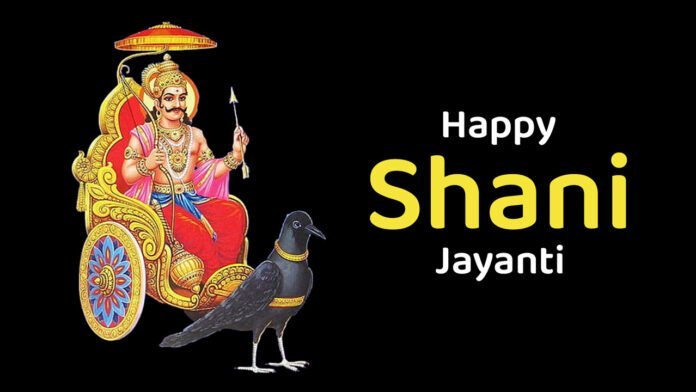
Shani Jayanti is an auspicious occasion in Hinduism that celebrates the birth anniversary of Lord Shani, also known as Shani Dev or Saturn. This day holds great significance for devotees who seek blessings from the deity of justice and karma.

  1. “May the divine blessings of Shani Dev bring happiness, peace, and prosperity into your life. Happy Shani Jayanti!”
  2. “On the auspicious occasion of Shani Jayanti, may Shani Dev shower you with strength, wisdom, and good fortune. Wishing you a blessed day!”
  3. “May the light of Shani Dev guide you through life’s challenges and illuminate your path with success. Happy Shani Jayanti!”
  4. “As we celebrate Shani Jayanti, may Lord Shani’s benevolence protect you from all evils and bless you with a life filled with joy and contentment.”
  5. “On this Shani Jayanti, may the influence of Shani Dev bring discipline, perseverance, and growth into your life. Wishing you a blessed day ahead.”
  6. “Let us seek forgiveness and embrace the teachings of Shani Dev on this auspicious day. May you find strength and positivity in the face of adversity. Happy Shani Jayanti!”
  7. “May the divine grace of Shani Dev alleviate your hardships and reward your efforts with success. Warm wishes on Shani Jayanti!”
  8. “On this special day, may Lord Shani’s blessings shield you from malefic influences and bestow upon you a life filled with harmony and prosperity. Happy Shani Jayanti!”
  9. “As we celebrate Shani Jayanti, may you be blessed with the power to overcome obstacles, learn valuable lessons, and lead a righteous life. Wishing you a joyous day ahead.”
  10. “May the divine energy of Shani Dev inspire you to embrace patience, perseverance, and self-discipline. Sending my heartfelt wishes on Shani Jayanti!”
  11. “On this auspicious occasion, may Lord Shani bless you with the strength to endure hardships and the wisdom to make righteous choices. Happy Shani Jayanti!”
  12. “Wishing you a blissful Shani Jayanti filled with divine blessings, spiritual growth, and the fulfillment of all your aspirations. Have a wonderful day!”
  13. “As we celebrate Shani Jayanti, may your life be adorned with the virtues of honesty, integrity, and humility. Warm wishes on this auspicious day!”
  14. “May Shani Dev’s divine presence in your life bring clarity, resilience, and prosperity. Wishing you a blessed Shani Jayanti!”
  15. “On this joyous occasion of Shani Jayanti, may the grace of Lord Shani protect you from misfortunes and guide you towards a path of righteousness. Happy Shani Jayanti!”
  16. “May the blessings of Shani Dev fill your life with abundance, harmony, and spiritual enlightenment. Wishing you a joyous Shani Jayanti!”
  17. “On this auspicious day, let us reflect on the teachings of Shani Dev and strive to lead a life guided by integrity, compassion, and righteousness. Happy Shani Jayanti!”

Read Also: Happy Shani Jayanti 2023 Quotes Status Poster Banner in Hindi

Shani Jayanti and its Significance to Hindu Mythology

0

The Lord of Karma, according to Hindu mythology, holds great significance among Hindus. According to Hindus, Shani dev keeps audits of Karma, as he is a god of justice. As Lord Shani is a ruler of the planet Saturn, astrology also creates an effect on the virtue of God. Shani Jayanti is also called Shani Amavasya.
Thus, in the year 2023, the Shani Jayanti is held on the Amavasya tithi, which is on the 19th of May.

According to the experts, the Amavasya tithi begins on 18th May 2023 at 09:42 PM. The Amavasya tithi ends on 19th May 2023 at 09:22 PM.

As per the Hindu scriptures, Shani Dev is a child of Surya dev and Swarna (chhaya). Lord Shani was a true devotee of Lord Shiva. Thus, the ruler of Karma is a watcher of justice and karma. However, many devotees pray to him for their business and wealth. Lord Shnai also keeps the karma of the devotees in check. It is said to not look to the eye of Lord Shani, as it is considered auspicious.

According to the scripture of Hindu mythology, Ravana abducted Shani Dev. However, Lord Hanuman rescued Shani Dev, and in return for gratitude, Shani dev promised to look after Lord Hanuman’s devotees. Lord Shani will protect the devotees in Shandi Sadhe Sati, Shani Mahadasha, and Dhaiya.

Celebrated in the region of Madhya Pradesh: Thirunallar Shani Temple, Kokilavan Dham Sani Dev Temple, and Shani Shignapur are two of the prominent places, Lord Shani is worshiped by a large number of devotees.

Pichwai Art: Exploring the Splendor of Devotional Paintings

0

Dimple Arora reports on the Pichwai Art

Pichwai art, a traditional form of Indian painting, originates from the culturally rich state of Rajasthan. The art form is characterized by its intricate detailing, vibrant colors, and its depiction of Lord Krishna and his divine pastimes. The word Pichwai comes from ‘pichh’ meaning back and ‘wai’ meaning textile hanging. In this article, we delve into the world of Pichwai art, exploring its historical significance, technique, symbolism, and contemporary relevance.

Historical Significance and Cultural Heritage:

Pichwai art has its roots in the sacred town of Nathdwara, near Udaipur, Rajasthan known for its Shrinathji temple dedicated to Lord Krishna. The art form emerged in the 17th century as a visual aid for devotees to connect with and worship Lord Krishna. Pichwai paintings were traditionally created as large cloth hangings that adorned the walls behind the deity idol in the temple.

Devotional Depictions and Symbolism:

Pichwai paintings primarily revolve around life, leelas (divine pastimes), and festivals associated with Lord Krishna, particularly his manifestation as Shrinathji. The paintings depict scenes of Krishna’s childhood, his interactions with gopis (cowherd girls), Radha, and other deities, as well as festive celebrations and daily rituals in the temple.

Each element in the painting holds symbolic significance, conveying devotion, spirituality, and the eternal love between Krishna and his devotees. The paintings were used to decorate the temple of Shrinathji in Nathdwara and hung behind the deity to celebrate different seasons, festivals, and events in Lord Krishna’s life.

Technique and Style:

Pichwai paintings are traditionally created using natural pigments derived from minerals, plants, and precious stones. The technique involves meticulous attention to detail and multiple layers of fine brushwork.

Here is a breakdown of the Pichwai painting technique:

  1. Cloth Preparation: A high-quality cotton cloth, typically in white or cream color, is selected as the canvas for the painting. The cloth is carefully sized, starched, and treated to ensure its durability and longevity.
  2. Sketching and Outlining: The artist begins by sketching the design lightly with a pencil or charcoal. Once the composition is finalized, the outlines are drawn using a fine brush and a mixture of lampblack and gum.
  3. Color Application: Pichwai paintings are characterized by their vibrant colors. The artist applies colors layer by layer, starting with lighter shades and gradually building up the intensity. Brushes made from squirrel hair or delicate feathers are used to achieve intricate detailing and smooth gradations.
  4. Gold Leaf Embellishment: Pichwai paintings often incorporate intricate gold leaf embellishments to highlight specific elements, such as jewelry, garments, or architectural features. The gold leaf is carefully applied using adhesive and burnished to create a lustrous effect.

Contemporary Adaptations and Global Recognition:

Pichwai art continues to evolve, embracing contemporary influences while maintaining its traditional essence. Some notable adaptations include:

  1. Contemporary Themes and Styles: Artists are exploring new themes, styles, and techniques while staying rooted in the tradition of Pichwai art. They experiment with different compositions, perspectives, and color palettes, catering to diverse artistic sensibilities.
  2. Diversification of Products: Pichwai art is not limited to traditional cloth hangings. It has expanded to include various products such as paintings on canvas, murals, decorative items, textiles, and fashion accessories. These adaptations make Pichwai art accessible to a wider audience and contribute to its commercial viability.
  3. Global Appreciation: Pichwai art has gained international recognition and appreciation for its intricate craftsmanship and spiritual depth. It is exhibited in art galleries, museums, and cultural festivals around the world, showcasing the rich heritage and artistic excellence of Rajasthan.

Preserving Cultural Heritage:

Efforts are being made to preserve and promote Pichwai art as an integral part of Rajasthan’s cultural heritage. Organizations, artists, and collectors collaborate to organize exhibitions, workshops, and cultural events, providing platforms for artists to showcase their skills and ensuring the transmission of this ancient art form to future generations.

Pichwai art is a testament to the devotion, skill, and artistic heritage of Rajasthan. It’s intricate detailing, vibrant colors, and spiritual themes transport viewers to the enchanting world of Lord Krishna’s divine leelas. As Pichwai art continues to evolve and adapt to modern times, it remains a cherished cultural treasure, preserving the traditions, mythology, and spirituality of Rajasthan for generations to come.

Kavad Art of Rajasthan: An Epitome of Narrative Craftsmanship

0

Dimple Arora reports on the Kavad Art of Rajasthan

Rajasthan, the land of vibrant culture and artistic traditions, is home to a unique and enchanting art form known as Kavad art. With its origins deeply rooted in the rich cultural heritage of the state, Kavad art has captivated art enthusiasts and storytellers for centuries. This article delves into the intricate world of Kavad art in Rajasthan, exploring its historical significance, storytelling aspects, technique, and contemporary relevance.

Kavad is a portable wooden shrine with visual narratives of Gods, local heroes, saints, and patrons, covering the mythology era on its panels hinged together. As each panel opens up, the curiosity of the listener grows. In the traditional kavad, the last panel would open up to a beautiful mesmerizing image of Lord Rama, Goddess Sita, and Laxman. The size of the kavad generally varies from 3 inches to 12 inches.

Historical Significance and Cultural Heritage:

Kavad art has a long-standing history in Rajasthan, dating back to the medieval period. It originated as a means of visual storytelling, primarily practiced by the Bhopa community, who were traditionally wandering minstrels and storytellers. Kavad, which means “box” in Hindi, refers to the portable wooden shrine or storytelling box that serves as the canvas for this art form.

The “Kumawats” known as an artisan caste started the age-old tradition of the Kavad art in Bassi, a small village in the Bhilwara district of Rajasthan. The kawadiyas trace their ancestry to the mythological character, “Shravan”. He was a young boy who was accidentally killed by Raja Dashrath( Lord Ram’s Father) while he was carrying his blind parents in a “Kaawadi” on his shoulders. As they couldn’t reach there, he requested Raja Dashratha to bring the shrine to his parents as his last wish. This is where the concept of the storytelling art of Kavad started.

Symbolism and Narrative Elements:

Kavad art holds deep symbolic and narrative significance. The beautifully handcrafted wooden shrine serves as a visual representation of a sacred space and embodies the spirit of the stories and legends it holds. The intricate carvings and painted panels depict scenes from mythology, epic tales, historical events, and folklore, allowing the Kavad storyteller to recount these narratives to their audience.

Storytelling Aspects and Technique:

The Kavad artist, also known as a Kavadia, meticulously carves and paints the wooden shrine to create a multi-layered narrative structure. Here is a step-by-step breakdown of the technique:

1. Construction of the Kavad: The Kavad is constructed using seasoned wood, usually mango or sheesham, which is carefully carved and assembled to form a compact box. The box typically consists of multiple hinged doors, panels, and compartments, each revealing a different part of the story.

2. Carving and Painting: The Kavadia carves intricate patterns, motifs, and figurative elements onto the wooden surfaces. The carvings are then painted using vibrant colors, predominantly derived from natural dyes and pigments. The painted panels depict various episodes and characters from the story.

3. Layered Narrative Structure: The Kavad opens like a book, revealing multiple tiers of panels that unfold to narrate different parts of the story. Each panel is carefully designed and painted, often with accompanying text or inscriptions to guide the storyteller and engage the audience.

4. Storytelling Performance: The Kavadia, carrying the elaborately decorated Kavad, travels from village to village, setting up a makeshift stage. Through mesmerizing storytelling performances, the Kavadia opens the different doors and panels of the Kavad, revealing the sequential unfolding of the narrative.

Contemporary Adaptations and Preservation:

While Kavad art remains rooted in tradition, contemporary artists and craftsmen have embraced innovation to ensure its preservation and relevance in the modern world. Some notable adaptations include:

1. Collaboration with Artists and Designers: Kavad art has found collaborations with contemporary artists and designers, leading to the fusion of traditional techniques with modern artistic expressions. This collaboration brings new perspectives and a fresh aesthetic appeal to Kavad art.

2. Contemporary Themes and Social Commentary: Some Kavad artists have explored contemporary themes, addressing social issues and reflecting the changing times. These adaptations demonstrate the art form’s adaptability and its relevance in addressing contemporary narratives.

3. Promoting Artisans and Art Clusters: Efforts are being made to promote Kavad art and support the artisans by organizing workshops, exhibitions, and creating artisan clusters. These initiatives help sustain the craft and provide economic opportunities to the Kavad artists and their communities.

Artists of Kavad Art:

Nowadays, very few artists follow the age-old tradition of the Kavad Art of storytelling. With the massive change in our lifestyles, these art forms seem to have taken a back seat. Currently, this art is practiced in parts of Rajasthan and Bangalore by very few artists.

Among the few artists who believe in keeping the art alive is Mangilal Mistri who is a recognized ambassador of the Kavad Art. He has also brought in variations in the dying art of storytelling. He introduced nuances like current affairs to educate the rural masses about government programs. Another artist keeping this art alive is Satyanarayan Suthar from Chittorgarh, Rajasthan. He won the National Award in 2014 for his art.

Artists, now sell the Kavad boxes as decorative pieces as an alternative to generate income through it. People do not listen to these stories in today’s era but keep these masterpieces as décor items in their houses. The buyers can customize these boxes according to their needs and demands. With contemporary color combinations and images, the kaved boxes have taken a new look.

Preserving Cultural Heritage:

Kavad art holds immense cultural value, acting as a custodian of Rajasthan’s rich storytelling traditions and historical narratives. It serves as a living testimony to the region’s cultural heritage and represents the collective memory of its people. By preserving and promoting Kavad art, Rajasthan honors its artistic legacy and ensures the transmission of this extraordinary art form to future generations.

Kavad art in Rajasthan stands as a testament to the enduring power of storytelling and artistic craftsmanship. With its beautifully carved wooden shrines and intricately painted panels, Kavad art brings to life the rich tapestry of mythology, history, and folklore of the region. 

As contemporary adaptations and preservation efforts continue, Kavad art remains a cherished cultural treasure that continues to inspire and captivate with its narrative allure.

Lippan Art: Unveiling the Exquisite Craftsmanship of Mud Relief Work

0

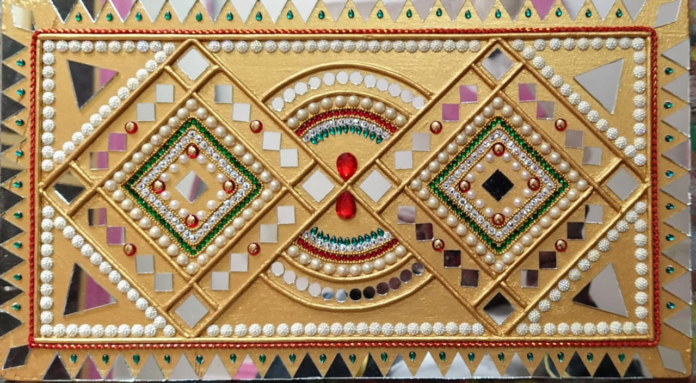
Lippan art, also known as mud relief work, is an ancient and captivating art form that originated in the rural regions of Gujarat, India. It is characterized by its intricate patterns and designs created using a mixture of clay, camel dung, and water. This article provides a comprehensive exploration of lippan art, delving into its history, technique, symbolism, and contemporary relevance.

Historical Origins and Significance:

Lippan art finds its roots in the rural communities of Kutch, Gujarat, where it has been practiced for generations. Mud and Mirror work is mainly done by the women of the Rabari community. The women are so experienced in this art form that they usually don’t draw or trace a pattern before beginning work. Also, Rabari is the pastoral community of Kutch, living in the outskirts of ita villages.Traditionally, lippan art was used to adorn the interiors of Bhungas, circular mud houses with thatched roofs. The work is also a showcase of women’s art who skillfully molded the clay and embellished the walls with intricate designs.

This art form has a unknown past as no records are available to trace its origin. Various communities in Kutch do mud washing in their own distinct style. Artisans of the Muslim community practicing this art form stick to graphic and eye-catchy geometric patterns.

The art form holds cultural and symbolic significance. Lippan art not only beautifies the living spaces but also acts as a protective charm, warding off evil spirits and bringing good fortune to the inhabitants. It also serves as a medium for storytelling, with motifs and designs often representing elements from nature, mythology, and the cultural heritage of the community.

Technique and Process:

The creation of lippan art involves a meticulous process that requires precision and patience. Here is a step-by-step breakdown of the technique:

1. Clay Preparation: A mixture of clay, camel dung, and water is prepared to achieve the desired consistency. The camel dung acts as a binding agent, enhancing the clay’s pliability and strength.

2. Applying the Base: The prepared clay mixture is applied to the wall surface in thin layers, forming a base. The clay is smoothed and leveled to provide a uniform surface for the artistic work.

3. Designing and Relief Work: Using their fingers or simple tools, artists shape the clay to create intricate patterns, geometric designs, or depictions of flora, fauna, and mythological figures. The relief work involves giving depth and dimension to the designs by carefully sculpting the clay.

4. Mirror Embellishment: One of the distinguishing features of lippan art is the incorporation of small mirrors into the wet clay. The mirrors are strategically placed within the designs, reflecting light and adding a shimmering effect to the artwork. They also symbolize prosperity and are believed to ward off negative energies.

5. Finishing Touches: Once the design is complete, the surface is smoothened, ensuring a seamless transition between the relief work and the base. The artwork is left to dry and harden, preserving its longevity.

Contemporary Adaptations and Innovations:

While lippan art has its roots in tradition, contemporary artists have begun to infuse innovative elements into this ancient craft. These adaptations help to keep the art form relevant and appeal to a wider audience. Some of the contemporary adaptations include:

1. Use of Vibrant Colors: Traditional lippan art predominantly features earthy tones. However, modern artists have started experimenting with vibrant colors, adding a contemporary and visually striking element to the artwork.

2. Incorporation of Mixed Media: Artists have begun incorporating additional materials such as beads, sequins, and decorative stones to enhance the aesthetic appeal and texture of the artwork.

3. Integration into Urban Spaces: Lippan art has transcended its traditional boundaries and can now be found adorning urban spaces such as cafes, galleries, and public murals. This integration helps to showcase the cultural heritage of Gujarat and bring lippan art to a broader audience.

One of the distinguishing features of lippan art is the use of mirrors. Small pieces of mirror are embedded into the wet clay, reflecting light and adding a shimmering effect to the artwork. The mirrors not only enhance the visual appeal but also hold cultural significance, symbolizing prosperity and warding off evil spirits.

Preservation and Revival of Cultural Heritage:

Lippan art plays a crucial role in preserving the cultural heritage of Gujarat. It serves as a visual narrative, depicting the rich history, folklore, and traditions of the region. This art not only serves as a decorative element but also plays a crucial role in preserving cultural heritage. It acts as a visual narrative, depicting the rich history, folklore, and traditions of Gujarat. Through lippan art, stories are told, and a sense of identity and pride is instilled in the community.

Lippan art is a testament to the artistic prowess and cultural heritage of Gujarat, India. Its intricate patterns, captivating designs, and fusion of tradition with innovation make it a visually stunning and culturally significant art form. As lippan art continues to evolve and gain recognition, it serves as a reminder of the importance of preserving traditional crafts and celebrating the beauty of diverse artistic expressions.

Sri Panch Kund Shiv Temple: Where Divinity Meets Serenity

0
Sri Panch Kund Shiv Temple

Discovering Divine Tranquility of  Pushkar

Dimple Arora reports on the Sri Panch Kund Shiv Temple

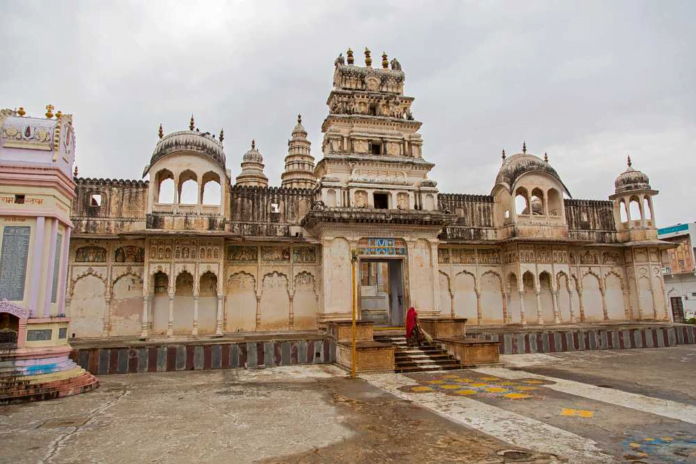
Nestled in the enchanting town of eastern Pushkar, Rajasthan, the Sri Panch Kund Shiv Temple stands as a spiritual oasis, captivating devotees and visitors with its divine aura and tranquil surroundings. This sacred temple dedicated to Lord Shiva holds a special place within the cultural and religious tapestry of Pushkar. As per the epic of Mahabharata, this temple was built by the Pandas to worship Lord Shiva. This place offers mesmerizing views of the hills and its verdant surroundings. Also, one can always find a lot of monkeys hopping around the temple.

A Heaven of Ancient Mysticism

With its origins rooted in antiquity, the Sri Panch Kund Shiv Temple carries a rich historical legacy. It is believed to have been constructed centuries ago, representing the architectural and artistic marvels of its time. The temple’s design showcases intricate carvings, ornate decorations, and delicate craftsmanship, offering a glimpse into the architectural heritage of the region.

Devotion and Reverence

At the heart of the Sri Panch Kund Shiv Temple lies deep devotion and reverence for Lord Shiva, the presiding deity. Devotees flock to this sacred abode to offer prayers, seek blessings, and experience a profound spiritual connection. The temple’s sanctum sanctorum houses the sacred Shiva Lingam, symbolizing Lord Shiva’s divine presence and providing a focal point for devotees’ worship and devotion.

Tranquility and Spiritual Serenity

Stepping into the Sri Panch Kund Shiv Temple, one is embraced by a serene and peaceful ambiance. Surrounded by lush greenery and a sense of calm, the temple offers a respite from the chaos of daily life. Visitors can find solace and a moment of introspection, allowing them to connect with their inner selves and experience a sense of spiritual serenity.

Cultural Celebrations and Rituals

Throughout the year, the Sri Panch Kund Shiv Temple comes alive with vibrant celebrations and religious rituals. Festivals dedicated to Lord Shiva, such as Mahashivaratri, witness devotees from far and wide congregating to participate in devotional singing, traditional dances, and sacred ceremonies. These joyous occasions foster a sense of unity and devotion, creating an atmosphere charged with positive energy.

Preserving Heritage and Holiness

Efforts are diligently undertaken to preserve the spiritual and architectural heritage of the Sri Panch Kund Shiv Temple. Local authorities, religious organizations, and devotees work in harmony to maintain the temple’s sanctity, conduct regular rituals, and ensure cleanliness. These preservation efforts aim to safeguard the temple’s divine essence and provide a welcoming space for all seekers of spirituality.

A Journey to Divine Bliss

Visiting the Sri Panch Kund Shiv Temple is a profound experience that allows one to delve into the realm of spirituality and discover inner peace. It serves as a sacred pilgrimage site, inviting devotees and visitors to bask in the divine energy of Lord Shiva and experience a deep connection with the divine.

The Sri Panch Kund Shiv Temple in Pushkar serves as a testament to the rich cultural and religious heritage of the region. With its serene ambiance, ancient mysticism, and divine presence, it beckons all to embark on a spiritual journey and find solace in the blissful embrace of Lord Shiva’s blessings.

A Regal Oasis: Exploring the Magnificence of Man Mahal in Pushkar

0

Must visit the place of timeless elegance and Architectural splendor

Dimple Arora reports on Man Mahal in Pushkar

Situated in the serene town of Pushkar, Rajasthan, the Man Mahal stands as a majestic architectural marvel that reflects the culturally rich heritage of the region. This grand palace-turned-heritage hotel holds a significant place in the history and tourism landscape of Pushkar. It is the tremendous royal home built in the city. The palace is close to another famous attraction of Pushkar, the sacred Sarovar Lake. It is on the east of the lake and provides clear and breathtaking views of many temples around the lake.

Historical Significance:

The Man Mahal, also known as the Maharaja Man Singh Palace, bears witness to the grandeur of Rajput architecture. Built during the reign of Raja Man Singh I of Amber in the late 16th century, this imposing structure served as a royal guest house for visiting dignitaries and members of the royal family. Its historical significance lies in its association with the Rajput rulers and the regal heritage of the region. Man Mahal was built to serve as a city guest house for Raja Man Singh I for visiting the holy city of Pushkar. 

Architectural Splendor:

The palace’s architecture is a delightful fusion of Rajput and Mughal styles, showcasing intricate designs, exquisite carvings, and ornamental motifs. The imposing facade, adorned with beautiful balconies, domes, and arches, displays the opulence and grandeur of the bygone era. The palace’s design reflects the fusion of Hindu and Islamic architectural elements, creating a captivating visual spectacle.

Preservation and Restoration:

Efforts aim to preserve and restore the Man Mahal, ensuring its architectural and historical integrity. The palace has been transformed into a heritage hotel that allows visitors to experience the charm and elegance of the past while enjoying modern comforts. The restoration work has been carried out meticulously, maintaining the original aesthetics and ambiance of Man Mahal. State development corporation of Tourism maintains the Man Mahal. 

Lake View and Serene Surroundings:

One of the notable features of the Man Mahal is its strategic location on the eastern bank of the picturesque Pushkar Lake. The palace offers breathtaking panoramic views of the lake and the surrounding hills. Visitors can soak in the tranquil atmosphere, enjoy the gentle breeze, and witness the captivating beauty of the landscape.

Tourist Attraction and Cultural Hub:

The Man Mahal has become a prominent tourist attraction in Pushkar, attracting visitors from around the world. The palace offers a glimpse into the royal lifestyle and also serves as a cultural hub. It hosts various cultural events, including music and dance performances, folk art exhibitions, and traditional Rajasthani festivities. These events showcase the vibrant cultural heritage of Rajasthan and provide a platform for local artists to showcase their talent.

Exploring Pushkar’s Charms:

The Man Mahal’s strategic location makes it an ideal base for exploring the charms of Pushkar. Visitors can embark on a journey to explore the renowned Brahma Temple, stroll through the bustling streets of the town’s vibrant bazaars, and experience the tranquility of Pushkar Lake and its sacred ghats. Pushkar cattle fair, lakes and entertaining camel rides are some favorite places of visitors. 

Transport availability:

Reach Man Mahal using a taxi by road and as located centrally. Also, many luxury buses are available from Ajmer. Through trains, one can opt for Ajmer railway station. It is around 15 km from the Mahal. It provides connectivity to major stations in cities like Jaipur, Mumbai, Ahmedabad, Agra, Pali, and Delhi. By air, the nearest airport is in Jaipur which is 148 km away and has domestic connectivity from places like Mumbai and Delhi.

The Man Mahal in Pushkar stands as a testimony to the architectural splendor and royal legacy of Rajasthan. Its grandeur, historical significance, and captivating location make it a must-visit destination for those seeking a glimpse into the regal past and the cultural vibrancy of the region.