Home Blog Page 65

Holashtak 2026 Begins Tomorrow: Avoid These Activities During the Inauspicious Eight Days Before Holi

0

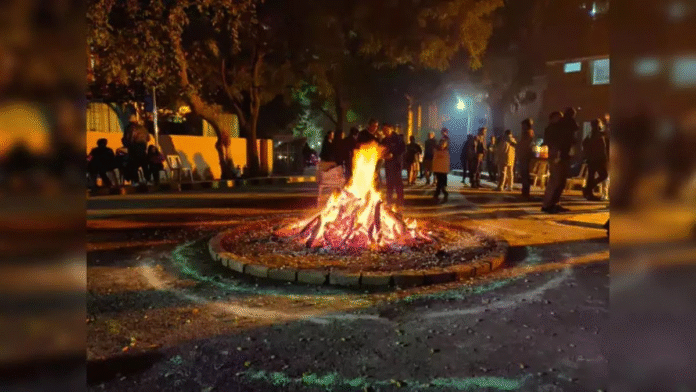
As Holi approaches, millions across India begin festive preparations—but according to Hindu tradition, the eight days before Holi are considered spiritually sensitive and inauspicious. This period is known as Holashtak, and in 2026 it will begin on February 24 and end on March 3 with Holika Dahan.

Astrologically and spiritually, Holashtak is believed to be a time when cosmic energies are intense and planetary positions are unfavourable for new beginnings. That’s why many people avoid major life decisions during these days.

What Is Holashtak and Why Is It Important?

Holashtak starts on the Ashtami Tithi of the Shukla Paksha in the month of Phalgun—eight days before Holi. According to Hindu beliefs, Lord Shiva burned Kamadeva on this day, and during these eight days, different planets are considered to be in a fierce or unstable state.

Spiritually, this period symbolises tests of faith and devotion, inspired by the legend of Prahlad and his unwavering devotion to Lord Vishnu despite his father Hiranyakashipu’s cruelty. Therefore, Holashtak is considered a time for prayer, restraint, and spiritual discipline.

Things You Should Avoid During Holashtak

Avoid Auspicious Ceremonies

It is believed that weddings, engagements, mundan (tonsure), housewarming ceremonies, and other शुभ कार्य should not be performed during Holashtak, as they may face delays or obstacles.

Avoid Buying Property or Starting New Ventures

Major investments, buying a new house, or launching a new business are traditionally avoided during this period. Astrologers believe such actions may not yield positive results.

Avoid Conflicts and Anger

Holashtak is considered a time when emotions can be unstable. Avoid arguments, disputes, and harsh words, as negative energy is believed to intensify during these days.

Avoid Negative Thoughts and Laziness

According to scriptures, people may feel mentally restless during Holashtak. Staying positive, disciplined, and spiritually focused is highly recommended.

What Should You Do During Holashtak?

Instead of major celebrations, Holashtak is seen as a time for spiritual cleansing and devotion. Experts and astrologers suggest:

  • Reciting Hanuman Chalisa daily
  • Chanting Vishnu Sahasranama
  • Practising meditation and prayers
  • Performing ancestral offerings (Pitru Tarpan)
  • Staying away from negative influences
  • Performing puja, yagya, or charity
  • Visiting holy places like Mathura and Vrindavan (if possible)

These practices are believed to reduce planetary malefic effects and bring peace and positivity.

Spiritual Significance of Holashtak

Holashtak symbolises the eight days of trials faced by Prahlad, which tested his faith in Lord Vishnu. Despite severe hardships, his devotion remained unshaken, and ultimately, good triumphed over evil.

Therefore, Holashtak is considered a period of devotion, vigilance, and inner strength, leading up to the joyous festival of Holi.

Holashtak 2026 Dates at a Glance

  • Start Date: February 24, 2026
  • End Date: March 3, 2026 (Holika Dahan)
  • Holi Festival: March 4, 2026
GTA 6, Wolverine and More Set to Redefine Gaming Making 2026 as The Biggest Year for Gamers..

0

GTA 6 Launch: 2026 could go down as one of the most exciting years in gaming history, with blockbuster titles like GTA 6, Marvel’s Wolverine, and several next-gen releases expected to hit consoles. Among them, Grand Theft Auto VI (GTA 6) is already being hailed as the most anticipated video game of the decade, with a rumoured launch window of November 2026 that could dominate the global gaming market

GTA 6 Price Leaks Spark Global Debate

While Rockstar Games has not officially confirmed pricing, recent leaks suggest that GTA 6 could become one of the most expensive AAA games ever released. According to gaming insider posts, the Xbox Standard Edition has reportedly been listed internationally at £89.99, which could translate to a price exceeding ₹10,000 in India.

If this pricing trend holds, GTA 6 may set a new benchmark for premium game pricing, driven by its massive scale, cutting-edge graphics, and immersive gameplay features.

Expected GTA 6 Editions and India Pricing

GTA 6 is expected to launch in three editions to cater to different types of players:

  • Standard Edition – Expected around ₹6,999
  • Deluxe Edition – Expected around ₹13,999
  • Collector’s Edition – Could go up to ₹35,999 with exclusive collectibles and in-game content

Both Xbox and PlayStation versions are likely to be priced similarly, maintaining parity across platforms.

Jason and Lucia: A New Crime Saga

The story of GTA 6 will reportedly revolve around Jason and Lucia, a crime-driven duo navigating a world of gang wars, drug cartels, weapons trade, and high-stakes money operations. Rockstar is expected to deliver a cinematic narrative inspired by modern crime dramas, making it one of the most ambitious GTA storylines ever.

Next-Level Open World and Gameplay Features

Leaks and reports suggest that GTA 6 could feature:

  • Over 65% enterable buildings, setting a new standard for open-world realism
  • “Slice-of-life” mechanics like gym workouts, shopping, grocery buying, and clothing customization
  • Highly dynamic NPCs and immersive city systems
  • Enhanced AI, physics, and real-time world interactions

These features could make GTA 6 the most detailed and heavy-duty open-world game ever released.

Why GTA 6 Could Be the Most Expensive Game of 2026

With cutting-edge technology, massive world-building, and cinematic storytelling, GTA 6 is expected to push production budgets and retail pricing to unprecedented levels. Analysts believe premium pricing could become a trend for future AAA titles, especially as development costs continue to rise.

2026: A Defining Year for Console Gaming

With GTA 6, Wolverine, and other next-gen titles on the horizon, 2026 is shaping up to be a golden year for gamers worldwide. Whether you are a casual player or a hardcore fan, the next generation of gaming promises deeper immersion, bigger worlds, and record-breaking experiences

Victory for Importers: Illegal Trump Tariffs End Tomorrow as CBP Stops Collection After Landmark SCOTUS Ruling

0

PC: (AI Jazeera, J.P.Associates)

Immediate Relief for Importers

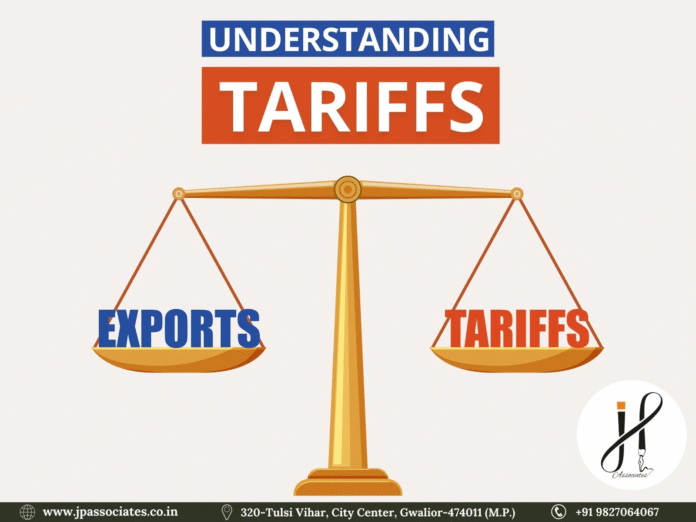
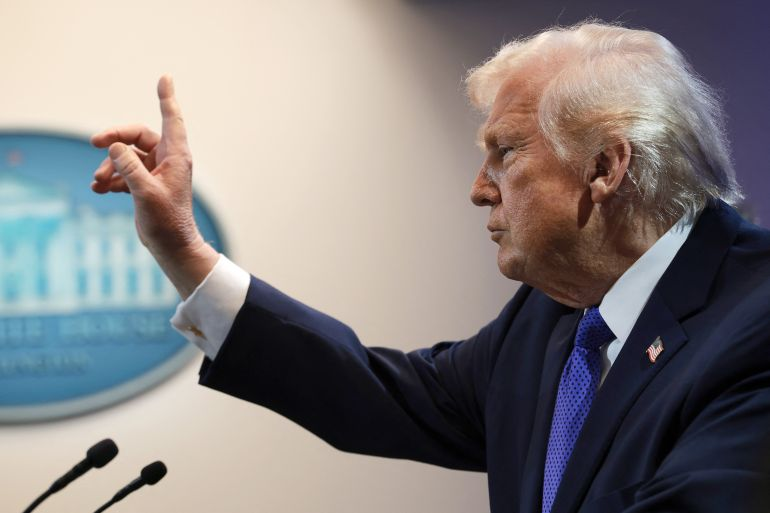
In a significant development for US trade policy, the US Customs and Border Protection (CBP) has announced it will cease collecting duties on imports that were imposed under the International Emergency Economic Powers Act (IEEPA) – tariffs the Supreme Court ruled illegal last week. The change takes effect at 12:01 a.m. Eastern Time (0501 GMT) on Tuesday, February 24, 2026. From that point onward, duties tied to several of President Donald Trump’s executive orders will no longer apply to goods entered for consumption or withdrawn from warehouse.

Why Duties Continued Over the Weekend

Despite the ruling, importers continued paying these duties over the weekend because CBP had not yet updated its Cargo Systems Messaging Service to reflect the change.

Supreme Court Ruling Details

This follows the Supreme Court’s 6-3 decision on Friday, February 20, 2026, in the consolidated cases Learning Resources, Inc. v. Trump and Trump v. V.O.S. Selections, Inc.. The Court held that IEEPA does not authorize the President to impose tariffs, affirming that such authority resides with Congress under Article I, Section 8 of the Constitution. Chief Justice John Roberts, writing for the majority (joined by Justices Sotomayor, Kagan, Gorsuch, Barrett, and Jackson in key parts), emphasized that IEEPA’S language allowing the President to “regulate … importation” during national emergencies falls short of granting broad tariff powers.

Affected Executive Orders and Tariffs

The affected tariffs stem from the following presidential actions (including modifications and amendments):

Executive Order 14193: Imposing Duties To Address the Flow of Illicit Drugs Across Our Northern Border (Feb. 1, 2025) Executive Order 14194: Imposing Duties To Address the Situation at Our Southern Border (Feb. 1, 2025). Executive Order 14195: Imposing Duties To Address the Synthetic Opioid Supply Chain in the People’s Republic of China (Feb. 1, 2025). Executive Order 14245: Imposing Tariffs on Countries Importing Venezuelan Oil (Mar. 24, 2025).
Executive Order 14257: Regulating Imports With a Reciprocal Tariff To Rectify Trade Practices That Contribute to Large and Persistent Annual United States Goods Trade Deficits (Apr. 2, 2025) often referred to as the “reciprocal” tariffs. Executive Order 14323: Addressing Threats to the United States by the Government of Brazil (July 30, 2025). Executive Order 14329: Addressing Threats to the United States by the Government of the Russian Federation (Aug. 6, 2025) These measures included duties such as 25% on many imports from Canada and Mexico, 10% on Chinese goods (related to drug trafficking and borders), and baseline reciprocal tariffs of at least 10% (with higher rates for certain nations) to address trade deficits.

Victory for Importers: Illegal Trump Tariffs End Tomorrow as CBP Stops Collection After Landmark SCOTUS Ruling

Potential Refunds and Financial Impact & Scope of the Change

The ruling invalidated these IEEPA-based tariffs, potentially opening the door to refunds for billions in duties already collected estimates from sources like the Penn Wharton Budget Model suggest up to $175 billion could be subject to refund claims, though the Court did not mandate immediate refunds or address the process directly. CBP’s statement clarifies that only IEEPA-imposed duties are affected; other tariffs (e.g., under Sections 232 or 301) remain in place.

Trump’s Response and Next Steps

In response to the Supreme Court’s decision, President Trump announced plans for a new global tariff (initially 10%, later adjusted in reports to 15%) under alternative statutory authority, such as Section 122 of the Trade Act of 1974, effective from February 24. However, this new measure is separate and not impacted by the IEEPA ruling.

Broader Implications

The development marks a major setback for a key element of President Trump’s second-term trade agenda, while providing immediate relief to importers and raising questions about future trade negotiations, potential refunds, and the administration’s next steps in addressing trade imbalances. Importers should monitor further CBP guidance on compliance and any refund procedures.

Rashmika Mandanna and Vijay Deverakonda confirm marriage: Name It As ‘Virosh’s wedding’

0

Rashmika Mandanna and Vijay Deverakonda are getting married. The couple has now confirmed the long-standing wedding rumours. They shared a post on social media, announcing their wedding title as ‘Virosh’.

Rashmika Mandanna and Vijay Deverakonda confirm marriage: Name It As 'Virosh's wedding'

Rashmika and Vijay wrote in a post shared on Instagram, “Our dearest ones, before we could make any plans or decide anything for ourselves, you were already with us. You gave us a name, Virosh, with so much love. So today, with all our hearts, we are naming our union in your honour. We are calling it ‘Virosh’s wedding’. Thank you for giving us so much love. You will always be a part of us. Lots of love.”

How did the dating rumours begin?

Rashmika and Vijay first worked together in the 2018 film Geetha Govindam. Their on-screen pairing was also well-received in 2019’s “Dear Comrade.” It was during the filming of these films that rumors of the two dating began to surface.

Furthermore, Rashmika and Vijay were spotted together several times, further fueling the rumors. However, neither of them ever officially stated their relationship.

Wedding Card Leaked

Recently, a card with Vijay Deverakonda’s name on it surfaced on social media. This led to speculation that it was their wedding card. The card reads:

With the blessings of the family, Rashmika and Vijay will marry in a small, private ceremony on February 26th in Udaipur. The wedding will be attended only by close family members and select friends.

The groom’s house was decorated with flowers.

A video has also surfaced showing Vijay Deverakonda’s house decorated with flowers and lights. However, no official statement has yet been issued by either star.

Vijay and Rashmika’s engagement took place in October. Vijay Deverakonda and Rashmika Mandanna got engaged in Hyderabad on October 3rd. It was a private ceremony attended only by a few family members. Rashmika was subsequently spotted with her engagement ring on several occasions, although the couple has yet to officially announce their engagement.

India’s First Quantum Valley to Rise in Amaravati: IBM’s Quantum Computer to Power Andhra Pradesh’s Tech Future

0

Amaravati, the upcoming capital of Andhra Pradesh, is poised to become India’s next deep-tech powerhouse with the launch of the country’s first Quantum Valley, a futuristic technology hub anchored by a proposed IBM quantum computing facility. The ambitious initiative aligns with India’s National Quantum Mission (NQM) and marks a historic step toward building indigenous next-generation computing capabilities.

If finalised, the project could place India among a select group of nations with advanced quantum infrastructure, transforming Amaravati into a global hub for quantum research, innovation, and high-tech jobs.

IBM Quantum System Two in India: A Technological Leap

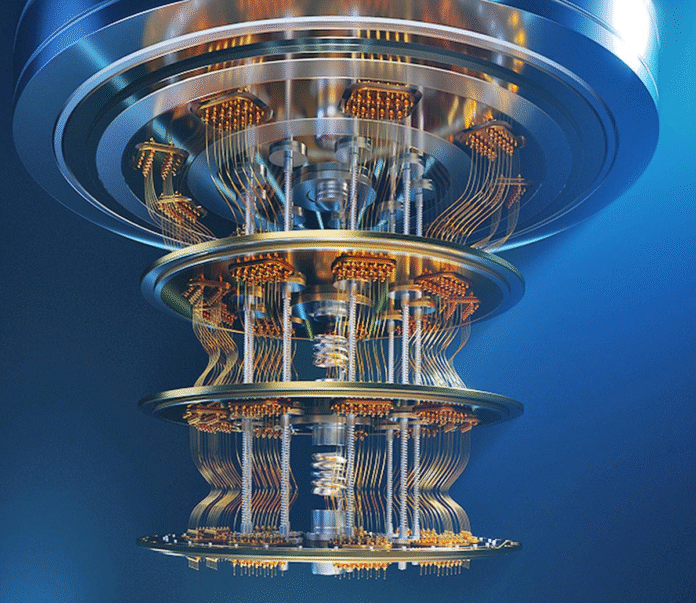
At the heart of the Quantum Valley Tech Park will be the IBM Quantum System Two, expected to be powered by IBM’s most advanced superconducting quantum processor. Discussions between IBM and the Andhra Pradesh government are at an advanced stage, and the facility could become the most powerful quantum computer ever deployed in India.

Tech giant Tata Consultancy Services (TCS) has joined the initiative to develop quantum algorithms, real-world applications, and workforce training programmes. The goal is to create a full-scale quantum ecosystem connecting industry, academia, startups, and government research labs, positioning Amaravati as the nucleus of India’s quantum revolution.

What Makes Quantum Computers Revolutionary?

Unlike classical computers that process information using binary bits (0s and 1s), quantum computers use qubits, which can exist in multiple states at once due to superposition and entanglement. This allows quantum machines to solve complex problems that would take traditional supercomputers thousands of years.

Potential applications include drug discovery, battery chemistry, materials science, climate modelling, financial simulations, and logistics optimisation. These quantum processors operate inside dilution refrigerators at temperatures near absolute zero, ensuring superconductivity and minimal noise interference—making them some of the most advanced machines ever built.

National Quantum Mission: India’s Big Science Push

India’s quantum push is driven by the National Quantum Mission, approved in April 2023 with an allocation of ₹6,003 crore for 2023–24 to 2030–31. The mission aims to accelerate research in quantum computing, quantum communication, sensing technologies, and advanced materials.

The government plans to develop intermediate-scale quantum computers with 50 to 1,000 qubits, while the Amaravati Quantum Valley is expected to translate research breakthroughs into industrial products, startups, and skilled employment.

Strategic and Security Implications of Quantum Tech

Quantum computing is not just about speed—it has major national security implications. Today’s encryption systems like RSA could eventually be cracked by powerful quantum machines, prompting global research into post-quantum cryptography. By building domestic quantum capability, India aims to protect its digital infrastructure, retain intellectual property, and strengthen strategic autonomy.

Amaravati’s Vision: India’s Quantum Capital

With IBM’s cutting-edge hardware, TCS’s software expertise, and government backing, Amaravati’s Quantum Valley could become India’s Silicon Valley of quantum technology. The project is expected to boost innovation, attract global investment, and create a new generation of quantum scientists and engineers.

As the world enters the quantum era, Amaravati’s rise signals India’s ambition to be among the leaders shaping the future of computing, security, and science.

World’s Richest Village Is in India: Inside Madhapar, Where Every Home Is a Millionaire Household

0

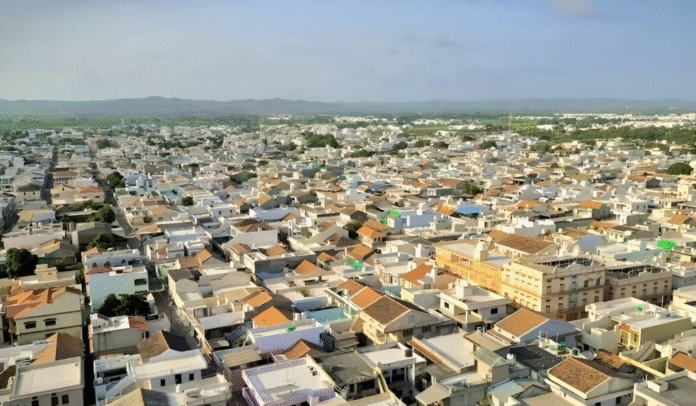
Do you know that the richest village in the world lies in India? Shocked? Fine… Let us tell you that it is a reality. In fact, when we think of villages, we often picture quiet farmlands, simple homes, and slow-paced rural life. But in the heart of Gujarat lies a village that completely rewrites this image. Madhapar, located in Kutch district, is often called the world’s richest village, where nearly every household is a lakhpati or crorepati and local banks hold deposits of more than Rs 5,000 crore.

Far from being a typical rural settlement, Madhapar boasts modern facilities that rival many Indian cities—top schools, healthcare centers, wide roads, and thriving businesses. With a population of around 92,000 people and nearly 7,600 households, the village has 17 bank branches, making it one of the most financially vibrant rural communities in the world.

The Secret Behind Madhapar’s Incredible Wealth

The prosperity of Madhapar lies in its people and their global connections. A large number of families from the village have relatives living abroad in countries like the UK, USA, Canada, Africa, and Gulf nations. These NRIs have built successful careers overseas but never forgot their roots.

Instead of cutting ties, they continuously send money back home—not just for family support, but also to fund education, healthcare, infrastructure, and community projects. Their collective efforts have transformed Madhapar into a model village that blends global wealth with local values.

A Village With a Rich History and Strong Roots

Madhapar’s legacy dates back to the 12th century, when it was founded by the Mistri community of Kutch, famous for their architectural skills and temple construction across Gujarat. Even today, the village proudly preserves its traditions, culture, and community spirit while embracing modern development.

Tradition Meets Modern Success

What makes Madhapar truly special is not just its wealth—but its mindset. Despite its prosperity, the village remains deeply rooted in tradition, community service, and collective growth. Residents believe in sharing success, building institutions, and uplifting future generations.

Madhapar stands as a powerful example of how diaspora connections, community unity, and cultural pride can transform a small village into a global symbol of prosperity.

Pride for Maharashtra: 475-Year-Old Vasai Cathedral Wins UNESCO Honour

0

PC: (Tripadvisor, Facebook)

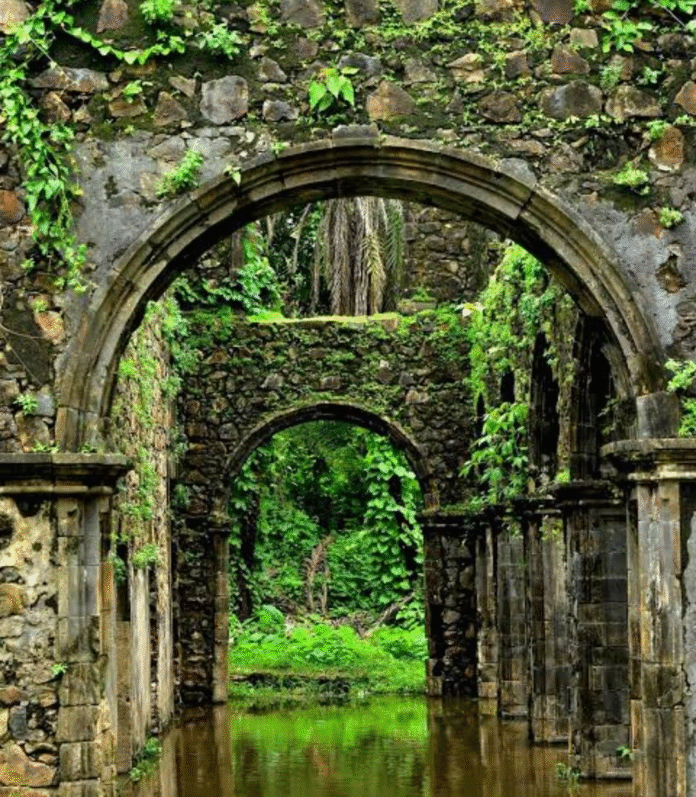
In a moment of immense pride for Vasai and Maharashtra, the centuries-old Our Lady of Grace Cathedral has earned global acclaim. Announced recently in Bangkok as part of the UNESCO Asia-Pacific Awards for Cultural Heritage Conservation (marking the program’s silver jubilee), the cathedral secured the Award of Merit for its thoughtful, community-funded conservation efforts.

A Timeless Gem of Portuguese Legacy: Inside Our Lady of Grace Cathedral

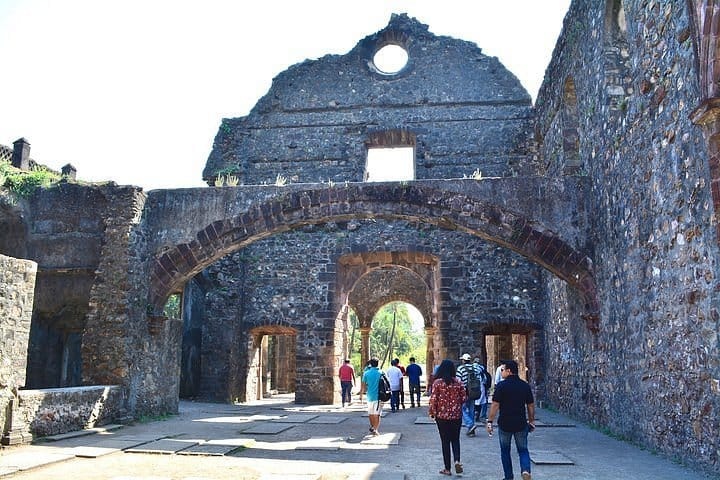
Located within the historic Vasai Fort in Papdy village (about 80 km from Mumbai), this 16th-century gem stands as one of the most significant remnants of Portuguese-era architecture in India. Also known as the Cathedral of Saint Joseph (elevated to cathedral status in 1998), it remains an active place of worship while attracting history enthusiasts, tourists, and photographers drawn to its grand arches, detailed stonework, and towering façade.

From 1565 Foundations to Gothic Grandeur: The Cathedral’s Storied Past

Founded by the Jesuits in 1565 and rebuilt in 1597, the stone structure-constructed without cement using traditional mud-based techniques-reflects Gothic and Manueline styles blended with local influences. Its grand façade features tall arched doorways and windows, creating a sense of height and openness, while the rugged yet majestic appearance comes from locally sourced stone.

UNESCO’s Prestigious Nod: Award of Merit for Community-Led Restoration

The 475-year-old Our Lady of Grace Cathedral was recently honoured with the 2025 UNESCO Asia-Pacific Award of Merit for its community-led restoration. The recognition highlights outstanding efforts in preserving India’s colonial architectural legacy through local dedication and traditional methods.

Reviving History with Tradition: How Locals Saved a Centuries-Old Masterpiece

Over the years, monsoons and earlier inappropriate repairs had weakened elements like the roof, façade, corridors, colonnade, and intricate interior liturgical features (including the main altar, side altars, pulpit, and ceiling). The restoration project, costing around Rs 4.5 crore and driven entirely by the local parish community and donations, revived these using skilled traditional craftsmanship-no modern cement was used, preserving the original authenticity.

Pride for Maharashtra: 475-Year-Old Vasai Cathedral Wins UNESCO Honour

What UNESCO Said: Praising the Revival of Faith and Craftsmanship

The UNESCO jury citation noted: “The conservation of the Our Lady of Grace Cathedral, a tangible testament to the establishment of Catholicism in Maharashtra, is noteworthy for reviving a sixteenth-century structure that embodies the architectural legacy of the Portuguese colonial architecture in India. Of particular significance is the thoughtful restoration of the cathedral’s interior… The skilled use of traditional craftsmanship, especially in the hand-carved renewal of liturgical elements, successfully reinstated the interior as a living place of worship and communal devotion.”

Global Spotlight Ahead: How This UNESCO Win Will Boost Vasai Tourism

UNESCO’s recognition will elevate Vasai Cathedral’s profile on the world stage. Sites with such accolades often see a surge in domestic and international visitors, as the tag signals exceptional historical, cultural, and architectural value. For Vasai, it underscores community power in heritage preservation-proving that when people unite, miracles happen-and reinforces India’s growing role in sustainable conservation.

A Testament to Community Power: Vasai’s Enduring Legacy Shines Worldwide

From Portuguese history to enduring faith, this award is more than an honour-it’s a celebration of Vasai’s resilience, devotion, and collective effort! A true symbol of pride for Maharashtra and India.

Soundala Village in Maharashtra is State’s First Caste-Free Village

0

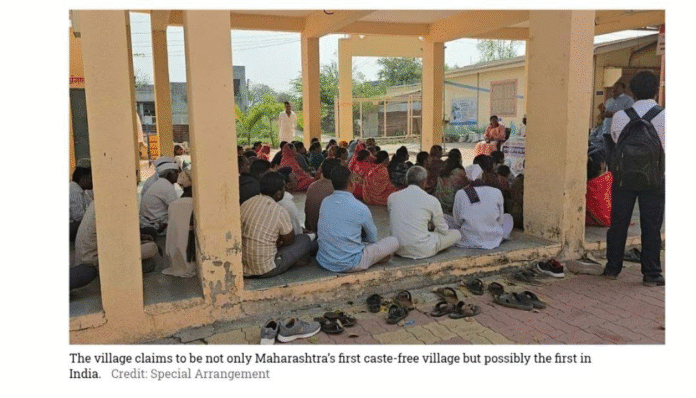
In a significant social reform initiative, Soundala village in Maharashtra has declared itself a “caste-free” village. The unanimous resolution, passed by the Gram Sabha on 5 February 2026, commits the community to rejecting caste-based distinctions and promoting equality under the motto “Aamchi jaat… manav” — meaning “my caste is humanity”. The move has drawn attention as a grassroots effort to redefine local identity around shared human values.

Unanimous Gram Sabha Resolution

Soundala, located in the Ahilyanagar district of Maharashtra, adopted the resolution through a collective decision of villagers from diverse social backgrounds. The declaration formally renounces caste discrimination and social exclusion in all forms.

Public spaces and facilities — including schools, temples, water bodies, community halls, cremation grounds and government services — are now committed to equal access for all residents, irrespective of caste, religion, creed or race. The village administration has also pledged to address caste-based grievances and monitor derogatory social media content to maintain communal harmony.

Constitutional Ideals at the Core

The resolution draws inspiration from the Preamble to the Indian Constitution, which enshrines the values of liberty, equality and fraternity. By aligning its governance principles with constitutional ideals, Soundala seeks to institutionalise equality at the grassroots level.

Although the village has historically reported limited caste-based conflict, leaders described the move as preventive rather than reactive. The emphasis is on fostering unity and ensuring that discrimination does not take root in the future.

Earlier Social Reform Initiatives

Soundala has previously adopted progressive resolutions challenging entrenched social norms. In 2024, the village supported widow remarriage and prohibited the use of degrading or abusive language within the community. These measures had already positioned the village as an example of local-level reform.

Civil society groups have suggested recognising 5 February as “International Caste-Free Day”, reflecting the symbolic value of the initiative beyond the village.

Important Facts

  • The Preamble of the Indian Constitution emphasises justice, liberty, equality and fraternity.
  • Gram Sabha is the general assembly of all registered voters in a village.
  • Caste-based discrimination is prohibited under Article 15 of the Constitution.
  • Social reform movements in India have historically targeted caste hierarchy and untouchability.

Significance for Social Equality in India

Soundala’s declaration represents a symbolic yet meaningful step in addressing caste as a continuing social reality in India. By asserting a collective identity rooted in humanity rather than birth status, the village has contributed to ongoing national conversations on equality, dignity and social justice.

World Understanding and Peace Day 2024: History, Significance, and Celebrations

0

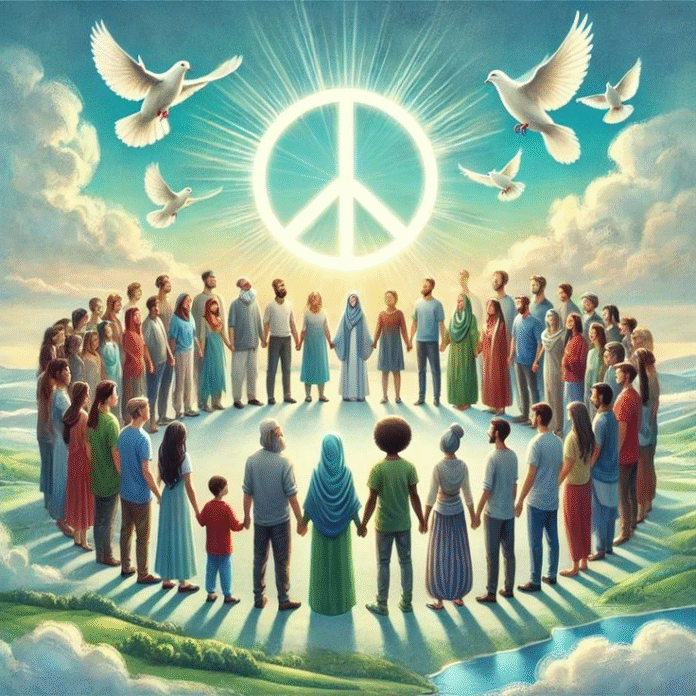
World Understanding and Peace Day is observed every year on February 23 to commemorate the founding of Rotary International and its mission to promote peace, goodwill, and humanitarian service worldwide. The day marks the anniversary of the first Rotary Club meeting held in Chicago in 1905.

The 59th World Day of Peace (January 1, 2026), celebrated by the Vatican, features the theme: Peace be with you all: Towards an ‘unarmed and disarming’ peace”. This theme calls for rejecting violence, fostering dialogue, and building peace through justice, love, and humilit

World Understanding and Peace Day 2026: History

Rotary International was founded on February 23, 1905, when Paul Harris, Gustavus Loehr, Silvester Schiele, and Hiram Shorey met in Room 711 of the Unity Building in downtown Chicago. This historic meeting led to the formation of the first Rotary Club.

The club was named “Rotary” because members initially rotated their meeting locations among their offices. Over time, Rotary expanded beyond the United States, and its name evolved from Rotary Club to International Association of Rotary Clubs, and eventually Rotary International.

Paul P. Harris envisioned a group of business professionals free from political and religious boundaries, focused solely on friendship, service, and community development. His vision later grew into a global network dedicated to peacebuilding and humanitarian causes.

World Understanding and Peace Day 2026: Significance

World Understanding and Peace Day highlights the importance of global harmony, dialogue, and conflict resolution. Rotary International continues to play a key role in promoting peace through education, community service, and international cooperation.

Some key aspects of its significance include:

  • Promoting global peace and understanding among communities and nations.
  • Encouraging individuals to contribute toward conflict resolution and harmony.
  • Supporting education and research through Rotary Peace Centers at universities worldwide.
  • Selecting 75 scholars annually for the Rotary Peace and Conflict Resolution Program to study peacebuilding and diplomacy.

Rotary also focuses on six major humanitarian areas:

  • Disease prevention and treatment
  • Water and sanitation
  • Maternal and child health
  • Basic education and literacy
  • Economic and community development
  • Peace and conflict prevention/resolution

World Understanding and Peace Day 2026: Celebrations

Rotary Clubs across the world organize events and activities to mark this day. Common ways to observe the day include:

  • Attending seminars, lectures, and awareness programs on peace and conflict resolution.
  • Participating in community service projects that promote social harmony.
  • Engaging in educational initiatives, art programs, and youth discussions on peacebuilding.
  • Spreading awareness about the importance of unity, cooperation, and mutual understanding.

Why World Understanding and Peace Day Matters

This day serves as a reminder that peace begins with understanding, dialogue, and collective action. Rotary International’s initiatives demonstrate how individuals and communities can contribute to a peaceful and sustainable world.

Farhan Akhtar-backed Manipuri film ‘Boong’ wins BAFTA Award in London

0

In a landmark achievement for Indian cinema, ‘Boong’, a Manipuri-language coming-of-age film, has won the Best Children’s & Family Film award at the 2026 British Academy of Film and Television Arts (BAFTA) Awards. The victory marks a significant global recognition for regional Indian storytelling on an international stage.

Triumph Over Global Blockbusters

Directed by Lakshmipriya Devi and produced by Ritesh Sidhwani and Farhan Akhtar, the 2024 film secured the award ahead of major international contenders including ‘Zootopia 2’, ‘Lilo & Stitch’, and ‘Arco’. The category featured strong competition from high-profile Hollywood productions, making the win particularly notable.

The award was presented in a memorable moment by the fictional character Paddington Bear, who delivered a light-hearted monologue while announcing the winner. The nominations for the BAFTAs were revealed earlier in January.

Story Rooted in Manipur’s Realities

‘Boong’ centres on a young schoolboy navigating racial tensions and the socio-political complexities of life along the Manipur border. The narrative follows his emotional journey as he confronts prejudice, uncertainty and fractured family ties.

Set against a backdrop of social strain, the film blends a child’s perspective with deeper themes of identity, belonging and resilience. Its grounded storytelling and regional authenticity have been widely praised for bringing underrepresented narratives to a global audience.

Global Spotlight on Regional Indian Cinema

The win underscores the growing international recognition of Indian regional cinema beyond mainstream Hindi-language films. By winning in a family-focused category, ‘Boong’ has highlighted the universality of its themes despite its rooted cultural context.

The film’s production team described the nomination earlier as an honour, and the eventual win reflects the expanding global footprint of Indian storytellers in prestigious award circuits.

Important Facts

  • BAFTA stands for the British Academy of Film and Television Arts.
  • Manipur is a northeastern state of India bordering Myanmar.
  • Children’s and family films often address social themes through accessible narratives.
  • Indian regional cinema includes films made in languages other than Hindi.

Milestone for Indian Film Industry

The success of ‘Boong’ at the BAFTA Awards 2026 represents a milestone for Manipuri cinema and Indian regional filmmaking. It signals broader global acceptance of diverse Indian narratives and reinforces the country’s growing influence in international film platforms.