Home Blog Page 64

Prahar: India’s First Anti-Terrorism Policy Promising National Security…

0

India has unveiled its first comprehensive counter-terrorism policy, titled “Prahaar”, aimed at strengthening national security against evolving threats. Released by the Ministry of Home Affairs, the framework seeks to enhance prevention, coordination and response mechanisms across land, air and maritime domains. The policy comes amid rising concerns over cross-border terrorism, cyber warfare and the misuse of emerging technologies.

Prahaar is positioned as an integrated legal, technological and community-driven strategy to counter both traditional and non-traditional security risks.

Addressing Persistent and Emerging Threats

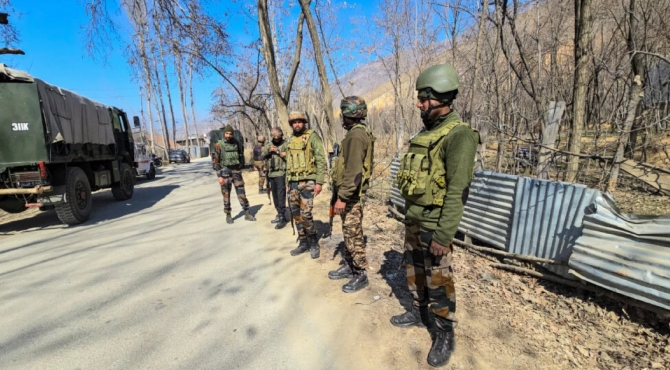
The policy identifies cross-border terrorism as a continuing challenge, particularly from networks operating across India’s western frontiers. It notes the increasing use of drones in regions such as Punjab and Jammu and Kashmir for arms and narcotics smuggling.

Prahaar also flags cyber operations conducted by hostile states and criminal hacker groups targeting critical infrastructure. Key sectors identified as vulnerable include power grids, railways, aviation, ports, defence installations, space assets and atomic energy facilities. The document underlines that terrorism is not linked to any religion, ethnicity or nationality, but warns of sustained efforts by foreign-based extremist networks to incite violence.

Technology, Financing and Organised Crime Links

The framework highlights the growing nexus between terror outfits and organised crime for funding and logistics. It points to the use of social media platforms, encrypted messaging services, the dark web and crypto assets for recruitment, propaganda and financial transactions.

The policy further cautions against potential misuse of chemical, biological, radiological and nuclear materials, alongside explosive substances and digital tools. Advanced technologies such as drones and robotics are identified as emerging threats with lethal potential if exploited by non-state actors.

Legal Reforms and Global Cooperation

Prahaar proposes the integration of legal experts at every stage of investigation, from FIR registration to prosecution, to strengthen conviction rates in terror cases. It emphasises enhanced intelligence-sharing and collaboration with international and regional partners to tackle transnational terrorism networks.

The policy acknowledges that foreign-based groups often depend on local facilitators and infrastructure, necessitating tighter surveillance and inter-agency coordination within India.

Important Facts

  • The Ministry of Home Affairs is responsible for internal security in India.
  • Counter-terror operations in India often involve agencies such as the NIA and Intelligence Bureau.
  • Drones have increasingly been used along the India-Pakistan border for smuggling.
  • CBRN stands for Chemical, Biological, Radiological and Nuclear threats.

Counter-Radicalisation and Community Outreach

Prahaar lays emphasis on preventing radicalisation, particularly among youth. It outlines a graded response mechanism, with legal action determined by the level of involvement. Community engagement through religious leaders, NGOs and civil society groups forms a core component of the strategy.

Prison-based de-radicalisation programmes and youth outreach initiatives are also proposed to address the root causes of extremism. The policy aims to balance security enforcement with preventive social interventions, marking a comprehensive shift in India’s counter-terror architecture.
Eternal Love in Stone: The Romantic Legacy of Gujari Mahal Museum in Gwalior

0

PC: (My India Travel, Madhya Pradesh DMC)

A Royal Love Story That Built an Empire of Beauty

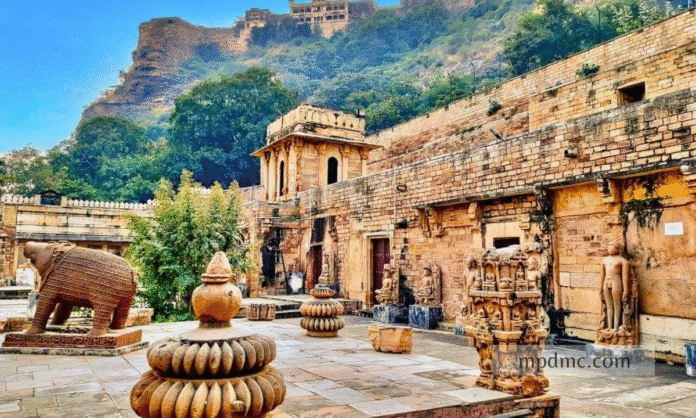
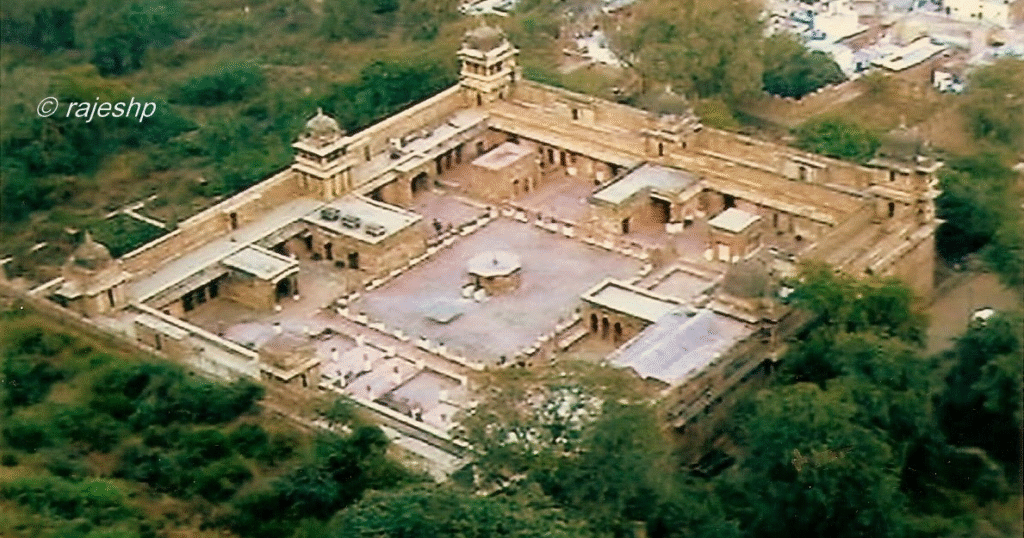
Gwalior, a city steeped in rich history and stunning architectural marvels, hides many cultural gems. Among them, the Gujari Mahal Museum stands out as a true must-visit for any traveler passionate about history and heritage. The story begins with Raja Man Singh (also known as Man Singh Tomar), a 15th-century ruler, and his beloved queen, Mrignayani (originally called Ninni or Nanni), a brave Gujar princess. Legend tells of the king witnessing her extraordinary courage and grace as she fearlessly untangled the locked horns of two raging buffaloes. Captivated by her beauty, strength, and spirit, he proposed marriage. Mrignayani, however, set three bold conditions: equal status without purdah, the freedom to join him on battlefields, and a separate palace with an uninterrupted supply of water from the sacred Rai. River, which she believed enhanced her vitality and allure. Deeply in love, the king agreed, and this union inspired the creation of Gujari Mahal in the 15th century-a palace built as a tribute to their timeless romance.

From Palace of Passion to Treasure Trove of History

Strategically positioned near the Rai River to meet Mrignayani’s wishes, Gujari Mahal fulfilled its romantic purpose. In 1922, the grand structure was transformed into the Gujari Mahal Archaeological Museum (also called the State Archaeological Museum), preserving the region’s glorious past. Today, it serves as a living testament to the love story while housing an extraordinary collection of artifacts spanning millennia.

Where History Comes Alive: The Museum’s Enchanting Galleries

Spread across 28 galleries, the museum takes visitors on a mesmerizing journey through eras like the Sunga, Gupta, Pratihara, Kachchhapaghata, and Paramara periods. Its vast collection includes sculptures, coins, pottery, terracotta figurines, paintings, inscriptions, weapons, and more-making it a paradise for history lovers.

Eternal Love in Stone: The Romantic Legacy of Gujari Mahal Museum in Gwalior

Timeless Treasures That Whisper Tales of the Past

Exquisite Sculptures Marvel at masterpieces like the Yaksha Mani Bhadra (1st century AD), the fierce Mahisasuramardini (6th century AD), Gupta-era panels depicting dance and music, and the alluring Shalbhanjika statue from Gyaraspur (often called a “Mona Lisa of India” by admirers). Terracotta Wonders from Pawaya excavations come stunning 4th-5th century figurines of Lord Ram, Mata Sita, and others, showcasing remarkable proportions, hairstyles, and artistic finesse. Inscriptions and Scripts A rare set of 70 stone and copper plate inscriptions in Brahmi, Devnagari, and Persian scripts offers priceless historical insights.

Coins Through the Ages – Explore a diverse array of gold, silver, and copper alloy coins dating from the 3rd century BC to the 20th century AD. Artistic Replicas and Paintings – Admire replicas of Bagh Caves murals recreated by legends like Nandalal Bose, along with miniature paintings in Mughal, Rajput, Kangra, Pahari, and Gwalior styles-including a striking depiction of Changez Khan. Weapons and Warfare – View an impressive array of guns, swords, cannons, and other armaments that reveal the military history of the region. Excavated Relics Pottery, beads, ear ornaments, engraved seals, and terracotta objects from iconic sites like Mohenjo-daro, Pawaya, Vidisha, and Ujjain provide glimpses into everyday life in ancient civilizations.

This museum isn’t just a collection-it’s a portal to Gwalior’s soul, blending royal romance with profound archaeological depth.

Whether you’re a history buff, art lover, or simply seeking a meaningful experience in Gwalior, Gujari Mahal Museum promises an unforgettable encounter with India’s enduring heritage. Plan your visit and let the echoes of a legendary love story guide you through centuries of wonder!

US Govt To Stop Emergency Tariffs After Supreme Court Ruling from Today; Trump Warns of Higher Duties

0

The United States government will stop collecting emergency tariffs imposed by President Donald Trump starting Tuesday, following a US Supreme Court ruling that declared the tariffs illegal three days ago.

US Customs and Border Protection (CBP) confirmed in a statement that tariffs imposed under the 1977 International Emergency Economic Powers Act (IEEPA) will no longer be collected from 12:01 a.m. Tuesday (10:30 a.m. Indian time). The agency has instructed importers to remove all IEEPA-related tariff codes from their cargo systems.

Economists at the Penn Wharton Budget Model estimate that the ruling could force the US government to refund more than $175 billion (around ₹15.75 lakh crore) in revenue. According to Reuters, the IEEPA tariffs had been generating over $500 million (around ₹4,500 crore) per day, and companies may now seek refunds for previously paid duties.

Despite the court setback, President Trump continued his aggressive tariff rhetoric. He warned that any country attempting to “play games” with the United States over trade agreements would face even higher tariffs

Trump’s remarks come as the US plans to impose a 15% baseline tariff on all countries, including India, starting Tuesday. Several countries, including Britain, Australia, and New Zealand, have expressed opposition, arguing that their trade agreements with the US were based on a 10% tariff cap. The Trump administration has not clarified whether these deals will be renegotiated.

Following the ruling, Trump claimed that the Supreme Court’s decision had inadvertently strengthened his authority. Writing on Truth Social, he said the ruling gave him more power to impose tariffs under other legal frameworks. He also criticized the court’s decision as “stupid” and divisive internationally.

Trump said he could use alternative mechanisms, including licensing restrictions and other trade laws, to impose stronger measures against countries he believes are unfairly trading with the US. He claimed that remaining tariffs had been legally strengthened by the court’s ruling.

It remains unclear whether companies and importers will receive refunds for tariffs collected in the three days following the court decision. CBP did not explain why collections continued during this period.

The order applies only to tariffs imposed under the IEEPA Act. Tariffs imposed under Section 232 (national security) and Section 301 (Unfair Trade Act) will remain in effect and are not affected by the ruling.

CBP said it will continue to provide updates to trade partners through official communications.

Expunction of an MP’s Speech in 2026: A Constitutional and Legal Analysis

0

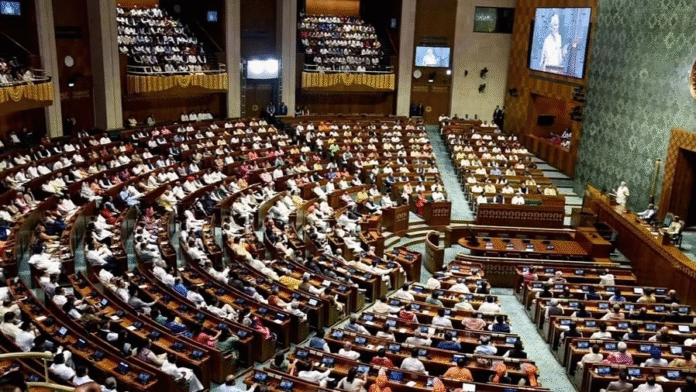
The expunction of a Member of Parliament’s speech in 2026 has reignited an important constitutional debate in India, raising critical questions about parliamentary privilege, free speech, constitutional limitations, and the balance between democratic institutions. The removal of a legislator’s remarks from parliamentary records has sparked concerns about procedural fairness, the scope of legislative autonomy, and the safeguards built into India’s constitutional framework.

Article 105 of the Indian Constitution grants Members of Parliament the freedom of speech within the House and immunity from legal proceedings for anything said during parliamentary debates. This privilege is intended to protect the independence of legislators, ensure free and uninhibited debate, and strengthen democratic decision-making. However, this freedom is not absolute and is subject to constitutional and procedural restrictions designed to preserve the dignity and functioning of Parliament.

Under the Rules of Procedure and Conduct of Business in Parliament, the Speaker or Chairperson has the authority to expunge remarks that are defamatory, unparliamentary, violative of constitutional norms, or harmful to the dignity and decorum of Parliament. This discretionary power is meant to maintain order, discipline, and institutional respect within legislative proceedings, but its exercise often raises concerns about subjectivity and political bias.

A key constitutional provision relevant to the 2026 incident is Article 121, which prohibits any discussion on the conduct of judges of the Supreme Court or High Courts except through the prescribed impeachment process. Any direct or indirect reference questioning judicial conduct may be removed to safeguard judicial independence and uphold the separation of powers, which is a core principle of India’s constitutional democracy.

The 2026 expunction incident triggered several constitutional questions. Was the removal of the speech necessary to prevent defamation and protect institutional integrity, or did it restrict legitimate criticism and dissent? Was the Chair’s action proportionate, or did it set a precedent that could chill parliamentary free speech? These questions have led to renewed scrutiny of the limits of parliamentary privilege and the mechanisms used to regulate legislative discourse.

The debate highlights the tension between free speech and constitutional restraints. Critics argue that frequent or broad expunctions may weaken democratic transparency, restrict elected representatives, and limit public awareness of critical national issues. Supporters, on the other hand, contend that unregulated speech could damage institutional credibility, undermine judicial independence, and encourage defamatory or irresponsible statements. Maintaining a careful constitutional balance between these competing concerns is therefore essential.

The 2026 episode also underscores the need for clearer and more transparent guidelines governing expunction. Establishing objective criteria, procedural safeguards, and consistent application across political contexts could reduce subjective interpretation and protect both parliamentary freedom and institutional dignity.

In conclusion, the expunction of an MP’s speech in 2026 is more than a procedural incident; it reflects deeper constitutional tensions between parliamentary freedom, judicial independence, and institutional respect. While Members of Parliament must be free to speak fearlessly in the interests of democracy, such freedom must operate within constitutional boundaries, particularly concerning defamation and restrictions under Article 121. This incident highlights the need for balanced reforms to strengthen India’s democratic and parliamentary processes and ensure that freedom and responsibility coexist within the constitutional framework.

Expunction of an MP’s Speech in 2026: A Constitutional and Legal Analysis

(The article has been written by: Soniya Yadav, Student, Kanoria Mahila Mahavidyalaya)

Kuwait National Day: Know Date, History and Significance

0

Kuwait National Day is celebrated every year on 25 February. This important national holiday commemorates the accession of Sheikh Abdullah Al-Salim Al-Sabah as the ruler of Kuwait in 1950. He is widely regarded as the founder of modern Kuwait due to his visionary leadership and historic reforms.

During his reign, Sheikh Abdullah Al-Salim Al-Sabah played a crucial role in securing Kuwait’s independence from British protection. In 1961, he signed a treaty that ended Kuwait’s status as a British protectorate, making the country a sovereign state. He also laid the foundation of Kuwait’s political system by establishing the Constitution of Kuwait in 1962 and creating the National Assembly (Parliament), making Kuwait one of the earliest constitutional monarchies in the Gulf region.

Origins of the National Day Celebration

Although Kuwait gained independence on June 19, 1961, the National Day was later shifted to February 25. The change was made due to the extreme summer heat in June. Since 1963, Kuwait has officially celebrated National Day on February 25 to honor Sheikh Abdullah Al-Salim Al-Sabah’s rise to power.

Historical Background of Kuwait

Kuwait began as a small fishing and trading settlement in the early 17th century. By the 18th century, it developed into a thriving port and shipbuilding center. The Al-Sabah family assumed power in 1756, and their leadership continues to this day.

Modern Kuwait and Its Global Significance

Officially known as the State of Kuwait, the country is located in Western Asia and shares borders with Iraq and Saudi Arabia, with a maritime border with Iran. Kuwait is home to some of the world’s largest oil reserves and has one of the strongest currencies globally, the Kuwaiti Dinar. Since independence, Kuwait has made significant progress in economic development, democracy, and social welfare.

National Day Celebrations

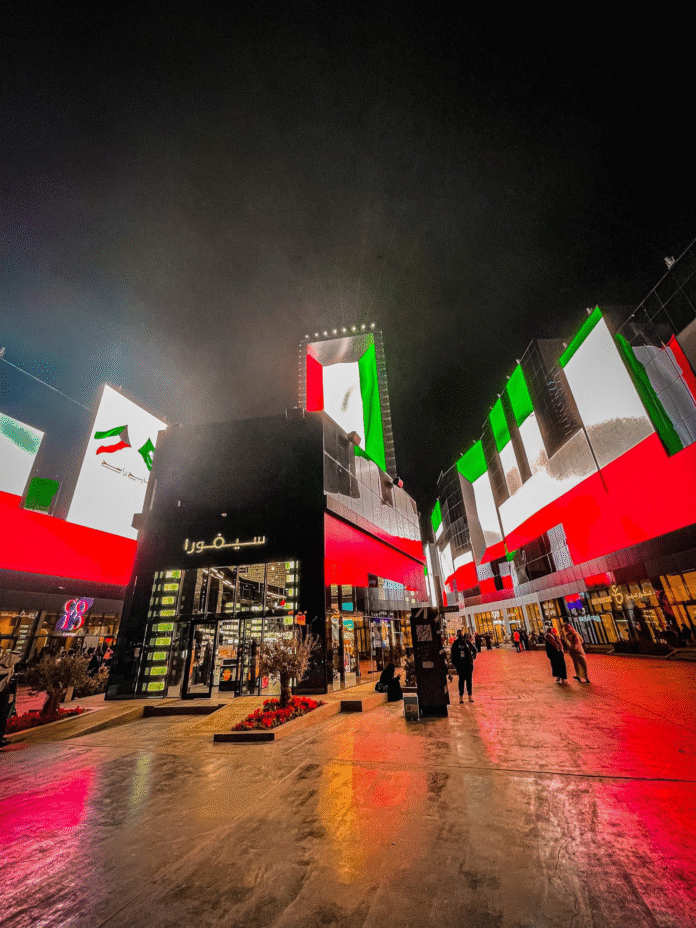
Kuwait National Day is celebrated with great pride and enthusiasm. Public holidays are declared, and cities are decorated with national flags and colorful lights. Fireworks displays, cultural events, parades, and concerts are organized across the country. Iconic landmarks such as Kuwait Towers, Kuwait National Museum, Mirror House, and Al Bahhar Village are illuminated. People gather with friends and family, decorate homes, and participate in public festivities that continue late into the night.

Mexico After Death of Drug Master El Mencho: 5 Major Effects of Cartel Violence

0

The killing of Nemesio Oseguera Cervantes, alias “El Mencho,” the feared leader of the Jalisco New Generation Cartel (CJNG), has triggered a wave of violence across Mexico.

El Mencho, considered Mexico’s most wanted drug lord, died in custody after being seriously injured during a fierce firefight with Mexican special forces in Jalisco. His death has sparked retaliation attacks by cartel members across more than 20 states, plunging several cities into chaos.

Cartel gunmen torched vehicles, blocked highways, burned businesses, and terrorized civilians in coordinated acts of violence, drawing comparisons to previous cartel uprisings following high-profile arrests.

5 Major Effects of El Mencho’s Death on Mexico

1. Nationwide Cartel Violence and Road Blockades

Following El Mencho’s death, CJNG members launched coordinated attacks across multiple regions. Highways were blocked with spikes and nails, while buses and vehicles were set on fire to disrupt movement.

Security officials reported over 250 road blockades, paralysing transport and creating panic in several states.

2. Businesses, Banks, and Public Property Torched

Cartel members burned banks, pharmacies, and local businesses, causing economic disruption. Smoke plumes were seen across towns and major cities, highlighting the scale of the coordinated violence.

Such attacks send a warning to authorities and communities about the cartel’s reach and power.

3. Panic in Tourist Hubs Like Puerto Vallarta

Tourist hotspot Puerto Vallarta witnessed burning cars and gunfire panic, forcing tourists to shelter indoors. Flights were cancelled, leaving around 300 tourists stranded at the airport.

Foreign governments, including the UK and the US, issued travel advisories urging citizens to stay indoors and exercise extreme caution.

4. Emergency Measures and Security Lockdowns

The Governor of Jalisco declared a “Code Red” emergency, halting public transport, cancelling mass events, and suspending in-person classes.

Mexican authorities arrested 25 suspects, while security forces dismantled most roadblocks. However, officials warned that tensions remain high in cartel strongholds.

5. Renewed Global Focus on Mexico’s Drug War

El Mencho’s death has reignited global attention on Mexico’s cartel wars. Analysts say retaliatory violence after major cartel arrests or killings has become a pattern, similar to the 2019 Sinaloa uprising after Ovidio Guzmán López’s capture.

The incident highlights the ongoing challenge Mexico faces in dismantling powerful drug cartels without triggering widespread violence.

Government Response and Public Warning

Mexican President Claudia Sheinbaum urged citizens to remain calm and informed, stating that most parts of the country continue normal activities. She praised the security forces for capturing El Mencho, calling it a major blow to organized crime.

However, experts warn that power struggles within the CJNG and rival cartels could lead to further instability.

What’s Next for Mexico After El Mencho?

The death of El Mencho marks a historic moment in Mexico’s fight against drug cartels, but it also raises concerns about leadership battles within the CJNG and potential escalation of violence.

Security analysts believe the coming weeks will be critical in determining whether the government can maintain control or whether cartel factions will intensify their violent campaigns.

Quick Facts: El Mencho

  • Full Name: Nemesio Oseguera Cervantes
  • Cartel: Jalisco New Generation Cartel (CJNG)
  • Status: Died in custody after capture
  • Known As: Mexico’s most wanted drug lord

Rob Jetten Is Netherlands’ Youngest and First Gay Prime Minister

0

The Netherlands is set to swear in its youngest-ever prime minister as 38-year-old Rob Jetten takes office in The Hague. Jetten will also become the country’s first openly gay prime minister, marking a historic moment in Dutch political history. The new government will be formally installed by King Willem-Alexander at the Huis Ten Bosch Palace.

Jetten’s rise follows a closely fought snap election in October, where his centrist party overturned the far-right Freedom Party (PVV) led by Geert Wilders. The result signals a shift in Dutch politics after months of uncertainty.

Election Upset and Coalition Formation

Jetten’s Democrats 66 (D66) secured a narrow victory over Wilders’ PVV, which had earlier triggered the collapse of the previous coalition by withdrawing support. The prior government, considered the most right-wing in recent Dutch history, lasted just 11 months.

After 117 days of negotiations, D66 formed a coalition with the centre-right Christian Democratic Appeal (CDA) and the liberal People’s Party for Freedom and Democracy (VVD). The alliance controls 66 seats in the 150-member parliament, falling nine short of a majority. This means the government will depend on opposition backing to pass major legislation.

Policy Direction and European Focus

During the campaign, Jetten stressed the need to counter populism with a “positive message” and pledged to return the Netherlands “to the heart of Europe”. The coalition’s January manifesto promised continued support for Ukraine and reaffirmed commitments to NATO defence spending targets.

The government has outlined plans for budget discipline, opting for spending cuts rather than deficit financing. Proposed measures include reductions in social benefits and increased investment in defence. On migration, the coalition intends to maintain stricter policies, including tougher family reunification rules, reflecting continuity with previous frameworks.

Political Landscape and Opposition

Geert Wilders’ PVV dropped from 37 to 26 seats, limiting its influence despite finishing second. Coalition parties had ruled out partnering with Wilders, effectively sidelining him from governance.

Other right-wing forces made gains. Forum for Democracy, led by Lidewij de Vos, and JA21 increased their parliamentary presence with campaigns centred on immigration control and criticism of the European Union. Analysts note that although Jetten’s government is more centrist, it retains a discernible right-leaning policy signature.

Important Facts for Exams

  • The Netherlands follows a parliamentary constitutional monarchy.
  • King Willem-Alexander is the current Dutch monarch.
  • The Dutch parliament, called the States General, has 150 seats in the lower house.
  • NATO requires member states to aim for defence spending of 2% of GDP.

Significance of the Leadership Transition

Jetten’s appointment reflects generational and social change in Dutch politics. As the youngest and first openly gay prime minister, his leadership is seen as symbolically significant both domestically and across Europe. However, with a minority coalition and a fragmented parliament, his administration faces immediate tests in delivering reforms and maintaining political stability.

Rashmika Mandanna and Vijay Deverakonda Wedding: To-Be Couple in Udaipur to Say I Do on Feb 26. Watch Their wedding Cards…

0

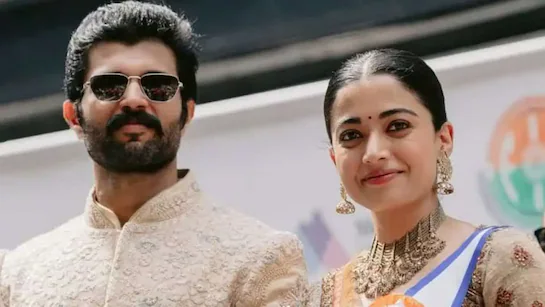
South Indian film stars Rashmika Mandanna and Vijay Deverakonda have arrived in Udaipur ahead of their highly anticipated wedding, scheduled to take place on February 26 at the Mementos by ITC Hotels in Kailashpuri on the Udaipur–Nathdwara Highway. The hotel has reportedly been booked from February 24 to February 26, with preparations underway for a grand yet private celebration attended by around 230 close guests.

Rashmika Mandanna and Vijay Deverakonda Wedding: To-Be Couple in Udaipur to Say I Do on Feb 26. Watch Their wedding Cards...

The couple arrived in Udaipur on separate flights on Monday morning, with Rashmika landing at Dabok Airport around 10:00 AM, followed by Vijay about 15 minutes later. Rashmika was seen wearing a blue suit paired with black sunglasses, while Vijay opted for a black jacket and dark glasses. After arriving separately, the two left the airport together for the hotel. According to media reports, the couple will host a grand reception in Hyderabad on March 3 and March 4, with several celebrities from the film industry expected to attend. The reception is rumored to be held at a premium venue in Hyderabad or Banjara Hills.

A day before flying to Udaipur, Rashmika and Vijay were also spotted at Hyderabad Airport, where Rashmika was seen wearing a tilak and covering her face with a mask, while Vijay also wore dark glasses and a mask to maintain privacy. Reports suggest that a popular Delhi-based band, known for performing at celebrity weddings, has been hired for the ceremony. The wedding planner is reportedly from Hyderabad and has previously managed weddings of high-profile personalities, including a renowned tennis player. The wedding is said to be a private affair with a strict no-phone policy to prevent inside photos or videos from leaking online.

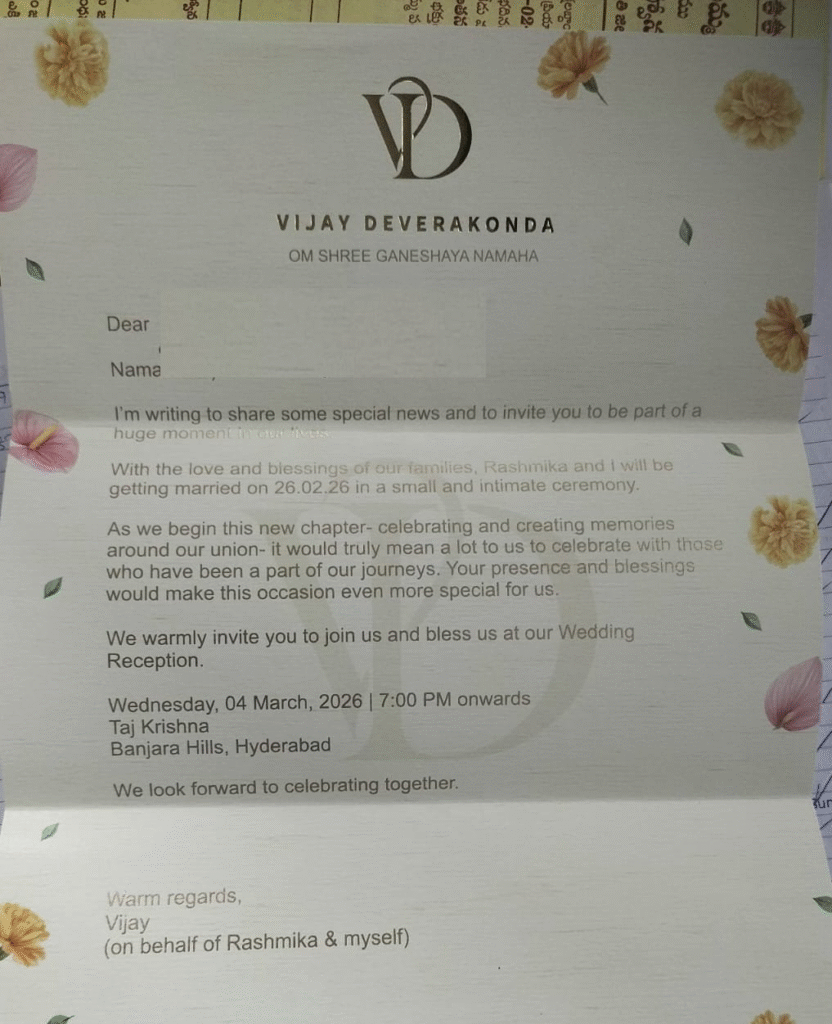
A major security agency has reportedly been hired to ensure privacy and safety. A wedding invitation card that surfaced on social media stated that the ceremony will be a small, intimate family event. Vijay Deverakonda and Rashmika Mandanna reportedly got engaged on October 3 in Hyderabad in a private ceremony attended by close family members. Rashmika has been spotted wearing her engagement ring on multiple occasions since then, fueling speculation about their relationship.

From a Farmer and Schoolteacher’s Son to the Life of Crime: The Rise and Fall of Pablo Escobar

0

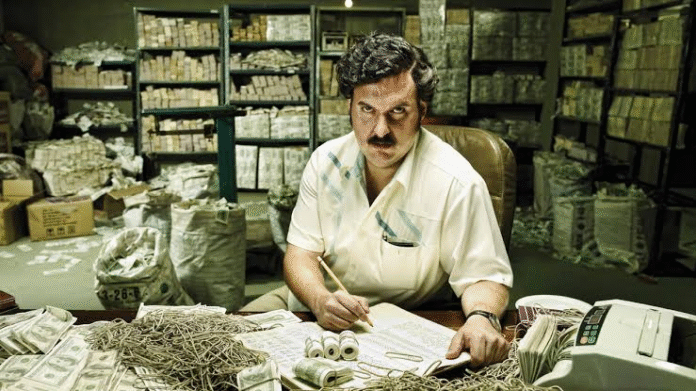
Pablo Emilio Escobar Gaviria was born on December 1, 1949, in Rionegro, Colombia, into a humble family. His father was a farmer, and his mother worked as a schoolteacher. Soon after his birth, the family moved to Envigado, a suburb of Medellín—an area that would later become synonymous with his criminal empire.

Despite his modest upbringing, Escobar showed early signs of ambition and rebellion. As a teenager, he began engaging in petty crimes, including selling fake diplomas, smuggling stereo equipment, stealing tombstones to resell, and car theft. His first arrest came in 1974, marking the beginning of a criminal trajectory that would eventually change Colombia’s history.

Entry into the Drug Trade and the Rise of the Medellín Cartel

As Colombia’s cocaine industry expanded in the 1970s—due to its proximity to coca-growing nations like Peru, Ecuador, and Bolivia—Escobar transitioned from small-time crime to drug smuggling. He helped establish what would later become known as the Medellín cartel, partnering with the powerful Ochoa brothers.

By the mid-1980s, Escobar had become the cartel’s undisputed leader, overseeing the production, transport, and global distribution of cocaine. He was soon regarded as the world’s most powerful drug trafficker, with estimates placing his net worth at around $25 billion.

A Life of Wealth, Power, and Public Image

Escobar’s wealth funded an extravagant lifestyle. His sprawling Hacienda Nápoles estate, worth millions of dollars, featured a private airstrip, a soccer field, artificial lakes, luxury facilities, and a zoo with exotic animals like giraffes and hippopotamuses.

At the same time, he cultivated a Robin Hood–like image by funding housing projects, football fields, and welfare programs for the poor. This popularity helped him win election to an alternate seat in Colombia’s Congress in 1982, blending criminal power with political influence.

Ruthlessness and the Reign of Terror

Despite his philanthropy, Escobar ruled through fear. His infamous policy of “plata o plomo”—silver (bribes) or lead (bullets)—became a symbol of Colombia’s drug-era violence. Judges, police officers, politicians, journalists, and civilians were targeted.

One of the most notorious incidents occurred in 1989, when the cartel bombed a commercial airplane in an attempt to kill an informant, killing more than 100 people. Escobar also fiercely opposed extradition to the United States, famously saying he would rather die in Colombia than be imprisoned in the U.S.

Surrender, La Catedral, and Escape

In 1991, amid escalating violence and pressure, Escobar surrendered after Colombia banned extradition in its new constitution. However, his imprisonment was anything but ordinary. He built a luxurious prison called La Catedral, complete with a nightclub, sauna, waterfall, and football field—where he continued running his criminal operations.

When authorities attempted to move him to a stricter facility in 1992, Escobar escaped, triggering one of the largest manhunts in Colombian history, aided by U.S. agencies and rival cartels.

Death and the Collapse of an Empire

On December 2, 1993, just a day after his 44th birthday, Colombian security forces located Escobar’s hideout in Medellín. A gunfight ensued, and he was killed while attempting to flee across rooftops. Some theories suggest suicide, but official accounts confirm he died in the shootout.

Following his death, the Medellín cartel collapsed, marking the end of an era that had reshaped global drug trafficking and Colombian society.

Legacy: Crime, Culture, and Controversy

Pablo Escobar remains one of the most infamous criminals in modern history. His life story—marked by extreme wealth, brutal violence, and political influence—has inspired countless books, films, and television series. To some, he was a criminal mastermind; to others, a symbol of corruption and bloodshed.

Quick Facts

  • Full Name: Pablo Emilio Escobar Gaviria
  • Born: December 1, 1949, Rionegro, Colombia
  • Died: December 2, 1993, Medellín, Colombia
  • Age at Death: 44
  • Known For: Leader of the Medellín cartel, global cocaine trafficking empire

Akshay Oberoi and Sudev Nair Join Yash’s ‘Toxic: A Fairytale for Grown-Ups’ as Tony and Karmadi

0

The world of Toxic: A Fairytale for Grown-Ups, headlined by Rocking Star Yash, just got darker, deadlier, and more stylish. The makers have officially unveiled Akshay Oberoi as Tony and Sudev Nair as Karmadi, adding two intense new characters to the high-stakes action saga.

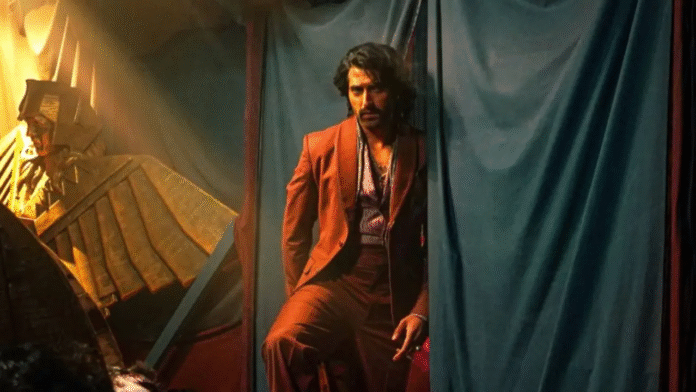
Akshay Oberoi’s character Tony is inspired by a retro 1950s aesthetic, featuring long sideburns, a vintage silhouette, and an old-world swagger. His look suggests a man shaped by violence—suave, menacing, and deeply layered. The newly released poster showcases Akshay in a never-seen-before avatar, hinting at a morally ambiguous character who brings intrigue and menace to the film’s dark universe.

In the poster, Akshay stands atop piles of bodies, a striking visual that instantly establishes the brutal and high-stakes tone of Toxic. His piercing gaze, rugged styling, and commanding presence portray a character driven by power and violence, blurring the line between hero and villain.

The makers recently unveiled the film’s teaser, which highlights the menacing side of Yash’s character and showcases the scale and brutal intensity audiences can expect from the film.

About Toxic: A Fairytale for Grown-Ups

Toxic is mounted as a hardcore action film, with Akshay’s transformation signaling the ambitious scale and intensity of the project. Director Geetu Mohandas’ vision is evident in the character design, blending strong aesthetics with narrative depth. Backed by Yash’s creative vision, the film promises a dark, morally complex world filled with layered characters.

The ensemble cast includes Yash, Kiara Advani, Nayanthara, Tara Sutaria, Huma Qureshi, Akshay Oberoi, and Sudev Nair. Toxic is slated for a worldwide theatrical release on March 19, coinciding with the Gudi Padwa and Eid weekend, heightening anticipation among audiences globally.