Home Blog Page 626

Maa Shailputri: Navratri first day Goddess

0

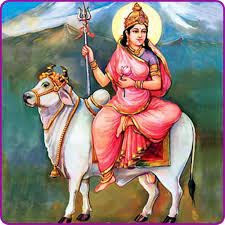
Maa Shailputri, the first form of Goddess Durga, marks the commencement of Navratri, the nine-day festival celebrating the divine feminine. Her name is derived from the Sanskrit words ‘Shail,’ meaning mountains, and ‘Putri,’ meaning daughter. Thus, she is often referred to as the ‘Daughter of the Mountains.’ Maa Shailputri is also known as Maa Sati Bhavani, Maa Hemavati, and Goddess Parvati.

The Tale of Maa Shailputri
In Hindu mythology, Maa Shailputri is the daughter of King Daksha. She was originally named Sati and was married to Lord Shiva, despite her father’s disapproval. King Daksha’s resentment and anger towards Lord Shiva and Sati’s union ultimately led to a tragic event.

King Daksha held a grand Yagna and invited all the gods and goddesses except Lord Shiva and Sati. Sati, still yearning to reunite with her parents, insisted on attending the Yagna. Reluctantly, Lord Shiva accompanied her. However, the event took a disastrous turn when King Daksha insulted Lord Shiva in front of the assembled guests, leading Sati to immolate herself in the Yagna’s fire.

In her next birth, Sati reincarnated as the daughter of Himavat, the ruler of the Himalayas, and was named Himavati or Parvati. She once again married Lord Shiva and continued her divine journey.

The Iconography of Maa Shailputri
Maa Shailputri is often depicted with a tranquil face, sitting on Nandi, Lord Shiva’s sacred bull. She bears a crescent moon on her forehead, signifying her connection to the lunar cycle. In her right hand, she holds a trident (Trishul), while her left hand carries a lotus flower.

Planetary Significance
Maa Shailputri governs the Moon, and worshipping her is believed to counteract the ill effects of the Moon, bringing peace, harmony, and happiness.

Chakra Association
She is associated with the Muladhara Chakra, symbolizing the commencement of the spiritual journey. This Chakra, the Root Chakra, is crucial for initiating one’s spiritual awakening.

Worshipping Maa Shailputri
On the first day of Navratri, devotees perform the ritual of ‘Ghatasthapana’ to honor Maa Shailputri. This involves placing seven types of soil, followed by seven types of food grains and barley seeds, into an earthen pot. The devotees offer water to the sown seeds until the soil is moist. A Kalash (pot) filled with holy water, Akshat (rice grains), and coins is prepared, topped with a coconut. This Kalash is placed in the center of the earthen pot.

Devotees recite the Pratham Shailputri Mantra to invoke Maa Shailputri and conduct various rituals and Aarti. This sacred worship not only bestows spiritual strength and enlightenment but also brings stability, prosperity, and love into the devotee’s life.

Benefits of Maa Shailputri Puja

  • Mitigates malefic effects of the Moon
  • Brings peace, happiness, and harmony
  • Ward off diseases and negative energies
  • Strengthens the bond between married couples
  • Bestows stability, career success, and business prosperit

Maa Shailputri, the embodiment of divine grace, sets the tone for the auspicious nine days of Navratri. Her story signifies the unwavering devotion and sacrifices made for love. As devotees seek her blessings during these sacred days, they embark on a spiritual journey of self-realization and balance, guided by the powerful Muladhara Chakra. Maa Shailputri’s worship not only cleanses the soul but also fills life with love, success, and joy.

India vs Pakistan: A Look at the Lowest Scores in ODI History

0

In the history of One Day International (ODI) cricket, the matches between India and Pakistan have always been
high-voltage encounters. However, there have been instances where both teams have been bowled out for low
scores, creating records for the lowest totals in their head-to-head matches.

According to the records, the lowest score by the Indian team against Pakistan in an ODI is 79 runs. This
unfortunate event took place in Sialkot on October 13, 1978. The Indian team was bowled out in 34.2 overs with a
run rate of 2.3.

On the other hand, Pakistan’s lowest score against India in an ODI is 87 runs. This occurred in Sharjah on March
22, 1985. The Pakistani team was bowled out in 32.5 overs with a run rate of 2.64.

These matches serve as a reminder of how unpredictable cricket can be and that even the best teams can have off
days. Despite these low-scoring games, both India and Pakistan have had numerous high-scoring and thrilling
encounters that have kept cricket fans on the edge of their seats.

As both teams continue to face each other in future matches, fans around the world will be eagerly watching to see
what new records will be set.

Dandiya Nights – A Fusion of Culture and Fun

0

Priyanshi Pareek reports on Dandiya Nights of Jaipur..

Dandiya, this popular dance is performed during the time of Navaratri festival. 

We know that Dandiya is performed during Navratri festival, but have you ever wondered why it is performed??

It is believed to be performed in memory of Goddess Durga’s victory over Mahishasura.

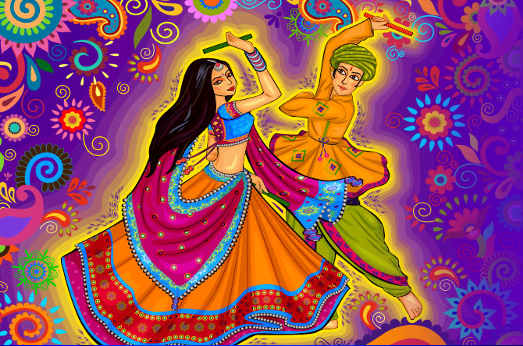
They strike a decorated bamboo stick with energy and enthusiasm and the stick represents the sword of Goddess Durga and is also known as the “Sword Dance”.

Women get dressed up in ghagra-choli, and odhni, whereas men wear traditional costumes like dhotis and kurtas. The dance includes complex circular movements.

The whole year we wait for these 9 days and here it is, starting from 15th October, 2023 till 24th October, 2023.

Performing dandiya and garba in a group is fun but how can we make it happen?

No worries, we have a list of places in your city JAIPUR, where you can go with your group of friends/family and show your dance moves.

  • Dandiya Dhamaal Night 2023

Date: 22nd Oct. 2023

Venue: Brij Vatika Resort, 80 Feet Road, Mahesh Nagar Phatak, Jaipur

Organised by: Shubharambh Events

SPECIAL HIGHLIGHTS:-

  • Lucky Draw Prizes.
  • Food stalls
  • Gifts and tokens of love.
  • Selfie booth

Ticket Prices:

Stag Entry – Rs. 300

Couple Entry – Rs. 550

Group of 3 or more – Rs. 220 (each)

Kids Entry (Ages 5 to 12)Rs. 150 (each)

FOR QUERIES: 9549532280, 8946938683

  • IMF Dandiya Carnival 2023

Date – 21st October 2023 to 22nd October 2023  –  5:00 pm onwards 

Venue – Treebo Trend Hotel New Rockwell, Hem Marg, Roop Vihar, Ganesh Nagar, Ramnagar, Jaipur

SPECIAL ATTRACTION:-

  • Food stalls in Dandiya Carnival
  • Live DJs
  • Fireworks
  • Massive Musicstage
  • Gift Hampers
  • Dhol

Ticket Prices:

Stage – Rs. 300 (per day)

Couple – Rs. 500 (per day)

Family – Rs. 700 (per day)

  • Dandiya Party 2023

Celebrate the Spirit of Navratri for all 9 days  

Date – 15th October to 23rd October 

Time – 7pm onwards 

Venue – Entertainment Paradise Jaipur (Jalsa lawn)

Dress Code – Traditional Indian Attire

SPECIAL ATTRACTIONS:-

  • Daily Garba & Dandiya Raas
  • Traditional Pooja Ceremonies
  • Live Singers and Musicians
  • Live Dj
  • Special Food 
  • Exciting Prizes and Contests

Ticket Price:

Stage Entry – Rs. 700

Couple Entry – Rs. 1000

Family Entry – Rs. 1500 (2 Adults, 2 kids)

  • Sanedo Garba Night

Date: 21st October 2023

Venue: Shree Van Marriage Garden Sirsi Road Jaipur

Managed By: Marcella Hospitality Pvt Limited (Catering Clap)

HIGHLIGHTS OF SANEDO GARBA NIGHT:-

  • Enthralling performances
  • Traditional attires
  • Prizes and svouniers
  • Folk music 

Ticket Prices:

Individual Pass – Rs. 500

Student Pass – Rs. 300

Group Pass (for 10)Rs. 3,800

Family Pass – Rs. 1,200

  • Dandiya Garba Mahotsav

Date: October 15 2023

Time: 06:00 pm

Venue: East Lawn Entertainment Paradise Jaipur Marriage Garden, Jaipur

EVENT HIGHLIGHTS:-

  • Traditional Indian attire 
  • Biggest garba dance
  • fun-filled games and competitions
  • Exciting prizes and gifts
  • Authentic indian food
  • Celebrity guests
  • Full base music and live musical band

Ticket Price: 

For all – Rs. 400

Contact: 9828016129, 9414071078, 9414241679

Unlocking Spiritual Growth: The Significance of Navratri Fasting

0

Navratri, the Hindu festival dedicated to the worship of Goddess Durga, is not just about colourful attire and vibrant dances. At its core, Navratri fasting is a profound spiritual journey that holds the potential for personal transformation and a deeper connection with the divine. This sacred practice involves abstaining from certain foods and indulgences, and it is much more than a dietary choice—it is a powerful means of cleansing the body and mind.

The Holistic Approach

Navratri fasting is not just about skipping meals; it is a holistic approach to nourishing the soul. Devotees believe that by avoiding certain foods and practicing restraint, they can purify their bodies and minds. This process opens the gateway for spiritual growth and self-realization.

Meditation and Prayer

During Navratri, the power of fasting is amplified when combined with meditation and prayer. Devotees spend their days in deep introspection, connecting with the divine through spiritual practices. This period offers a unique opportunity to enhance one’s relationship with the divine, seeking blessings and guidance from Goddess Durga.

Discipline and Dedication

The fasting during Navratri is not merely a ritual but a display of discipline and dedication. It is a testament to one’s commitment to spiritual growth and self-improvement. By adhering to the rules of fasting, devotees demonstrate their sincerity and devotion to the goddess.

A Profound Personal Transformation

Navratri fasting is a beautiful and meaningful tradition that allows individuals to embark on an inner journey. It offers an opportunity to connect with the divine and experience spiritual growth. Whether one participates in Chaitra Navratri or Sharad Navratri, approaching this practice with sincerity and devotion can lead to profound personal transformation and a deeper understanding of the spiritual world.

As you fast during Navratri, remember that it’s not just about the food you consume, but the nourishment you provide to your soul. The spiritual benefits of this practice can extend far beyond the festival itself, enriching your life in numerous ways and fostering a deeper connection with the divine.

Delhi’s ‘Green War Room’ Takes Center Stage in the Battle Against Air Pollution

0

The Delhi government has taken a resolute step in its ongoing fight against the looming threat of air pollution by unveiling the groundbreaking ‘Green War Room’ on October 3, 2023. This innovative initiative is poised to spearhead a 24/7 effort, meticulously monitoring and executing the Winter Action Plan, with a particular focus on tackling the dire air quality concerns that typically grip the national capital during the winter months.

The struggle against air pollution in Delhi has been a protracted one, with a complex interplay of factors contributing to the escalating pollution levels. The Centre for Science and Environment (CSE), a preeminent think tank headquartered in New Delhi, has flagged the issue of localized pollution. This encompasses a wide array of pollution sources, encompassing vehicular emissions, industrial operations, and construction activities. Moreover, the ancient practice of stubble burning by farmers in neighboring states, such as Punjab and Haryana, at the advent of winter further exacerbates Delhi’s air quality woes.

Gopal Rai, Delhi’s Environment Minister, played a pivotal role in inaugurating the ‘anti-pollution war room’ and underscored the indispensable role of public participation in combating air pollution. The war room is intricately linked to the ‘Green Delhi app,’ a mobile application providing citizens with a user-friendly platform to actively contribute to the battle against pollution.

In a landmark development, Chief Minister Arvind Kejriwal unveiled a comprehensive 15-point Winter Action Plan on September 29, 2023, specifically designed to wrestle control of air pollution in Delhi during the winter season. To add to this multi-pronged strategy, the Delhi government is set to launch an anti-dust campaign on October 5, 2023, further emphasizing its commitment to a cleaner, healthier environment.

Minister Rai, in a press statement, referenced CSE findings that “31 percent of pollution sources emanate within Delhi, with external sources from neighbouring states contributing a staggering 69 percent of the pollution.” This data is grounded in a CSE report from November 2021, which delves into the origins of particulate pollution in Delhi and the ramifications of traffic congestion on local air quality. This insightful report identifies vehicles as the chief contributors to the city’s real-time pollution levels.

While there was a marginal improvement in air quality during the winter of 2022, a recent CSE report underscores that Delhi continues to grapple with the unwanted title of the most polluted city among the five major cities in the national capital region. The advent of large-scale air quality monitoring in Delhi in 2018 marked a significant milestone in addressing this enduring issue.

The supervision of the ‘Green War Room’ has been entrusted to a team of 17 experts, including scientists and engineers, under Minister Rai’s stewardship. The Green Delhi app, a collaborative platform uniting 28 government departments, empowers citizens to report pollution sources. Each grievance will be vigilantly monitored by the war room, underscoring the government’s commitment to transparency and responsiveness. Minister Rai emphasized the inclusive nature of the platform, stating, “All complaints received on the Green Delhi app are jointly overseen by all 28 departments, including those from the central government, the Delhi government, and the Municipal Corporation of Delhi (MCD), among others. Nodal officers have been appointed in every department to operate this app.”

Early results are promising, with over 70,684 complaints received through the Green Delhi App, a staggering 90 percent of which have already been effectively addressed. A significant proportion of these grievances was directed towards the operations of the Municipal Corporation of Delhi (MCD), underscoring the critical role of interdepartmental collaboration in addressing pollution-related concerns.

As of October 3, 2023, Delhi’s air quality index (AQI) registered at 155, positioning it within the “moderate” range. The AQI scale spans from “good” (0-50) to “satisfactory” (51-100), “poor” (201-300), “very poor” (301-400), and “severe” (401-500). The ‘Green War Room’ and its associated initiatives aspire to propel Delhi’s AQI into healthier ranges, safeguarding the well-being of its inhabitants and the environment they inhabit. The city’s journey towards cleaner air is marked by determination, innovation, and a profound commitment to the welfare of its residents.

UMMEED: Nurturing Hope for Children’s Well-being

0

In a world teeming with challenges and uncertainties, UMMEED stands as a symbol of unwavering hope, compassion, and healing for those in need. UMMEED, which beautifully expands to “Understand, Motivate, Manage, Empathize, Empower, and Develop,” is an exceptional organization that operates on the core belief that “every child matters.” By focusing on these fundamental principles, UMMEED is redefining the way we approach child well-being, particularly in the context of mental health and development.

Establishing School Wellness Teams

One of the key recommendations put forth by UMMEED is the establishment of School Wellness Teams in all educational institutions. These teams act as the guardians of students’ well-being. They are the first line of defense, tasked with identifying students who may be at risk of self-harm or are displaying warning signs. These compassionate individuals provide essential support and guidance, ensuring that no child feels alone in their struggles.

Promoting Sensitivity and Reducing Stigma

UMMEED places great emphasis on fostering sensitivity and understanding within schools. By creating a nurturing and judgment-free environment, students can be encouraged to express their feelings and concerns openly. Furthermore, UMMEED advocates for the reduction of the stigma surrounding suicidal tendencies and self-harming behaviors. It is only in such an environment that students can feel safe enough to seek help.

Collaboration Between Schools and Parents

To create a safer and more supportive atmosphere for students, UMMEED underscores the importance of collaboration between schools and parents. By working together, these influential entities can identify and address the issues faced by students, both within the school environment and at home.

Fostering Healthy Competition

UMMEED recognizes the detrimental impact of unhealthy competition on students. The incessant comparisons and pitting of students against one another can lead to immense stress and pressure. The organization advocates for a more compassionate and nurturing educational environment that prioritizes individual growth rather than relentless competition.

Immediate Changes for Safer Spaces

In addition to the overarching recommendations, UMMEED suggests several immediate changes that can contribute to safer school environments. These include the practice of locking all empty classrooms to prevent unauthorized access, ensuring there are no dark or isolated areas within the school premises, and maintaining well-kept garden areas. These seemingly small adjustments can play a significant role in creating a safer and more welcoming atmosphere for students.

UMMEED is not merely an organization; it is a beacon of hope and a catalyst for transformative change. By adhering to their core principles of understanding, motivating, managing, empathizing, empowering, and developing, they have set in motion a movement that prioritizes the well-being of every child. In a world brimming with challenges, UMMEED serves as a shining example of what can be achieved when hope is nurtured, compassion is ignited, and action is taken.

World Arthritis Day: All you need to know about Arthritis

0

Dr. Pramiti Rastogi shares her knowledge on World Arthritis Day..

World Arthritis Day is observed annually on October 12 to raise awareness about rheumatic and musculoskeletal diseases (RMDs) that affect the joints, bones and connective tissues. This year’s theme is “Living with an RMD at all stages of life” and focuses on the challenges and opportunities for people with RMDs in different phases of life.

Arthritis is an inflammation of the joints that may affect one joint or multiple joints.

Arthritis can cause pain, stiffness, swelling, redness, and decreased range of motion in the affected joints. It can also affect other organs and systems in the body, such as the skin, eyes, lungs, heart, and blood vessels.

The two main types of arthritis are osteoarthritis and rheumatoid arthritis. Osteoarthritis is caused by wear and tear of the cartilage that cushions the ends of the bones in the joints. It usually occurs in older adults and affects the weight-bearing joints, such as the knees, hips, and spine. Rheumatoid arthritis is an autoimmune disease that causes the immune system to attack the lining of the joints (synovial membrane). It can affect any joint in the body and often occurs in younger adults, especially women.

Factors Causing Arthritis

The exact causes of arthritis are not fully understood, but some factors may increase the risk of developing certain types of arthritis. The factors include: Family history; Increasing age; Gender(Women are more likely than men to develop rheumatoid arthritis and other types of inflammatory arthritis); Obesity; Injury: Infection; Metabolic disorders (Conditions that affect the metabolism of certain substances in the body, such as gout (caused by high levels of uric acid) or pseudogout (caused by calcium pyrophosphate crystals), can cause arthritis); Some diseases that affect other organs or systems in the body, such as psoriasis , lupus, or diabetes can also cause arthritis.

Signs and Symptoms of Arthritis

– The signs and symptoms of arthritis vary depending on the type and severity of the condition. 

– Joint pain: The pain may be constant or intermittent, mild or severe, sharp or dull. It may worsen with movement or activity.

– Joint stiffness: The stiffness may be worse in the morning or after a period of rest. It may limit the range of motion or flexibility of the joint.

– Joint swelling: The swelling may be due to fluid accumulation or inflammation in the joint. It may make the joint feel warm or tender to touch.

– Joint redness: The redness may be due to increased blood flow or infection in the joint. It may make the skin over the joint look flushed or inflamed.

– Joint deformity: The deformity may be due to bone erosion, cartilage loss, or joint damage. It may change the shape or alignment of the joint.

– Other symptoms: Depending on the type of arthritis and its impact on other organs or systems in the body, other symptoms may include fever, fatigue, weight loss, skin rashes, eye problems, lung problems, heart problems, nerve problems, or blood problems.

Treatment of Arthritis

There is no permanent cure for arthritis, but there are various treatments that can help reduce symptoms and improve quality of life. The treatment options depend on the type and severity of arthritis, as well as the patient’s preferences and goals. These include: Medications like analgesics, corticosteroids, DMARDs, biologic agents, or gout medications ;

Surgical procedures such as arthroscopy, joint replacement, or joint fusion; 

Therapies like exercises, stretches, or massage, occupational therapy, acupuncture, yoga, or tai chi can help to improve joint function, mobility, and strength. 

Preventive Measures for Arthritis

– Arthritis cannot always be prevented, but there are some steps that can help reduce the risk of developing arthritis or delay its onset. These steps include:

Maintaining a healthy weight; Eating a balanced diet: A healthy diet can provide the nutrients and antioxidants that are essential for joint health and function. Foods that have anti-inflammatory properties, such as fruits, vegetables, fish, nuts, and olive oil, may help reduce inflammation and pain. Foods that have inflammatory properties, such as sugar, refined carbohydrates, saturated fats, and processed meats, may worsen inflammation and pain; Exercising regularly; Protecting the joints: Avoiding injuries or infections that can damage the joints is important for preventing arthritis; Managing other conditions: Controlling other diseases that can affect the joints or increase the risk of arthritis is also important for preventing arthritis. 

Arthritis is a common disorder that affects millions of people worldwide. It can cause pain and disability and affect the quality of life of those who have it.

World Arthritis Day is an opportunity to raise awareness about arthritis and its impact on individuals and society. It also encourages people to seek early diagnosis and treatment and to adopt healthy lifestyles to prevent or manage arthritis.

By working together with healthcare providers, researchers, policymakers, and support groups, people with arthritis can overcome the challenges and live well with their condition.

IIM Sambalpur Launches First MBA Batch for Working Professionals in Delhi

0

IIM Sambalpur, one of India’s premier management institutes, has officially inaugurated its first MBA batch tailored for working professionals in Delhi. This marks a significant achievement for IIM Sambalpur, offering a platform for working professionals and entrepreneurs to pursue their management education while continuing their business pursuits. The program stands out for its focus on Data Science, Product Management, Innovation, and Startups, in addition to core functional areas.

Dr. Alok Kumar Mishra, Joint Secretary of the Association of Indian Universities, emphasized the significance of the credit system introduced in the National Education Policy, which allows students to participate in institutions across the country and abroad.

Shatanik Goswami, Lead Consultant at Google Cloud Consulting, praised Professor Mahadev Jaiswal, Director of IIM Sambalpur, for the achievement and highlighted the crucial aspects of Product Management, particularly the interconnection of business, interests, and experience within startups.

Professor Rajeev Tandon, former CEO of SC Johnson, discussed “Product Management in the Era of 4.0” and the need for a shift in perspectives on brand and product development.

Deepak Sharma, Co-Founder and Managing Partner of India Accelerator, highlighted innovation-based entrepreneurship, emphasizing the fusion of imaginative thinking with efficient execution.

One of the most inspiring aspects of IIM Sambalpur’s inaugural MBA batch for Working Professionals is Shri G M Gupta, an 80-year-old entrepreneur who passionately shared his enthusiasm for learning. He’s the owner of a startup in the defense sector and believes that the exposure to new technologies, case studies, and unlearning old rules will enable him to manage more effectively.

IIM Sambalpur will host the prestigious “Pan IIM World Management Conference – 2023” from December 21 to 23, 2023, under the theme “Entrepreneurial Innovation and Digital Governance for Inclusive and Sustainable Growth.”

IIM Sambalpur is a premier management institution committed to providing quality education, fostering entrepreneurship, and developing socially responsible leaders. Located in Sambalpur, Odisha, it offers a flagship 2-year MBA program and is renowned for its admissions through CAT. The institute boasts an average package of INR 16.64 LPA, with a maximum package reaching INR 64.61 LPA for the 2023 batch.

This new MBA program aims to equip working professionals with the latest skills and knowledge, promoting innovation and entrepreneurship, and fostering an inclusive and sustainable approach to management and leadership.

Ratnaakar Group Joins Hands with Barkville Foundation to Create a Green Oasis for Rescued Animals

0

In a remarkable display of environmental stewardship, Ratnaakar Group has partnered with the Barkville Foundation to establish a Green Oasis for Rescued Animals. Launched on September 28th, this initiative underscores Ratnaakar Group’s unwavering commitment to providing a safe and nurturing haven for the animals in the care of the Barkville Foundation. The central message of this partnership is crystal clear: “Earth is for All.”

Founders Swati Verma and Hemani Mod of the Barkville Foundation expressed their profound gratitude to Ratnaakar Group and extended their appreciation to the dedicated employees of Ratnaakar who actively participated in a tree plantation drive. Under this extraordinary initiative, a thousand trees of diverse species, including Neem, Drumstick, Billi Patra, Madudo, Champa, and Jasud, were meticulously planted. The designated area underwent thorough preparation, including tilling and pit creation for plantation, and protective fences were installed to safeguard specific plants. Furthermore, a drip irrigation system was implemented to ensure efficient water usage and accelerate the growth of the newly planted trees.

Nishant Shah, Joint Managing Director of Ratnaakar Group, emphasized the significance of the project, stating, “Caring for our planet and its inhabitants is not just a responsibility; it’s our privilege. Through our partnership with the Barkville Foundation, we are nurturing a Green Oasis for Rescued Animals, a sanctuary that embodies the spirit of harmony and coexistence. Together, we are sowing the seeds of compassion and sustainability, ensuring that ‘Earth is for All,’ now and for generations to come.”

Situated on a vast 17,000 square feet of land in Dabhod, Gandhinagar, the Barkville Foundation is on a mission to offer a second chance to our four-legged companions. Their steadfast commitment revolves around providing a safe and caring home for animals in dire need, irrespective of their size or past traumas. Barkville’s vision extends to ending the cycle of abuse and pet overpopulation through rescue operations, investigations, spay/neuter programs, and educational initiatives while fostering lasting bonds between humans and animals through adoption programs.

Initially focused on rescuing and rehabilitating homeless (stray) dogs and animals, the post-COVID landscape brought new challenges, mainly related to abandoned pets. Presently, Barkville provides shelter to 85 abandoned pet dogs, including Labradors, German Shepherds, Rottweilers, St. Bernards, Beagles, Pitbulls, and various mixed breeds. In addition to dogs, the facility houses cows, horses, kittens, bunnies, and numerous birds.

Running a shelter for such a diverse array of animals comes with its share of challenges, with funding being a primary obstacle. The invaluable assistance of volunteers and organizations in various capacities, including fundraising, caring for the shelter’s residents, participating in educational efforts, and promoting adoptions through personal and social media connections, plays a crucial role in addressing these challenges.

Ratnaakar Group, a stalwart in the construction industry for over three decades, is known for creating spaces that fulfill dreams and inspire trust. With a steadfast commitment to innovation, integrity, superior workmanship, timely delivery, and the highest level of professionalism, Ratnaakar Group has garnered the trust of over a thousand satisfied clients and business partners, residing across a remarkable 4.8 million square feet area of residential and commercial spaces.

When Barkville envisioned creating an open and green space for their cherished animal residents, they knew they could trust Ratnaakar Group to partner with them in bringing joy and happiness to their furry friends. The joint endeavor aimed to plant a variety of trees in a designated space on the Barkville campus, complete with a protective fence to create a safe environment for vulnerable animals, allowing them to heal. This heartwarming initiative not only benefits the animals but also underscores the importance of sustainability and compassion for all living creatures.

Largest Hindu Temple Outside India Inaugurated In New Jersey

0

BAPS Swaminarayan Akshardham, the largest Hindu temple in the US, opened its doors on Sunday, October 8, in New Jersey, making it the largest Hindu temple outside India in the modern era.

Craftsmanship and Construction

The temple is a testament to remarkable craftsmanship, made from four varieties of marble sourced from Italy and limestone from Bulgaria. These precious materials traveled over 8,000 miles to reach their final destination in New Jersey. Intricately carved pieces were assembled on-site, culminating in the creation of this monumental Hindu temple.

Spanning 126 acres, the temple is a monumental architectural masterpiece achieved through the dedication of artisans and volunteers who invested approximately 4.7 million hours to meticulously hand-carve around two million cubic feet of stone.

Adorned with Historical Figures

Adorning the temple walls are carvings of historical figures, including Martin Luther King Jr. and Abraham Lincoln. The temple’s grandeur has left visitors astounded, with one volunteer describing it as a transportive experience to India.

Collaborative Effort and Unique Features

The Akshardham temple’s construction involved 12,500 volunteers from around the world, working tirelessly since 2011. Notably, it features the largest elliptical stone dome ever built.

Global Landmark

Globally, BAPS Swaminarayan Akshardhams serve as landmarks of Hindu art, architecture, and culture, welcoming people of all faiths and backgrounds. The New Jersey Akshardham marks the third such cultural complex worldwide, following those in Gandhinagar, India (1992), and New Delhi (2005).

Grand Dedication Ceremony

At the inauguration ceremony, Mahant Swami Maharaj conducted the ‘Pran Prathistha’ ritual, surrounded by traditional ceremonies and rituals. India’s Permanent Representative at the UN, Ambassador Ruchira Kamboj, led a delegation of ambassadors and representatives from the United Nations to the temple ahead of the grand dedication ceremony.

The Akshardham temple in New Jersey stands as a symbol of devotion, dedication, and a testament to the rich Hindu heritage, welcoming people of all backgrounds to experience its grandeur.