Home Blog Page 59

IPL 2026 to Be The Biggest: 84 Matches, 10 Teams; Action Begins From March 28. Know Schedule, Dates, Grounds, Teams and Where to Watch

0

The 19th edition of the Indian Premier League (IPL) is set to kick off on March 28, with the final scheduled for May 31. In what will be the biggest season in the tournament’s history, a total of 84 matches will be played among 10 teams, with each side featuring in 16 games.

Defending champions Royal Challengers Bengaluru (RCB) will face Sunrisers Hyderabad (SRH) in the opening clash at Bengaluru’s M. Chinnaswamy Stadium.

Partial Schedule Released Amid Election Calendar

With Assembly elections scheduled across five states in April-May—including key IPL venues like West Bengal, Tamil Nadu and Assam—the BCCI has released only the initial phase of the schedule.

So far, fixtures for the first 20 matches, spanning March 28 to April 12, have been announced. The remaining schedule is expected after further coordination with authorities.

Here is the English version of the schedule from your image:

IPL 2026 – Opening Matches Schedule

MatchDateDayTimeVenue
RCB vs SRHMarch 28Saturday7:30 PMBengaluru
MI vs KKRMarch 29Sunday7:30 PMMumbai
RR vs CSKMarch 30Monday7:30 PMGuwahati
PBKS vs GTMarch 31Tuesday7:30 PMNew Chandigarh
LSG vs DCApril 1Wednesday7:30 PMLucknow
KKR vs SRHApril 2Thursday7:30 PMKolkata
CSK vs PBKSApril 3Friday7:30 PMChennai
DC vs MIApril 4Saturday3:30 PMDelhi
GT vs RRApril 4Saturday7:30 PMAhmedabad
SRH vs LSGApril 5Sunday3:30 PMHyderabad
RCB vs CSKApril 5Sunday7:30 PMBengaluru
KKR vs PBKSApril 6Monday7:30 PMKolkata
RR vs MIApril 7Tuesday7:30 PMGuwahati
DC vs GTApril 8Wednesday7:30 PMDelhi
KKR vs LSGApril 9Thursday7:30 PMKolkata
RR vs RCBApril 10Friday7:30 PMGuwahati
PBKS vs SRHApril 11Saturday3:30 PMNew Chandigarh
CSK vs DCApril 11Saturday7:30 PMChennai
LSG vs GTApril 12Sunday3:30 PMLucknow
MI vs RCBApril 12Sunday7:30 PMMumbai

10 Teams in the Fray

The tournament will feature the following teams:

Chennai Super Kings, Mumbai Indians, Kolkata Knight Riders, Royal Challengers Bengaluru, Delhi Capitals, Rajasthan Royals, Punjab Kings, Sunrisers Hyderabad, Lucknow Super Giants and Gujarat Titans.

Playoff Window Likely from May 26

While official playoff dates are awaited, the timeline suggests:

  • Qualifier 1: May 26
  • Eliminator: May 27
  • Qualifier 2: May 29
  • Final: May 31 (Bengaluru)

Matches Across 13 Cities; Raipur Returns After 13 Years

IPL 2026 will be hosted across 13 cities. While seven teams will stick to a single home venue, Bengaluru, Punjab and Rajasthan will use two home grounds each.

Notably, the Shaheed Veer Narayan Singh Stadium in Raipur will host IPL matches after a 13-year gap. The last game at the venue was played in 2013 between Delhi Capitals and Kolkata Knight Riders. RCB has adopted Raipur as its second home ground this season.

Key Rule Changes This Season

  • No Match-Day Practice: Teams cannot practice on match day or use the opposition’s nets under any circumstances.
  • Strict Travel Protocols: Players must travel only via designated team buses; family access is restricted to hospitality zones.
  • Discipline Measures: Mandatory ID cards for all staff; unauthorized family members barred from dugouts and field areas.
  • Cap & Dress Rules: Orange and Purple Cap holders must wear their caps for at least the first two overs while fielding. Sleeveless jerseys are not allowed during post-match presentations.

RCB Enter as Defending Champions

Royal Challengers Bengaluru head into the season as defending champions after clinching their maiden IPL title in 2025, defeating Punjab Kings by six runs in a thrilling final.

Auction Highlights

  • Most Expensive Player: Cameron Green (KKR) – ₹25.20 crore
  • Top Uncapped Buys: Prashant Veer and Kartik Sharma (CSK) – ₹14.20 crore each

Where to Watch

IPL 2026 will be broadcast live on the Star Sports Network, with streaming available on Jio Hotstar. Live scores and updates can also be tracked via mobile apps.


Rare Hibiscus: A Striking “Blue” Bloom Captivates the Islands in Early 2026

0

In early 2026, social media platforms lit up with breathtaking images of a rare blue hibiscus that had finally bloomed in Hawai’i after nearly ten years of careful tending. The viral posts described the event as a “botanical miracle,” symbolizing resilience, patience, and the delicate balance of nature. Gardeners and nature enthusiasts celebrated the moment, noting how true blue tones are exceptionally uncommon among hibiscus flowers, which typically display shades of red, pink, yellow, or white.
While the story spread widely as an inspiring tale of waiting for something extraordinary, a closer look reveals important botanical context that adds depth to the beauty of this bloom.

The Challenge of True Blue in Flowers

Producing a stable, vibrant blue color is biochemically difficult for most plants, including hibiscus. It usually requires specific pigments like delphinidin combined with a precise cellular pH balance. As a result, many so-called “blue” hibiscus varieties actually lean toward lavender, lilac, or powdery blue rather than a deep, true cerulean.

Hawai’i’s seven native hibiscus species (representing about 13 taxa) do not naturally produce blue flowers. The iconic state flower, Hibiscus brackenridgei (ma’o hau hele), is bright yellow, while others appear in white, red, orange, or occasionally light purple tones. Many of these endemic plants are endangered due to habitat loss and invasive species, making conservation efforts crucial for Hawaii’s unique biodiversity.

What Is the Famous “Blue Hibiscus”?

The plant often celebrated in these stories is frequently Alyogyne huegelii, commonly known as the blue hibiscus or lilac hibiscus. Despite the name, it is not a true member of the Hibiscus genus (though it belongs to the same mallow family, Malvaceae). This fast-growing evergreen shrub is native to the coastal regions of Western Australia, not Hawai’i.

Alyogyne huegelii produces large, trumpet-shaped flowers in lovely lilac-blue to deep purple hues and is popular in tropical and subtropical gardens worldwide, including parts of Hawai’i, because of its hardiness and showy blooms. Cultivated hybrids and varieties (such as certain Rose of Sharon types like ‘Blue Chiffon’ or ‘Oiseau Bleu’) can also display blue-toned flowers and are grown by dedicated gardeners and botanical enthusiasts. The “ten-year” timeline in the viral reports likely refers to the long-term patience required by cultivators to nurture a specific plant or collection through Hawaii’s climate, soil conditions, and seasonal cycles until it produced its striking flowers.

Such dedicated care highlights the effort behind many rare or unusual blooms in tropical gardens. flowers. Such dedicated care highlights the effort behind many rare or unusual blooms in tropical gardens.

A Symbol of Patience and Conservation

Regardless of its exact scientific identity, the viral story has served as a beautiful reminder of nature’s timing. It echoes other “flowers of patience,” such as Hawaii’s own Haleakalā silversword, which can take 20-50 years to bloom once before dying.

The attention also shines a light on the importance of preserving fragile ecosystems. While this particular bloom appears to be a cultivated rarity rather than a wild rediscovery of a native blue variety, it encourages appreciation for Hawaii’s endemic hibiscus species and the ongoing work of botanical gardens and conservationists. Whether a true Hibiscus hybrid, a lilac-toned cultivar, or the Australian Alyogyne huegelii thriving in Hawaiian soil, the flower’s appearance in early 2026 through Hawaii’s climate, soil conditions, and seasonal cycles until it produced its striking flowers. Such dedicated care highlights the effort behind many rare or unusual blooms in tropical gardens.

A Symbol of Patience and Conservation

Regardless of its exact scientific identity, the viral story has served as a beautiful reminder of nature’s timing. It echoes other “flowers of patience,” such as Hawaii’s own Haleakalā silversword, which can take 20-50 years to bloom once before dying.

The attention also shines a light on the importance of preserving fragile ecosystems. While this particular bloom appears to be a cultivated rarity rather than a wild rediscovery of a native blue variety, it encourages appreciation for Hawaii’s endemic hibiscus species and the ongoing work of botanical gardens and conservationists. Whether a true Hibiscus hybrid, a lilac-toned cultivar, or the Australian Alyogyne huegelii thriving in Hawaiian soil, the flower’s appearance in early 2026 brought joy and wonder to many. It stands as a vivid example that sometimes the most beautiful things in life – and in nature require years of quiet care and anticipation to reveal themselves.

Niche Business Ideas Targeting Specific Customer Groups

0

In many markets, broad demand is already controlled by large operators, which is why smaller businesses often grow faster when they focus on a narrow audience instead of trying to serve everyone. A niche model works because it starts with one clearly defined need, one purchasing pattern, and one customer group whose expectations are often ignored by general providers. Market segmentation research consistently shows that businesses become easier to position when they define customers through behavior, lifestyle, usage habits, or specific unmet needs rather than through general demographics alone.

That is why many early-stage founders study narrow buying patterns before product design, and some readers who compare digital demand trends through this website also notice how targeted user groups often respond more predictably than broad audiences. A niche business does not depend on volume first; it depends on relevance, repeat need, and operational clarity.

Why Niche Markets Often Outperform Broad Concepts

A niche business reduces one of the main risks in early development: unclear positioning. When a business serves a narrow group, product decisions become simpler because the target user already defines acceptable pricing, communication style, service format, and delivery expectations.

A general business may struggle because it competes on many fronts at once. A niche business often competes on one factor only: understanding the customer better than others.

This works especially well when the customer group has one of these characteristics:

  • regular recurring needs
  • limited existing supply
  • special service requirements
  • emotional loyalty to tailored solutions
  • willingness to pay for convenience

The STP framework—segmentation, targeting, and positioning—is often used because it forces a business to choose one segment before investing in expansion. Without this discipline, many small businesses create products first and search for customers later.

Business Idea 1: Meal Planning for Shift Workers

Most food delivery services target office routines, but shift workers have different timing, calorie needs, and ordering patterns.

Healthcare staff, factory employees, transport operators, and emergency workers often eat at irregular hours. A niche business can build subscription meal systems designed around night schedules, early starts, and rotating shifts.

The business becomes stronger if it offers:

  • delivery before sunrise
  • packaging for delayed consumption
  • macro-balanced options
  • weekly flexible scheduling

This segment values reliability more than menu complexity.

Business Idea 2: Administrative Services for Freelancers With Irregular Income

Freelancers often face the same operational issue: income arrives unevenly, while taxes, invoices, and reporting require fixed discipline.

A focused service for freelancers can combine:

  • monthly invoice organization
  • tax calendar reminders
  • expense categorization
  • contract review support

The niche becomes stronger when directed toward one professional group only, such as designers, writers, developers, or consultants.

This reduces communication costs because service language becomes specific to one type of work.

Business Idea 3: Fitness Programs for Adults Returning After Long Inactivity

Many fitness businesses target active users, but one under-served group includes adults returning after years without structured exercise.

Their barriers differ:

  • fear of injury
  • lack of confidence
  • limited mobility
  • unclear progress expectations

A niche business here may combine:

  • low-impact small-group training
  • mobility assessment
  • habit rebuilding plans
  • short-duration sessions

Behavioral segmentation often works better here than age segmentation because motivation level matters more than birth year.

Business Idea 4: Travel Planning for Single Parents

Travel products often assume two adults manage logistics. Single parents face another structure entirely: transport, child timing, luggage handling, and accommodation all require different planning.

A niche agency for this group may focus on:

  • routes with minimal transfers
  • accommodation near transport hubs
  • meal timing support
  • emergency flexibility

The value is not luxury. The value is reducing friction.

Business Idea 5: Home Organisation Services for Small Apartments

Urban housing creates a specific segment: people with limited space but long-term storage problems.

This service can target:

  • renters
  • remote workers
  • young families
  • people moving frequently

Instead of selling furniture, the business sells practical system design:

  • storage zoning
  • item rotation plans
  • room-use restructuring
  • seasonal inventory logic

The strongest niche businesses often sell decision clarity rather than objects.

Business Idea 6: Learning Support for Adults Changing Careers After 35

Many education services still focus on students or early-career workers, while adults changing sectors often need different formats.

Their main constraints are:

  • limited evening time
  • fear of technical gaps
  • direct income pressure

A focused learning business can provide:

  • short modules
  • industry vocabulary training
  • interview simulation
  • role-based task practice

This becomes especially strong when built around one transition path, for example from administration into digital operations.

Business Idea 7: Local Repair Services for Premium Everyday Goods

Mass products are replaced easily, but many customers now prefer repair for selected household items.

A niche repair model may focus only on:

  • kitchen devices
  • bicycles
  • leather accessories
  • office chairs

The advantage comes from specialization.

A repair business that handles one category becomes faster, cheaper, and more trusted than a general repair workshop.

How to Evaluate If a Customer Group Is Large Enough

A niche should not be chosen because it sounds unusual. It should be chosen because the group is narrow but economically active.

Three practical questions help:

Does the group spend repeatedly?

A niche with one purchase per year is weaker than one with monthly recurring demand.

Is there frustration with current options?

If people already complain about generic solutions, entry becomes easier.

Can communication be direct?

The strongest niches are easy to reach through one channel: communities, forums, associations, local groups, or profession-based networks.

A niche becomes weak when customer acquisition depends on expensive broad advertising.

Why Some Niche Businesses Fail Even With Good Ideas

Failure often comes from choosing identity instead of behavior.

For example, targeting “young professionals” is too broad.

Targeting “young professionals working rotating schedules in city hospitals” creates operational meaning.

Micro-segmentation matters because buying decisions are often tied to context rather than age alone. Small segments can become profitable when their needs are stable and their alternatives are poor.

Long-Term Advantage of Focused Positioning

A niche business often begins with one group but later expands through adjacent segments.

A service for shift workers may later expand into transport workers.

A freelancer accounting service may later serve small remote teams.

The key is sequence:

  1. dominate one narrow demand
  2. document repeat patterns
  3. expand only after process stability

Many businesses fail because they reverse this order.

A narrow start is not a limitation. It is often the most efficient way to reach stable growth with controlled cost and clearer market identity.

Ozempic, Generics, and the Big Shift: Everything You Need to Know

0

India is witnessing a major healthcare shift. Following the expiry of the patent for semaglutide—the active ingredient in Ozempic—several Indian pharmaceutical companies have launched significantly cheaper generic versions of the drug. Prices have dropped by as much as 50–80%, with some treatments now costing a fraction of the original brand.

This has opened access to millions of patients, especially in a country with a large burden of diabetes and obesity. However, experts and regulators are also raising concerns about misuse, over-prescription, and safety monitoring as availability rapidly expands.

So, what exactly is Ozempic—and what should you know before considering it?

What Is Ozempic?

Ozempic is a prescription medication used to treat Type 2 Diabetes. It contains semaglutide, a GLP-1 receptor agonist that:
●Helps control blood sugar
●Slows digestion
●Reduces appetite

This is why it has also gained global popularity for weight management, though it is not originally designed as a cosmetic weight-loss drug.

10 Important Things You Must Know Before Taking Ozempic

1. It’s Not a “Weight-Loss Shortcut”
While widely used for weight loss, Ozempic works best when combined with diet and exercise. Without lifestyle changes, results are limited—and often temporary.

2. It Requires Long-Term Use
Stopping the medication can lead to weight regain and rising blood sugar levels, meaning it is typically a long-term commitment.

3. It’s a Weekly Injection
Ozempic is taken once a week via injection in the abdomen, thigh, or upper arm—making it convenient but still requiring discipline.

4. It Is Only for Type 2 Diabetes
It should not be used for Type 1 Diabetes or as a replacement for insulin therapy.

5. Common Side Effects Are Digestive
Many users experience:
•Nausea
•Vomiting
•Diarrhea or constipation
These are especially common in the early stages of treatment.

6. Serious Thyroid Warning
Ozempic carries a boxed warning about thyroid C-cell tumors. It should be avoided if there is a history of:
•Medullary thyroid cancer
•MEN 2 syndrome

7. Risk of Pancreatitis

Severe abdominal pain could indicate pancreatitis, a rare but serious side effect that requires immediate medical attention.

8. Kidney and Eye Complications
There is a risk of:
•Kidney injury (especially with dehydration)
•Worsening diabetic eye disease
Regular monitoring is essential.

9. Generics Are Cheaper—But Not Risk-Free

India’s new generic versions are making treatment far more affordable, with dozens of brands entering the market.
However, experts warn that increased access could lead to:
•Self-medication
•Misuse for cosmetic weight loss
•Inconsistent medical supervision

10. Always Consult a Doctor First
Before starting Ozempic, discuss:
•Existing health conditions
•Pregnancy or breastfeeding
•Cost and long-term affordability
This is not a medication to start casually.

Final Takeaway

The arrival of cheaper semaglutide drugs marks a turning point in global healthcare access—especially in countries like India. What was once an expensive, elite treatment is now becoming widely available.

But with greater access comes greater responsibility.

Ozempic is not just a trend—it is a powerful medical therapy that must be used carefully, under supervision, and alongside lifestyle changes. Understanding both its benefits and risks is the key to using it safely and effectively.

Iran Beyond Headlines: Persia’s Timeless Soul

0

Some civilisations are remembered in ruins—but Persia continues to live in words, art, and memory.
In today’s fast-moving world, nations are often reduced to headlines shaped by conflict and politics. Yet beneath these fleeting narratives lies something far more enduring. Iran, frequently seen through the prism of global tensions, carries within it the legacy of one of history’s most refined and resilient civilisations—Persia.

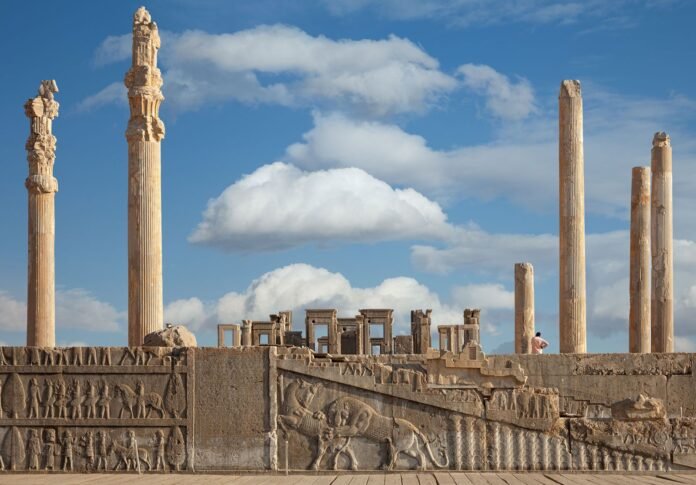
At the heart of this legacy stands Persepolis, a recognised UNESCO World Heritage Site that once symbolised the grandeur of the Achaemenid Empire. Founded in the 6th century BCE under Darius the Great, Persepolis was not merely a city—it was a ceremonial centre where art, architecture, and imperial vision came together. Delegations from across the empire gathered here, bringing tribute and celebrating a shared cultural identity.

History, however, carries both creation and destruction. In 330 BCE, during the campaign of Alexander the Great, Persepolis was set ablaze—an act whose intent historians still debate. The fire consumed palaces and treasures, symbolising the fall of an empire rather than causing it. What remains today are striking ruins—columns, gateways, and intricate reliefs—that continue to speak of both glory and loss.

And yet, even in ruin, Persepolis endures. It stands not as a relic of defeat, but as a powerful reminder that while empires may fall, the essence of a civilisation cannot be erased.

This enduring spirit defines Persian culture itself. It lives on not only in stone, but in thought and expression. The poetry of Rumi, Hafez, and Ferdowsi continues to resonate across centuries, shaping emotions and philosophies far beyond its origins. In Persian culture, poetry is not confined to books—it is woven into everyday life, offering a lens through which love, spirituality, and existence are understood.

From the symmetry of Persian gardens to the lyrical beauty of Farsi , every element reflects a deep pursuit of harmony and meaning. Even today, Persian art, literature, and cinema continue to influence global cultural conversations, quietly extending this ancient legacy into the modern world.

To look beyond the headlines is to discover more than a nation—it is to encounter a civilisation that has endured the rise and fall of empires, yet remains steady and luminous. In the silent stones of Persepolis and the timeless verses of its poets, Persia lives on—graceful, resilient, and impossible to forget.

Rajasthan Mandapam: Know Location, Project Vision and USP for Jaipur’s Rs 5,800-Crore Leap Towards Becoming a Global Convention Capital

0

Rajasthan is set to take a transformative step in infrastructure and global positioning with the development of Rajasthan Mandapam, a world-class convention and exhibition complex coming up in Jaipur. Envisioned as a counterpart to Delhi’s Bharat Mandapam, the project reflects the state’s ambition to emerge as a major destination for international conferences, exhibitions, and high-value tourism.

Strategic Location and Project Vision

The Rajasthan Mandapam is being developed on nearly 95 acres of land near the B2 Bypass and Tonk Road corridor, in close proximity to Jaipur International Airport. This strategic location ensures smooth connectivity for global delegates, business travellers, and tourists, making it an ideal venue for large-scale international events.

The project is being implemented by NBCC India Ltd. in partnership with RIICO , reflecting a public-sector led model for large infrastructure development.

Revised Budget and Expanded Scope

Originally estimated at around ₹3,700 crore, the project has now been expanded and approved at a revised cost of approximately ₹5,800 crore. The increase in budget reflects a broader vision—transforming the project from a standalone convention centre into a fully integrated business, tourism, and commercial ecosystem.

The development will follow a mixed-use model, with revenue expected from commercial leasing, hospitality, and event infrastructure.

A Convention Complex Built for the World

At the heart of Rajasthan Mandapam will be a state-of-the-art convention centre capable of hosting 7,000–7,500 delegates in a single sitting, placing it among the largest such venues in India.

The complex will include:
●Large convention halls for global summits
●Modern exhibition spaces for trade fairs and expos
●Multiple meeting rooms and conference facilities
●High-end digital and communication infrastructure

This scale will enable Rajasthan to host events that previously required venues in metropolitan cities like Delhi or Mumbai.

More Than a Venue: A Complete Urban Ecosystem

Unlike traditional convention centres, Rajasthan Mandapam is being developed as a multi-functional urban hub.

The project will include:
●Premium hotels and hospitality zones
●Commercial and office spaces, including facilities aimed at Global Capability Centres (GCCs)
●Retail areas and a Unity Mall to showcase local crafts and “One District One Product” initiatives
●Public spaces and infrastructure designed to support large crowds and long-duration events

This integrated model is intended to create a self-sustaining ecosystem where business, tourism, and culture converge.

Promoting Rajasthan’s Culture on a Global Stage

A key distinguishing feature of Rajasthan Mandapam is its architectural and cultural identity. The design is expected to draw inspiration from traditional Rajasthani motifs, ensuring that while the infrastructure is modern, the aesthetic reflects the state’s rich heritage.

Through exhibitions, cultural events, and retail spaces promoting local handicrafts, the complex is envisioned as a gateway to Rajasthan’s art, cuisine, and traditions for international visitors.

Boost to MICE Tourism and Economic Growth

The project is expected to significantly strengthen Rajasthan’s presence in the MICE sector (Meetings, Incentives, Conferences, Exhibitions)—a segment known to generate high-value tourism and long-term economic benefits.

Once operational, Rajasthan Mandapam is likely to attract:

●International business summits and diplomatic events
●Global trade fairs and industry expos
●Corporate conventions and technology conferences
●Cultural festivals and large-scale destination weddings

This influx of events is expected to boost hotel occupancy, aviation traffic, local businesses, and employment opportunities across hospitality, logistics, and services.

Timeline and Long-Term Vision

The project is expected to be implemented in phases over the next few years, with construction and development closely monitored by state authorities and project partners. Rajasthan Mandapam forms part of a broader strategy to position Jaipur as not only a cultural capital, but also a global centre for business dialogue and international events.

A Landmark That Redefines Rajasthan’s Global Image

Rajasthan Mandapam represents more than just a new building—it symbolises a shift in how the state presents itself to the world. By combining cutting-edge infrastructure with cultural authenticity, the project aims to bridge Rajasthan’s historic legacy with its modern aspirations.

When completed, the complex is expected to place Jaipur alongside major global convention cities, marking a significant step in Rajasthan’s journey toward becoming a hub for international commerce, culture, and collaboration.

New Zealand’s Secret Night Sky: When Forests Glow Like a Living Galaxy After Dark

0

PC( Instagram, Facebook)

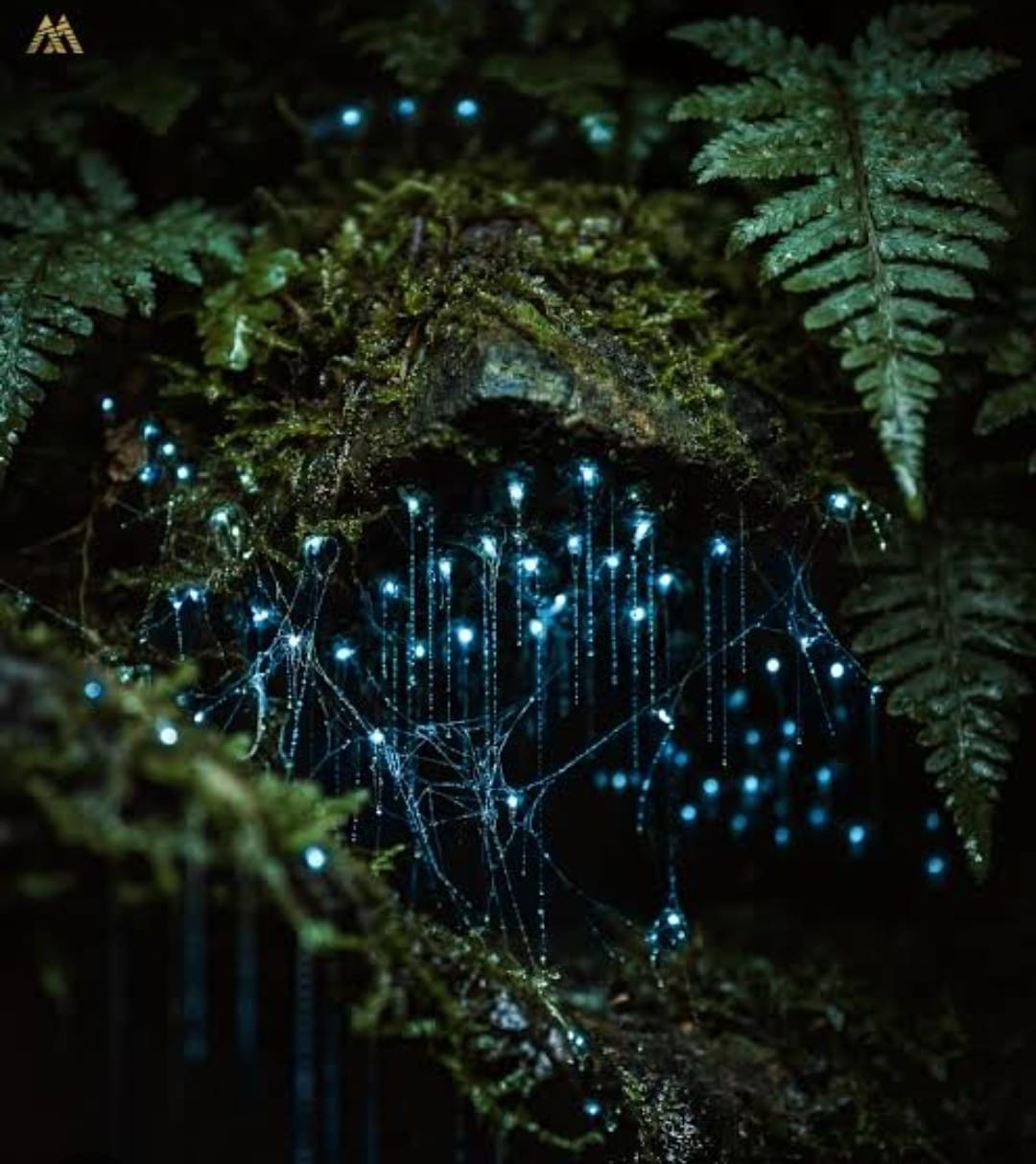
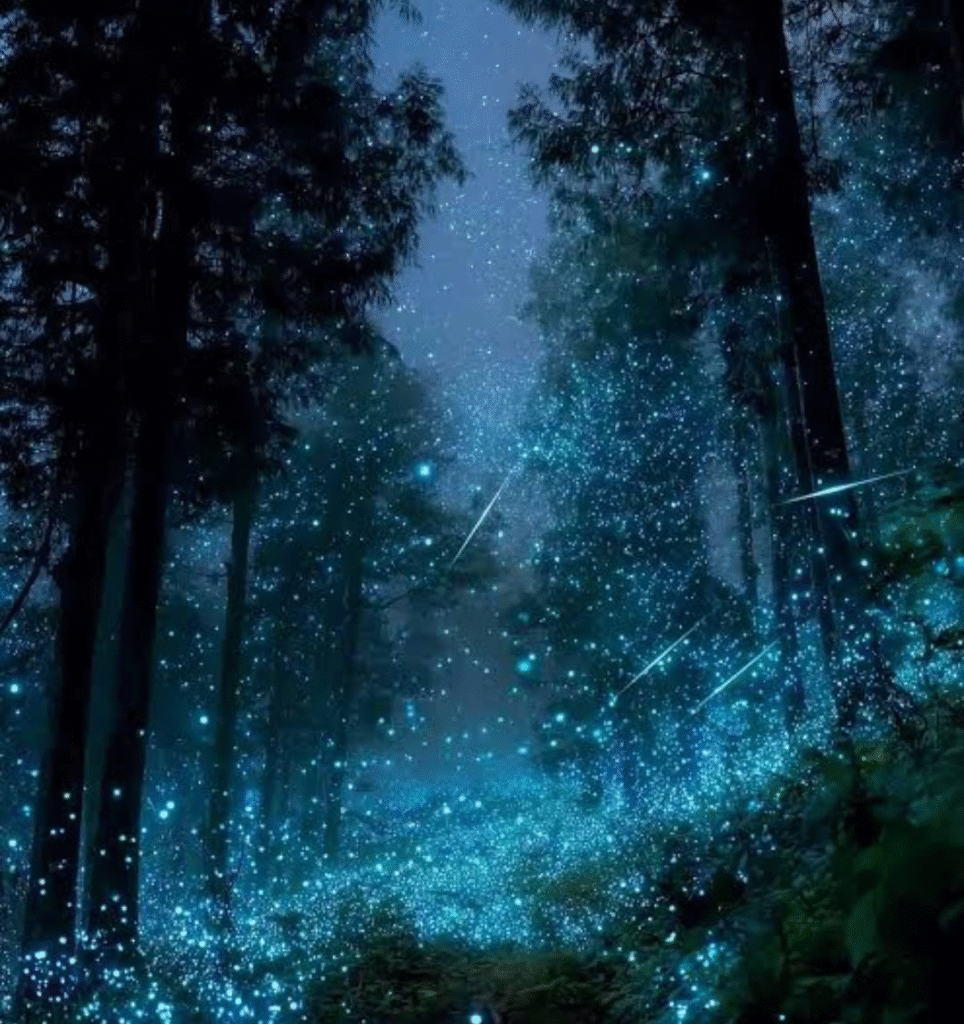
As the sun sets over New Zealand’s ancient rainforests, something magical happens – the forest floor and decaying logs begin to shimmer with an ethereal blue-green light, turning the woods into a starry galaxy right beneath your feet. This breathtaking phenomenon is created by tiny bioluminescent organisms: the famous glowworms and rare glowing “ghost mushrooms.”

Stepping into a Living Galaxy: New Zealand’s Bioluminescent Forests

When darkness falls in New Zealand’s damp native forests, a surreal transformation occurs. What looks like an ordinary woodland by day reveals a hidden universe of soft, glowing lights. Thousands of tiny blue-green specks illuminate the ground, tree roots, and fallen logs, making it feel as if you’ve stepped into a real-life galaxy or a fairytale scene from Avatar.

This enchanting display comes from two remarkable sources of natural light: Glowworms – Nature’s Predatory Lanterns New Zealand’s iconic glowworms (Arachnocampa luminosa) are not worms at all – they are the larvae of a fungus gnat unique to New Zealand (and parts of Australia). These carnivorous larvae cling to cave ceilings, mossy banks, and damp forest overhangs. They produce a steady blue-green glow from their tails through a chemical reaction involving luciferin and luciferase. The light serves a deadly purpose: it acts as a lure. Hanging sticky silk threads below them like fishing lines, the glowworms attract flying insects, which become trapped and eaten. In dense colonies, the combined glow creates the famous “starry sky” effect seen in caves and some forest gullies. Outdoor glowworms typically begin shining shortly after sunset and continue through the night, especially in humid conditions after rain.

  1. Ghost Mushrooms – Faint but Magical Forest Lights

Another contributor to the forest glow is bioluminescent fungi, often called “ghost mushrooms.” Species such as Mycena roseoflava, other Mycena varieties, and Armillaria novae-zelandiae (honey mushroom) emit a soft green or blue-green light from their stems, veils, or mycelium. These fungi thrive on decaying wood in moist rainforests. Their glow is usually fainter than that of glowworms and is best appreciated with the naked eye in complete darkness or captured dramatically with long-exposure photography. Scientists believe the light may help attract insects that then spread the fungi’s spores. New Zealand is home to several species of these glowing fungi, with discoveries continuing in places like Stewart Island and damp forests on both the North and South Islands. The glow is most visible after rain, when the fungi are actively fruiting.

New Zealand's Secret Night Sky: When Forests Glow Like a Living Galaxy After Dark

Why New Zealand Glows

Bioluminescence on land is rare compared to the ocean, but New Zealand’s unique combination of ancient forests, high humidity, and isolated evolution has created perfect conditions for these light-producing organisms. While glowworms are famous in famous caves like Waitomo, the same magic can appear in open forests, gorges, and mossy trails turning an evening walk into an unforgettable experience.

Where to Experience the Magic

Waitomo Glowworm Caves (North Island) The world-famous underground galaxy.
Ruakuri Bush Walk and other forest tracks near Free night walks with glowworms in Waitomo the wild. Damp native forests on the West Coast, Fiordland, or Stewart Island – Prime spots for both glowworms and bioluminescent fungi.
Mossy gullies and riverbanks – Look for faint glows on decaying logs and tree bases after dark. Tips for Visitors go on a moonless or cloudy night for the best contrast. Use a red-filtered torch (or cover your phone light) to preserve your night vision – white light spoils the glow. Never touch or disturb the organisms. Join a guided night walk for safety and expert insights.

Moments like these remind us how extraordinary the natural world remains. In New Zealand, when the sun disappears, the forest quietly begins to shine offering one of the planet’s most magical nocturnal spectacles.

The End of a 40-Year Odyssey: World’s Largest Iceberg A23a Is Rapidly Breaking Apart

0

PC( The Guardian, CNN)

After drifting across the Southern Ocean for nearly four decades, the colossal iceberg A23a – once bigger than many countries – is now in its final days. Shrinking dramatically in the warmer waters near South Georgia, this Antarctic giant is disintegrating before our eyes, releasing nutrients that could boost marine life even as it fades away.

A23a: The Giant Iceberg That’s Finally Melting After 40 Years at Sea

In 1986, during the era of Ronald Reagan and the original Top Gun, a massive slab of ice calved from Antarctica’s Filchner-Ronne Ice Shelf. Named A23a, it measured around 4,000 square kilometres roughly the size of Mallorca or twice the area of Greater London – and weighed nearly a trillion tonnes. It even carried away a Soviet research station, Druzhnaya 1, as it broke free.

For decades, A23a remained largely motionless, grounded on the seabed in the Weddell Sea. Then, in 2020, it began to move. By 2023-2024, it spun free, flipped upside down at one point (revealing barnacle-encrusted undersides), and raced nearly 1,000 km in just months, carried by ocean gyres. It briefly regained the title of the world’s largest iceberg before losing it in late 2025 to D15A (now around 3,100 sq km).

By early 2026, A23a had entered the warmer waters of the South Atlantic, northeast of South Georgia Island. As of March 2026, it has shrunk to roughly 180 square kilometres a tiny fraction of its original size – and is breaking apart rapidly. Scientists from the British Antarctic Survey (BAS) and NASA say it is in its “death throes” and could disappear entirely within weeks, once its area falls below the 70 sq km tracking threshold.

The End of a 40-Year Odyssey: World's Largest Iceberg A23a Is Rapidly Breaking Apart

Why A23a Is Breaking Up So Dramatically

Satellite images show the iceberg heavily waterlogged, covered in brilliant blue meltwater pools. Warmer air and ocean currents (around 10°C) have triggered hydrofracturing: meltwater seeps into surface cracks, its weight forces them deeper, and the ice shatters from within.
Dr Andrew Meijers, an oceanographer at the British Antarctic Survey, explained: the South Atlantic waters are simply too warm for such a giant to survive. Waves, warmer temperatures, and constant erosion have turned the once-solid megaberg into a “blue mush” surrounded by smaller fragments and ice mélange.

Ecological Impacts: Threat and Opportunity for South Georgia

South Georgia, a remote sub-Antarctic island, is a vital breeding ground for millions of penguins, seals, and seabirds. Large icebergs in the past have acted as physical barriers, forcing animals to take longer routes to feeding grounds. This extra energy expenditure can lead to starvation of chicks and pups during the critical breeding season a tragedy seen in 2004 in the Ross Sea area. Fortunately, A23a began fragmenting before causing major disruption. Its smaller “bergy bits” are less likely to ground and block routes.

Dharamshala’s Secret Red Paradise: When Buransh Blooms, the Hills Catch Fire

0

PC( X, Pinterest)

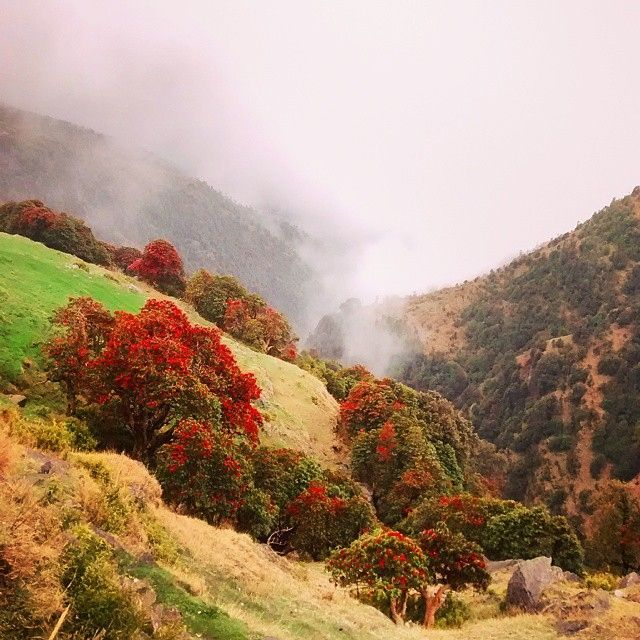
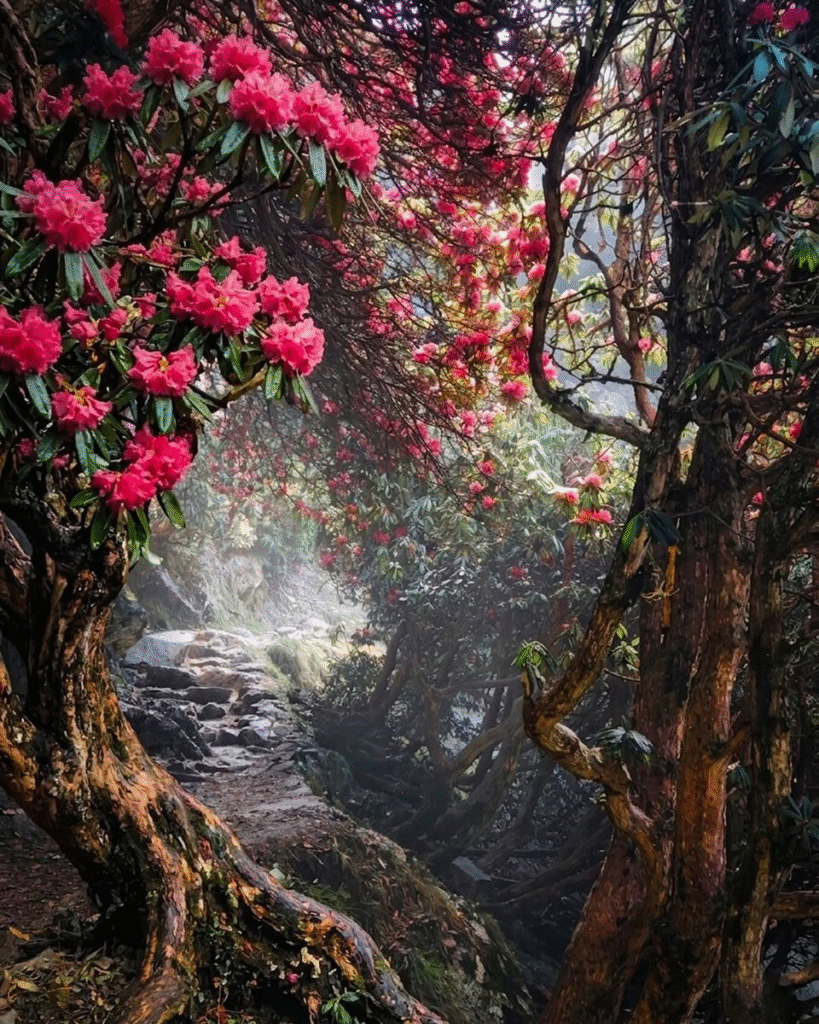
Every spring, the forests around Dharamshala transform into a breathtaking sea of crimson as vibrant rhododendron flowers (locally called Buransh) paint the hillsides in vivid shades of red. This fleeting natural spectacle is not just a photographer’s dream – it’s a living tradition where locals harvest the blooms to create refreshing juices, jams, and time-honored remedies.

Dharamshala Turns Crimson: The Magical Buransh Bloom

Nestled in the lap of the majestic Dhauladhar range, Dharamshala is famous for its serene Tibetan culture, colonial charm, and spiritual vibes. But come spring (typically late February to April), the town and its surrounding hills reveal a hidden, fiery side that few travelers witness in full glory.

The star of the season is Rhododendron arboreum, known locally as Buransh – Himachal Pradesh’s state flower. These striking red blossoms blanket the oak and pine forests, turning the green Himalayan landscape into a “hidden red paradise.” The bloom usually peaks in March and April, creating a short, magical window when the hills look dramatically different from their usual snow-capped or lush-green avatar.

The sight is truly legendary. Bright red clusters stand out against the deep green foliage, making even routine trails and viewpoints feel like walking through a living painting. This brief spectacle offers a refreshing contrast to the region’s more familiar snowy or verdant scenery.

Beyond Beauty: A Flower with Tradition and Health Benefits

For locals, Buransh is far more than a visual delight. Generations have harvested these flowers to create antioxidant-rich treats and remedies refreshing Buransh Juice/Squash A tangy, cooling drink that appears in local shops and homestays during the season. Jams, Chutneys & More – Sweet preserves and spicy accompaniments that capture the flower’s unique flavor. Traditional Remedies – Used for digestive health, reducing inflammation, supporting heart health, and even as a remedy for headaches or high-altitude discomfort. The flowers are rich in flavonoids like quercetin and rutin. The process is simple yet cherished: petals are carefully collected, cleaned, and turned into squash using traditional recipes passed down through families. Many small entrepreneurs and self-help groups now process and sell these products, adding an economic boost to the community.

Dharamshala's Secret Red Paradise: When Buransh Blooms, the Hills Catch Fire

Perfect Time to Visit & What to Do

Best Months: March to April (peak bloom often hits mid-March to early April, though it can start as early as late February depending on altitude and weather). Where to See the Blooms: Hillsides around Dharamshala, McLeodganj, and trails leading into the Dhauladhar mountains. Offbeat paths offer quieter, more immersive experiences. Combine with Exploration: While chasing the red blooms, don’t miss Dharamshala’s other treasures: McLeodganj Little Tibet – The Tsuglagkhang Complex, Namgyal Monastery, and the chance to witness monks debating.

Norbulingka Institute – Beautiful gardens and traditional Tibetan arts. Tibetan Museum – A moving insight into the Tibetan exile story. Nearby Trails short hikes from Dharamkot or towards Triund for stunning valley views framed by rhododendrons.Practical Tips for Your Red Paradise Getaway how to reach fly into Kangra Airport (DHM) or Chandigarh (IXC), then drive or take a taxi. Nearest railhead is Pathankot.

Chamayavilakku: When Devotion Transcends Gender at Kerala’s Sacred Festival

0

A luminous celebration of faith, identity and inclusivity

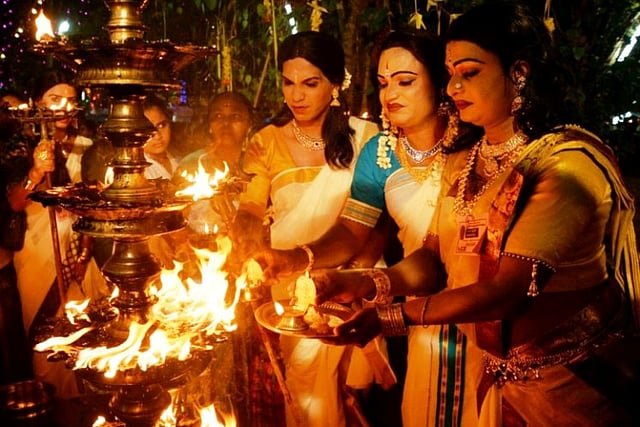
In the coastal town of Kollam in Kerala, the Kottankulangara Devi Temple hosts one of India’s most unique and thought-provoking festivals—the Chamayavilakku. At first glance, the sight is striking: thousands of men dressed in sarees, adorned with jewellery and flowers, holding traditional lamps. But beyond its visual spectacle lies a deeply spiritual and cultural narrative.

A Ritual Rooted in Legend

The origins of Chamayavilakku are steeped in local folklore. According to tradition, cowherd boys once worshipped a stone as a manifestation of the Goddess, dressing as girls during their rituals. It is believed that the Goddess appeared before them, sanctifying the practice and giving birth to the temple and its unique custom.

Since then, the ritual has evolved into an annual festival, held during the Malayalam month of Meenam (March), drawing thousands of devotees from across Kerala and beyond.

The Ritual of Light and Transformation

The defining feature of Chamayavilakku is its central ritual—male devotees dressing as women and carrying vilakku (traditional oil lamps) as offerings to the Goddess Bhagavathy. Draped in vibrant sarees, wearing jasmine garlands and elaborate makeup, devotees walk in procession through the temple premises, their lamps glowing against the night sky.

This transformation is not theatrical—it is an act of surrender. It symbolises the belief that in the eyes of the divine, identity transcends gender, caste or social roles. Devotion, in its purest form, is beyond physical distinctions.

A Space of Inclusivity and Expression

What makes Chamayavilakku especially remarkable is its inclusive spirit. The festival has become one of the largest gatherings of the transgender community in Kerala, offering a rare space where identity is not judged but embraced.

Participants come from diverse backgrounds—young and old, across communities and regions—united by a shared faith. The ritual stands as a powerful statement of acceptance, where spirituality dissolves societal boundaries.

A Festival Alive with Culture

Beyond the central ritual, Chamayavilakku is a vibrant cultural celebration. The temple, known for its unique open-sky sanctum, comes alive with music, traditional performances, processions and dazzling fireworks.

The final nights of the festival, when the lamp-bearing procession takes place, are particularly mesmerizing—transforming the temple grounds into a sea of shimmering lights and devotion.

Beyond Ritual: A Message for Modern Times

In a world increasingly engaged in conversations about identity and inclusion, Chamayavilakku offers a timeless perspective. It reminds us that Indian traditions have long embraced fluidity and diversity in ways that are both spiritual and deeply human.

Here, dressing as a woman is not an act of defiance—it is an act of devotion.
It is a reminder that faith has no boundaries, and that before the divine, all are equal.

And as thousands of lamps flicker under the open sky, Chamayavilakku becomes more than a festival—it becomes a glowing testament to unity, acceptance and the transformative power of belief.