Khawaish Kanwar student of Saksham Sanchar Foundation shared her experience about visiting to Jal Mahal.
It is said that Jal Mahal was built in the year 1799 by Maharaja Sawai Pratap Singh as a lodge for duck hunting. But apart from this, it is also said that Jal Mahal was built by Maharaja Madho Singh I in the year 1750. This place was never built to be used as a palace, but was later extended by Maharaja Jal Singh II after seeing the beauty of this palace .Jal Singh II renovated this palace and also added some attractive structures.
Architecture Of Jaipur
Jal Mahal is a five- storeyed palace, inspired by the Rajput architectural style. Out of five floor of Jal Mahal, four floors are submerged in water and you can see only its fifth floor. The palace is built of red sandstone and has four octagonal shaped chatris at its corners. This palace was renovated by Maharaja Jal Singh II in the 18th century which has a total of twenty one beautifully carved pillars. There is a garden on the roof of this beautiful palace called Chameli Bagh. Spice up your visit to palace.
Here you can taste a variety of delicious food. Many types of local food are available here, by eating
Which tourists become happy. A traditional Rajasthani thali influenced by the Maharajas and Maharanis, you can taste a variety of the delicious dishes. A trip to Jaipur is incomplete without indulging in Scrumptious delicacies like Dal Baati Churma, Imarti and Ghevar, and the famous chaat. The sweets here are very popular which include ghevar, imarti , halwa choorma , gajak , moong thal and many more while there are many fine dining options you can also relish the exquisite and local street food at Johari Bazaar , Jahan.
Niharika Priyadarshani Nayak, student of Saksham Sanchar Foundation shared her experience of visiting Puri.
In the state of odisha, lies the district of Puri mostly known for the Jagannath temple and it’s beaches.
But it consist much more than just those beaches and the temple.
Here are some of the best places and things to do in Puri if you are planning to visit.
The top places to visit in Puri.
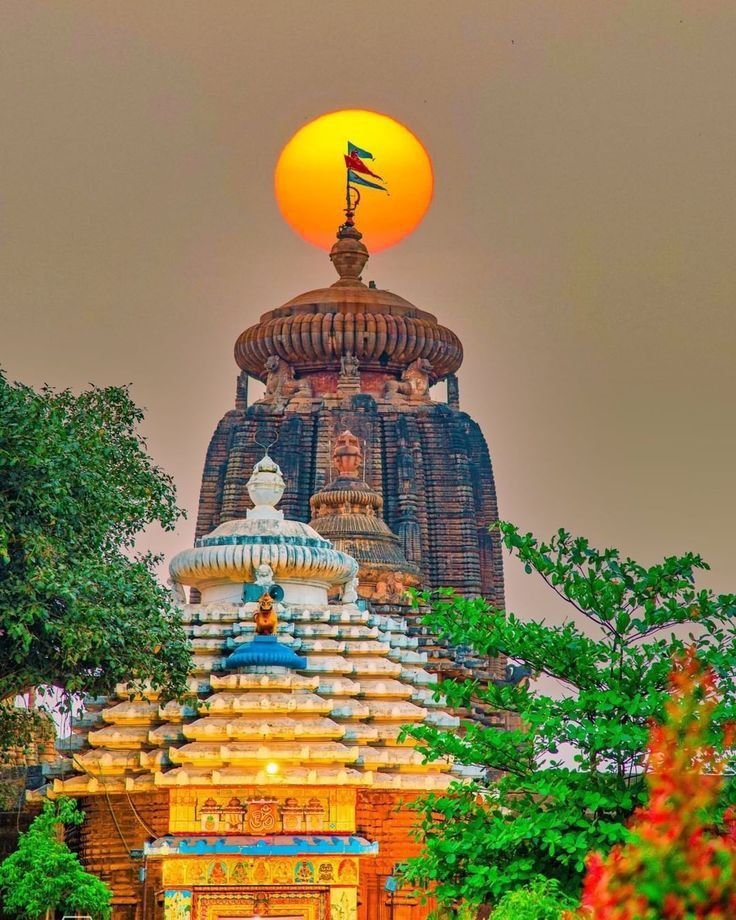
Firstly for the best place is known for the Jagannath Puri temple this temple is one of the Char dham. It is known for a beautiful idol of lord Jagannath, Subhadra and balbhadra.
This is the best place for spiritual peace if you are looking forward to peace of mind and heart you can visit the Jagannath Puri temple. It is also known for its Anand Bazaar which is one of the biggest kitchen in the world.
If you want to visit the beaches for sunset and sunrising, the best beaches are firstly the golden beach, at this beach you will get one of the best view of the sunset and sunrise also has many activities including horse and camel riding , jet skis and paragliding. You can also find many small white crabs and seashells.
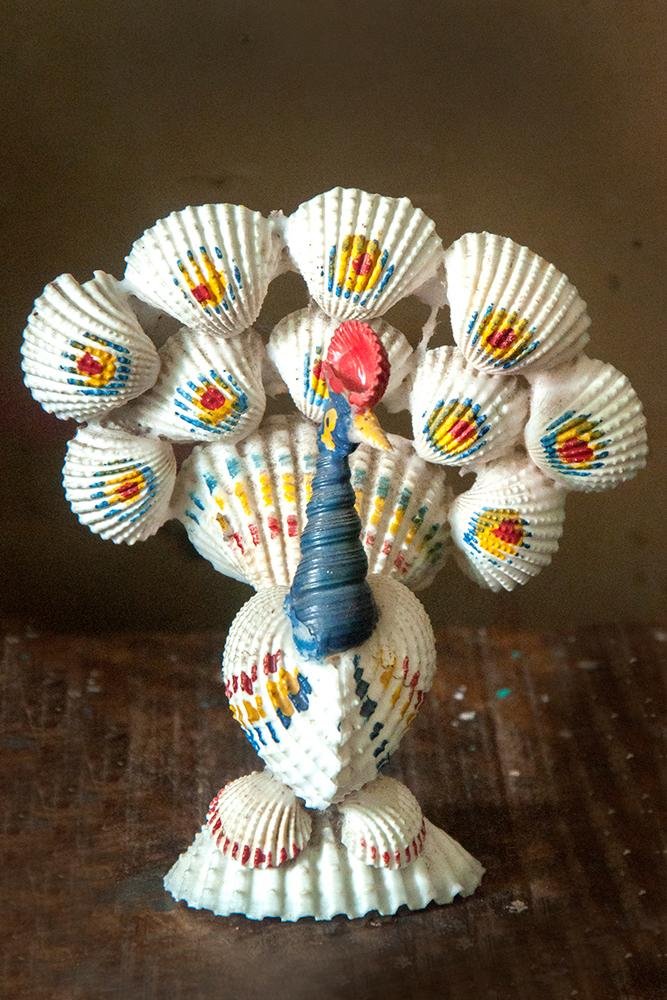
If you are a foodie and are interested in shopping you can always visit the Puri Bada Danda , you can say that it is a biggest market in Puri. You can find variety of foods including Orissa regional foods, South Indian continental etc. also you can find variety of seashell ornaments ,gold ornaments and even pearl jewellery.
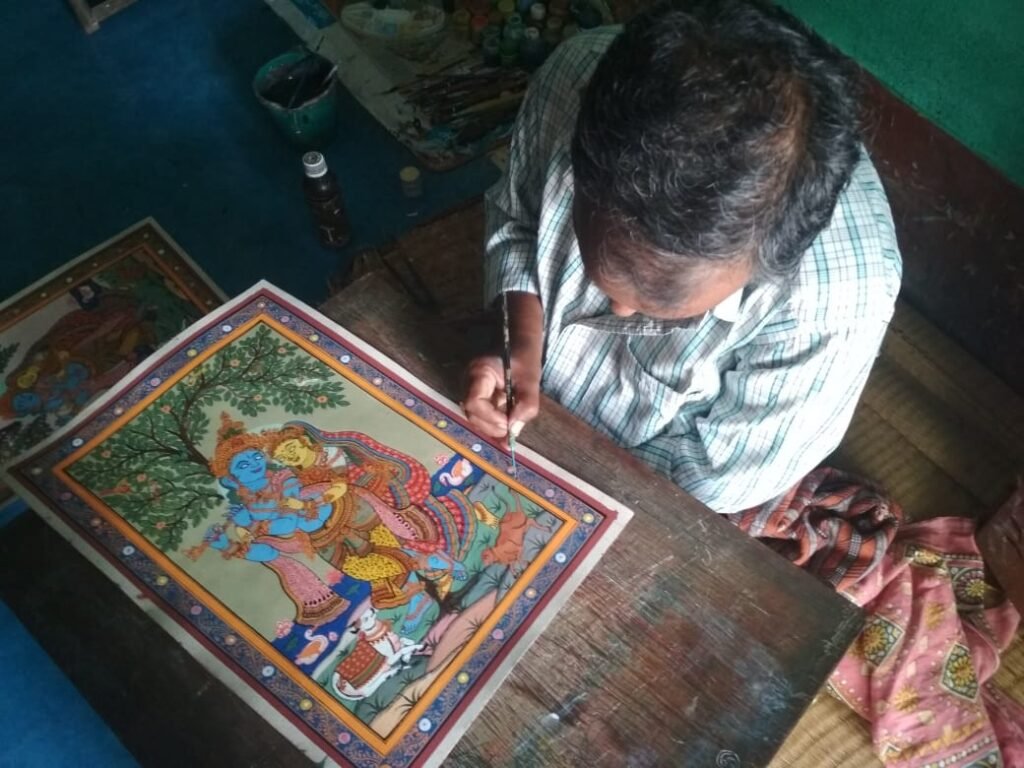
If you are an artistic person and are interested different types of art form you should visit the art and craft village of Orissa the Raghurajpur, this village is world famous for its beautiful pattachitra art .
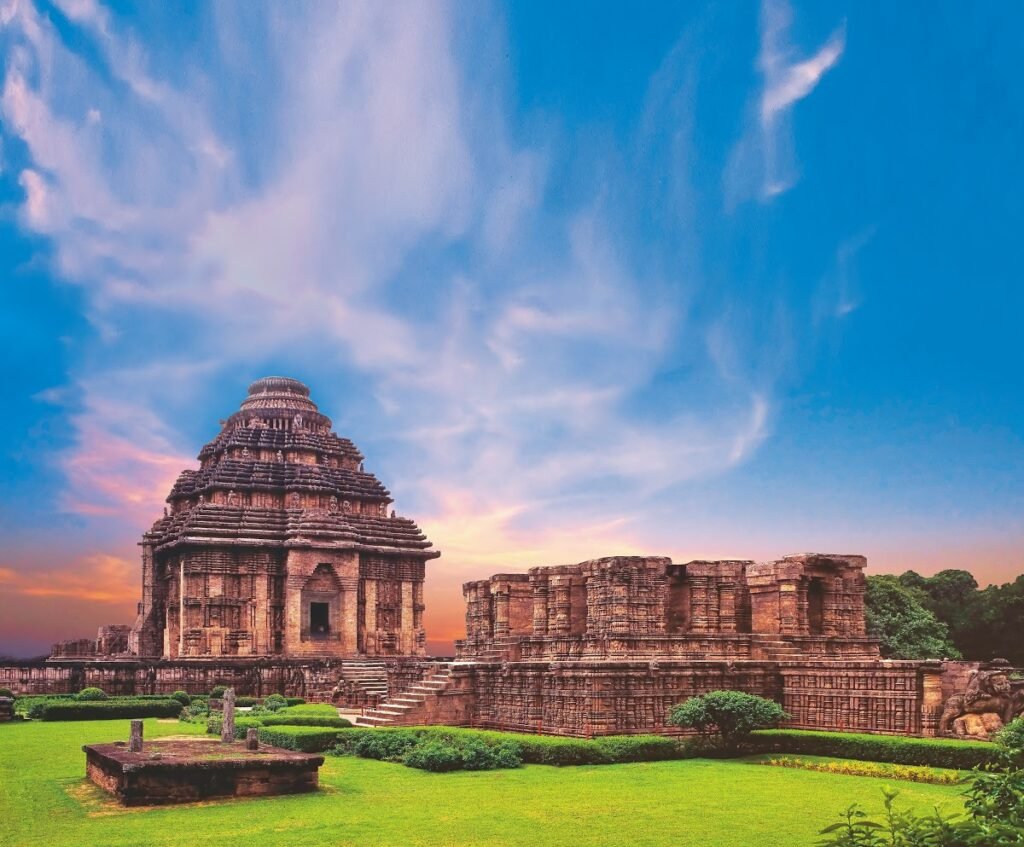
Also to conclude I will like to add the beautiful and World famous Surya devalay temple also known as the Sun temple or Konark Mandir. It is famous for its architecture which is formed in a way that the first sunlight ray fall directly on the temple.
The district Puri is diverse is cultures and art . District Puri is the must visit place once in a lifetime.
Dhriti Sisodiya, student of Saksham Sanchar Foundation shared her experience of travelling from Agra to Srinagar, so let’s see what all she explored on this journey.
Join me on an exciting journey from the historical city of Agra to the serene town of Srinagar in Uttarakhand. This travel blog captures the essence of our trip, highlighting the iconic places and temples we visited along the way.
Our journey began early in the morning from Agra, Uttar Pradesh, the city famous for the Taj Mahal. Before leaving, we visited two iconic temples: the Mankameshwar Temple, dedicated to Lord Shiva, and the Balkeshwar Temple, another prominent Shiva temple in the city. The blend of Mughal and Rajput architecture in these temples was truly fascinating, showcasing intricate designs and historical influences.
Mankameshwar TempleBalkeshwar Temple
Leaving Agra, we headed towards Vrindavan. Known for its association with Lord Krishna, Vrindavan is a town filled with temples and spiritual vibes.
In Vrindavan, we visited the Banke Bihari Temple, one of the most famous temples dedicated to Lord Krishna. We also visited the ISKCON Temple, known for its beautiful architecture and serene ambiance. The rich carvings and vibrant atmosphere of these temples provided a captivating insight into the town’s spiritual heritage.
After exploring Vrindavan, we continued our journey to Delhi. The drive was smooth, and we reached Delhi by early afternoon.
In Delhi, we visited the Akshardham Temple, renowned for its grand architecture and spiritual exhibits. We also went to the Lotus Temple, known for its unique lotus-shaped design and peaceful environment. The architectural grandeur of these temples left us in awe, each structure narrating its own story through its design and form.
Akshardham Temple, DelhiLotus Temple
After a good night’s rest in Delhi, we set off for Moradabad in the morning. The drive was pleasant with clear skies and smooth roads.
We arrived in Moradabad, often called the “Brass City,” by mid-morning. The city is known for its brass handicrafts and religious sites.
In Moradabad, we visited the Sita Temple, dedicated to Goddess Sita. Another notable temple we visited was the Chandausi Temple, known for its beautiful carvings and serene atmosphere. The intricate brass work and traditional architecture were a feast for the eyes.
After exploring Moradabad, we continued our journey to Nainital. The scenic drive through the hills was refreshing, and we reached Nainital by late afternoon.
In Nainital, we visited the Naina Devi Temple, located on the northern shore of Naini Lake. We also visited the Hanuman Garhi Temple, which offers a stunning view of the sunset and the surrounding hills. The serene lakeside setting and the temple’s architecture provided a perfect blend of natural beauty and spiritual tranquility.
Naina Devi Temple, Nainital
We left Nainital early in the morning, heading towards Gairsain. The journey through the winding mountain roads was picturesque.
We reached Gairsain by mid-morning. Gairsain is a quaint town nestled in the hills and serves as the summer capital of Uttarakhand.
In Gairsain, we visited the Kali Mandir, a temple dedicated to Goddess Kali. We also visited the Someshwar Temple, known for its serene location and spiritual significance. The architecture of these Garhwali temples was reminiscent of Tibetan styles, with ornate woodwork and intricate details that stole my heart.
After spending some time in Gairsain, we continued our journey to Rudraprayag. The route offered stunning views of the mountains and rivers.
In Rudraprayag, we visited the Kartik Swami Temple, dedicated to Lord Kartikeya. We also visited the Rudranath Temple, an ancient shrine dedicated to Lord Shiva. The spiritual energy and majestic settings of these temples were deeply moving.
We started our final leg of the journey from Rudraprayag to Srinagar early in the morning. The drive was beautiful, with the Alaknanda River flowing alongside.
We arrived in Srinagar by late morning. This quaint town is often overlooked by tourists, making it a peaceful retreat.
In Srinagar, we visited the Kamleshwar Mahadev Temple, an ancient temple dedicated to Lord Shiva. We also visited the Dhari Devi Temple, located on the banks of the Alaknanda River and considered very powerful by the locals. The serene river views and the spiritual ambiance made these temples stand out.
We spent the evening exploring the local market and enjoying some local Uttarakhandi cuisine. The simplicity and warmth of the locals made the experience memorable.
The journey from Agra to Srinagar in Uttarakhand was a blend of historical sites, spiritual experiences, and natural beauty. Each stop along the way offered unique insights into the cultural and spiritual heritage of India. Whether it’s the iconic temples of Agra with their mix of Mughal and Rajput architecture, the spiritual vibe of Vrindavan, or the serene landscapes and Tibetan-inspired architecture of Uttarakhand, this trip was truly unforgettable.
Mehak, student of Saksham Sanchar Foundation shared her experience of visiting Panagarh during Navratri.
As a army man’s child I am exploring India in my terms since childhood. One of the experience is here at Panagarh, a city in West Bengal. You can feel and smell blooming flowers in the morning and incense smell . Unbeatable types and tastes of rasgullas and another thing that fascinate me is , for GOLLGAPPA a one of the most famous street food of India ,there people don’t use plastic cups or plates for serving gollgappa ,they use cups made from dreid pepal tree’s leave that is also beneficial for environment .
WEST BENGAL is also infamous for their communal tensions but I see a different face .During navarati hindus and muslims work together for preparation of upcoming nine days without a single riot this is the first time when I saw a unity in diversity . After what I saw there I thought communal tensions and riots are only for politicians, for there own benefit .Those nine evenings are so fascinating ;durga puja ,pandals ,carnivals and many more . I think the best season for visiting the state is Navaratri.
Shagun Chauhan, student of Saksham Sanchar Foundatio shared her experience to visiting to Sambhar Lake, Rajasthan.
Sambhar town is a small locality in Western Rajasthan, it’s major tourist attraction is the Sambhar lake (which is named after the town) the lake is a seasonal water-source. It’s water flow fluctuate from 60 centimetres (in dry season) to 3 Meters( (in monsoon) this lake spread in an area of 30 square kilometres from a distance of huge mounds of salt in and on the banks of this lake. This resembles powdered snow especially during dry seasons and tourist footfall in this region is high during monsoon because many wildlife enthusiasts flok the region with the flamingos that use it as a migration base but not many people visit during summers due to the scorching heat. A lot of people are employed due to this lake. They run hotels and tour trains for vistors at the rate of ₹700 per person.
It is best time to visit this place during monsoon as it is the usual tourist season and temperature is low enough to not ruin your vacation.
Find spiritual solace at the temple of Mata Shakambri
The shakambari mata temple was established by Vasudev, the same chauhan king that founded the city of Sambhar in 551 AD, 6th century. Shakambri also known as Asavari or Ashapura is the family goddess of the Chauhan ruling clan, it is believed that when the demon Durgam Asura brought extreme draught to earth and made the sages forget the vedas. The sages worshipped goddess Lakshmi for help and she came in the form of Shakambri bearing lotus, bow-arrow, fruits, vegetables and roots in her four hands her thousand eyes shed tears when she saw the condition of the sages and the tears turned into river. She is also called the Goddess of nutrition. The temple is a fairly large structure, an example of dome-style architecture you can spot four to five saffron-clad priests, there were no crowds when we went there but usually there are a lot of local people who have deep faith in the goddess. On entering one can see on the wall adjacent to the beautiful and spellbinding ideal of the deity is a white board on which the main prayer(arti) of the goddess scripted in big red letters. There is a big donation box in front of the idol( you can pay as you can afford).
It is advised to visit it anytime except for Navratri because in navratri festivals it’s very overcrowded.
The 77th edition of the Cannes Film Festival saw an extraordinary Indian fervour with Indian Actors, Filmmakers & Influencers shining the most on the Red Carpet that was full of myriad Indian Flavours.
The iconic film festival which wrapped on May 25, saw a number of unprecedented firsts for India from Payal Kapadia’s film winning the Grand Prix and Anasuya Sengupta bagging the Best Actress Award to Captain Rahul Bali becoming the first Indian Army Veteran turned Filmmaker to walk on the world’s most glamourous Red Carpet spreading the fragrance of India in the French Riviera like never before.
An ex-Army officer turned Filmmaker Captain Rahul Bali debuted at the Cannes Film Festival wearing a traditional Indian Band Gala Suit with the Indian Flag pinned on his chest proudly flaunting the power of India to officially launch the First Look Poster of his film – LOVE IN VIETNAM at the Bharat Pavilion.
Based on the bestseller book ‘Madonna In A Fur Coat,’ the India-Vietnam collaboration film stars Shantanu Maheshwari and Avneet Kaur along with popular Vietnamese star Kha Ngan.
It is the first ever INDIA -VIETNAMESE co-production Movie that is being produced with the support of Embassies and Consulate Generals of India and Vietnam in the respective countries.
Written & Directed by Rahhat Shah Kazmi the film is Produced by Omung Kumar, Rahhat Shah Kazmi, Captain Rahul Bali, Abhishek Ankur, Co-produced by Tariq Khan, Zeba Sajid, Samten Hills, Dalat, Associate Producer Vikas Sharma with Vietnam Airlines being the official Airline partner.
Captain Rahul Bali, a well-known name in the international festival circuits is an award-winning Indian Film Festival Curator who has been successfully spreading the fragrance of India globally by curating Indian Film Festivals and creating synergies for cultural cooperation between India and the world.
Having turned Producer with Love in Vietnam, Captain Rahul Bali is confident that this landmark Co production movie slated to be shot in a number of exotic locations across Vietnam & India would surely be the starting point of a great cinematic relationship between the two great countries and would open a lot of opportunities and synergies between India and Vietnam.
We are delighted to announce that Avinash Kasinathan has joined Innoterra as the Head of India business, effective immediately. Avinash brings with him rich experience in strategy, technology, and the agriculture sector.
Avinash started his career as a consultant at McKinsey. Prior to joining Innoterra, he served as the CTO of WayCool and CEO of CENSA (Waycool’s technology wing), where he played a pivotal role in building a scalable, well-governed, and sustainable food and agri-tech platform. He has been instrumental in conceiving, conceptualizing, and building the Censa platform as one of the most comprehensive tech stacks in the food economy.
At Innoterra, Avinash will focus on building Innoterra’s India business portfolio, including but not limited to our agri-tech platform, Farmlink, our high-quality milk and cattle feed business Milklane, and the domestic sales and business relating to our banana vaccine, BanacXin.
“We are thrilled to welcome Avinash to our Group Executive Board,” said Pascal Foehn, CEO of Innoterra. “His background in technology coupled with his affinity for the Indian agricultural sector will be invaluable as we continue to grow the Innoterra footprint in India. We look forward to growing together.”
“The sector is at an inflection point, and Innoterra is well-positioned to disrupt the Indian agri value chain. I’m excited to join Innoterra and drive further margin expansion,” said Avinash Kasinathan.
About Innoterra
Innoterra is a Swiss-Indian food and technology platform company focused on transforming smallholder agriculture economics and ensuring healthy food supply. Formed in 2020, we provide high-tech and human-touch services to boost farmers’ income and drive regenerative farming practices. Our platform connects farmers to markets, enhances capabilities through advisory programs, and offers advanced software solutions for the agri-food value chain. Operating across 11 geographies, we pioneer innovative solutions in both bioscience and technology to create a sustainable and prosperous future for agriculture.
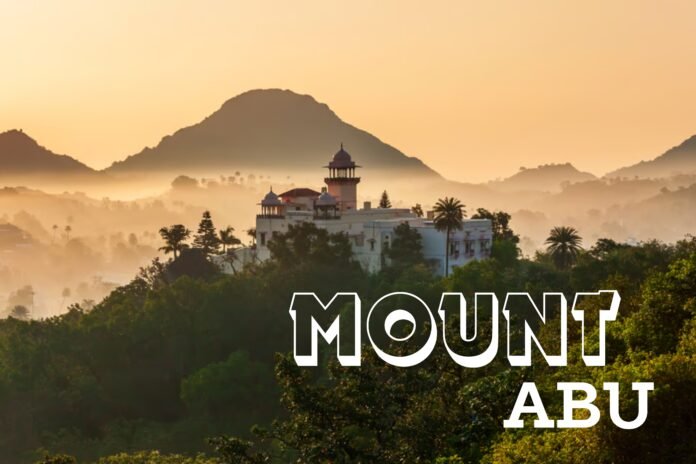
Wanna go on a family trip or trip with friends on a hill station during monsoon season? But couldn’t find a better place? Don’t worry, I will suggest you one, ‘kursi ki peti baandh lijiye aur chaliye Mount Abu‘. Mount Abu gets rain during the monsoon season, which makes the temperature cooler. Summer clothes are usually fine, but it’s a good idea to bring an umbrella to stay dry in the rain.
Mount Abu is a hill station in the Aravalli Range, located in the Sirohi district of Rajasthan, western India. It sits on a rocky plateau that is 22 km long and 9 km wide. The highest point is Guru Shikhar, which is 1,722 meters (5,650 feet) above sea level. Mount Abu is known as an “oasis in the desert” because it has rivers, lakes, waterfalls, and evergreen forests. The area also has many Hindu and Jain temples. The nearest train station is Abu Road, 28 km away.
Let’s discuss some things to do in Mount Abu during Monsoon season:
1. Boating – Nakki Lake Nakki Lake is famous for its beautiful scenery and sacredness. Boating on the lake is one of the best activities to do in Mount Abu during the monsoon. It offers stunning views of the hills and gardens around it. This should be the first thing you do when you arrive in Mount Abu to start your trip on a magical note.
2. Trekking Imagine trekking through the beautiful Aravalli Range with your friends or family and enjoying endless amazing views of nature. It sounds very satisfying, doesn’t it? Trekking in Mount Abu, Rajasthan, is even more exciting during the monsoon because the trails become more adventurous and the views look more vibrant. So, tie your shoelaces and get ready for some thrilling fun!
3. Dilwara temple Dilwara Temple is a famous place to visit in Mount Abu during the monsoon. The temple is known for its perfect architecture and stunning views around it. It is a Jain temple with a rich history. Besides its religious importance, the beautiful design of the temple makes it a must-see.
4. Mount Abu Wildlife Sanctuary Earlier a forest, and now a sanctuary, the Mount Abu Wildlife Sanctuary has an abundance of species of fauna and flora. While the sanctuary is home to species like sambhar, common mongoose, wild boar, porcupine, jackal & more, it is also home to leopard and the unique Jungle Fowl bird. So when you visit Mount Abu in Monsoon, make sure you definitely go to this sanctuary.
5. Guru Shikhar Guru Shikhar is the highest point in Mount Abu and offers amazing views of the city. It’s one of the top places to visit during the monsoon. Besides the stunning views, there’s also a temple dedicated to Guru Dattatreya. Remember to bring food and drinks with you when you visit this spot.
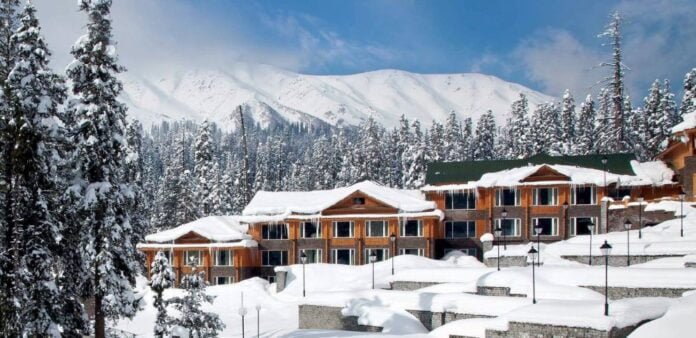
Suhana Kumari, student of Saksham Sanchar Foundation shared her experience of visiting Auli, Switzerland of India.
Hi guys! I am SUHANA. Do you also want to explore Switzerland in India? So here I am to find it out for you. So, wear your seat belts tightly, for having a roller coaster ride to Switzerland.
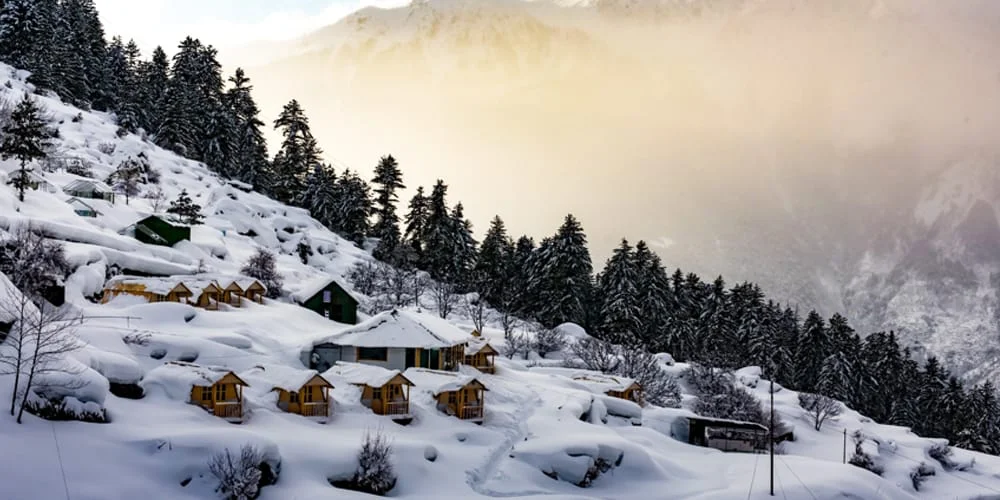
Ok, so do you heard about a hill station named Auli? I think many of you don’t know about it. I had visited here recently in January. Auli is one of the less explored hill station in India.
Location of Auli
It is located in the northern state of Uttarakhand. It is towards the north of the state and forms a part of the Garhwal mountain range. And if we talk about its exact location it is at a distance of 16 km from Joshimath, on the Badrinath route.
How to reach?
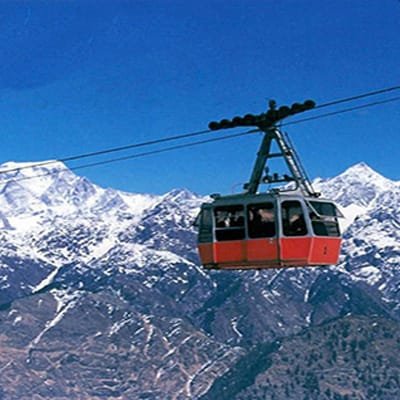
The nearest airport to Auli is Jolly Grant Airport of Dehradun. You can travel till Dehradun by train or flight according to your convenience and budget. But, from Dehradun it is most convenient to travel by taxi or catch a bus to Auli. The bus takes you to Joshimath only, from Joshimath you are required to reach Auli by ropeway or by road. Even though I will prefer you to travel to Auli by ropeway as it is time saving and more exciting and adventurous.
Best time to visit
For skiing enthusiasts, January to March is the best time to visit. For nature lovers, October to March is the most appropriate time.
Fascinating facts about Auli
Auli is known for its enthralling ski retreats and beautiful surroundings.
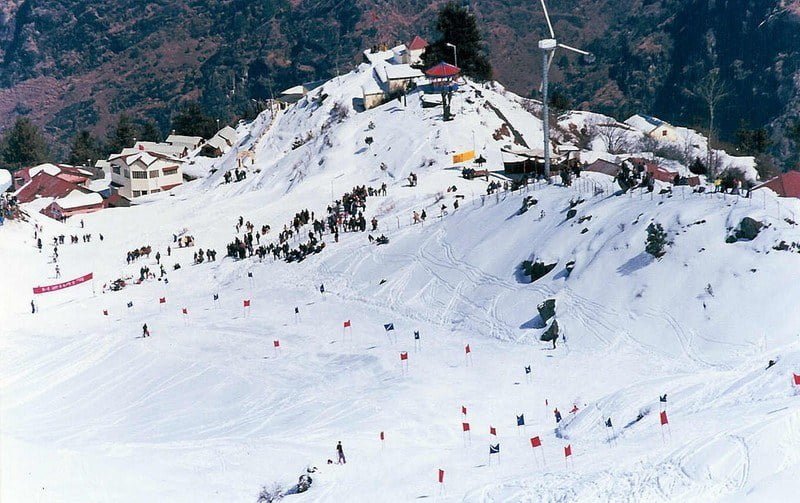
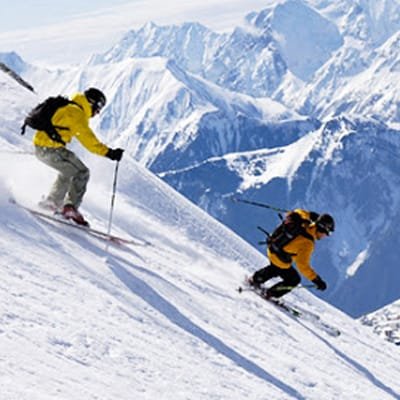
Auli has ski stretches of 400m to 4km. There are two types of skiing that one can do in Auli- tandem and professional.
Auli’s skiing slopes are popular among tourists and professionals alike.
The slopes, which are as high as 3050 metres above sea level, are covered with dense deodar and oak forest, and this often reduces the velocity of the chilly winds to the minimum.
The slopes offer a panoramic view of many a famous Himalayan peaks like Nanda Devi, Kamet, Mana Parvat and Dunagiri.
The Garhwal Mandal Vikas Nigam Limited, a state government agency, which takes care of this resort, and the Uttarakhand Tourism Department conduct winter sport competitions at Auli to encourage skiing in India.
Attractions
Some of the well-known attractions surrounding the vicinity are:
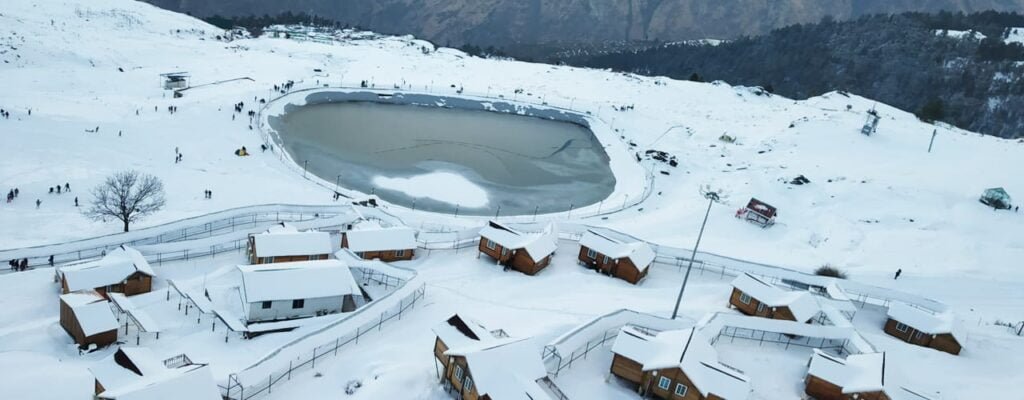
Auli Artificial Lake
Joshimath
Winter Ski Resort
Trishul peak
Kwani Bugyal
And much more.
What to do?
1. Auli Skiing
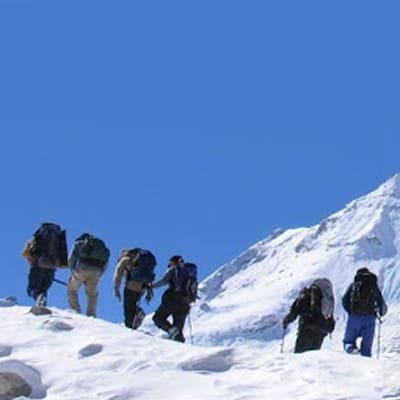
2.Trekking
3. Auli ropeway
My Personal Experience
While exploring this place it makes me feel like I am in Switzerland. It will give you deep serenity and blissful peace. This place will make you realise like you are in heaven. This place will make you realise that beauty of nature is beyond our imagination and it can’t be explained in words. It is such a nice, beautiful and peaceful place that I prefer you all to visit this place in your holidays with your family and friends.
Himanshi Bhardwaj, student of Saksham Sanchar Foundation shared her experience of travelling to Thanjavur.
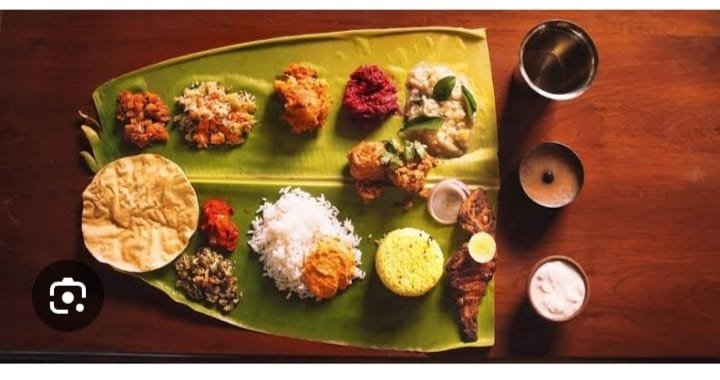
I went to visit Thanjavur in the end of March. The place is very beautiful and is a popular city of South Indian state of Tamil Nadu. I went there by train. The best time to visit the place would be the month from November – February, when there is Hot and Humid climate. The city is well maintained and clean. The food which is famous in Thanjavur is Janty Rasam, Ashoka Halica, Pal Payasam and many more. You must try them when you visit there.
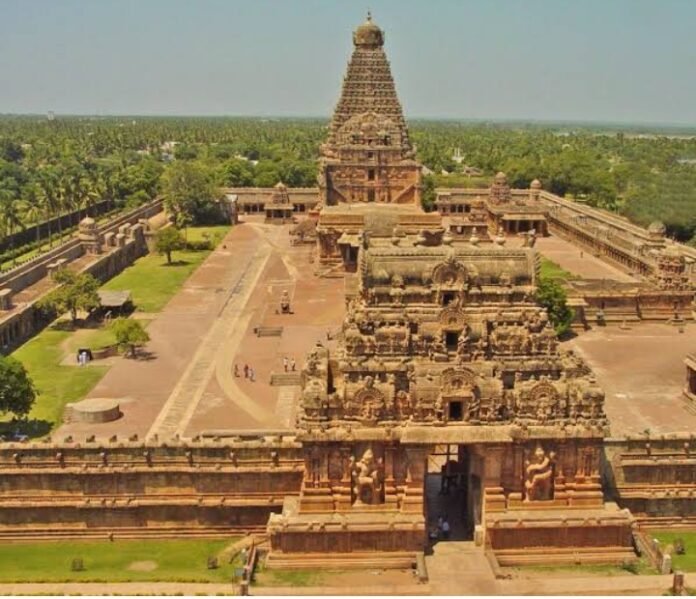
The most Popular Place of Thanjavur is Brihadeeswar Temple: This temple is of lord Shiva. The sculpture of lord Shiva is 11 feet long. The temple was made by Chola dynasty in 11th century. The temple has a tomb on top of it which was made by single stone and it was placed on the top of temple by making 1.8 km path. It has two big gates as an entry. The walls are really huge to protect the people of country just in case of war. The architecture is really eye-catchy and mesmerising. This temple is also known for its feature of not creating a shadow of its own.
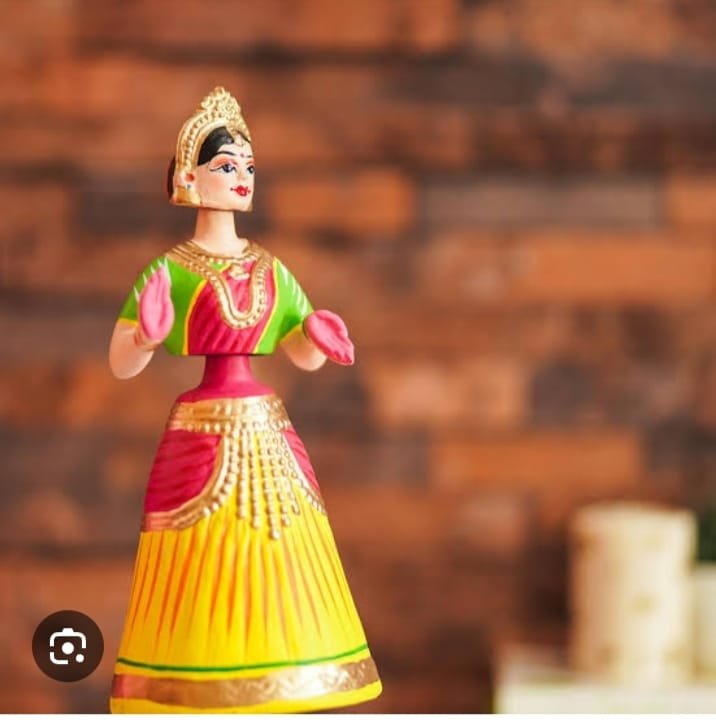
Thanjavur Dells: Thanjavur doll is a type of Traditional India bobblehend made of terracotta material. These dolls kept on moving or we can Saying dancing. The center of gravity and total weight of the doll is concentrated at its bottom-most point, generating a dance at the movement.