Home Blog Page 560

5 Reasons Why You Should Get a Vitamin D Test Today

0

Nowadays, keeping good health has become everyone’s ultimate priority. Surrounded by our hectic lifestyle and day to day routine, it is easy to omit essential aspects of our health, including vitamin requirement. This under-rated but important vitamin supports numerous body functions ranging from bone health to the immune system. Despite its crucial function many people do not realize whether they have proper vitamin D levels.  This is where a Vitamin D test can make a significant difference.

Here are five compelling reasons why you should consider getting a Vitamin D test today:

1. Assessment of Vitamin D Levels: 

Vitamin D test is an essential step to gauge the levels of this crucial compound in your body. Some people may believe they are already getting the required Vitamin D from sun exposure or diet, but recent studies have shown that having Vitamin D deficiency is surprisingly high. Through a fast and easy Vitamin D Test you will be able to get the knowledge on your vitamin D level and be in control of any deficiencies.

2. Optimization of Bone Health: 

Vitamin D is the key player in the calcium absorption process which helps make the bones strong and healthy. Low levels of vitamin D can cause weaker bones and may increase the chances of developing diseases like osteoporosis and broken bones. Taking regular Vitamin D tests will help you know if your body is well-endowed to maintain healthy bones, especially being an alarming problem among aging individuals.

3. Immune System Support: 

Some research studies have provided an insight that Vitamin d plays a role in building a strong immune system. Sufficient Vitamin D can contribute to the reduction of risk factors for respiratory infections, autoimmune diseases, and other immune disorders. Keeping an eye on Vitamin D levels and making efforts to stay on the peak of these levels can help to build natural immune barriers that are so important for the immune system function.

4. Risk Assessment for Chronic Diseases: 

Vitamin D deficiencies have been shown to be associated with increased risk of certain chronic diseases, like cardiovascular disease, diabetes, as well as different types of cancer. Through frequent Vitamin D tests, you get the opportunity to evaluate your risk factors for these conditions and therefore take active measures to offset them. The earlier Vitamin D deficiency is detected, the better it is because the necessary lifestyle modifications or taking supplements to help reduce the risk of these serious health problems can be started on time.

5. Personalized Health Management:

There are a variety of factors that affect distinct nutritional needs of an individual; such factors are age, ethnicity, lifestyle and geographic location. A Vitamin D test enables us to get a personalized picture of our specific requirements that will assist us in formulating a diet, supplementation regime, and a sun exposure schedule that will be right for us. Through understanding your vitamin D levels you will be able to consciously work to improve your health.

When someone thinks about the Vitamin D test, it’s crucial to also consider the Vitamin D Price. Vitamin D tests price may differ depending on the factors like diagnostic centre location, region, and insurance policy. On the other hand, saving in your healthcare by conducting regular check-ups can ultimately bring long term savings by minimizing the expensive health problems in the future.

Therefore, maintaining your Vitamin D levels through regular testing is a preventive but easy way to secure your health and good living. With testing for Vitamin D levels and proactively maintaining optimal levels, you can enhance bone health, immune function, and even reduce chronic disease risk. Why delay? Schedule an appointment for a Vitamin D test and start your journey towards a healthy life.
Ram Mandir’s Creation and Verdict

0

Mahima Rathor, student of Saksham Sanchar Foundation shared her report on Ram Mandir’s Creation and verdict.

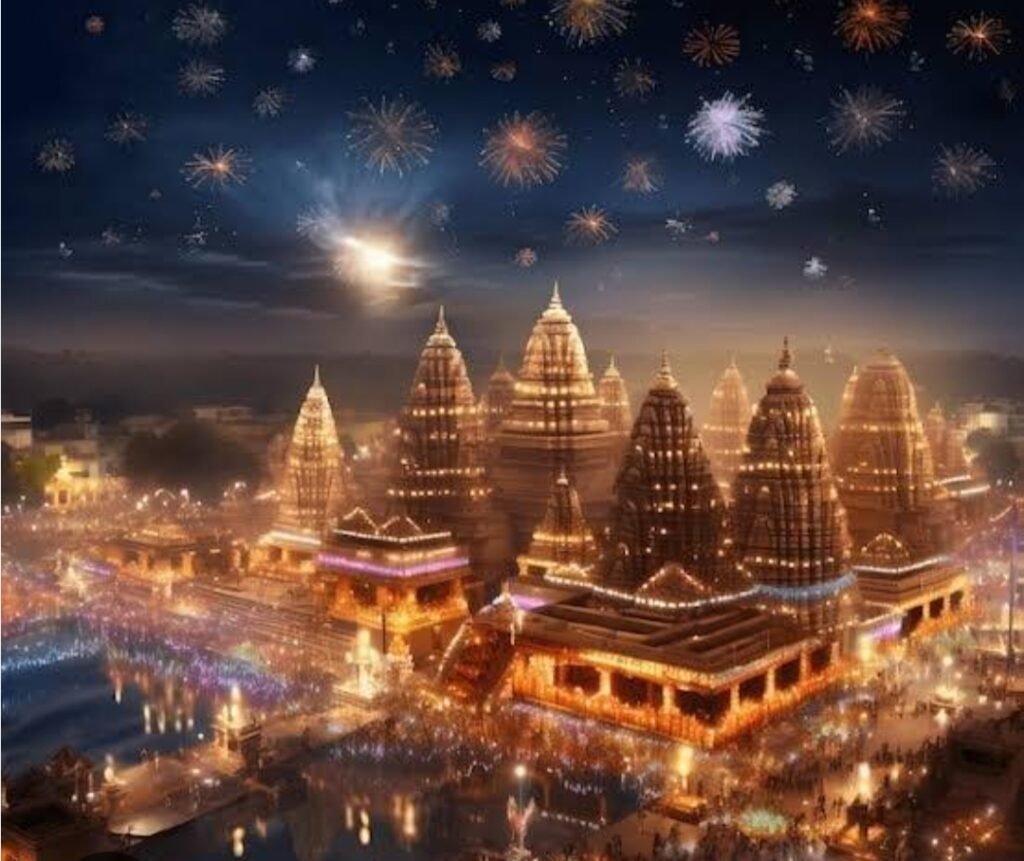
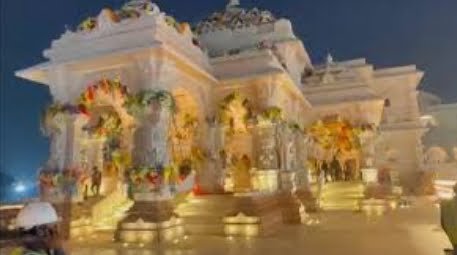
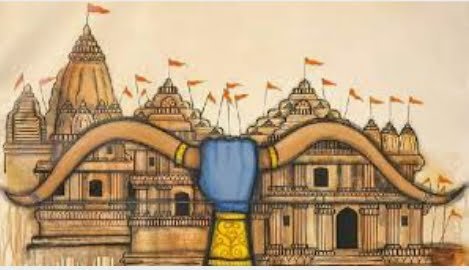
Ram Mandir is a magnificent Hindu temple located in Ayodhya, Uttar Pradesh, India. It holds great significance for many Hindus as it is believed to be situated at the site of Ram Janmabhoomi, the mythical birthplace of Lord Rama, one of the principal deities in Hinduism. After the Prana Pratishtha ceremony, the temple was inaugurated on January 22, 2024.

Ram Mandir's Creation and Verdict

Previously, the site was occupied by the Babri Masjid, a mosque built during the Mughal era that stood until December 6, 1992. According to inscriptions found at the site, the mosque was constructed in the year 935 of the Islamic calendar by Mir Bāqī, who was possibly a bey serving under the Mughal emperor Bābur.

Ram Mandir's Creation and Verdict

From the 19th century onwards, there were numerous conflicts and court disputes between Hindus and Muslims regarding the mosque. In 1949, idols of Lord Rama and Sita were placed inside the mosque, which led to the government locking the building to prevent further disputes. Both Hindus and Muslims filed court cases seeking access to the site.

Ram Mandir's Creation and Verdict

On December 6, 1992, a large group of Hindu activists belonging to the Vishva Hindu Parishad and allied organizations demolished the mosque, resulting in widespread riots across the Indian subcontinent and the loss of approximately 2,000-3,000 lives.

In September 2010, the Allahabad High Court upheld the claim that the mosque was built on the spot believed to be Lord Rama’s birthplace. It awarded the site of the central dome for the construction of a Rama temple, while also granting Muslims one-third of the area for the construction of a mosque.

However, on November 9, 2019, the Supreme Court overturned the lower court’s ruling and ordered the entire 1.1-hectare (2+3/4 acres) site to be handed over to a trust for the construction of the Hindu temple. The government was also instructed to provide an alternative 2-hectare (5-acre) plot in the village of Dhannipur, Ayodhya District, approximately 18 kilometers (11 miles) from Ayodhya City and 30 kilometers (19 miles) by road from the original Babri Masjid site, to the Uttar Pradesh Sunni Central Waqf Board as a replacement for the demolished mosque.

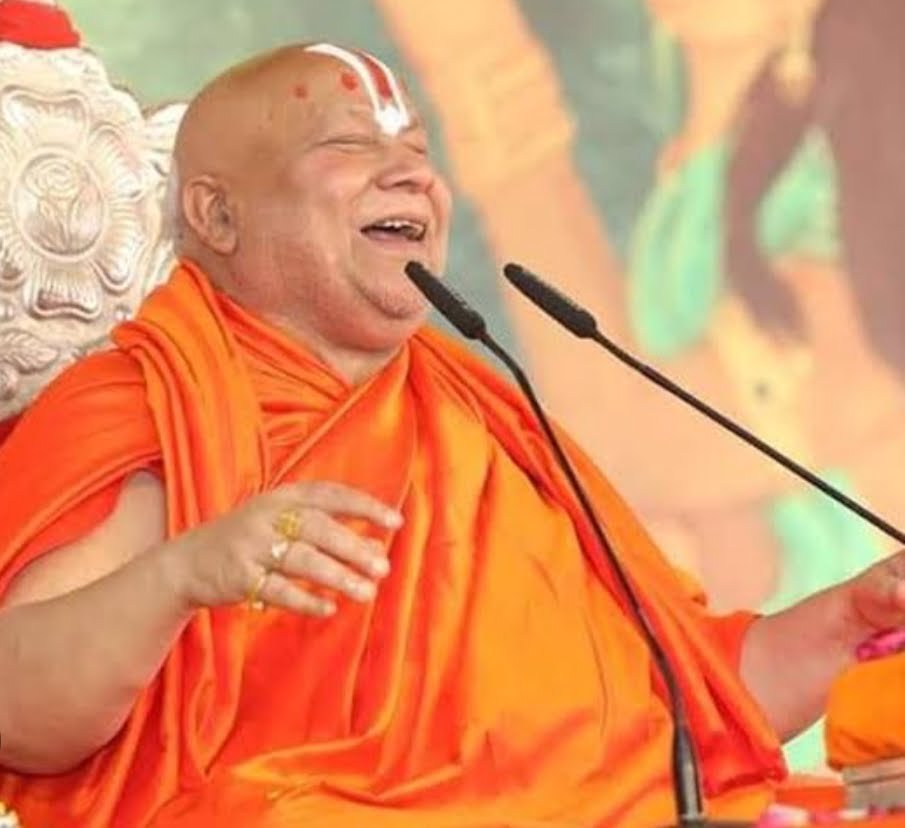
When discussing the Ayodhya Ram Mandir, it is important to mention the significant role played by Jagadguru Shri Rambhadracharya ji. He is an esteemed Indian Hindu spiritual leader, renowned teacher, scholar, and author, known for his extensive knowledge and deep understanding of ancient Hindu texts. He is the founder of the Rashtriya Sant Samiti, an organization dedicated to religious and social welfare. Rambhadracharya ji made substantial contributions to the Ayodhya Ram Mandir verdict. As a litigant in favor of Shri Ram Janmabhoomi, he invoked the Jaiminiya Samhita from the Rigveda, providing accurate and detailed information about the direction and distance from the Saryu river in relation to the disputed site. His expertise and insights were instrumental in influencing the court’s decision to allow the construction of the temple.

Ram Mandir's Creation and Verdict

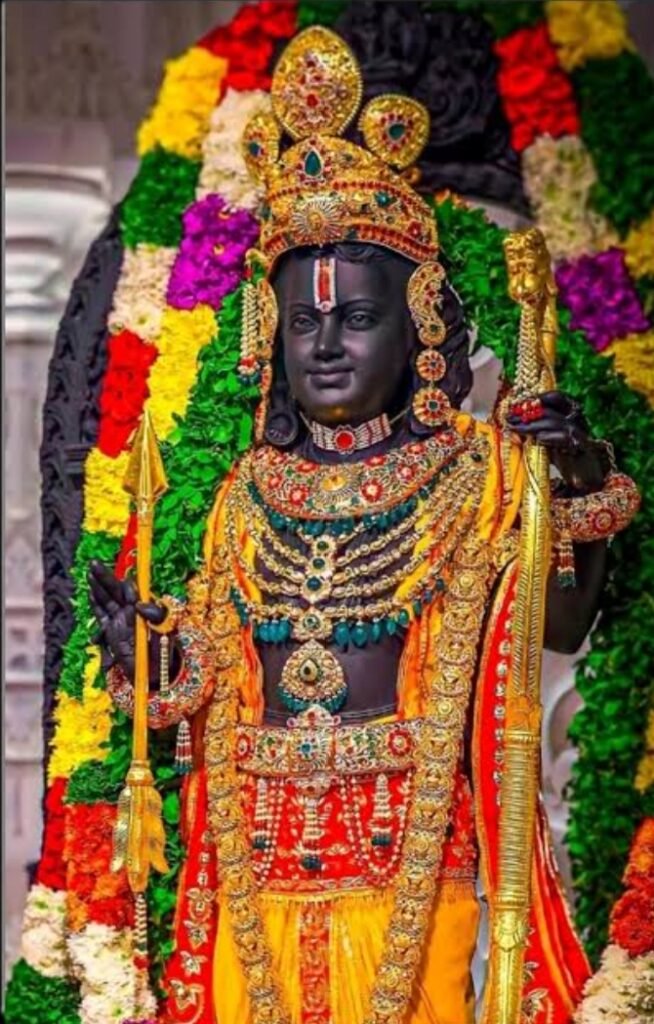
So, let’s talk about the idol (murti) in the temple. The idol of Raam Lalla was consecrated at the Ram Temple in Ayodhya on January 22, 2024. It’s made of Krishna Shila stone, which is a type of black stone found in abundance in the HD Kote and Mysore districts of Karnataka. The stone is actually named after Lord Krishna, who is also depicted with a dark complexion.

This stunning idol was crafted by Arun Yogiraj, a renowned sculptor from Karnataka. It took him a whopping six months to complete this masterpiece. The idol weighs a hefty 200 kg and portrays the deity as a five-year-old boy with a gentle smile. Using Krishna Shila stone to create the idol not only enhances its visual appeal but also showcases the rich artistic heritage of Karnataka.

On April 17, 2024, the first Ram Navami (Ram’s birth festival) after the consecration of Ayodhya’s Ram Temple with the Balak Ram murti was celebrated by thousands of devotees all over India. On this special occasion, the forehead of the Ram Lalla idol was anointed with a ray of sunlight, known as Surya Tilak.

Ram Mandir's Creation and Verdict

To sum it up, the construction and inauguration of the Ram Mandir Ayodhya stand as a significant milestone in India’s religious and cultural landscape. Its inauguration on January 22, 2024, amidst historical and legal complexities, marks the manifestation of deeply held beliefs for Hindus and symbolizes the culmination of a centuries-old aspiration. The involvement of figures like Jagadguru Shri Rambhadracharya ji emphasizes the profound spiritual and scholarly dimensions intertwined with the temple’s journey. And let’s not forget the meticulous craftsmanship reflected in the idol of Ram Lalla, sculpted from Krishna Shila stone, which adds a timeless artistic legacy to this monument.

Media Masterclass: Inspiring Students of Army Public School Towards Sustainable Solutions

0

The students of Army Public School have embarked on an exciting journey with their Media Masterclass course, showcasing their talents and insights through various tasks and discussions. In the first week, the students were tasked with blog writing in the travel genre. Their narratives were compelling and well-articulated, reflecting their unique travel experiences and creative writing skills.

In the second week, the focus shifted to a critical and timely discussion on sustainable options to combat the scorching summer heat. The session was led by Archana Sharma, who provided an in-depth analysis of the rising temperatures and the frequent heatwaves. She explained the underlying causes of these climatic changes and emphasized the urgency of addressing these environmental challenges.

The discussion naturally progressed to exploring sustainable solutions, with students eagerly sharing their knowledge and ideas. Bhavesh, a 9th grader, presented a detailed talk on bioplastics. He highlighted how bioplastics could be a game-changer in environmental conservation. His well-researched presentation, complete with a comprehensive PPT, illustrated the benefits and potential of bioplastics in reducing pollution and promoting sustainability.

Other students, including Himanshi Bharadwaj, Shagun Chauhan, Anisha Choudhary, and Harsh, also contributed significantly to the discussion. They explored various sustainable methods such as the implementation of solar plants, the importance of biodiversity, and the role of greenhouses in mitigating climate change.

The session was highly interactive, fostering a two-way communication between the students and their mentor, Archana Sharma. The students’ enthusiasm and innovative ideas were evident as they proposed practical solutions for conserving the environment sustainably.

This Media Masterclass has not only enhanced the students’ writing and research skills but also heightened their awareness of crucial environmental issues. By engaging in such meaningful discussions and activities, the students of Army Public School are well on their way to becoming informed and proactive global citizens.

Indian Companies Score Big at British Safety Council International Safety Awards 2024

0

The highest-ever number of organisations from India once again received a highly prized accolade for their work in health, safety, and wellbeing this year. British Safety Council recognized 313 Indian companies as winners of its prestigious annual International Safety Awards for 2024, at a gala celebratory dinner held yesterday at The Leela in Mumbai.

Of the winners, 64 Indian organisations were awarded a Distinction, 143 organisations were awarded a Merit, and 106 organisations achieved a Pass. The number of successful entries from India this year was higher than in 2023, when 205 awards were given out to Indian companies. The winners span numerous sectors with significant representation from the construction, manufacturing, oil, gas and mining, and power and utility sector. 


Now in their 64th year, the International Safety Awards recognise and celebrate organisations from around the world that have demonstrated to the satisfaction of the scheme’s independent judges their commitment to preventing workplace injuries and work-related ill health during the previous calendar year. The awards also acknowledge organisations that have shown commitment to wellbeing and mental health at work. 


Overall, in 2024, a record 1124 organisations won an International Safety Award, from a total of 1251 applications. The winners were drawn from 49 countries worldwide. 269 organisations were awarded a Distinction, 456 organisations were awarded a Merit and 399 organisations achieved a Pass. 

The full list of winners can be seen here.

 
Mike Robinson, Chief Executive of British Safety Council, said, “The British Safety Council applauds all successful organisations on their achievement. Our International Safety Awards recognise the highest achievements of organisations around the world in health, safety and wellbeing. This year, I am thrilled that another record number of organisations have attained that level and won an award.”


The vision of British Safety Council is that no-one should be injured or made ill through their work – anywhere in the world. Achieving this requires more than complying with legislation; it means people committed not only to health and safety but also more and more to workplace wellbeing and impelling others to follow suit, he added.


The long list of winners of the International Safety Awards, demonstrates that a significant number of companies recognise that effective management of health and safety risks is a business growth enabler, benefiting not just employees, but organisations and wider society. By celebrating the achievements of the 1124 winners of the 2024 International Safety Awards and over six decades of improving health and safety standards around the world, British Safety Council encourages other organisations to adopt this approach and place employees’ health, safety and wellbeing at the core of their business.

What is Garud Commando Force?

0

Bhavesh, student of Saksham Sanchar Foundation shared his knowledge about Garud Commando Force.

The Garud Commando Force is the special forces of  INDIAN AIR FORCE. It was formed on 2004 and named after Indian diety (GARUDA)

What is Garud Commando Force?

History

After attempts by terrorists to attack two major air bases in Jammu and Kashmir in 2001, Indian Air Force officials felt need of a specialised force they made the dission to train commando with special force techniques Combat Search and Rescue, Reconnaissance, Counter Insurgency (COIN) 

While the Army might have provided some Special forces units to the Air Force to train such commandos. The initial plans mooted in October 2001 called for a specialized force with 2000 commandos. The group was originally called “Tiger Force”, but was later renamed as “Garud Force”

Responsibilities

What is Garud Commando Force?

The mandated tasks of the Garuds include direct action, special reconnaissance, rescuing downed pilots in hostile territory, establishing airbases in hostile territory and providing air-traffic control to these airbases The Garuds also undertake suppression of enemy air defenses and the destruction of other enemy assets such as radars, evaluation of the outcomes of Indian airstrikes and use laser designators to guide Indian airstrikes The security of IAF installations and assets are usually performed by the Air Force Police and the Defence Security Corps even though some critical assets are protected by the Garuds

Training

Garud trainees undergo a 72-week training. The Basic Training course, which is the longest among all the Indian special forces but it also includes basic training. The total duration of training before a trainee can qualify as a fully operational Garud is around 3 years.

The initial phase is a three-month probationary training which filters in the promising candidates for the next phases of training. This phase, which usually has a high attrition (Drop-out) rate is conducted at the Garud Regimental Training Centre located at chandinagar uttar pradesh 

Operation by Garud

2013 Chhattisgarh helicopter shootdown

2016 Pathankot attack

Jammu and Kashmir

Operation Rakh Hajin:

in July 2018, two Garud commandos were martyred and two militants killed during an intense encounter at Hajin

AFSOD deployments

Ladakh

Soon after the beginning of the 2020 China–India tensions

Equipments

Glock 17

What is Garud Commando Force?

Beretta M9

What is Garud Commando Force?

IWI Tavor TAR-21

What is Garud Commando Force?

AK-103

What is Garud Commando Force?

IMI Galil 7.62 Sniper

What is Garud Commando Force?

FAB Defense

What is Garud Commando Force?

Telangana Formation Day 2024 Quotes, Wishes, and Messages

0

Telangana Formation Day, celebrated on June 2nd each year, commemorates the creation of the Indian state of Telangana. Established in 2014, Telangana became the 29th state of India, following a decades-long struggle for separate statehood. The formation of Telangana marked a significant milestone in India’s political history and represented the culmination of efforts to address the socio-economic and cultural aspirations of the people of the region. The demand for a separate state of Telangana emerged from decades of grievances over economic disparities, political marginalization, and cultural identity within the larger state of Andhra Pradesh.

Here are some Telangana Formation Day quotes, wishes, and messages to celebrate this special occasion:

Telangana Formation Day Quotes:

  1. “Happy Telangana formation day to the youngest state of India. Telangana turns 10 years old this year.”
  2. “Warm wishes and greetings to our brothers and sisters of Telangana on their state’s Formation Day. May the state prosper with peace and happiness.”
  3. “On the occasion of Telangana Formation Day, may God always help this land prosper and be at peace.”
  4. “Let us make our state proud by bringing prosperity and growth to it.”

Telangana Formation Day Wishes:

  1. “Wishing a very Happy Telangana Formation Day to everyone. As our state turns a year older, let’s celebrate this day with high spirits.”
  2. “May the state reach new heights of progress with every passing year.”
  3. “Happy Telangana State Formation Day to all Telugu people. Let’s celebrate freedom and unity.”
  4. “May Telangana continue to flourish and thrive.”

Feel free to share these messages with your friends and family on social media platforms like Facebook, Twitter, and WhatsApp. Let’s celebrate the spirit of Telangana! 🇮🇳🎊

WHY NEPAL IS 67 YEARS AHEAD FROM OTHER COUNTRIES?

0

The Nepalese calendar, known as the Bikram Sambat calendar, is 67 years and 8.5 months ahead of the Gregorian calendar, which is commonly used in most parts of the world. This unique calendar system is an integral part of Nepalese culture and tradition, influencing the daily lives and festivities of the Nepalese people.

Origins and Structure of the Bikram Sambat Calendar

The Bikram Sambat calendar was introduced by King Vikramaditya in the 57th century of the Hindu calendar, which roughly corresponds to around 1000 AD in the Gregorian calendar. Unlike the solar-based Gregorian calendar, the Bikram Sambat calendar is lunisolar, meaning it takes into account both the lunar cycles and the solar year. Each year consists of 12 lunar months, with the months named after various astronomical bodies.

Calculating the Leap Years

One of the reasons for the 67-year difference between the Nepalese and Gregorian calendars lies in the calculation of leap years. The Gregorian calendar adds a leap day every four years to keep the calendar year synchronized with the astronomical year. In contrast, the Bikram Sambat calendar employs a more complex system for leap years, incorporating the positions of both the sun and the moon. This intricate method results in a different annual cycle, contributing to the significant difference in year counts between the two calendars.

Cultural Significance

Despite the widespread use of the Gregorian calendar for official and business purposes in Nepal, the Bikram Sambat calendar holds immense cultural significance. It is used to determine the dates of many festivals, holidays, and other important events in Nepal. One of the most notable celebrations is the Nepalese New Year, which falls in mid-April according to the Bikram Sambat calendar. This event is celebrated with great enthusiasm across the country, marked by various cultural and religious festivities.

Modern-Day Usage

In contemporary Nepal, the Gregorian calendar is commonly used alongside the Bikram Sambat calendar, especially in governmental, educational, and business contexts. However, the Bikram Sambat calendar remains an essential part of daily life for many Nepalese people. It continues to guide agricultural activities, religious observances, and social events, preserving a vital link to the country’s rich heritage and traditions.

Conclusion

The Bikram Sambat calendar, 67 years and 8.5 months ahead of the Gregorian calendar, is a fascinating and enduring aspect of Nepalese culture. Its unique structure and method of calculating time reflect a deep connection to both lunar and solar cycles, while its continued use underscores its importance in the cultural and social fabric of Nepal. The coexistence of the Bikram Sambat and Gregorian calendars in Nepal highlights the country’s ability to embrace modernity while cherishing its historical roots.

EXPLORING THE CITY OF LAKE – UDAIPUR

0

We have explored Banswara and Mount Abu now let’s go and explore the city of Lake, Udaipur.

Udaipur is situated 265 km from Ahmedabad and 180 km from Mount Abu. Udaipur, known as the city of lakes, has many lakes located in the middle of the city. Due to its proximity to the state of Gujarat, a large number of indigenous tourists from Gujarat and Maharashtra come here for tourism, whereas in Udaipur, foreign tourists also come here, after Jaipur, Udaipur has the highest number of foreign tourists. Rana Udai Singh established the city of Udaipur in 1559 AD and made it the new capital of Mewar.

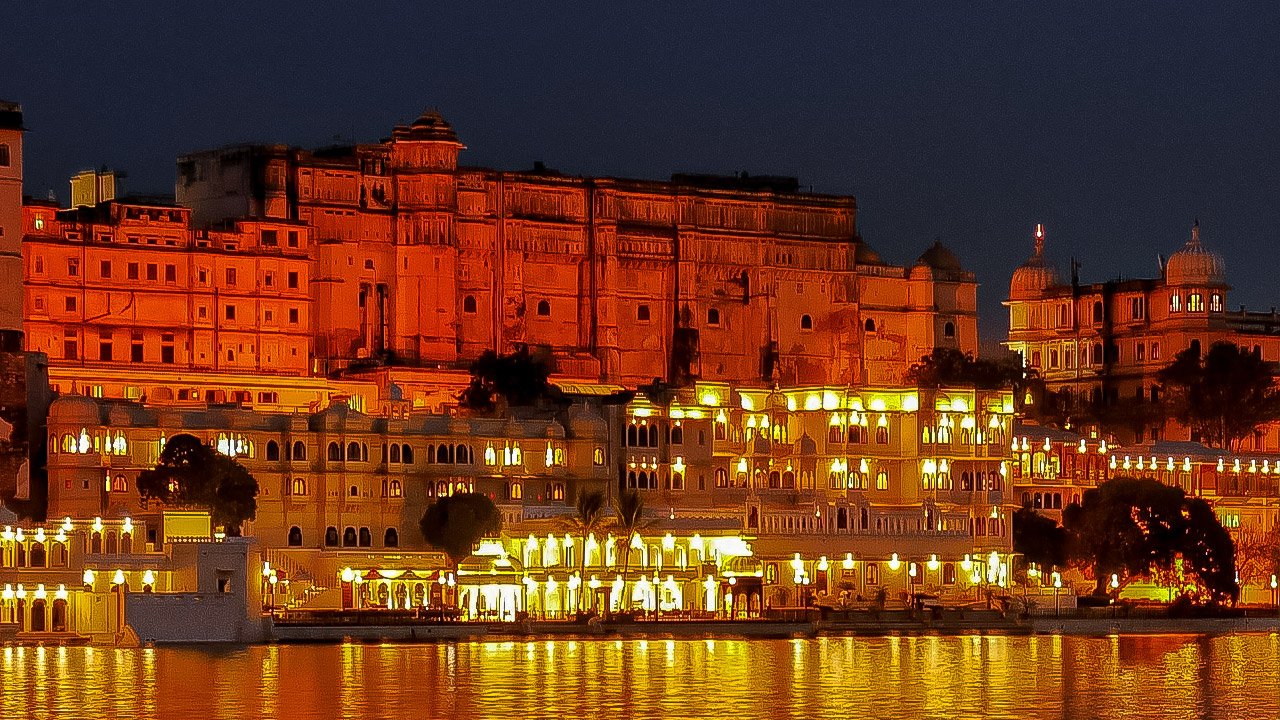
City Palace, an excellent example of architecture, was built by Maharana Udai Singh on the banks of Pichola Lake. This palace has also been the residence of the royal family for 23 generations. The City Palace has two parts, the Mardana Mahal and the Zenana Mahal.

Udaipur is the city of lakes. While the boat ride on Lake Pichola here gives a feeling of joy in the morning, in the evening this lake surrounded by mountains and palaces fills with thrill. Apart from Pichola, Fateh Sagar is the second biggest lake of Udaipur. This lake was constructed by Maharaja Jai Singh in 1678.

Places to visit in Udaipur during monsoon:

Jag Mandir

Jag Mandir, also known as Lake Garden Palace, is an island palace in Lake Pichola, Udaipur. It was built in the 17th century by Maharana Karan Singh. The palace is famous for its beautiful architecture and historical importance, with a design inspired by the Taj Mahal. It’s a popular tourist spot in Udaipur, known for its mix of Rajput and Mughal architecture, stunning views of Lake Pichola, and peaceful surroundings.

Sajjangarh Palace

Sajjangarh Palace, also called Monsoon Palace, offers stunning views from its spot on a mountain on the northwestern edge of Udaipur. You can reach it by walking, renting a bicycle, or taking a rickshaw. The journey to Sajjangarh Palace is exciting, with forests and many monkeys along the way. Although it’s called a palace, it’s more like a fort. The scenery and surroundings make it a fantastic place to visit.

Saheliyon Ki Bari

Saheliyon Ki Bari, or the Garden of the Maidens, is a beautiful and popular garden in Udaipur. Maharana Sangram Singh built it in the 18th century as a gift for his queen and her maidens. The garden is filled with lush greenery, colorful flowers, and stunning fountains. It has traditional Mughal-style features like marble elephants, kiosks, and marble lotus flowers. It’s a great spot for picnics and enjoying nature. If you love nature, you should definitely visit this place.

Lake Pichola

Lake Pichola is a lake in Udaipur, known as the “Venice of the East.” This artificial lake, about 7 km long, was created by damming a river. It was built by Uday Singh, the ruler of Mewar, who moved to this area after a Mughal attack. Although the lake can dry up during droughts and heat, it usually has two islands. One island, Jag Niwas, has an 18th-century palace that is now the Lake Palace Hotel. The Taj Lake Palace is also in the middle of Lake Pichola. At night, you can enjoy the beautiful views of Udaipur from the lake.

Triveni Sangam, Prayagraj: A Spiritual Confluence of Three Precious Rivers

0

 Prachi Chauhan, student of Saksham Sanchar Foundation shared her experience of visiting Triveni Sangam, Prayagraj.

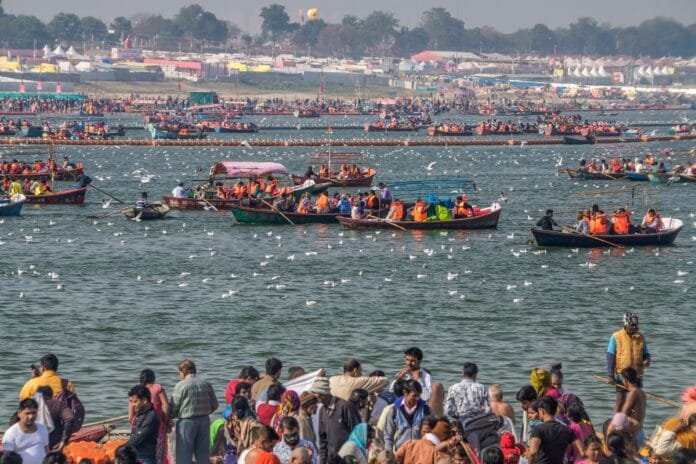
Located in the Indian State of Uttarpradesh, Triveni Sangam is a significant pilgrimage site for Hindus. It is confluence of the Ganges ( Ganga), the Yamuna, and the legendary Saraswati River. Triveni Sangam is located at Prayag- the area of Prayagraj neighbouring the confluence; for this reason, the confluence is also sometimes referred to as Prayag.

At Triveni Sangam, the Gangas and the Yamuna can be identified by their different colours- the water of the Gangas is clear while that of the Yamuna is greenish in colour. The third river, the mythical Saraswati, is called invisible.

The auspiciousness of the confluence of two rivers is referred in the Rigveda, which says, “Those who bathe at the place where the two rivers, white and dark, flow together, rise up to heaven.

A place of religious importance and one of the sites for the historic Kumbh Mela held in every 12 years, over the years it has also been the site of the immersion of ashes of several national leaders, including Mahatma Gandhi in 1949 and Atal Bihari Vajpayee in 2018.

Triveni Sangam, Prayagraj: A Spiritual Confluence of Three Precious Rivers

History & Myths 

The Triveni Sangam is believed to be the same place where drops of Nectar fell from the pitcher, from the hands of the gods. So it is believed that a bath in the Sangam will wash away one’s sins and will clear the way to heaven. Devout Hindus from all over India come to the sacred pilgrimage point to offer prayers and take a dip in the holy waters. The Kumbh Mela is held every 12 years on the banks of Ganga, Yamuna and Saraswati at Sangam. According to Hindu tradition, the Prakrista Yajna was performed here by Lord Brahma. That is why Allahabad was known as Prayag in ancient times. Allahabad (Prayag) is also called Tirtha- Raja (Prayag Raj), king of all holy places. It is said that Lord Rama visited Allahabad when he was in exile.

Agnikul Cosmos Makes History with World’s First 3D-Printed Rocket Engine Launch

0

In a groundbreaking achievement for the Indian space sector, startup Agnikul Cosmos has successfully launched “Agnibaan – SOrTeD,” the world’s first rocket powered by a fully 3D-printed engine. This mission marks a significant milestone for India’s burgeoning private space industry. The launch took place from India’s first-ever privately-developed launchpad, “Dhanush,” established by Agnikul at Sriharikota.

The rocket, powered by India’s first indigenously designed and manufactured semi-cryogenic engine, soared skyward at 7:15 AM IST. Serving as a test flight to gather critical data for Agnikul’s upcoming orbital launch vehicle, “Agnibaan,” the successful launch of “Agnibaan – SOrTeD” (Sub-Orbital Technology Demonstrator) underscores the company’s innovative prowess.

The event was witnessed by prominent figures in the Indian space community, including Indian Space Research Organisation (ISRO) Chairman Dr. S. Somanath and IN-SPACe Chairman Dr. Pawan Goenka. Dr. Somanath congratulated Agnikul, emphasizing that the launch “demonstrate[s] the prowess of indigenous design and innovation” and highlights the potential of private players in India’s space ambitions. Dr. Goenka echoed these sentiments, stating that the event “marks a significant moment for private players who are contributing to growing India’s space sector.”

Lt. Gen. A.K. Bhatt (Retd.), Director General of the Indian Space Association (ISpA), remarked, “What Agnikul has achieved today is nothing short of a historical milestone since India launched its maiden rocket in 1963 from Thumba launch station. Agnibaan SOrTeD has got many firsts in its strides with being India’s first launch from a private launchpad, the first semi-cryogenic engine-powered rocket launch, and the world’s first single-piece 3D-printed engine designed and built indigenously. This is a huge boost and a proud moment for India’s thriving private space industry and just a glimpse into what the future holds for us. Our hearty congratulations to the entire team behind this and best wishes for their future efforts. This significant launch, coupled with the recently introduced guidelines for the implementation of the Indian Space Policy 2023 by IN-SPACe and the new FDI regulations, will undoubtedly bolster global confidence in India’s private space industry and its growing capabilities.”

Agnikul, incubated at IIT Madras, aims to democratize access to space by offering affordable and customizable launch solutions. The company’s flagship “Agnibaan” rocket is designed for a payload capacity ranging from 30 kg to 300 kg, catering to a wide range of mission requirements. With this successful launch, Agnikul has its sights set on an orbital mission by the end of 2025, marking a new era for private space exploration in India.

The successful deployment of Agnibaan – SOrTeD is not just a technical triumph but a significant step towards the realization of a vibrant and competitive space ecosystem in India. As Agnikul continues to push the boundaries of innovation and cost-efficiency, it is poised to become a key player on the global stage, contributing to the democratization of space access and fostering international collaborations. This mission has undoubtedly set the stage for exciting developments in India’s space journey, heralding a future where private enterprises play a crucial role in advancing space exploration and technology.