Home Blog Page 56

Grand Chaitra Navratri Celebrations: The Art of Living Enlivens India’s Vedic Heritage

0

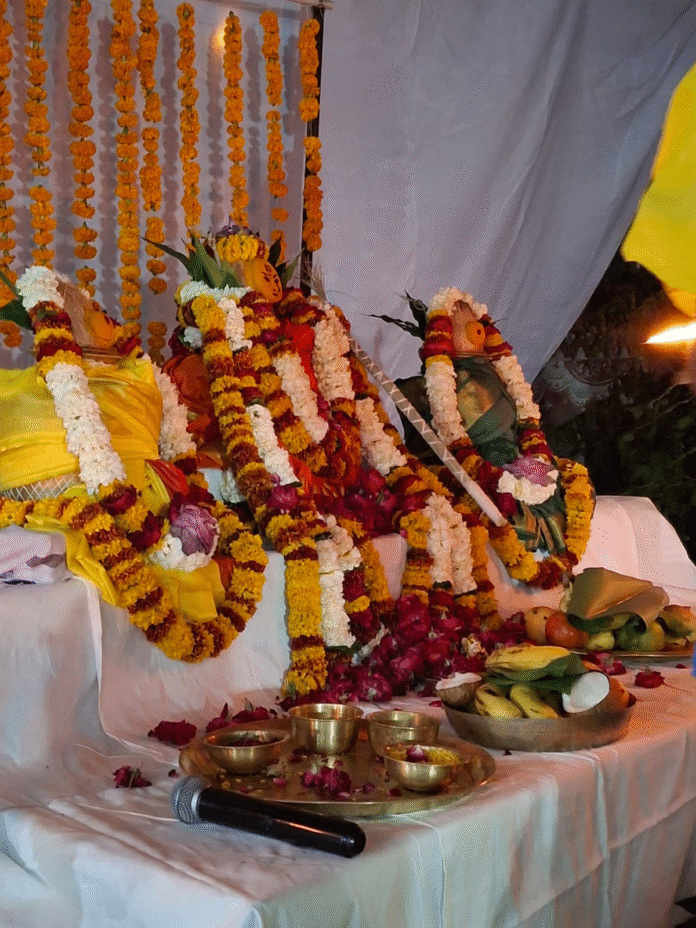
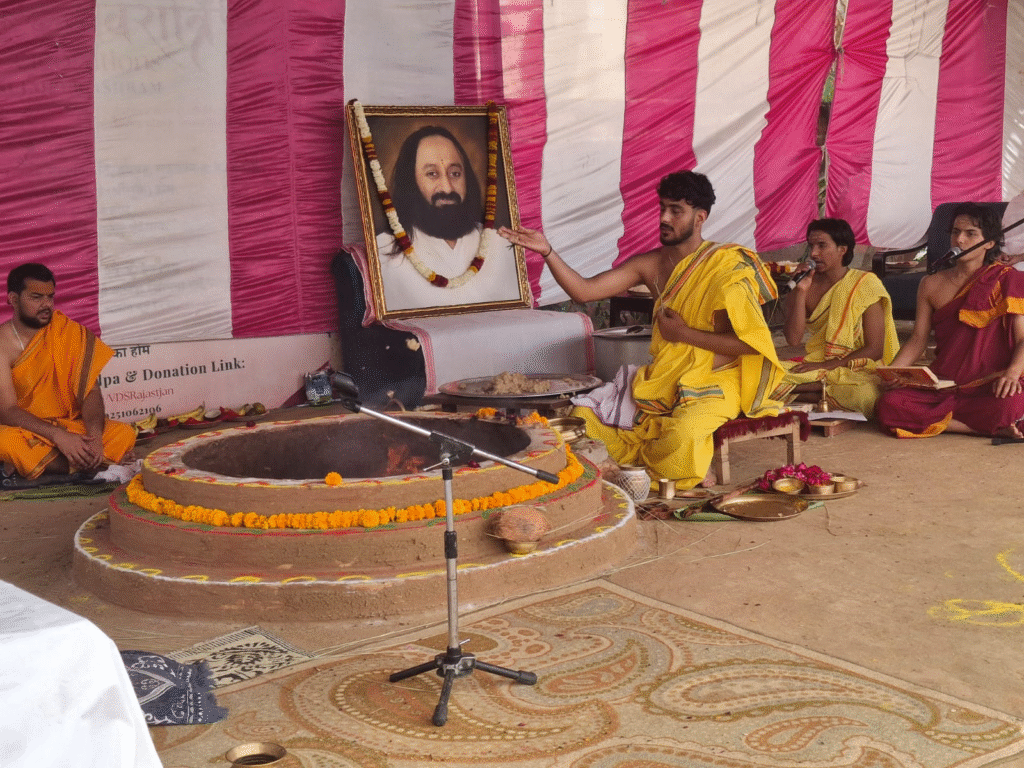
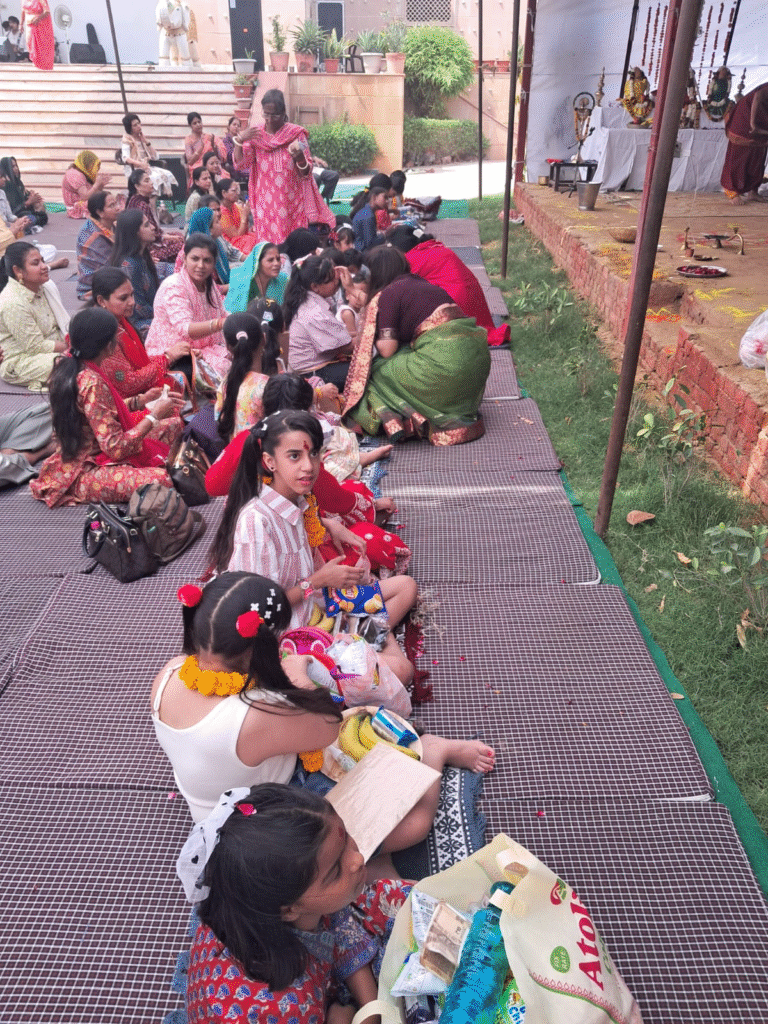
Hundreds of devotees soaked in the powerful and sacred vibrations of Chandi Homa, honouring the myriad forms of Mother Divine in all her glory, organized at the Sri Sri Ravi Shankar Ashram here in the city between March 25 and 26, 2026.

Grand Chaitra Navratri Celebrations: The Art of Living Enlivens India’s Vedic Heritage

Organised by the Vedic Dharma Sansthan, the two-day festival brought together devotees from all over the state who participated in traditional homa, invoking the divine feminine energy through Vedic chants, meditation, and prayer. The ceremonies were conducted by four Vedic priests, three of whom were trained at the Vedic Gurukul in Ved Vignan Maha Vidya Peeth, Bengaluru, and had travelled specially to Jaipur for the occasion, along with a local priest.

The celebrations were marked by soulful satsang and the distribution of prasadam, creating an atmosphere of joy, devotion, and collective spiritual elevation.

Gurudev Sri Sri Ravi Shankar, the global spiritual master and humanitarian leader, shares about the significance of this Navratri, “Chaitra signifies the dawn of a New Year- a time for inner reflection, prayer, meditation, and chanting. It is a moment to recognise the Divinity that pervades all of creation and to awaken that sacred presence within and around us.”

At The Art of Living International Center, Bengaluru, the sacred period of Chaitra Navratri was observed with a series of powerful homas including Maha Ganapati Homa, Navagraha Homa, and Maha Lakshmi Homa on March 25, followed by the Nav Chandi Homa on March 26. These rituals further elevated the spiritual fervour, invoking peace, prosperity, and divine grace for all.

Grand Chaitra Navratri Celebrations: The Art of Living Enlivens India’s Vedic Heritage

Ram Tarak Homas were also conducted at multiple locations, amplifying prayers for peace, prosperity, and well-being, on the auspicious occasion of Ram Navami.

The celebrations left every attendee contented, joyous, and steeped in devotion.

IPL 2026: Second Phase Schedule Announced. Here Comes List of Dates and Venues…

0

The schedule for the second phase of the Indian Premier League (IPL) has been released. The IPL Committee shared this information on its social media handles at 6:00 PM. A total of 50 matches will be played across 12 venues from April 13 to May 24. This includes 8 double-headers.

Defending champions Royal Challengers Bangalore have adopted Raipur as their second home ground; the team will play two matches there. In the first phase, 34 matches are scheduled to take place between March 28 and April 12. The schedule for the playoffs has not yet been announced, but the final will be played in Bangalore on May 31.

Here’s the IPL 2026 opening matches schedule from your image, translated into English:

Indian Premier League 2026 – Opening Matches Schedule

MatchDateDayTimeVenue
RCB vs SRHMarch 28Saturday7:30 PMBengaluru
MI vs KKRMarch 29Sunday7:30 PMMumbai
RR vs CSKMarch 30Monday7:30 PMGuwahati
PBKS vs GTMarch 31Tuesday7:30 PMNew Chandigarh
LSG vs DCApril 1Wednesday7:30 PMLucknow
KKR vs SRHApril 2Thursday7:30 PMKolkata
CSK vs PBKSApril 3Friday7:30 PMChennai
DC vs MIApril 4Saturday3:30 PMDelhi
GT vs RRApril 4Saturday7:30 PMAhmedabad
SRH vs LSGApril 5Sunday3:30 PMHyderabad
RCB vs CSKApril 5Sunday7:30 PMBengaluru
KKR vs PBKSApril 6Monday7:30 PMKolkata
RR vs MIApril 7Tuesday7:30 PMGuwahati
DC vs GTApril 8Wednesday7:30 PMDelhi
KKR vs LSGApril 9Thursday7:30 PMKolkata
RR vs RCBApril 10Friday7:30 PMGuwahati
PBKS vs SRHApril 11Saturday3:30 PMNew Chandigarh
CSK vs DCApril 11Saturday7:30 PMChennai
LSG vs GTApril 12Sunday3:30 PMLucknow
MI vs RCBApril 12Sunday7:30 PMMumbai

If you want, I can also turn this into a clean graphic, calendar file, or team-wise schedule.

UN General Assembly Declares Transatlantic Slave Trade ‘Gravest Crime Against Humanity’ in Landmark Resolution Backed by Global South

0

PC( Gulf News)

In a historic vote coinciding with the International Day of Remembrance of the Victims of Slavery and the Transatlantic Slave Trade, the United Nations General Assembly adopted a resolution formally recognizing the trafficking and racialized chattel enslavement of Africans as the “gravest crime against humanity.” Spearheaded by Ghana and strongly supported by the African Union and CARICOM, the non-binding resolution (document A/80/L.48) passed with 123 votes in favour, 3 against (United States, Israel, and Argentina), and 52 abstentions (including all 27 European Union members, the United Kingdom, Canada, and Japan). Russia and China voted in favour, aligning with broad support from the Global South.

The resolution highlights the transatlantic slave trade’s unprecedented scale, duration, brutality, and enduring legacy – including the forced displacement of more than 12.5 million Africans over four centuries and its role in shaping racialized systems of labour, property, and capital that persist today.

The text urges UN member states to engage in “inclusive, good-faith dialogue” on reparatory justice. This may encompass formal apologies, restitution of cultural artifacts, financial compensation, rehabilitation, and guarantees of non-repetition. It also recognizes the enslavement as a violation of jus cogens (peremptory norms of international law) and requests the UN Secretary-General to report on implementation efforts. Ghanaian officials emphasized that the resolution focuses on moral awareness, historical truth, and healing rather than blame or immediate financial demands.

Western Opposition and Abstentions countries that opposed or abstained raised concerns about labeling one set of historical atrocities as the “gravest,” potential retroactive application of modern legal standards, and the risk of creating precedents for liability.

The United States voted against the measure. Deputy Ambassador Dan Negrea stated that while America condemns the historic wrongs of the slave trade, it “does not recognize a legal right to reparations for historical wrongs that were not illegal under international law at the time they occurred.” Washington also objected to using past events as leverage for reallocating modern resources and expressed concerns over costs to the UN budget.

The European Union, speaking through Cyprus, abstained, arguing that the resolution failed to adequately address concerns raised during negotiations – particularly the use of the term “gravest,” which some viewed as legally inaccurate.

The adoption marks a significant milestone in global efforts for reparatory justice, building on the 2007 establishment of the annual remembrance day. Ghana led negotiations for over a year, positioning the resolution as a step toward honest acknowledgment rather than division. While the resolution carries strong political and moral weight, it imposes no immediate legal obligations on member states. Advocates hope it will encourage broader dialogue, education, and concrete actions to address the lasting impacts of the slave trade.

RCB Becomes IPL’s Most Valuable Team in 2026: A Billion-Dollar Cricket Revolution

0

In a historic moment for Indian cricket, Royal Challengers Bengaluru has officially become the most valuable franchise in the Indian Premier League (IPL) 2026, surpassing Rajasthan Royals and setting a new benchmark in sports business.

The Record-Breaking Valuation

In March 2026, RCB was sold to a powerful consortium—including major global investors—for a staggering $1.78 billion (approximately ₹16,600+ crore).

This deal didn’t just make headlines—it broke records. Just hours earlier, Rajasthan Royals had set a new benchmark with a valuation of around $1.63 billion, but RCB quickly overtook it to become the most expensive IPL franchise ever.

From Underdogs to Financial Giants

RCB’s rise to the top is not an overnight success story. Founded in 2008, the franchise had long been known for its massive fan base, star players, and commercial appeal—even during years without an IPL trophy.

That narrative changed dramatically in 2025, when RCB finally won their maiden IPL title. This victory significantly boosted:
•Brand value
•Sponsorship deals
•Merchandise sales
•Global visibility

The title win acted as a turning point, transforming RCB from a popular team into a financial powerhouse.

Why RCB Is So Valuable

Several factors have contributed to RCB’s meteoric rise:
1. Unmatched Fan Base
RCB enjoys one of the most loyal and passionate fan followings in the IPL, both in India and globally.
2. Strong Brand Identity
From iconic players like Virat Kohli to aggressive marketing, RCB has built a brand that goes beyond cricket.
3. Commercial Ecosystem
The franchise is not just a team—it includes business verticals like hospitality ventures, digital platforms, and merchandise, all adding to its valuation.
4. IPL’s Explosive Growth
With media rights deals crossing billions and global investor interest rising, IPL franchises are now seen as premium sports assets, similar to top football clubs.

Surpassing Rajasthan Royals

The rise of RCB is even more dramatic considering the recent surge of Rajasthan Royals. The Royals’ $1.63 billion deal had briefly made them the most valuable franchise, highlighting the IPL’s booming financial ecosystem.
However, RCB’s higher valuation underscores a crucial shift: Brand power and global appeal are now as important as on-field success.

A New Era for IPL

The back-to-back billion-dollar deals for IPL teams signal a larger transformation. Investors—from private equity giants to global business houses—are now treating IPL franchises as long-term, high-growth assets.
RCB’s valuation, in particular, suggests that:
•IPL is no longer just a cricket league
•It is becoming a global sports business powerhouse
•Indian cricket is attracting unprecedented international investment

Conclusion: More Than Just a Cricket Team

RCB’s rise to become the most valuable IPL franchise in 2026 is more than a financial milestone—it is a reflection of how sport, business, and entertainment are merging in modern India.
From years of near-misses to finally lifting the trophy—and now topping the valuation charts—RCB’s journey is a story of resilience, branding, and timing.

Faith Meets Grandeur: 131-Foot Hanuman Statue Unveiled in Nathdwara

0

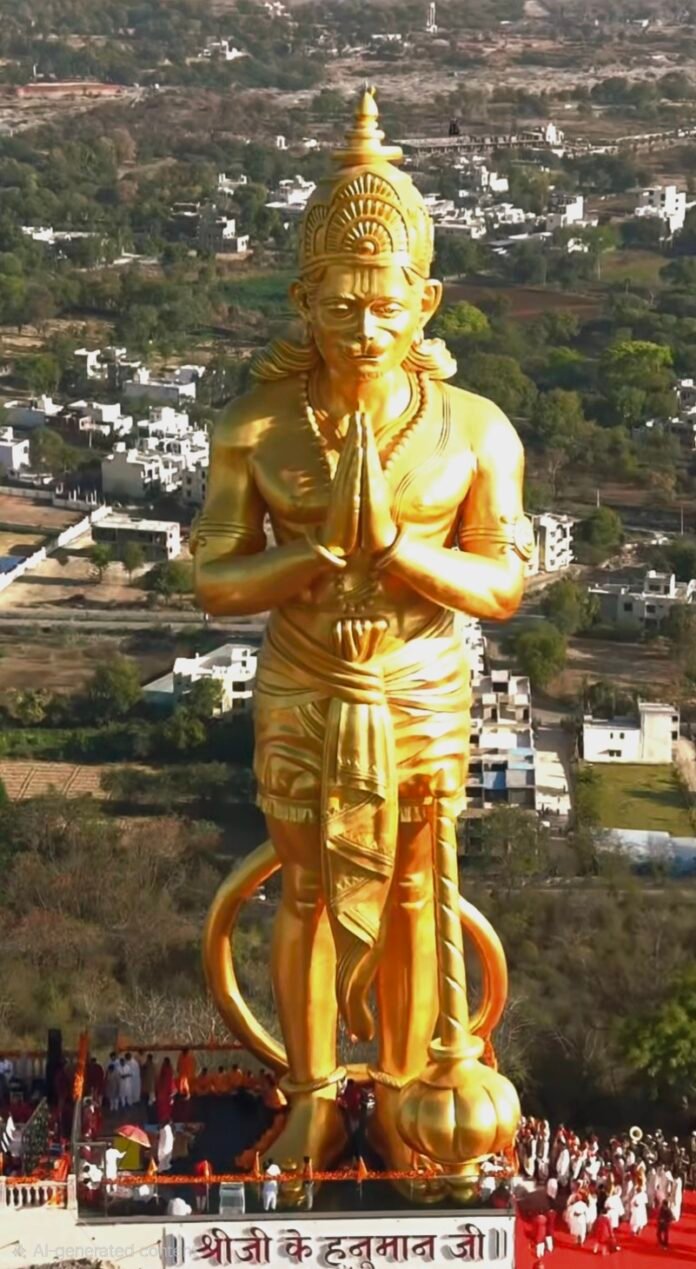
In a moment of spiritual pride and architectural brilliance, a majestic 131-foot statue of Lord Hanuman was unveiled today in Nathdwara, adding a new landmark to India’s sacred landscape. Perched atop the revered Giriraj Parvat , the towering idol now stands as a symbol of unwavering devotion, visible from miles across the Aravalli hills.

A Grand Vision Comes to Life

The construction of this monumental statue began in 2022 and has now culminated in a breathtaking structure that blends spirituality with modern engineering. Rising 131 feet high, the statue features intricate detailing—its face alone measures around 15 feet, while the feet extend up to 17 feet. Built on a robust 50×50 ft base, the idol has been designed to withstand extreme weather conditions with multiple protective layers, including UV-resistant coating, waterproofing, and anti-corrosion treatment.

Positioned nearly 500 feet above ground level, the statue’s elevated location enhances its grandeur, making it one of the most striking Hanuman statues in the country.

Symbolism and Spiritual Significance

Depicted in a posture of reverence, Lord Hanuman faces the sacred Shrinathji Temple, reflecting eternal devotion and humility. The unveiling ceremony witnessed the presence of saints, devotees, and dignitaries, turning the occasion into a grand spiritual celebration.

A Sacred Landscape of Giants

Faith Meets Grandeur: 131-Foot Hanuman Statue Unveiled in Nathdwara

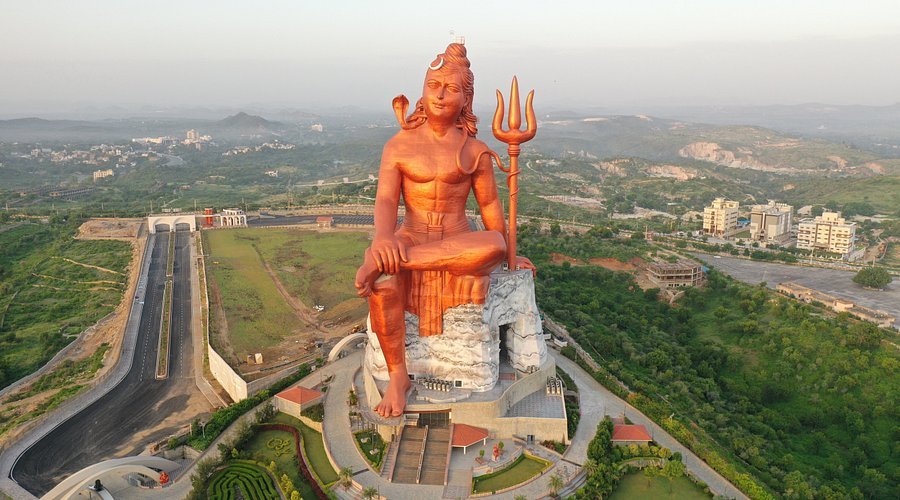
What makes this development even more remarkable is its proximity to another monumental structure—the 369-foot statue of Lord Shiva, known as Vishwas Swaroopam , also located in Nathdwara. Claimed to be among the tallest Shiva statues in the world, it was inaugurated a few years ago after nearly a decade of construction. Notably, visitors can even access parts of the structure from within, adding a unique experiential dimension.

Together, these towering icons transform Nathdwara into a powerful spiritual hub, where faith is expressed not just through devotion, but also through scale and vision.

Boost to Pilgrimage and Tourism

With the unveiling of the Hanuman statue, Nathdwara is set to attract even more pilgrims and tourists. Already renowned for the Shrinathji Temple, the town now offers an expanded spiritual circuit, blending tradition with modern marvels.

A New Chapter in Devotion

As the sun casts its golden glow over the Aravalli ranges, the newly unveiled Hanuman statue stands tall—radiating strength, faith, and protection. More than just a monument, it represents the collective devotion of countless believers and marks a new chapter in Rajasthan’s spiritual and cultural journey.

Iran Vs Israel–US Conflict Damages Many UNESCO Sites. See the List of War-Damaged Heritage Sites…

0

The ongoing conflict involving Iran, Israel, and the United States has raised serious global concern after several UNESCO World Heritage Sites in Iran were reported damaged during recent strikes. International bodies, including UNESCO, have warned that continued escalation could place some of the world’s most treasured cultural landmarks at irreversible risk.

Amid this legacy, Iranian authorities report that ongoing military actions involving the United States and Israel have damaged at least 56 Iranian Heritage sites across the country. According to the Ministry of Cultural Heritage, these affected locations include palaces, mosques, bazaars, and castles of significant historical and architectural value, underscoring the serious impact of the conflict on Iran’s architectural and cultural heritage.

According to preliminary assessments, multiple historic sites in Iran have suffered damage, largely due to blast shockwaves and nearby strikes. Among the affected UNESCO-listed properties are:

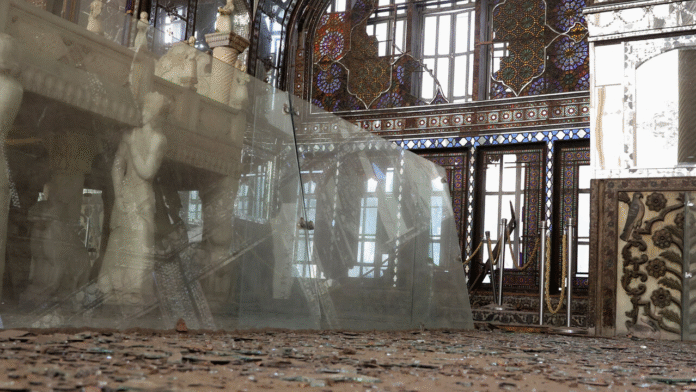
  • Golestan Palace (Tehran) – Damage to windows and interior sections: The Golestan Palace in Tehran, Iran, was damaged in March 2026 due to shockwaves and debris from nearby U.S.-Israeli airstrikes. The 18th-century palace, known for its intricate mirror mosaics and as a repository of Qajar-era art, sustained broken windows, damaged ceilings, and shattered mirror work, particularly in the Diamond Hall.

  • Naqsh-e Jahan Square (Isfahan) – Structural impact to surrounding monuments: This grand rectangular square is aligned with the four cardinal directions and framed by architectural masterpieces—the Imam (Shah) Mosque, Sheikh Lotfollah Mosque, Ali Qapu Palace, and the Qeysarieh Bazaar. Together, these landmarks are not just visual highlights but defining symbols of Isfahan’s cultural and architectural identity. Walking across the vast expanse of Naqsh-e-Jahan feels like stepping back in time. The square transforms with your imagination—you might find yourself strolling through a royal garden, standing on a historic polo ground, or witnessing a grand Safavid-era procession. At another moment, you could be a merchant navigating the bustling corridors of the Grand Bazaar, engaged in trade as it once thrived centuries ago. Originally conceived as a Persian garden, Naqsh-e-Jahan has stood the test of time, witnessing the rise and fall of powerful dynasties—from the Timurids and Aq Qoyunlus to the Seljuks, Safavids, Qajars, and Pahlavis. Every corner of the square holds echoes of its layered past. Now the war has left this pretty square in shatters.

  • Masjed-e Jame, Isfahan – Partial damage reported: Located in the historic centre of Isfahan, the Masjed-e Jāmé (‘Friday mosque’) was seen as a stunning illustration of the evolution of mosque architecture over twelve centuries, starting in ad 841. It is the oldest preserved edifice of its type in Iran and a prototype for later mosque designs throughout Central Asia. The complex, covering more than 20,000 m2, is also the first Islamic building that adapted the four-courtyard layout of Sassanid palaces to Islamic religious architecture. Its double-shelled ribbed domes represent an architectural innovation that inspired builders throughout the region. The site also features remarkable decorative details representative of stylistic developments over more than a thousand years of Islamic art.

  • Persian Garden (Chehel Sotoun Palace) – Decorative and structural damage: The historic Chehel Sotoun Palace, located in Isfahan, Iran, is one of the most celebrated architectural landmarks of the Persian Safavid era and part of a Unesco World Heritage cultural landscape. The centuries-old palace and garden complex represents the height of Persian art, architecture, and royal ceremonial culture. However, during the ongoing Iran-Israel war, this Unesco site, along with The Golestan Palace was destroyed, bringing Iran’s cultural heritage under fire. “Chehel Sotoun” meaning “forty columns” in Persian is a 17th-century pavilion built during the reign of Safavid rulers Abbas I and later expanded by Abbas II. It was originally constructed as a royal pavilion used for state receptions, diplomatic meetings and court ceremonies.

🎭 World Theatre Day 2026: Celebrating the Power of the Stage

0

Every year on March 27, the world comes together to celebrate World Theatre Day—a global tribute to one of humanity’s oldest and most powerful art forms. Initiated by the International Theatre Institute in 1961, the day has grown into a worldwide movement that honours theatre’s ability to inspire, educate, and unite people across cultures.

When and What Is World Theatre Day?

World Theatre Day is observed annually on March 27 by theatre communities, artists, institutions, and audiences across the globe.
It is a day dedicated to recognising theatre not just as entertainment, but as a medium of storytelling, social reflection, and human connection. From classical drama and opera to modern experimental performances, the day celebrates the diversity of performing arts in all its forms.

History: How It All Began

The idea of World Theatre Day was first proposed in 1961 during the International Theatre Institute’s congress. It was officially celebrated for the first time in 1962, marking the beginning of an annual global tradition.

One of its most distinctive traditions is the World Theatre Day International Message, written each year by a renowned theatre personality. This message is translated into multiple languages and shared worldwide, reflecting on the role of theatre in society. The very first message was written by French artist Jean Cocteau in 1962.

Theme for 2026

For World Theatre Day 2026, the central theme continues to be:
“Theatre and a Culture of Peace”
This theme highlights theatre’s unique role in promoting dialogue, empathy, and understanding in a world often divided by conflict. It reinforces the idea that storytelling on stage can bridge differences and foster harmony among people.

Significance: Why It Matters

The significance of World Theatre Day lies in its ability to spotlight the deeper impact of theatre beyond performance.

Theatre has long been a mirror of society—addressing social issues, questioning norms, and encouraging audiences to reflect. It plays a crucial role in:
●Preserving cultural traditions
●Promoting education and creativity
●Encouraging dialogue and social change

More importantly, theatre creates a shared human experience. In a single performance, strangers come together, connect emotionally, and leave with a renewed perspective on life.

How It Is Celebrated

Theatre Day is celebrated across the globe through a variety of activities. From grand international festivals to local stage performances, the day brings together artists and audiences in meaningful ways.

Common celebrations include:
●Special theatre performances and festivals
●Workshops, discussions, and seminars
●Reading and sharing of the International Message
●School and community theatre activities

More than 90 countries participate through ITI centres and cultural institutions, making it a truly global observance.

Relevance in Today’s World

In the digital age, where screens dominate entertainment, theatre remains uniquely powerful because it is live, immediate, and deeply human. It fosters real-time connection—between actors and audiences, and among people themselves.

World Theatre Day serves as a reminder that even in a rapidly changing world, the stage continues to be a space for truth, expression, and collective experience.

Conclusion

World Theatre Day 2026 is not just about celebrating performances—it is about recognising the enduring power of theatre to shape societies and bring people closer. Rooted in history yet relevant today, it stands as a tribute to creativity, collaboration, and the timeless art of storytelling.

As the curtains rise on stages around the world, the message remains clear: Theatre is not just an art form—it is a voice of humanity.


When Ladakh Blushes: April’s Secret Season of Apricot Blossoms

0

A Landscape Reimagined

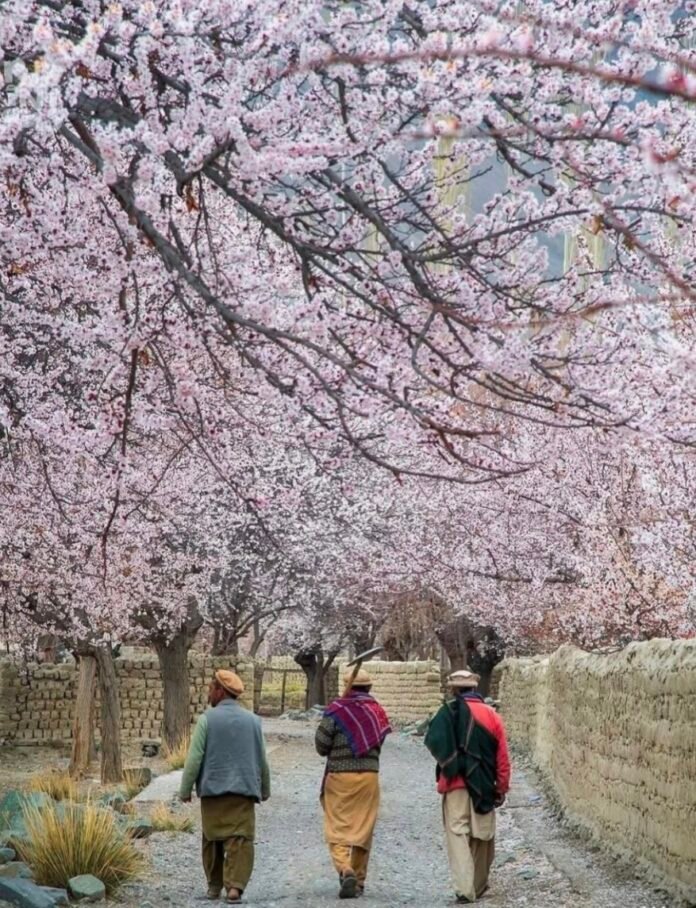
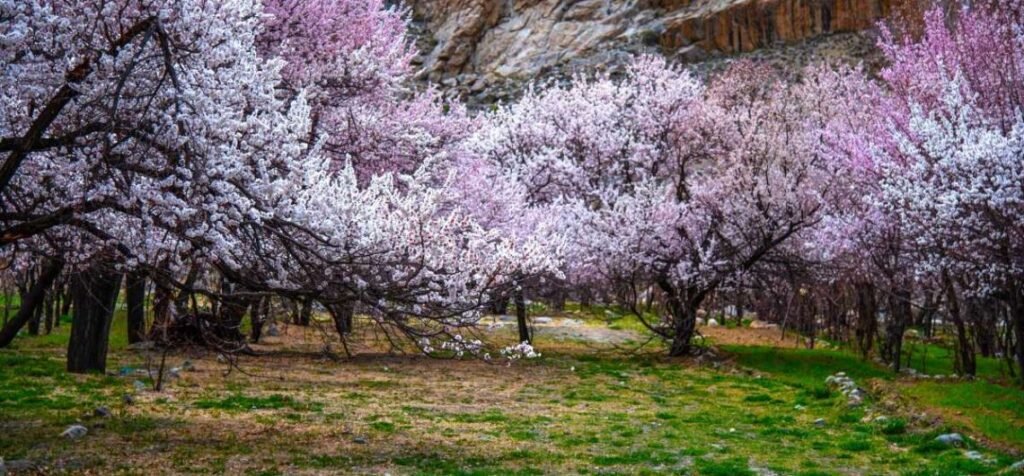
For a few fleeting weeks in April, Ladakh sheds its stark, rugged browns and transforms into a dreamscape of soft pink and white apricot blossoms. Framed by snow-draped peaks and deep blue skies, the valleys take on a softness rarely associated with this high-altitude desert—offering a striking contrast that feels almost surreal.

Spring’s Gentle Arrival in the Himalayas

When Ladakh Blushes: April’s Secret Season of Apricot Blossoms

April marks the quiet awakening of Ladakh. Winter begins to recede, and life slowly returns to its villages and orchards. Regions like Nubra Valley and areas around Leh come alive with blooming apricot trees, symbolizing renewal and the start of a new agricultural cycle. The atmosphere is calm, intimate, and deeply rooted in local rhythms.

What Makes April Special for Travelers

Unlike the peak tourist season, April offers a rare sense of solitude. You can explore monasteries, landscapes, and villages without the usual crowds. Iconic spots like Pangong Lake are quieter and may still be partially frozen, adding to their charm. The light is softer, the air clearer, and the overall experience far more personal—perfect for photographers, nature lovers, and slow travelers.

Travel Tips & Precautions to Keep in Mind

While April is beautiful, it also demands careful planning. Leh sits at a high altitude, so acclimatization is crucial—spend at least 24–48 hours resting upon arrival to avoid altitude sickness. Temperatures can fluctuate sharply, so carry layered clothing, including thermals, gloves, and a good jacket.

Road connectivity can be unpredictable. The Leh- Srinagar Highway may open toward late April depending on weather, while the Manali-Leh Highway remains closed—so flights are the most reliable way to reach Ladakh. Also, some remote accommodations, cafes, and camps may not be fully operational yet, so it’s wise to plan and book in advance.

A Fleeting, Beautiful Secret

What makes April in Ladakh truly magical is its fleeting nature. The blossoms last only a few weeks, making this season a hidden gem for those who seek something beyond the usual. It’s not just about sightseeing—it’s about witnessing a rare moment when Ladakh softens, blooms, and quietly reveals one of its most enchanting faces.

Global LNG Supply Hit by Geopolitical Shock as Middle East Tensions Escalate

0

PC( Global LNG Hub)

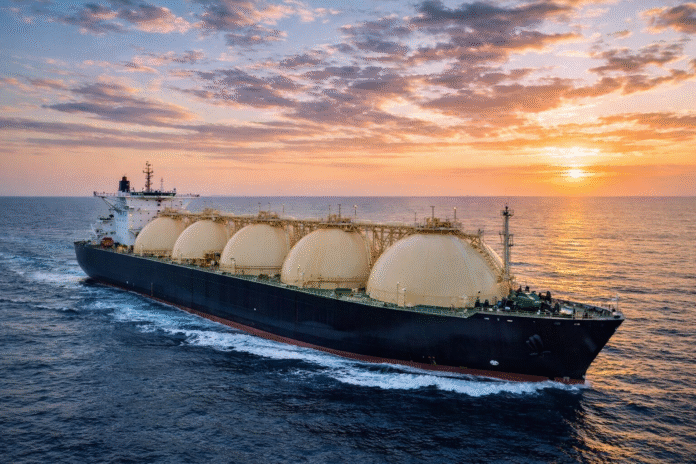
In a dramatic turn for global energy markets, rising geopolitical tensions in the Middle East have significantly disrupted the outlook for liquefied natural gas (LNG) supply, even as demand continues to grow. Earlier projections indicated that global LNG supply would increase by nearly 10% this year, reaching between 460 million and 484 million metric tons, driven largely by new production capacity coming online in the United States and Qatar. However, recent developments have sharply altered that trajectory.

Supply Shock: Strait of Hormuz and Qatar Disruptions

The situation escalated after Iran reportedly blocked the Strait of Hormuz—one of the world’s most critical energy chokepoints, responsible for handling nearly 20% of global LNG flows. Compounding the crisis, damage to Qatar’s liquefaction infrastructure has taken 12.8 million tons per year of LNG capacity offline, with repairs expected to take between three to five years. Leading energy consultancies, including S&P Global Energy, ICIS, Kpler, and Rystad Energy, have revised their forecasts, cutting global LNG supply projections by as much as 35 million tons. To put this into perspective, the shortfall is equivalent to around 500 LNG cargoes—enough to meet over half of Japan’s annual LNG imports or supply Bangladesh for up to five years.

Market Impact: Slower Demand Growth Expected

The supply crunch is already influencing global demand expectations. According to S&P Global Energy analyst Lucien Mulberg, the emerging gas price crisis may force countries to rethink their energy strategies. “We expect this gas price crisis will lead some countries to reconsider growing their gas demand at the rate we previously forecast,” Mulberg said, adding that LNG demand growth is now likely to slow compared to pre-conflict estimates. S&P Global Energy also anticipates a 33-million-tonne drop in LNG exports from Qatar and the United Arab Emirates this year. Additionally, longer-term supply projections have been reduced by 19 million tons annually between 2027 and 2029, citing delays in major projects such as Qatar’s North Field expansion and ADNOC’s Ruwais LNG development.

Rising Military Tensions: Iran–Israel Conflict Intensifies

Amid the energy crisis, military tensions between Iran and Israel have further escalated concerns. The Israeli military confirmed that its air defence systems were activated in response to missile launches from Iran. Sirens were sounded across central Israel, including parts of Jerusalem and the occupied West Bank. In official statements, the military reported identifying incoming missiles and deploying interception systems to neutralize the threat. Shortly after the initial alert, authorities stated that civilians were permitted to leave protected areas. Israel’s emergency service, Magen David Adom, reported no casualties following the attacks.

Lost World Beneath Antarctic Ice: 34-Million-Year-Old Landscape Discovered in Pristine Condition

0

PC( The Daily Galaxy, Nature)

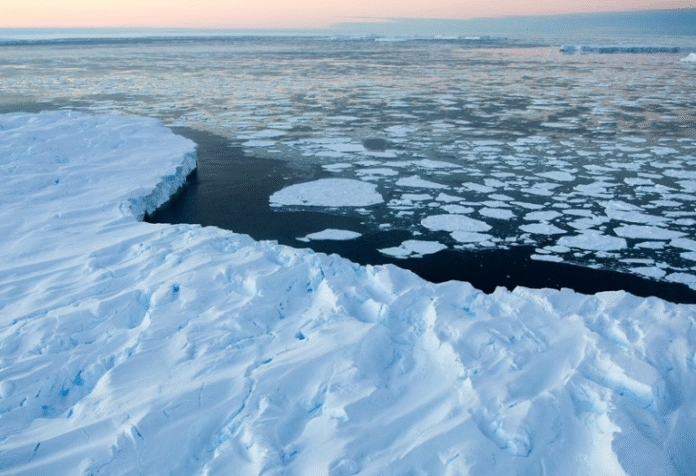
In a groundbreaking scientific discovery, researchers have revealed a विशाल (vast) ancient landscape buried beneath nearly two kilometres of ice in East Antarctica’s Wilkes Land—unchanged for at least 34 million years. Comparable in size to the U.S. state of Maryland (around 32,000 square kilometres), this hidden terrain offers an extraordinary glimpse into a long-lost world.

The study, led by Professor Stewart Jamieson of Durham University and published in Nature Communications, used advanced satellite imaging and ice-penetrating radar to uncover what scientists are calling a “time capsule” of Earth’s past.

A Frozen Time Capsule Beneath the Ice

The radar data revealed a dramatic topography of towering ridges and deep valleys, some plunging as far as 3,900 feet. These features were carved by ancient rivers that once flowed freely across the region—long before Antarctica transformed into a frozen continent.
Researchers identified three massive elevated land blocks, each stretching between 75 and 105 miles, separated by valleys nearly 25 miles wide. The scale and structure suggest a once-dynamic landscape shaped by erosion, water flow, and possibly rich ecosystems.

Lost World Beneath Antarctic Ice: 34-Million-Year-Old Landscape Discovered in Pristine Condition

When Antarctica Was Green

Millions of years ago, during the Eocene-Oligocene transition, Antarctica was part of the supercontinent Gondwana and experienced a much warmer climate. Scientists believe this region may have supported lush forests, palm trees, and diverse plant and animal life. This discovery reinforces the idea that Antarctica was once a thriving, green environment—dramatically different from the icy wilderness we see today.

How the Landscape Survived Intact

What makes this discovery truly remarkable is its exceptional preservation. Unlike typical glaciers that erode and reshape the land beneath them, the ice covering this region is known as “cold-based ice.” This type of ice remains frozen to the ground and moves extremely slowly—less than 16 feet per year—acting like a protective seal rather than a destructive force. As a result, the landscape beneath has remained almost perfectly intact for tens of millions of years.