
Home Blog Page 548

Shankara Launches the Timeless Restorative Skin Elixir

0

First in India, a dual chamber simplifying modern skincare regimes

Ever struggled to keep up with your skincare routine? Too many rituals and beauty messages confusing you? To simplify your regimen, Shankara has launched the first dual chamber product in India, a game-changing solution: the Timeless Restorative Skin Elixir. This innovative Ying-Yang style dual chamber elixir blends the benefits of Kumkumadi Oil and Timeless Serum, offering a convenient 3-in-1 solution for moisturization, brightening, and anti-ageing. Perfect for those always on the go, this facial elixir simplifies your skincare routine without compromising on effectiveness. Combining ancient wisdom with cutting-edge technology, it truly offers the best of both worlds.

The Timeless Serum, infused with Citrus stem cell technology, fosters cellular rejuvenation, reduces wrinkles, refines skin texture, and enhances your natural glow. It also contains 10% Vitamin C of the highest grade for faster skin brightening.

Shankara’s signature Kumkumadi Oil has a lightweight formula suitable for all skin types. Crafted with the goodness of Red-Gold Saffron, Manjishtha & Red Sandalwood through a Taila Paka process, it nourishes, moisturizes, and brightens skin, addressing blemishes, pigmentation, and fine lines.

Astha Katpitia, Head of Shankara India, shares, “Our Timeless Restorative Skin Elixir blends ancient wisdom with modern innovation, offering radiant skin in one simple step. It’s an effortless solution for effective skincare with visible results.”

Wondering how to use it? Simply dispense equal measures of the Timeless Serum and Kukumadi Oil to create a micro-emulsion, mix, and apply to the cleansed face and neck for deep penetration and ultimate nourishment.  

The result? Accelerated cell renewal, increased epidermal density, reduced wrinkle depth, a visible lifting effect, and a brighter & hydrated skin texture. With regular use, you will achieve a more even skin tone and a radiant appearance.

Whether you need a travel essential or a hydrating product for the perfect glow, the Timeless Restorative Skin Elixir is your go-to solution. Notably, this product stands as a bestseller for Shankara in the USA, signalling a remarkable achievement in skincare innovation. With the incorporation of stem cell technology, Shankara leaps forward, revolutionizing the skincare landscape with its offerings.

Get Shankara’s Timeless Restorative Skin Elixir here

Check out Shankara’s skincare rangewww.instagram.com/shankaranaturalsindia.
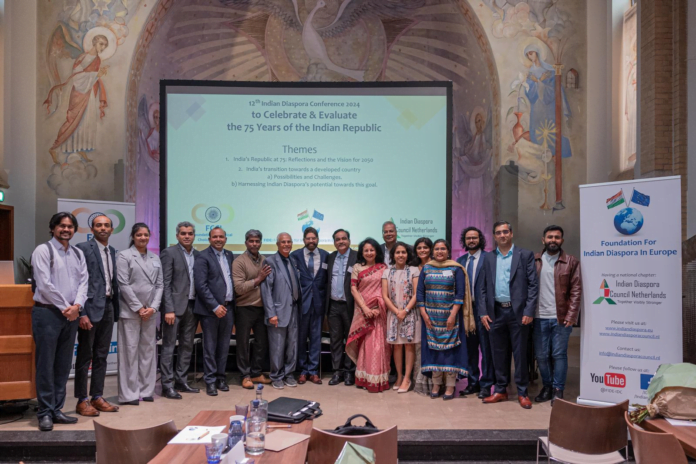
Indian Diaspora Gathers to Discuss India’s Future at 75th Republic Anniversary

0

By- Ms.Pranita Deshpande 

Director- Publication (FCCI)

Held at Kontakt der Kontinenten in Soesterberg, the event brought together distinguished guests and members of the Indian diaspora community in the Netherlands. The conference aimed to reflect on India’s journey as a republic and explore its path towards becoming a developed nation by 2050.

Reflecting on Progress and Looking Ahead

The conference began with opening remarks by Ritika Mehra and Suman Korenhof. 

As the nation celebrates its 75th anniversary, the conference provided a platform to acknowledge past achievements and chart a course for a promising future.

Harnessing the Strength of the Diaspora

The conference explored two key themes:

  • India’s Republic at 75: Reflections and the Vision for 2050
  • India’s Transition Towards a Developed Country: Possibilities and Challenges, and Harnessing the Indian Diaspora’s Potential.

Prominent speakers like Ram Lakhina, President Emeritus of FCCI, Jasbir Singh, President of FCCI/FIDE, Ambassador, Sahar Ghanem, Dean of the Diplomatic Corps and Gince Mattam, Deputy Chief of Mission at the Indian Embassy, delivered insightful presentations on India’s journey and its vision for the future. The dialogue continued with addresses from Thijs Reuten, Member of the European Parliament, and H.E. Eric Niehe, Former Ambassador of the Netherlands to India.

Both speakers explored the potential for partnership between India and the European Union on India’s development journey.

Experts Discuss the Road Ahead

The afternoon session featured a panel discussion moderated by Dr. Pramod Agrawal, Vice President of FCCI. Leading experts from the Indian diaspora community, including Artie Ramsodiet, Member of Senate, NL, and Kalyan Guntuboyina, Agribusiness Expert at Wageningen University & Research, NL, discussed the possibilities and challenges India faces in becoming a developed nation. They also explored ways the diaspora can contribute to achieving this goal.Subhadra Pathak, Trustee of FCCI, and Hemant Mishra, Secretary General of FIDE, gave a theme presentation on ‘Harnessing the Indian Diaspora’s Power and Potential for India’s Development Vision 2050.

Celebrating the Journey and Looking Forward

The conference concluded with closing remarks and a vote of thanks by Badri Madan, Past President of FCCI and FIDE Board Member.

This event fostered a valuable platform for dialogue and collaboration. As India celebrates the 75th anniversary of its republic, the conference highlighted the crucial role the diaspora plays in shaping its future and achieving its development aspirations.

World Day Against Child Labour 2024 Theme, Date, History, Significance, Quotes & Captions

0

Today marks the observance of the World Day Against Child Labour, a day dedicated to raising awareness and accelerating action towards the eradication of child labour globally. This year’s theme, “Let’s Act on Our Commitments: End Child Labour!”, serves as a powerful reminder of our collective responsibility to protect children from exploitation and to uphold their rights to education and a carefree childhood.

Date and Theme

The World Day Against Child Labour is observed annually on June 12. In 2024, the day falls on a Wednesday, marking the 25th anniversary of the adoption of the Convention on the Worst Forms of Child Labour. The theme emphasizes the need for concerted efforts to fulfill our commitments to end child labour.

History

Established in 2002 by the International Labour Organization (ILO), the World Day Against Child Labour aims to draw attention to the global issue of child labour and to reinforce the efforts to eliminate it. Since its inception, the day has served as a catalyst for dialogue and action, bringing together governments, employers, workers, civil society, and individuals.

Significance

The significance of this day lies in its role as a global call to action. It highlights the plight of millions of children engaged in work that deprives them of their childhood, their education, and their future. With 160 million children still engaged in child labour, the urgency to act is greater than ever.

Quotes

To inspire action and reflection, here are some poignant quotes on child labour:

“Child labor perpetuates poverty, unemployment, illiteracy, population growth, and other social problems.” – Kailash Satyarthi

“There is no worse slavery than the slavery of poverty, and the worst form of poverty is a child deprived of its childhood.” – Nelson Mandela

“Education is the best weapon against child labor.” – Malala Yousafzai

Captions

As part of the awareness campaign, here are some thought-provoking captions:

“Children are meant to learn, not to earn.”

“End child labour and start child education.”

“A child’s hands are too small for work but perfect for holding a pencil.”

World Day Against Child Labour 2024

0

On June 12, 2002, the International Labour Organisation (ILO) started the first World Day Against Child Labour in Geneva. This day is about saying no to kids working when they should be learning and having fun.

In India, since 1987, the government has had a plan to help kids who are working. This plan helps them go to school instead of working. It also helps their families so they can earn money in better ways.

Theme
This year’s World Day Against Child Labour theme is “Let’s act on our commitments: End Child Labour!” It’s all about remembering that 25 years ago, a really important rule was made called the Worst Forms of Child Labour Convention. This rule helps protect kids from really bad types of work.

Significance
The World Day Against Child Labour is important for many reasons. It helps everyone see how big the problem of kids working is worldwide, and it encourages governments and groups to work together to stop it. On this day, people also talk about ways to fight child labour, share ideas that work, and team up with others.

This day also reminds us to make better rules and make sure they’re followed to keep kids safe. It asks for better schools and services for kids because education is a big help in stopping child labour. And it reminds us to fix the main reasons why kids end up working, like not having enough money, unfair treatment, and not enough jobs for grown-ups.

Over the years, people have worked hard to stop kids from working. Many countries agreed on rules, like how old kids have to be to work, and said certain types of work for kids are not okay.

Groups like charities, governments, and worldwide organizations have run campaigns to reduce child labour in some places. For example, from 2000 to 2016, the number of kids working went down by 38% worldwide. But now, the COVID-19 pandemic is making things harder. It might undo the progress we’ve made and put more kids at risk of being forced to work.

Eggfirst Crafts Full Stack Agtech Platform DeHaat’s Brand Campaign with Pankaj Tripath

0

DeHaat, India’s largest Agri-tech company, has launched its latest brand campaign featuring renowned Bollywood actor Pankaj Tripathi. The campaign, ‘Ek Dukaan Sampoorna Samadhaan’, showcases an extensive range of products and services from DeHaat, designed to create a positive impact on the lives of farmers by providing tech enabled 360-degree solutions throughout the crop lifecycle. The organization operates on the ‘Farmers First’ principle that enables it to work towards the enhancement of farmers, helping them improve their agricultural practices and produce at the same time. Given its specialist rural advertising expertise, Eggfirst was the natural first choice to craft the positioning strategy and campaign for the brand.

Shyam Sundar Singh, Executive Director & Co-founder at DeHaat, said, “We are happy to have such a renowned actor onboard. His influence and credibility will undoubtedly help us further drive our ‘Farmer’s First’ vision to empower millions of farmers across the country.”

DeHaat today offers its full-stack service offerings to over 2.5Mn farmers across the country through its expansive network of 14,000 franchise retail stores across 12 Indian States, empowering them to ensure quality & quantity of the crop yields. The company has also entered exclusive distribution tie-ups for 10+ global bio agri-input innovators to support sustainable agriculture while also upgrading its AI enabled digital tools for personalized crop advisory.

Ravikant Banka, the Founder and CEO of Eggfirst, said, “I’m amazed to be a part of this agri-revolution journey. Having successfully crafted many rural campaigns, DeHaat is one of a kind, as it evolves farmers’ lives with cutting-edge innovation. Talking about the campaign, I feel Pankaj Tripathi is the right and impactful personality who resonates with farmers effortlessly.”

Eggfirst is a Specialist Rural Advertising Agency with extreme digital prowess. Its true-blue advertising strategies provide a solid foundation for brands, and its digital expertise drives powerful connections with consumers while being cost-effective. Having worked with a large number of rural brands across FMCG, BFSI, Agri-inputs, building construction materials, and more, they have a deep understanding of the consumers and markets of Bharat.

Centre for Chronic Disease Control has Screened 1.1 Million Indians for High BP

0

The Centre for Chronic Disease Control (CCDC) has successfully screened over 1.1 million individuals for high Blood Pressure (BP) as part of the May Measurement Month (MMM) initiative that was launched in 2017. CCDC is the official Indian partner for MMM, the largest global initiative to promote regular BP measurement. More than 100 countries participated in this campaign, which has screened over 6 million individuals thus far. Nearly 63% of deaths in India are due to non-communicable diseases, with 27% attributed to cardiovascular disease (CVD). High blood pressure is a key risk factor for CVDs. Through MMM and other year-round initiatives, CCDC strives to inform and empower the public to manage and prevent this chronic condition.

On World Hypertension Day (May 17), CCDC partnered with IAPEN India and organized health camps and numerous lectures and training sessions for volunteers across different cities in NCR, Maharashtra, Punjab, Gujarat, Uttar Pradesh, Tamil Nadu and Odisha. While the health camps focused on raising awareness and regular monitoring, the lecture series informed participants about the risks of hypertension and managing high BP through healthy diet and lifestyle changes. CCDC was supported by 471 volunteers from medical colleges, hospitals, and various institutions across India.

Speaking on MMM, Prof. D. Prabhakaran, Executive Director, CCDC, stated, “Managing high blood pressure is crucial to preventing heart attacks and strokes. Over seven editions of the MMM campaign, CCDC is proud to have conducted more than 1.1 million screenings nationwide. By reaching individuals nationwide, we are committed to promoting heart health and reducing the burden of cardiovascular diseases in our communities.

May Measurement Month (MMM), launched by the International Society of Hypertension, encourages people aged 18+ to regularly check their BP and understand how it affects their health. MMM offers diet and lifestyle advice for those with high BP and helps improve follow-up care. By using data on untreated hypertension, MMM urges governments across the world to enhance BP screening facilities and reduce the global burden of disease and death caused by elevated BP.

About CCDC

The Centre for Chronic Disease Control (CCDC) is leading efforts to transform public health and empower public health professionals to combat the growing challenge of chronic diseases across India and low- and middle-income countries (LMIC). Established in 2000 as a non-profit scientific organization, this Delhi-based organization has been working alongside the Government of India (GoI) to reduce the burden of chronic diseases in India.

Understanding Sustainable Biodiversity: Importance and Impacts

0

Shagun Chauhan, student of Saksham Sanchar Foundation shared her study on sustainable biodiversity.

What Is Sustainable Biodiversity? Sustainable biodiversity refers to the practice of preserving a wide variety of plant and animal species in their natural habitats. This approach ensures an adequate and balanced environment for future generations, maintaining ecological balance and supporting life on Earth.

Benefits of Sustainable Biodiversity:

  1. Balanced Ecosystem: Biodiversity ensures ecosystem stability by supporting a variety of organisms that contribute to ecological processes.
  2. Disease Resistance: Diverse ecosystems are more resilient to diseases, reducing the spread of infections among species.
  3. Flood, Storm, and Coastal Erosion Prevention: Healthy ecosystems, like mangroves and wetlands, act as natural barriers against natural disasters.
  4. Carbon Sequestration: Biodiverse forests and plants absorb carbon dioxide, helping mitigate climate change.
  5. Food Security: A wide range of species ensures the availability of various food sources, safeguarding against food shortages.

Main Causes of Biodiversity Loss:

  1. Habitat Loss: Urbanization, deforestation, and agriculture lead to the destruction of natural habitats.
  2. Climate Change: Altered weather patterns and global warming affect species survival.
  3. Overhunting: Excessive hunting reduces animal populations, leading to imbalances.
  4. Overfishing: Depleting fish populations disrupts marine ecosystems.
  5. Invasive Species: Non-native species can outcompete and displace native species.
  6. Pollution: Contaminants in air, water, and soil harm living organisms.
  7. Disease: Pathogens can decimate vulnerable species.
  8. Genetic Pollution: Crossbreeding with genetically modified organisms can affect native species’ gene pools.
  9. Ocean Acidification: Increased CO2 levels lower ocean pH, harming marine life.
  10. Biodiversity Simplification: Monoculture practices reduce species variety, weakening ecosystems.

Speciesism and Its Effects on Biodiversity: Speciesism is the belief that humans are superior to other species and have the right to exploit them. This ideology has historically justified the exploitation of animals, plants, and even certain human communities. From the rise of imperialism and industrialization to the present day, speciesism has led to the extinction of numerous species and the degradation of natural habitats.

Impact of Speciesism: Since historic times, humans have exploited fellow beings, reaching new heights in the last century with imperialism and industrialization. Hunting became a sport, and deforestation was termed scientific forestry, leading to the extinction of species like the calamites plant and the passenger pigeon. This ideology continues to influence our psychology, perpetuating environmental harm.

Case Study: Tiger Conservation in Sundarbans In the Indian Sundarbans, tigers have transitioned from being seen as man-eaters to becoming a valuable resource for alternative livelihoods. This shift has led to the rise of eco-tourism, with villagers working as tour guides, boat operators, and cooks, reducing illegal activities like poaching. This transformation showcases the positive impact of sustainable biodiversity practices on both wildlife and local communities.

Effects of Biodiversity Loss:

  1. Ecosystem Imbalance: Loss of species disrupts ecological interactions and processes.
  2. Transmission of Animal Diseases to Humans: Reduced biodiversity increases the risk of zoonotic diseases.
  3. Increased Human-Wildlife Conflict: Habitat encroachment leads to conflicts over resources.
  4. Food Insecurity and Pollution: Declining species variety affects food sources and increases pollution.
  5. Loss of Cultural Relationships with Nature: Biodiversity loss severs traditional connections with the natural world.
  6. Increased Struggle for Survival: Degraded ecosystems make survival harder for all species.

Promoting Biodiversity Conservation:

  1. Purchase Sustainable and Fairtrade Products: Support ethical and environmentally friendly goods.
  2. Ditch Garden/Lawn Chemicals: Use natural alternatives to protect soil and water quality.
  3. Plant a Tree for Biodiversity: Trees provide habitats and enhance ecological health.
  4. Protect Local Habitats: Engage in activities that preserve nearby ecosystems.
  5. Eat Local and Organic Whenever Possible: Reduce the carbon footprint and support biodiversity-friendly farming.
  6. Create a Biodiversity Patch in Your Garden: Cultivate native plants to attract local wildlife.
  7. Educate Youth on Biodiversity: Raise awareness among young people about the importance of biodiversity.
  8. Use Kitchen Scraps for Composting: Reduce waste and enrich soil.
  9. Monitor Pets When They Are Outside: Prevent pets from disturbing wildlife.
  10. Volunteer for Conservation Initiatives: Get involved in projects that protect and restore natural habitats.
  11. Reduce Your Carbon Emission: Adopt sustainable practices to mitigate climate change.
  12. Take a Stand Against Environmental Pollution: Advocate for policies and practices that reduce pollution.

By understanding and actively participating in sustainable biodiversity practices, we can ensure a healthier, more balanced environment for current and future generations.

car&bike and Kalpataru Present a Unique Experience of Sustainability

0

On the occasion of World Environment Day, car&bike proudly conducted a one-of-a-kind event that blended sustainability, and environmental stewardship. This exclusive event, presented by Kalpataru, featured a 150 km drive with 10 eclectic electric cars, that took participants from Kalpataru ParkCity township in Thane West to Kalpataru Aria, an upcoming weekend home destination, in Karjat. The highlight of this journey was a tree plantation initiative enroute aimed at contributing to and preserving the environment.

The event delivered an unparalleled experience as participants drove state-of-the-art electric cars from the premium and luxury segments, leaving zero emission, reflecting Kalpataru’s commitment to sustainable living and practices. This initiative not only showcased the convenience and sophistication of these long-range EVs but also emphasized the importance of eco-friendly actions. The event saw participation from a group of guests comprising of CXOs and entrepreneurs, and, importantly, automotive enthusiasts. The group also planted saplings in Karjat.

“Automobiles and infrastructure, have always been in the news of when it comes to air pollution,” pointed out Girish Karkera, Editor-in-Chief, carandbike.com. “A lot of work is being done by the stake holders to make a positive impact. The Zero Emission Drive was one such, aimed to create awareness on the efforts. From driving a convoy of high-tech automobiles with no tailpipe emissions, to planting more trees with our partner who is a leading infrastructure company, the message was loud and clear that we all need to do our bit for a cleaner world and inspire others to follow. My special thanks to all the car brands who volunteered with their machines and an enthusiastic bunch of people who drove responsibly.”    

At Kalpataru, we are dedicated to creating communities that thrive in harmony with nature. Our collaborative efforts with car&bike, such as the Zero Emission Car Drive and Plantation Drive, exemplify this dedication. These initiatives not only enhance environmental awareness but also strengthen community engagement, forging a deeper connection to sustainability. Kalpataru’s dedication to a cleaner environment extends beyond singular events. With a rich history of partnering with Municipal Bodies and NGOs, we have consistently engaged in beautification and clean-up drives in public spaces, including local railway stations and beaches,” Tirthankar Ganguly, Director Marketing at kalpataru.

About car&bike

car&bike is a leading auto technology platform with a focus to build India’s largest hyper-local integrated platform for content and commerce. The platform has been built on path-breaking auto programming & the most credible awards for the last 20 years. In a short span of time, car&bike has clearly established itself as one of the top auto portals in the country and the fastest growing one by far. The business offers technology solutions to all the stakeholders of the automotive industry at various points of buy and sell value chain.

About Kalpataru

Established in 1969, Kalpataru Limited stands as a distinguished Indian real estate developer renowned for its commitment to crafting exquisite, sustainable, and value-driven residential and commercial spaces. Boasting over five decades of expertise, the company has successfully delivered a remarkable 22.39 million sq.ft. of projects across nine cities. These endeavours include over 110 landmark projects, benefitting more than 19,500 families.

Kalpataru has earned global recognition, securing several prestigious awards for its excellence in design and quality. The company consistently raises the bar in real estate development, emphasizing ethics, quality, innovation, and customer satisfaction. With an unwavering dedication to innovation and customer-centricity, Kalpataru continually evolves to design spaces that resonate with the ever-changing needs and aspirations of its clientele. Beyond its business pursuits, Kalpataru is deeply committed to societal well-being. The company actively engages in various social responsibility initiatives, making a positive impact on the communities it serves.

Egis Bolsters Healthcare in Gurugram, India with Continued IT Centre Support

0

Egis, a leading international group in consulting, construction engineering, and mobility, has announced the extension of its support to the Civil Surgeon’s Office in Gurugram for the second year, enhancing the Civil Surgeon’s Office capabilities in secure data management, thereby improving the delivery of healthcare services.

Egis first helped to establish an IT Center in India during the COVID-19 pandemic. Building on that foundation, the Group is now expanding the support with additional IT infrastructure to meet the country’s growing needs. This initiative aligns with Egis’ core values and responsibility toward improving people’s lives and driving meaningful change in critical sectors such as healthcare, environmental sustainability, energy conservation, digital transformation, and regional development.

Sandeep Gulati, MD, Egis South Asia, “We are deeply honored and privileged to have supported the establishment of the IT center at the Civil Surgeon’s office in Gurugram during the pandemic. The IT center proved invaluable for both authorities and patients in managing critical records and data. This year, we continue our support by enhancing the facilities at the IT Centre to accommodate more patients. We are confident that the IT center will remain a valuable resource for authorities in upholding essential records and information in the foreseeable future.”

Egis recognizes the emerging challenges within the healthcare sector, intensified by the rise of artificial intelligence and increased cybersecurity threats that can disrupt pharmaceutical supply chains, preventing essential healthcare from reaching the regions that need them most. The Group is dedicated to addressing these multifaceted challenges by advancing innovations and strengthening data management resilience to ensure that vital healthcare services are accessible in India, thereby significantly enhancing the welfare of its citizens.

About Egis

Egis is an international player active in the consulting, construction engineering and mobility service sectors. We create and operate intelligent infrastructure and buildings capable of responding to the climate emergency and helping to achieve more balanced, sustainable, and resilient territorial development. With operations in 120 countries, Egis places the expertise of its 18,000 employees at the disposal of its clients and develops cutting-edge innovation accessible to all projects. Through its wide-ranging fields of activity, Egis is a central player in the collective organisation of society and the living environment of citizens all over the world.
 

Linkedin: Egis | Instagram: @egisgroup X: @egis Facebook: @egisgroup.

IND vs PAK 2024 – Bumrah’s boombastic spell helps India win

0

India vs Pakistan is always a thrill to watch out and yesterday’s match was non-other than the best entertainment for cricket fans.

The match was full of excitements and nail biting. As a cricket fan if you missed it, you surely missed one of the best matches.

Pakistan bowled out India for the first time in T20 Internationals during the T20 World Cup 2024.

Boom Boom’s boombastic spell helped India defend 119 runs, leading to Pakistan’s loss despite being 80 for 3. Without him, the game would have almost certainly had a different ending.

Bumrah did an amazing job in the 19th over, getting Iftikhar Ahmed out. Now, Pakistan needs 18 runs from the last six balls. They were favorites to win, with a 63% chance even at the start of the 19th over, but now their chances have dropped to 19% as the final over begins.

Highest score made by Indian player was just 42 off 31 balls by Rishabh Pant. Made only 119 runs in 19 overs. Pakistan went from 84 for 4 to 113 for 7 quickly.

Jasprit Bumrah (POTM)“It feels really good. We felt we were a little under and the wicket got a little better after the sun came out. We were really disciplined so it feels good. Tried to hit the seam as much as I could, tried to be as clear as I could with my execution and it all came out well so I felt happy. Felt like we were playing in India, really happy with the support and that gives us energy on the field. We focus on the now. We’ve played two games and played really well. You stick to your processes and look to play well.”