Home Blog Page 54

Soraya Aghaei: Iran’s First Female Member Elected To IOC

0

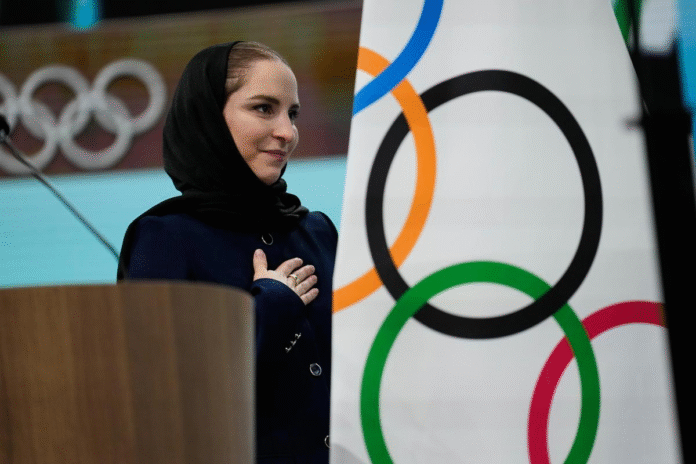
The International Olympic Committee (IOC) has elected its first female member from Iran, marking a historic milestone for both the country and the global Olympic movement. Soraya Aghaei was elected on February 4, 2026, becoming not only the first Iranian woman to join the IOC but also its youngest current member.

Historic Election To The IOC

Soraya Aghaei was elected as the 107th member of the “International Olympic Committee” by an overwhelming 95–2 vote. She is only the third-ever Iranian representative to be part of the IOC and the first since 2004. Her election reflects the IOC’s continued push towards inclusivity, generational renewal, and broader geographic representation within its ranks.

Profile Of Soraya Aghaei

At 30 years of age, Aghaei is a member of the Iranian Olympic Committee’s Athletes’ Commission. She made history earlier as Iran’s first female badminton Olympian, competing at the “Tokyo Summer Olympics”. Her sporting background and athlete-centric experience position her as a key voice in deliberations concerning athlete welfare and governance reforms within the Olympic system.

Changing Dynamics Of IOC Membership

Aghaei joins the IOC at a time of significant institutional transformation. The body is currently led by “Kirsty Coventry”, the first woman president in the IOC’s 132-year history. Women now constitute 45% of the total IOC membership, reflecting steady progress towards gender balance. Aghaei also became the youngest IOC member at the same session where Afghanistan’s “Samira Asghari” was re-elected for a second term.

Important Facts

  • The International Olympic Committee was founded in 1894.
  • IOC members elect host cities for future Olympic Games.
  • Women currently form about 45% of IOC membership.
  • The 2036 Summer Olympics host will be decided by the IOC.

Term And Broader Significance

Aghaei’s eight-year term will include voting rights in key IOC decisions, including the selection of the host city for the 2036 Summer Games. Her election is also symbolically important for Iran, particularly women athletes, highlighting expanding representation from West Asia in global sports governance.

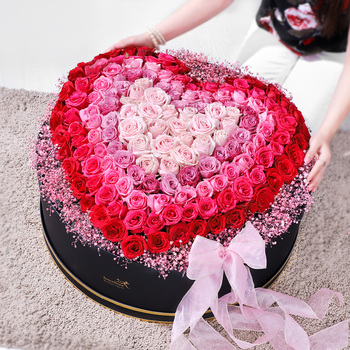
Happy Rose Day 2026: Beautiful Wishes That Speak Love Straight From the Heart

0

Happy Rose Day Wishes: As the first day of Valentine’s Week, Rose Day (celebrated on February 7th) holds a special place in the hearts of lovers. It’s a day dedicated to expressing love, affection, and admiration with the timeless symbol of a rose.

Roses and their vibrant colors have a special way of conveying deep emotions. To help you celebrate, here’s a collection of heartfelt, romantic, and beautiful Happy Rose Day quotes that will surely make your loved ones feel cherished.

Happy Rose Day 2026: Beautiful Wishes That Speak Love Straight From the Heart

Whether you’re looking to send a romantic message along with roses or crafting the perfect words to make their heart skip a beat, these Rose Day wishes for your Valentine will surely help you make the moment unforgettable.

Romantic Rose Day Wishes

  • “Like the petals of a rose, my love for you is endless, and it will never fade. Wishing you a Happy Rose Day, my forever Valentine.”
  • “Roses are a reminder that even thorns can’t dim beauty.”
  • “Every rose I give you today symbolizes a promise of my eternal love and devotion. Happy Rose Day, my love!”
  • “With every petal, I send you a piece of my heart. You are my rose, my forever love. Wishing you the happiest Rose Day.”
  • “Every petal of this rose symbolizes my endless love for you.”
  • “You are the rose that fills our family with fragrance and happiness.”
  • “You are the most beautiful rose in the garden of my life, and I will cherish you forever. Happy Rose Day, my heart.”
  • “A rose for my valentine, a promise of love and care, a lifetime together, and a love that will forever be there. Happy Rose Day!”
  • “May this Rose Day blossom into a year full of love and togetherness.”
Happy Rose Day 2026: Beautiful Wishes That Speak Love Straight From the Heart

Heartfelt Rose Day Wishes for Your Soulmate

For your soulmate, words of sincerity and deep affection are the key. Express how much they mean to you with these heartfelt wishes:

  • “From the moment you entered my life, everything became brighter, just like the beauty of a rose. Happy Rose Day, my soulmate.”
  • “Roses fade, but my love for you remains fresh forever”
  • “You are the rose that makes my life bloom. I am forever grateful for your love and care. Wishing you the happiest Rose Day!”
  • “Like a rose that never fades, my love for you will only grow stronger with time. Happy Rose Day, my one and only.”
  • “You are the reason my heart blooms like a rose. I cherish you more than words can say. Happy Rose Day to my soulmate.”
  • “May the petals of roses bring you peace, love, and endless joy.”

Cute Rose Day Wishes to Make Your Valentine Smile

  • “Roses are red, violets are blue, sugar is sweet, and so are you! Happy Rose Day, my sweet Valentine.”
  • “You are the sunshine that makes my heart bloom. Happy Rose Day to the one who fills my life with love.”
  • “I am sending you a bouquet of roses to say: You’re the best part of my day! Happy Rose Day!”
  • “A rose can say so much, but you, my love, say everything to me. Wishing you a day filled with smiles, love, and roses.”
  • “Like a rose, you brighten my life with your beauty and love. Happy Rose Day, my love!”

Short and Sweet Rose Day Wishes

  • “You are my rose, my everything. Happy Rose Day!”
  • “Wishing you a Rose Day as beautiful as you are.”
  • “You make my world a more beautiful place, just like a rose. Happy Rose Day!”
  • “With each passing day, my love for you blooms even more. Happy Rose Day!”
  • “You are my favorite person in this world, and my love for you is endless. Happy Rose Day!”

Funny Rose Day Wishes for a Lighthearted Moment

  • “Roses are red, violets are blue, I’m terrible at poems, but I still love you! Happy Rose Day!”
  • “Roses are red, violets are blue, I’m sending you this rose, so you’ll think of me too! Happy Rose Day!”
  • “Roses are red, violets are blue, I’m the thorns in your life, but you still love me too. Happy Rose Day, my dear!”
  • “I’m sending you this rose because I couldn’t afford a dozen! Happy Rose Day!”
  • “You’re the one rose that’s always blooming in my heart, even when I’m being a bit of a thorn. Happy Rose Day!”

Rose Day Wishes for a Long-Distance Valentine

  • “Even though we’re miles apart, my love for you blooms like a rose every day. Happy Rose Day, my dearest.”
  • “No distance is too far when it comes to loving you. Sending you roses and all my love this Rose Day.”
  • “A thousand roses couldn’t express how much I love you, but I’m sending them to you anyway. Happy Rose Day, my love.”
  • “Even though we’re apart, you’re always close to my heart. Wishing you a wonderful Rose Day from miles away.”
  • “Even across miles, you’re always blooming in my heart.”
  • “Roses are a reminder that love blooms everywhere.”
  • “Roses may not travel the distance, but my love for you does. Happy Rose Day, my Valentine!”

Rose Day Wishes for a New Relationship

  • A new chapter, a new bloom, a new love – I’m so excited to spend this Rose Day with you. Here’s to many more!”
  • “You’re like a beautiful rose, and I’m lucky to have you in my life. Happy Rose Day, my love!”
  • “Our love is like this rose, beautiful, bright, and full of promise. Wishing you the happiest Rose Day.”
  • “I’m so happy we found each other, and I can’t wait to see where our love blooms. Happy Rose Day!”

Rose Day is not just about gifting roses; it’s a chance to speak from the heart and make your Valentine feel adored. Whether you’re sending a heartfelt message, a playful wish, or a romantic sentiment, your words have the power to make this Rose Day extra special.

So, take a moment to express your love and appreciation. Whether near or far, let your Valentine know just how much they mean to you. Happy Rose Day!

Mahamagha Mahotsavam 2026 Revives Ancient Tradition After 270 Years!

0

Mahamagha Mahotsavam 2026: Historic Revival on Bharathapuzha Banks Ends with Sacred Amrit Snan – A New Chapter in Southern Spirituality

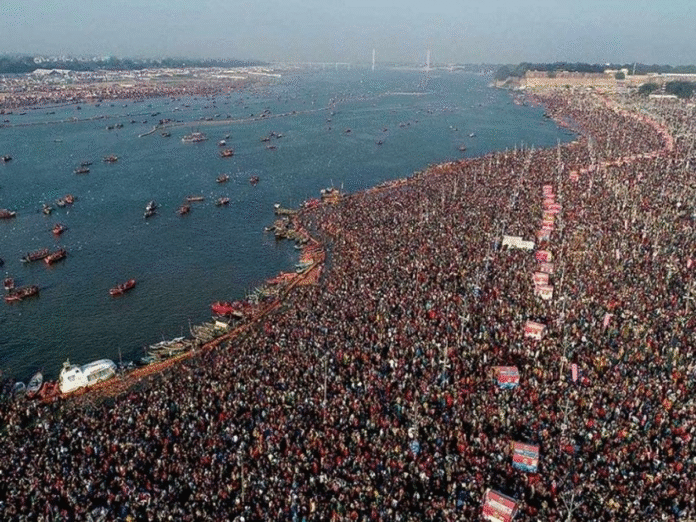
On February 3, 2026, the Mahamagha Mahotsavam (also known as Mahamagh Mahotsav or Kerala’s Kumbh Mela) successfully concluded on the sacred banks of the Bharathapuzha (Nila River) in Thirunavaya, Malappuram district. This grand 17-19 day spiritual gathering, often hailed as South India’s first Kumbh-like festival, drew lakhs of devotees daily and marked the triumphant revival of a centuries-old tradition dormant for nearly 270 years.


The festival, organised under the leadership of Juna Akhada and spearheaded by Mahamandaleshwar Swami Anandavanam Bharati (also referred to as Anand Vaman Bharati), transformed the small town of Thirunavaya (population around 37,000) into a vibrant pilgrimage hub. With massive crowds-exceeding 3-4 lakh per day-participating in holy dips, rituals, and discourses, it symbolized the resurgence of Kerala’s ancient Hindu spiritual heritage.

Revival of 271 Year-Old Legacy: From Dormancy to Divine Gathering

Historically, the Mahamagha (or Maha Makham/Mamankam-linked) festival was a grand event held every 12 years, comparable in scale to North India’s Kumbh Mela. The last major observance is believed to have occurred around 1755, after which it faded due to historical disruptions like invasions (e.g., Hyder Ali) and British colonial concerns over large gatherings and law-and-order issues.Swami Anandavanam Bharati, Mahamandaleshwar of Juna Akhada, played a pivotal role in its revival, describing the tradition as 259 years old and re-establishing it in a full Kumbh-style format.Supported by spiritual figures like Mata Amritanandamayi and various sanyasi communities, the event aimed not just at rituals but at reconnecting the event aimed not just at rituals but at reconnecting Kerala with its deep-rooted cultural and dharmic identity.

According to legend, Lord Parashurama performed the first yajna here for global welfare, and during Magha month, the confluence of seven sacred rivers in the Bharathapuzha-known as Dakshina Ganga (Southern Ganga)-makes holy dips exceptionally auspicious, granting spiritual purification and moksha.

Key Highlights and Grand Finale

Duration: Rituals began as early as January 16 (with Pithru Bali), formal inauguration on January 19, and continued until February 3, 2026.

Inauguration: Kerala Governor Rajendra Vishwanath Arlekar hoisted the sacred Dharma Dhwaja at the Navamukunda Temple premises, symbolizing victory of dharma and unity.

Major Attractions: Daily Magha Snanam (holy baths from morning to evening), Nila Aarti, Vedic chants, Yati Puja, Upanishad discourses, Pithru Bali, and the spectacular Mahameru Rath Yatra in Peshwai style.

Climax on Final Day: The festival culminated

with the highly auspicious Maghamakam Amrit Snan (Amrita Snanam) at 8 AM on February 3 at the Aarti Ghat, coinciding with Makam Nakshatra and Dvitiya Tithi. This was followed by Yati Puja and evening Nila Aarti, leaving devotees in profound spiritual ecstasy.

The ancient Navamukunda Temple in Thirunavaya, also famous for the traditional Mamankam festival every 12 years, served as the epicenter, enhancing the site’s religious significance.

Bharathapuzha: Dakshina Ganga Becomes a Beacon of Faith

The 209-km-long sacred river, originating in Tamil Nadu and flowing through Kerala, witnessed an unprecedented surge of devotion. Devotees described the experience as akin to bathing in the Ganga at Prayagraj, with the riverbanks echoing with chants, bhajans, and collective prayers.
Swami Anandavanam Bharati emphasized that this was more than rituals-it was a movement to restore Kerala’s ancient spiritual roots. Organizers announced plans for even greater splendor in future editions, with a full-scale Prayagraj-style Maha Kumbh targeted for 2028.

A Triumph of Faith and Heritage

Despite some environmental and political discussions around the massive crowds and river impact, the 2026 Mahamagha Mahotsavam stands as a resounding success-a powerful affirmation of Sanatan Dharma’s enduring vitality in South India. It has not only revived a lost tradition but also ignited renewed interest in Kerala’s spiritual legacy, drawing pilgrims from across the country and beyond.

Remembering Lata Mangeshkar on Her Fourth Death Anniversary: The Voice That Defined Generations

0

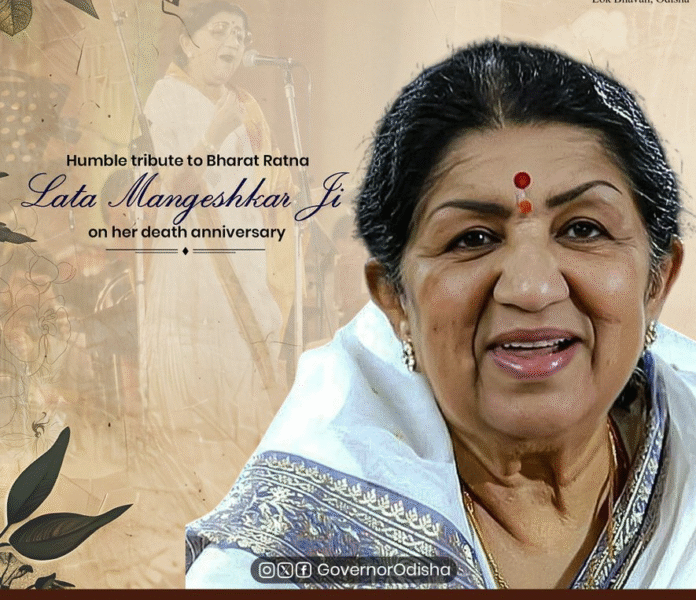
Lata Mangeshkar: February 6, 2026, marks the fourth death anniversary of legendary singer Lata Mangeshkar, fondly remembered as the ‘Nightingale of India’. The iconic playback singer passed away on February 6, 2022, at the age of 92, leaving behind a musical legacy that continues to resonate across generations, languages and borders.

Even four years after her passing, Lata Mangeshkar’s voice remains timeless—woven deeply into India’s cultural and emotional fabric. Fans, musicians and admirers across the world remember her not just as a singer, but as a symbol of melody, grace and dedication.

Early Life and Musical Beginnings

Lata Mangeshkar was born on September 28, 1929, in Indore, then part of British India. She was introduced to music at a very young age by her father, Pandit Deenanath Mangeshkar, a renowned classical singer and theatre artist. After his untimely death, Lata took on the responsibility of supporting her family, a journey that led her into the world of Indian cinema.

Her early struggles soon gave way to unprecedented success, as her distinctive voice began shaping the sound of Hindi film music.

A Musical Journey Spanning Seven Decades

Over a career that lasted nearly seven decades, Lata Mangeshkar recorded more than 30,000 songs in over 36 languages, including Hindi, Marathi, Tamil, Bengali, Kannada and Urdu. She became one of the most recorded artists in music history.

Her collaborations with legendary composers such as S. D. Burman, Madan Mohan, Naushad, Laxmikant-Pyarelal and Shankar-Jaikishan defined the golden era of Bollywood. Whether romantic melodies, classical compositions or patriotic anthems, her voice conveyed emotion with unmatched purity and depth—earning her the title ‘Swar Kokila’.

Awards and Recognition

Lata Mangeshkar received numerous national and international honours, including the Bharat Ratna, India’s highest civilian award. She was also a multiple-time Filmfare Award winner and recipient of several national recognitions for her contribution to Indian music.

10 Iconic Songs That Define Lata Mangeshkar’s Legacy

  • Lag Jaa GaleWoh Kaun Thi (1964)
  • Ajeeb Dastaan Hai YehDil Apna Aur Preet Parai (1960)
  • Aap Ki Nazron Ne SamjhaAnpadh (1962)
  • Aaj Kal Paon Zameen Par Nahin PadteGhar (1978)
  • Sheesha Ho Ya Dil HoAsha (1980)
  • Piya Tose Naina Laage ReGuide (1965)
  • Tere Bina Zindagi SeAandhi (1975)
  • Ae Mere Watan Ke Logon (1963)
  • Humko Humise Chura LoMohabbatein (2000)
  • Naam Gum JayegaKinara (1977)

A Voice That Lives Forever

On her fourth death anniversary, Lata Mangeshkar is remembered not only for her extraordinary voice but for the emotions she brought alive through music. Her songs continue to comfort, inspire and unite listeners, ensuring that the Nightingale of India lives on—forever in melody.

Tiny Invaders in Every Breath and Bite: You Can Fight Back Against Microplastics!

0

Small, everyday swaps can significantly cut your exposure to these hidden invaders lurking in food, water, and air-here’s how to start protecting yourself today.

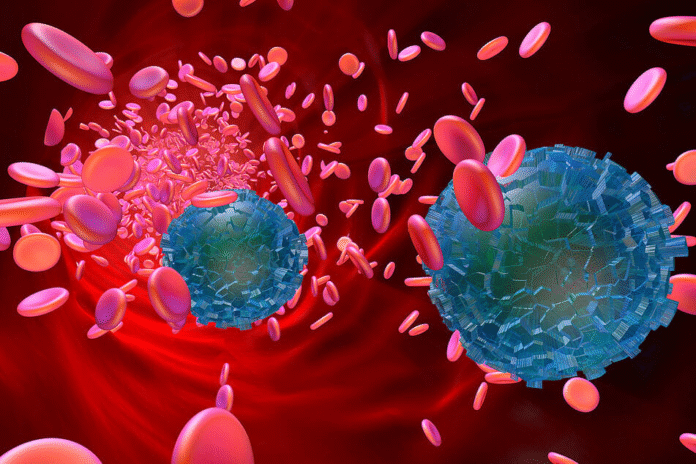
Microplastics—tiny plastic particles found in food, water, and air—have been detected in human organs such as the lungs, brain, blood, and placenta. They enter the body through ingestion, inhalation, and skin contact. Studies suggest they may cause inflammation, oxidative stress, DNA damage, and hormonal disruption, as they can carry toxic chemicals like BPA and phthalates. Although human evidence is still limited, their widespread presence raises serious concerns about long-term health, fertility, and organ function.

Tiny Invaders in Every Breath and Bite: You Can Fight Back Against Microplastics!

Here are some effective steps you can take right now to lower the amount of microplastics entering your system:

Ditch plastic containers for glass or metal alternatives

Switch to glass jars, stainless steel tins, or ceramic storage for food and leftovers. These materials don’t leach microplastics like plastic does, especially when storing or reheating meals.

  1. Never heat food in plastic packaging

Avoid microwaving or pouring hot items into plastic containers or wrap. Heat accelerates the release of microplastics and chemicals. Use glass or ceramic dishes instead for safe reheating.

  1. Opt for loose-leaf tea over plastic tea bags

Many tea bags (especially those sealed with plastic) release billions of microplastic particles into your cup when steeped in hot water. Switching to loose-leaf tea in a metal infuser or reusable strainer is an easy, effective change.
These small actions won’t make microplastics disappear entirely, but they can meaningfully reduce your daily intake. Start with one or two changes that fit your routine, and build from there. Your body-and the planet-will thank you for these mindful steps toward a less plastic-dependent life.

Microplastics in Our Bodies: Widespread Presence, Plausible Risks, Unproven Causation

Microplastics and nanoplastics are now confirmed in human blood, lungs, brain, placenta, breast milk, heart, and other organs, entering via ingestion, inhalation, and contact. Lab and animal studies show clear potential for inflammation, oxidative stress, DNA damage, hormone disruption (from additives like BPA/phthalates), and links to reproductive, developmental, cardiovascular, and other issues.

While some human observational data (e.g., microplastics in arterial plaque tied to higher heart risks) raise alarms, recent 2025-2026 critiques highlight contamination concerns in high-profile detections, methodological doubts, and no definitive causal proof in humans yet. This remains a serious emerging long-term concern warranting urgent research and exposure reduction, but not a settled health crisis.

Khooni Darwaza: The Bloody Gate’s Dark Ritual

0

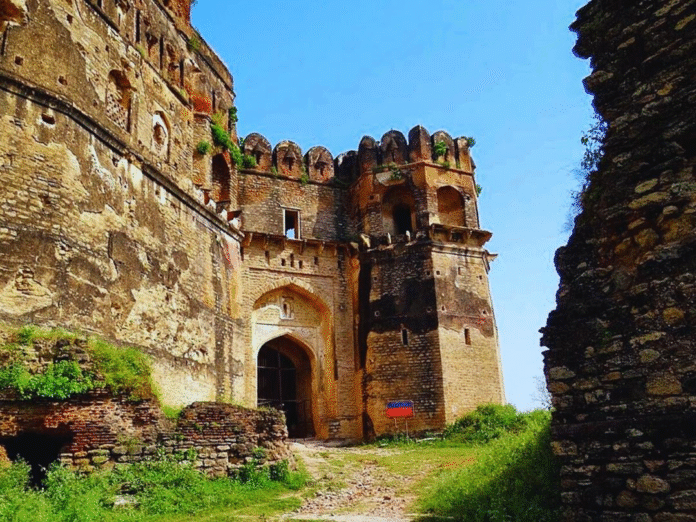
At the center of Ater Fort’s lore lies the infamous Khooni Darwaza (Bloody Gate), a red sandstone entrance that has whispered chilling tales for over 400 years. According to local legends and historical traditions of the Bhadauria rulers, this gate earned its gruesome name through a secretive ritual tied to espionage and royal secrecy.


On certain auspicious nights-particularly Kartik Amavasya (Diwali’s new moon night)-the gate was said to “bleed,” with drops of blood mysteriously trickling from above. In reality, the kings ordered a sheep’s head to be placed atop the gate, allowing its blood to drip into a bowl positioned below. Spies (guptchars) arriving with critical intelligence on enemies or state affairs were required to anoint themselves with this blood as a tilak before entering to meet the king. This macabre custom served dual purposes: it ensured loyalty through a shared, hidden rite and prevented outsiders or enemies from infiltrating secret meetings. Common folk were deliberately kept in the dark about the “flowing blood,” preserving the aura of mystery and fear that protected the kingdom’s intelligence network.

This ritual transformed the Lal Darwaza (Red Gate) into the dreaded Khooni Darwaza, a symbol of the fort’s shadowy world of intrigue amid the turbulent Rajput-Mughal era.

Khooni Darwaza: The Bloody Gate's Dark Ritual

Prime Location

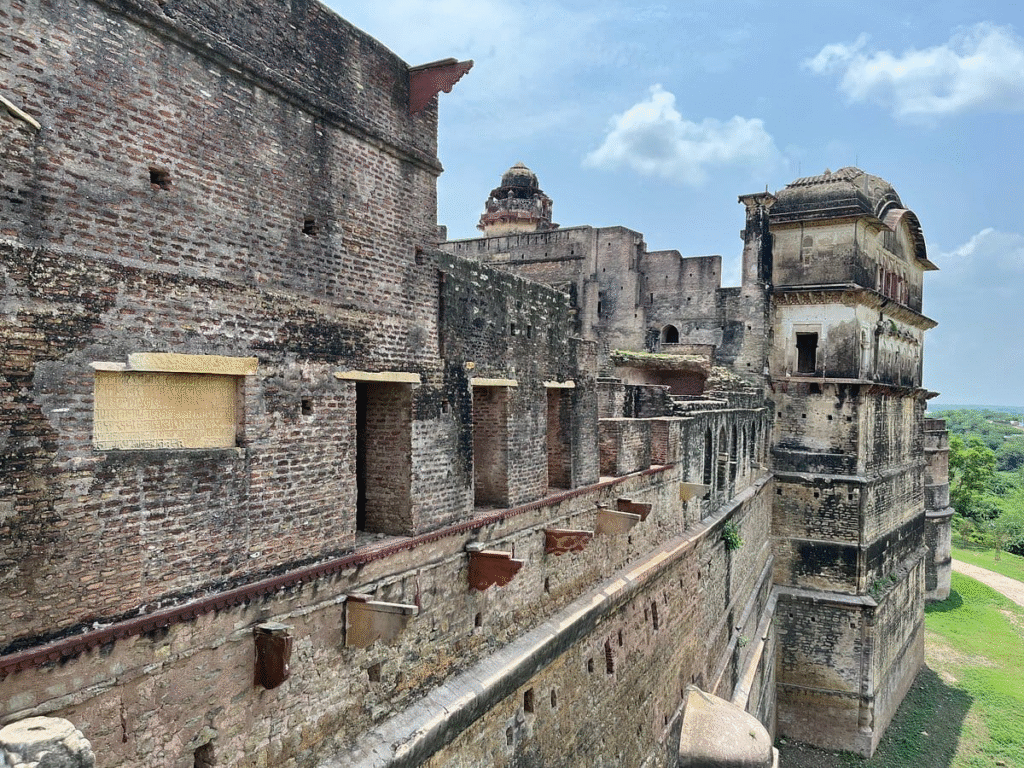
Ater Fort is tucked away in the small town of Ater, in Bhind district, northern Madhya Pradesh, India. It sits strategically amidst the deep, winding ravines carved by the mighty Chambal River, about 35 km west of Bhind city (roughly 30-35 km via road). This hidden gem lies close to the Madhya Pradesh-Uttar Pradesh border, offering panoramic views of the surrounding badlands and river valleys that once provided natural defense.

Architectural Marvel: A Fusion of Rajput Grandeur and Mughal Elegance

Constructed using local stone, bricks, mud, and lime, Ater Fort exemplifies Bundeli style with strong Rajput roots and subtle Mughal touches. Its key features include:
Towering defensive walls and regularly spaced bastions for robust protection.
The iconic Khooni Darwaza and Hathiapor (elephant entrance).
The impressive seven-storey Barah Khamba Mahal tower, offering panoramic views of the Chambal ravines (though now unsafe to climb).
Palaces like Badan Singh ka Mahal, Raja ka Bangla, and Rani ka Bangla, along with Diwan-e-Aam, Diwan-e-Khas, courtyards, and beautiful arches, murals, and carvings.

The fort’s design reflects a perfect balance of defense and aesthetics, making it a unique example of 17th-century military architecture in the Chambal region.

Ancient Roots: A Link to the Mahabharata Era?

Beyond its documented history, Ater Fort carries deeper mythological significance. Originally called Devagiri, the site is believed by locals and some historical accounts to be the same Devagiri hill referenced in the Mahabharata. This ancient connection ties the fort to the epic age of the Yadavas and Chedis, adding layers of timeless allure to its story.

Nearby Attractions: Exploring the Rich Heritage of Bhind and Chambal

A visit to Ater Fort pairs perfectly with other gems in the region:
Vankhandeshwar Temple (Bhind) – A historic Shiva temple built by Prithviraj Chauhan in 1175 AD.
Bateshwar Temple Complex (Morena) – Over 200 ancient Shiva and Vishnu temples.
Mitavali & Padawali – The famous Chausath Yogini Temple and ancient ruins.
National Chambal Sanctuary – Enjoy boating on the Chambal River and wildlife spotting.
Gohad Fort – Another historic stronghold in Bhind district.
Renuka Mata Temple (Jamdhara) – Revered as the birthplace of Parashurama.

Best Time to Visit

The ideal window to explore Ater Fort and its surroundings is October to March, when the weather is pleasant, avoiding the extreme summer heat and monsoon challenges of the ravines.
Ater Fort isn’t just ruins-it’s a portal to a world of royal secrets, blood-soaked rituals, and enduring Rajput pride. If you’re drawn to offbeat history and atmospheric adventures, this hidden jewel of Madhya Pradesh awaits your discovery!

RCB’s Record-Breaking Chase: Smriti Mandhana Leads Royal Challengers Bengaluru to Second WPL Title in Thrilling Final!

0

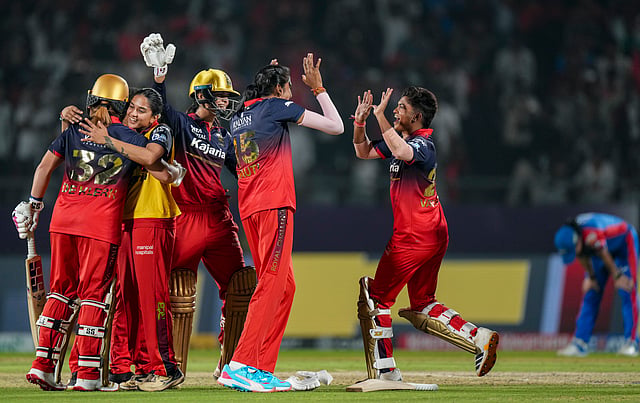
Royal Challengers Bengaluru (RCB), under the inspiring captaincy of Smriti Mandhana, scripted a historic victory in the Women’s Premier League (WPL) 2026 final. They defeated Delhi Capitals (DC) by 6 wickets at the BCA Stadium (Kotambi Stadium) in Vadodara on February 5, 2026, chasing down a massive 204-run target – the highest successful run-chase in WPL history.

Dramatic Finish in the Final Over

The match went down to the wire. Entering the last over, RCB needed 10 runs. Radha Yadav delivered under pressure, smashing back-to-back boundaries off the bowling to seal the victory with 2 balls to spare. RCB finished at 204/4 in 19.4 overs.

This triumph marked RCB’s second WPL title, placing them level with Mumbai Indians as the joint-most successful team in the league’s history.

Delhi’s Heartbreak Continues

For Delhi Capitals, it was yet another agonizing defeat in the final – their fourth consecutive runners-up finish across WPL seasons. Despite reaching the summit clash every year, the title continues to elude them.

Final Scorecard Summary
Delhi Capitals (DC): 203/4 (20 overs)
Jemimah Rodrigues: 57
Laura Wolvaardt: 44
Chinelle Henry: 35*
Royal Challengers Bengaluru (RCB): 204/4 (19.4 overs)
Smriti Mandhana: 87 (41 balls)
Georgia Voll: 79 (54 balls)
Radha Yadav: 12*
Result: Royal Challengers Bengaluru won by 6 wickets.

Awards and Accolades

Orange Cap (Leading Run-Scorer of the Tournament): Smriti Mandhana

Prize Money: Winners RCB received ₹6 crore, while runners-up DC got ₹3 crore.

Smriti Mandhana’s captaincy innings in the final, combined with her tournament dominance, cemented her as the standout performer. RCB’s victory was a fitting reward for their resilience and flair, delivering one of the most memorable chases in women’s T20 cricket!

RCB Wins WPL 2026: Smriti Mandhana Trends As Champion on Social Media. Watch Posts, Pics and Videis

0

Smriti Mandhana leads from front as RCB wins second WPL crown. Chasing a target of 203, RCB romped home by 6 wickets with 2 balls to spa

RCB Wins WPL 2026: Smriti Mandhana Trends As Champion on Social Media. Watch Posts, Pics and Videis

WPL 2026 Prize money: Know How Much Will The Winner and Runner-up Earn?

0

The stage was set for an epic showdown as Royal Challengers Bengaluru (RCB) lifted their 2nd title by beating Delhi Capitals by 6 wickets in the Women’s Premier League 2026 final at the BCA Stadium in Vadodara today. This final was the culmination of an intense league campaign and knockout stages, with both teams eyeing the coveted silverware and the significant prize money that comes with the victory, as awarded by the Board of Control for Cricket in India (BCCI). 

WPL 2026 Final Prize Money 

The BCCI has announced a hefty prize pool for the 2026 Women’s Premier League, with a total of INR 10 crore earmarked for distribution. The prize money has been divided across team and individual achievements, showcasing the financial growth of the league.

Breakdown of Prize Money 

The prize pool has been allocated across different categories, with the champions taking home the largest share. Below is the detailed breakdown of the prize money:


Prize CategoryAmount (INR)
WPL Champion (RCB)₹6 crore
WPL Runners-up (DC)₹3 crore
Player of the Tournament₹5 lakh
Orange Cap Winner₹5 lakh
Purple Cap Winner₹5 lakh
Player(s) with Most Sixes₹5 lakh
Player with Best Strike Rate₹5 lakh
Man of the Match in WPL Final₹2.5 lakh


The winner of the WPL 2026 Final, RCB will walk away with a massive INR 6 crore, making it the largest chunk of the prize pool. The runners-up Delhi Capitals will not leave empty-handed, receiving INR 3 crore for their valiant efforts throughout the season. 

The individual accolades also offer significant financial rewards. The Player of the Tournament and the Orange and Purple Cap winners will each be awarded INR 5 lakh, while players who hit the most sixes or have the best strike rate will also bag a similar amount.

Ronald Reagan Day: How a Small-Town Boy Became America’s “Great Communicator”

0

On February 6, 1911, Ronald Wilson Reagan—who later became the 40th President of the United States—was born in the small town of Tampico, Illinois. Reagan’s journey from a modest Midwestern upbringing to the White House remains one of the most compelling political stories in American history.

Known as the “Great Communicator,” Ronald Reagan reshaped American politics in the 1980s through his powerful oratory, conservative ideology, and optimistic vision for the nation. His leadership helped restore public confidence in the U.S. presidency after years of political turmoil following the Vietnam War, the Watergate scandal, and economic instability.

Early Life and Education

Despite growing up in a financially struggling family, Reagan later described his childhood as happy and value-driven. He attended Eureka College, where he played football and developed strong communication skills that would define his future career. Reagan graduated during the Great Depression, a time when job opportunities were scarce.

From Radio to Hollywood Stardom

Reagan began his professional life as a radio sports broadcaster in Iowa, covering football and baseball games. A chance trip to Los Angeles during the Chicago Cubs’ spring training opened the doors to Hollywood. In 1937, Warner Brothers signed him to a seven-year contract.

Over the next two decades, Reagan appeared in more than 50 films, with his most iconic role being football legend George Gipp in Knute Rockne – All American. The famous line “Win one for the Gipper” later became a defining slogan in his political career.

Rise as a Political Leader

Beyond acting, Reagan emerged as a key figure in Hollywood labor politics, serving six terms as president of the Screen Actors Guild. During the anti-Communist investigations of the late 1940s, he testified before the House Un-American Activities Committee.

In the 1950s, Reagan gained national recognition as host of General Electric Theater, traveling across the United States as a corporate spokesperson. Originally a Democrat, he formally joined the Republican Party in 1962, marking a turning point in his public life.

Entry Into Politics and Path to the White House

Reagan’s political breakthrough came in 1964 with a televised speech supporting Republican presidential candidate Barry Goldwater. Two years later, he was elected Governor of California, serving two terms.

After losing the 1976 Republican nomination to President Gerald Ford, Reagan staged a strong comeback. In 1980, he defeated Democratic incumbent Jimmy Carter, ushering in a new conservative era in American governance.

Presidency and Global Impact

At 69, Reagan became the oldest U.S. president at the time of inauguration. His leadership style, shaped by years in entertainment, helped him connect deeply with the public. Despite controversies such as the Iran-Contra affair, Reagan maintained high approval ratings and earned the nickname “The Teflon President.”

His foreign policy legacy includes a key role in the end of the Cold War, improved relations with the Soviet Union, and landmark arms reduction agreements. Domestically, his economic policies—popularly known as Reaganomics—continue to be debated by economists and historians.

Later Life and Legacy

Reagan left office in 1989, succeeded by his vice president George H.W. Bush. In 1994, he publicly announced that he had been diagnosed with Alzheimer’s disease, stepping away from public life.

Ronald Reagan died on June 5, 2004, at the age of 93. Today, on his birth anniversary, he is remembered as one of the most influential U.S. presidents—an actor-turned-leader whose communication skills and political vision left a lasting imprint on American history.