Home Blog Page 53

International Day of Women and Girls in Science: Empowering Equality in STEM

0

PC( The United Nation , Instagram)

International Day of Women and Girls in Science: Empowering Equality in STEM

Celebrated annually on February 11, this UN-designated day champions the full and equal participation of women and girls in science, technology, engineering, and mathematics (STEM).

The International Day of Women and Girls in Science (IDWGS) is observed every year on February 11. It promotes gender equality and highlights the leadership, achievements, and contributions of women and girls in science, technology, engineering, and mathematics (STEM). The day also seeks to empower women and girls globally to pursue careers in these fields, driving innovation and addressing pressing global challenges through inclusive scientific progress.

About the International Day of Women and Girls in Science

This year marks the 11th International Day of Women and Girls in Science. Achieving gender equality remains essential for advancing science and securing a sustainable future for humanity. Despite progress, women still represent less than one-third of the world’s researchers. IDWGS, observed by the United Nations, emphasizes the critical role of women in science and encourages more girls and women to enter STEM careers. Greater involvement from women fuels innovation, ensures diverse perspectives, and helps tackle issues like climate change, health, and technological development.

History of the International Day of Women and Girls in Science

The United Nations General Assembly officially proclaimed February 11 as the International Day of Women and Girls in Science in December 2015, through resolution 70/212. This built on earlier efforts, including the 2011 Commission on the Status of Women conclusions and a 2013 General Assembly resolution recognizing equal access to science and technology as vital for gender equality and empowerment.

The date February 11 was chosen partly to coincide with the birthday of Marie Curie, a pioneering woman in science. Gender equality has long been a core priority for the UN, as it contributes not only to economic development but also to achieving all goals of the 2030 Agenda for Sustainable Development.

International Day of Women and Girls in Science: Empowering Equality in STEM

Theme for 2026

The theme for the 2026 International Day of Women and Girls in Science is “From Vision to Impact: Redefining STEM by Closing the Gender Gap.”

This theme shifts focus from recommendations and awareness to showcasing practical good practices, solutions, and real-world actions that build more inclusive STEM ecosystems. It builds on prior initiatives, such as UNESCO’s 2024 Call to Action to Close the Gender Gap in Science and the 2025 campaign “Imagine a world with more women in science #EveryVoiceInScience.” Events, including a hybrid gathering at UNESCO Headquarters in Paris, highlight emerging technologies (like Al) and their role in promoting gender equality in STEM.

The day reminds us that closing the gender gap is not just about fairness-it’s essential for the quality, relevance, and impact of scientific progress worldwide.


Mumbai’s Coastal Road Now Sings ‘Jai Ho’! India’s First Musical Road Hits the Streets

0

PC(Indianbanker.com, NDTV )

Drive to the Beat: ‘Jai Ho’ Plays from the Road Itself as Mumbai Unveils Melody Magic.he Surprise Melody on Mumbai’s Iconic Coastal Road.

Commuters zipping along the north-bound arm of the Coastal Road from Nariman Point to Worli are in for a pleasant surprise – the road itself is now playing the iconic tune “Jai Ho”!

India’s First ‘Musical Road’ Comes Alive.

In a groundbreaking first for India, the Brihanmumbai Municipal Corporation (BMC) has installed special “musical strips” – precisely engineered grooves or rumble strips on a 500-metre section of the carriageway, roughly 500 metres ahead of the first lane near the median, just after emerging from the underground tunnel.

How the Road Actually Sings ‘Jai Ho’.

As vehicles cruise over these grooves at the optimal speed of 70-80 kmph, the friction between the tyres and the road surface generates vibrations that transform into sound waves, recreating the unmistakable melody of “Jai Ho” – the Oscar-winning anthem composed by A.R. Rahman for Slumdog Millionaire. The tune is clearly audible inside the vehicle, turning an everyday drive into a rhythmic, joyful experience.

From a Japanese Bulldozer to Mumbai’s Streets.

The innovative concept traces its roots to Japan in 2007, when engineer Shizuo Shinoda accidentally discovered the sound-generating effect while operating a bulldozer on a grooved road surface. What began as a serendipitous find has evolved into “melody roads” worldwide, and Mumbai’s version marks the country’s debut of this quirky engineering marvel.

Mumbai's Coastal Road Now Sings 'Jai Ho'! India's First Musical Road Hits the Streets

Smart Signage Keeps Drivers in Tune.

To ensure drivers are prepared and maintain the right speed, the civic body has erected prominent signboards at 500 metres, 100 metres, and 60 metres ahead of the stretch – all positioned inside the tunnel to alert motorists well in advance.

Engineering Meets Bollywood Magic.

A senior civic official described the project as “a perfect blend of modern engineering and cultural expression,” adding a touch of Bollywood flair to Mumbai’s iconic Coastal Road.

A New Rhythm for Mumbai Commuters.

With this installation, the city not only enhances the commuting experience but also celebrates innovation in infrastructure. So next time you’re heading towards Worli, keep your windows down, maintain a steady speed and let the road serenade you with “Jai Ho”!

Rare European Song Thrush Makes Historic Appearance at Himachal’s Pong Dam Lake

0

PC( The ok travel)

A surprising sighting during a routine bird census adds to the wetland’s avian wonders

Rare European Song Thrush Makes Historic Appearance at Himachal’s Pong Dam Lake

Exciting Discovery at Pong Lake

Birdwatchers across India were greeted with exciting news as a rare Song Thrush (Turdus philomelos), a species that breeds mainly in Europe, made an unexpected appearance at Pong Dam Lake (also known as Pong Lake Wetland) in Himachal Pradesh.

The Sighting and Habitat

The unusual visitor was observed near Sathana village, close to the outflow area of the Shah Nehar Barrage. The area – wet grassy patches interspersed with reeds, low shrubs, and scattered trees provided an ideal micro-habitat for the species. The bird remained visible for a few minutes, allowing observers to capture photographs before it quietly slipped away.

Identification by Experts

Initially unidentified in the field due to its extreme rarity in India, the photographs were later examined by bird experts Abhinav and Himanshu Chaudhary. They confirmed the species based on its distinct features: warm brown upperparts, well-defined wing bars, creamy underparts marked with bold arrowhead-shaped spots, and a characteristic upright thrush posture. A follow-up visit to the site did not yield further sightings.

Breeding Range and Rarity in India

The Song Thrush widely breeds in Europe and West Asia, with wintering populations typically found in southern Europe, North Africa, and West Asia. Indian records are exceptionally scarce. The last known sighting in Himachal Pradesh dates back to August 2018, when birder Ankit Vikrant recorded the species at Rangrik Na in the Spiti Valley.

Pong Dam as a Biodiversity Hotspot

A Ramsar site renowned for hosting thousands of migratory waterbirds every winter, Pong Lake continues to solidify its reputation as one of India’s most significant wintering grounds for both waterfowl and passerines. This new sighting highlights not only the region’s ecological importance but also the role of scrublands and grasslands as crucial habitat patches for rare and migratory species.

A Reminder of Hidden Biodiversity

The surprising appearance of the Song Thrush serves as a reminder of the hidden biodiversity within Himachal’s wetlands, where even a routine bird census can lead to a discovery of national significance.

Limited National Records

Nationwide, fewer than five confirmed sightings exist, with previous records from Ladakh, Bharatpur, Harike, and the Delhi region

Rare European Visitor: Song Thrush Spotted at Pong Dam Lake in Himachal Pradesh

0

PC(The ok travel)

A surprising sighting during a routine bird census adds to the wetland’s avian wonders

Rare European Visitor: Song Thrush Spotted at Pong Dam Lake in Himachal Pradesh

Exciting Discovery at Pong Lake.Birdwatchers across India were greeted with exciting news as a rare Song Thrush (Turdus philomelos), a species that breeds mainly in Europe, made an unexpected appearance at Pong Dam Lake (also known as Pong Lake Wetland) in Himachal Pradesh.

The Sighting and Habitat

The unusual visitor was observed near Sathana village, close to the outflow area of the Shah Nehar Barrage. The area – wet grassy patches interspersed with reeds, low shrubs, and scattered trees provided an ideal micro-habitat for the species. The bird remained visible for a few minutes, allowing observers to capture photographs before it quietly slipped away.

Identification by Experts

Initially unidentified in the field due to its extreme rarity in India, the photographs were later examined by bird experts Abhinav and Himanshu Chaudhary. They confirmed the species based on its distinct features: warm brown upperparts, well-defined wing bars, creamy underparts marked with bold arrowhead-shaped spots, and a characteristic upright thrush posture. A follow-up visit to the site did not yield further sightings.

Breeding Range and Rarity in India

The Song Thrush widely breeds in Europe and West Asia, with wintering populations typically found in southern Europe, North Africa, and West Asia. Indian records are exceptionally scarce. The last known sighting in Himachal Pradesh dates back to August 2018, when birder Ankit Vikrant recorded the species at Rangrik Na in the Spiti Valley.

Limited National Records

Nationwide, fewer than five confirmed sightings exist, with previous records from Ladakh, Bharatpur, Harike, and the Delhi region.

Pong Dam as a Biodiversity Hotspot

A Ramsar site renowned for hosting thousands of migratory waterbirds every winter, Pong Lake continues to solidify its reputation as one of India’s most significant wintering grounds for both waterfowl and passerines. This new sighting highlights not only the region’s ecological importance but also the role of scrublands and grasslands as crucial habitat patches for rare and migratory species.

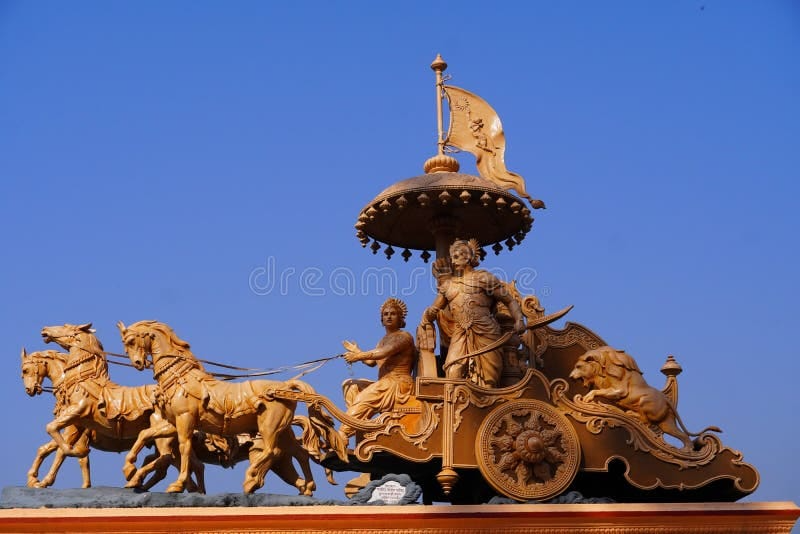
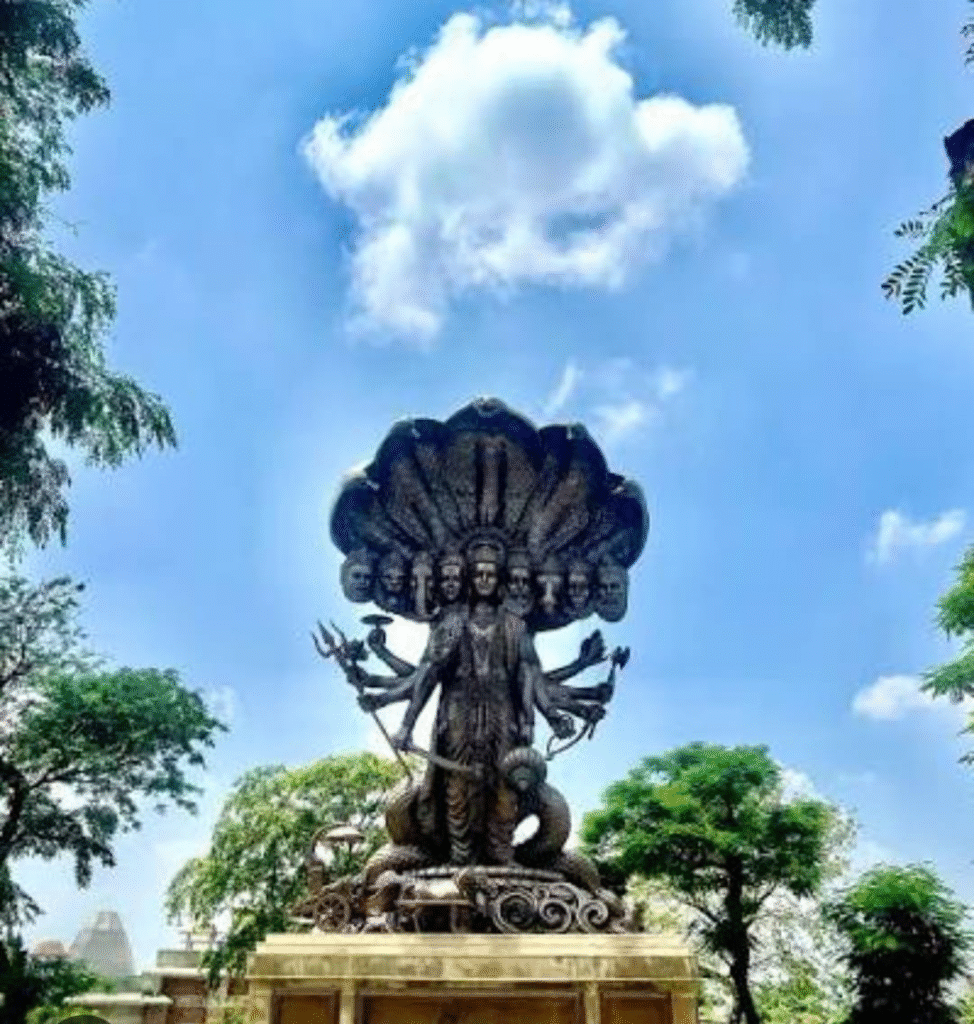
Blending Ancient Faith with Modern Art:Kurukshetra’s New Sculpture Parks Elevate Sacred Sites

0

PC(Dreamstime.com, instagram)

Kurukshetra’s Spiritual Charm Gets a Contemporary Twist

Blending Ancient Faith with Modern Art:Kurukshetra's New Sculpture Parks Elevate Sacred Sites

Kurukshetra, the land of the Mahabharata and sacred tirthas, is steadily emerging as a prime religious tourism hub thanks to its historic shrines, cultural legacy, and Mahabharata-linked sites. Now, contemporary abstract sculptures are infusing these holy places with a fresh, artistic dimension, drawing in both devotees and art enthusiasts.Building on the success of the ‘Gita Shilp Kala Udyan’ which features 21 striking contemporary abstract sculptures at Brahma Sarovar – another set of 16 monumental works is set to grace Saraswati Tirtha in Pehowa.

Saraswati Tirtha: A Pilgrimage Powerhouse Meets Modern Creativity

Saraswati Tirtha in Pehowa holds profound religious significance, attracting lakhs of visitors annually. Pilgrims come from across India to perform post-death rituals for loved ones and honor their ancestors, especially during the vibrant Chaitra Chaudas fair.These new sculptures emerged from a 15-day International Sculpture Symposium, organized by the Department of Art and Cultural Affairs in partnership with the Haryana Saraswati Heritage Development Board. The event formed a key highlight of the Saraswati Mahotsav at Pehowa Tirtha.Artists sourced 17 massive blocks of black Bhainslana marble – totaling nearly 85 tonnes – from Rajasthan. Working from single rock pieces, sculptors from Haryana, Gujarat, Uttar Pradesh, and Chhattisgarh crafted the pieces.

Monumental Creations Born in Just 15 Days

Hirday Kaushal, Art and Cultural Officer (Sculpture) at the Department of Art and Cultural Affairs, Haryana, shared: “The artists have created 16 monumental modern sculptures in black marble, each standing 7 to 16 feet tall. These works offer an artistic and conceptual dialogue for the public, inspired by themes like the excavation of the Saraswati River, Haryana’s culture and civilization, and the ancient Sindhu-Saraswati heritage. We gave the artists complete creative freedom.”

He highlighted the artists’ remarkable dedication: “Typically, such large pieces take 20 to 30 days to complete, but these were finished in just 15 days here a testament to their skill and commitment.”

These initiatives are bolstering Haryana’s artistic and cultural identity, especially in contemporary public sculpture.

Blending Ancient Faith with Modern Art:Kurukshetra's New Sculpture Parks Elevate Sacred Sites

Permanent Installation and Lasting Impact

Although the sculptures are complete, final installation awaits the construction of sturdy pedestals. Designed for permanence, most will form a sculpture park at Pehowa Tirtha, with a few potentially placed at key spots along the Saraswati River. This addition promises to enhance the site’s aesthetic appeal, creating a richer experience for tourists and pilgrims alike.

Each sculpture carries a evocative title, including ‘Aviral Nirmal Gati Pragati’, ‘The Sacred Confluence’, ‘Symphonia Saras’, ‘The Excavation’, ‘Echoes of The Saraswati’, ‘Flow of Knowledge’, ‘Balance of Life’, ‘The Bull as Bearer of Saraswati Heritage’, ‘Prithvi-Stree’, ‘Jagat Janani’, ‘Tradition and Technique’, ‘Flow of Saraswati’, ‘The Akshyavat’, ‘Lipi Se Jeevan’, ‘Rebirth Saraswati Civilisation’, and ‘Save the Saraswati River’.Artist names, concepts, and details will be displayed alongside each piece, and a dedicated catalogue is in the works.

From Brahma Sarovar Success to Pehowa’s New Chapter

The 21 abstract sculptures at Brahma Sarovar, created during the 2021 International Gita Mahotsav, quickly became a major draw for visitors. Inaugurated by President Droupadi Murmu in 2022, they marked Haryana’s first sculpture park and earned widespread praise – paving the way for this second project in Kurukshetra.

Reviving Sculpture Art and Boosting Local Talent

“The department is committed to reviving sculpture art in the state and providing platforms for young Haryana artists,” Kaushal added. “Symposiums like this create jobs, business opportunities, and promote art. These high-quality pieces could fetch lakhs in national and international markets. We’re confident they’ll help preserve traditional practices while introducing contemporary forms and advancing the art scene.

“With these developments, Kurukshetra is not just preserving its ancient spiritual essence it’s boldly embracing modern creativity to captivate a new generation of visitors.

Goa Gets Ready For Shigmo Festival 2026; List Of Dates When The Festivities Will Begin Across The State

0

PC(Goa Gets Ready For Shigmo Festival 2026; List Of Dates When The Festivities Will Begin Across The State,Instagram)

Goa Gets Ready For Shigmo Festival 2026; List Of Dates When The Festivities Will Begin Across The State

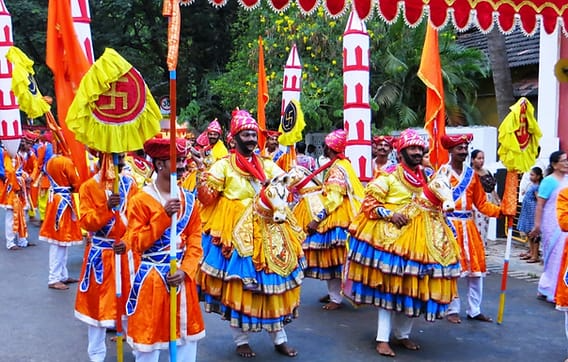
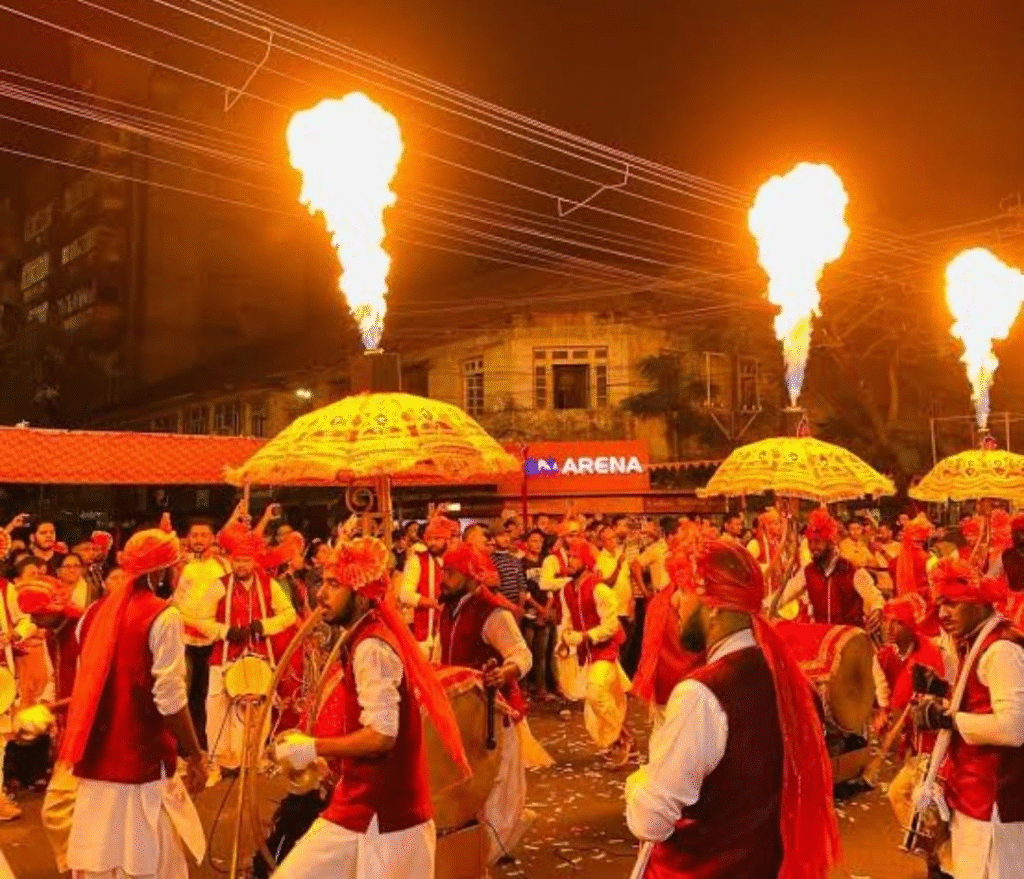
Shigmo festivities are broadly divided into two types: Dhakto Shigmo and Vhadlo Shigmo. Dhakto Shigmo is a more traditional, village-centric celebration marked by folk dances, temple rituals, and community gatherings. Vhadlo Shigmo, on the other hand, is the grand version held in cities like Panaji, Margao, and Vasco, featuring elaborate floats, street parades, and performances.
Goa’s Shigmo Festival is one of the most vibrant and culturally rich celebrations of the state. The festival marks the arrival of spring and the triumph of good over evil. It is often referred to as Goa’s version of Holi, Shigmo is deeply rooted in local traditions and folklore and it offers a colourful glimpse into the region’s heritage beyond beaches and nightlife.

Shigmo Festival: Goa’s Vibrant Celebration of Spring and Heritage

Shigmo, also known as Shigmotsav, is a lively 14-day spring festival celebrated across Goa, typically in March, that joyfully marks the end of winter, the arrival of spring, and the bountiful harvest season for local farmers. Rooted in ancient Hindu traditions and linked to legends such as the Sugriva Mahotsava, it historically welcomed victorious warriors returning from campaigns after Dussehra, blending agricultural gratitude with cultural pride. The festival unfolds in two main forms-Dhakto (smaller) and Vhadlo (bigger or Thorla)-varying by region, with festivities kicking off through Naman rituals at village mand (centers), where folk songs and dances honor local deities like Shantadurga, Ravalnath, and others. Modern celebrations feature spectacular nighttime float parades in towns and cities, adorned with themes from Hindu mythology, rural life, and heroic tales, accompanied by rhythmic beats of dhol, tashe, and kasale. Energetic traditional dances take center stage, including the dramatic Ghode Modni (horse dance), the playful Romat (or Romatmel), Fugdi, Goff, Talgadi, and others performed by participants in colorful costumes, infusing the streets with music, devotion, and community spirit. Culminating around the full moon of Phalguna and often merging into Holi’s colorful frenzy, Shigmo remains a cherished expression of Goa’s rich folklore, agrarian roots, and enduring cultural vibrancy, drawing crowds to witness its grand processions and timeless traditions.

Goa Gets Ready For Shigmo Festival 2026; List Of Dates When The Festivities Will Begin Across The State

Shigmo Festival 2026

Goa is set to celebrate one of the state’s significant festivals, which will feature folk tradition through music, dance, and artistic expressions. The Konkani Hindu community predominantly celebrates the festival. The festival commemorates the return of warriors who had gone to battle and celebrates their victory through music, dance, and grand processions. According to the Hindu lunar calendar, Shigmo usually falls in February or March.
Director of Tourism Naik said that this year, Shigmo will be held from March 5 to March 18, 2026. He said that the festival will be celebrated with colourful float parades across the 19 centres in Goa.

The Goan festival will be held in these regions

The festival will commence from Ponda city on March 5,March 6: Calagute, also known as Queen of Beaches.
March 7: Goa’s capital, Panaji
March 8: Mapusa, a city in North Goa
March 9: Mandrem, a coastal village
March 10: Bicholim is a sub-district, also known as a taluka.
March11: Sanquelim
March 12:Dharbandora and Cuncolim
March 13:Margao
March 14:Porvorim
March 15:Vasco
March 16:Quepem and Canacona
March 17: The festival will conclude on Tuesday at Pernem.

Shigmo festivities are broadly divided into two types: Dhakto Shigmo and Vhadlo Shigmo. Dhakto Shigmo is a more traditional, village-centric celebration marked by folk dances, temple rituals, and community gatherings. Vhadlo Shigmo, on the other hand, is the grand version held in cities like Panaji, Margao, and Vasco, featuring elaborate floats, street parades, and performances.

Blooms in Perfect Harmony: Mumbai’s 29th Flower Show Celebrates ‘Musical Instruments’ Theme in Spectacular Style!

0

PC (Tourist place & Travel guide in, Floweraura)

Blooms in Perfect Harmony: Mumbai's 29th Flower Show Celebrates 'Musical Instruments' Theme in Spectacular Style!

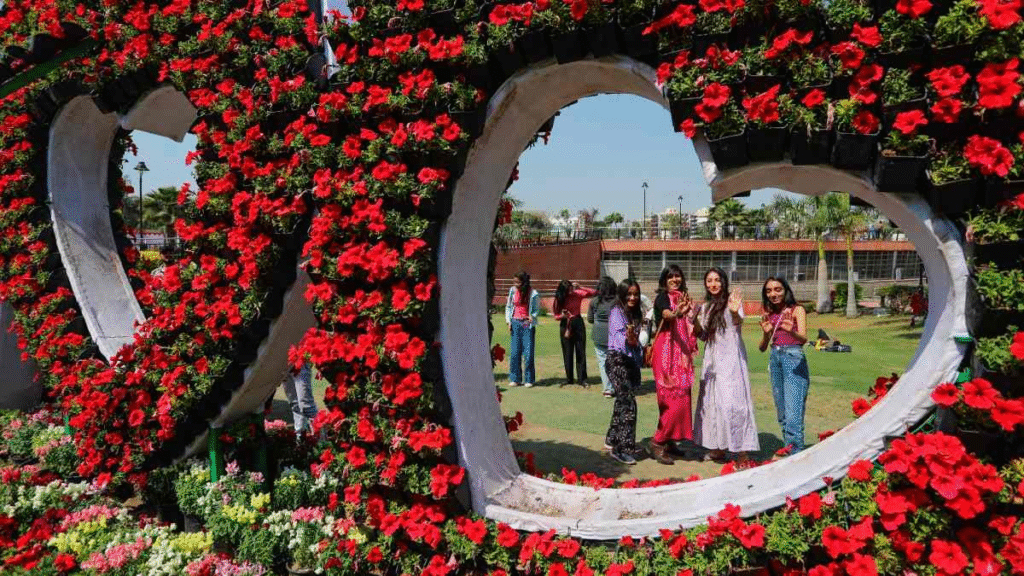
Mumbai’s most vibrant and fragrant annual celebration – the Mumbai Flower Show (also known as Pushpotsav or Mumbai Flower Festival) — dazzled the city once again with its 29th edition. Organised by the Brihanmumbai Municipal Corporation (BMC) in association with the Tree Authority, this three-day extravaganza took place at the iconic Veermata Jijabai Bhosale Udyan & Zoo (Byculla Zoo / Rani Baug) from February 6 to February 8, 2026.

Rani Baug in Full Melody: Over 5,000 Plants, Floral Masterpieces & Gardening Bliss at Mumbai’s Iconic Flower Show

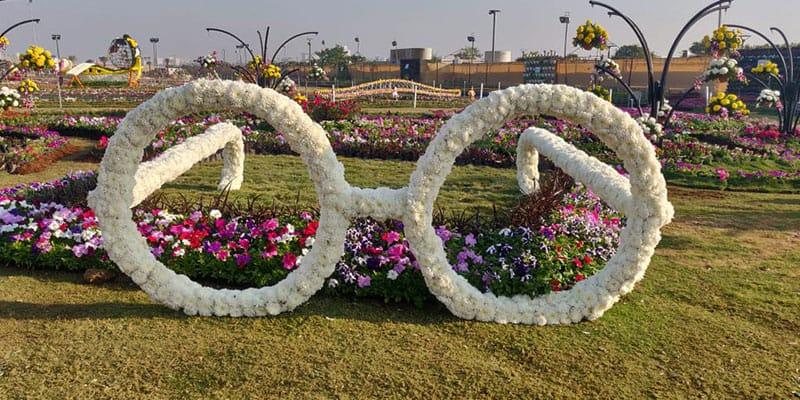
The Mumbai Flower Festival, popularly known as the Rani Baug Flower Show or Pushpotsav, is the city’s most vibrant and fragrant annual celebration, held every year in the first week of February. Organized by the Brihanmumbai Municipal Corporation (BMC) and the Tree Authority at the historic Veermata Jijabai Bhosale Udyan & Zoo (Byculla Zoo or Rani Baug), this three-day extravaganza brings nature’s beauty and serenity into the heart of Mumbai’s bustling life. The 29th edition in 2026 featured the enchanting theme ‘Musical Instruments’, where stunning life-size replicas of instruments like the tabla, sitar, guitar, flute, harmonium, veena, mridangam, trumpet, saxophone, and more-crafted entirely from vibrant flowers and leaves-captivated visitors, alongside a touching floral-and-stone portrait of Bharat Ratna Lata Mangeshkar. Showcasing over 5,000 plants, including seasonal blooms, medicinal herbs,ornamental species, fruit saplings, bonsai, and rare varieties, the festival also offered free horticulture stalls selling plants, fertilizers, tools, and seeds, as well as interactive workshops on gardening, vertical gardening, flower arrangement, microgreens, bonsai, jeevamrut, Ayurvedic plant care, and more-perfect for beginners and experienced gardeners alike. With completely free entry and open daily from 8:00 AM to 8:00 PM, this beloved event not only spreads environmental awareness but has firmly established itself as a cherished highlight on Mumbai’s cultural calendar.

Blooms in Perfect Harmony: Mumbai's 29th Flower Show Celebrates 'Musical Instruments' Theme in Spectacular Style!

This Year’s Magical Theme: ‘Musical Instruments’

The 2026 edition revolved around the enchanting theme ‘Musical Instruments’, beautifully merging Mumbai’s deep love for music with the artistry of nature. Life-size replicas of famous instruments were crafted using thousands of vibrant flowers, leaves, and natural materials leaving every visitor spellbound. Some of the standout displays included:

Tabla sets blooming in marigold and chrysanthemum patterns. Harmonium (peti), guitar, sitar, veena, flute (bansuri), mridangam, taal, clarinet, trumpet, saxophone, and moreA touching floral-and-stone portrait of Bharat Ratna Lata Mangeshkar (especially meaningful as the show opened on her death anniversary)Special tributes to legends like Ustad Zakir Hussain in select installations.

What Visitors Experienced

Held at the same historic Byculla garden for the past 28 years, this edition proudly showcased over 5,000 plants, featuring:

Seasonal flowers in full bloom
Medicinal herbs and plants
Ornamental and rare species
Fruit saplings, bonsai, miniature models, aquascapes, and more
Additional highlights included:
Horticulture stalls selling plants, organic fertilizers, seeds, gardening tools, pots, and accessories

Hands-on workshops covering microgreens, plant propagation, bonsai techniques, jeevamrut
Hands-on workshops covering microgreens, plant propagation, bonsai techniques, jeevamrut preparation, Ayurvedic plant care, tree maintenance, flower arrangement, and much more perfect for beginners and seasoned gardeners alike

Entry was completely free for all. The garden opened daily from 8:00 AM to 8:00 PM, giving everyone ample time to stroll, click photos, shop, and learn.

Located just a short walk (2-5 minutes) from Byculla railway station, the venue offered a peaceful, green escape from Mumbai’s usual hustle – ideal for families, photographers, nature lovers, and gardening enthusiasts.

BMC invited Mumbaikars and tourists to soak in the colours, fragrances, and serenity of this beloved winter tradition.

Paneer: The Vegetarian Superfood You Love – But Is It Real or Fake?

0

Paneer: Discover the Nutritional Power of Pure Paneer and How to Spot (and Avoid) Dangerous Adulterated Versions in Today’s Market. Nirjala Goud from The EBNW Story reports…

Paneer, India’s beloved fresh cheese, is more than just a staple in curries and gravies-it’s a nutrient-dense vegetarian powerhouse. Rich in high-quality protein and calcium, genuine paneer supports muscle growth, faster post-workout recovery, and stronger bones. Its low-carb nature and high satiety factor help curb hunger, aid weight management, and keep blood sugar levels stable. Packed with essential amino acids and vital minerals, it boosts energy, enhances metabolic health, and makes a smart, nourishing addition to a balanced diet when enjoyed in moderation and prepared healthily.

However, the rise of fake or adulterated paneer has turned this wholesome food into a potential health hazard. Recent reports from food safety authorities in India reveal alarming trends: large seizures of counterfeit paneer (such as 550 kg destroyed in Noida ahead of festivals), with surveys showing up to 83% of samples failing quality standards and around 40% deemed unsafe due to toxic adulterants. Made from cheap substitutes like starch, palm oil, detergents, urea, or synthetic milk solids, these fakes provide little to no real nutrition while raising risks of digestive issues, food poisoning, and long-term damage to kidneys or liver. Unlike authentic paneer, they lack quality protein and calcium, ultimately weakening your health instead of supporting it.

Why Fake Paneer Is on the Rise

In recent years, the market has witnessed a surge in counterfeit paneer, often crafted from non-dairy ingredients like starch, palm oil, and synthetic additives. These imitations mimic the texture and appearance of real paneer to cut costs, but they compromise both taste and safety. The chemistry behind these counterfeits involves substances that replicate the firm, creamy feel without any nutritional value-posing serious threats when consumed regularly.

Simple At-Home Tests to Detect Fake Paneer

Protect yourself with these easy, practical checks to identify adulteration:

The Starch (lodine) Test

Boil a small piece of paneer in water, cool it, then add a few drops of iodine solution. If it turns blue-black, starch is present- a clear sign of adulteration.

The Urea/Detergent (Arhar Dal or Color Change)Test

After boiling and cooling the paneer, sprinkle arhar (toor) dal powder on it and wait 10 minutes. A light red coloration may indicate harmful substances like detergent or urea. (Note: Some variations use soybean powder or other indicators for similar results.)

The Texture Test

Authentic paneer feels soft yet firm. Fake versions often feel overly hard, rubbery, or slimy. When pressed, real paneer releases minimal moisture, while fakes may ooze excess water.

The Smell Check

Fresh paneer has a mild, pleasant milky aroma. A sour, chemical, or off-putting smell signals spoilage or adulteration-trust your senses and discard if it.

Heat a piece of paneer.
Genuine paneer softens evenly without disintegrating or releasing excess oil/water. Fakes may melt unevenly, fall apart, or turn the water cloudy/oily, revealing inferior quality.

Smart Buying Tips to Stay Safe

Always purchase from trusted sources, reputable brands, or stores with proper refrigeration.

Be extra cautious with loose, open-counter paneer-opt for packaged options when possible.
Look for FSSAI certification and clear ingredient lists on labels.Avoid products labeled as “analogue,” “imitation,” or suspiciously cheap ones.

The Ultimate Assurance: Make It at Home

For complete peace of mind, prepare paneer yourself. Simply boil fresh milk, add lemon juice or vinegar to curdle it, then strain and press the curds. This straightforward process guarantees purity, freshness, and all the authentic nutritional benefits.

Smart & Healthy Alternatives to Paneer: High-Protein Choices with Extra Perks

If you’re looking to switch things up or need dairy-free options, here are excellent high-protein substitutes:

Tofu – The closest match to paneer; offers high-quality plant protein, low fat, zero cholesterol-perfect for curries and stir-fries.

Tempeh – Fermented soy with even higher protein and fiber content; supports easier digestion and shines in grilled or dry dishes.

Soya Chunks (TVP) – Extremely high in protein, low in fat, and budget-friendly; absorbs flavors beautifully in gravies.

Vegan Paneer (Nut-based) – Dairy-free with a creamy texture and healthy fats; ideal for rich, indulgent gravies.

Seitan One of the highest-protein options; firm and chewy, great for thick curries or “meaty” textures.

Halloumi A dairy-based alternative that’s firm and grill-friendly; doesn’t melt easily, making it excellent for skewers and wraps.

By choosing pure paneer or these nutritious alternatives-and staying vigilant with tests and purchases-you can enjoy the protein-packed goodness without the risks. Stay informed, eat smart, and keep fake paneer out of your plate!

US Extra Tariffs on India End Today, $3 Trillion Market Opens Up: Key Benefits Explained

0

India and the United States on Friday released the framework for an Interim Trade Agreement (ITA), under which the US has reduced tariffs on Indian goods by 50 percent—from 18 percent to 9 percent. The additional 25 percent tariff imposed on India for purchasing oil from Russia has also been removed.

Both countries said the framework will be implemented soon and will serve as a stepping stone toward a comprehensive Bilateral Trade Agreement (BTA). According to a joint statement, the ITA will advance the BTA negotiations that began on February 13, 2025, focusing on market access, supply chain resilience, and reduction of trade barriers.

Major Gains for Indian Exporters

Commerce Minister Piyush Goyal said the agreement will open access to a $30 trillion market for Indian exporters. He added that MSMEs, farmers, fishermen, women entrepreneurs, and youth are expected to be the biggest beneficiaries, with the deal likely to generate millions of new jobs.

India has also committed to purchasing goods worth $500 billion from the US over the next five years, including energy products, aircraft and parts, precious metals, technology products, and coking coal.

Focus on Non-Tariff Barriers

Both countries agreed to address non-tariff barriers that hinder trade. India has promised to ease regulatory hurdles for US medical devices, simplify licensing procedures for ICT products, and review the acceptance of US testing standards in selected sectors within six months of the agreement’s implementation.

Recognising US standards could eliminate duplicate testing, reduce costs, and speed up trade, benefiting both businesses and consumers.

Future Tariff Adjustments and Market Access

The framework allows both countries to revise tariffs in the future and continue negotiations to expand market access. The US has indicated it will consider further tariff reductions on Indian goods during BTA talks.

Key Benefits for India

  • Reduced US tariffs on Indian exports
  • Zero tariffs on select products such as generic medicines, gems and diamonds, and aircraft parts
  • Special access for auto components and exemptions under Section 232
  • Boost for sectors like textiles, leather, chemicals, handicrafts, and machinery

Goyal also clarified that India’s agriculture and dairy sectors remain fully protected under the agreement.

Major Bob Khathing: This Hero Hoisted Tricolour in Tawang on February 17, 1951; Secured India’s Frontier Without a Shot Fired

0

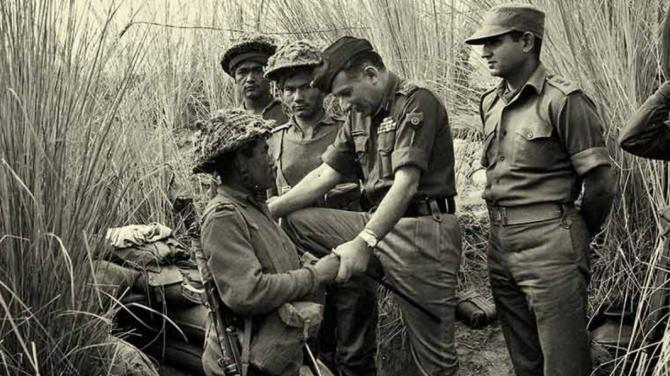
Major Bob Khathing: In the winter of 1951, as Chinese forces tightened their grip on Tibet following the 1950 invasion and the 17-Point Agreement of May 1951, India faced a critical threat to its northeastern frontiers. Major Ralengnao “Bob” Khathing, a courageous officer from Manipur’s Tangkhul Naga community, led a remarkable expedition to bring Tawang under firm Indian control -just in time to prevent potential Chinese occupation. This peaceful yet resolute operation stands as one of the most significant yet undercelebrated chapters in India’s post-independence history.

Historical Background: From the Simla Convention to the Brink of Crisis

The 1914 Simla Convention established the McMahon Line as the border between British India and Tibet, placing the entire Tawang Tract south of the line within Indian territory. However, the agreement was not fully published at the time. To correct this, a revised Volume XIV of Aitchison’s Treaties was issued in 1937, accompanied by updated maps in response to Chinese claims extending their Sikang Province borders to the foothills.

Tibet accepted the McMahon Line but continued collecting taxes in Tawang. British authorities exercised nominal control south of Sela Pass while avoiding interference in the north to respect Tibetan sentiments. After India’s independence, Tibet delayed recognizing India as a successor state until June 1948 and maintained territorial claims over Tawang. With Tibet’s capitulation to China in 1950-51, Tawang became vulnerable.

Major Bob Khathing: This Hero Hoisted Tricolour in Tawang on February 17, 1951; Secured India's Frontier Without a Shot Fired

Major Bob Khathing: From Soldier to Frontier Guardian

Born in 1912 in Ukhrul, Manipur, Ralengnao Khathing (known as Bob) was commissioned into the 19th Hyderabad Regiment (later Kumaon Regiment) in 1941. A decorated World War II veteran (Military Cross, MBE), he later joined the Indian Frontier Administrative Service (IFAS) as an Assistant Political Officer.

In late 1950, Assam Governor Jairamdas Daulatram summoned Khathing, emphasizing that controlling Tawang was vital for Northeast India’s security.

Khathing was given 45 days, Rs 25,000 in expenses, and orders to establish Indian administration in Tawang. He assembled a column of about 200 Assam Rifles troops (from 2 AR and 5 AR), led by Captain Hem Bahadur Limbu and supported by Captain Modiero of the Army Medical Corps.
To prepare for high-altitude winter operations, Khathing sourced winter clothing and gear from leftover U.S. Air Force stores at Chabua and Dinjan (WWII bases). At Tezpur, he hired 200 mules and 600 porters. Intensive training took place at Lokra (26 km north of Tezpur) for three weeks, with scouts reconnoitering routes and establishing forward supply dumps.

The Expedition Begins: Challenges and Resolve

The column departed Lokra on January 17, 1951, traversing inhospitable terrain with no proper roads. On January 19, the last British political officer in Assam, Major T.C. Allen, intercepted them. Khathing gave Allen an ultimatum: join or remain under arrest until the mission succeeded. Allen chose to join as second-in-command.

They reached Dirang Dzong on January 25. An Assam Rifles post established there in 1944 had been withdrawn, allowing Tibetan control to resume. On January 26 (Republic Day), Khathing hoisted the Indian Tricolour, hosted a community feast (barakhana), and fired celebratory volleys as the Governor’s Dakota aircraft circled overhead. Dirang’s ruler, Katuk Lama, submitted, and messages were sent warning Tawang.
The force advanced on February 1, crossed Sela Pass on February 3, and reached Jang on February 4. Khathing met village headmen (gaonbudhas), explained their new status as free Indian citizens, and instructed them to stop paying taxes to Lhasa.

Securing Tawang: Diplomacy Backed by Determination

The column arrived in Tawang on February 6-7, 1951. The Dzongpen (administrator), Nyertsang, initially ignored invitations. On the night of February 10, Khathing ordered demonstration firing-20 rounds from 2-inch mortars and 1,000.303 rounds-creating echoing thunder that instilled awe.

The next morning, troops marched through town for hours with fixed bayonets. Nervous Dzong officials sent emissaries. Major Allen drafted a formal instrument of accession to India. When negotiations stalled, officials were detained and hosted for a week, during which Khathing directed them not to follow the Dzongpen.
By February 17, 1951-with the Governor’s deadline nearing and Tibetan officials persuaded or having departed peacefully-Major Khathing officially took Tawang under Indian administration. He hoisted the Indian Tricolour in Tawang on this date, marking the formal assertion of sovereignty, the establishment of permanent administrative presence, and the successful integration of the region. This symbolic act, after weeks of arduous trekking and deft diplomacy, cemented Tawang’s place within India without bloodshed.

Khathing then moved his administrative headquarters to the permanent site he had selected, and the Assam Governor informed Prime Minister Jawaharlal Nehru of the successful mission.

Legacy: A Bloodless Victory and National Recognition

The hoisting of the Tricolour on 17 February 1951 remains a landmark moment in the history of Arunachal Pradesh and India’s northeastern frontier. It symbolizes quiet heroism, strategic foresight, and unwavering resolve at a time when the McMahon Line’s integrity was under grave threat. This date underscores Major Khathing’s pivotal role in reinforcing the 1914 Simla Convention and safeguarding Tawang from potential occupation.

For his extraordinary services, Major Bob Khathing was awarded the Padma Shri in 1957. He later served as Chief Secretary of Nagaland and as India’s Ambassador to Myanmar (1972-1975), becoming the first person of tribal origin to hold that position.

Major Ralengnao “Bob” Khathing remains an unsung hero whose timely, bold, and bloodless action secured Tawang and protected India’s northeastern frontier at a defining moment in history. His legacy continues to inspire generations.