Home Blog Page 513

Rajasthan Government Transfers 108 IAS Officers: Tina Dabi Appointed Barmer Collector, Husband to Lead Jalore

0

The Rajasthan government has made a significant administrative reshuffle, transferring 108 IAS officers, including district collectors, while assigning additional responsibilities to 20 officers. Among the key appointments, IAS officer Tina Dabi has been entrusted with a major role, while her husband, Pradeep K. Gawande, has been appointed as the District Collector of Jalore.

Major Reshuffle in Rajasthan Administration

On Thursday, the Rajasthan government initiated a large-scale reshuffle within the state bureaucracy, transferring 108 IAS officers to new positions across the state. This administrative overhaul affects several prominent districts, with new district collectors being appointed. In addition, 20 IAS officers have been given additional charges along with their current roles, strengthening the state’s administrative framework.

Tina Dabi Becomes Barmer Collector

Tina Dabi, a 2016 batch IAS officer and a notable figure in Indian civil services, has been appointed as the District Collector and Magistrate of Barmer. Previously, she served as the Commissioner of Employment Guarantee Scheme (EGS). Her husband, Pradeep K. Gawande, has also been given a crucial role, taking over as the District Collector of Jalore.

Jitendra Soni Appointed Jaipur Collector

In another significant move, Jitendra Kumar Soni has been appointed as the new District Collector of Jaipur, replacing previous officials. Vijay Pal Singh has been designated as the Commissioner of the Tourism Department, while Harimohan Meena has been entrusted with the position of District Collector of Deeg, and Ram Avtar Meena takes charge of Jhunjhunu.

New Appointments Across Rajasthan

Other prominent appointments include:

  • Shubhra Singh has been made the Chairperson of the Rajasthan State Road Transport Corporation (RSRTC).
  • Shreya Guha has been given the responsibility as the Additional Chief Secretary of the Rural Development Department.

The reshuffle also saw the following new district collectors:

  • Mukul Sharma for Sikar
  • Shubham Chaudhary for Rajsamand
  • Ashish Modi for Churu
  • Kishore Kumar for Khairthal-Tijara
  • Lok Bandhu for Ajmer
  • Dr. Manju for Sri Ganganagar
  • Artika Shukla for Alwar

In a crucial change, Pushpa Satyani replaces Tina Dabi as the new Commissioner of EGS.

Summing Up

This administrative reshuffle by the Rajasthan government aims to strengthen governance across the state by assigning experienced officers to key positions. With IAS officers like Tina Dabi and Pradeep Gawande assuming critical roles in districts like Barmer and Jalore, Rajasthan’s administrative landscape is set for a dynamic shift. The reshuffle is expected to improve efficiency and public service delivery in the newly reassigned districts.


The Mewar Circuit Bespeaks the Tales of Royalty and Bravery from Erstwhile Past

0

Mewar, the place which has a rich history and past is now soon going to be flourished with more of tourists as the Mewar Circuit is gonna come soon. After Udaipur, now Mewar will be the new capital for tourists. To know more about this project, read below-

The Mewar Circuit is a captivating tourist route in the Indian state of Rajasthan that beautifully encapsulates the region’s royal heritage, architectural marvels, and spiritual sanctuaries. Covering four iconic towns—Udaipur, Kumbhalgarh, Nathdwara, and Chittaurgarh, the circuit’ each offering gives visitors a unique glimpse into the grandeur and cultural richness of Rajasthan.

Udaipur: The City of Lakes and Palaces

Udaipur, often referred to as the “Venice of the East,” is famed for its shimmering lakes, majestic palaces, and intricate temples. Among its most celebrated landmarks is the City Palace, a monumental structure situated on the banks of Lake Pichola. Built by the Rajput kings, this palace complex offers breathtaking panoramic views of the lake and surrounding hills. The intricate architecture and royal history housed within its walls make it one of the most visited sites in Rajasthan.

Other key attractions in Udaipur include the Jagdish Temple, a revered shrine dedicated to Lord Vishnu, known for its intricate carvings and spiritual ambiance. The Monsoon Palace, perched atop the Aravalli Hills, offers mesmerizing views of the city, especially during sunset, making it a must-visit spot for nature and photography enthusiasts.

Kumbhalgarh: The Land of the Mighty Fort

About 80 kilometers from Udaipur lies Kumbhalgarh, a small town steeped in history and architectural brilliance. The crowning jewel of this town is the Kumbhalgarh Fort, a 15th-century fortress built by Rana Kumbha. Known for its massive walls that stretch over 36 kilometers (second only to the Great Wall of China), the fort is perched on a hilltop and provides sweeping views of the surrounding landscape.

In addition to its historical significance, Kumbhalgarh is home to the Kumbhalgarh Wildlife Sanctuary, a haven for wildlife enthusiasts. The sanctuary is a thriving ecosystem that protects a wide range of species, including leopards, sloth bears, and antelopes. The Kumbhalgarh Temple, another must-visit, showcases the region’s devotion to its cultural and religious roots.

Nathdwara: The Spiritual Heart of Mewar

A short 90-kilometer journey from Kumbhalgarh takes you to Nathdwara, a town known for its deep religious significance. At the center of Nathdwara’s spiritual life is the Shrinathji Temple, a revered Hindu pilgrimage site dedicated to Lord Krishna. Pilgrims flock to this temple to witness its exquisite sculptures and intricate carvings that depict scenes from Krishna’s life. The temple’s atmosphere, especially during major Hindu festivals, offers a soul-stirring experience.

Nathdwara is also home to the Charbhuja Temple, another spiritual marvel dedicated to Lord Vishnu, where devotees gather for prayer and reflection amidst the serenity of the temple grounds.

Chittaurgarh: The Fortress of Valor and Sacrifice

The final stop on the Mewar Circuit is Chittaurgarh, a town that echoes with stories of valor, sacrifice, and honor. The Chittaurgarh Fort, one of the largest and most formidable forts in India, is a UNESCO World Heritage Site. Built in the 7th century, this fort stands as a testament to the courage of the Rajput kings who once ruled here. Towering over the town, the fort offers commanding views of the region and houses several palaces, temples, and reservoirs within its massive walls.

Among the must-visit landmarks within the fort complex is the Vijay Stambh (Victory Tower), a symbol of triumph built by Rana Kumbha to commemorate his military victories. The Rana Kumbha Palace is another attraction within the fort, serving as a poignant reminder of Chittaurgarh’s royal past.

An Unforgettable Journey Through Mewar

The Mewar Circuit provides a fascinating journey through the cultural, historical, and spiritual heart of Rajasthan. Whether you’re captivated by the architectural wonders of Udaipur, the mighty fortresses of Kumbhalgarh and Chittaurgarh, or the spiritual serenity of Nathdwara, this tour offers an immersive experience into the region’s rich heritage.

Embarking on the Mewar Circuit is not just a journey through Rajasthan’s iconic sites; it’s a walk through centuries of history, culture, and devotion that continues to shape the region’s identity today.

Researchers Unveil Graviton-Induced Uncertainty in Quantum Gravity

0

In a groundbreaking development, researchers have uncovered a new type of uncertainty relation induced by the elusive gravitons—hypothetical particles that may carry the force of gravity. This discovery represents a crucial step towards reconciling two pillars of modern physics: classical gravity and quantum mechanics. The findings, led by researchers Prof. Sunandan Gangopadhyay and Mr. Soham Sen from the S.N. Bose National Centre for Astrophysics, provide fresh insights into the long-standing challenge of understanding quantum gravity.

Bridging Classical and Quantum Physics

Physics has long been divided between classical mechanics and quantum mechanics. Classical physics, guided by Newton’s laws, governs the behavior of large objects such as planets, cars, and people. Quantum physics, on the other hand, explains the bizarre and counterintuitive behavior of subatomic particles like electrons and photons. The challenge for scientists has been to develop a theory that unites these two seemingly disparate realms, particularly in extreme conditions, such as near black holes or neutron stars.

What is Quantum Gravity?

Quantum gravity (QG) seeks to describe how gravity operates at the smallest scales, where both quantum effects and gravitational forces play significant roles. While gravity is typically associated with massive objects, like planets or stars, quantum gravity examines how this fundamental force might behave at the subatomic level. In regions of intense gravitational fields, such as the event horizon of a black hole, both classical gravity and quantum mechanics are believed to interact, but no unified theory has successfully explained this interplay—until now.

Gravitational Noise: A Clue to Quantum Gravity?

The recent discovery revolves around the concept of gravitational noise, which arises when gravitational fields are studied through the lens of quantum mechanics. These fluctuations, although incredibly subtle, can be detected by sensitive instruments like LIGO, which measures tiny distortions caused by gravitational waves. This noise suggests that gravity might exhibit quantum behavior, offering potential evidence of gravitons. If confirmed, gravitons could be the key to understanding quantum gravity, which has remained elusive for decades.

Research Contributions: Uncovering Graviton-Induced Uncertainty

The work by Prof. Gangopadhyay and Mr. Sen focuses on how objects falling freely in gravitational fields are influenced by quantum gravity. They discovered a novel uncertainty relation that emerges from the noise created by gravitons. This uncertainty relation ties the position and momentum of falling particles to the quantum fluctuations caused by gravity. The discovery suggests that gravity itself may not just be a force in the classical sense but also has quantum aspects.

Generalized Uncertainty Principle

The researchers have identified a new form of the uncertainty principle—the fundamental rule of quantum mechanics that limits the precision with which certain pairs of physical properties, such as position and momentum, can be measured. In this case, the uncertainty arises from the noise created by gravitons, indicating that gravity may influence particles in ways that go beyond classical predictions. This insight is a major leap toward proving that gravity has a quantum nature, an idea that has intrigued physicists for years.

Publications and Impact

This discovery is detailed in their paper, “Uncertainty principle from the noise of gravitons”, published in the European Physical Journal C. Another relevant study, “Quantum gravity corrections to the fall of an apple” by Chawla and M. Parikh, explores how quantum gravity might alter the familiar experience of gravitational force at small scales.

The implications of this research could reshape our understanding of the universe, providing a stepping stone toward a unified theory of physics that bridges the gap between the macroscopic and microscopic worlds. As the quest for quantum gravity continues, these new findings offer exciting possibilities for future exploration.

Summing Up

The discovery of a graviton-induced uncertainty relation marks a pivotal moment in physics, bringing us closer to the long-sought goal of unifying gravity with quantum mechanics. The research opens new doors to understanding the fundamental forces of the universe and could ultimately lead to revolutionary advancements in both theoretical and experimental physics.

India and South Africa Sign Submarine Rescue Cooperation Agreement

0

On September 4, 2024, the navies of India and South Africa solidified a critical maritime agreement to bolster submarine rescue capabilities, underscoring their commitment to regional safety and cooperation. This new pact enhances the ability to respond to submarine emergencies, ensuring the safety of South African submarine crews and reinforcing maritime security in the Indian Ocean Region.

Key Features of the Agreement

Central to the agreement is the Indian Navy’s provision of its Deep Submergence Rescue Vehicle (DSRV) to assist in submarine accidents. The DSRV is an advanced piece of equipment specifically designed for deep-sea rescues, capable of reaching submarines trapped at great depths. This partnership ensures that both navies are better equipped to respond swiftly and effectively in times of need. The agreement not only enhances operational readiness but also strengthens India and South Africa’s cooperative ties in maritime safety.

The Need for Enhanced Submarine Safety

The importance of this agreement is heightened by the tragic accident in September 2023, when three South African Navy members lost their lives aboard the SAS Manthatisi, a submarine in the South African fleet. This incident exposed vulnerabilities in submarine rescue capabilities and highlighted the urgent need for safety improvements. As one of the few African nations with a functioning submarine fleet, South Africa’s alignment with India provides essential support to prevent future tragedies, ensuring that their crews have access to world-class rescue operations.

Indian Navy’s DSRV Capabilities

India’s submarine rescue program is among the most advanced in the region. The Indian Navy operates two state-of-the-art DSRVs, acquired from the UK, which became operational in 2018 and 2019. These specialized vehicles can dive as deep as 650 meters and are capable of rescuing up to 14 people in a single mission. Each DSRV is accompanied by a remotely operated vehicle (ROV), which aids in conducting underwater missions such as locating damaged submarines or conducting rescue operations.

In 2018, one of India’s DSRVs set a national record by diving to a depth of 666 meters, demonstrating the country’s capability to handle deep-sea rescue operations. The DSRVs are also highly mobile, designed to be easily transported by road, air, or sea, ensuring that they can reach emergency locations quickly.

Expanding Regional Collaboration

The new agreement with South Africa is part of a broader strategy by India to extend its submarine rescue expertise throughout the region. India already holds a Memorandum of Understanding (MoU) with Singapore, focused on sharing submarine rescue techniques and operational knowledge. India’s commitment to fostering maritime security in the Indian Ocean Region (IOR) includes offering its advanced rescue capabilities to countries that may not possess such resources, thus strengthening collective maritime safety.

Previous Deployments of India’s DSRVs

India has already demonstrated its readiness to assist other nations in submarine emergencies. In April 2021, the Indian Navy deployed one of its DSRVs to assist in locating the missing Indonesian submarine KRI Nanggala, which had disappeared during a military exercise. Although the mission was eventually called off after debris from the submarine was discovered, India’s swift response showcased its dedication to supporting neighboring countries in times of crisis.

Strengthening Ties and Ensuring Safety

The submarine rescue agreement between India and South Africa is a pivotal step toward deepening their naval partnership and ensuring the safety of their maritime forces. By enhancing their collaborative capabilities in submarine rescues, both nations are working together to safeguard human lives, protect strategic naval assets, and promote greater security in the Indian Ocean Region. As the partnership evolves, it reinforces both countries’ commitment to fostering international cooperation and regional stability in maritime operations.

India Launches BioE3 Policy to Boost Sustainable Biotechnology

0

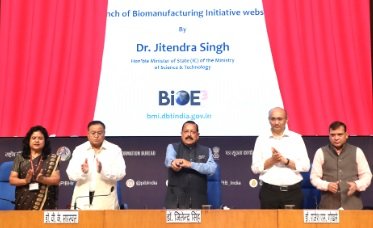
India has taken a significant step towards sustainability with the launch of its new BioE3 policy, a government initiative designed to revolutionize industrial practices through the use of biotechnology. The policy aims to harness cutting-edge biotechnological advancements to reduce waste, enhance eco-friendly production, and position India as a global leader in sustainable biomanufacturing.

What is Biotechnology?

Biotechnology involves using living organisms or biological systems to develop innovative products and solutions. It encompasses a wide range of fields, including:

  • Genomics: The study of genes and their functions.
  • Genetic Engineering: Altering the DNA of organisms to improve traits or create new ones.
  • Synthetic Biology: Designing and constructing new biological systems or organisms that do not exist in nature.

Traditionally, biotechnology has been extensively used in medicine—such as in vaccine development—and in agriculture, where it has led to the creation of disease-resistant crops. However, the field’s potential has expanded, now playing a crucial role in areas such as environmental sustainability, bio-based manufacturing, and more.

The Potential of Biotechnology for Sustainability

Biotechnology offers the promise of a cleaner, greener future by creating products and solutions that are both innovative and eco-friendly. Some key applications include:

  • Animal-Free Dairy: Through precision fermentation, scientists can replicate the proteins found in milk, creating dairy products without the need for cows. This reduces the environmental footprint associated with livestock farming.
  • Bioplastics: Unlike conventional plastics derived from fossil fuels, bioplastics are made from renewable resources such as plants. These plastics are biodegradable, reducing long-term environmental damage.
  • Carbon Capture: Biotechnology can help mitigate climate change by using microorganisms to convert harmful carbon dioxide (CO2) emissions into useful products like biofuels, cutting the need for underground carbon storage.
  • Synthetic Biology: This emerging field enables the creation of engineered organisms that can perform specialized tasks, such as producing life-saving medicines, generating renewable energy, or even growing human organs for transplants.

Benefits of the BioE3 Policy for India

The BioE3 policy is designed to unlock the full potential of biotechnology, enabling India to become a leader in biomanufacturing—a sector projected to be worth $2-4 trillion globally within the next decade. The policy focuses on:

  • Training and Education: It aims to develop a skilled workforce capable of driving the biotechnological revolution forward.
  • Research and Innovation: The policy will support research initiatives that leverage India’s scientific talent to pioneer new bio-based solutions.
  • Economic Growth: By fostering innovation, the policy is set to boost India’s economy, attracting investments and creating job opportunities in sustainable industries.

Implementation Framework

A key feature of the BioE3 policy is the creation of biomanufacturing hubs across the country. These hubs will serve as innovation centers, where startups and established industries can collaborate to develop bio-based products. The hubs will focus on a range of sectors, including:

  • Bio-based Chemicals and Enzymes: Derived from biological sources, these products can replace harmful synthetic chemicals in industries such as manufacturing and pharmaceuticals.
  • Functional Foods and Smart Proteins: These healthier, sustainable alternatives to traditional food products are designed to improve public health while minimizing environmental impact.
  • Precision Biotherapeutics: Tailored medical treatments that leverage biotechnology to provide personalized healthcare solutions.
  • Climate-Resilient Agriculture: Biotechnology will help develop crops that can withstand extreme weather conditions, ensuring food security in the face of climate change.
  • Carbon Capture and Utilization: Advanced technologies will be implemented to reduce carbon emissions and convert CO2 into useful products.
  • Marine and Space Research: The policy will also explore the potential of biotechnology in deep-sea and space environments, opening new frontiers for scientific discovery.

Collaborative Effort

To ensure the success of the BioE3 policy, collaboration between at least 15 government departments will be required. This multi-departmental approach will facilitate the seamless integration of biotechnology across various sectors of the economy. It is expected to accelerate the development and deployment of sustainable technologies, making the BioE3 policy a national effort in driving India’s sustainable future.

Summing Up

India’s BioE3 policy is a groundbreaking initiative that holds the potential to reshape the country’s industrial landscape through sustainable biotechnology. By focusing on eco-friendly practices, biomanufacturing, and global collaboration, the policy positions India as a leader in the bioeconomy, promoting innovation that is not only economically beneficial but also essential for addressing pressing environmental challenges. As biotechnology continues to advance, the BioE3 policy will play a critical role in ensuring that India remains at the forefront of sustainable development.

Himachal Pradesh Assembly to Introduce Zero Hour

0

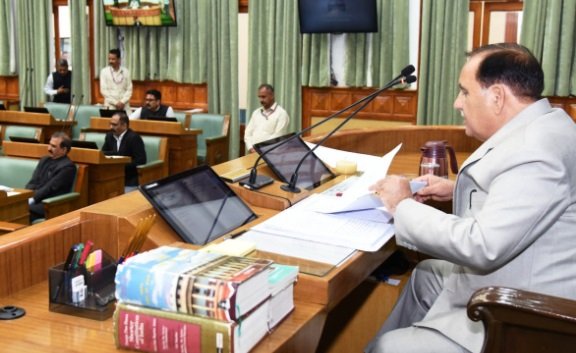
In a significant move towards enhancing legislative transparency and accountability, the Himachal Pradesh Assembly is set to introduce Zero Hour, as announced by Speaker Kuldeep Singh Pathania. This marks a pivotal step in allowing members of the assembly to raise urgent public issues that may not be included in the official agenda. The decision comes after discussions on the need to frame Standard Operating Procedures (SOPs) to ensure the smooth implementation of this parliamentary tool.

What is Zero Hour?

Zero Hour is a well-established practice in Indian parliamentary sessions that allows legislators to bring up urgent matters of public importance that are not listed for discussion. Typically, Zero Hour occurs right after Question Hour, providing lawmakers with a platform to highlight critical concerns that may require immediate attention. What makes Zero Hour unique is its flexibility—unlike other parliamentary debates, members can raise issues on the spot, provided they receive approval from the Speaker.

Raising Issues During Zero Hour

The introduction of Zero Hour in the Himachal Pradesh Assembly will give legislators the opportunity to voice urgent matters affecting their constituencies or the state. However, the ability to raise these concerns is subject to the Speaker’s discretion. The Speaker will decide which issues merit discussion during this unplanned session, ensuring that the assembly’s focus remains on urgent and relevant topics.

One notable aspect of Zero Hour is that while lawmakers can bring up issues, the government is not obliged to provide an immediate response, differentiating it from other structured parliamentary sessions.

Government and Opposition Perspectives

Government’s Position: The introduction of Zero Hour has sparked a debate within the assembly. Parliamentary Affairs Minister Harshwardhan Chauhan raised concerns that the decision to implement Zero Hour was made without consulting the government. Despite these reservations, Chief Minister Sukhvinder Singh Sukhu has expressed support for the move, emphasizing the importance of having clearly defined SOPs to manage the discussions effectively. The government believes that while Zero Hour will be beneficial, it is essential to establish rules to prevent disorder during the session.

Opposition’s Viewpoint: The Leader of the Opposition, Jai Ram Thakur, has welcomed the introduction of Zero Hour, seeing it as a valuable platform for raising pressing public issues. However, he too has stressed the need for clear rules, or modalities, to ensure that all members have a fair opportunity to participate. Thakur’s support highlights the bipartisan agreement on the utility of Zero Hour but underscores the importance of a structured framework to govern it.

The Role of SOPs in Zero Hour

A major focus of the assembly discussions has been on the need for Standard Operating Procedures (SOPs) to regulate Zero Hour. SOPs will outline what types of issues can be raised, how long each member can speak, and how to ensure discussions remain focused and productive. The introduction of these procedures is crucial to avoid disruptions and maintain decorum in the assembly.

It is expected that Himachal Pradesh will model its SOPs on those used in the Indian Parliament, which has a long-standing tradition of successfully managing Zero Hour discussions. This will ensure that the new practice is carried out efficiently and contributes positively to legislative proceedings.

Structuring Zero Hour Duration and Format

There has also been some discussion about the duration and structure of Zero Hour in the Himachal Pradesh Assembly. Randhir Sharma, a prominent member of the assembly, proposed that Zero Hour should last for a full hour to provide ample time for legislators to raise and address urgent concerns. This extended duration would allow for more comprehensive discussions and ensure that lawmakers have sufficient time to present issues affecting their constituencies.

A New Avenue for Public Issues

The introduction of Zero Hour in the Himachal Pradesh Assembly represents a forward-thinking initiative that will empower legislators to bring urgent public issues to the forefront. While the government and opposition are aligned on the benefits of this practice, both sides agree that establishing clear rules is vital for its success. The development of well-defined SOPs will ensure that Zero Hour remains a productive session where concerns are raised in an orderly, efficient manner.

Ultimately, Zero Hour will offer a valuable opportunity for the assembly to address the immediate needs of the people of Himachal Pradesh, further strengthening the democratic process.

IIT Delhi Campus Inaugurated in Abu Dhabi

0

In a landmark event, Sheikh Khaled bin Mohamed bin Zayed Al Nahyan, the Crown Prince of Abu Dhabi, officially inaugurated the first-ever full campus of the Indian Institute of Technology (IIT) Delhi in Abu Dhabi. This historic development marks a significant stride in international academic collaboration, solidifying the growing ties between India and the UAE in the realm of higher education.

A Vision of Academic Partnership

The IIT Delhi Abu Dhabi campus is a cornerstone of the broader Vision Document, a strategic initiative unveiled in February 2022 by Indian Prime Minister Narendra Modi and UAE President Sheikh Mohamed bin Zayed Al Nahyan. The Vision Document emphasizes education as a crucial area for deeper collaboration between the two nations, aiming to foster stronger academic, cultural, and economic partnerships. The campus’s establishment is seen as a crucial step in this long-term vision, reflecting the commitment to advance educational standards and opportunities globally.

Course Offerings and Initial Programs

The Abu Dhabi campus launched its academic journey with an inaugural batch of 52 students, enrolled in two specialized undergraduate programs:

  • Computer Science and Engineering
  • Energy Engineering

These programs have been meticulously designed to align with global technological advancements and cater to the specific needs of the region. The focus on engineering disciplines highlights the growing demand for cutting-edge skills in both digital and energy sectors, aligning with global trends and regional priorities.

Admissions: A Diverse and Inclusive Approach

To ensure a diverse student body while maintaining IIT’s rigorous academic standards, the campus implemented a dual admission process:

  1. JEE Advanced Exam – The traditional entrance examination used for IIT admissions in India.
  2. Combined Admission Entrance Test (CAET) – A new entrance exam introduced specifically for international students.

This inclusive admission strategy allows the campus to attract top-tier talent from both India and across the globe, fostering a multicultural academic environment.

Expanding Academic Horizons: Postgraduate Programs

In addition to undergraduate courses, IIT Delhi Abu Dhabi has introduced a flagship postgraduate program: the Master of Technology (M.Tech) in Energy Transition and Sustainability. This course addresses the pressing global need for sustainable development solutions, making it highly relevant to both the UAE’s and the world’s current environmental priorities. The program serves as a key driver for sustainable innovation and reflects the UAE’s commitment to sustainability as part of its long-term economic vision.

A Milestone in the Globalisation of Indian Education

The inauguration of IIT Delhi’s Abu Dhabi campus represents a significant milestone in the global expansion of Indian education. It showcases India’s ability to export its high-quality academic expertise to the international stage, building a bridge for intellectual exchange between nations. The partnership between India and the UAE goes beyond academics, offering a platform for knowledge sharing, talent development, and research innovation.

Looking Ahead: A Bright Future for IIT Delhi Abu Dhabi

The IIT Delhi Abu Dhabi campus is poised for growth, with several exciting prospects on the horizon:

  • Expanded Course Offerings: The institution plans to introduce more specialized programs in response to both regional and global demands.
  • Research Collaborations: Joint research projects between Indian and UAE institutions are expected to flourish, leveraging the strengths of both nations in scientific and technological innovation.
  • Industry Partnerships: Collaborations with local and international industries will play a pivotal role in supporting research and development, fostering a strong link between academia and the business world.
  • Cultural Exchange: With a diverse student body from India, the UAE, and beyond, the campus will be a hub for cultural exchange, promoting mutual understanding and global citizenship.
  • Economic Impact: IIT Delhi’s presence in the UAE is set to boost the region’s knowledge economy, aligning with the UAE’s broader goal of economic diversification.

Summing Up

IIT Delhi Abu Dhabi stands as a beacon of innovation, cultural exchange, and academic excellence, embodying the spirit of collaboration between India and the UAE. As the first full-fledged IIT campus outside of India, it symbolizes the globalization of Indian education and offers a platform for the development of future leaders in engineering, technology, and sustainability. This initiative not only enriches the educational landscape of both countries but also serves as a powerful driver of economic growth, cultural understanding, and global progress.

Post pandemic trend in UK: School fines families as parents take kids on holidays during academic year 

0

There is a new trend being seen in schools in the UK these days. More pupils in England went on holidays without permission in the last week of the summer term than at any point in the academic year, said BBC quoting official figures.

The latest school attendance data said 5% of students in England went on holidays without permission in the week ending 19 July which was around 450,000 pupils.

Eventually the government is tightening rules to try to stop parents tp take their kids on holidays by levying huge fees.  Fines issued to each parent has been increased from £60 to £80 per student which will be doubled if it happens again within three years. Those students will face prosecution who have paid third fine within three year period.

 However, a few  parents  told the BBC this is not a deterrent. Megan Hall and her husband Michael had their first fines after taking their two children on a ski holiday in March and have now again booked a two-week holiday later this month. “The kids will be missing 10 days of school, which is a worry because of the new fines,” Mrs Hall told the BBC.The couple said if they took their children – aged four and eight – away during their busy summer season they would incur a cost to their business as well as higher holiday prices. “I won’t stop doing holidays because that’s what family is about,” said Mrs Hall. “The alternative is to not have family time, or to teach your kids to lie, saying they are sick, which is something I’m not happy to do,” she added.

Nearly 400,000 penalty notices were issued to parents in England for unauthorised school absences during the 2022-23 academic year. That is much higher than pre-pandemic levels and unauthorised absences have remained at a similar rate over the most recent academic year. Education Secretary Bridget Phillipson said “persistent absenteeism” was “a big problem”, adding that “it’s important that all of us pull together [and] make sure children are here in school”.

Poor school attendance can hit academic achievement, social development, and children’s future prospects, Carly Speechley, Barnsley’s executive director for children’s services, said.

Research has indicated that tests and exam results are showing the pandemic led to a widened gap between children from the highest and lowest income families. That suggests missing days at school will have a bigger impact on some children than others.

Cocosutra Unveils Customizable Gourmet Gift Hampers for Festive Season Blending Luxury, Personalisation, and Modern Elegance

0

This festive season, stand out with gifts that bring joy, indulgence, and thoughtfulness. Cocosutra, a leading name in luxurious gourmet gifting, is proud to announce its range of customizable gift hampers, designed to pamper your loved ones and leave a lasting impression. Whether you are celebrating with family or sending a thoughtful gift to corporate associates, Cocosutra’s hampers are the perfect way to share the festive cheer.

A Gift That Speaks Luxury and Personalization

Cocosutra offers an exclusive collection of modern, trendy, and luxurious hampers that are not only beautifully curated but also allow you to add a personal touch. With Cocosutra’s “Build Your Own Gift Hamper” feature, you can select the finest products to create a gift that is tailored to the preferences and tastes of the recipient. Whether they crave indulgent hot chocolate, crunchy granola, or decadent gooey cookies, you can assemble the perfect combination to make them feel truly special.

From mouthwatering chocolate chunk cookies to artisan hot chocolate blends, the carefully curated options reflect the care and attention you put into choosing a gift that speaks to your recipient’s heart. Each hamper is packaged to perfection, exuding elegance, and designed to create an unforgettable unboxing experience.

Corporate Gifting, Elevated

Cocosutra’s customizable hampers are the perfect solution for corporate gifting. Show your appreciation to colleagues, clients, or employees with hampers that symbolize thoughtfulness and gratitude. In today’s world of remote work, Cocosutra makes it easy to send luxurious gifts directly to team members working from home, no matter where they are.

With Cocosutra’s seamless ordering system, businesses can effortlessly order hampers in bulk, with options to personalize each one according to individual preferences or dietary requirements. Whether it’s a decadent treat for a client or a celebratory gift for your team, Cocosutra’s sleek, innovative packaging and top-tier products ensure that your gift stands out as a symbol of your brand’s thoughtfulness and attention to detail.

Ease of Ordering and Hassle-Free Shipping

Whether you’re ordering a single gift or bulk hampers for a corporate event, Cocosutra offers a smooth and user-friendly ordering process. With just a few clicks, you can create your customized gift and have it delivered directly to your loved ones or colleagues. Each hamper is thoughtfully packed to ensure it reaches the recipient in perfect condition, ready to surprise and delight.

Cocosutra’s hassle-free shipping service is perfect for businesses looking to send gifts to remote teams. Their reliable logistics network ensures that whether your recipient is in the next city or across the country, the gift arrives on time, spreading the joy of the festive season far and wide.

Inclusive Options for Every Palate and Age Group

Cocosutra prides itself on offering a wide selection of products that cater to all dietary needs, ensuring everyone can enjoy the finest gourmet treats. Whether your recipient is vegan, gluten-free, or prefers a low-sugar diet, Cocosutra has something for everyone. Their range includes wholesome and nutritious options like the Crunchy Granola – ideal for health-conscious individuals, or the Giant Chewy Cookies – perfect for those looking for an indulgent treat, or your choice of luxurious Hot Chocolate – from Cocosutra signature collections as Cocosutra  is home to the world’s largest collection of hot chocolate and sugar free hot chocolate.

Picture the joy of bonding with loved ones over a steaming cup of velvety hot chocolate, or the shared excitement of breaking into giant, gooey, chewy cookies that are filled with rich flavours. With Cocosutra, it’s not just about the products—it’s about creating joy-filled memories and moments that will be cherished long after the gift has been unwrapped.

Why Cocosutra Hampers Stand Out

In a world where traditional festive gifts often blend into the background, Cocosutra’s gourmet hampers stand apart with their focus on personalization, luxury, and modern sophistication. These aren’t your run-of-the-mill gifts; they are carefully designed to elevate the gifting experience. From the personalized selection of premium ingredients to the elegant packaging, each Cocosutra hamper tells a story of thoughtfulness, care, and indulgence.

When you choose Cocosutra, you’re giving more than just a gift—you’re gifting an experience, one that will be remembered and cherished long after the festive season has passed. Cocosutra hampers create joy-filled moments that spark connection, from the first sip of rich hot chocolate to the last bite of a perfectly chewy cookie.

About Cocosutra

Cocosutra is a brand that specializes in modern, luxurious gourmet gifts, offering a wide selection of premium products that cater to all dietary preferences and ages. With a focus on innovation, quality, and customization, Cocosutra creates hampers that reflect your unique style and thoughtfulness. Whether for personal gifting or corporate events, Cocosutra’s hampers are designed to impress and leave lasting memories.

This festive season, let Cocosutra help you create magical, joy-filled memories with gourmet hampers that go beyond the ordinary.

Mody University student selected for the post of Research Project Associate

0

Janhavi Bugad, a student of School of Liberal Arts and Sciences, Mody University has been selected for the post of Research Project Associate.

Janhavi, a student of MSc Physics of batch 2022-24 at Mody University has been selected for the post of Research Project Associate at CSIR-CEERI, Pilani.

Central Electronics Engineering Research Institute (CEERI), Pilani is a constituent laboratory of Council of Scientific and Industrial Research CSIR. During MSc (Physics), she has also got the opportunity to participate in short-term programmes like workshops of ISRO and BARC on guidance of teachers.

She has been listed among the MSc (Physics) students of previous batches who have enrolled for PhD in various IITs. School of Liberal Arts and Sciences (MUST) wishes her a bright future and academic career.