Home Blog Page 501

Ganesh Chaturthi 2024: Shubh Muhurat, City-Wise Puja Timings, Ganesh Visarjan Date, and Bhog for Bappa

0

Ganesh Chaturthi, one of the most revered Hindu festivals, will be celebrated on September 7, 2024. Marking the birth of Lord Ganesha, the festival is observed with great devotion and enthusiasm across India. Celebrated during the Shukla Paksha of the Bhadrapada month, Ganesh Chaturthi involves elaborate rituals, puja ceremonies, and the offering of special bhog to Lord Ganesha. If you’re planning to celebrate Ganesh Chaturthi, it’s essential to know the shubh muhurat (auspicious time) for puja, city-wise puja timings, the date for Ganesh Visarjan, and the traditional bhog items to offer.

Ganesh Chaturthi 2024 Shubh Muhurat: City-Wise Puja Timings

The auspicious time or shubh muhurat for Ganesh Chaturthi puja is from 11:03 AM to 1:34 PM on September 7, according to the Drik Panchang. However, different cities have specific muhurat times. Here’s a list of city-wise puja timings for Ganesh Chaturthi 2024:

  • Pune: 11:18 AM to 1:47 PM
  • Mumbai: 11:22 AM to 1:51 PM
  • New Delhi: 11:03 AM to 1:34 PM
  • Gurgaon: 11:04 AM to 1:35 PM
  • Noida: 11:03 AM to 1:33 PM
  • Chennai: 10:53 AM to 1:21 PM
  • Jaipur: 11:09 AM to 1:40 PM
  • Hyderabad: 11:00 AM to 1:28 PM
  • Chandigarh: 11:05 AM to 1:36 PM
  • Kolkata: 10:20 AM to 12:49 PM
  • Bengaluru: 11:04 AM to 1:31 PM
  • Ahmedabad: 11:23 AM to 1:52 PM

Additionally, the Chaturthi Tithi will begin at 3:01 PM on September 6 and end at 5:37 PM on September 7.

Ganesh Chaturthi 2024: Ganesh Visarjan Date

The 10-day celebration of Ganesh Chaturthi culminates with Ganesh Visarjan, the symbolic immersion of Lord Ganesha’s idol, which signifies the return of Ganesha to Mount Kailash. In 2024, Ganesh Visarjan will be held on Tuesday, September 17.

Here are the auspicious timings for Ganesh Visarjan:

  • Morning Muhurat: 9:11 AM to 1:47 PM
  • Afternoon Muhurat: 3:19 PM to 4:51 PM
  • Evening Muhurat: 7:51 PM to 9:19 PM
  • Night Muhurat: 10:47 PM to 3:12 AM, September 18

The Chaturdashi Tithi begins at 3:10 PM on September 16 and ends at 11:44 AM on September 17.

Ganesh Chaturthi 2024: Bhog for Lord Ganesha

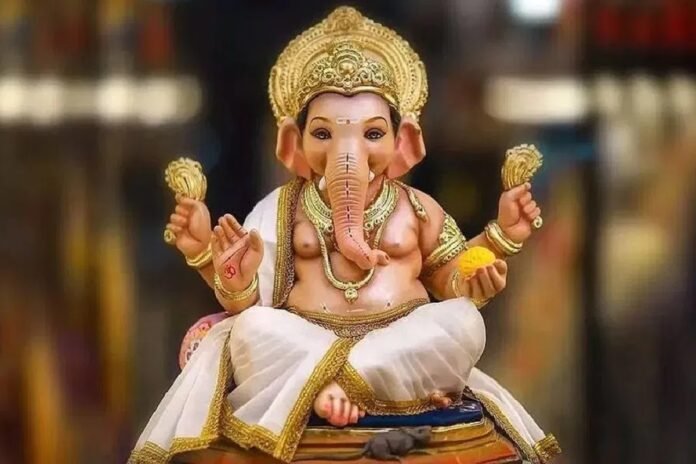
Offering bhog to Lord Ganesha is an integral part of Ganesh Chaturthi celebrations. Devotees prepare and present a variety of food items that are believed to please Lord Ganesha. The most beloved offering for Lord Ganesha is modak, a sweet dumpling made from rice flour, jaggery, and coconut. In fact, idols of Lord Ganesha are often depicted holding modaks in their hands.

Other traditional bhog items you can offer to Lord Ganesha include:

  • Laddu: Another popular sweet offered to Lord Ganesha.
  • Pooran Poli: A sweet flatbread stuffed with lentils and jaggery.
  • Kheer: A delicious rice pudding made with milk and sugar.
  • Supari: Betel nuts are often offered as part of the puja ritual.

Each of these offerings holds spiritual significance and is believed to invite blessings, prosperity, and good fortune into the lives of the devotees.

Summing Up

As Ganesh Chaturthi 2024 approaches, prepare to celebrate the auspicious occasion by knowing the correct puja timings, the Ganesh Visarjan date, and the offerings to make for Bappa. Whether you’re performing the rituals at home or visiting temples, following the shubh muhurat ensures a blessed and prosperous celebration. Ganpati Bappa Morya!

Bhool Bhulaiyaa 3 First Look: Kartik Aaryan and Vidya Balan Twin in Black, Fans Dub Them ‘Stree Ka Tod’

0

The much-anticipated first look of Bhool Bhulaiyaa 3 is finally here, and it has set social media ablaze. Kartik Aaryan and Vidya Balan, two of Bollywood’s most beloved stars, were spotted in matching black ensembles for the film’s poster shoot, leaving fans buzzing with excitement.

After the resounding success of Chandu Champion, Kartik Aaryan has turned his attention to what promises to be one of the biggest releases of the year. In 2022, Kartik captured hearts with his hilarious and charming portrayal of Rooh Baba in Bhool Bhulaiyaa 2. His chemistry with Kiara Advani was widely praised, while Tabu’s dual role as Anjulika and Manjulika added an extra layer of spookiness to the film. This time around, Bhool Bhulaiyaa 3 will see Kartik joined by rising star Triptii Dimri and the ever-graceful Madhuri Dixit Nene. However, the true highlight for fans is the return of Vidya Balan to the horror-comedy franchise.

Vidya Balan’s portrayal of Manjulika in the 2007 original Bhool Bhulaiyaa became iconic, setting a new standard for horror performances in Bollywood. Her return to the franchise has only amplified the excitement surrounding the film.

Recently, leaked images from the poster shoot showed Kartik Aaryan back in his Rooh Baba avatar, donning a black kurta and dhoti, accessorized with his signature bandana and rudraksha beads. Vidya Balan, meanwhile, looked stunning in a black saree, her long hair cascading over one shoulder—evoking the same eerie elegance that made her character legendary.

The internet reacted swiftly to the duo’s new look. One fan commented, “Bhaisahab, this is the best collaboration in Horror Comedy, Bollywood definitely getting towards better days 👏🔥.” Another wrote, “Kartik Aaryan and Vidya Balan as Manjulika matlab Blockbuster confirmed.”

In a playful nod to the recently released Stree 2 starring Shraddha Kapoor and Rajkummar Rao, another user remarked, “Stree ka tod hai yeh 👏,” while a different comment read, “Vidya ma’am in black saree already giving me chills 🥶☠️.”

Many fans are also hoping for a special appearance by Akshay Kumar, who starred in the original Bhool Bhulaiyaa. One hopeful user shared, “@akshaykumar special entry in #bhoolbhulaiyaa3 will rock it @kartikaaryan #bhushankumar @aneesbazmee,” while another added, “Akshay Kumar sir ki entry honi chahiye isme 🔥🔥.” However, despite these wishes, Akshay Kumar has denied any involvement in the upcoming film.

As the anticipation builds, fans are eagerly counting down the days until Bhool Bhulaiyaa 3 hits theatres this Diwali. With Kartik Aaryan reprising his role as Rooh Baba and Vidya Balan returning as the original Manjulika, this film is set to be a spine-chilling treat that Bollywood enthusiasts won’t want to miss.

Teachers’ Day 2024: Wishes, Quotes, and Messages to Honour Your Teachers and Mentors

0

As we celebrate Teachers’ Day 2024, it’s a perfect time to reflect on the profound impact that educators have on shaping our lives. In India, this day is observed annually on September 5th to honor the birth anniversary of Dr. Sarvepalli Radhakrishnan, a revered scholar, philosopher, and the country’s second President. His belief in the transformative power of education and the role of teachers continues to inspire generations.

Teachers’ Day is a tribute to all the educators who guide and shape minds with patience, wisdom, and dedication. It’s an occasion for students, past and present, to express their heartfelt gratitude for the endless hours of hard work and care that teachers invest in their students. Whether you’re crafting a thoughtful message or searching for the right words to convey your appreciation, this article offers over 90 wishes, quotes, and WhatsApp messages you can share to celebrate this special day.

Heartfelt Teachers’ Day Wishes

  1. “Happy Teachers’ Day! Your motivation drives us to succeed every day.”
  2. “Thank you for sparking our curiosity and fueling our passion. Happy Teachers’ Day!”
  3. “To the teacher who challenges us to be our best, Happy Teachers’ Day!”
  4. “Your encouragement keeps us moving forward. Happy Teachers’ Day!”
  5. “We are forever grateful for your wisdom. Happy Teachers’ Day!”
  6. “Happy Teachers’ Day! You inspire us to aim higher every single day.”
  7. “Thank you for your unwavering dedication. Happy Teachers’ Day!”
  8. “Your influence extends far beyond the classroom. Happy Teachers’ Day!”
  9. “Happy Teachers’ Day to the one who commands respect and admiration.”
  10. “Wishing you a day full of love, respect, and joy. Happy Teachers’ Day!”

Messages to Show Gratitude

  1. “You’re more than a teacher; you’re a mentor. Happy Teachers’ Day!”
  2. “We’re honored to be your students. Happy Teachers’ Day!”
  3. “Thank you for being the guiding light in our lives. Happy Teachers’ Day!”
  4. “Your kindness and knowledge have shaped who we are. Happy Teachers’ Day!”
  5. “Your hard work and dedication never go unnoticed. Happy Teachers’ Day!”
  6. “Grateful for all you do, inside and outside the classroom. Happy Teachers’ Day!”
  7. “For every lesson and every smile, thank you. Happy Teachers’ Day!”
  8. “You’ve made a difference in our lives. Happy Teachers’ Day!”
  9. “Your lessons go far beyond the textbooks. Happy Teachers’ Day!”
  10. “Happy Teachers’ Day! Your guidance has helped us grow into better individuals.”

Inspiring Quotes to Share

  1. “A good teacher can inspire hope, ignite the imagination, and instill a love of learning.” – Brad Henry
  2. “Education is the key to success in life, and teachers make a lasting impact in the lives of their students.” – Solomon Ortiz
  3. “It is the supreme art of the teacher to awaken joy in creative expression and knowledge.” – Albert Einstein
  4. “The influence of a good teacher can never be erased.” – Unknown
  5. “Teaching is the profession that teaches all the other professions.” – Unknown
  6. “A teacher affects eternity; they can never tell where their influence stops.” – Henry Adams
  7. “Teaching is the greatest act of optimism.” – Colleen Wilcox
  8. “The art of teaching is the art of assisting discovery.” – Mark Van Doren
  9. “Teachers plant seeds of knowledge that grow forever.” – Unknown
  10. “The best teachers teach from the heart, not from the book.” – Unknown

More Heartfelt Messages to Appreciate Teachers

  1. “Happy Teachers’ Day! Your dedication to education and your students is truly inspiring.”
  2. “Thank you for being a source of knowledge and wisdom. Happy Teachers’ Day!”
  3. “Your passion for teaching makes learning an enjoyable experience. Happy Teachers’ Day!”
  4. “To my favorite teacher, thank you for shaping my future with your lessons. Happy Teachers’ Day!”
  5. “You have touched our lives in more ways than you know. Happy Teachers’ Day!”
  6. “Your mentorship has been invaluable. Thank you for all that you do. Happy Teachers’ Day!”
  7. “For the patience, understanding, and care you show, Happy Teachers’ Day!”
  8. “Your influence has made a lasting impression on our lives. Happy Teachers’ Day!”
  9. “Wishing you a day filled with the respect and admiration you deserve. Happy Teachers’ Day!”
  10. “You are the architect of futures, shaping minds and hearts. Happy Teachers’ Day!”

Simple WhatsApp Messages for Teachers

  1. “Happy Teachers’ Day! Your wisdom lights up our lives.”
  2. “You make learning a joy. Happy Teachers’ Day!”
  3. “Your impact is immeasurable. Wishing you a wonderful Teachers’ Day!”
  4. “Thank you for believing in us. Happy Teachers’ Day!”
  5. “Your dedication inspires us to do our best. Happy Teachers’ Day!”
  6. “Happy Teachers’ Day to the one who never gave up on us!”
  7. “To the teacher who leads by example, thank you and Happy Teachers’ Day!”
  8. “Happy Teachers’ Day! We appreciate all the love and knowledge you share.”
  9. “Your lessons shape our future, and we are grateful. Happy Teachers’ Day!”
  10. “You’ve taught us more than just subjects, you’ve taught us life. Happy Teachers’ Day!”

Summing Up

Teachers’ Day is an opportunity to celebrate the educators who have dedicated themselves to shaping our futures. Whether through heartfelt messages, inspiring quotes, or a simple WhatsApp note, take the time to show appreciation for the teachers who have made a difference in your life. These messages and quotes capture the gratitude we feel and help express the profound respect we hold for the mentors who have guided us along our journey of learning. Happy Teachers’ Day 2024!

Indian Navy’s P8i Poseidon Aircraft Lands in France for Varuna Naval Exercise

0

For the first time, an Indian Navy P8i Poseidon aircraft has landed at Air Base 125 Istres-Le Tube in France, marking a significant milestone in India’s naval operations. This event is part of India’s participation in the bilateral naval exercise Varuna 2024, which is set to take place from September 2 to September 4, 2024, in the Mediterranean Sea. The landing of the P8i not only enhances India’s operational reach but also underscores the deepening strategic partnership between India and France.

Objective of Exercise Varuna

Exercise Varuna is a key naval exercise between the Indian and French navies, designed to conduct advanced tactical drills aimed at improving cooperation, coordination, and interoperability. The exercise features a series of complex maritime maneuvers that include anti-submarine warfare, air defense operations, and surface action drills. These drills strengthen the strategic bond between the two nations and enhance their capacity to operate jointly in a variety of maritime environments.

Historical Significance of the P8i Landing

The landing of the P8i Poseidon at a French airbase is a historically significant event, marking the first time in 63 years that an Indian Navy aircraft has operated from a French base. The last time this occurred was in 1961 when the Indian Navy’s Alize aircraft operated from the Hyeres Airbase. This landmark moment highlights the enduring and evolving naval relationship between India and France, which has grown stronger over the decades through joint exercises and collaborations.

The P8i Poseidon: A Maritime Powerhouse

The P8i Poseidon is a state-of-the-art maritime patrol and reconnaissance aircraft developed by Boeing Defence. Based on the Boeing 737-800 aircraft, the P8i is equipped with cutting-edge sensors and systems to conduct surveillance, track surface and underwater threats, and perform reconnaissance missions. Since its induction into the Indian Navy in 2013, the P8i has logged over 35,000 flight hours, playing a critical role in coastal patrolling, anti-submarine warfare, search-and-rescue missions, and intelligence gathering.

The P8i’s participation in Exercise Varuna demonstrates India’s growing maritime capabilities and highlights its commitment to ensuring stability and security in the region through enhanced maritime domain awareness.

Indian Navy’s Strong Presence in Varuna 2024

Apart from the P8i aircraft, the Indian Navy has also deployed its warship, INS Tabar, which arrived in Toulon, France, for the Varuna exercise. This reinforces the strong engagement and operational collaboration between the Indian and French navies. The participation of both aerial and naval assets from India reflects the robust level of cooperation that has been nurtured over the years.

A Rich History of Naval Cooperation

Exercise Varuna, which began in 1993 and was formally named in 2001, has become a cornerstone of the Indo-French naval relationship. Over the years, this annual exercise has evolved into a comprehensive naval interaction, involving a wide array of assets from both sides, including guided-missile frigates, tankers, maritime patrol aircraft, helicopters, and submarines. The exercise allows the two navies to share best practices, enhance their operational coordination, and jointly address maritime security challenges.

Strengthening Strategic Ties

Varuna 2024 is more than just a tactical exercise; it is a reflection of the strong and enduring strategic partnership between India and France. Through such bilateral exercises, both nations reaffirm their commitment to maintaining peace, stability, and security in the Indo-Pacific and beyond. The operational synergy developed through Varuna allows the two navies to respond more effectively to real-world maritime threats and challenges.

As India continues to expand its naval capabilities and deepen its international partnerships, the Varuna exercise stands as a testament to the strong ties between India and France—two nations working together to ensure a secure and prosperous maritime future.

4o

eShram Portal Registers 30 Crore Unorganised Workers

0

The Ministry of Labour & Employment (MoLE) recently celebrated a major achievement with the eShram portal surpassing the registration of over 30 crore unorganised workers. Launched three years ago, the portal has rapidly become a vital tool in creating a digital infrastructure to support and empower India’s unorganised workforce. This milestone marks significant progress in addressing the needs of a section of the population that has traditionally been underserved.

Purpose of the eShram Portal: A One-Stop Solution

The eShram portal is designed as a comprehensive platform to offer unorganised workers easier access to social security benefits and government schemes. Acting as a “One-Stop-Solution,” the portal helps simplify the process of availing essential services. Unorganised workers, who often struggle to navigate bureaucratic systems, can now access multiple welfare schemes through a single portal, making it more efficient for them to secure the benefits they deserve.

Enhancing Digital Integration for Unorganised Workers

In the Union Budget 2024-25, the government announced plans to further enhance the functionality of the eShram portal by integrating it with other key online platforms. This move will transform the portal into an even more powerful resource, ensuring that unorganised workers can seamlessly access various social welfare initiatives. By streamlining access to these services, the government aims to provide a holistic support system for the workers who form the backbone of India’s economy.

Integration with Social Security Schemes

One of the most significant features of the eShram portal is its integration with important social security schemes, which offers a range of benefits designed to protect and uplift unorganised workers. The Ministry of Labour & Employment is actively working to link the following schemes to the platform:

  • Pradhan Mantri Jeevan Jyoti Bima Yojana (PMJJBY): A life insurance scheme offering financial security to workers’ families in the event of untimely death.
  • Pradhan Mantri Suraksha Bima Yojana (PMSBY): An accident insurance scheme providing coverage for accidental death or disability.
  • Ayushman Bharat Pradhan Mantri Jan Arogya Yojana (AB-PMJAY): A health insurance scheme offering free treatment for up to ₹5 lakh annually at empanelled hospitals.
  • Pradhan Mantri Street Vendors Atmanirbhar Nidhi (PM-SVANidhi): A scheme offering financial support to street vendors, enabling them to expand their businesses and secure their livelihoods.
  • Mahatma Gandhi National Rural Employment Guarantee Act (MGNREGA): A scheme that guarantees employment in rural areas, helping to ensure financial stability for unorganised rural workers.
  • Pradhan Mantri Awas Yojana Gramin (PMAY-G): A rural housing scheme designed to provide affordable housing for the rural poor.
  • Ration Card Scheme: A scheme that allows eligible families to access subsidized food grains, ensuring food security for unorganised workers and their families.

Empowering Workers Through Simplified Access

By integrating these schemes with the eShram portal, the government has made it easier for unorganised workers to access crucial resources and support. This digital platform not only streamlines the process of securing benefits but also ensures that workers can safeguard their rights and welfare. Whether it’s life insurance, health coverage, financial aid, or employment guarantees, the portal brings essential services closer to those who need them most.

The Road Ahead

The success of the eShram portal highlights the government’s commitment to improving the lives of unorganised workers. By building a centralized, user-friendly system, the Ministry of Labour & Employment has taken a significant step towards ensuring that the unorganised workforce has a stronger safety net. As the portal continues to evolve and more schemes are integrated, it promises to be a game-changer in bridging the gap between unorganised workers and their entitlements, leading to a more secure and empowered future for millions across the country.

4o

What is Vishanu Yuddh Abhyas?

0

In response to the increasing threat of zoonotic diseases, India conducted its first national mock drill, “Vishanu Yuddh Abhyas,” from August 27 to 31, 2024. This large-scale exercise was organized under the National One Health Mission (NOHM), a vital initiative to improve the country’s preparedness against zoonotic diseases—illnesses transmitted between animals and humans.

The Need for Vishanu Yuddh Abhyas

Zoonotic diseases pose significant risks to public health as they can emerge from various sources, including domestic animals, wildlife, and livestock. These diseases can spread rapidly across sectors, requiring coordinated efforts for effective control. Vishanu Yuddh Abhyas aimed to test India’s ability to respond to such a crisis by simulating a zoonotic disease outbreak. The exercise was designed to enhance collaboration among diverse sectors and ensure a timely and unified response.

Key Objectives of the Drill

The primary objective of Vishanu Yuddh Abhyas was to evaluate India’s preparedness to handle zoonotic disease outbreaks. The focus was on a coordinated, multi-sectoral approach that involved human health, animal husbandry, and wildlife management departments working together. The exercise aimed to ensure a swift, effective response from different government bodies and health organizations in identifying, controlling, and mitigating the spread of a simulated zoonotic disease.

Key Participants

Several leading organizations across various sectors participated in the drill, reflecting the interdisciplinary approach required for such a scenario. These included:

  • National Centre for Disease Control (NCDC)
  • Indian Council of Medical Research (ICMR)
  • Directorate General of Health Services (DGHS)
  • Department of Animal Husbandry and Dairying (DAHD)
  • Ministry of Environment, Forest, and Climate Change (MoEF&CC)
  • Indian Council of Agricultural Research (ICAR)
  • State and District Health and Veterinary Services

Each organization played a critical role in different aspects of the drill, from detecting and identifying the outbreak source to implementing control measures.

Components of the Drill

The mock drill was divided into two main stages:

  1. Investigation and Identification: Teams were tasked with identifying the mock virus responsible for the outbreak. This step tested the capacity of health and veterinary services to rapidly detect and diagnose zoonotic diseases.
  2. Control Measures: Once the virus was identified, participating teams worked on implementing measures to prevent its spread among human and animal populations. This involved quarantine, treatment, and containment strategies, emphasizing the importance of an integrated response.

Evaluation and Outcomes

Independent observers were assigned to monitor the performance of all teams involved in the exercise. Overall, the response by the National Joint Outbreak Response Team (NJORT) and other stakeholders was timely and appropriate, highlighting India’s growing capabilities in zoonotic disease management. However, the exercise also revealed areas where further improvements are needed, such as streamlining communication and enhancing cross-sector collaboration.

A Step Toward a Safer Future

Vishanu Yuddh Abhyas was deemed a success, offering valuable insights into how India can improve its preparedness for future zoonotic disease outbreaks. The National One Health Mission, under which this drill was conducted, continues to work towards strengthening the country’s response systems by fostering collaboration across human, animal, and environmental health sectors.

By bringing multiple agencies together under one unified plan, India is better equipped to face the ever-growing threat of zoonotic diseases, ensuring public health protection and environmental sustainability.

Jaipur Walled City Heritage Conservation Project: A Step Towards Preserving Cultural Glory

0

In 2019, the Walled City of Jaipur earned a prestigious place on the UNESCO World Heritage list, marking it as a site of immense cultural and architectural significance. This recognition underscores Jaipur’s rich history, unique urban planning, and its beautiful blend of architectural styles. To ensure the preservation of this historic city, the Indian government has allocated ₹100 crore to fund conservation and development projects. These initiatives aim to modernize the city’s infrastructure while maintaining the integrity of its cultural heritage.

Heritage Significance

The Walled City of Jaipur, also known as the Pink City, is renowned for its striking pink buildings and carefully planned grid layout. Established in 1727 by Maharaja Sawai Jai Singh II, the city was India’s first planned metropolis. Its grid structure, which includes public squares called chaupars, reflects advanced urban planning concepts. The city seamlessly blends architectural styles, showcasing elements of ancient Hindu, Mughal, and Western designs. This harmonious fusion has made Jaipur an exceptional and valuable example of cultural synthesis in city planning.

One of Jaipur’s most iconic features is its pink hue, which dates back to 1876 when the city was painted in honor of the visit of the Prince of Wales (later King Edward VII). This distinctive color and the architectural charm it enhances have made Jaipur’s Walled City a symbol of beauty and tradition.

Conservation Initiatives

The conservation and development efforts in the Walled City are spearheaded by the Deputy Chief Minister, Diya Kumari. Key projects under her leadership include the redevelopment of Man Sagar Lake, the introduction of boating facilities, and the beautification of major landmarks such as the City Palace, Hawa Mahal, and the historic city gates. These projects are designed to restore and enhance the area’s aesthetic appeal while protecting its historical integrity.

Other initiatives focus on removing visual clutter, such as unsightly cables and poorly maintained signage, to restore the elegance of Jaipur’s streets. These efforts not only aim to preserve the city’s historic charm but also to boost tourism and economic growth in the region.

Infrastructure Improvement

In addition to heritage conservation, the project includes significant improvements to Jaipur’s infrastructure. The city’s streets will undergo a transformation, with better maintenance, regulated signage, and the removal of anything that disrupts the visual harmony. Municipal regulations will guide these changes to ensure that all modifications align with the city’s historic character.

The preservation of Jaipur’s Walled City is expected to attract more tourists, which will stimulate the local economy. By maintaining the delicate balance between modern development and heritage conservation, Jaipur hopes to sustain its identity as a historic city while becoming a global tourist destination.

About the Walled City of Jaipur

Founded in 1727, the Walled City of Jaipur is a testament to India’s early urban planning achievements. Designed with a grid layout, the city was built with seven gates for defense and trade purposes. Its most famous landmark, the Hawa Mahal, is a five-story palace featuring 953 intricately designed windows, originally intended for royal women to observe public festivities without being seen.

In 2019, Jaipur’s Walled City was recognized as a UNESCO World Heritage Site, a designation that highlights its historical and architectural importance. The city’s heritage, rich cultural traditions, and unique urban planning make it a significant cultural treasure.

UNESCO World Heritage Sites

UNESCO World Heritage Sites are locations around the globe that hold immense cultural or natural importance. With over 1,100 sites worldwide, these destinations are protected to preserve their unique values for future generations. Italy and China lead the list with 58 sites each, including some of the world’s most visited locations, such as the Great Wall of China.

The goal of the World Heritage List is to raise global awareness and promote the protection of these sites. The Walled City of Jaipur’s inclusion on this list highlights its global importance and the urgent need for its preservation.

Through the Jaipur Walled City Heritage Conservation Project, India is taking significant steps to ensure that this historic city continues to thrive, preserving its architectural beauty and cultural legacy for future generations.

The Sacred 251-Kg Laddu of Jaipur’s Moti Dungri Ganesh Temple, A 140-Year-Old Tradition

0

Lord Ganesha’s fondness for laddus is a well-known tale in Indian mythology. Devotees across the country offer a variety of delectable laddus to seek the blessings of the deity. However, in Jaipur’s iconic Moti Dungri Ganesh Temple, a unique tradition stands out—offering a 251-kg laddu during Ganesh Chaturthi, crafted with a 140-year-old recipe. This colossal laddu, certified for its purity, is the only one of its kind in Rajasthan, and its making is a blend of tradition, devotion, and culinary expertise.

A Certified Offering of Purity

These laddus hold a distinctive honor—being certified for purity, a rare feat for temple offerings in Rajasthan. The tradition dates back to 1884 when the first of these massive laddus was prepared as an offering to Lord Ganesha. Today, they continue to be made with the same time-honored recipe, passed down through generations.

While regular-sized laddus are made daily, the enormous 251-kg laddu is prepared only once a year during Ganesh Chaturthi. The sheer scale of this preparation requires meticulous effort. A team of 150 skilled halwais (traditional confectioners) works for three days to create the giant laddu, using iron molds custom-made to shape the sweet without the use of any artificial colors or chemicals.

A Recipe Steeped in Tradition

The Moti Dungri Ganesh laddus are not only enormous but also rooted in a 300-year-old tradition. The key ingredient? Water drawn from an ancient well, which has been in use since the temple’s establishment. This well water, now filtered for safety, is said to enhance the flavor of the laddus, lending them a divine taste that keeps devotees returning year after year.

To make the laddus, approximately 2,500 kg of pure ghee, 3,000 kg of gram flour (besan), 9,000 kg of sugar, and 100 kg of dry fruits like almonds, cashews, raisins, and cardamom are used. The process begins with mixing the well water and gram flour to form a batter, which is then fried in ghee to make crispy boondi. The boondi is soaked in sugar syrup and combined with double-roasted dry fruits before being shaped into a laddu using specially designed molds.

A Herculean Effort

Creating these gigantic laddus is no small feat. The laddu mixture is placed into iron molds, which are bolted shut to set for 18-20 hours. On the day of Ganesh Chaturthi, the laddu is finally unveiled and offered to Lord Ganesha. It takes a team of 8-10 people to lift and move the finished laddu, symbolizing the collective devotion of the temple community.

Apart from the central 251-kg laddu, other large laddus are also made, including two weighing 225 kg each, five laddus of 51 kg, and several smaller laddus ranging from 1.25 kg to 21 kg. Thousands of smaller laddus are also distributed among the devotees as prasad.

An Offering of Certified Purity

The laddus offered at Moti Dungri Ganesh Temple hold the prestigious Bhog Certificate, granted by the Food Safety and Standards Authority of India (FSSAI). This certification, given only to 35 religious sites across India, ensures that the offerings meet stringent standards of hygiene and purity. The FSSAI team audits the temple kitchen every six months, ensuring that water quality, food safety, storage conditions, and worker health are all up to the mark.

A Tradition Rooted in History

The history of the Moti Dungri Ganesh Temple itself is fascinating. The temple houses an ancient Ganesh idol, believed to be over 500 years old, brought to Jaipur in 1761 by Raja Sawai Madho Singh I from his queen’s ancestral village in Gujarat. The temple’s construction was overseen by Seth Jai Ram Paliwal, and since then, the temple has been a focal point of Ganesh devotion in Rajasthan.

For the past 40 years, Mahant Kailash Chandra Sharma has overseen the temple’s rituals, including the preparation of these legendary laddus. He recalls that in the past, these large laddus were first offered to the royal family of Jaipur, and even today, they are sent to prominent households across the state.

Summing Up

The 251-kg laddu of Moti Dungri is more than just a sweet offering. It is a symbol of devotion, tradition, and community effort, bringing together the old-world charm of Rajasthan with the devotional fervor of Lord Ganesha’s followers. As Ganesh Chaturthi approaches each year, the entire city of Jaipur eagerly awaits the unveiling of this sacred laddu, a sweet reminder of the enduring legacy of the Moti Dungri Temple.

6,500 Trees Form ‘INDIA’ Visible from Google Maps and the Sky, Completed After 4 Years

0

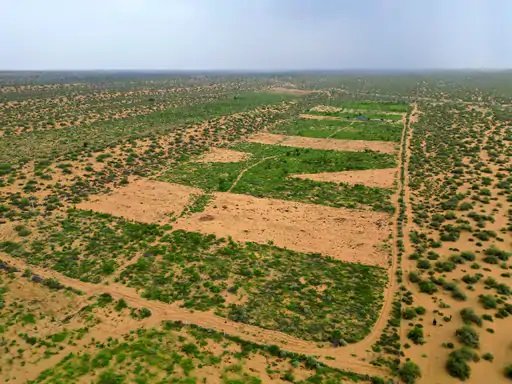
Nestled along the India-Pakistan border near Jaisalmer, a remarkable green transformation has taken shape in the midst of the Thar Desert. What was once an arid landscape is now home to a unique green park, spread over 25 acres, made up of 6,500 trees. The most fascinating feature of this park is that the trees are planted in such a way that when viewed from above, or even through Google Maps, they spell out the word ‘INDIA.’

Located 125 kilometers from Barmer in the village of Ghotaru, and just 20 kilometers from the international border, this green oasis stands as a testament to both environmental conservation and national pride.

The Story Behind the Green Park ‘INDIA’

This extraordinary park was developed by the Sankalp Taru Foundation, a non-profit organization based in Uttarakhand, which has been working on various environmental projects across India. According to Ravi Bhan Singh Bhati, the director of Sankalp Taru Foundation, the organization is committed to ensuring a greener future by planting and nurturing trees throughout the country.

The inspiration for this project came in 2019 when the foundation’s founder, Apoorv Bhandari, visited the Longewala War Museum near Jaisalmer. Struck by the desert’s stark beauty and the region’s historical significance, Bhandari envisioned a green project that would both celebrate India and contribute to the environment. His idea was to plant trees in the formation of ‘INDIA’ that could be seen from the sky and satellite imagery.

A 4-Year Journey of Dedication and Design

The project kicked off in January 2020 in the Ghotaru desert region. The team at Sankalp Taru Foundation meticulously designed the park using satellite imagery to ensure the proper alignment of the trees. Once the design was finalized, they geo-tagged the layout to guide the plantation process.

To bring this vision to life, the foundation raised approximately ₹40 lakh through donations. The design phase took about a month, after which the planting began. The park now hosts a variety of tree species, including Khejri, Rohida, Shisham, Kair, Neem, Arjun, Karanj, and several others, all of which are well-suited to the desert environment.

Sustaining the Greenery in the Desert

Maintaining this green marvel in such harsh conditions is no small feat. A dedicated team of five people is stationed at the park 24/7 to ensure the trees are well-maintained. Regular monitoring, watering, and care are essential, given the desert’s arid climate.

The effort is part of the foundation’s broader mission, which includes similar tree plantation projects across 28 states and union territories in India. Sankalp Taru Foundation is actively working towards preserving the environment and mitigating the effects of deforestation.

An Inspiring View from Above

Today, the ‘INDIA’ formation created by the trees is not only a beautiful sight but also a symbol of hope and environmental stewardship. Whether viewed from the sky or via Google Maps, the sprawling letters stand out against the sandy backdrop of the desert, embodying both a patriotic spirit and a commitment to environmental preservation.

This green park at the India-Pakistan border is more than just a plantation—it’s a message. It speaks of the power of collective action, the importance of environmental consciousness, and how even the harshest landscapes can be transformed into flourishing ecosystems.

The creation of this green park shows that even in a desert, a determined effort can lead to remarkable results, leaving behind a legacy of greenery and sustainability for future generations to admire and emulate.

The Evolution of Indian Eco-Tourism: Sustainability and Culture

0

Discover how eco-tourism in India promotes sustainability and cultural heritage, shaping a greener future for travel. Explore key destinations and challenges.

The Evolution of Indian Eco-Tourism: Promoting Sustainability and Cultural Heritage

India, a land of vibrant cultures and stunning natural landscapes, has long attracted travelers from around the globe. In recent years, however, the concept of eco-tourism has emerged as a significant trend, driven by a growing awareness of the environmental and cultural impact of travel. 

Unlike conventional tourism, eco-tourism is rooted in the principles of sustainability, conservation, and respect for local cultures. It is a form of travel that seeks to minimize the ecological footprint while providing meaningful experiences that connect visitors with nature and indigenous communities.

The Roots of Eco-Tourism in India

The origins of eco-tourism in India can be traced back to the late 20th century when the need to protect the country’s diverse ecosystems from the negative effects of mass tourism became apparent. 

Pioneers in the field, including conservationists and environmentalists, recognized that unchecked tourism could lead to the degradation of India’s fragile ecosystems. They advocated for a more sustainable approach to travel that would not only preserve natural habitats but also promote the welfare of local communities.

Initially, eco-tourism initiatives in India were concentrated in regions with significant biodiversity, such as the Western Ghats, the Sundarbans, and the Himalayan states. These regions offered unique opportunities for nature-based tourism, including wildlife safaris, trekking, and bird watching, all conducted with a focus on minimizing environmental impact. 

Over time, the concept of eco-tourism expanded to include cultural and heritage tourism, emphasizing the need to protect not only natural landscapes but also the rich cultural traditions of the communities that inhabit them.

Key Pillars of Eco-Tourism

Eco-tourism in India is built on several fundamental principles, each of which plays a crucial role in ensuring that tourism development is both sustainable and beneficial to local communities. One of the key pillars is the promotion of sustainable practices in tourism operations. This includes efforts to reduce waste, conserve energy, and minimize the carbon footprint associated with travel. 

By adopting eco-friendly practices, tourism operators can help protect the environment and ensure that natural resources are preserved for future generations.

Another essential component of eco-tourism is community involvement. Eco-tourism initiatives in India often emphasize the importance of engaging local communities in tourism activities. This not only provides economic benefits to these communities but also empowers them to take an active role in the preservation of their natural and cultural heritage. 

For example, in regions like Kerala and Sikkim, local communities have actively participated in developing and managing eco-tourism projects. This involvement has led to improved livelihoods and fostered a stronger sense of stewardship over the environment. Being a real games fan you can follow this website.

Cultural preservation is another critical aspect of eco-tourism. In many parts of India, eco-tourism serves as a platform for showcasing and preserving traditional arts, crafts, and customs. By encouraging tourists to engage with local cultures in a respectful and meaningful way, eco-tourism helps to protect these cultural traditions from being lost or commodified. 

This approach not only enriches the visitor experience but also fosters a deeper appreciation for the cultural diversity of India.

Prominent Eco-Tourism Destinations in India

India is home to a wide range of eco-tourism destinations, each offering a unique blend of natural beauty and cultural richness. Kerala, often referred to as “God’s Own Country,” is one of the leading states in promoting eco-tourism. 

The state has developed a robust eco-tourism infrastructure that includes responsible wildlife sanctuaries, sustainable resorts, and community-based tourism projects. Visitors to Kerala can explore the tranquil backwaters, trek through the Western Ghats, and participate in cultural experiences that highlight the state’s rich traditions.

Sikkim, a small Himalayan state, has also emerged as a model for eco-tourism in India. Known for its pristine landscapes and commitment to environmental conservation, Sikkim has implemented strict environmental regulations that limit the impact of tourism on its ecosystems. The state promotes low-impact tourism activities such as trekking, bird watching, and visits to organic farms, all of which provide visitors with an immersive experience of Sikkim’s natural and cultural heritage.

Rajasthan, a state better known for its deserts and palaces, has also embraced eco-tourism as a way to preserve its natural and cultural resources. In recent years, the state has developed eco-friendly tourism projects that allow visitors to experience the Thar Desert in a sustainable way. 

These include camel safaris that follow traditional routes, stays in eco-friendly heritage hotels, and visits to rural villages where tourists can learn about the local way of life. These initiatives have helped to reduce the environmental impact of tourism in the region while providing economic opportunities for local communities.

Challenges in Eco-Tourism

While eco-tourism holds great promise, it also faces several challenges that must be addressed to ensure its long-term success. One of the primary challenges is the issue of over-tourism. Even in eco-sensitive zones, the influx of tourists can lead to environmental degradation if not managed properly. 

This can result in the destruction of natural habitats, the depletion of resources, and increased pollution. To mitigate these risks, it is essential to implement strict regulations and monitoring systems that limit the number of visitors and ensure that tourism activities are conducted in an environmentally responsible manner.

Another challenge is the need for greater awareness and education among tourists. While eco-tourism is growing in popularity, many travelers are still unaware of the principles of sustainable travel. This can lead to behaviors that are harmful to the environment and local cultures, such as littering, disrespecting local customs, or engaging in activities that disrupt wildlife. 

To address this issue, eco-tourism operators must prioritize education and awareness-raising efforts, providing visitors with information on how they can minimize their impact and contribute to the preservation of the destinations they visit.

A Green Future: The Road Ahead for Indian Eco-Tourism

Looking ahead, the future of eco-tourism in India is bright, but it will require continued efforts to ensure that it remains sustainable and beneficial to all stakeholders. 

As more travelers seek out eco-friendly experiences, there is an opportunity to expand eco-tourism initiatives to new regions and communities across the country. This expansion should be guided by a commitment to environmental conservation, community empowerment, and cultural preservation.

Moreover, the success of eco-tourism in India will depend on the ability to balance the needs of tourists with the need to protect the environment and local cultures. This will require collaboration between government agencies, tourism operators, and local communities, as well as the development of innovative solutions that address the challenges of over-tourism and environmental degradation. 

By working together, stakeholders can create a tourism model that not only provides economic benefits but also contributes to the long-term sustainability of India’s natural and cultural heritage.

Embracing Eco-Tourism for a Sustainable Tomorrow

As we move towards a more sustainable future, eco-tourism offers a powerful tool for preserving India’s natural beauty and cultural diversity. By embracing the principles of sustainability, community involvement, and cultural preservation, eco-tourism can help to protect the environment while providing meaningful and enriching experiences for travelers. 

As more people become aware of the importance of responsible travel, there is hope that eco-tourism will continue to grow, creating a positive impact on both the environment and the communities that call these destinations home.